Vietnam souvenirs: what to buy in Vietnam as gifts to bring home
Five types of Vietnamese gifts are worth considering: coffee, tea, packaged snacks, textiles, and small handicrafts. Pick two or three that suit the recipient, then check your destination country's import rules before buying.
By Da Lat LoversPublished Updated
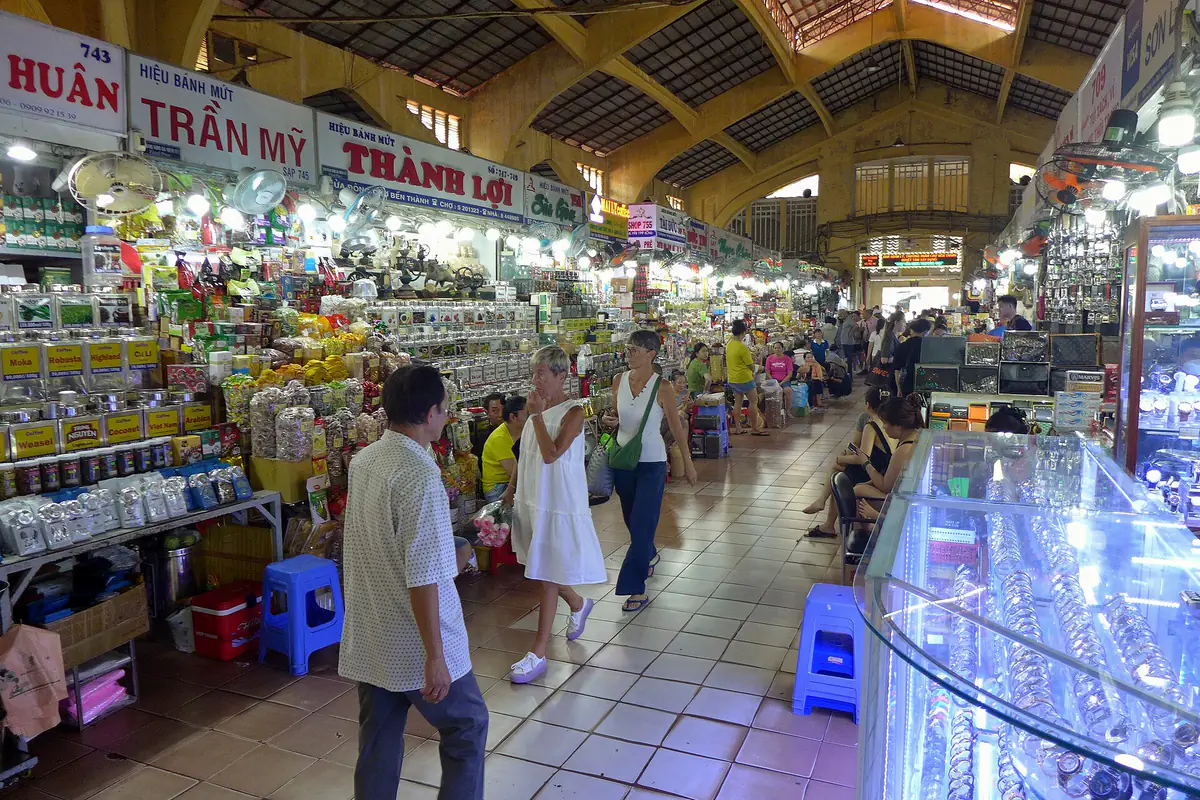
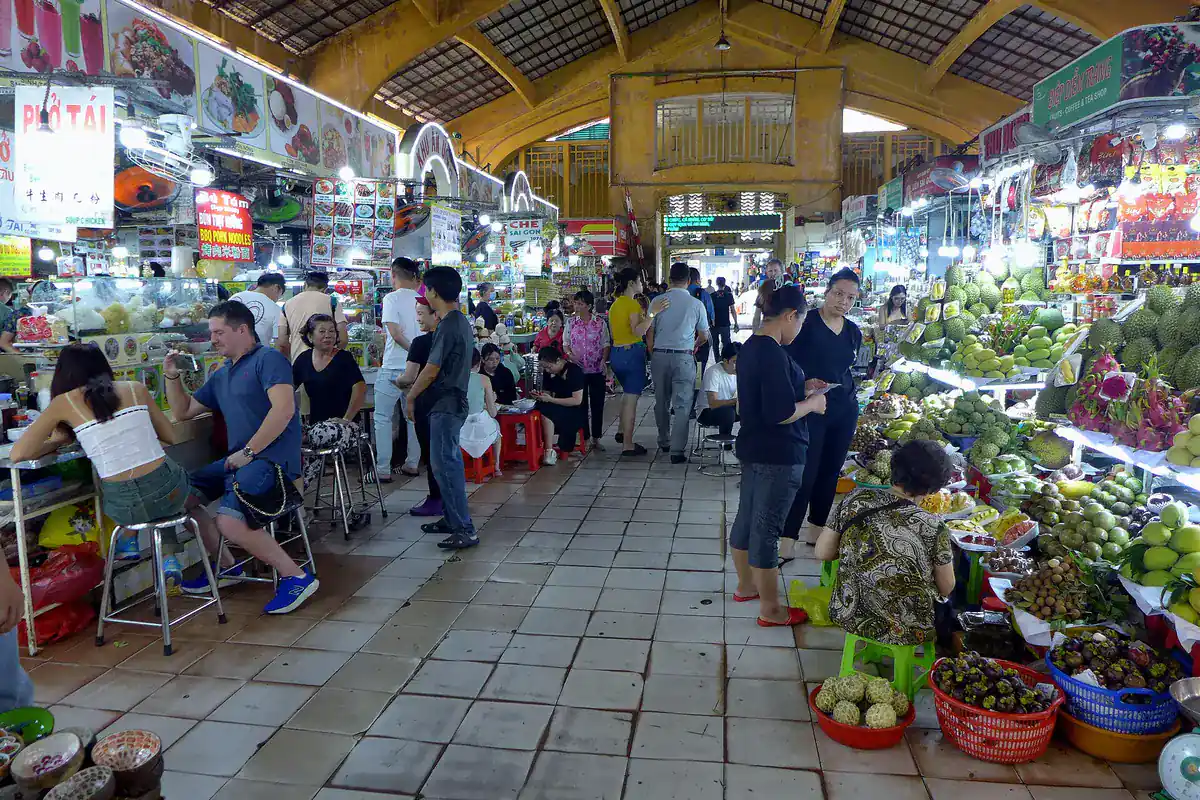
Dried-goods stalls in Ben Thanh Market
At Maison Marou on Calmette Street in Ho Chi Minh City, an 80g chocolate bar made with Vietnamese cacao costs VND 140,000. It takes up far less luggage space than a set of Bat Trang ceramics, though it is a poor pick if you will spend hours traveling in the heat. When choosing Vietnamese gifts for friends and family abroad, consider the recipient, your journey, and your destination country's customs rules before deciding what looks nicest on the shelf.
How to choose Vietnamese gifts that are actually worth bringing home
A good souvenir does not have to be expensive. A small embroidered scarf might be used for years, while a box of Vietnamese sweets could be shared with an entire family. A gift works when the recipient will enjoy it and you can get it home in good condition.
Before buying anything, answer three questions.
Does the recipient prefer food or something they can keep?
Someone who loves coffee will probably appreciate a bag of Vietnamese roasted beans. A person who avoids caffeine might prefer a woven scarf, notebook, or illustrated print. Colleagues usually get more out of individually wrapped sweets than a large decorative item.
How far does the gift have to travel?
A direct flight from Vietnam to Singapore is different from a journey involving two connections before reaching Europe. On a long trip, prioritize gifts that can stay at room temperature, do not require refrigeration, and are difficult to break.
Chocolate can soften inside a hot car. Crispy snacks may crumble under a heavy suitcase. Glass bottles can leak even when the outer packaging looks undamaged.
Will the destination country allow the gift through customs?
This matters most when buying food, since different countries have different rules for meat, dairy products, fresh fruit, seeds, plants, and animal products.
Vietnamese coffee: one of the easiest gifts for coffee lovers
Coffee is one of the first things to consider when deciding what to buy in Vietnam as a gift. It is compact, widely available, relatively easy to pack, and closely associated with Vietnamese daily life.
You can choose roasted ground coffee, whole roasted beans, or instant coffee.
Which Vietnamese coffee should you buy?
Whole roasted beans make sense for someone who already owns a coffee machine, since they can grind the beans for an espresso machine, filter brewer, or French press.
Someone who enjoys strong coffee may like Vietnamese Robusta. A person accustomed to milder coffee might prefer Arabica or a clearly labeled blend.
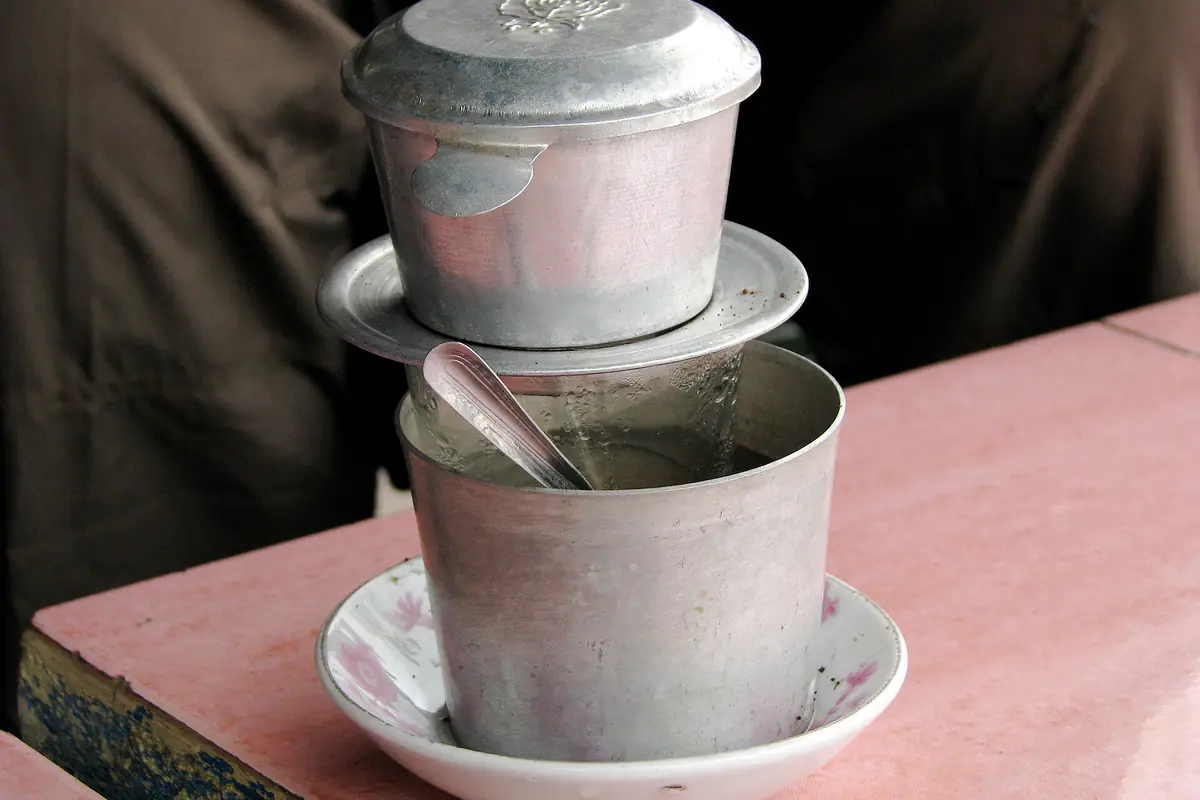
A bag of ground coffee and a stainless steel phin filter make a practical gift set for someone unfamiliar with Vietnamese brewing methods. A phin is a small metal coffee filter commonly used in Vietnam. It requires no electricity and takes up very little space.
Trung Nguyen Legend sells several roasted coffee products, including its Sang Tao range. Phuc Long also offers packaged whole-bean coffee, including 200g bags. You can find these products at official stores and larger supermarkets.
Coffee from Da Lat makes a better gift when the packaging identifies the roaster, roasting date, growing region, and recommended brewing method. The most expensive bag is not the point: roast level and brewing style matter more than the price.
Can you bring Vietnamese coffee into another country?
Roasted coffee is accepted for personal use in many destinations, but the rules are not identical everywhere.
In the United States, the USDA allows travelers to bring roasted coffee in their luggage without a specific agricultural inspection quantity limit for that product, though travelers must still declare agricultural products when entering the country. Large quantities or products intended for commercial purposes may be subject to additional requirements.
Australia allows travelers to bring up to 10kg of roasted coffee, ground coffee, or instant coffee for personal use.
Japan also lists roasted coffee among products that generally do not require plant quarantine inspection.
Green coffee beans, fresh coffee cherries, and seeds intended for planting are different products, and the rules for roasted coffee do not cover them.
Vietnamese tea: lightweight, presentable, and easy to store
Tea is a particularly good gift for older relatives, tea enthusiasts, or families who regularly serve hot drinks to guests.
Vietnam produces Thai Nguyen green tea, lotus tea, jasmine tea, oolong tea, and Shan Tuyet tea from the northern mountains. These teas have different flavors, so choose based on the recipient rather than the appearance of the box.
Jasmine tea is approachable for people who enjoy floral aromas. Oolong works well for someone interested in multiple infusions. Thai Nguyen green tea has a more noticeable astringency and is better suited to someone already familiar with green tea.
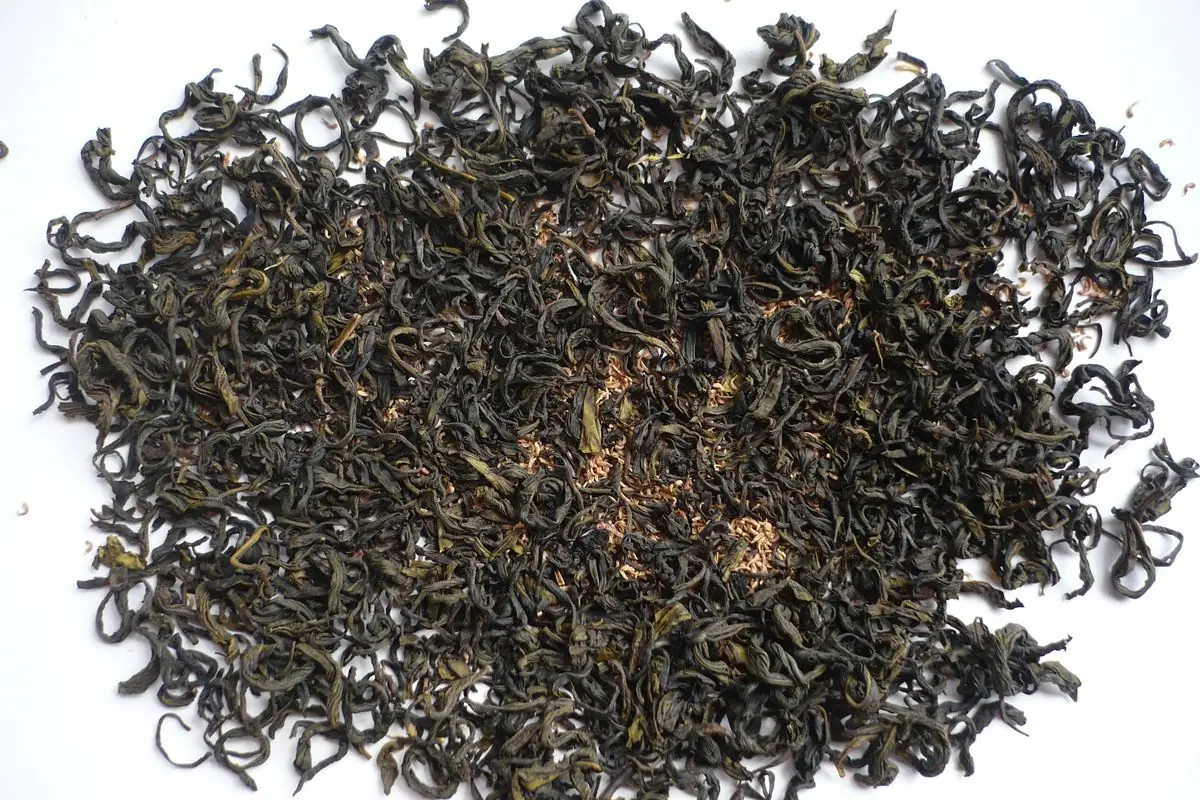
Where to buy Vietnamese tea
Phuc Long sells several types of tea bags, including oolong, jasmine, lotus, and black tea. Tea bags are especially convenient for recipients who do not own a teapot or other brewing equipment.
Loose-leaf tea lovers can try Hatvala in Ho Chi Minh City. Its shop is at 2A Le Van Duyet Street in the Binh Thanh area, and its Oriental Beauty Oolong Tea 2026 costs USD 18.15-33, depending on the package size.
Loose-leaf tea is much lighter than ceramic gifts. A small box can fit between clothes without requiring extra luggage space.
Will Vietnamese tea pass customs?
Green tea, black tea, and oolong made from processed leaves of the tea plant are generally less complicated than herbal blends containing multiple botanical ingredients.
For example, the United States allows travelers to bring in tea made entirely from Camellia sinensis leaves, although it must still be declared.
Flower teas, herbal teas, and blends containing seeds, roots, or bark may be treated differently. Australia also distinguishes ordinary tea from herbal products, and certain herbal ingredients have additional import conditions.
Choose packaging that identifies the ingredients, producer, and expiration date. Avoid buying unmarked loose tea and repackaging it into small anonymous bags, particularly if your journey includes several international border crossings.
Vietnamese chocolate: an easy gift that needs protection from heat
Vietnamese chocolate is a good option for friends, colleagues, and anyone interested in trying locally produced cacao.
Maison Marou offers chocolate made with cacao associated with regions such as Ba Ria, Ben Tre, Dong Nai, Tien Giang, and Lam Dong. The regional information printed on the packaging gives the gift an interesting story without requiring a large or elaborate souvenir.
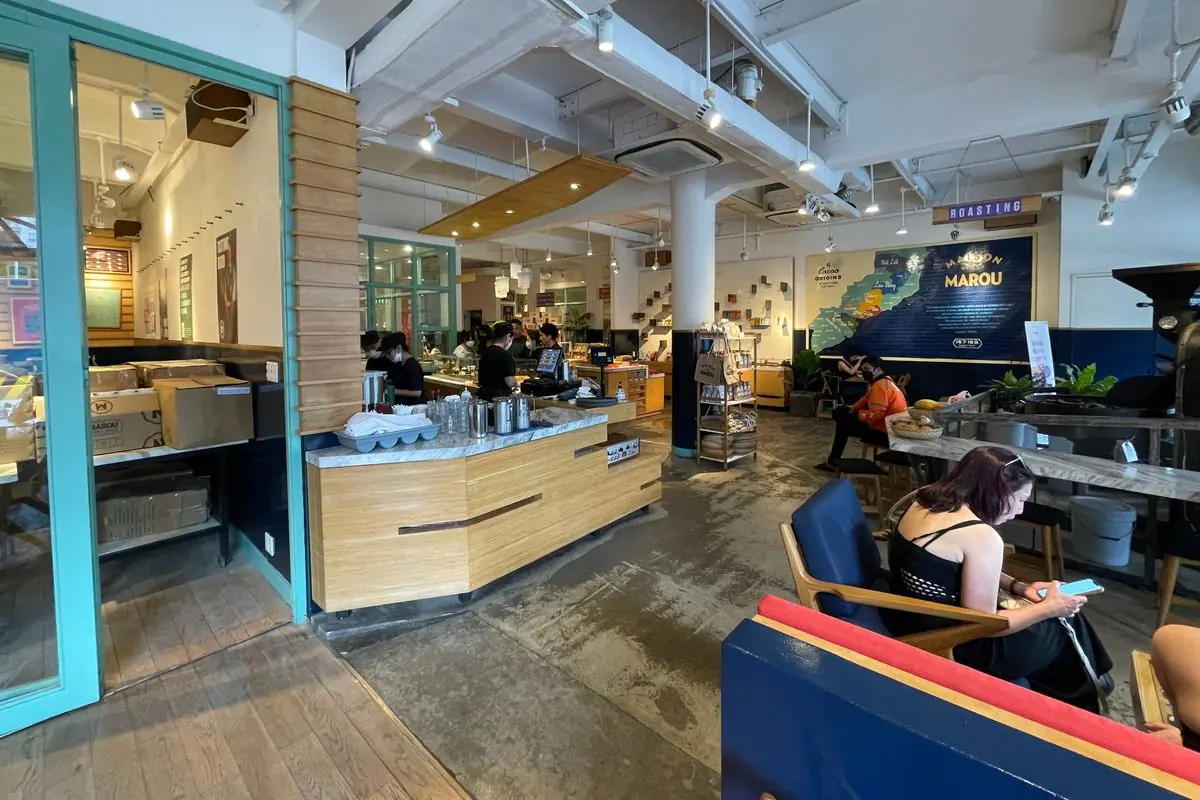
At Maison Marou, an 80g bar of 48% milk chocolate costs VND 140,000. A mini Dong Nai 72% dark chocolate bar costs VND 72,000, while a six-bar Marou gift set costs VND 345,000.
Skip the largest gift box. Two or three bars with different cacao percentages are often more interesting for someone who enjoys tasting chocolate.
How should you carry chocolate on a plane?
Solid chocolate bars and individually wrapped chocolates are generally more convenient than chocolate spreads or products with liquid centers.
Maison Marou's milk chocolate should be stored at 18-25°C. Chocolate bought before your flight belongs in a cool room, not in a hot car or direct sunlight.
When packing, place the bars between layers of soft clothing. On long journeys where temperature control is uncertain, consider keeping them in your carry-on luggage, provided your airline and airport security rules allow it.
Chocolate and certain processed confectionery products have specific exceptions under EU and UK import rules. A chocolate bar containing milk is therefore not banned just because some dairy products are restricted. However, the product must meet the applicable conditions, and chocolate with fresh fillings or unusual animal-derived ingredients may require additional checks.
Vietnamese snacks and sweets: which ones make good gifts?
Vietnam has plenty of delicious traditional snacks, but not every local specialty is suitable for international travel.
Fresh bread, steamed buns, cream-filled cakes, and foods requiring refrigeration are better enjoyed during your trip. The ones worth packing are dry, sealed products with clear ingredient labels.
Hai Duong mung bean cakes
Sweet, nutty, good with hot tea
Banh dau xanh, or mung bean cake, has a sweet, nutty flavor and a soft texture that dissolves quickly in the mouth. It is often packed in small portions and pairs particularly well with hot tea.
Brands such as Nguyen Huong, Bao Hien Rong Vang, and Rong Vang Ky Anh sell different gift-box sizes.
Check the ingredients, though. Some traditional mung bean cakes contain pork fat. For example, a 320g box of Nguyen Huong mung bean cake lists sugar, mung bean flour, and pork fat among its ingredients.
A bean base does not make mung bean cake vegetarian. Vegetarian recipients, people who avoid pork, and travelers entering countries with restrictions on meat products should read the ingredients on the exact package they intend to buy.
These cakes also crumble easily. Keep the box flat and avoid placing heavy objects on top.
Ben Tre coconut candy
Compact and easy to share
Coconut candy is a compact gift that can be shared with several people. Its coconut flavor is familiar, but the chewy texture and individually wrapped pieces give it a distinct character.
You can choose traditional coconut candy or variations containing cacao. The original flavor is usually the easiest introduction for someone who has never tried it.
Check for milk, butter, nuts, and other potential allergens. Different manufacturers use different recipes.
Keep the manufacturer's original packaging. A labeled bag is more useful at customs than loose candy repacked into an unmarked container.
Hue sesame candy
Sesame, sugar, and malt syrup
Me xung is a traditional sweet made with sesame, sugar, and malt syrup. It has a rich sweetness and sesame aroma, making it a good accompaniment to tea.
Choose individually wrapped portions if you plan to share the candy with colleagues. Soft varieties may become sticky in hot weather, while crisp varieties can break under pressure.
The label should identify sesame, peanuts, and any other relevant allergens. Ask about food allergies before giving this type of sweet.
Soc Trang pia cakes
Mung bean and durian, sometimes salted egg yolk
Banh pia is a pastry commonly filled with mung bean paste and durian. Some versions also contain salted egg yolk.
Its flavor is distinctive, which makes it a risky first gift for someone unfamiliar with durian.
Pastries containing eggs or other animal ingredients may be subject to additional import requirements. Some also have shorter shelf lives than ordinary dry biscuits.
Mung bean cakes with suitable ingredients, sesame candy, and packaged coconut candy hold up better on a long journey. Pia cakes are better when you already know the recipient enjoys durian and the destination country permits the particular product.
Dried fruit: Vietnamese snacks that do not usually need refrigeration
Dried jackfruit, banana chips, dried mango, and dried sweet potato are widely available in Vietnam. Some have naturally sweet flavors, while others contain added sugar, oil, or seasonings.
At specialty retailers such as Langfarm, you can find several varieties of crispy and chewy dried fruit.
Crispy jackfruit is suitable for someone who likes crunchy snacks. Chewy dried mango is better for people who prefer sweet-and-sour flavors. Banana chips are familiar and approachable, but check whether they contain added sugar, oil, or flavorings.
Dried fruit is often light but bulky. A large bag of jackfruit chips can take up considerable luggage space and may be crushed if packed beneath heavier items. Choose smaller sealed packages when possible. Two small bags are also easier to distribute than one large bag.
Da Lat's wind-dried persimmons are another option, although you should pay particular attention to shelf life and storage temperature. Some Langfarm hanging-dried persimmon products are best stored below 20°C. Avoid buying temperature-sensitive products too early if you will be traveling for several days in hot conditions.
Can dried fruit be brought into any country?
No. Import conditions depend on the destination, fruit species, processing method, and packaging.
Japan allows many types of properly processed dried fruit, including mango, banana, and pineapple, without ordinary plant quarantine inspection.
Australia has more detailed biosecurity requirements for plant products. The words "dried fruit" on a package do not settle the question there.
Fresh fruit bought at a local market is even more likely to face restrictions. Something that makes a great snack during your Vietnam trip may not be suitable for carrying across an international border.
Vietnamese spices: small gifts for people who enjoy cooking
Someone who enjoys cooking may use Vietnamese spices more often than a decorative souvenir.
Phu Quoc pepper, cinnamon, star anise, dried chili, and packaged spice blends are worth considering. Choose processed, commercially packaged products with clearly listed ingredients.
Whole peppercorns suit people who own a pepper grinder. Cinnamon sticks or ground cinnamon can be used in desserts and drinks. Star anise has a strong aroma and is useful for people who regularly make broths or slow-cooked dishes.
Anyone who enjoyed pho in Vietnam will likely appreciate a packaged pho spice mix, as long as you check the ingredient list carefully. Some soup bases and seasoning mixes contain meat powder, beef extract, chicken extract, or other animal ingredients. These products are not simply dried plant spices and may be subject to separate import restrictions.
Should you buy fish sauce or chili sauce as gifts?
You can consider them, but they are not ideal default gifts for international flights.
Fish sauce has a strong smell, is a liquid, and can leak. Chili sauce, oils, honey, and similar products are also subject to liquid restrictions in carry-on luggage.
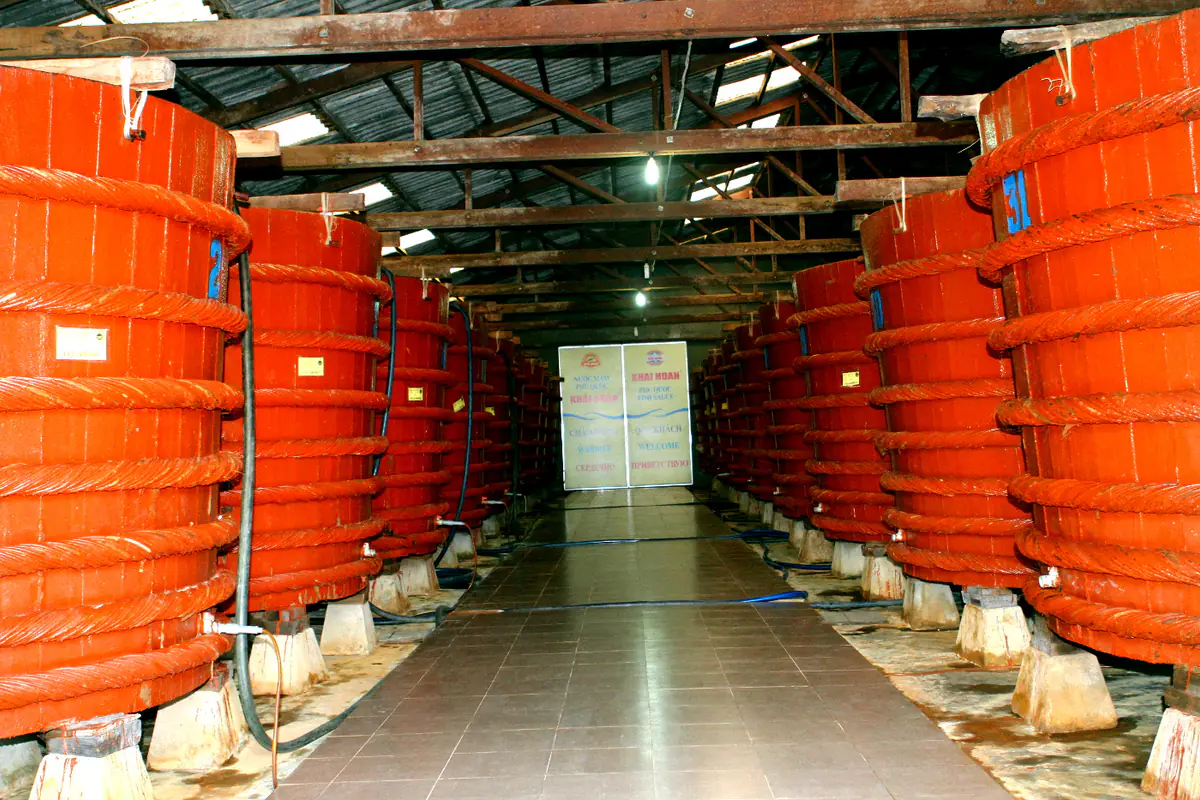
Anyone set on bringing a bottle home should check the airline's rules, any connecting airport requirements, and the destination country's food import conditions before buying it.
Glass bottles need individual wrapping, protection around the cap, and a leak-resistant outer bag. Even careful packing cannot completely eliminate the risk of breakage.
With limited suitcase space, a compliant package of pepper or dry spices is more convenient than a bottle of sauce.
Silk scarves, embroidery, and fabric bags: some of the easiest Vietnamese souvenirs
Some people would rather not receive food. Fabric souvenirs are often simpler to choose for people with food allergies, dietary restrictions, or strict biosecurity rules at home.
Silk scarves, cotton scarves, embroidered bags, and small fabric wallets are light, reusable, and difficult to break.
In Vietnam, you can find embroidered textiles, brocade products, and fabric accessories featuring traditional patterns. These make good gifts for someone who wants a lasting reminder of their trip.
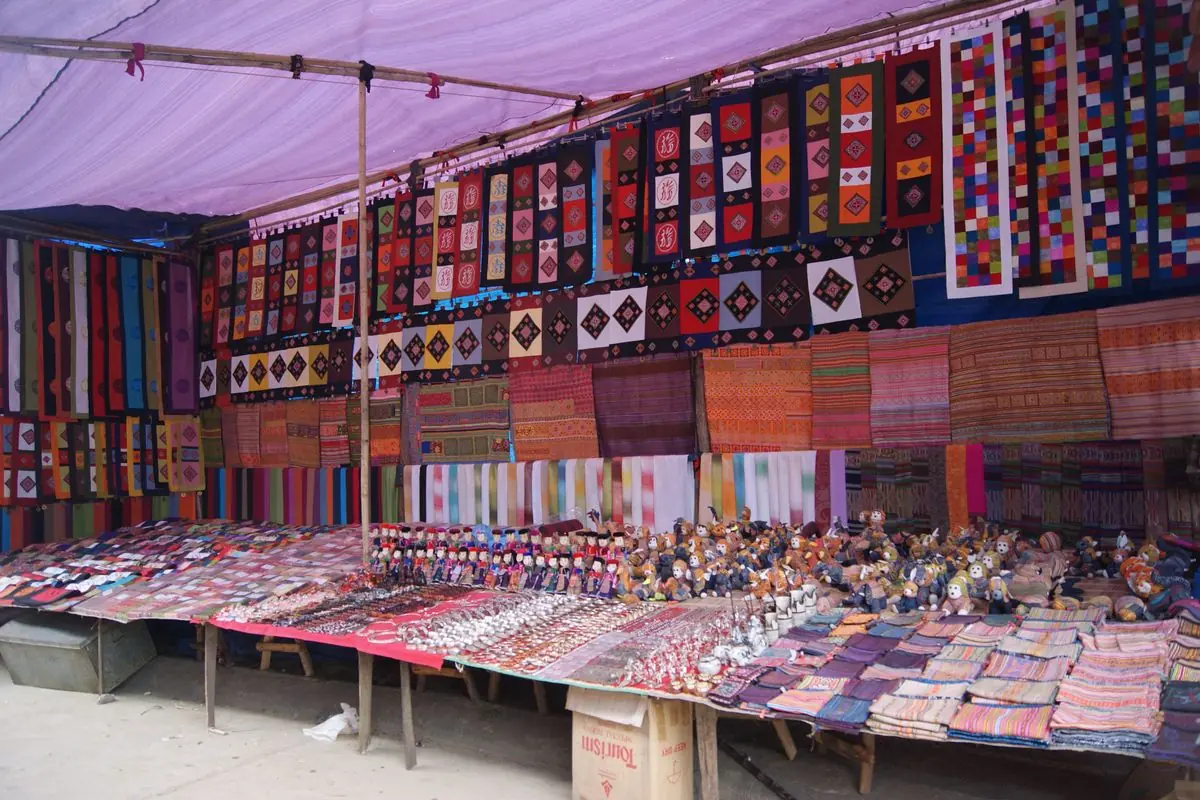
How to choose quality textiles
Start by checking the fabric. Plenty of products described as "silk" are not 100% natural silk.
Read the label, ask about the fiber content, and examine the stitching. Scarves should feel soft, with neatly finished edges. On bags, inspect the straps and the seams along the bottom, since these areas take the most pressure during use.
Color matters too. A brightly patterned scarf may look impressive on display but be difficult to wear regularly. Someone who prefers understated clothing may appreciate neutral colors or smaller patterns.
Where to buy Vietnamese handicrafts in Hanoi
Craft Link is located around 43-51 Van Mieu Street, near the Temple of Literature. It is a nonprofit, fair-trade organization working with traditional craft communities, ethnic minority groups, and people with disabilities.
The shop opens roughly 9:00 AM-6:00 PM daily. Check the current schedule before visiting, as opening hours may change.
Some items here are connected to particular weaving or embroidery techniques and the communities that produce them, which gives you something specific to tell the recipient about their gift.
Scarves and fabric bags do not need rigid boxes. Fold them neatly, place them in a clean bag, and pack them with your clothes.
Vietnamese lacquerware: choose something small and useful
Lacquerware is one of Vietnam's distinctive handicraft traditions, and a meaningful piece can be much smaller than a painting or decorative vase. A small lacquered box, tray, or desk accessory can be attractive and practical.
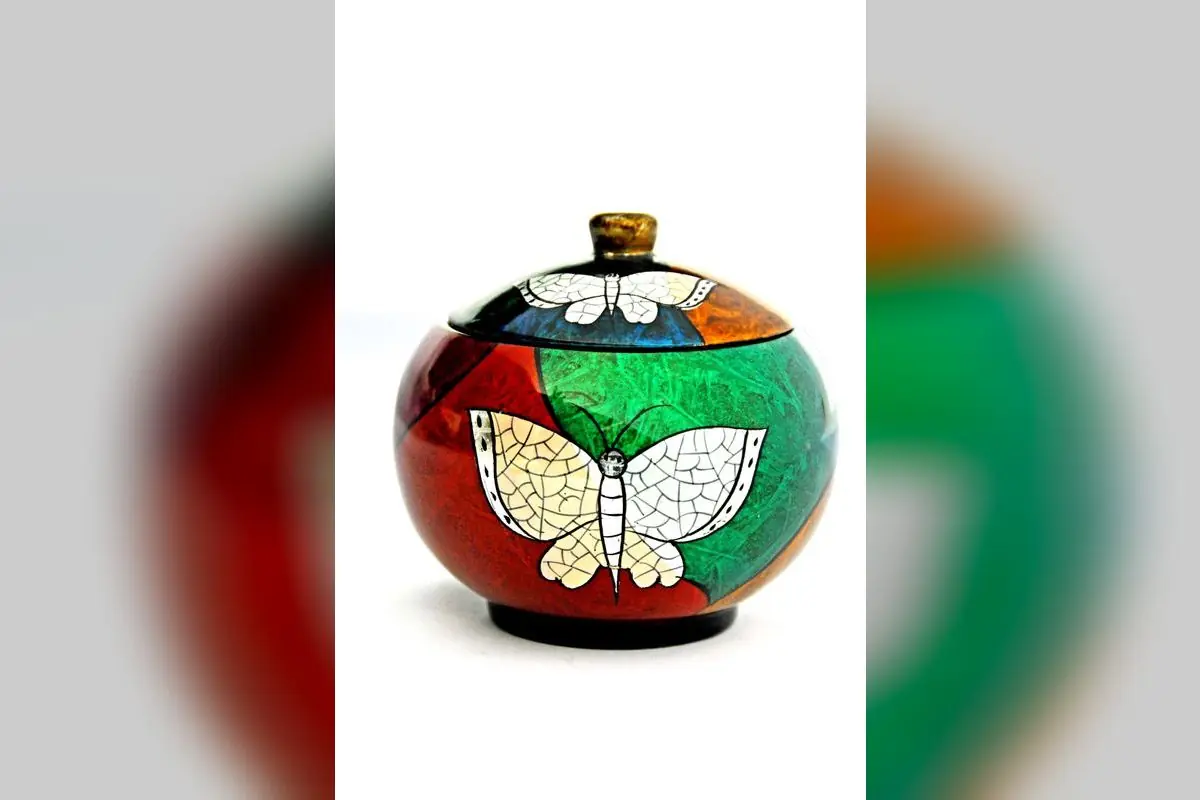
When choosing a piece, examine the surface under good lighting. Look for an even finish without visible cracks, peeling, or sharp corners.
Ask the seller about the base material and cleaning instructions. Some pieces are made from treated wood or other natural materials, while cheaper souvenirs may imitate traditional lacquerware using different manufacturing methods.
In Hanoi, Hanoia operates Hanoia House at 38 Hang Dao Street, open 8:30 AM-8:00 PM. It is a good place to explore contemporary lacquerware designs.
How to pack lacquerware
Lacquered surfaces can be scratched by zippers, metal accessories, and other hard objects. Wrap the item in soft paper or cloth first, then place it inside a rigid box. Add padding around the corners so the item cannot move during transport.
Finished wooden handicrafts are different from untreated wood, living plants, or products containing bark, soil, or seeds. Unprocessed natural materials may be subject to separate quarantine requirements.
Avoid purchasing souvenirs made from ivory, coral, turtle shells, or wildlife parts unless their origin and all necessary permits can be established. Some products are regulated under CITES, even when sold openly as souvenirs.
Bat Trang ceramics: beautiful but less convenient for luggage
A small Bat Trang ceramic mug, decorative plate, or tea cup can make a useful gift. However, ceramics are not ideal for travelers carrying only a small cabin bag, visiting several cities, or already struggling with luggage weight.
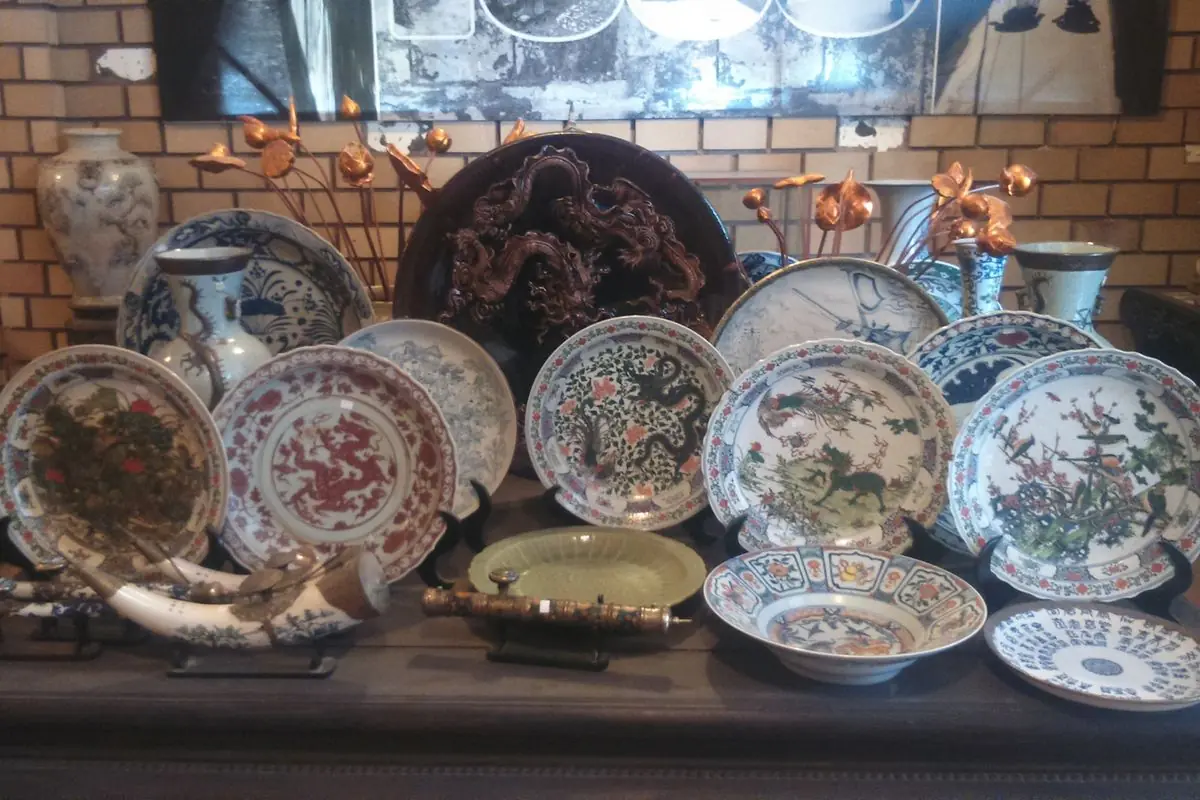
Before buying, inspect the rim and base. The glaze should appear even, without visible cracks.
Anything meant for food or drinks needs the manufacturer's confirmation that it is suitable for food contact, so ask. Not every decorative ceramic product is designed for serving food.
A single mug is generally easier to pack than a six-piece tea set. Ask the shop to wrap each piece separately, because a decorative gift box may look attractive but still offer insufficient protection inside checked luggage.
Place ceramics in the middle of your suitcase, surrounded by clothing. Avoid positioning them against the outer walls of the suitcase or beneath heavy objects. Particularly expensive or sentimental items may be worth professional shipping rather than ordinary luggage.
Postcards, art prints, and fridge magnets: good gifts for several people
What if you want to bring gifts for eight colleagues without checking an extra suitcase? Postcards, small art prints, bookmarks, and fridge magnets are practical choices.
They do not require refrigeration, have no food ingredients, and occupy very little space.
Look for illustrations of Hanoi's Old Quarter, Hoi An, Saigon, terraced rice fields, or everyday life in Vietnam. Artwork by Vietnamese illustrators can feel more personal than mass-produced souvenirs. Check the artist's name, publisher, and paper quality.
Unframed prints travel best. A print rolled inside a sturdy tube or protected between cardboard sheets is easier to transport than one already mounted behind glass.
Fridge magnets can lose their decorative surface when knocked against one another. Wrap them individually in soft paper.
This category works particularly well when buying gifts for a group. Expiration dates and food ingredients are not a concern, although ordinary customs rules for goods and their value still apply.
Where to buy Vietnamese gifts without spending all day shopping
There is no need to visit every market in town if you only want a handful of souvenirs.
Loading map...
- Maison Marou: 169 Calmette Street, Ho Chi Minh City, Vietnamese chocolate
- Hatvala: 2A Le Van Duyet Street, Ho Chi Minh City, loose-leaf tea
- Craft Link: 43-51 Van Mieu Street, Hanoi, textiles and handicrafts
Supermarkets and official brand stores are usually the easiest places to buy food, because they offer different package sizes, ingredient labels, and expiration dates.
In Ho Chi Minh City, Maison Marou at 169 Calmette Street is a specific place to buy Vietnamese chocolate. It opens 9:00 AM-10:00 PM from Monday to Thursday and 9:00 AM-10:30 PM from Friday to Sunday.
Hatvala at 2A Le Van Duyet Street covers Vietnamese tea. Coffee and packaged snacks are simplest to buy at official brand stores or supermarkets with suitable storage conditions.
In Hanoi, the Van Mieu area has Craft Link for textiles and handicrafts, and Hanoia House on Hang Dao Street is an alternative for lacquerware. Decide what kind of gift you want before visiting, because these stores cater to different needs and budgets.
In Da Lat, Langfarm stores carry tea and dried-fruit products. Buy items that require cooler storage or have shorter shelf lives close to your departure date.
Split your shopping into two stops: buy packaged food at a supermarket or official brand store, then visit one specialist shop for the type of handicraft you like. Crossing the city for half a day to save a small amount on individual souvenirs is rarely worth it.
How much should you spend on Vietnamese gifts?
Your budget depends on how many people you are shopping for. If you need gifts for your family and several colleagues, allocate most of your budget to small items and reserve one or two special purchases for close friends or relatives.
The following are listed prices for a few specific products.
| Product | Listed price in 2026 | Best for |
|---|---|---|
| Dong Nai 72% mini dark chocolate - Maison Marou | VND 72,000 | Friends, colleagues |
| 48% milk chocolate, 80g - Maison Marou | VND 140,000 | Chocolate lovers |
| Six-bar Marou gift set - Maison Marou | VND 345,000 | Families, shared gifts |
| Oriental Beauty Oolong Tea 2026 - Hatvala | USD 18.15-33, depending on size | Tea enthusiasts |
Availability and promotions may change. Handicraft prices vary considerably depending on materials, size, and craftsmanship, so check the actual item rather than relying on a broad estimate.
One useful small gift is enough for colleagues or casual friends. Close relatives could get something edible combined with a small keepsake. Someone particularly interested in Vietnam may find a carefully chosen embroidered scarf or lacquered item more meaningful than a large assortment of sweets.
Gifts can cost different amounts, and there is no need to find something completely different for each person. Products that are easy to distribute, such as individually wrapped sweets, tea bags, and postcards, make the process much simpler.
Can you bring Vietnamese gifts on a plane? Carry-on vs. checked luggage
Check the rules before buying liquids, fragile items, or products with strong odors.
There are two separate questions: can you take the item through airport security and onto the aircraft, and will customs and quarantine authorities allow it into your destination country? Clearing airport security in Vietnam says nothing about whether the product is legal to import elsewhere.
Dry foods
Roasted coffee, packaged tea, dry biscuits, and solid chocolate are generally easier to travel with than liquids.
On Vietnam Airlines, ordinary food products are not subject to additional restrictions beyond applicable rules for strong-smelling products and baggage weight, dimensions, and piece limits. Other airlines may have different policies, and certain strongly scented foods may be restricted or require special handling.
Fragile biscuits are better in carry-on luggage when space allows. Sturdy packaged snacks can also go into checked luggage if adequately protected.
Liquids, gels, and sauces
On international flights, the commonly applicable liquid restriction at Vietnamese airports is a maximum container capacity of 100ml, with a total of up to 1 liter per passenger under the relevant conditions.
A 250ml bottle of fish sauce does not become acceptable once half of it has been used. The limit applies to the container's capacity.
Duty-free liquids purchased after security may qualify for exemptions when correctly sealed with the required documentation. However, connecting airports and destination countries can impose additional conditions.
Sauces, oils, and alcohol purchased outside the airport will usually have to go in checked baggage.
Wine and other alcoholic drinks
Da Lat wine can make a gift for someone who enjoys wine, but check alcohol content, the traveler's age, customs allowances, and airline rules.
Duty-free import allowances are a separate matter. The quantity an airline lets you transport is not the same as the quantity you can import without paying duty.
Customs rules for Vietnamese gifts: USA, Australia, Japan, Singapore, and Europe
A gift that is acceptable in one country may be restricted in another. When buying food, check both the destination country's rules and the ingredients of the specific product.
United States: declare food and agricultural products
The United States requires travelers to declare food, plants, agricultural products, and wildlife products when entering the country. Roasted coffee and processed tea leaves are permitted for travelers, but they must still be declared.
Cakes, sweets, and other specialties containing animal ingredients need a check on the exact product. Meat-containing foods may be treated differently from ordinary biscuits or chocolate.
Keeping the original labels and receipts can help inspection officers identify what you are carrying. If you declare an item truthfully and an officer determines that it cannot enter the country, that is different from deliberately hiding a restricted product.
Australia: pay attention to ingredients and biosecurity declarations
Australia has strict biosecurity rules. Before buying food, you can check the relevant import conditions through the Department of Agriculture's BICON system.
Ordinary roasted coffee, ground coffee, and instant coffee are permitted in quantities of up to 10kg for personal use, while civet coffee is subject to separate conditions.
Biscuits and baked goods may be allowed when fully cooked, shelf-stable, and free from meat. Commercially packaged chocolate also has specific import guidance. Seeds, dried fruit, herbal teas, and botanical products require closer attention to their individual conditions.
When an arrival declaration asks whether you are carrying a particular type of food or biological material, answer accurately. Biosecurity officers make the final assessment at the border.
Japan: processed tea, roasted coffee, and certain dried foods are more straightforward
Japan keeps a list of processed plant products that generally do not require ordinary plant quarantine inspection. Examples include processed tea, roasted coffee, roasted nuts, and certain types of dried fruit.
Fresh fruit, living plants, seeds for planting, and meat products have different rules. Vacuum sealing does not exempt a product from quarantine requirements.
Singapore: separate limits apply to processed food
Singapore allows travelers to bring many types of processed food for personal consumption, including certain biscuits, jams, nuts, and packaged food products.
Under Singapore Food Agency (SFA) rules, the combined weight of processed foods in the relevant category must not exceed 5kg per traveler. Meat, fish, eggs, fruits, vegetables, and other food categories have separate conditions and do not all count toward the same 5kg allowance.
Bringing food back for several relatives? Add up the combined weight of products within the relevant category before shopping.
European Union: be careful with meat, dairy, and plant products
Travelers entering the EU from Vietnam cannot freely import meat, milk, and related restricted products in the same way they might when traveling within the EU.
However, EU regulations contain specific exemptions for certain processed products, including qualifying chocolate, confectionery, and biscuits, so some products containing milk can still come in.
Mung bean cakes containing pork fat, pastries with meat fillings, and other animal-derived specialties need an import check before you buy them. Plant-based products also call for a distinction between fresh materials and processed goods.
United Kingdom: check both ingredients and the value of your gifts
Travelers entering Great Britain can bring biscuits, chocolate, and certain processed foods, while meat and many dairy products from outside the EU are restricted.
Travelers arriving by commercial flight have a general allowance of £390 for other goods, including many souvenirs. Goods exceeding the allowance must be declared and may be subject to tax.
Northern Ireland has different rules, so Great Britain guidance does not cover every UK destination.
How to pack Vietnamese gifts so they arrive undamaged
Buying a good souvenir is only half the job. The other half is getting it home in good condition.
Cakes, sweets, and dry food
Do not remove original packaging just to save a little luggage space. Labels show ingredients, origin, weight, and expiration dates.
Crispy snacks should stay inside rigid boxes whenever possible. Products in bags that might tear can be placed inside a second sealed bag.
Keep food away from shampoo, perfume, cleaning products, and other liquids that might leak.
Chocolate needs some thought about the temperature throughout the journey, and trips involving long waits outdoors are not ideal for heat-sensitive products.
Ceramics and glass
Wrap each item separately, particularly handles, rims, and corners. Place fragile objects near the center of the suitcase, surrounded by soft clothes. Do not rely entirely on the shop's decorative cardboard box.
Glass bottles containing liquids need a checked cap, a leak-resistant bag, and suitable absorbent padding. Then place the bottle in a separate protective container.
Scarves, prints, and lacquerware
Fold scarves neatly and store them in clean bags. Protect prints between rigid cardboard sheets or inside a sturdy tube.
Wrap lacquerware in soft material to prevent scratches, and keep it away from keys, metal accessories, and sharp edges.
Before closing your suitcase
Lay out everything you have bought. Identify which items are food, which contain liquids, which are fragile, and which may contain regulated ingredients. Then check the carry-on rules, checked-baggage conditions, and destination import requirements.
Keep receipts for valuable items or products where proof of origin may be useful. When entering your destination country, make any declarations required by law rather than attempting to hide food among your clothes.
Vietnamese gifts you may want to avoid
Some products are strongly associated with Vietnam but are poor choices for long international journeys.
Fresh fruit: Mangoes, longans, lychees, rambutans, and many other fresh fruits can be restricted because of plant quarantine requirements. A low price at a local market is no reason to buy an entire box.
Dried meat, pork floss, and sausages: Many countries strictly control meat products, even when dried, cooked, or vacuum-sealed.
Fresh cakes and refrigerated foods: These can deteriorate during long journeys. Some contain meat, eggs, or dairy products requiring additional checks.
Large bottles of fish sauce: They are heavy, can leak, have a strong odor, and must comply with baggage and food-import regulations.
Large bottles of wine or spirits: Glass bottles add weight and may involve alcohol-strength restrictions and customs allowances.
Wildlife or plant souvenirs of uncertain origin: Coral, ivory, animal shells, and certain rare plant or wood products may require permits or be prohibited altogether.
Antiques and potentially protected cultural objects: These are not ordinary souvenirs. Without clear provenance and any required documentation, choose contemporary handicrafts instead.
Ready-made Vietnamese gift combinations for different people
A coffee enthusiast will get plenty of use from a bag of roasted Vietnamese coffee and a stainless steel phin filter, and can try a traditional Vietnamese brewing method at home.
Tea lovers would enjoy a box of jasmine or oolong tea with a postcard showing the producing region or a city you visited.
Give someone with a sweet tooth two chocolate bars made with cacao from different Vietnamese regions, so they can compare flavors. A bag of individually wrapped coconut candy is another good sharing option.
A fabric scarf, notebook, or small art print may be easier for vegetarians or people with special dietary requirements than checking every ingredient in packaged food.
A large office is easiest to cover with individually wrapped snacks that have clearly labeled ingredients and comply with the destination country's import rules. A few postcards can add a personal touch without much extra weight.
Someone who enjoys decorating their home might like a small lacquerware box or ceramic mug, provided you have enough luggage space to protect it.
No single gift can represent the whole of Vietnamese culture. Choose something the recipient can actually eat, drink, wear, or use in everyday life.
The same approach works when buying Vietnamese gifts for Lunar New Year, business partners, or friends living abroad. Start with the recipient's preferences, check the destination country's current rules, and keep the selection small: useful items, secure packaging, and clear product information.
FAQ
Can I bring Vietnamese coffee to the US, Australia, or Japan?
Roasted coffee is generally allowed into all three countries for personal use, subject to their specific requirements. The United States requires agricultural products to be declared. Australia allows up to 10kg of ordinary roasted coffee for personal use, while Japan generally exempts roasted coffee from ordinary plant quarantine inspection. Unroasted coffee and seeds intended for planting are treated differently.
What are the best Vietnamese snacks to bring home as gifts?
Mung bean cakes, sesame candy, coconut candy, and packaged biscuits are worth considering. Choose products that do not need refrigeration, have a reasonable shelf life, and display clear ingredient labels. Some mung bean cakes contain pork fat, while pia cakes may contain salted egg yolks or other animal ingredients. Check your destination country's rules before buying.
Can I bring Vietnamese fish sauce or chili sauce on a plane?
You need to distinguish carry-on from checked baggage. Liquids in carry-on luggage on international flights are generally subject to a 100ml maximum container capacity and applicable total-volume limits. Checked baggage follows the airline's conditions, but those conditions do not replace the destination country's food import regulations. Check both before purchasing.
Which Vietnamese souvenirs are easiest to pack?
Fabric scarves, small embroidered bags, postcards, unframed prints, fridge magnets, and stainless steel phin filters are usually more convenient than ceramics or glass bottles. They are lightweight, relatively difficult to damage, and do not need the temperature control required by some foods.
Does buying Vietnamese food at the airport mean it will pass customs?
No. Duty-free purchases may qualify for certain airport liquid-security exemptions, but they are not automatically exempt from food quarantine or import restrictions at your destination. Airport purchases must still be declared whenever required.