Choose the best Da Lat wind-dried persimmons at the right price for gifts
In 2026, a 500g box of Da Lat wind-dried persimmons costs VND 200,000 at Quynh Thoa and VND 315,000 at DaLaVi. Same weight, but a different persimmon variety, different packaging and a different chew.
By Da Lat LoversPublished Updated
For a first taste of Da Lat wind-dried persimmons, a 250g pack is plenty. A 500g box makes more sense for a family or a gift, but a nice-looking box tells you little about the fruit inside. Before paying, check the texture, where the persimmons were produced, how long they will last, and whether they need refrigeration on the journey home.
Which Da Lat wind-dried persimmons should you buy?
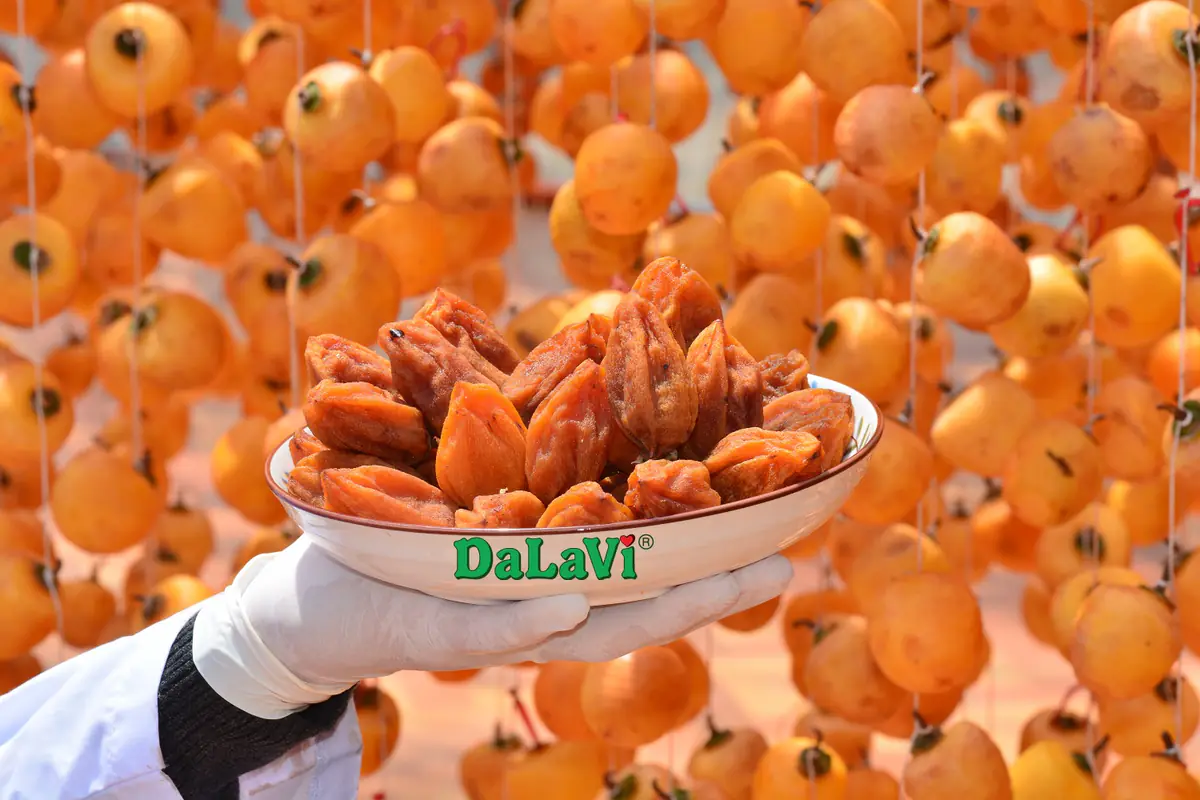
Good wind-dried persimmons keep their original fruit shape. The outside becomes slightly firm and wrinkled, while the inside stays soft, chewy, and naturally sweet. When sliced open, the flesh may range from deep yellow and amber to reddish brown, depending on the variety and drying method.
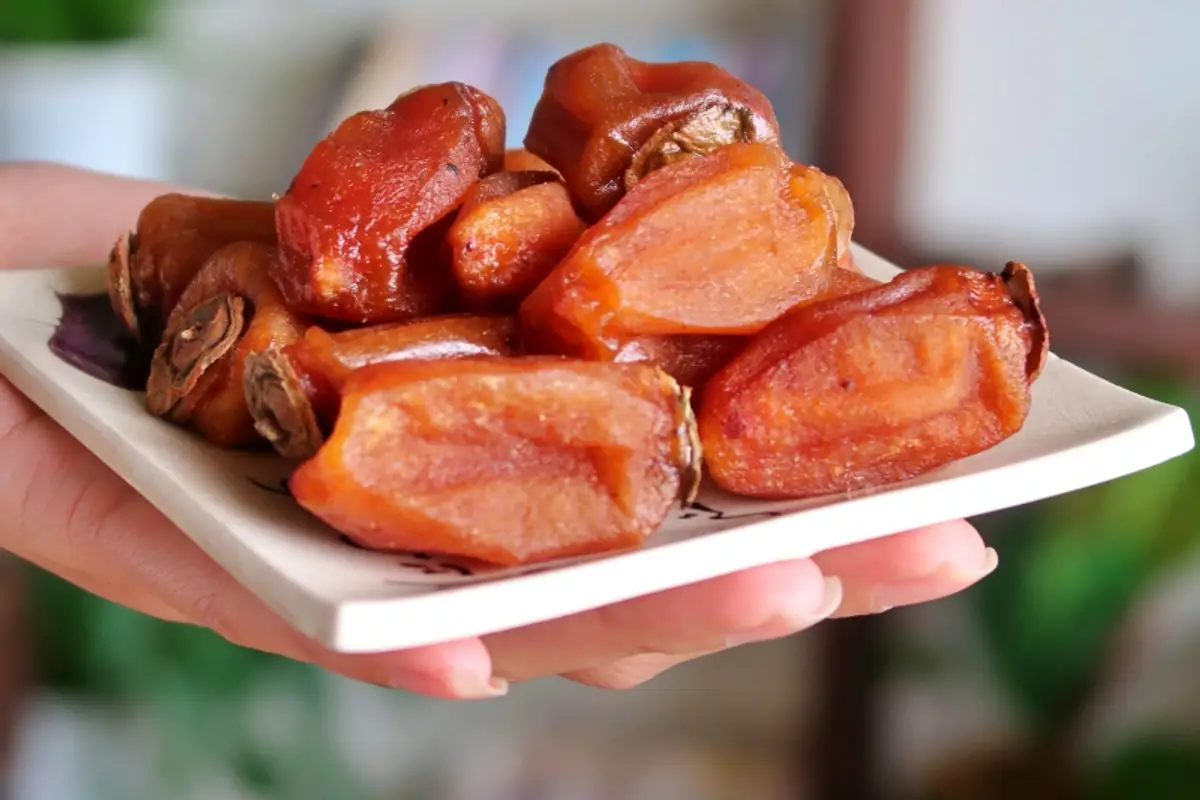
Unlike crispy dried fruit, wind-dried persimmons still contain a noticeable amount of moisture. Their texture is closer to soft dried fruit than to crunchy fruit chips.
On a first purchase, look for three things:
- Easy to enjoy: Choose persimmons with a soft, chewy texture, balanced sweetness, and no noticeable astringency.
- Easy to give as gifts: Look for sealed 250g or 500g packages with clear product information.
- Easy to transport: Choose sturdy, properly sealed packaging and check whether the product needs to remain refrigerated.
You'll see names such as honey persimmons, Japanese-style dried persimmons, creamy persimmons, and seedless persimmons. Some describe a fruit variety, while others are mostly texture or marketing labels, so none of them is a promise of better quality. Judge the product itself: the ingredients, net weight, storage requirements, and condition of the fruit. A good 250g box that suits someone's taste beats a full kilogram bought only because it was discounted.
What types of Da Lat wind-dried persimmons are available?
There is no single classification system used by every persimmon producer in Da Lat. Shops tend to sort their products by persimmon variety, softness, and finished appearance.
Egg-shaped persimmons: best for rich sweetness
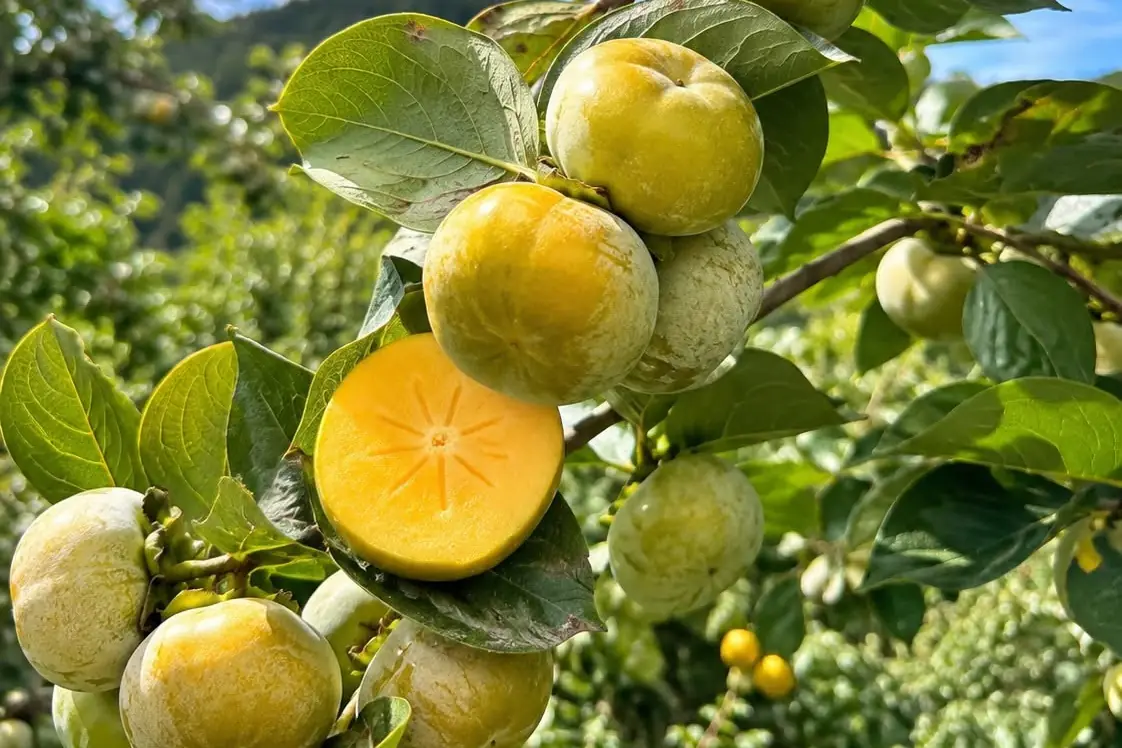
Egg-shaped persimmons, known locally as hồng trứng, are a familiar variety in Da Lat. The fresh fruit is round or slightly elongated, and during drying it shrinks, develops fine wrinkles, and turns a deeper orange-brown.
Well-made ones have a lightly firm outer layer and a chewy interior with concentrated natural sweetness. Some are sold as seedless egg-shaped persimmons, but not every persimmon of this variety is seedless, so read the product description.
They suit anyone who likes one small persimmon with a cup of hot tea, and because the sweetness is concentrated, a little goes a long way. A small box is enough for a first try; you'll quickly find out whether you enjoy the sweetness and chewiness of this variety.
Square persimmons: best for thicker, chewier flesh
Square persimmons, called hồng vuông in Vietnamese, have a somewhat flattened or square shape before processing. After hanging and drying, the fruit gets smaller but can keep relatively thick flesh.
Some square-persimmon products are sold with a soft center, others with a firmer texture or a light coating of natural sugar crystals. Foodmap, for example, lists square wind-dried persimmons from the Đặc Sản Ngon Lành brand in both 250g bags and special 500g gift boxes.
A cut sample shows you what matters most. The center should be reasonably consistent, not extremely hard on the outside and mushy inside.
Square persimmons are worth trying if you like thicker pieces with a little chew. That doesn't put them ahead of egg-shaped persimmons, though; fruit quality and processing matter just as much as the variety.
Creamy and honey persimmons: ask about the texture
The Vietnamese term hồng kem is used for persimmons with a particularly soft, creamy center, and some of these are best enjoyed chilled, when the center becomes slightly firmer.
Hồng mật, or honey persimmons, describes fruit with a very soft, sometimes translucent interior and a rich, honey-like sweetness. Both are product descriptions more than standardized botanical categories.
Ask the seller three things before buying: which persimmon variety was used, how soft the center is, and what storage temperature it needs. Very soft products deserve extra attention on a long trip, particularly when refrigeration is recommended.
Persimmons with a white sugar coating
Some dried persimmons develop a thin white coating. This can be naturally crystallized sugar, which forms as sugars migrate to the surface during drying and storage.
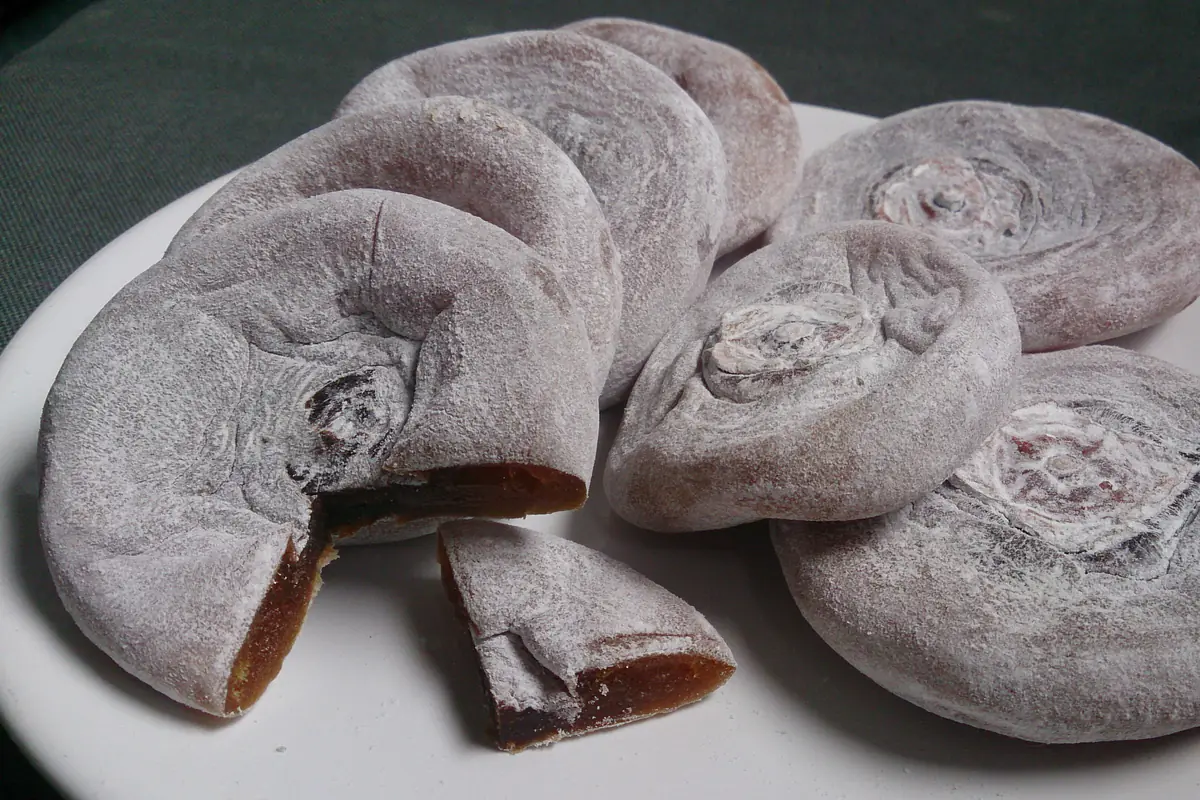
A white coating doesn't mean better quality, and persimmons without visible sugar crystals can taste just as good.
It is also important not to confuse sugar crystals with mold. Natural sugar bloom is typically dry and powdery, while mold may appear as irregular patches or fuzzy growth, sometimes with an unusual smell.
How much do Da Lat wind-dried persimmons cost in 2026?
Prices vary considerably between sellers. The persimmon variety, moisture content, packaging, brand, and product grade can all affect the final price.
These are the 2026 online prices for each product. In-store prices can differ, and they aren't fixed for the whole season.
| Brand and product | Package | Price in 2026 | Equivalent price per kg |
|---|---|---|---|
| Quynh Thoa: Da Lat wind-dried persimmons | 500g | VND 200,000 | VND 400,000 |
| Foodmap: Đặc Sản Ngon Lành square persimmons, bag | 250g | VND 146,000 | VND 584,000 |
| Foodmap: Đặc Sản Ngon Lành square persimmons, special box | 500g | VND 269,000 | VND 538,000 |
| DaLaVi: premium wind-dried persimmons | 250g | VND 170,000 | VND 680,000 |
| DaLaVi: wind-dried persimmons | 500g | VND 315,000 | VND 630,000 |
These products are not identical: the fruit varieties, quality grades, and packaging may differ. The per-kilogram figure lets you compare prices by weight, not quality.
Across the boxes in this table, Da Lat wind-dried persimmons cost approximately VND 400,000-680,000 per kilogram. Other shops in Da Lat may price theirs outside this range.
Should you buy 250g, 500g, or 1kg?
250g packages: Ideal for first-time buyers, solo travelers, or anyone planning to give small gifts to several people. They take up little luggage space and don't require opening a large quantity at once.
500g boxes: A practical choice for families, colleagues, or individual gifts. A rigid gift box can also protect the persimmons during travel.
1kg packages: Better for households that already enjoy dried persimmons or plan to share them with several people. Ask whether the seller can divide the kilogram into two or four sealed portions instead of packing everything into one bag.
Check the net weight, too. A decorative gift box may contain cardboard, plastic trays, and vacuum-sealed bags, so its total weight can be noticeably greater than the weight of the fruit inside.
Where to buy Da Lat wind-dried persimmons
A box of dried persimmons is easy to find in central Da Lat, where several shops sell packaged products with identifiable brands and published prices. Cau Dat is a long way to go just for that.
Visiting a producer makes more sense if you're interested in the drying process or want to combine shopping with sightseeing. Gifts bought on your way out of town are quicker to pick up at a shop near your hotel.
Loading map...
- Da Lat Market: Quynh Thoa is at 82 Nguyen Thi Minh Khai, by the market
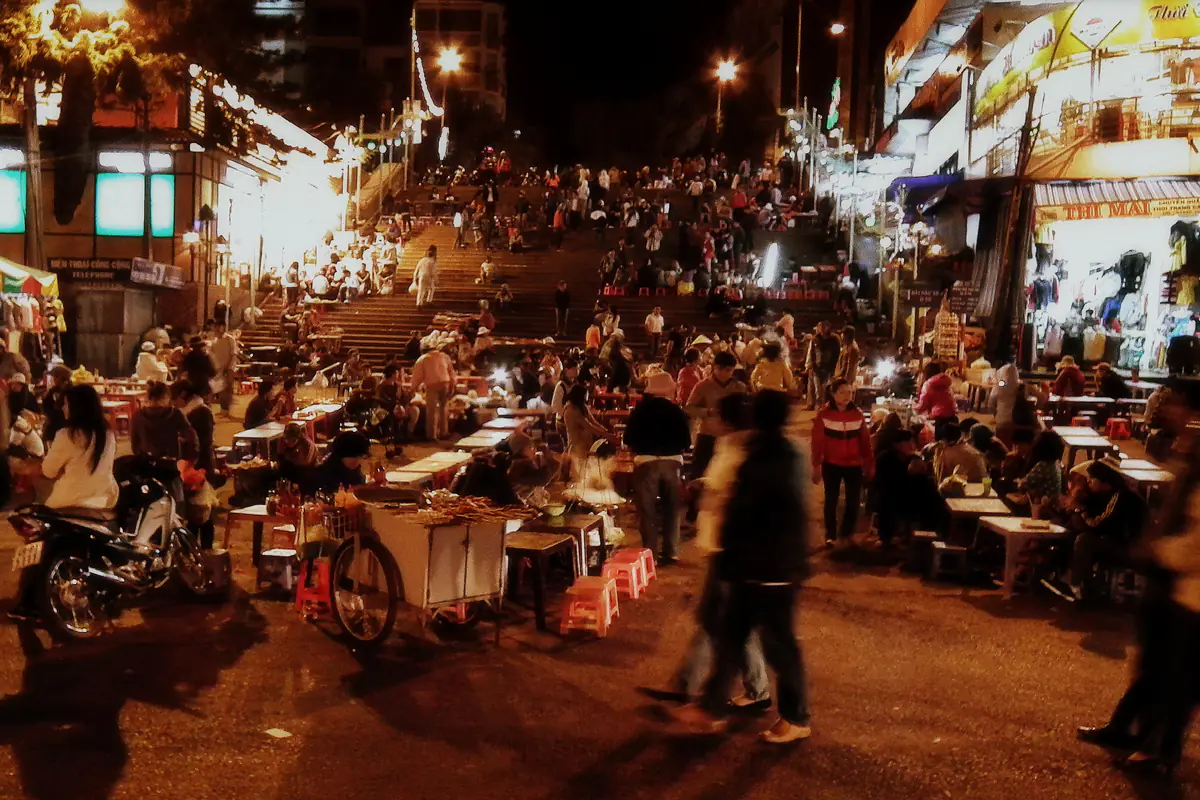
- Da Lat Night Market: Compare stalls and read labels before buying an expensive box
- Xuan Truong: East of Da Lat, persimmon production from around September
- Lien Khuong Airport: Flying the next day? Buy the previous afternoon
DaLaVi
27/6E Yersin Street, branded persimmons in several sizes
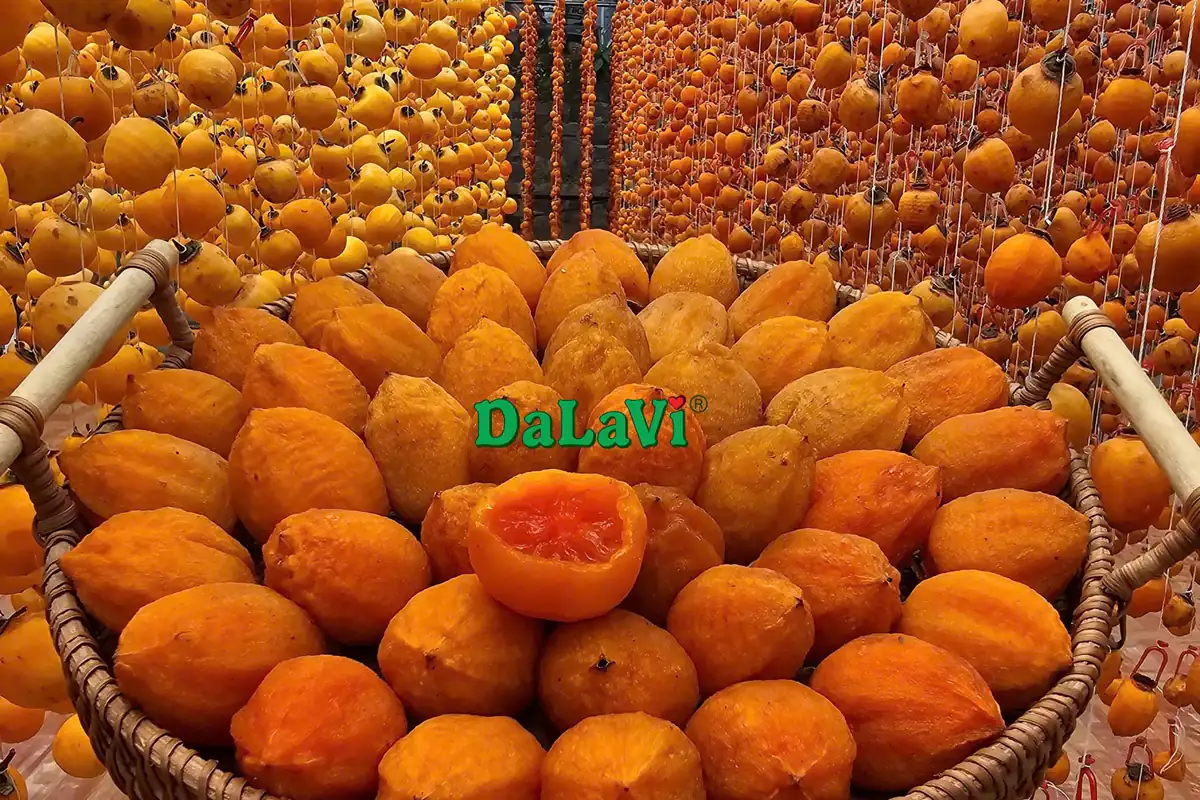
DaLaVi is at 27/6E Yersin Street, Xuan Huong - Da Lat Ward, in the area formerly known as Ward 10. It's a good stop for branded products, several package sizes, and clearly presented product information.
DaLaVi sells premium 250g wind-dried persimmons as well as 500g boxes, and the company explains its production methods and lists certain certifications on its product pages.
The shop opens 7:30 AM-6:00 PM Monday to Saturday and 7:30 AM-6:30 PM on Sunday. Call ahead before an evening visit.
Leaving Da Lat early the next morning? Visit the day before. Your departure morning is a bad time to hunt for a particular product, especially when you need several boxes.
- Address
- 27/6E Yersin Street, Xuan Huong - Da Lat Ward
- Opening hours
- Monday to Saturday 7:30 AM-6:00 PM, Sunday 7:30 AM-6:30 PM
- Phone
- +84 914 107 107
Quynh Thoa Specialty Shop
82 Nguyen Thi Minh Khai Street, by Da Lat Market
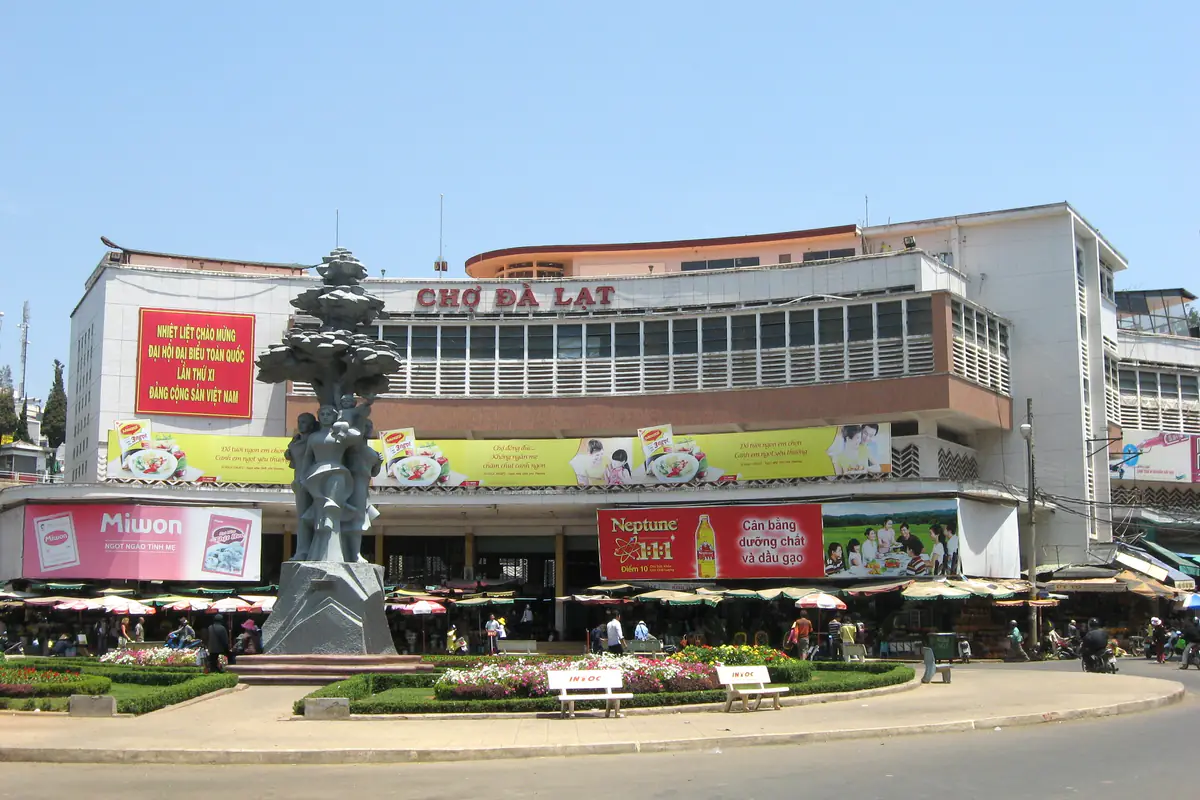
Quynh Thoa is at 82 Nguyen Thi Minh Khai Street, near Da Lat Market. A 500g package of its Da Lat wind-dried persimmons costs VND 200,000 in 2026.
The location is convenient if you're already exploring the market or staying nearby, so you can buy your gifts while walking around the center without setting aside another afternoon for shopping.
The persimmons are made from Da Lat fruit without added sugar or additives. Still, check the ingredient list on the package you actually receive. Call first before a visit earlier than 8 AM or late in the evening.
- Address
- 82 Nguyen Thi Minh Khai Street, near Da Lat Market
- 500g package in 2026
- VND 200,000
- Phone
- +84 962 223 482
Foodmap: useful for ordering online
Foodmap is handy once you've left Da Lat, or for comparing products before you buy in person. It offers wind-dried persimmons from brands such as Đặc Sản Ngon Lành, including seedless and square varieties in bags and gift boxes.
Check which package size is selected. A single product listing may offer several variants, and the first price displayed may apply only to the smallest package.
Delivery to a Da Lat hotel means confirming the address, expected arrival date, and storage requirements in advance. Don't expect an online order to be delivered the same day.
Should you buy persimmons at Da Lat Night Market?
You can, especially if you want to compare products at several stalls in one area. The night market just isn't the place to buy an expensive gift box on a seller's word alone.
Packaged persimmons should show the manufacturer, ingredients, production date, expiration date, and storage instructions. With loose products, ask where they were produced, how they will be packed, and how long they can be stored. Products without clear information are harder to assess once you've traveled home.
A vendor who only says the persimmons are "100% authentic Da Lat" but cannot name the producer is a cue to compare other stalls before buying.
When is Da Lat wind-dried persimmon season?
Da Lat's persimmon season falls in the final months of the year. In the Xuan Truong area, wind-dried persimmon production starts around September and runs for about three months.
Fresh persimmons must be selected, peeled, prepared, and hung under suitable conditions before they become ready-to-eat dried fruit, so the season for the finished product doesn't begin on the same date as the fresh-fruit harvest.
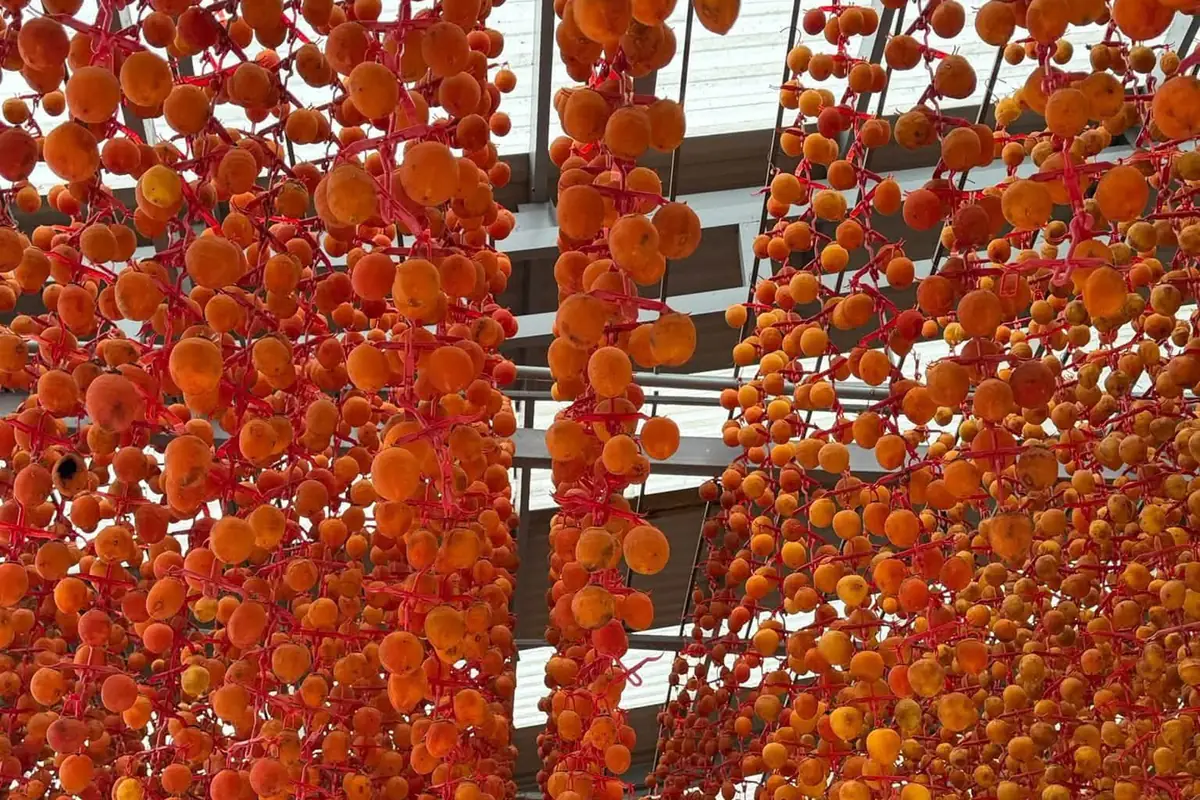
October to December is the most convenient time to buy persimmons and learn about seasonal production on the same trip.
You may still find packaged dried persimmons in January or at other times of year. These could be products made during a previous harvest, stored according to the manufacturer's instructions, and still within their expiration dates. Which harvest the fruit came from matters less than its production date, shelf life, and storage condition.
Is it worth visiting a persimmon farm?
Yes, if your itinerary already includes Cau Dat or Xuan Truong. This area is east of central Da Lat, so it isn't a quick stop like a shop near the market.
From the city center, travel toward Trai Mat and continue toward Xuan Truong. On unfamiliar roads, a car with a driver is more comfortable than riding a motorbike while trying to locate a particular producer.
Don't enter production areas without permission. Tours, photography, and direct sales depend on the individual facility and the time of year.
With only two days in Da Lat, half a day driving to a farm for a gift box is time better spent elsewhere. Buy the persimmons in town and keep that time for the other places on your itinerary.
How to tell whether wind-dried persimmons are good quality
Production methods differ, but you can check several things before paying.
Check the color and surface
Wind-dried persimmons range from deep orange to reddish brown, and their skin wrinkles as moisture evaporates.
A brighter color doesn't mean better quality, and color says nothing reliable about origin: darker fruit isn't a sign of imports, nor lighter fruit a sign of Da Lat. Look instead for natural-looking color, intact fruit, and clean, undamaged packaging.
Check the texture
Taste the exact variety you're considering whenever a shop offers a hygienically prepared sample.
A good soft-centered persimmon feels slightly firm at first, then chewy, with sweetness that builds as you eat. It shouldn't taste noticeably astringent or have an unusual smell.
Some people prefer an extremely soft center, while others enjoy a firmer bite. Neither preference is better.
Squeezing a vacuum-sealed package hard can damage the fruit or the packaging.
Read the ingredient list
Traditional wind-dried persimmons are made by drying whole persimmons, and the ingredient list is the reliable way to confirm there's no added sugar. A claim such as "naturally sweet" printed on the front won't tell you.
Also distinguish whole wind-dried persimmons from other processed persimmon snacks. Two products labeled "Da Lat persimmon" may have entirely different textures and storage requirements.
Check the production and expiration dates
A product within its shelf life still has to be stored at the right temperature. Some persimmons need refrigeration, while others keep in a cool, dry place, depending on the manufacturer's instructions.
Check both the expiration date and the storage requirements. The recommended consumption period after opening can be considerably shorter than the unopened shelf life.
Verify the origin
To be confident of Da Lat origin, choose products that identify the manufacturer, production address, growing region, or relevant traceability information. The fruit's shape, sugar coating, or Japanese-style marketing won't tell you whether it was made in Vietnam or imported.
A seller who mentions a certification should be able to show you the document. Check that it applies to that product and producer.
Inspect the packaging
A slightly dented outer gift box may be only a cosmetic problem. A punctured bag, broken seal, leaking package, or unusual appearance inside is a different matter.
Don't buy persimmons showing signs of mold, unusual sour odors, unexpected fermentation, or insect contamination.
If you can't tell whether a white coating is sugar bloom or mold, choose another package. Don't simply scrape off a suspicious coating and eat the remaining fruit.
Choose a gift box based on who will receive it
A pricier box doesn't make a better gift. The recipient's taste and how the persimmons will be stored matter more.
| Recipient | Recommended choice | What to avoid |
|---|---|---|
| First-time buyer | 250g box, moderately soft | Buying 1kg before knowing their preference |
| Family of 3-4 | 500g box or several smaller packs | One large bag that must be opened repeatedly |
| Colleagues | Individually packaged small boxes | Loose fruit that is difficult to divide |
| Someone who likes sweets | Egg-shaped or honey-style persimmons with clear descriptions | Choosing only from promotional photos |
| International travelers | Sealed packages with clear product information | Unlabeled packages without ingredients or expiration dates |
Someone who rarely eats sweet foods needs only a small amount. The sweetness concentrates as the fruit loses water, and those natural sugars still call for reasonable portions.
Older recipients who have difficulty chewing may find very firm or sticky varieties uncomfortable. Softer products or smaller pieces are more practical.
If the recipient has special dietary requirements, check the ingredients and nutritional information. "No added sugar" doesn't make a product suitable for every diet.
How to store Da Lat wind-dried persimmons
Wind-dried persimmons retain more moisture than many crispy dried fruits, so proper storage matters for both quality and food safety.
Before opening the package
Start with the manufacturer's instructions. Certain naturally wind-dried persimmon products sold on Foodmap should go into the refrigerator as soon as they are delivered. Quynh Thoa's persimmons, meanwhile, keep in a cool, dry place, and refrigeration helps maintain their quality.
Unopened packages also need to stay away from direct sunlight, hot areas, and places where condensation can form.
After opening
Use clean, dry hands or utensils to remove the persimmons, then reseal the rest promptly and store it under the recommended conditions. An open package shouldn't sit on a table for hours, especially in hot or humid weather.
Quynh Thoa's persimmons are best eaten within approximately one to two weeks after opening, but that applies to their product, not to every type of dried persimmon. Your own package may state a shorter period; follow that one.
Can you freeze wind-dried persimmons?
Freezing is an option when the manufacturer allows it. Divide the persimmons into small portions and pack them in freezer-safe, airtight bags or containers.
When you want to eat some, transfer one portion to the refrigerator to thaw gradually. There's no point thawing an entire kilogram for one or two pieces.
The texture may change after freezing and thawing, so avoid repeatedly freezing and thawing the same portion. Product-specific temperature and storage instructions always come first.
How long do dried persimmons last?
There is no single shelf-life figure that applies to every product. Certain packaged wind-dried persimmon products from DaLaVi have a 12-month shelf life, but only while the packaging remains intact and the product is stored under the specified conditions. It does not mean every dried persimmon bought in Da Lat can be left at room temperature for 12 months.
Loose or unlabeled products leave you without enough information to establish a reliable shelf life. Properly labeled packaged products are the better choice for longer storage or gifts being sent far away.
How to bring wind-dried persimmons home by bus or car
Traveling from Da Lat to Ho Chi Minh City, Nha Trang, or another destination by road, think about two things: protecting the packaging and keeping the temperature right for the product.
Keep boxes away from glass bottles, metal objects, and anything with sharp edges. Several boxes travel better in a separate bag or small cardboard carton, and rigid gift boxes help because luggage may be stacked during transport.
Traveling by bus
Ask the bus staff where your package can be placed safely, particularly if the persimmons need to remain cool. Bus luggage compartments can become hot under certain conditions and are not guaranteed refrigerated environments.
Products that require continuous refrigeration need an insulated bag with suitable cold packs. Ask the seller whether their packaging can hold the necessary temperature for the length of your trip.
Whether a package of wind-dried persimmons stays safe in a hot luggage compartment for several hours depends on the product, the temperature, and the packaging.
Traveling by private car or hired vehicle
Keep the persimmons in the air-conditioned passenger cabin, out of a sun-heated trunk, and don't leave them inside a locked car while you stop for sightseeing.
With several places still to visit before heading home, buy your persimmons near the end of the trip. Say you're spending the morning at attractions outside Da Lat: a temperature-sensitive gift box bought before setting off gains you nothing. Pick it up when you return to town, or select a product with storage requirements that suit your journey.
Can you take Da Lat wind-dried persimmons on a plane?
On domestic flights within Vietnam, properly packaged wind-dried persimmons can be carried as food, subject to the airline's rules.
Vietnam Airlines does not restrict food in general, apart from certain categories with special conditions, such as strongly scented foods. Your luggage must still meet the airline's weight, size, and piece allowances.
Carry-on baggage
A few small boxes are easiest in carry-on baggage, where they won't be compressed during baggage handling.
Keep the original packaging sealed, place the products in a separate bag, and avoid opening them before airport security unless necessary.
A 250g or 500g package is easier to arrange than a large carton, but its weight still counts toward your carry-on allowance. With connecting flights or different airlines, check the rules for each flight.
Checked baggage
Wind-dried persimmons can also be packed in checked baggage when they comply with the airline's conditions.
Place the boxes near the center of your suitcase, cushioned with clothing or suitable protective materials, and avoid placing fragile boxes directly against the suitcase walls.
Ordinary checked baggage is not guaranteed to stay at refrigerated temperatures, so for products that need refrigeration, count the entire period between leaving the shop and returning the product to suitable storage.
Buying persimmons before a flight from Lien Khuong Airport
Flying the next day? Buy your persimmons the previous afternoon, store them correctly overnight, then pack them shortly before leaving your hotel.
Once you've found a suitable product in town, buy it there and skip the hunt for another shop on the way to the airport. That avoids rushed decisions, incorrect package sizes, and last-minute packaging problems.
Can international tourists bring Da Lat dried persimmons home?
Check your destination country's rules before buying, not after arriving at the airport.
Wind-dried persimmons are plant-based food products. Different countries have different import regulations for dried fruit, seeds, and processed food.
The English terms dried persimmons and wind-dried persimmons are useful when explaining what you're carrying.
Bringing dried persimmons into Singapore
Singapore has rules for food brought into the country for personal consumption, and they treat fruits and vegetables separately from certain processed food categories.
Fruits and vegetables may be brought in reasonable small quantities for personal consumption. Certain other processed foods have a combined limit of 5kg, subject to the applicable category and conditions.
Before bringing in multiple boxes, check how the Singapore Food Agency (SFA) classifies your particular wind-dried persimmon product. Quantity limits can differ between types of processed fruit.
Bringing dried persimmons into Australia
Australia has strict biosecurity regulations covering food and plant products, and the Australian Department of Agriculture, Fisheries and Forestry provides separate guidance for dried fruit.
Some products may be imported when they meet specified conditions, but not every product or packaging type is automatically permitted.
Declare food products when required and allow the authorities to inspect them. Before purchasing, use Australia's BICON system to check the import conditions for the exact product.
Bringing dried persimmons to the United States, Europe, or elsewhere
Each country sets its own import rules, and one destination's regulations tell you nothing about another's. Check the customs, agriculture, or quarantine authority for your destination, even if you're carrying only one small box as a personal gift.
International travelers are better off with clearly labeled products with identifiable ingredients and origin. Repacking loose persimmons into unmarked bags won't make airport checks any easier.
How much should you buy?
Travelers often buy too many souvenirs at two particular moments: immediately after tasting something delicious and just before leaving town.
Wind-dried persimmons are quite sweet, and most people eat only a piece or two at a time, so plan according to the number of people receiving them.
Traveling alone and buying for yourself: Start with a 250g box.
Buying for your family: One 500g box or two 250g packs are easier to share and store than one oversized package.
Buying gifts for three people: Choose three small, properly labeled boxes, not one large package divided into unlabeled bags.
Buying for colleagues: Decide on the number of recipients and your budget first. Wind-dried persimmons cost more than many everyday packaged snacks, so they don't have to be the gift you buy for everyone.
Buying enough to enjoy over several weeks: Choose smaller sealed portions and check the storage requirements after opening. That matters more than receiving a discount for buying a full kilogram.
Two small boxes of different varieties are a safe bet when you don't know which texture the recipient prefers. A box of egg-shaped persimmons and a box of square persimmons offer more variety than a kilogram of a single type.
How to eat wind-dried persimmons
Wind-dried persimmons can be eaten straight after opening, provided the product is in good condition and has been stored according to its instructions.
One simple way to enjoy them is cut into small pieces with unsweetened hot tea, which balances the fruit's concentrated sweetness.
You can also chop the persimmons into plain yogurt or serve them with cereal and grains. Very soft-centered varieties are easiest with a clean knife, cutting only what you need.
Some refrigerated persimmons have a firmer texture straight from the fridge, while others soften slightly after a short time at serving temperature. Follow the product's food-safety and storage guidance rather than leaving it out for an extended period.
Don't wash, soak, or re-dry packaged persimmons simply to remove a natural sugar coating.
This is a good snack to share in small portions after a meal, rather than leaving a large plate sitting at room temperature for hours.
Common mistakes when buying Da Lat wind-dried persimmons
Choosing the cheapest package
A cheaper 500g box may be a different product from a more expensive 500g box: the variety, quality grade, moisture content, and packaging can all differ. Compare the actual net weight, ingredients, and condition before deciding.
Assuming Japanese-style means made in Japan
Hoshigaki is a traditional Japanese method of drying persimmons, and many producers in Da Lat use techniques based on or adapted from it.
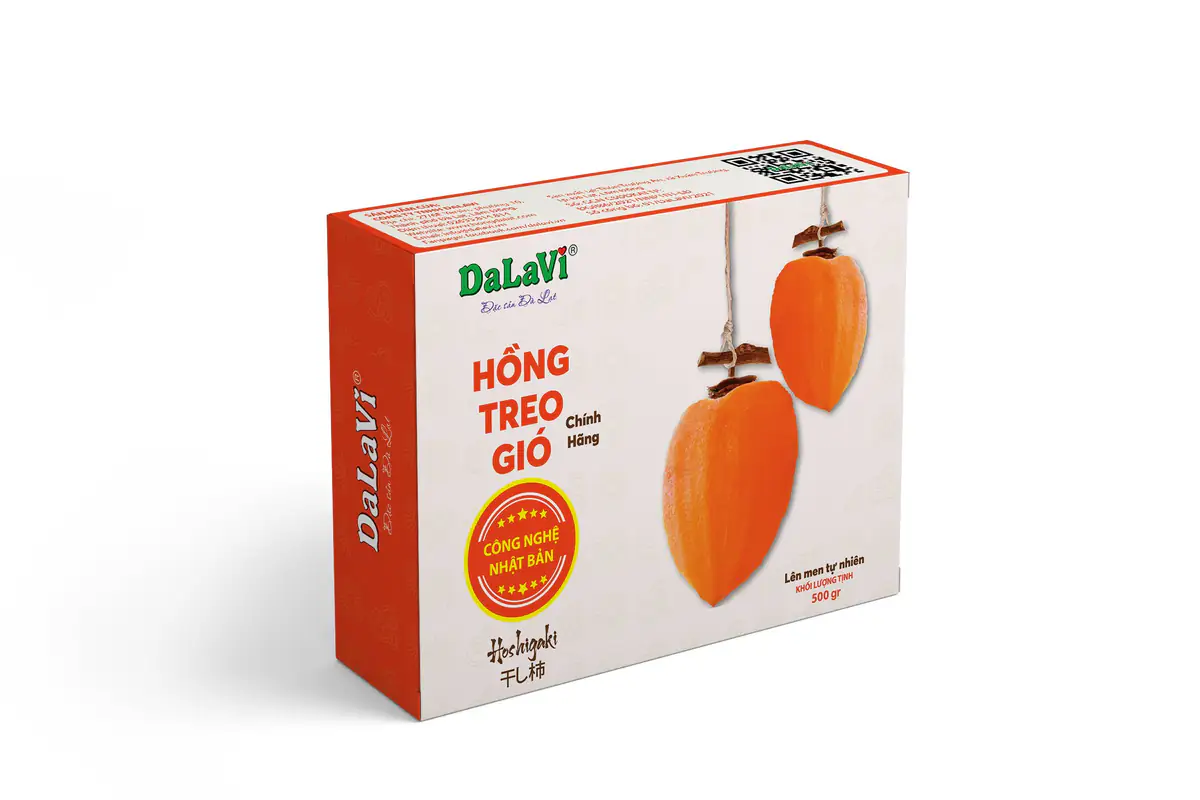
"Japanese technology" on a box describes the method. It doesn't mean the product was made in Japan or from Japanese-grown fruit, so check the country of origin and manufacturer information.
Buying unlabeled products for international travel
Loose persimmons may be fine for local buyers who know their source and plan to eat them soon. International travelers need packaged products with clear information to check import requirements, and attractive packaging cannot replace proper labeling.
Leaving persimmons in a suitcase for days
This is especially risky for products that require refrigeration. Da Lat's cool weather does not mean the inside of a suitcase, car, or luggage compartment will stay at a suitable temperature.
Buy close to your departure date and plan storage around the specific product.
Buying 1kg without tasting it first
Someone who enjoys very soft honey-style persimmons may find firmer varieties too chewy, while someone who prefers moderately sweet foods may not enjoy an extremely soft, sweet-centered type.
Taste preferences differ. Whenever you can, try the exact variety you're considering before buying a large quantity.
A simple plan for buying persimmons on your last day in Da Lat
Staying in central Da Lat makes it easy to fit souvenir shopping into your day without rearranging the whole itinerary.
- Morning
Set the count and budget
Decide how many people you're buying for, your budget, and the package sizes you want. Check the online prices for the products you're considering so you have a reference before visiting shops.
- Afternoon
Visit one suitable shop
Visit a shop that stocks your preferred product. Quynh Thoa on Nguyen Thi Minh Khai Street is convenient near Da Lat Market, and DaLaVi-branded persimmons are at 27/6E Yersin Street.
- Before paying
Read every label
Check the label, net weight, production date, expiration date, and storage instructions. With several boxes, inspect each one rather than relying on a single sample.
- Back at hotel
Sort and store properly
Separate the persimmons you'll eat soon from those intended as gifts. Store them appropriately, prepare an insulated bag if necessary, and arrange the boxes so they won't be crushed.
One shop is enough. The first store with the right variety, package size, and product information is the place to buy.
With an early bus or flight the following morning, finish your shopping the previous afternoon or evening. Departure day can then be reserved for checking your luggage and getting to the station or airport.
Are Da Lat wind-dried persimmons worth buying as souvenirs?
Yes, particularly when the recipient likes chewy dried fruit, has suitable storage available, and you choose a product with a clearly identified origin.
Wind-dried persimmons are closely associated with Da Lat's persimmon-growing region. They retain the distinctive sweetness of the fruit, come in several package sizes, and are often easier to transport than fresh persimmons.
The disadvantages are their relatively high price, concentrated sweetness, and the refrigeration requirements of certain products. Buying a large amount without knowing the recipient's preferences isn't a great idea.
A budget of around VND 200,000-300,000 already covers some 500g boxes, while premium gift boxes may cost more.
Flavor, sensible portions, and packaging that keeps the persimmons in good condition until you give them away matter more than the size of the box.
The same approach works for other chewy dried-fruit souvenirs in Vietnam: compare prices by actual weight, check the shelf life, and plan for the journey home. When buying gifts for Tet or shipping food over a longer distance, adjust the package size and storage method to suit the trip.
FAQ
How much do Da Lat wind-dried persimmons cost per kilogram?
For the boxes on sale in 2026 at Quynh Thoa, Foodmap and DaLaVi, the equivalent price is approximately VND 400,000-680,000 per kilogram. Quynh Thoa sells a 500g package for VND 200,000, while DaLaVi sells its 500g package for VND 315,000. Actual prices depend on the variety, package size, retailer, and current promotions.
Where can I buy reliable Da Lat wind-dried persimmons?
You can consider DaLaVi at 27/6E Yersin Street or Quynh Thoa Specialty Shop at 82 Nguyen Thi Minh Khai Street. Foodmap also offers several dried-persimmon products online. Prioritize properly labeled products with clear origin, ingredients, and storage instructions.
When is Da Lat wind-dried persimmon season?
Production generally concentrates around September to November, with finished products commonly sold during the final months of the year. Packaged wind-dried persimmons may also be available outside the main season, provided they are properly stored and remain within their expiration dates.
Which type of Da Lat dried persimmon tastes best?
There is no single best variety for everyone. Egg-shaped persimmons generally suit people who enjoy rich sweetness, while some square varieties have thicker, chewier flesh. If you prefer a very soft center, ask about creamy or honey-style persimmons. Start with a small package before choosing a larger box.
How long can Da Lat wind-dried persimmons be stored?
Shelf life depends on the specific product and storage conditions. Certain packaged DaLaVi products have a 12-month shelf life when stored correctly, while Quynh Thoa's persimmons are best eaten within approximately one to two weeks after opening. Always follow the instructions on your own package rather than applying a single storage period to every variety.