Best time to visit Vietnam? Don't pick one month for the whole country
October is a good time to explore Hanoi and Sa Pa, but a risky choice for a week-long beach holiday in Hoi An. June is generally better for Da Nang and Nha Trang than Phu Quoc if you plan to spend most of your trip by the sea.
By Da Lat LoversPublished Updated
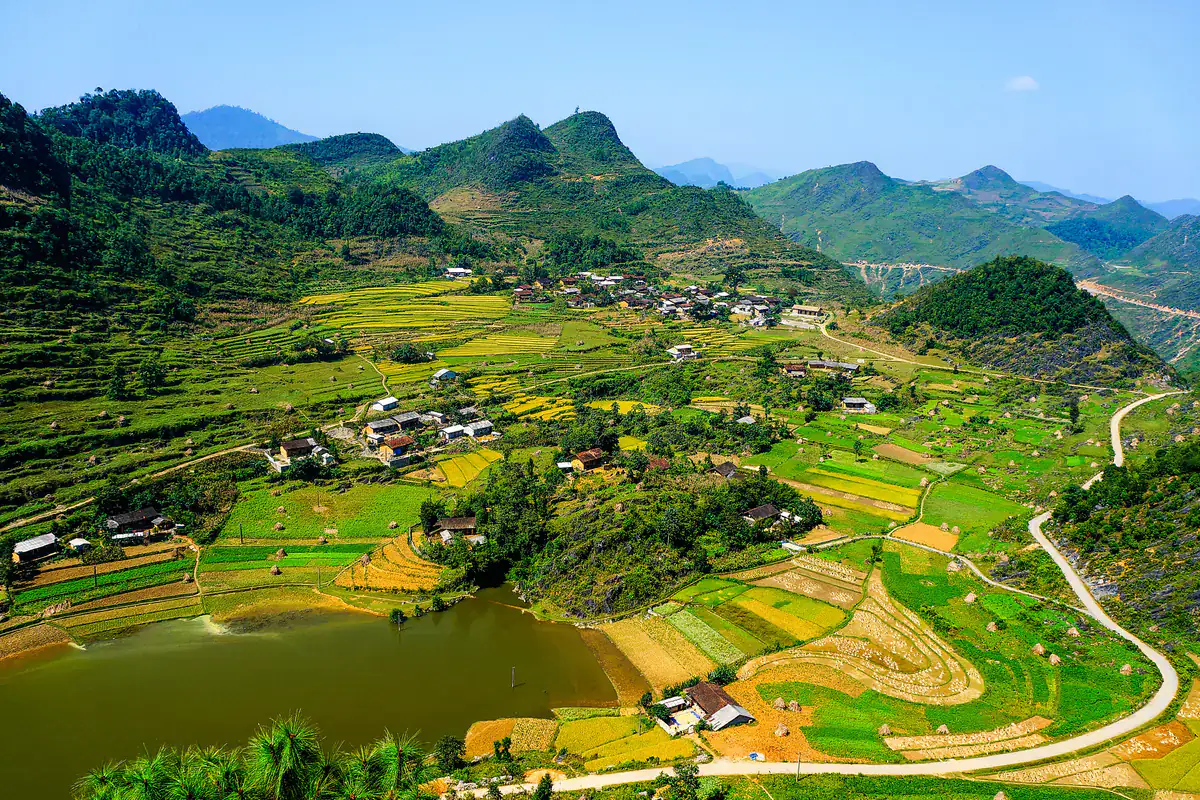
Hà Giang rice terraces at harvest time
In the same week of November, you might walk around Hanoi's Hoan Kiem Lake in pleasantly cool weather, encounter heavy rain in Hoi An, and enjoy the beginning of the dry season on Phu Quoc Island. March and April are the easiest months to plan a trip across several parts of Vietnam, because much of the country is reasonably pleasant at the same time. With only five to seven days, though, picking the right region matters more than hunting for a supposedly perfect month.
Vietnam weather by month: a quick guide to where to go
Vietnam stretches across several climate zones, so the rainy season in Ho Chi Minh City does not start at the same time as the rainy season in Hue. Even along the central coast, Nha Trang has a different weather pattern from Da Nang and Hoi An.
The table below highlights destinations where conditions tend to be favorable for travel that month. It describes typical seasonal patterns, not a forecast for any particular year or travel date.
| Month | Best regions to consider | Other good options | Places to check carefully |
|---|---|---|---|
| January | Southern Vietnam, Phu Quoc | Da Lat, Nha Trang | Cold weather in Sa Pa; lingering rain around Hue and Hoi An |
| February | Phu Quoc, southern Vietnam, south-central coast | Hue, Hoi An, Nha Trang | Cold, foggy conditions in the northern mountains |
| March | Northern Vietnam, central Vietnam, Da Lat | Phu Quoc, Nha Trang | Rising temperatures in the south |
| April | Hanoi, Ninh Binh, Da Nang, Hoi An | Sa Pa, Nha Trang | Hot weather in southern Vietnam |
| May | Da Nang, Quy Nhon, Nha Trang | Ninh Binh, northern mountains | Beginning of the southern rainy season |
| June | Central coast, Nha Trang | Da Lat, northern highlands | Increasing rainfall in Phu Quoc |
| July | Da Nang, Nha Trang, Quy Nhon | Da Lat | Heavy northern rains; rough seas around Phu Quoc |
| August | Nha Trang, central coast when conditions allow | Da Lat, Sa Pa | Heavy rain in the north and mountain areas |
| September | Hanoi, Sa Pa, Ha Giang | Ninh Binh, Ha Long Bay | Rainy season begins around Hue and Hoi An |
| October | Hanoi, Ninh Binh, Ha Giang | Sa Pa, Da Lat | Heavy rain and flooding around Hue, Da Nang and Hoi An |
| November | Northern Vietnam, Da Lat, Phu Quoc | Ho Chi Minh City, Mekong Delta | Persistent heavy rain in parts of central Vietnam |
| December | Phu Quoc, Ho Chi Minh City, Mekong Delta | Da Lat, Hanoi | Rain around Hue and Hoi An; cold weather in Sa Pa |
Three periods are especially useful when planning:
- March-April: The easiest time to combine two or three regions in one trip.
- May-August: Beach season on the central coast, especially Da Nang, Quy Nhon and Nha Trang, though storms and rough seas can still turn up.
- November-February: Dry, sunny weather in southern Vietnam and Phu Quoc, and a good stretch for a few days in Da Lat. Northern Vietnam suits travelers who actually enjoy cooler temperatures.
Best time to visit Vietnam by month: where to go and what to avoid
January: Choose Phu Quoc, Da Lat or the Mekong Delta
Best choices: Phu Quoc, Da Lat, Ho Chi Minh City, Mekong Delta

January is one of the most comfortable months to explore southern Vietnam. Ho Chi Minh City is in its dry season, making trips to Can Tho, Ben Tre and Chau Doc easier to organize than during the wetter months.
For a beach holiday, put Phu Quoc near the top of your list. Rainfall is low, sunshine is common, and sea conditions are mostly calm for relaxing by the coast. Travelers after a slower pace can look at Sao Beach, the Long Beach area or the resorts in the south of the island.
Da Lat is another strong option. Mornings and evenings can be chilly, but it's drier than in summer. You can explore Tuyen Lam Lake in the morning and spend the afternoon in the city center, visiting cafés or browsing Da Lat Market.
Northern Vietnam is quite different. Hanoi is cold and sometimes damp, while Ha Long Bay can be foggy. Sa Pa and Ha Giang can get bitterly cold, especially higher up.
January is the wrong time for photographing green or golden rice terraces, since most have already been harvested.
In central Vietnam, Hue and Hoi An can still experience prolonged rain. Nha Trang is often a better beach option, although boat trips and island excursions remain dependent on sea conditions.
Think twice about: Sa Pa and Ha Giang if you dislike cold weather, or Hue and Hoi An if your itinerary depends heavily on outdoor activities.
February: Southern Vietnam stays attractive as central Vietnam improves
Best choices: Phu Quoc, Ho Chi Minh City, Nha Trang, Hoi An

February is a transitional month in several parts of Vietnam. The north is often still cold, with occasional drizzle and humid, overcast days. Hanoi, Ninh Binh and Ha Long Bay are better suited to sightseeing, food and cultural experiences than swimming.
Sa Pa can be misty, with limited visibility from mountain viewpoints. Village walks, homestays and local food can still make a worthwhile trip, but don't build your entire itinerary around seeing clouds below the mountains or expecting snowfall.
Conditions gradually improve in central Vietnam. Hue, Da Nang and Hoi An see more dry days than at the end of the year, though cool, rainy days still happen. February can be a pleasant month for walking around Hoi An Ancient Town without the intense summer heat.
Nha Trang is another good option for a coastal holiday. Southern Vietnam and Phu Quoc are still in good shape, though it gets warmer toward the end of the month.
One important factor is Tet, the Vietnamese Lunar New Year. Depending on the year, Tet can fall in late January or February. Flights, trains and hotels on popular routes may become much more expensive or difficult to book. Some family-run restaurants and small businesses also close or change their operating hours.
Think twice about: High-altitude mountain trips in northern Vietnam during periods of dense fog or severe cold.
March: One of the easiest months to explore Vietnam
Best choices: Hanoi, Ninh Binh, Hue, Hoi An, Da Lat, Nha Trang

First-time visitors who can choose their travel dates freely should give March serious consideration.
Hanoi starts warming up, though it can still be humid with the odd drizzle. Ninh Binh is lovely now for a boat trip through Trang An or Tam Coc and a visit to Hang Mua. Ha Long Bay is improving too, even if misty mornings are still common.
The northern mountains become less cold. Sa Pa and Ha Giang are good for village visits, mountain views and shorter hikes. Spring flowers may appear in certain areas, but flowering times depend on altitude and weather.
In central Vietnam, March makes it easy to string Hue, Da Nang and Hoi An together. Temperatures are not yet as high as in midsummer, making it easier to balance historical sightseeing with time near the beach.
Da Lat is still in a relatively dry period, a good match for anyone after cool air, lakes, pine forests and outdoor viewpoints.
Phu Quoc and Nha Trang remain attractive beach destinations. The catch is the growing heat in Ho Chi Minh City and the Mekong Delta, so do your outdoor sightseeing early in the morning.
Best for: First-time visitors who want to combine cities, natural scenery and beaches.
April: Central Vietnam's beaches improve as the south gets hotter
Best choices: Da Nang, Hoi An, Nha Trang, Ninh Binh
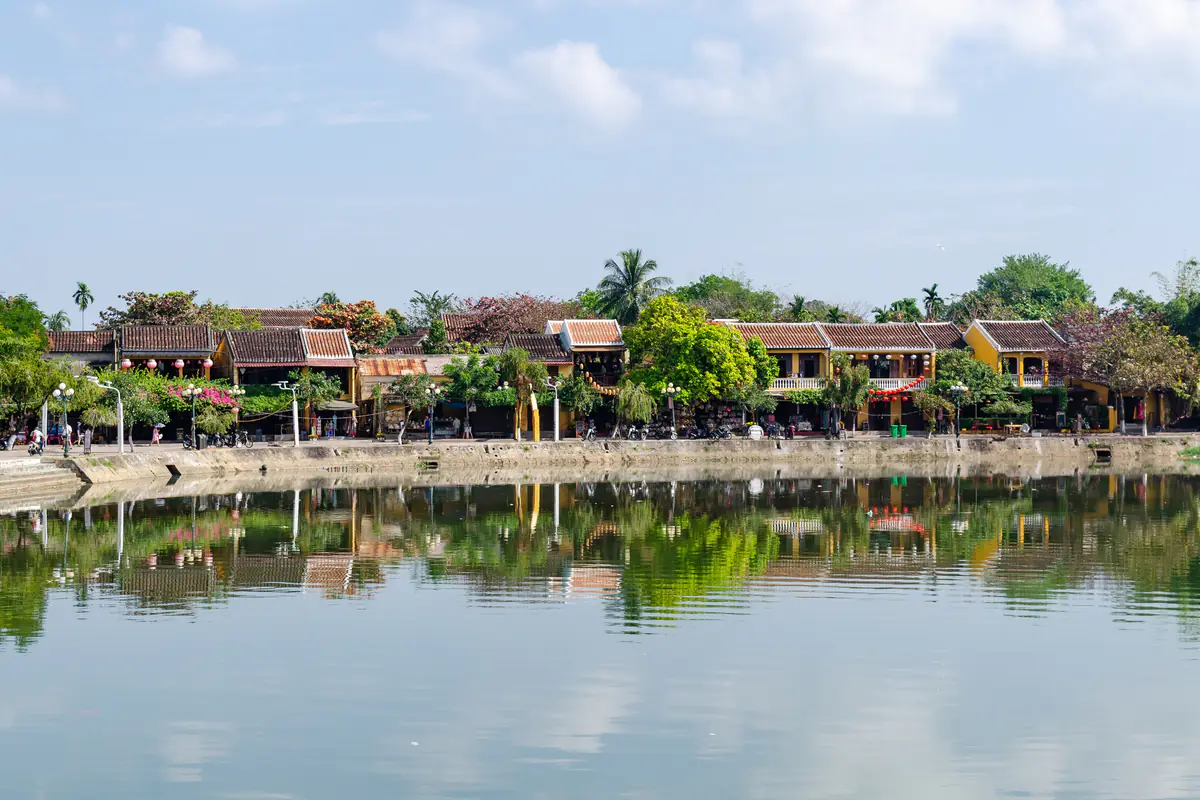
April remains a good month for traveling through several regions, but temperatures rise noticeably in lower-lying areas.
Northern Vietnam may experience its first significant hot spells. Hanoi and Ninh Binh are still worth visiting, ideally in the first half of the month. For boat trips, cycling or outdoor walks, mornings are more comfortable than midday.
Ha Long Bay and Cat Ba get more warm, sunny days for getting out on the water, although sea temperatures and wave conditions vary, so swimming won't be comfortable every day.
Da Nang, Hoi An, Hue and Quy Nhon are now at their best for mixing sightseeing with beach time. You could spend a few days in Hoi An, then move to Da Nang for a coastal stay without much time in transit.
Nha Trang is also a good choice, with warm weather and many opportunities for seaside activities.
Da Lat is still comfortable, but the first transitional rains are arriving, so early April is the better bet for a trip spent mostly outdoors.
Phu Quoc is still in beach season. Toward the end of the month, however, conditions can become hotter, more humid and increasingly rainy.
Think twice about: Long outdoor walks around midday in Ho Chi Minh City and other hot lowland areas.
May: Prioritize the central coast
Best choices: Da Nang, Quy Nhon, Nha Trang
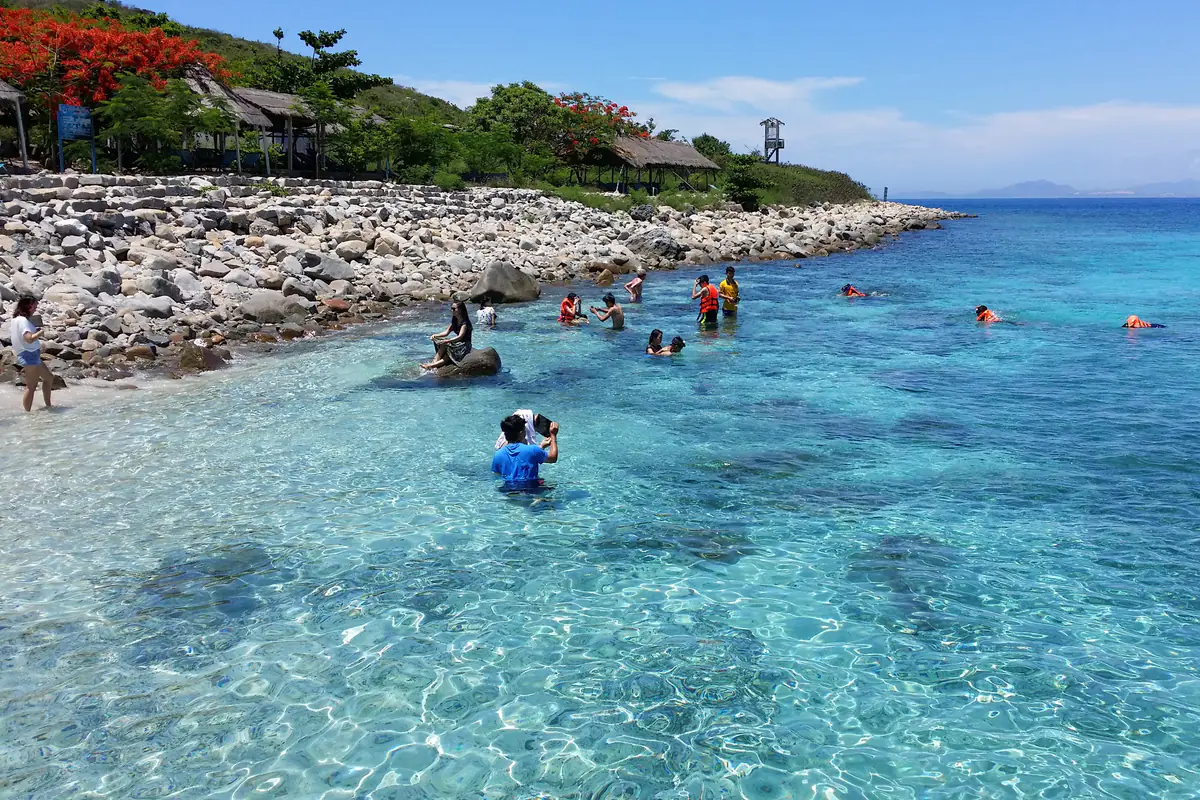
In May, the differences between Vietnam's regions really start to show.
Northern Vietnam gets hotter and more humid, and thunderstorms become more frequent. Hanoi can experience intense sunshine.
Ninh Binh remains attractive, especially around the period when some rice fields in Tam Coc turn golden. The exact timing varies with planting and harvesting schedules each year.
Sa Pa and Ha Giang become greener. In some areas, you may see the beginning of the water-pouring season in the rice terraces, when farmers prepare fields for planting. It's a very different look from the golden harvest scenery of September and October.
Rain can affect mountain roads, so avoid scheduling too many distant stops on the same day.
Along the central coast, Da Nang, Hoi An and Quy Nhon get plenty of sunny beach days. Nha Trang is another good choice for families or groups planning to swim and take island trips.
Southern Vietnam begins moving into its rainy season. In Ho Chi Minh City, you might enjoy sunshine in the morning and encounter a heavy downpour in the afternoon. Not every day is a washout, but keep outdoor plans loose.
Phu Quoc becomes wetter. A resort stay still works, but boat excursions won't run smoothly every day.
Think twice about: Phu Quoc if swimming and island hopping are the main purposes of your holiday.
June: Da Nang, Quy Nhon and Nha Trang stand out
Best choices: Da Nang, Nha Trang, Quy Nhon
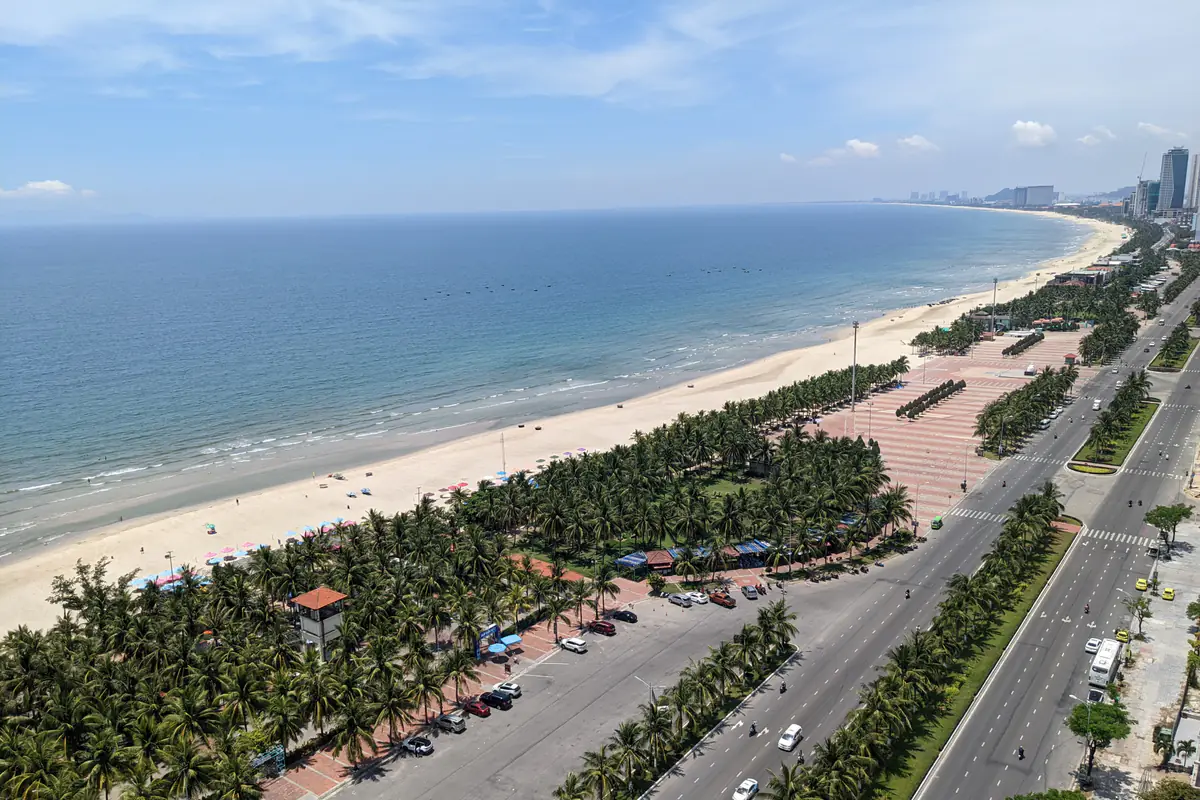
June is often a strong month for summer beach holidays along central Vietnam's coast.
Da Nang gets plenty of sunshine for swimming at My Khe Beach, a trip up the Son Tra Peninsula or a beach stay paired with sightseeing in Hoi An. Quy Nhon offers coastal attractions such as Ky Co and Eo Gio, although speedboat excursions depend on wave and wind conditions.
Nha Trang is in good beach shape as well. Families with young children may prefer accommodation near the main beach or resorts in Bai Dai to reduce daily travel time.
The trade-off is the heat, as the sun along the central coast can be fierce. Swim early in the morning or later in the afternoon, depending on beach conditions and local safety guidance, and skip long walks around midday.
Northern Vietnam is now hot, humid and wetter. Ha Long Bay still has its good days, but thunderstorms and tropical weather systems can upset cruise plans.
Sa Pa is green and scenic, although long treks can become slippery after rain. Da Lat attracts people escaping the heat of major cities, but afternoon showers are common.
Southern Vietnam is well into its rainy season, so Phu Quoc is a poor pick for a full week of reliable beach weather.
Think twice about: Ha Long Bay, Sa Pa and Phu Quoc during periods of unsettled weather.
July: Choose your beach carefully and keep your plans flexible
Best choices: Nha Trang, Da Nang and Quy Nhon when forecasts are favorable

July falls in the summer holiday season for many Vietnamese families. Popular beach destinations can be crowded on weekends, while weather risks increase in several regions.
Nha Trang and parts of the central coast still get lots of sunny beach days. Da Nang and Quy Nhon are good picks too, as long as you keep an eye on storm and weather warnings.
Northern Vietnam is hot, humid and rainy. Ha Long Bay and Cat Ba get some clear days, but boats can be suspended whenever conditions turn unsafe.
Sa Pa and Ha Giang are at their greenest in summer, but mountain passes and trekking trails get slippery, and landslide risk climbs after prolonged heavy rain. Families with children, or anyone new to mountain roads, should stick to shorter excursions and finish longer drives before dark.
Da Lat offers cool mornings, but July is part of its rainy season. Visits to Tuyen Lam Lake, waterfalls and outdoor viewpoints should be planned around stable conditions. Avoid steep, slippery routes after heavy rain.
Southern Vietnam remains wet, and Phu Quoc can experience rough seas, affecting ferries and marine activities.
Think twice about: Phu Quoc and long mountain treks during heavy rain.
August: Central Vietnam's beaches remain attractive, but watch the forecast
Best choices: Nha Trang, Da Nang or Quy Nhon when sea conditions are suitable
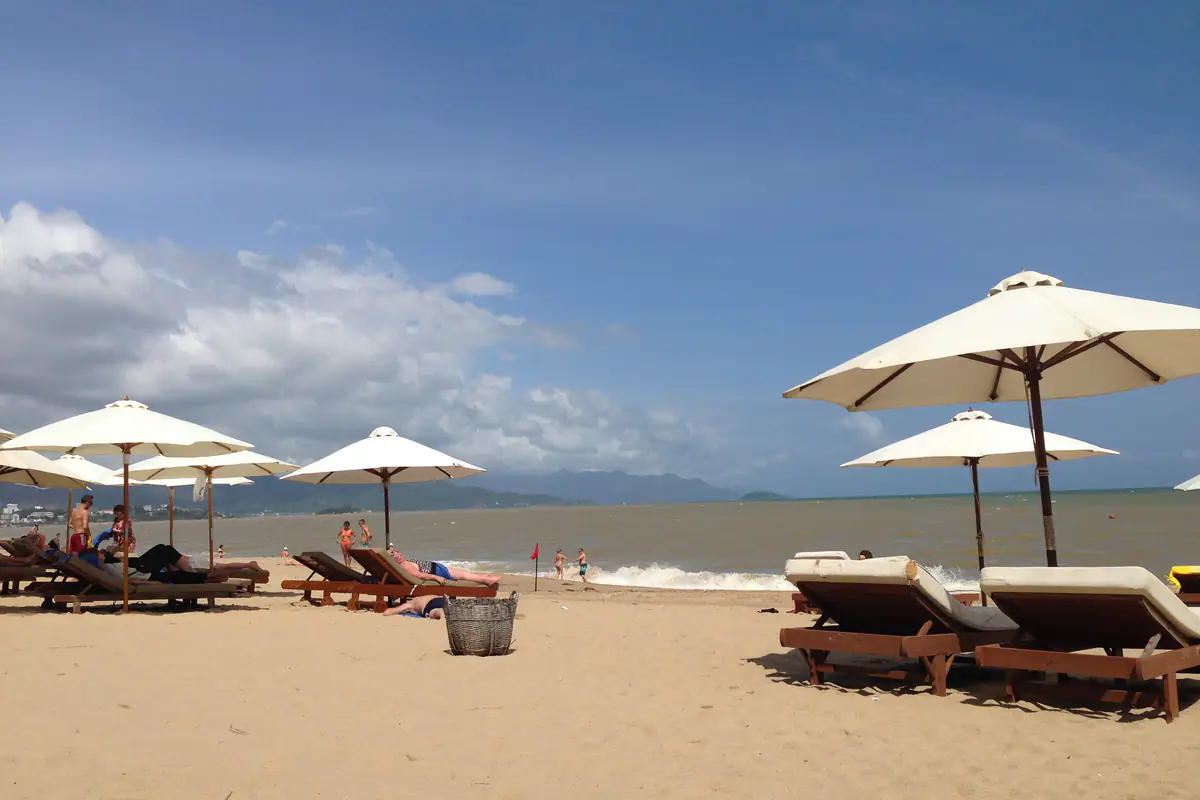
August is still a popular month for beach holidays before the summer school break ends.
Nha Trang still gets many sunny days and stays one of the safer coastal bets. Da Nang, Hoi An and Quy Nhon can work too, though the weather grows less settled as summer winds down.
Don't book a non-refundable island tour simply because the advertising photos show clear blue water. For boat-dependent activities, the short-term forecast and the operator's safety decisions matter much more than seasonal averages.
Northern Vietnam remains hot, humid and vulnerable to heavy rain. Ha Long Bay and Cat Ba can be impressive on sunny days, but cruises may be disrupted by storms.
In the northern mountains, the rice terraces around Sa Pa and parts of Ha Giang begin approaching their later growing stages. Some fields may start changing color toward the end of the month, although it is too early to expect all terraces to be golden.
Da Lat remains in its rainy season. You can still enjoy a short break built around cafés, food and indoor attractions, with outdoor activities planned when the weather allows.
Southern Vietnam is still wet, and calm seas around Phu Quoc are hard to count on in August.
Think twice about: Phu Quoc and mountain routes affected by prolonged rainfall.
September: Northern Vietnam becomes more attractive as central Vietnam gets wetter
Best choices: Hanoi, Sa Pa, Mu Cang Chai, Ha Giang
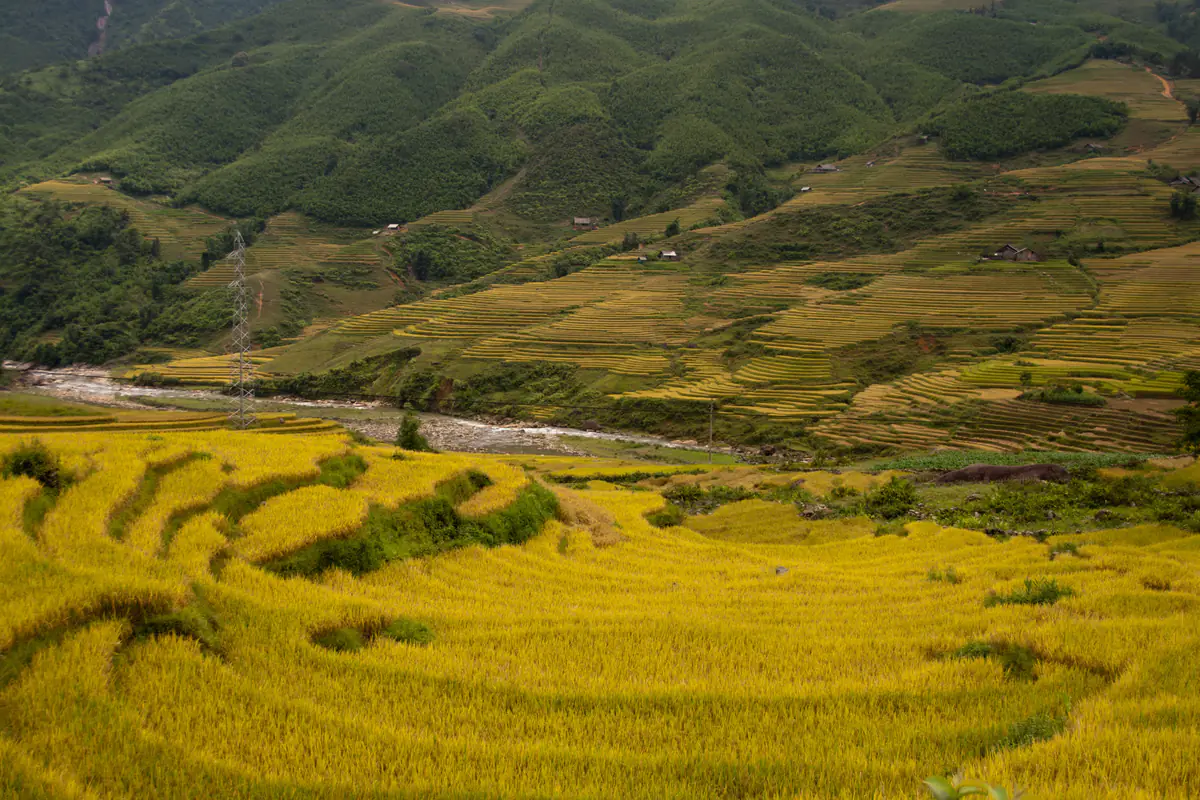
September gets interesting for anyone who loves mountain scenery in northern Vietnam.
Hanoi cools off a little from the midsummer heat, though heavy rain and storms can still hit. Ninh Binh also becomes more comfortable for cycling, walking and boat trips.
Around Sa Pa, Mu Cang Chai and Hoang Su Phi, some rice terraces turn gold for the harvest, but not all at once: dates vary by altitude, planting schedules and weather. Ask about current field conditions before you go, especially when photography is the main point of the trip.
Ha Giang is getting better for mountain trips too; just keep an eye on rain forecasts and road conditions.
Central Vietnam, meanwhile, is turning unsettled. Hue, Da Nang and Hoi An may experience heavy rain, tropical storms or typhoons. Nha Trang is heading into its rainy season too, though the early weeks aren't always heavy.
Southern Vietnam remains in the wet season, and Phu Quoc isn't at its best yet for a beach holiday.
Think twice about: Fixed beach holidays around Hue, Da Nang and Hoi An.
October: Northern Vietnam is a strong choice, but central Vietnam needs caution
Best choices: Hanoi, Ninh Binh, Ha Giang, Sa Pa

October is one of the most pleasant months in northern Vietnam, especially if you like it cool.
Hanoi is well suited to walking around Hoan Kiem Lake, exploring the Old Quarter, trying local food and visiting outdoor attractions. Ninh Binh is also more comfortable than during the hottest summer months.
Ha Long Bay has plenty of pleasant, clear days, but typhoon season isn't quite over, so cruise passengers still need to check operating conditions.
Sa Pa and Ha Giang are good choices for mountain scenery, walking and village visits. Some terraces may still be golden early in the month, while others will already have been harvested, so pick a specific spot rather than treating the whole northern highlands as being in peak season.
Central Vietnam is a different story, and October around Hue, Da Nang and Hoi An needs careful planning.
Heavy rain can flood low-lying areas, disrupt transport and affect sightseeing, and even without a direct typhoon hit, days of steady rain can spoil a beach itinerary.
Nha Trang is also in its rainy season, so switching from Hoi An to Nha Trang does not guarantee sunshine.
Rain in southern Vietnam eases toward the end of the month, although Phu Quoc is still between seasons.
Think carefully about: Hue, Da Nang, Hoi An and boat excursions along the central coast.
November: Pleasant northern weather, improving conditions in Da Lat and Phu Quoc
Best choices: Hanoi, Da Lat, Ha Giang, Phu Quoc
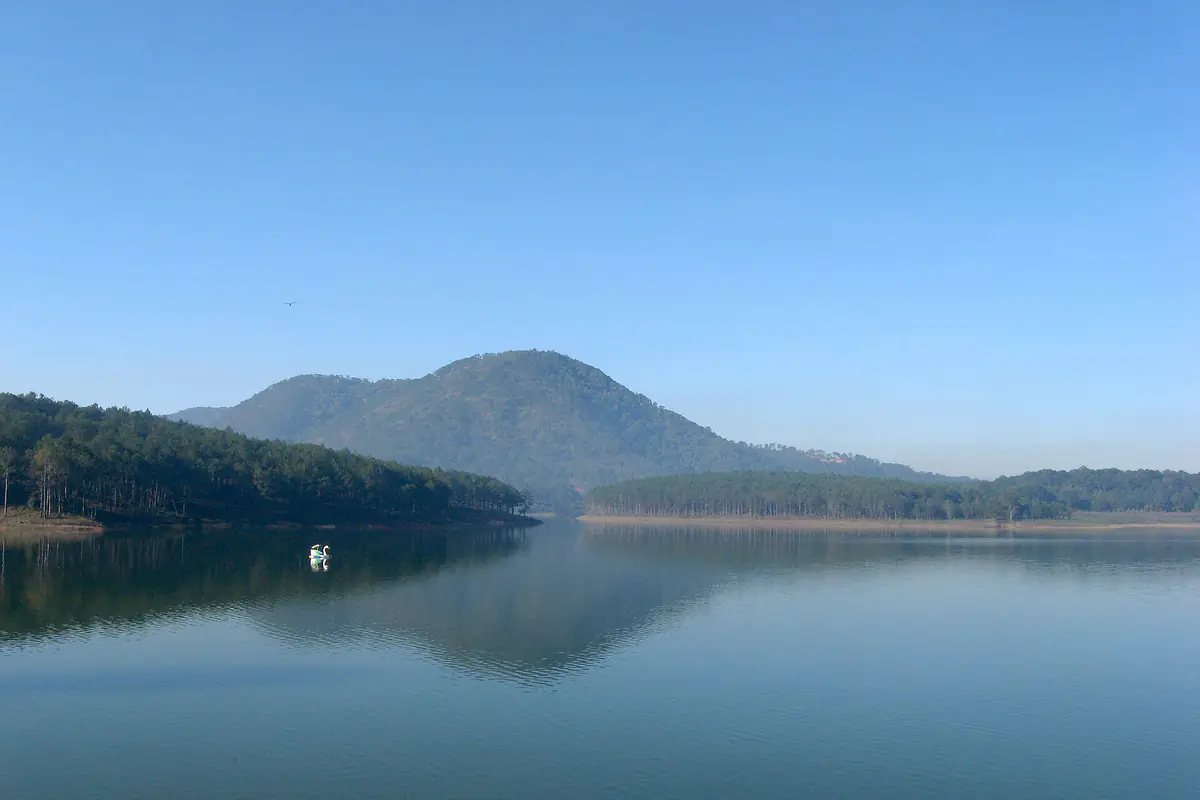
November is a good month for city exploration, northern mountain scenery and an increasing range of southern holidays.
Hanoi turns cooler, making it comfortable for walking and food-focused trips.
Ninh Binh and Ha Long Bay can also have attractive weather, though it gets colder, mostly in the mornings and evenings.
Sa Pa and Ha Giang move toward winter. Visibility from mountain viewpoints can be excellent on dry days, but fog and low clouds are still possible. Pack warm layers if you plan to hike.
Da Lat is moving into its drier season, which makes trips to Tuyen Lam Lake, the countryside and scenic viewpoints much easier to plan.
Phu Quoc is shifting into beach season. Sun-seekers should aim for the second half of the month, although the exact changeover varies from year to year.
Ho Chi Minh City and the Mekong Delta dry out gradually, making outdoor sightseeing more pleasant.
Hue, Da Nang and Hoi An can still get heavy rain and flooding, and the forecast for Hanoi or Phu Quoc tells you nothing about central Vietnam.
Think twice about: Hue, Hoi An and Nha Trang if you want several consecutive beach days.
December: Excellent for southern beaches, but not all of Vietnam
Best choices: Phu Quoc, Ho Chi Minh City, Mekong Delta, Da Lat
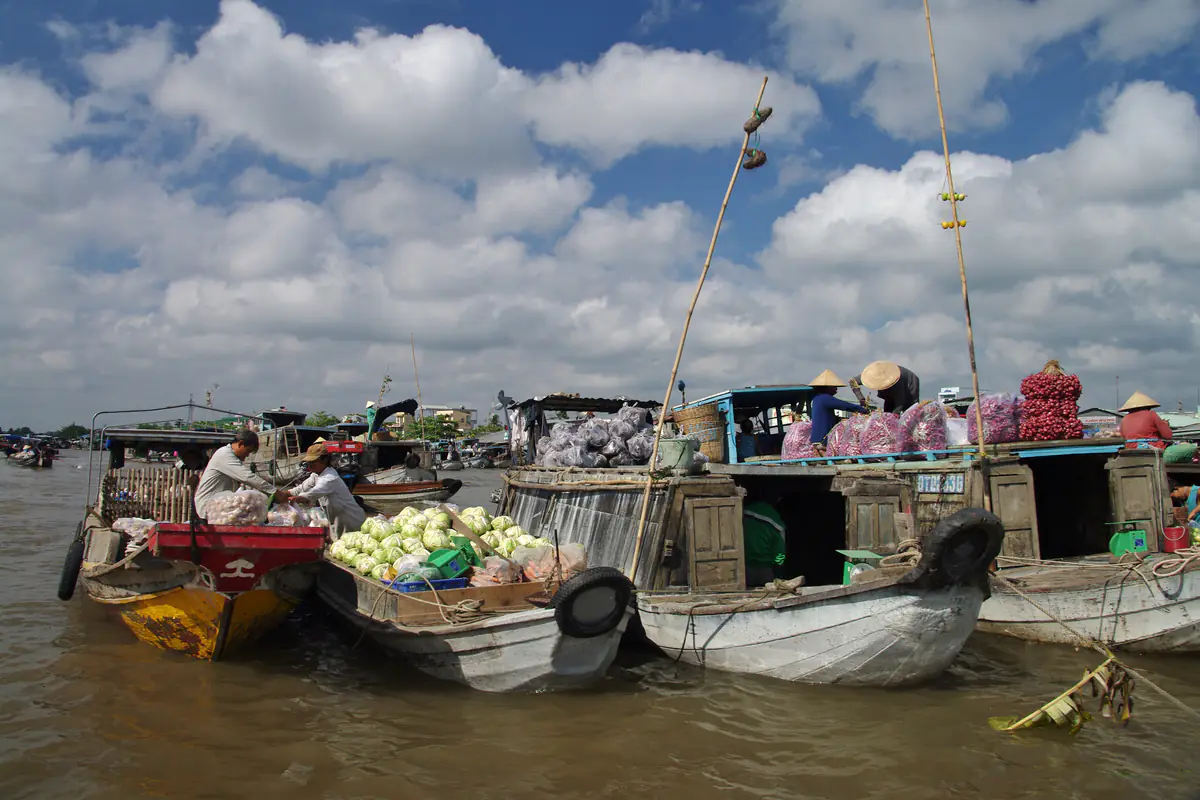
December is popular with international travelers planning end-of-year holidays, but conditions are far from identical across the country.
Southern Vietnam is firmly entering its dry season. Ho Chi Minh City is pleasant to explore, while Can Tho and the Mekong Delta are good options for combining road travel with river experiences.
Phu Quoc stands out for beach holidays. Sunshine becomes more common, rainfall decreases, and sea conditions are calmer than in the middle of the year. It's a good time for a resort stay, especially if you're escaping winter back home.
Da Lat is another strong choice, with chilly mornings and evenings and drier days than in summer. Pack warm clothes, more so if you're staying outside the city center.
Northern Vietnam is entering winter. Hanoi can be cold and cloudy, while Sa Pa and Ha Giang may experience dense fog and occasional severe cold.
Ha Long Bay remains open for sightseeing, but it is not an ideal destination for travelers who mainly want to swim.
Hue, Da Nang and Hoi An can still be rainy in December, and with Nha Trang near the end of its rainy season too, not every central beach makes sense for Christmas.
Think twice about: Central Vietnam's beaches and mountain trips that depend on clear visibility.
Best time for a beach holiday in Vietnam: different coasts, different seasons
One of the most common mistakes when researching the best time to visit Vietnam is treating the whole country as having one rainy season and one dry season, when Ha Long Bay, Da Nang, Nha Trang and Phu Quoc each run on their own weather calendar.
| Beach destination | Generally favorable period | Periods to consider carefully |
|---|---|---|
| Ha Long Bay, Cat Ba | April-June, September-November | Summer storms and typhoons; cold and foggy winter weather |
| Da Nang, Hoi An | March-August | Increased rain and storm risk from September to December |
| Quy Nhon | March-August | Rain and rougher seas toward the end of the year |
| Nha Trang, Cam Ranh | January-August | Rainy season from September to December |
| Mui Ne, Phan Thiet | Approximately November-April | Strong winds and waves during parts of the warmer season |
| Phu Quoc | November-April | Increasing rain from May to October, particularly in the middle of the wet season |
If you want a resort holiday with plenty of swimming
From December to March, head for Phu Quoc or other southern beaches that are in season. From April to August, switch to Da Nang, Quy Nhon and Nha Trang.
A four-day resort holiday is a different animal from a multi-city sightseeing trip. Most of your time goes to the beach, the pool and island trips, so sea conditions matter more than the number of nearby attractions.
If you want beaches, food and sightseeing
Da Nang and Hoi An work well for travelers who want a combination of beaches, local food, an old town and nearby attractions. Nha Trang offers convenient beachfront accommodation, bay excursions and a concentrated range of tourism services.
Phu Quoc suits a slow holiday more than a packed sightseeing schedule, and it pairs easily with Ho Chi Minh City or the Mekong Delta for a wider southern trip.
On a short holiday, two far-apart beaches are one too many, however famous both are.
Mountains and cooler weather: Sa Pa or Da Lat?
Sa Pa and Da Lat are both popular places to escape the heat, but they don't have the same climate.
Sa Pa and northern Vietnam's mountains have a real winter. From December to February, temperatures can drop sharply and fog is common.
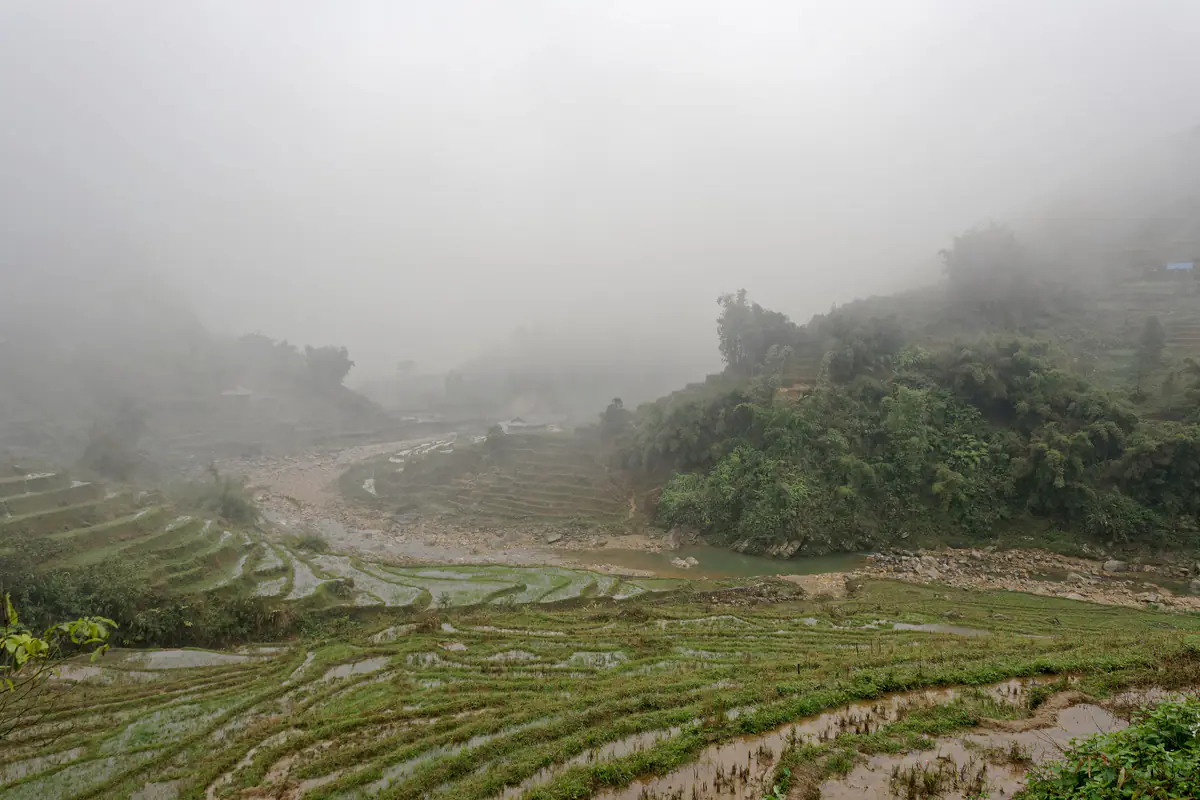
March and April warm up, and September to November is the best stretch for mountain views and getting outdoors, provided conditions are safe.
In summer, vegetation and rice terraces become lush and green, but heavy rain can affect mountain roads and trekking routes.
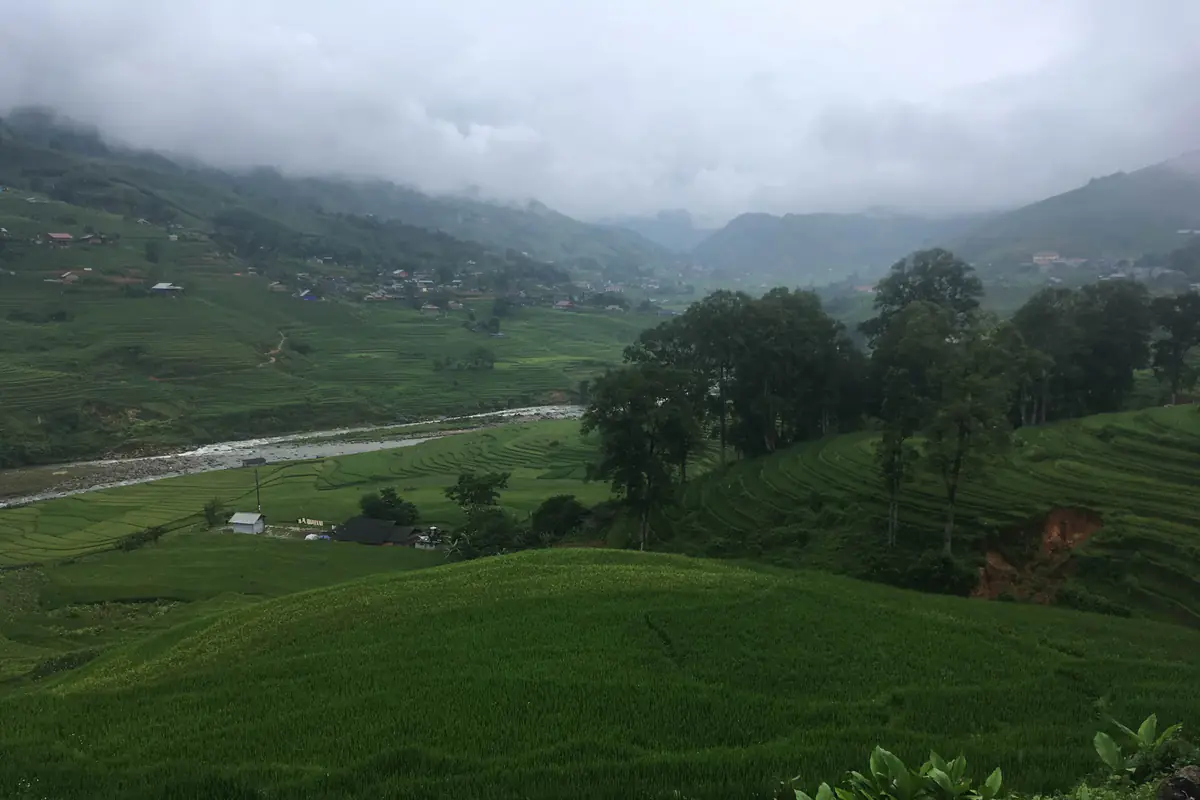
Golden rice terraces turn up from late August to October, depending on the exact location.
Da Lat is cooler than many lowland cities, but it has a relatively clear rainy season from around April or May until October. November to March is drier, ideal for time around lakes, forests and viewpoints.
Da Lat is still a pleasant escape from the heat between June and August, provided you're comfortable with frequent afternoon rain.
Choose Sa Pa for northern mountain landscapes, valleys, rice terraces and village culture, and Da Lat for a highland city with cafés, restaurants, pine forests and easier sightseeing.
Temperature is only part of it; travel distances, terrain and rainfall have more say in how comfortable your trip will be.
Central Vietnam's rainy season: when does it start, and what should you avoid?
Central Vietnam's rainy season does not begin on exactly the same date along the entire coast.
Around Hue, Da Nang and Hoi An, rainfall typically increases from September and can continue through December, sometimes extending into the beginning of the following year, with the heaviest rain events often hitting in October and November.
Around Nha Trang and parts of the south-central coast, the rainy season runs roughly from September to December, with patterns varying by location.
Tropical storms and typhoons can occur during the broader storm season, approximately May to November, and their impacts are not limited to one fixed area. Storm activity also varies considerably from year to year.
Heavy rain in central Vietnam is nothing like the short afternoon showers in southern cities. Some spells drag on, cause flooding and interrupt transport or sightseeing.

That still leaves room for central Vietnam between September and December. Sunny days do happen; just keep every plan changeable.
Travel dates that cannot be changed are a good reason to choose northern or southern Vietnam during the peak central rainy season rather than gambling your entire holiday on the weather.
Best time to travel across Vietnam from north to south
First-time visitors often want to combine Hanoi, Ha Long Bay, Hoi An, Da Lat, Ho Chi Minh City and Phu Quoc in one trip, which means covering long distances and several different weather patterns.
Traveling across Vietnam in March or April
This is one of the easier periods for combining multiple regions. You could start in Hanoi, visit Ninh Binh or Ha Long Bay, then fly to Da Nang to explore Hoi An before continuing to Ho Chi Minh City.
Extra days can go to a beach, either Nha Trang or Phu Quoc; one of the two is plenty.
March offers comfortable temperatures across many destinations, while April brings more noticeable heat, especially in the south and the lowlands.
Traveling across Vietnam from June to August
Make central Vietnam the focus.
You could combine Da Nang, Hoi An and Hue, or visit Nha Trang before continuing to a highland destination such as Da Lat.
The north can still go on the list, but build in slack for weather changes, above all around Ha Long Bay cruises and outdoor activities.
Southern Vietnam is in its rainy season, so beach lovers are better off on the central coast.
Traveling across Vietnam from October to December
Nobody says you have to cover all three regions in order from north to south.
October is a good month for the north. In November and December, you could combine Hanoi with Da Lat, Ho Chi Minh City or Phu Quoc, but any central Vietnam stop needs careful weather planning.
Ten days is better spent on two regions that suit the season than on a dash through as many cities as possible.
You can also focus on one part of the country. A week covering Hanoi, Ninh Binh and Ha Long Bay offers a very different experience from a week in Ho Chi Minh City, the Mekong Delta and Phu Quoc, and both can be excellent trips when planned for the right time of year.
Best time to visit Vietnam and Cambodia on the same trip
Many international travelers combine Vietnam and Cambodia during a longer Southeast Asia holiday. Cambodia's dry season runs from about November to April, and its rainy season from May to October.
November to February is the sweet spot for Siem Reap, Angkor and Phnom Penh, with relatively dry weather and less heat than at the end of the dry season.
But the best pairing depends on which part of Vietnam you're visiting.
December-February: A good period for combining Cambodia with Ho Chi Minh City, the Mekong Delta or Phu Quoc. You could spend several days exploring Angkor before relaxing on the beaches of southern Vietnam.
February-March: Works for adding Hoi An, Da Nang or parts of northern Vietnam to a Cambodia trip. Temperatures rise in Cambodia during March, so temple visits are more comfortable when started early.
April: A two-country trip works, but Cambodia is entering one of its hottest periods. Long walks around Angkor at midday can be exhausting.
June-October: Cambodia and several regions of Vietnam experience rainy conditions. Trips still go ahead, but cut back on long transfers, especially on mountain roads or boat-dependent routes.
On a 10-14-day Vietnam and Cambodia itinerary, three or four main stops are enough; convenient-looking connecting flights are no reason to squeeze in more.
Plan around your available days, not just the weather
Picking a good-weather month is only half the job. Vietnam is a long country, and travel times between destinations can be significant, especially when combining mountains and beaches.
If you have 5-7 days
Choose one main region.
- January-February: Ho Chi Minh City, Mekong Delta and Phu Quoc, or a relaxing stay in Da Lat.
- March-April: Hanoi, Ninh Binh and Ha Long Bay, or Da Nang, Hoi An and Hue.
- May-August: Da Nang and Hoi An, Nha Trang and Cam Ranh, or Quy Nhon.
- September-October: Hanoi and Sa Pa, Ha Giang or Ninh Binh, depending on the weather.
- November-December: Da Lat and Ho Chi Minh City, or a beach holiday in Phu Quoc.
With only five days, don't spend too much of your holiday changing airports, train stations and hotels.
If you have 8-10 days
You can combine two nearby areas or destinations connected by convenient flights.
In March or April, Hanoi - Ninh Binh - Da Nang - Hoi An can be a practical route.
From June to August, consider Da Nang - Hoi An - Hue or Nha Trang - Da Lat. The road between Nha Trang and Da Lat crosses mountain terrain, so allow enough travel time and check road conditions before departing.
From November to February, you could combine Ho Chi Minh City - Mekong Delta - Phu Quoc or Ho Chi Minh City - Da Lat - Phu Quoc.
If you have 12-14 days
You have enough time to visit several regions, but the season should still match your most important activities.
Beach-first travelers should spend more nights on whichever coast has the better conditions, while mountain lovers need some slack for bad weather and mountain-road delays.
Avoid scheduling remote excursions or boat-dependent activities immediately before an international departure, and end the trip somewhere with easy transport and fewer weather-dependent connections.
Three things to check before booking your Vietnam trip
First: what activities are best in that month?
The same destination can feel completely different to a sightseeing traveler and someone planning a beach holiday.
December in Ha Long Bay can appeal to visitors who enjoy misty landscapes, but it is not ideal for swimming. July in Da Lat is cool, but afternoon rain may interrupt outdoor sightseeing. So settle on the two activities that matter most to you before choosing a destination.
Second: does your trip fall during a major holiday?
Tet, the public holidays around late April and early May, summer school holidays, Christmas and New Year can increase demand for transport and accommodation at popular destinations.
June to August is also a major holiday period for Vietnamese families, and beaches can get very busy on weekends even outside the peak international season.
Once your dates are fixed, book major transport and your main accommodation early, and for weather-dependent activities pick providers with clear rescheduling or cancellation policies.
Third: a seasonal climate guide is not a weather forecast
Dry-season destinations still get the odd unexpected downpour, and a mostly sunny month can still bring storms, rough seas or dangerous thunderstorms.
A 12-month Vietnam travel guide helps you choose the region most likely to match your plans. It cannot predict the weather on your exact travel dates.
For boat trips, mountain routes and outdoor tours, check the Vietnam National Center for Hydro-Meteorological Forecasting and the latest notices from your transport or tour operator before departure.
Conclusion: so, when is the best time to visit Vietnam?
For a multi-region trip, March and April are the easiest choices. For summer beaches, consider Da Nang, Quy Nhon or Nha Trang; for northern mountain scenery, look at September to November; and for a beach holiday at the end of the year, Phu Quoc is usually the better choice. There is no single best month for all of Vietnam. Choose the region that fits your travel dates and what you actually want to do.
FAQ
What is the best month to visit Vietnam?
March and April are generally good months for combining several regions, but no single month is ideal for the entire country. Northern Vietnam is often pleasant in spring and autumn, central Vietnam's beaches are usually more favorable from spring through summer, and Phu Quoc and southern Vietnam are better during the dry season from late in the year into early spring.
Is December the best time to visit Vietnam?
December is a good time for Phu Quoc, southern Vietnam and trips to Da Lat. Northern Vietnam is colder, while Hue and Hoi An may still experience rain. If you want warm weather and beach activities, southern Vietnam is generally a better choice than assuming all Vietnamese beaches will be sunny.
When is the rainy season in central Vietnam?
Around Hue, Da Nang and Hoi An, rainfall generally increases from September and can continue into December or early the following year. October and November are particularly important months for monitoring heavy rain, typhoons and flooding. Nha Trang has a rainy season around September to December, but its weather pattern is not identical to Hue or Hoi An.
What is the best time to visit Vietnam and Cambodia together?
December to February generally works well for Cambodia combined with Ho Chi Minh City, the Mekong Delta and Phu Quoc. February and March can be suitable if you want to add Da Nang, Hoi An or northern Vietnam. April is still possible, but Cambodia can be extremely hot, especially during long visits to Angkor.
Is Vietnam worth visiting during the rainy season?
Yes, provided you choose the right region and activities. Afternoon showers in Ho Chi Minh City are different from prolonged heavy rainfall in central Vietnam. City sightseeing can often be rearranged around the weather, while boat trips, trekking and mountain drives require closer attention to short-term forecasts. Always adjust your plans when dangerous conditions or official travel restrictions are announced.