Where to go in Vietnam in November? Choose the north or south, and be careful with Central Vietnam
With seven days in Vietnam in November, Hanoi - Ninh Binh - Ha Long Bay makes a good route if you enjoy scenery and comfortable temperatures. For a beach holiday, head to Phu Quoc rather than relying on sunny weather in Central Vietnam.
By Da Lat LoversPublished Updated
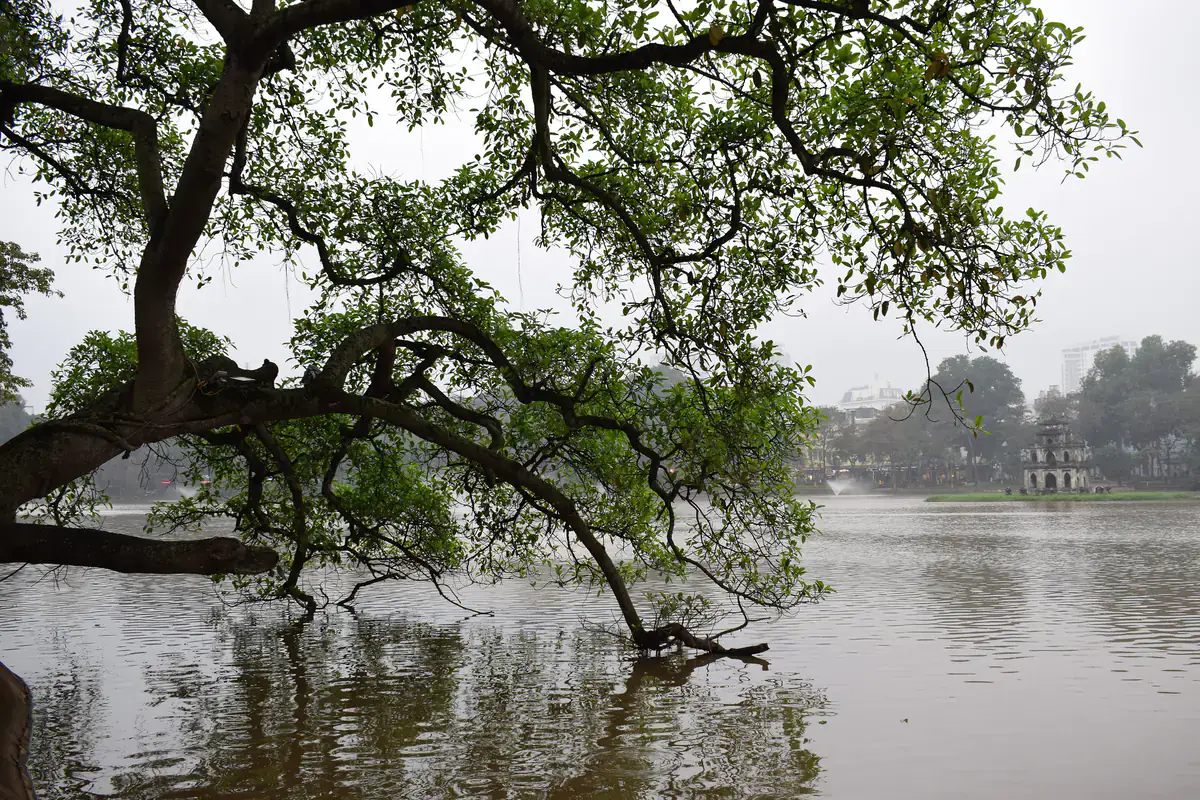
Hoan Kiem Lake beneath overhanging trees on a winter day in Hanoi.
November is a good month to explore Northern Vietnam, visit Phu Quoc as its beach season begins, or enjoy the cooler highland climate of Da Lat. By December, Southern Vietnam has more reliable weather, while the north is better suited to travelers who enjoy cooler temperatures. Along the central coast, however, checking the rain forecast before booking is particularly important.
Where should you go in Vietnam in November?
For a November trip, my top three regions would be Northern Vietnam, the Central Highlands, and Southern Vietnam. Each offers a different kind of experience.
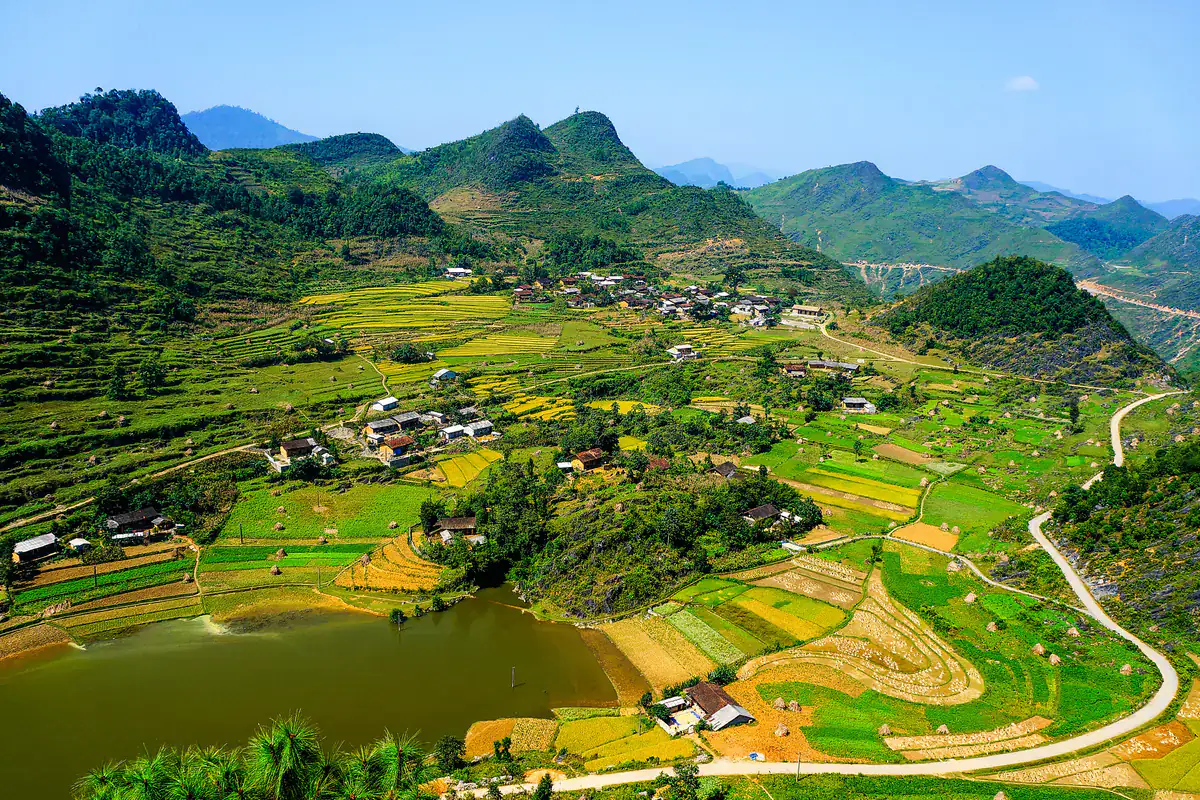
Northern Vietnam is a good choice if you enjoy walking, mountain scenery, historical sites, and sightseeing without the intense summer heat. Hanoi, Ninh Binh, Ha Long Bay, and the mountainous Ha Giang area are the obvious places to start. Temperatures are cooler, the main rainy season is usually over, and mountain areas can become quite cold after sunset.
The Central Highlands are better for travelers who prefer comfortable temperatures, coffee plantations, pine forests, and a slower itinerary. Da Lat starts moving into its drier season around November. By December, outdoor activities are usually easier to plan.
Southern Vietnam suits people looking for warm weather, beaches, or river experiences. Phu Quoc is one of the strongest options for a beach holiday. Ho Chi Minh City and the Mekong Delta also become more pleasant to explore as the rainy season comes to an end.
In contrast, Hue, Da Nang, Hoi An, and parts of the south-central coast can still receive substantial rainfall. It does not rain continuously every day, but these places should not be your first choice if you need several consecutive days of sunshine.
Vietnam weather in November and December: regional comparison
| Region | November | December | Better choice |
|---|---|---|---|
| Hanoi, Ninh Binh, Ha Long Bay | Mild, generally less rain than summer | Colder, sometimes cloudy or foggy | November |
| Sa Pa, Ha Giang, Cao Bang | Cool to cold, good for mountain scenery | Colder, with more fog in highland areas | November |
| Thanh Hoa, Nghe An, Ha Tinh | Cooling down, occasional rain | Colder, affected by northeast monsoon winds | Depends on forecast |
| Hue, Da Nang, Hoi An | Rainy season, possible flooding | Rain tends to decrease but remains a concern | Not ideal for guaranteed sunshine |
| Quy Nhon, Nha Trang | Rainy periods, potentially rough seas | Some good days, but rain remains possible | Consider late December |
| Da Lat and Central Highlands | Beginning of the drier season | Generally drier, cool nights | Both, especially December |
| Ho Chi Minh City, Mekong Delta | Rain gradually decreases | Dry season becomes more established | December |
| Phu Quoc | Beginning of favorable beach weather | Often sunny, good for beach holidays | Both, especially December |
| Mui Ne, Phan Thiet | Entering the drier season | Sunny and windy, suitable for coastal stays | Both |
This table describes typical climate patterns only: a cold surge, tropical depression, or unusual weather system can still change conditions for several days.
Northern Vietnam in November: the best overall choice for sightseeing
November is usually one of the more comfortable times to explore Northern Vietnam. The prolonged heat of June through August has passed, and there is less rain than in summer.
The catch is the gap between the lowlands and the mountains. On the same day, Hanoi may feel only slightly chilly while Sa Pa or Dong Van requires a much warmer jacket.
Hanoi, Ninh Binh, and Ha Long Bay: a good route for first-time visitors
First-time visitors to Vietnam will find this a sensible November route.
Hanoi offers plenty of activities that do not depend on beach weather. You can walk around Hoan Kiem Lake, visit the Temple of Literature, explore the Old Quarter, try local food, and spend time in museums.
Walking between attractions is much more comfortable on a cool November day than in the middle of summer.
Spend two days in Hanoi before heading to Ninh Binh. There, choose either the Trang An or Tam Coc boat trip as your main morning activity. Leave the afternoon for Hang Mua or cycling around the Tam Coc area.
There is no need to squeeze Trang An, Tam Coc, Bai Dinh, and Hang Mua into one day.
Ha Long Bay makes a good final stop. November often brings relatively pleasant temperatures, with a mixture of clear and cloudy days. An overnight cruise beats a rushed day trip, budget permitting.
December is still a possible time to visit Ha Long Bay, but colder temperatures, fog, and low clouds may reduce visibility. The sea is also much colder, so swimming should not be the main reason for visiting.

With only five days, choose Hanoi - Ninh Binh or Hanoi - Ha Long Bay. Trying to cover all three destinations in such a short time means spending a considerable part of your holiday in transit.
Ha Giang: November is better for mountain roads and scenery
The mountainous Ha Giang region, which became part of Tuyen Quang Province following Vietnam's 2025 administrative changes, is one of the country's most rewarding late-autumn destinations.
November usually overlaps with buckwheat flower season. The roads through Quan Ba, Yen Minh, Dong Van, and Meo Vac pass limestone mountains, deep valleys, and long stretches of winding mountain roads.
Ma Pi Leng Pass and the Nho Que River are among the area's most recognizable sights.
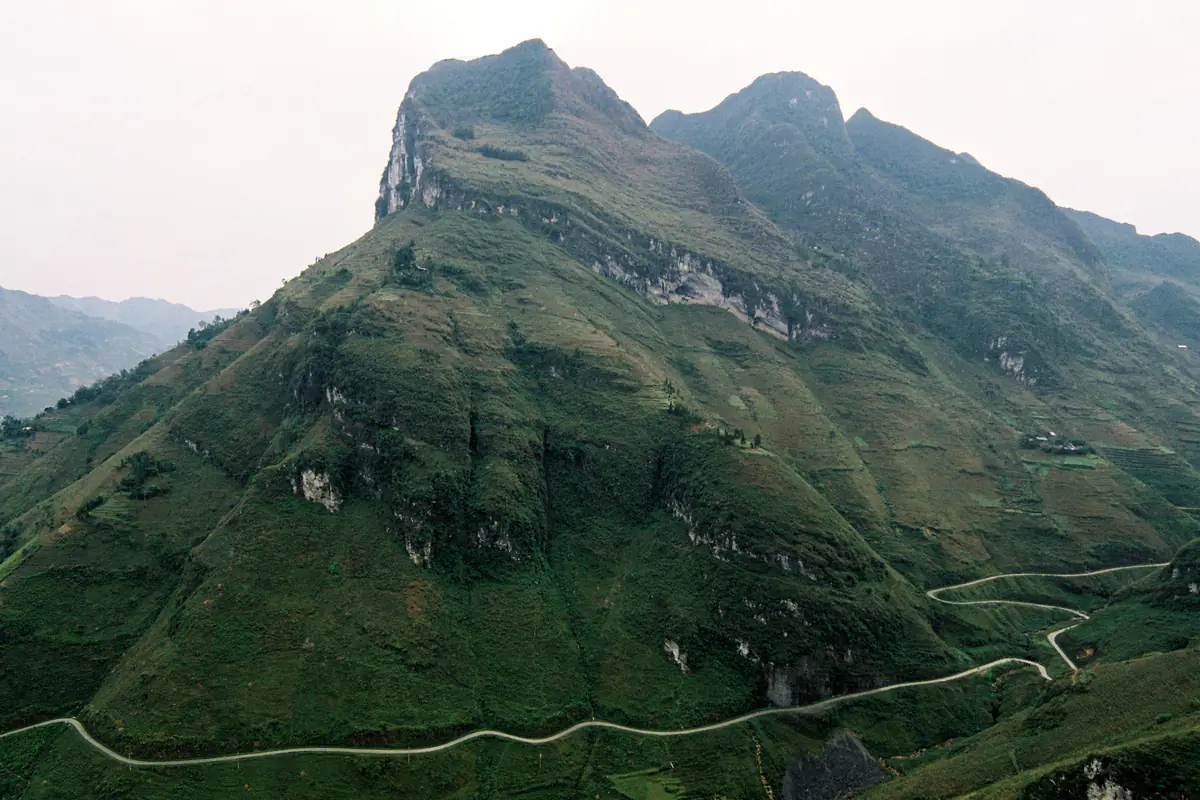
However, do not organize an entire trip around seeing one particular flower field. Flowering dates and conditions vary according to weather, planting schedules, and location.
Allow three to four days for the main Ha Giang Loop, excluding travel between Hanoi and the starting point. Covering too many mountain passes in a single day leaves little time to stop and enjoy the scenery.
Ha Giang remains beautiful in December, but the weather becomes noticeably colder. Dense morning fog can sometimes obscure the valleys and mountain views entirely.
Sa Pa and Cao Bang: good destinations, but don't expect golden rice terraces
Sa Pa is suitable for travelers interested in trekking, homestays, and experiencing colder mountain weather.
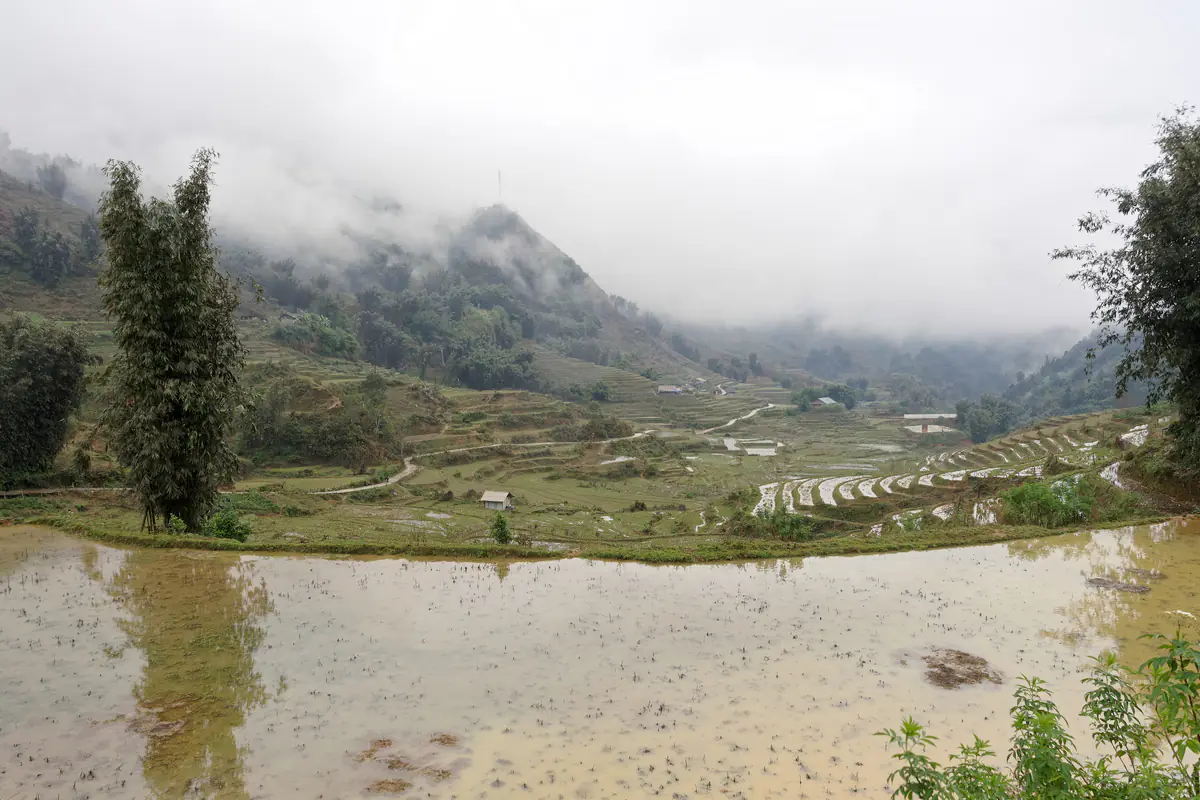
However, November is not the best time to see brilliant golden rice terraces. Most of the harvest season has already passed.
Golden rice fields come earlier in the year, depending on the area's planting and harvest schedule.
Toward the end of the year, Sa Pa becomes more about mountain scenery, villages, cold weather, and misty mornings.
By train, take the Hanoi - Lao Cai route and continue to Sa Pa by road. Train SP3 departs Hanoi at 10:00 PM and reaches Lao Cai at 5:50 AM the following morning.
You sleep on board and wake up nearly there.
Cao Bang is more suitable for travelers comfortable with longer mountain journeys and who have at least three days available.
Ban Gioc Waterfall, Nguom Ngao Cave, and the roads through the limestone mountains offer a very different experience from Vietnam's cities.
In December, both Sa Pa and Cao Bang can experience significant cold spells. Check the overnight low temperatures rather than relying only on the daytime forecast.
Central Vietnam in November: excellent cultural destinations, but rain is a serious consideration
Central Vietnam is the region most likely to cause confusion when planning a trip toward the end of the year.
Many travelers assume the rainy season ends everywhere in Vietnam at roughly the same time.
It does not.
While Northern Vietnam is enjoying cooler autumn weather and Southern Vietnam is approaching the dry season, the central coast can still experience heavy rainfall associated with the northeast monsoon and other weather systems.
Hue, Da Nang, and Hoi An: worth visiting, but keep your plans flexible
November falls within the rainy season in Hue, Da Nang, and Hoi An.
Some days are dry and even sunny, but prolonged periods of rain can also disrupt outdoor activities.
In Hue, rain can affect visits to the Imperial City, royal tombs, and attractions outside the city center. Cooler temperatures make walking pleasant, but a full day of heavy rain can make outdoor sightseeing uncomfortable.
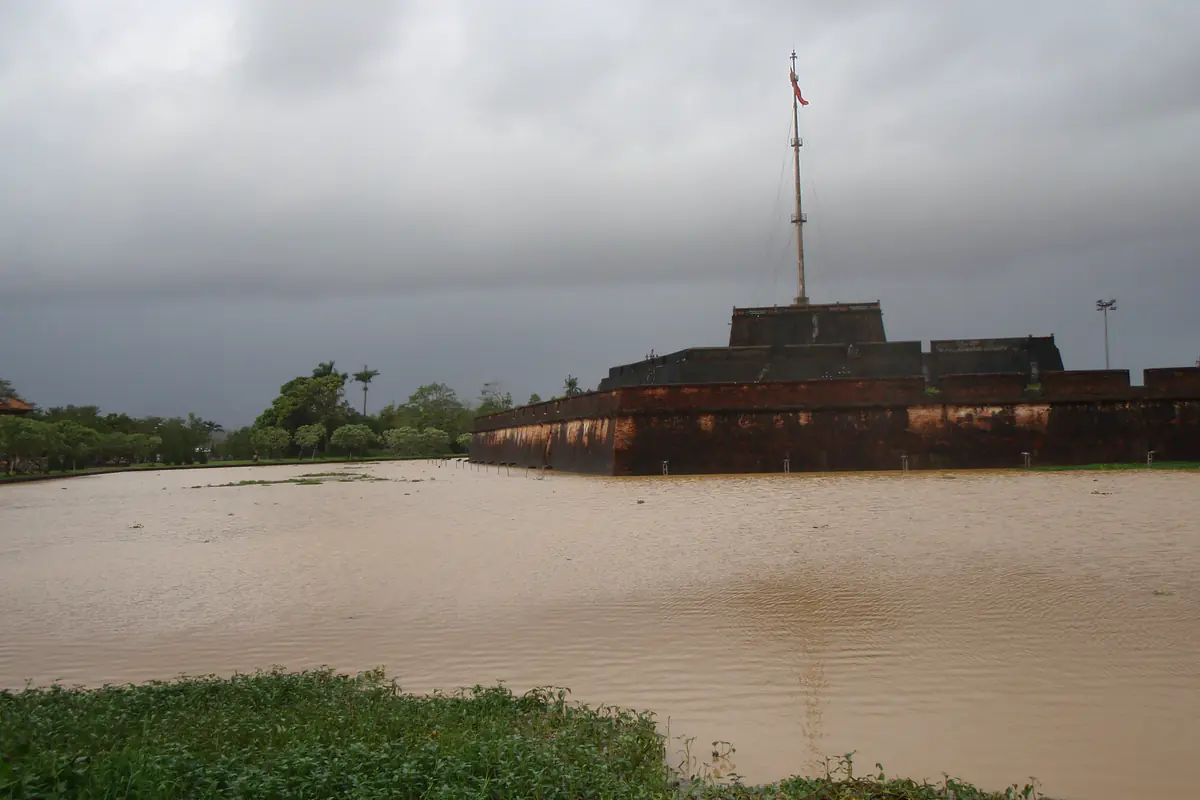
Hoi An faces an additional concern: flooding in low-lying areas during periods of heavy rainfall, particularly around the Thu Bon River system.
When water levels rise, access to parts of the Ancient Town and some boat activities may be restricted.
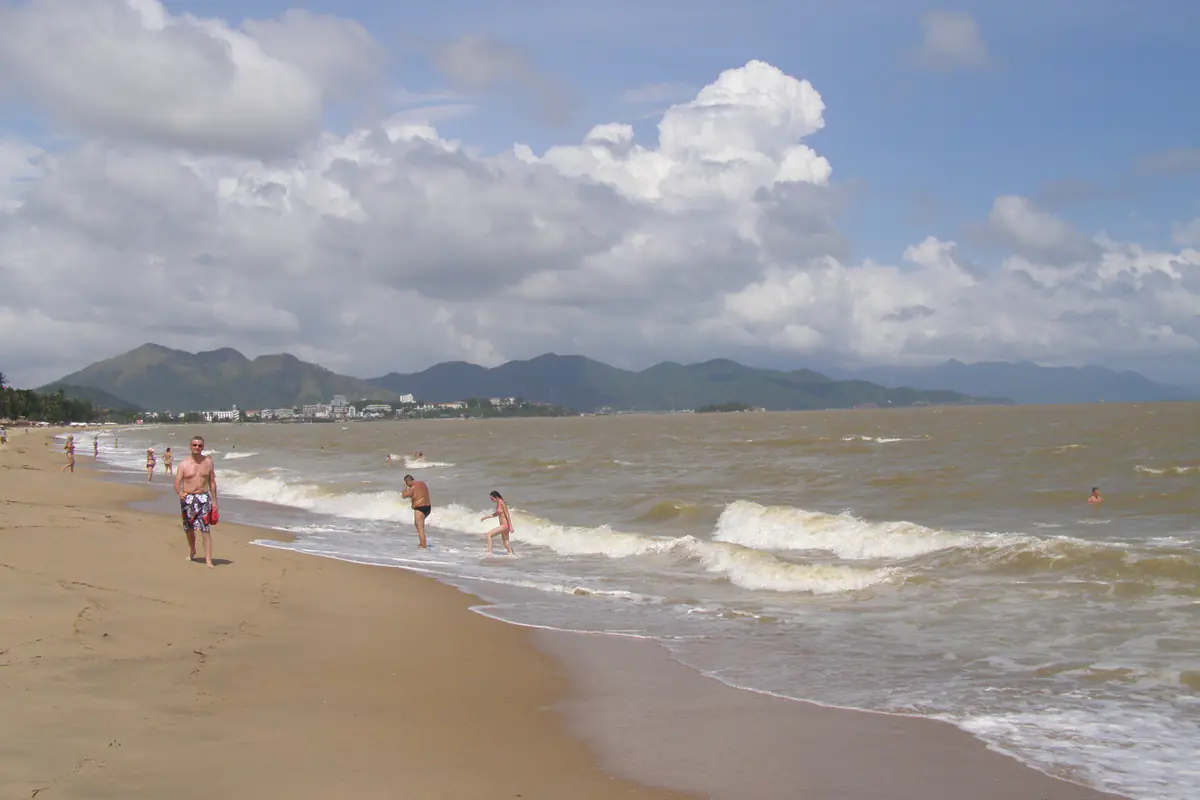
Da Nang is not a reliable beach destination in November either. My Khe Beach may experience strong waves, murky water, and conditions unsuitable for swimming.
A November trip through Hue, Da Nang, and Hoi An works best built around food, museums, historic buildings, indoor attractions, and activities that can be rescheduled.
Booking accommodation with reasonable cancellation or date-change conditions is more useful than building a tightly packed itinerary from morning until night.
For a five- to seven-day holiday where sunshine is the priority, I would not put this route at the top of the November list.
Quy Nhon and Nha Trang: moving south does not automatically mean less rain
Weather conditions change as you travel south from Da Nang to Quy Nhon and Nha Trang, but the rain does not disappear immediately.
The south-central coast can still experience heavy rainfall in November.
In Nha Trang, September through December is usually the wetter period of the year. November should therefore not automatically be treated as ideal beach season.
One sunny morning does not guarantee calm seas for an island excursion. Wind, waves, and boat operating conditions are more important when choosing a tour.
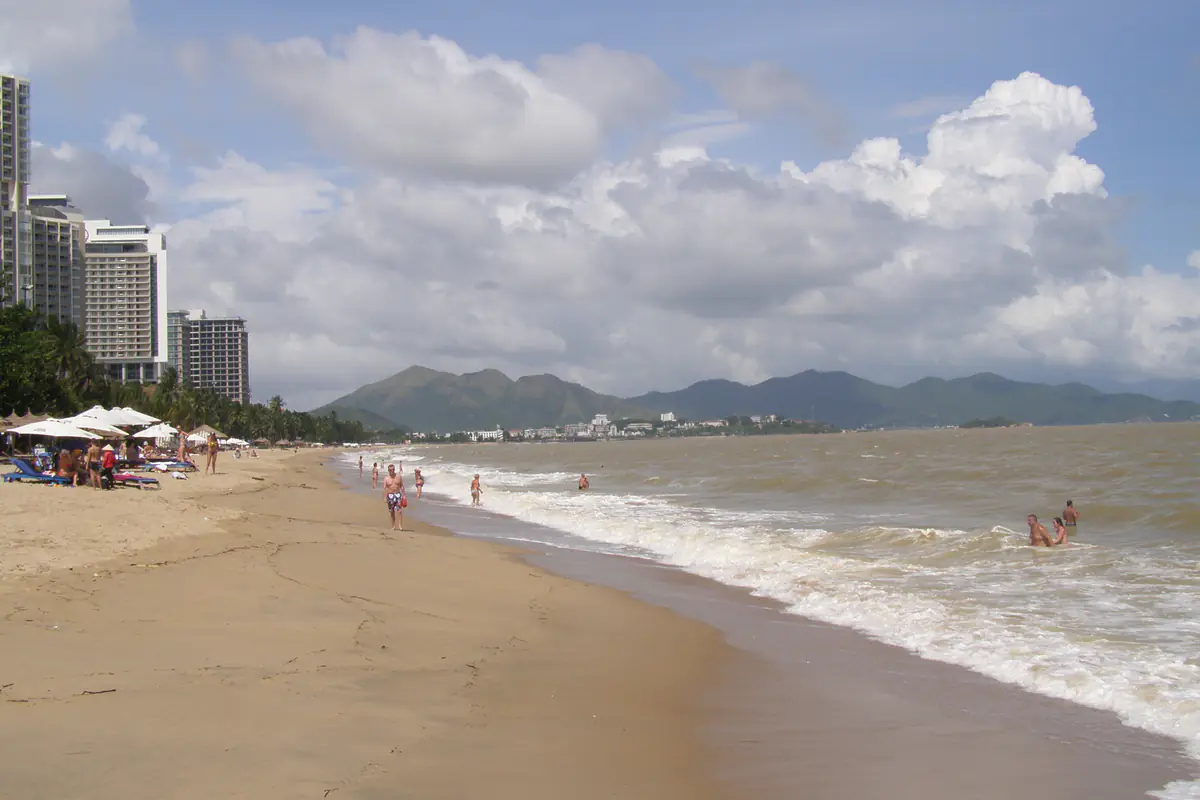
A resort already booked in this region can still give you a good holiday, as long as it has a swimming pool, restaurants, and indoor facilities.
Snorkeling, diving, or several days of boat trips are better saved for another time of year.
Mui Ne and Phan Thiet: a better coastal option further south
Mui Ne has a considerably drier climate than many coastal destinations farther north.
Toward the end of the year, the area usually enters a period with less rain, more sunshine, and stronger winds.
It is a reasonable choice for travelers who want a coastal resort, sand dunes, seafood, and a beach holiday without flying to an island.
From Ho Chi Minh City, you can travel to Phan Thiet by road or take a train to Phan Thiet Station before continuing to your accommodation.
Windy days are not always good for swimming.
Mui Ne is popular for wind sports, but some stretches of coastline can experience strong waves or seasonal erosion.
Swimmers should check the beach conditions at the specific resort rather than relying only on promotional photographs.
The Central Highlands in November and December: choose Da Lat for cooler weather
The Central Highlands have a different rainy-season pattern from the central coast. This distinction matters when planning a trip in November or December.
In Da Lat, the rainy season usually lasts until around October. November marks the start of a drier period, and December is often better for outdoor sightseeing.
The highland climate can feel comfortable during the day, but temperatures drop noticeably after sunset.
You might be comfortable in a light shirt at midday and need a jacket for an evening walk.
November works well for visiting central Da Lat, coffee shops, flower gardens, and attractions outside the city.
December is the better month for longer stretches outdoors, walks around Xuan Huong Lake, or trips into the surrounding hills.
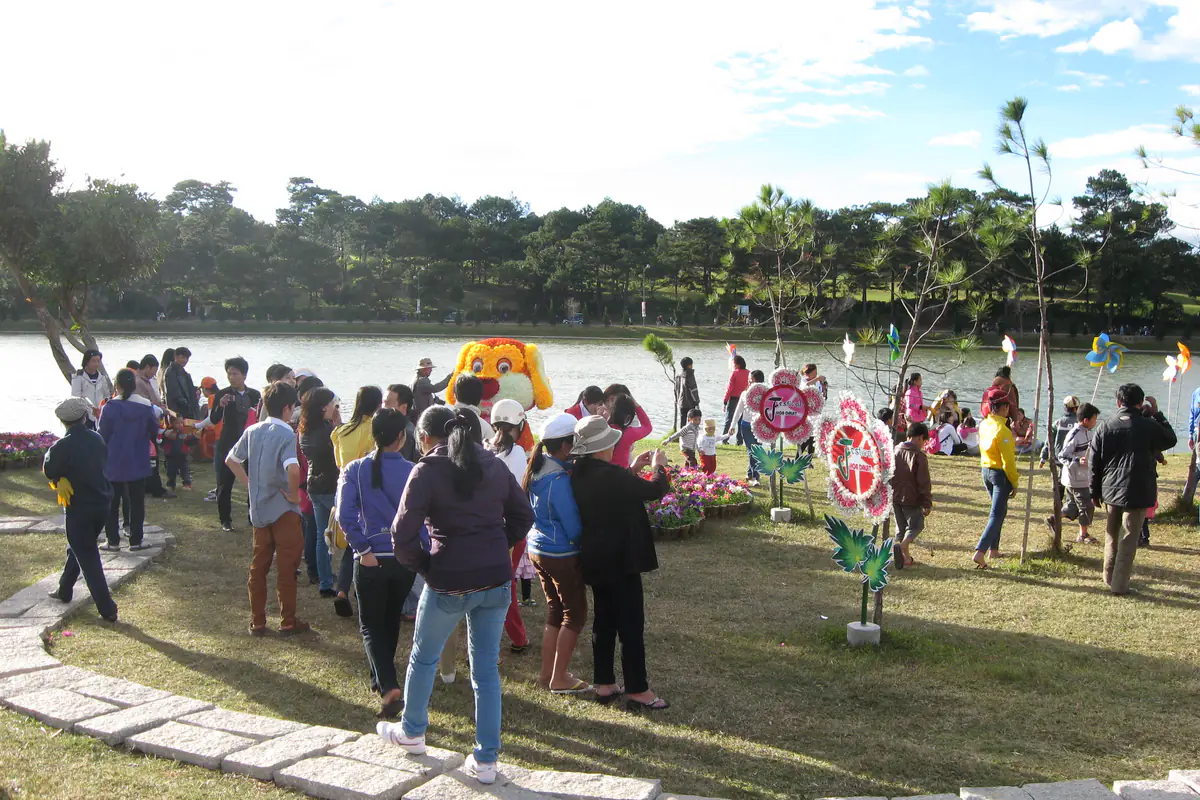
Do not confuse Da Lat's cool weather with winter in Northern Vietnam.
Da Lat does not usually experience the same severe cold spells as Sa Pa or Dong Van, although wind and humidity can make early mornings feel chilly.
Beyond Da Lat, the Buon Ma Thuot area is another option if you are interested in coffee, local culture, and highland landscapes rather than busy resort areas.
A four- or five-day trip to the Central Highlands works best focused on one main area.
Trying to combine Da Lat, Buon Ma Thuot, and several distant attractions just because they are in the same broad region will add a lot of road travel to your holiday.
Southern Vietnam in November: the start of better weather for rivers and beaches
Southern Vietnam has two main climate seasons: wet and dry.
November is a transition period, while December usually shows the dry-season pattern more clearly.
Temperatures remain relatively high throughout the year. Unlike the north, the main difference is not between hot and cold weather, but between wetter and drier conditions.
Ho Chi Minh City: easier for walking, food, and sightseeing
Ho Chi Minh City can still receive occasional showers in November, particularly during the first part of the month.
Rainy days become less frequent as the dry season approaches, though.
Outdoor plans are easier to make in December.
You can spend a morning exploring the city center, visiting museums or historical buildings, and leave the evening for restaurants and street food.
Long walks are best started around 7:00-8:00 AM or left until late afternoon, when the heat becomes less intense.
Midday in Ho Chi Minh City can still feel hot, even in December.
Ho Chi Minh City also makes a convenient starting point for international travelers heading to the Mekong Delta or Phu Quoc.
Mekong Delta: December is usually the better choice
Can Tho, Ben Tre, Vinh Long, and other Mekong Delta destinations are best enjoyed at a slower pace.
These are places to explore river life, local markets, orchards, and rural communities rather than rush between major landmarks.
November is already a possible time to visit, although showers can still occur. December brings more settled weather.
Orchards, rural lanes, and small boat trips are best enjoyed in one or two neighboring provinces.
Trying to cover too many Mekong Delta provinces in two days usually means spending most of your time inside a vehicle.
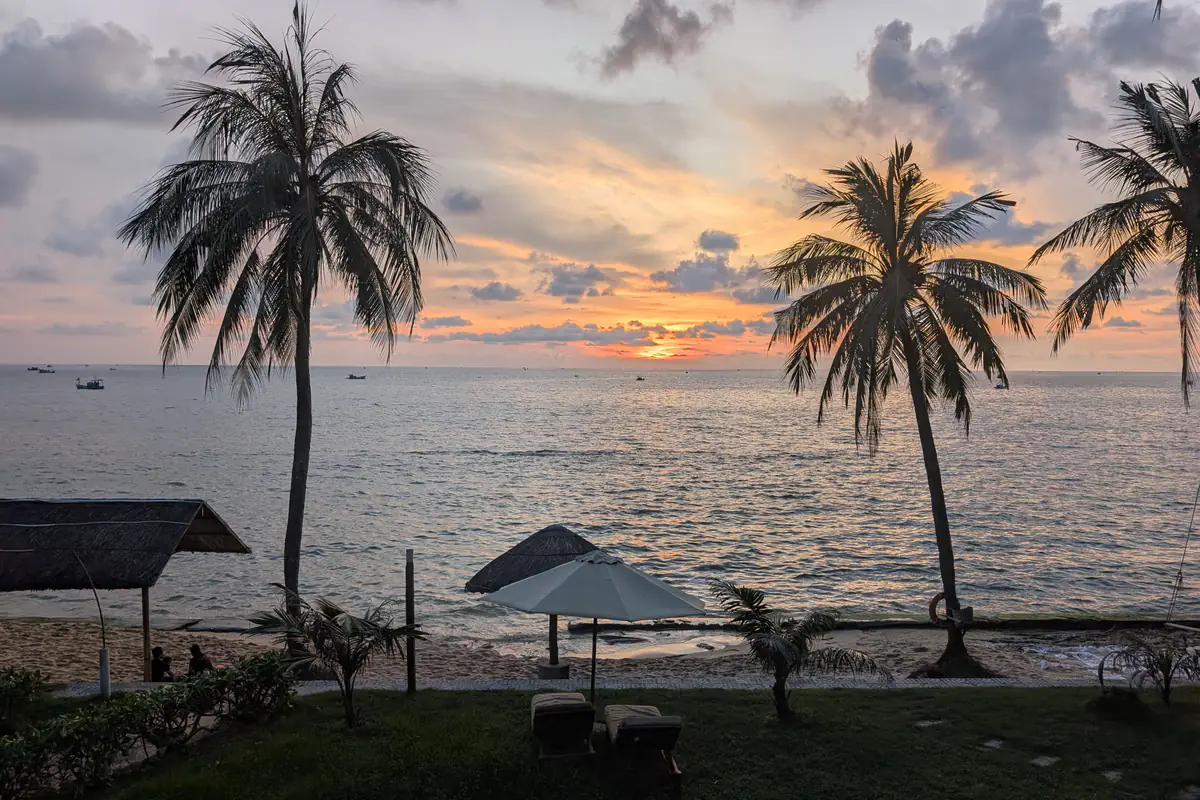
Phu Quoc: one of the best choices for November and December
Phu Quoc enters a more favorable period for beach holidays around November, with the dry season continuing into the early months of the following year.
Rain eases, sunshine becomes more frequent, and sea conditions are often better for a relaxing coastal holiday.
December is particularly attractive for travelers who want to escape Northern Vietnam's winter or spend Christmas somewhere tropical.
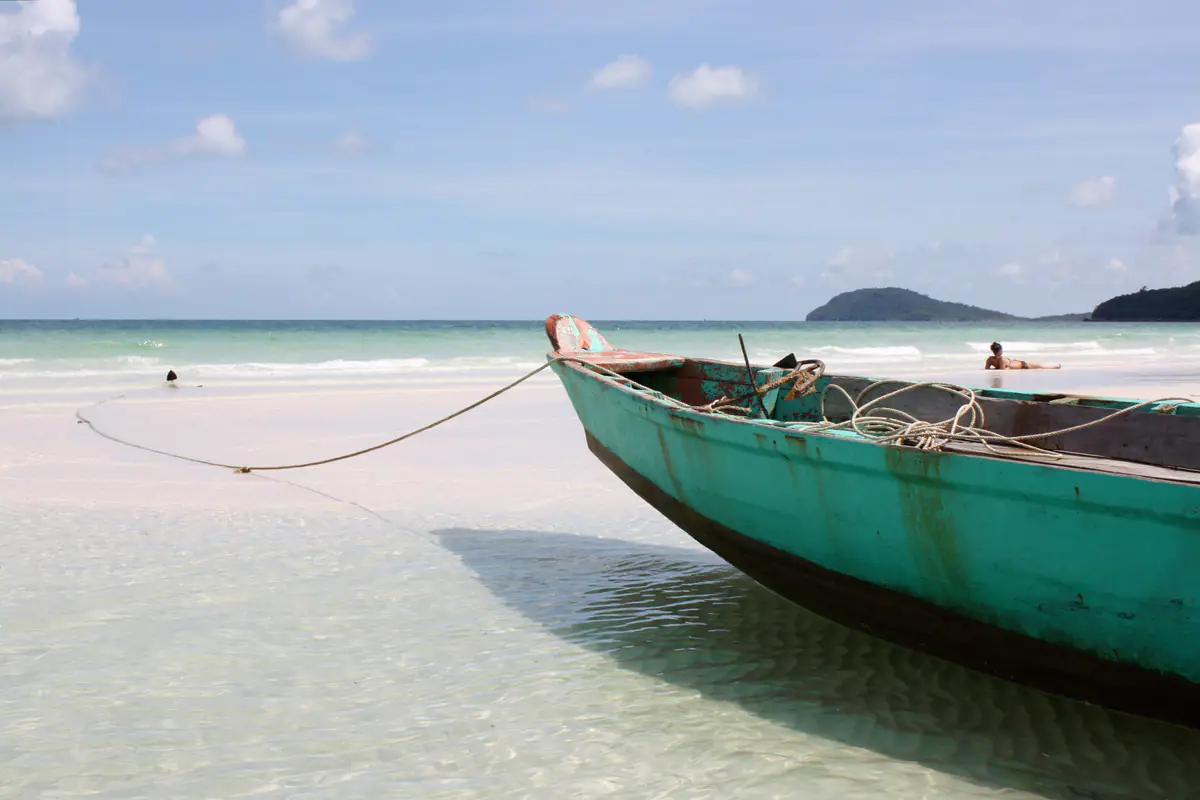
You can reach Phu Quoc by air through Phu Quoc International Airport or by ferry from Ha Tien or Rach Gia, depending on the operators' schedules.
Keep a four-day holiday simple: one main area to stay in, beach time, and one suitable island excursion.
Moving constantly between resorts on opposite sides of the island does not necessarily make the trip more enjoyable.
Even during the dry season, boat trips, diving, and snorkeling depend on wind, wave conditions, and local maritime warnings.
Where to go in Vietnam in December?
December has one major advantage: Southern Vietnam and the Central Highlands usually enter a more favorable weather period, while Northern Vietnam offers a distinctly different winter experience.
The best destination depends largely on whether you enjoy cold weather.
For sunshine and beaches: Phu Quoc or Mui Ne
Phu Quoc should be your first option for a resort stay, lazy beach days, sunsets, and water activities.
Mui Ne makes more sense for travelers already in Ho Chi Minh City who prefer not to add another flight.
However, you need to choose your swimming beach carefully because wave and wind conditions vary between locations.
Do not choose Nha Trang simply because it appears farther south than Da Nang on the map. December can still be part of its rainy period.
For mild weather: choose Da Lat
Da Lat is suitable for travelers who dislike Southern Vietnam's heat but do not want the colder winter temperatures of the northern mountains.
December often allows more time outdoors, although daily forecasts still matter.
Accommodation near the city center is convenient if you plan to explore on foot, visit coffee shops, and eat out.
Avoid scheduling too many cloud-hunting or sunrise trips on consecutive mornings.
Beautiful clouds and clear mountain views depend on actual weather conditions. No particular morning is guaranteed to deliver them.
For a winter experience: Hanoi and northern mountain areas
December offers a very different experience from the rest of Vietnam.
Hanoi can feel cold in the early morning and evening.
Sa Pa, Ha Giang, and other high-altitude destinations may experience dense fog, very low temperatures, and occasionally frost or ice when conditions are suitable.
Hanoi is easy to organize for city walks, hot meals, and cooler weather.
Trekking or mountain road trips need more preparation.
Roads can become slippery, visibility may decrease, and daylight hours are shorter than in summer.
Do not make snowfall the main purpose of a trip to Sa Pa. Snow is rare in Vietnam and does not follow a predictable annual schedule.
For history and culture: don't completely rule out Central Vietnam
Hue, Da Nang, and Hoi An still get dry, pleasantly cool days in December, comfortable for walking and sightseeing.
Stable sunny weather has not yet reached the whole central coast, though.
First-timers with only one week should pick a route where good weather is more likely.
If you have already booked flights to Da Nang or particularly want to see Hue, allow extra time and prioritize activities that can be rearranged.
Vietnam weather in December: where is it dry, rainy, or cold?
A single weather forecast cannot describe all of Vietnam in December.
The country's length, mountain ranges, and seasonal winds create major differences between regions.
Northern Vietnam: winter becomes more noticeable
Temperatures drop from November into December, particularly when cold air masses arrive.
In the lowlands, conditions may be dry, cloudy, or misty in the morning.
Mountain areas are colder, especially overnight.
It is good weather for city sightseeing and trips that do not depend on swimming.
Before mountain treks or drives over the passes, check minimum temperatures and visibility.
Central Vietnam: the rainy season does not end everywhere at once
This is the most important point when checking Vietnam's weather in December.
Hue, Da Nang, Hoi An, and many coastal destinations can still receive rainfall associated with winter monsoon conditions.
Total rainfall may decrease compared with the wettest part of the season, but heavy rain events remain possible.
Sea conditions in Quy Nhon and Nha Trang have not fully settled yet.
There may be sunny days alongside periods of rain or rough seas.
Meanwhile, Da Lat and the rest of the Central Highlands turn drier.
That is why treating all of Central Vietnam as a single weather region can lead to poor travel decisions.
Southern Vietnam: the dry season is better for travel
December is a good month for Ho Chi Minh City, the Mekong Delta, and Phu Quoc.
Daytime temperatures remain warm or hot, particularly in cities and lowland areas.
The main advantage is that prolonged afternoon showers become less common than during the rainy season.
Keen walkers should plan outdoor activities for early morning and late afternoon rather than the hottest hours of the day.
November and December 2026: what the seasonal forecasts say
Long-term climate patterns are useful for selecting a destination, but conditions can vary from one year to another.
This November is forecast to be approximately 1-2°C above the long-term average across the country, with a smaller increase of about 0.5-1°C in Southern Vietnam.
Rainfall in Northern Vietnam during November is forecast to be 15-30% higher than the long-term average.
This does not mean the entire month will be rainy, but it is a reason not to assume that Northern Vietnam will remain dry throughout November 2026.
December 2026 could also be warmer than average.
At the same time, Central Vietnam could still experience moderate to heavy rainfall during both November and December, even though total rainfall in many areas is expected to be below normal.
So for late 2026, the plan stays much the same: prioritize Northern Vietnam for November sightseeing, Southern Vietnam for December beach holidays, and check rainfall conditions carefully before visiting the central coast.
These seasonal outlooks do not replace a weather forecast issued one to three days before departure.
Choosing your destination based on your travel style
Not every traveler needs the sunniest destination.
Some enjoy cold mountain weather, others want to swim in the sea, and some simply want a comfortable city for walking and eating.
| Travel preference | Best options in November | Best options in December |
|---|---|---|
| Beaches and resorts | Phu Quoc, Mui Ne | Phu Quoc, Mui Ne |
| Walking and city sightseeing | Hanoi, Ninh Binh | Hanoi, Ho Chi Minh City |
| Mountains and scenic roads | Ha Giang, Sa Pa, Cao Bang | Ha Giang, Sa Pa if you enjoy cold weather |
| Mild highland weather | Da Lat | Da Lat |
| History and culture | Hanoi, Ninh Binh | Hanoi, Ho Chi Minh City |
| Rivers and rural life | Can Tho, Ben Tre | Can Tho, Ben Tre |
| Traveling with children | Hanoi, Da Lat, Phu Quoc | Phu Quoc, Ho Chi Minh City, Da Lat |
| Avoiding heavy rain as much as possible | Prioritize Northern Vietnam and Phu Quoc | Prioritize Southern Vietnam and the Central Highlands |
Young children do better with a simple itinerary than with a long list of attractions.
Choose one main city or resort area as your base, then add one or two day trips.
Changing hotels constantly can be exhausting, especially during rainy or cold weather.
Older travelers may prefer destinations with convenient transport and fewer long journeys on mountain roads.
Depending on personal preferences and mobility, Hanoi, Da Lat, or Phu Quoc can all be reasonable options.
Suggested Vietnam itineraries for November and December
Seven days in November: Hanoi - Ninh Binh - Ha Long Bay
This route is suitable for travelers interested in scenery, history, and culture rather than swimming.
- Days 1-2
Hanoi
Spend your first day exploring the Old Quarter, Hoan Kiem Lake, and local food. On the second day, visit the Temple of Literature, a museum, or neighborhoods beyond the central tourist district.
- Days 3-4
Ninh Binh
Travel to Ninh Binh and allow one day for a Trang An or Tam Coc boat trip. Use the remaining time for attractions on land. Starting outdoor activities around 7:30-8:00 AM is a sensible choice.
- Days 5-6
Ha Long Bay
Choose a suitable cruise, explore the bay, and stay overnight if your schedule and budget allow.
- Day 7
Return to Hanoi
Leave a reasonable buffer before your next train journey or flight.
This itinerary offers a manageable balance without spending every day in a vehicle.
Cold or rainy days are easy to work around by rearranging activities.
Seven days in November: Hanoi - Ha Giang
This version is for travelers who prefer mountains to beaches, with most of the trip spent in Ha Giang.
- Days 1-2
Hanoi, then Ha Giang
Explore Hanoi, then travel to the Ha Giang area.
- Days 3-6
The Ha Giang Loop
Follow the mountain loop through Quan Ba, Yen Minh, Dong Van, and Meo Vac before returning to the starting point according to the route arranged with your driver or tour operator.
- Day 7
Back to Hanoi
Return to Hanoi or continue elsewhere if your onward travel schedule allows.
Do not try to combine a detailed Ha Giang Loop trip with Sa Pa in only seven days.
Both destinations involve considerable mountain travel, and the distances are longer than they appear on a map.
Seven days in December: Ho Chi Minh City - Mekong Delta - Phu Quoc
This itinerary works well for travelers who prefer warm weather and want to combine a large city, rivers, and beaches.
- Days 1-2
Ho Chi Minh City
Stay in Ho Chi Minh City, explore the central districts, and enjoy the food scene.
- Days 3-4
Can Tho, Mekong Delta
Visit Can Tho or another suitable Mekong Delta destination. Stay overnight so you can experience river activities in the early morning instead of rushing back on the same day.
- Days 5-7
Phu Quoc
Continue to Phu Quoc for beach time. Leave at least one day completely free of scheduled sightseeing.
Adjust the order according to available flights and ferry services.
Allow a reasonable buffer before any international flight home.
Only have four or five days?
With four days, staying in one main destination makes the most sense.
In November, you could choose Hanoi with a short trip to Ninh Binh, or spend the entire holiday in Da Lat.
Beach lovers can fly straight to Phu Quoc.
In December, Phu Quoc and Da Lat are both relatively straightforward options. Hanoi also works well for a winter city break.
Avoid trying to combine Da Lat, Nha Trang, and Phu Quoc in five days.
Transfers will consume a large share of your holiday, even before accounting for potential weather disruptions.
What to pack for Vietnam in November and December
Traveling around Vietnam toward the end of the year does not mean you should pack only winter clothes or only beachwear.
A multi-region itinerary means packing for the coldest destination while keeping your luggage manageable.
Packing for Northern Vietnam
In Hanoi and Ninh Binh, November often calls for long sleeves, a light jacket, or a windproof outer layer on cooler days.
December calls for something warmer, especially if you plan to go out early in the morning or late at night.
For Sa Pa, Ha Giang, and Cao Bang, pack layers, a warm jacket, shoes with good grip, and basic rain protection.
Gloves and a scarf can be useful during cold spells or motorcycle journeys.
Do not look only at the highest temperature displayed in a weather app.
In the mountains, the overnight low temperature often determines whether you will be comfortable.
Packing for Central Vietnam
A lightweight raincoat, umbrella, and water-resistant footwear are particularly useful.
Carry a spare set of dry clothes for Hue, Da Nang, or Hoi An in November or December.
Protect electronics and important documents in waterproof bags.
Packing for the Central Highlands
Da Lat calls for clothing that can be layered.
You may experience sunshine during the day, followed by much cooler conditions early in the morning or after sunset.
A moderately warm jacket, comfortable walking shoes, and a windproof layer are useful.
Cloud hunting around 5:00-6:00 AM means dressing more warmly than you would for an afternoon walk around town.
Packing for Southern Vietnam
Lightweight, breathable clothing, comfortable walking shoes, a hat, and sunscreen should be priorities.
In November, carry a compact raincoat because transitional showers are still possible.
December is drier, but rain cannot be ruled out completely.
For Phu Quoc, bring suitable beach footwear and check the weather before boat trips, diving, or kayaking.
Three common mistakes when planning a Vietnam trip at the end of the year
Assuming the southern dry season applies to the whole country
November and December bring improving weather to Southern Vietnam, but Hue and Hoi An can still experience heavy rain.
Do not use Ho Chi Minh City's weather to predict conditions in Da Nang simply because both destinations are in Vietnam.
Looking at temperature but ignoring rainfall and wind
A destination with a temperature of 25°C may sound ideal, but it could still be rainy throughout the day or have rough seas.
Island excursions depend as much on rainfall, wind speed, and wave conditions as on temperature.
Mountain trips add fog and visibility to the list.
Packing too many destinations into one trip
This is a common mistake among first-time visitors to Vietnam.
Hanoi, Ninh Binh, Ha Long Bay, Sa Pa, and Ha Giang all appear relatively close together on a map of Northern Vietnam.
In reality, traveling between them can take many hours.
Similarly, Da Lat and Nha Trang are not extremely far apart geographically, but mountain roads, changing weather, and hotel transfer times make the journey more complicated than moving between two neighborhoods in a city.
Ten days is enough for two regions with convenient transport connections.
You do not need to visit Northern, Central, and Southern Vietnam in one trip to have a worthwhile holiday.
Is November or December better for visiting Vietnam?
Both months have advantages, but they suit different kinds of trips.
Choose November if you want to explore Northern Vietnam before winter becomes colder. Hanoi, Ninh Binh, Ha Long Bay, and the Ha Giang mountains are particularly attractive. Phu Quoc and Da Lat are also moving into more favorable weather periods.
Choose December if you want to spend more time in Southern Vietnam, especially Phu Quoc, Mui Ne, and the Mekong Delta. Da Lat is another strong option. Northern Vietnam is suitable for people who enjoy winter and do not mind packing warmer clothing.
For the central coast, both November and December require careful attention to rainfall forecasts.
A holiday built around the beaches of Da Nang, Hoi An, or Nha Trang is better timed for the early months of the following year.
That does not mean Central Vietnam cannot have beautiful days in December.
It simply means that when you are booking flights, accommodation, and annual leave well in advance, choosing a region whose typical climate matches your planned activities gives you a better chance of an enjoyable trip.
In November, consider Ha Giang, Ninh Binh, or Ha Long Bay before choosing a beach destination on the central coast. By December, Phu Quoc and Da Lat become easier choices for many travelers. On the same December morning, temperatures in Northern Vietnam's mountains can fall below 10°C while Southern Vietnam remains warm enough for a short-sleeved shirt.
FAQ
Is November cold in Vietnam?
Yes, but mainly in Northern Vietnam and high-altitude areas. Hanoi is usually mild to cool, becoming colder during cold-air outbreaks, while Sa Pa, Ha Giang, and Cao Bang can be quite cold at night. Da Lat also experiences chilly mornings and evenings. Ho Chi Minh City, Phu Quoc, and most of Southern Vietnam remain warm or hot.
Does it rain in Vietnam in November?
Yes. November is not a dry month throughout the country. Northern Vietnam has generally passed its main rainy season, although occasional rain is still possible. Central Vietnam, especially Hue, Da Nang, Hoi An, and parts of the south-central coast, can receive substantial rainfall. Southern Vietnam is moving toward the dry season, so rainfall usually decreases.
Where should I go in Vietnam in December for good weather?
Phu Quoc is one of the best options for a beach holiday. Mui Ne is another coastal choice, particularly if you are traveling from Ho Chi Minh City. Da Lat is suitable for cooler weather, while Hanoi and the northern mountains are worth visiting if you enjoy winter conditions. No destination guarantees sunshine every day, so check the forecast before your trip.
Is November a good time to visit Vietnam?
Yes. November is a good time to explore much of Northern Vietnam, begin a beach holiday in Phu Quoc, or visit Da Lat. For first-time international visitors, Hanoi - Ninh Binh - Ha Long Bay is a practical route. If avoiding rain is important, be cautious about including Hue, Da Nang, and Hoi An in your itinerary.
Is December a good time to travel across Vietnam?
Yes, but you need to prepare for very different weather conditions. Northern Vietnam is generally colder, the Central Highlands are cooler and drier, Southern Vietnam is entering its dry season, and the central coast may still receive heavy rain. For a trip lasting 10-14 days, prioritize two regions and leave some flexibility between major transport connections.