Hue in 2 days and 1 night: a practical itinerary for first-time visitors
Two days and one night in Hue is enough for the Imperial City, one or two royal tombs and a few meals of beef noodle soup, clam rice and steamed rice cakes. If it rains, drop one tomb, keep the Imperial City and spend the rest of the time eating and sitting in cafés in the center.
By Da Lat LoversPublished Updated
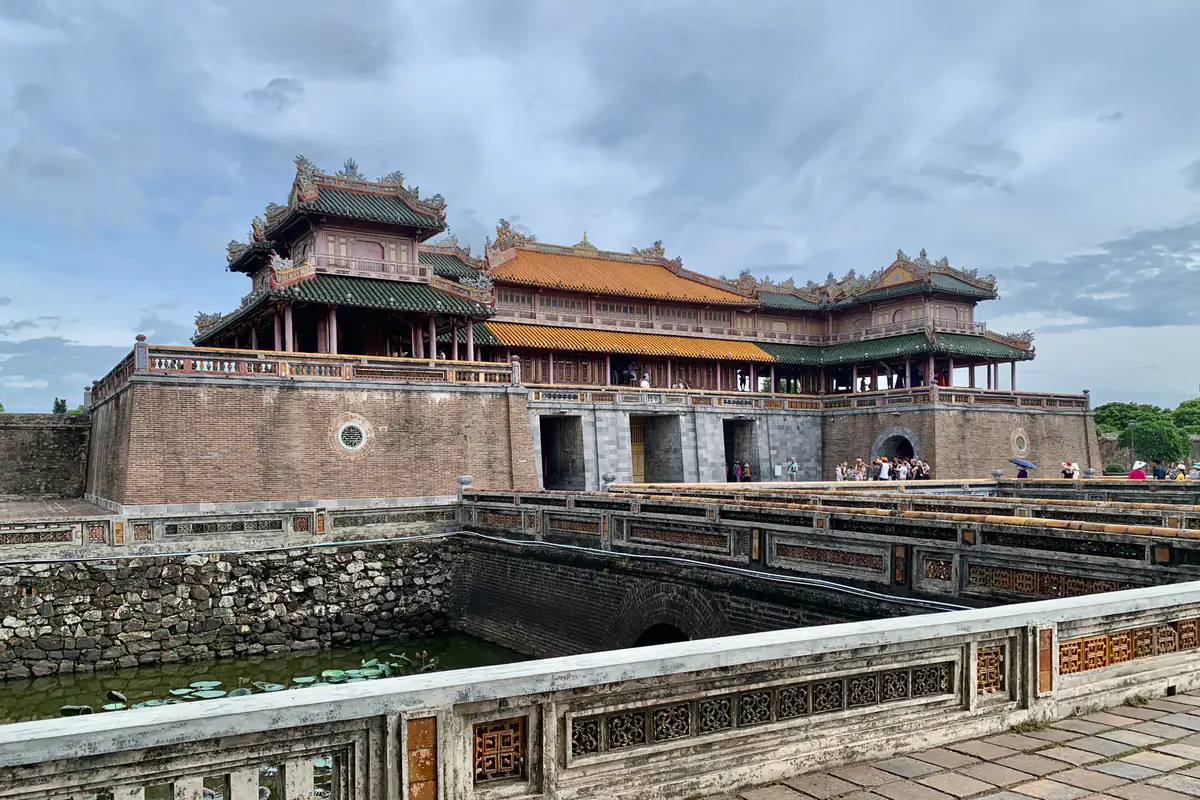
Ngo Mon Gate in Hue’s Imperial City
The first thing to decide when planning a trip to Hue is how many historical sites you actually want to visit. With two days and one night, prioritize the Imperial City, choose one or two royal tombs, and leave the remaining time for local food and the Perfume River. Don't try to visit three tombs in a single morning, especially during the rainy season.
What is there to see and do in Hue?
Hue is not a city where all the major attractions are concentrated in one small area. Its most important historical sites are spread across both sides of the Perfume River and the hills southwest of the city center. Choosing attractions by location will save you considerable travel time.
The Complex of Hue Monuments was inscribed on the UNESCO World Heritage List in 1993. Hue served as the imperial capital of the Nguyen Dynasty, which ruled Vietnam from 1802 to 1945.
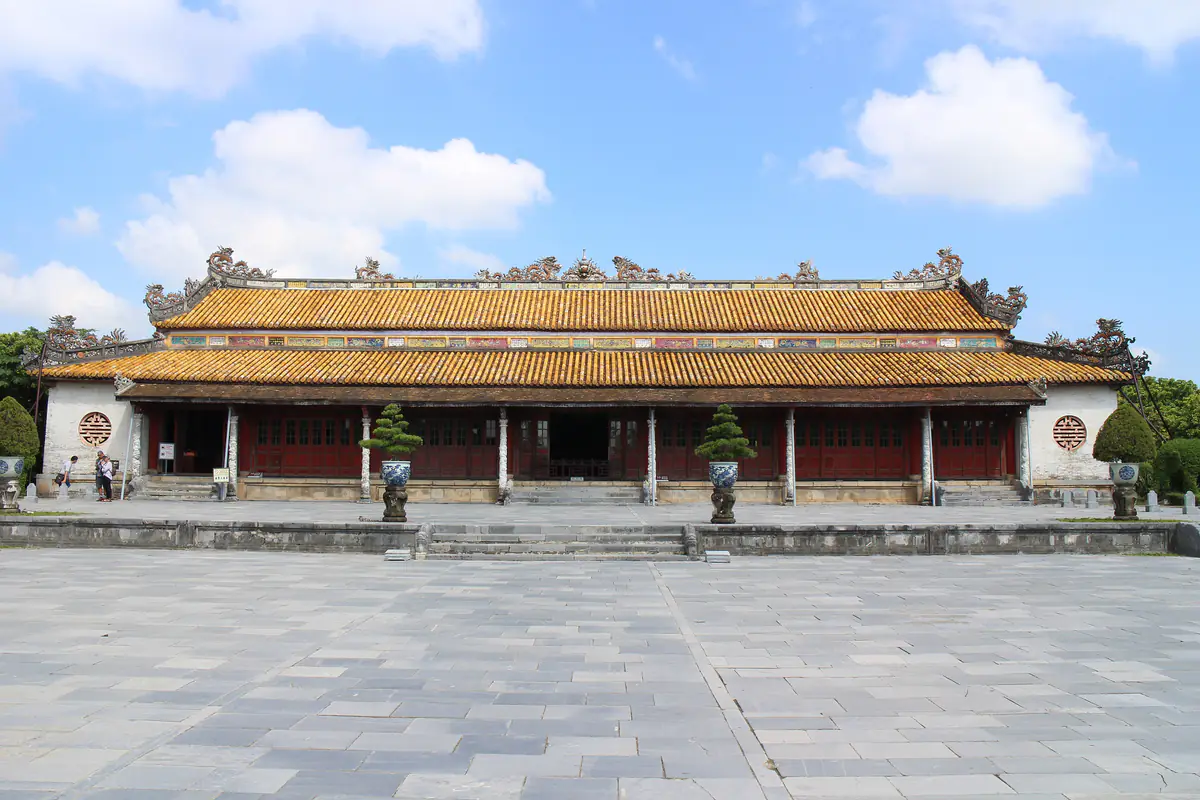
What makes Hue different from many other Vietnamese destinations is the combination of imperial architecture and everyday local life. You can spend the morning exploring a former royal palace, visit an emperor's tomb in the afternoon, and return to a small neighborhood restaurant for cơm hến, a traditional rice dish with baby clams.
Five experiences worth prioritizing
| Attraction | Suggested time | Best for |
|---|---|---|
| Hue Imperial City | 2.5-3.5 hours | First-time visitors, history and architecture |
| Khai Dinh Tomb | 60-90 minutes | Elaborate architecture and shorter visits |
| Minh Mang Tomb | 1-1.5 hours | Gardens, lakes and spacious surroundings |
| Thien Mu Pagoda | 30-60 minutes | River views and a relaxed cultural stop |
| Dong Ba Market and central Hue | 1-2 hours | Local food, markets and everyday city life |
These are estimated sightseeing times, not including transportation or meals.
Loading map...
- Ngo Mon Gate - Hue Imperial City: Main visitor entrance, 23 Thang 8 Street
- Hue Museum of Royal Antiquities: Rainy-day alternative
- Dong Ba Market: Local food and specialties, north bank of the Perfume River
- Truong Tien Bridge: Evening walks, central Hue south of the river
- Thien Mu Pagoda: Phuoc Duyen Tower on the Perfume River, toward Kim Long
- An Dinh Palace: 179 Phan Dinh Phung Street, Asian and European architecture
- Hue Railway Station: Bui Thi Xuan Street
- Tu Duc Tomb: Thuy Xuan area, near the incense-making village
- Khai Dinh Tomb: About 10 km from the center, many stairs
- Minh Mang Tomb: Lakes, trees and buildings along a central axis
One day: Visit the Imperial City and one other attraction. Thien Mu Pagoda is a good choice for a relatively easy visit, while Khai Dinh Tomb offers a different side of Hue's imperial history.
Two days: Spend the first day at the Imperial City and around central Hue, then visit one or two royal tombs on the second day.
Three days: Add Tu Duc Tomb, traditional garden houses, museums or more distant attractions without rushing through the main sites.
Hue also has riverside walking areas, cafés, markets, traditional cakes and buildings from different periods of the Nguyen Dynasty. A trip focused on two or three historical attractions, combined with good food and time to explore the streets, can be more enjoyable than trying to visit everything.
When is the best time to visit Hue?
For outdoor sightseeing, February to April is one of the better periods to visit Hue. Temperatures are usually more comfortable than during the summer, and prolonged heavy rain is less likely than toward the end of the year.
Each season comes with its own advantages and disadvantages, though.
February to April: a good choice for first-time visitors
With flexible travel dates, this is the window to aim for. You can visit the Imperial City in the morning, head to a royal tomb in the afternoon, and spend the evening walking around the center without having to build your entire itinerary around the weather.
February can still bring cool temperatures and rainy days, particularly early in the month. March and April are often more comfortable for walking, photography and visiting outdoor historical sites.
Bring a light jacket. Even when the afternoon is warm, mornings and evenings can feel cool.
May to August: start early and avoid the midday heat
Summer in Hue can be very hot. The Imperial City contains large stone courtyards with limited shade, while the royal tombs involve walking between buildings and open spaces.
During these months, visit the Imperial City as early as possible. Try to keep the period from approximately 11 AM to 2 PM free for lunch and a break at your hotel. Choose a shaded attraction or a shorter visit later in the afternoon.
Bring water, a hat and comfortable shoes. These will matter more than carrying several outfits for photographs.
September to December: rainy season with a flexible itinerary
Hue's rainy season runs from about September through December. This period can bring heavy rainfall, several consecutive wet days and flooding in some areas.
It doesn't rain all day every day, and there can still be perfectly reasonable sightseeing weather, but some periods bring storms or prolonged rainfall that make outdoor travel impractical.
Check the forecast for the exact two days you will be in Hue rather than relying only on general monthly weather descriptions. For trips toward the end of the year, choose accommodation with reasonable cancellation or date-change policies and leave some flexibility in your schedule.
Hue 2 days and 1 night: an itinerary that doesn't feel rushed
This itinerary works best if you arrive in Hue before 9 AM on the first day and leave after 4 PM on the second day. Travelers arriving by train can use Hue Railway Station on Bui Thi Xuan Street. Phu Bai International Airport is outside the center, so flyers should allow time for the transfer to their hotel.
Day 1: Imperial City, Thien Mu Pagoda and the Perfume River
- 7:00-8:00 AM
Breakfast
Start with a bowl of bún bò Huế, Hue's well-known beef noodle soup. One option is Bún Bò Mệ Kéo at 20 Bach Dang Street, north of the Perfume River.
The restaurant opens from around 6 AM to 10 AM, and popular items may sell out earlier. It's a traditional local eatery rather than a spacious restaurant for large groups. Come early, eat, and continue to the Imperial City.
Alternatively, have breakfast close to your hotel, which beats crossing the city for one particular restaurant, especially when you've only just arrived.
- 8:00-11:15 AM
Explore Hue Imperial City
Hue Imperial City is located on 23 Thang 8 Street, on the northern side of the Perfume River. The principal visitor entrance is at Ngo Mon Gate, also called the Meridian Gate.
A straightforward sightseeing route is: Ngo Mon Gate - Thai Hoa Palace - Forbidden Purple City area - The Mieu Temple, Hien Lam Pavilion and the Nine Dynastic Urns. With time to spare, continue to Kien Trung Palace and other sections currently open to visitors.
Don't spend your entire first hour taking photographs at Ngo Mon Gate. There are many courtyards, covered passages and historic buildings beyond the entrance.
Allow approximately three hours for the main attractions, time to read some information displays and a few short breaks. The Imperial City is large enough that trying to rush through it in an hour will leave you with little understanding of what you're seeing.
- 11:30 AM-1:30 PM
Lunch and a break
After leaving the Imperial City, find somewhere to eat near Dong Ba Market or return to the hotel area south of the river.
Avoid scheduling another major historical attraction immediately after lunch. This break is particularly useful for families with children, older travelers and anyone visiting during the hotter months.
- 2:00-3:30 PM
Thien Mu Pagoda
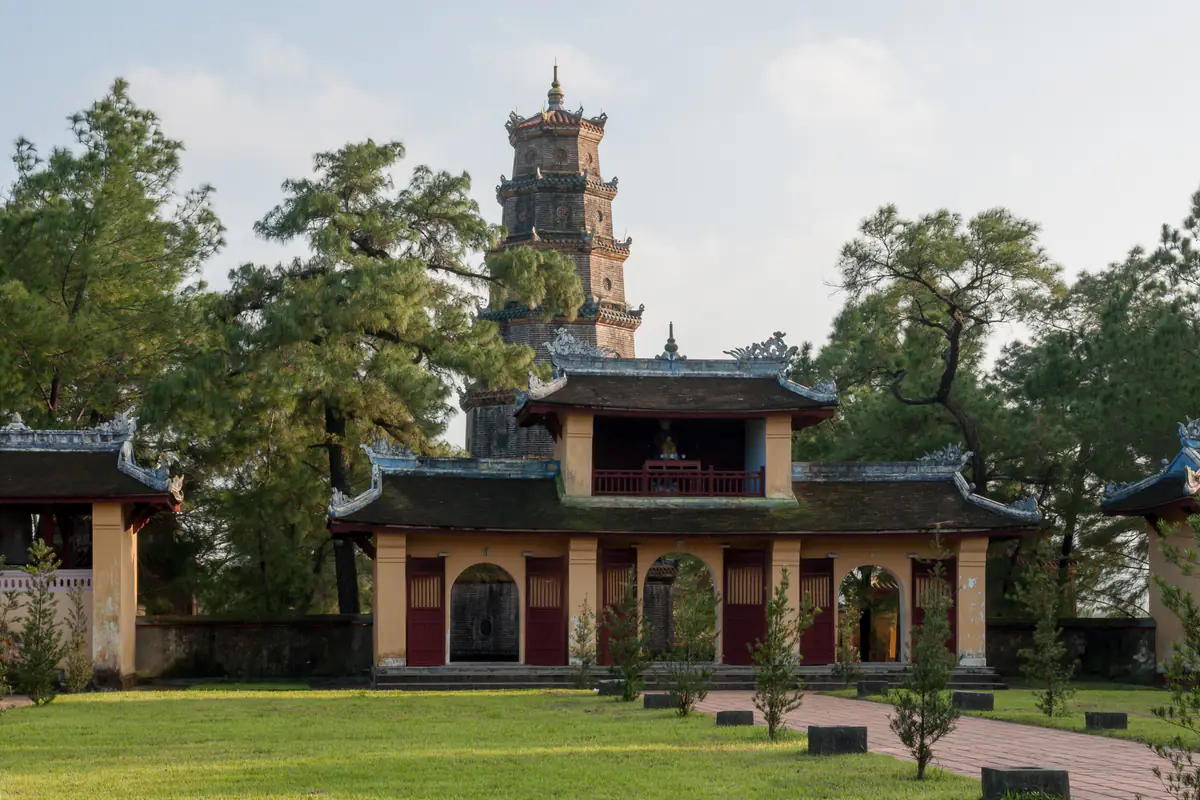
Thien Mu Pagoda stands beside the Perfume River, west of central Hue. From the Imperial City area, follow the road toward Kim Long to reach the pagoda.
Its most recognizable feature is the seven-story Phuoc Duyen Tower. The front courtyard overlooks the river, while the complex also contains worship areas, gardens and other historic features.
Around 45 minutes is enough for a relaxed visit. This is an active religious site, so dress respectfully and keep noise to a minimum.
During heavy rainfall, don't insist on visiting the pagoda; the riverside setting is more enjoyable when the weather is reasonable.
- 4:00-5:30 PM
Rest or stop at a café
Keep this part of the afternoon unscheduled, even with daylight left.
You can return to your hotel, take a shower, rest, or visit a café around Le Loi Street or Nguyen Dinh Chieu Street. Both are convenient areas for a short walk when the rain has stopped.
- 6:00-8:30 PM
Dinner and Truong Tien Bridge
In the evening, explore the southern side of the Perfume River, particularly the area around Truong Tien Bridge. Chu Van An, Vo Thi Sau and Pham Ngu Lao streets have numerous restaurants, cafés and tourist services.
Choose a simple dinner of Hue-style cakes, beef noodle soup or a local rice dish. Afterward, walk along the riverside if the weather is suitable.
A dragon boat trip on the Perfume River is an optional experience, not something every visitor needs to book. It's more worthwhile if you're specifically interested in a river cruise or a traditional Hue music performance. Confirm the schedule, price and weather conditions before purchasing a ticket.
Day 2: Khai Dinh Tomb, Minh Mang Tomb and lunch
- 7:00-7:45 AM
Breakfast and check-out
Leave your luggage at the hotel when you can, and carry only drinking water, a lightweight raincoat, your phone and anything else you'll need while sightseeing.
The second day involves traveling farther from central Hue, so starting early makes the schedule much easier.
- 8:00-9:30 AM
Khai Dinh Tomb
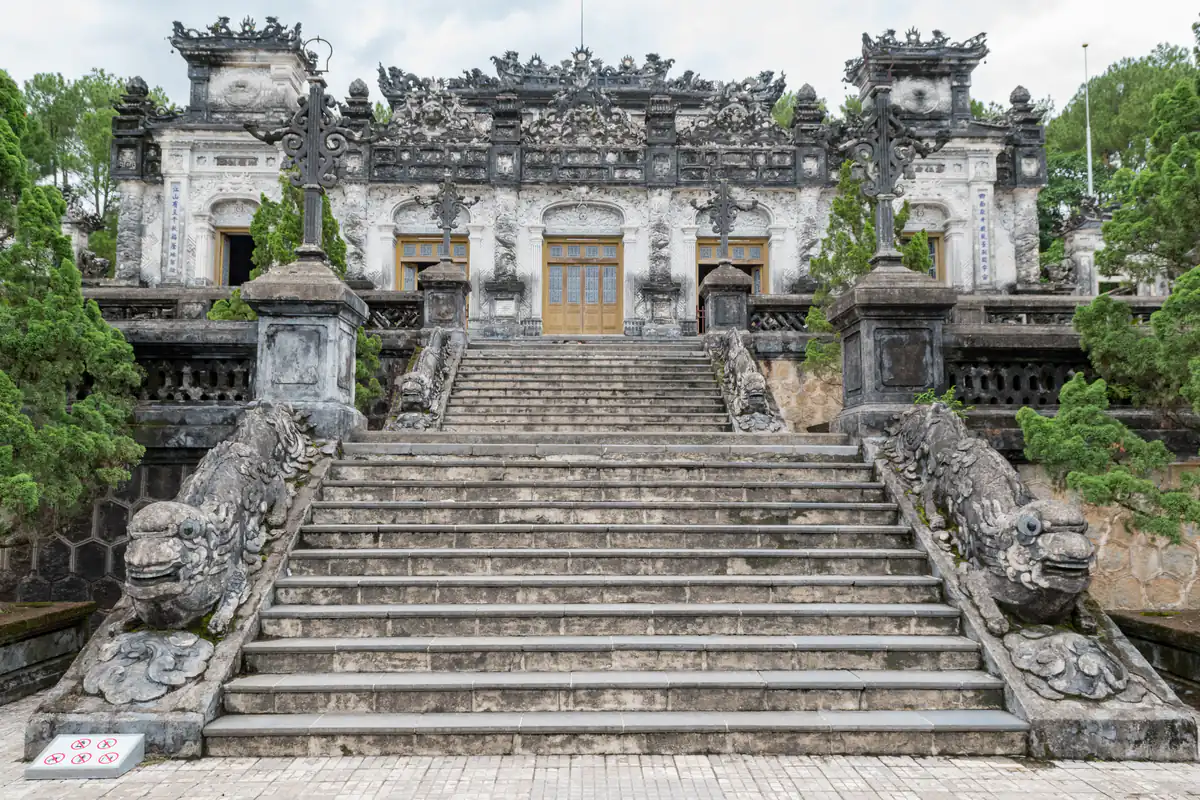
Khai Dinh Tomb is located southwest of central Hue, approximately 10 kilometers from the central area. It looks noticeably different from the other major Nguyen royal tombs.
The architecture combines traditional Vietnamese elements with Western influences, while the interior features elaborate decorative materials and techniques. The best part is Thien Dinh Palace, with its intricate mosaics and richly decorated interior.
The tomb has several flights of stairs, worth knowing in advance when you're traveling with someone who has knee problems, limited mobility or difficulty climbing steps. In rainy weather, move carefully on stone surfaces and stairs.
- 10:00-11:30 AM
Minh Mang Tomb
Continue southwest toward Minh Mang Tomb. Compared with Khai Dinh Tomb, this site feels more spacious and landscape-oriented.
There are lakes, trees, gates and ceremonial structures arranged along a carefully planned central axis. The main attraction is the relationship between the buildings and their surroundings, rather than the decorative interiors of one particular structure.
Allow around 60-90 minutes. Skip the side paths and focus on the main gates, courtyards, temple structures and the principal route through the grounds.
Bring water on hot days. If rain continues throughout the morning, this is the attraction we would remove from the itinerary first.
- 12:00-1:30 PM
Lunch, back to the center
Return to central Hue for lunch, collect your luggage and prepare for your onward journey.
With time left before 4 PM, visit a local cake shop or buy some specialties at Dong Ba Market. Two spare hours don't call for another royal tomb.
By this point, you've already seen the two main sides of Hue's imperial heritage: the former royal capital and the emperors' tombs.
Which royal tomb should you visit in Hue?
One of the biggest planning questions for independent travelers is whether to visit Minh Mang, Tu Duc or Khai Dinh Tomb. All three are significant historical sites, each offering a different experience, and a short trip doesn't need all of them.
Khai Dinh Tomb: best if you only have time for one tomb
Khai Dinh Tomb is a strong choice for first-time visitors who enjoy impressive architectural details. The site is relatively compact compared with Minh Mang Tomb.
You'll climb several flights of stairs, pass through ceremonial courtyards and reach the richly decorated palace section.
Its biggest attraction is the unusual architectural style, especially the mosaics and interior ornamentation. Even a relatively short visit can be rewarding if you take time to examine these details.
The main drawback is the number of stairs, making it less suitable for visitors with mobility difficulties.
Minh Mang Tomb: best for gardens and landscapes
Minh Mang Tomb is a better choice for travelers who enjoy greenery, lakes and historic buildings set within a large landscape.
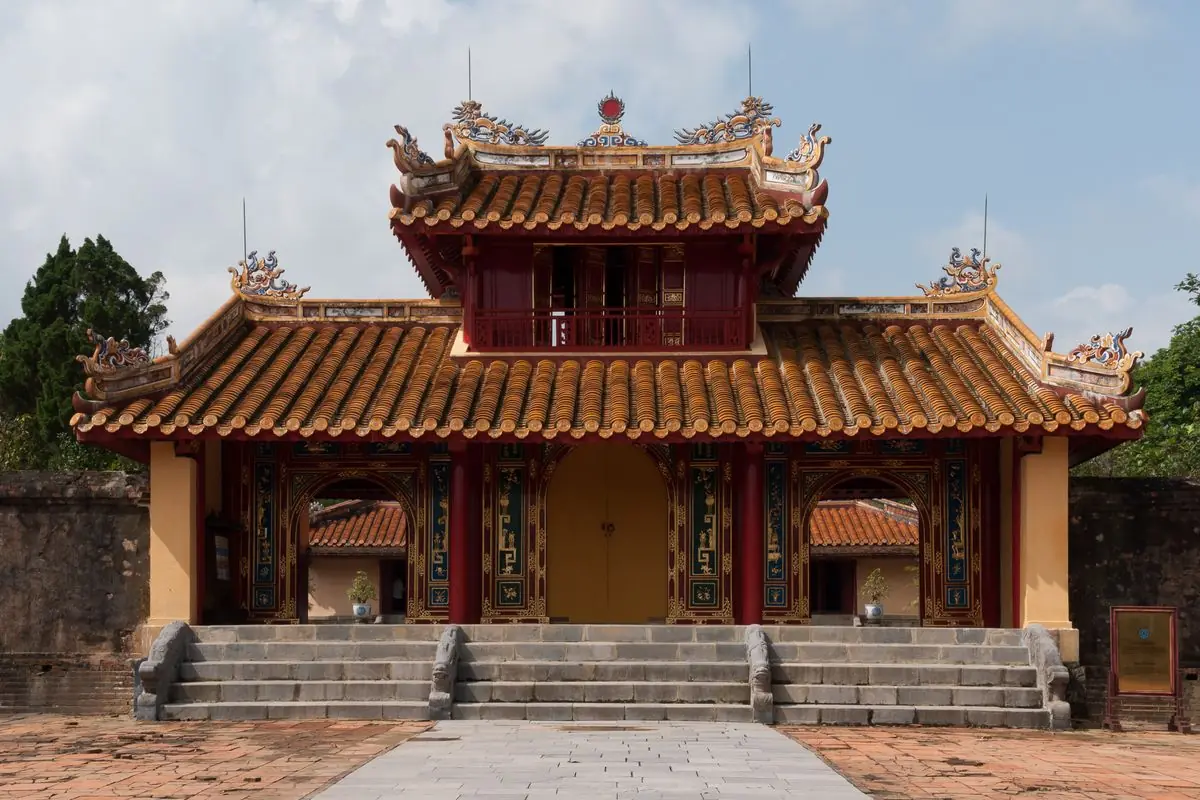
The layout follows a long central axis, with gates, courtyards and ceremonial structures connected by open spaces. Walking through the grounds gives you a clearer impression of the planning principles behind imperial tomb architecture.
Visit in the morning when possible. On extremely hot afternoons or during heavy rain, the amount of outdoor walking can become tiring.
Minh Mang Tomb is worth considering when you're traveling with parents who are comfortable walking and enjoy peaceful surroundings.
Tu Duc Tomb: best for a quieter atmosphere
Tu Duc Tomb is in the Thuy Xuan area, southwest of central Hue.
The complex includes lakes, trees, temples and walking paths. Compared with Khai Dinh Tomb, the experience is more about the atmosphere of the grounds than one exceptionally elaborate building.
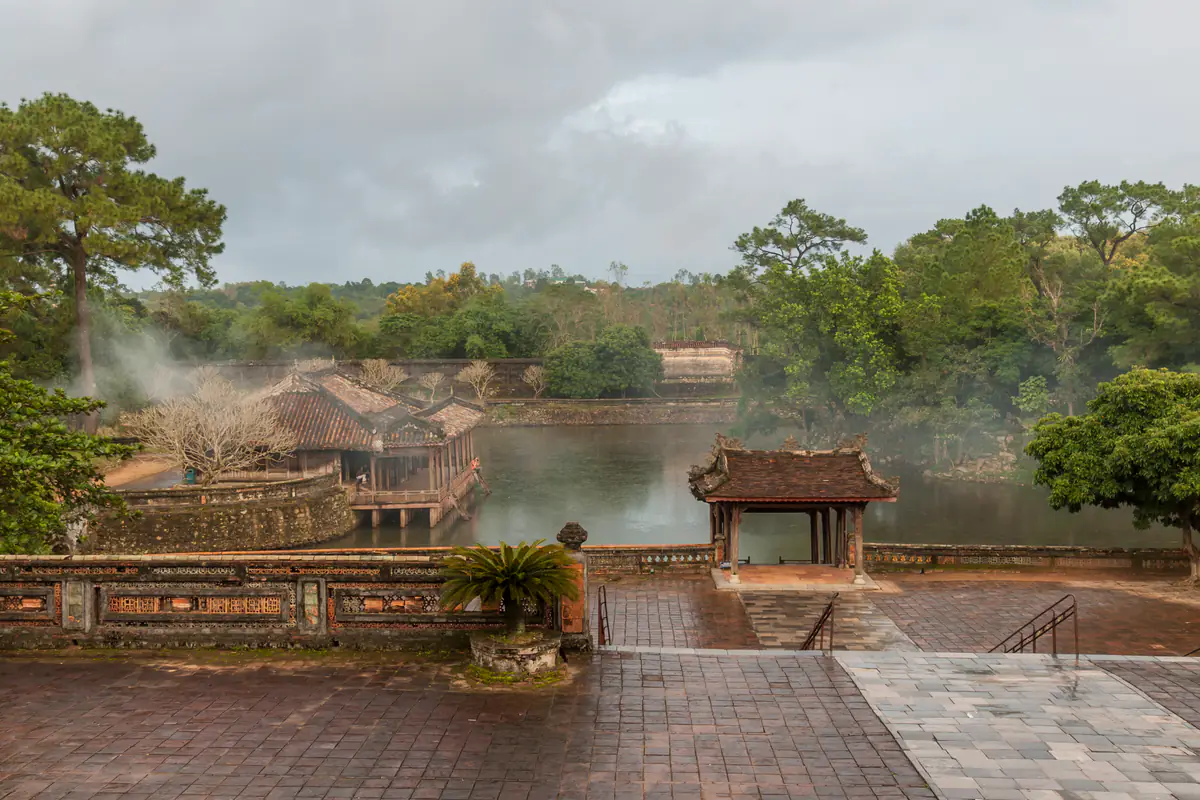
You can combine Tu Duc Tomb with the nearby Thuy Xuan incense-making area, as long as you allow enough time. Rushing into an incense shop for a photograph and then immediately leaving doesn't add much to the trip.
Which tomb should you choose?
| Your preference | Recommended tomb |
|---|---|
| First visit to Hue, time for only one tomb | Khai Dinh |
| Gardens, lakes and classical architectural planning | Minh Mang |
| Quiet surroundings and a slower walk | Tu Duc |
| Half a day and two contrasting styles | Khai Dinh + Minh Mang |
| Rainy season with an uncertain schedule | Khai Dinh, weather permitting |
In 2026, all three tombs cost VND 150,000 per adult, so choose based on your interests, available time and ability to walk.
Hue Imperial City and royal tomb ticket prices in 2026
Hue's official 2026 monument entrance fees are set by the city and effective from January 4, 2026. The 2026 fee schedule applies equally to Vietnamese and international visitors.
Individual entrance fees in 2026
| Attraction | Adult | Child aged 7-12 |
|---|---|---|
| Hue Imperial City | VND 200,000 | VND 40,000 |
| Minh Mang Tomb | VND 150,000 | VND 30,000 |
| Tu Duc Tomb | VND 150,000 | VND 30,000 |
| Khai Dinh Tomb | VND 150,000 | VND 30,000 |
| Gia Long Tomb | VND 150,000 | Free |
| Dong Khanh Tomb | VND 100,000 | Free |
| An Dinh Palace | VND 50,000 | Free |
| Hue Museum of Royal Antiquities | VND 50,000 | Free |
Other exemptions and reductions may apply to eligible visitors under the relevant regulations. Families with young children or visitors who qualify for concessions should check the requirements and carry the appropriate identification.
Hue combination ticket prices in 2026
| Combination ticket | Adult | Child aged 7-12 |
|---|---|---|
| Imperial City + Minh Mang + Khai Dinh | VND 420,000 | VND 80,000 |
| Imperial City + Minh Mang + Tu Duc | VND 420,000 | VND 80,000 |
| Imperial City + Tu Duc + Khai Dinh | VND 420,000 | VND 80,000 |
| Imperial City + all three tombs above | VND 530,000 | VND 100,000 |
| All-monuments combination route | VND 600,000 | VND 120,000 |
The four-site combination ticket is valid for up to two days from the first day of use, and the all-monuments combination ticket for a maximum of five days. For three-site combinations, confirm the validity period and conditions displayed when purchasing the ticket.
Should you buy individual tickets or a combination ticket?
Individual tickets are the better option for just the Imperial City and one royal tomb.
- Imperial City + one tomb: VND 350,000.
- Imperial City + two tombs, bought separately: VND 500,000.
- Imperial City + two tombs, combination ticket: VND 420,000, saving VND 80,000.
- Imperial City + three tombs, bought separately: VND 650,000.
- Four-site combination ticket: VND 530,000, saving VND 120,000.
On the two-day itinerary in this guide, anyone certain about visiting the Imperial City, Minh Mang Tomb and Khai Dinh Tomb should go for the VND 420,000 three-site combination.
Tickets can be purchased at monument ticket counters or through the Hue Monuments Conservation Centre's electronic ticketing system. Keep your ticket code and any required identification, and check the details before completing payment.
Hue Imperial City opening hours in 2026
The Imperial City keeps two sets of opening hours during the year:
| Period | Opening hours | Ticket sales |
|---|---|---|
| March 16-October 15 | 6:30 AM-6:00 PM | 6:30 AM-5:30 PM |
| October 16-March 15 | 7:00 AM-5:30 PM | 7:00 AM-5:00 PM |
Opening times may change for holidays, special events or unfavorable weather. Royal tomb visits fit within approximately 7 AM-5 PM; confirm the current closing time for each site before traveling.
Arriving at the Imperial City at 4 PM and expecting to see everything is not realistic.
Can you visit Hue during the rainy season?
Yes, provided weather conditions are suitable and there are no warnings affecting travel. A rainy-season itinerary should look different from one designed for clear weather, though.
Start by dividing attractions into three groups: large outdoor sites, shorter visits, and alternatives that may be more suitable when it rains.
Which attractions should you keep when it rains?
| Attraction | Light rain | Prolonged heavy rain |
|---|---|---|
| Imperial City | Possible with rainwear and suitable shoes | Postpone or follow closure notices |
| Khai Dinh Tomb | Possible if stairs and paths are safe | Skip due to exposed stairways |
| Minh Mang Tomb | Possible but involves extensive outdoor walking | Best to skip |
| Thien Mu Pagoda | Short visit when conditions are stable | Not essential |
| An Dinh Palace | Consider visiting | Only if access and site conditions are safe |
| Hue Museum of Royal Antiquities | Useful alternative when open | Confirm operating status first |
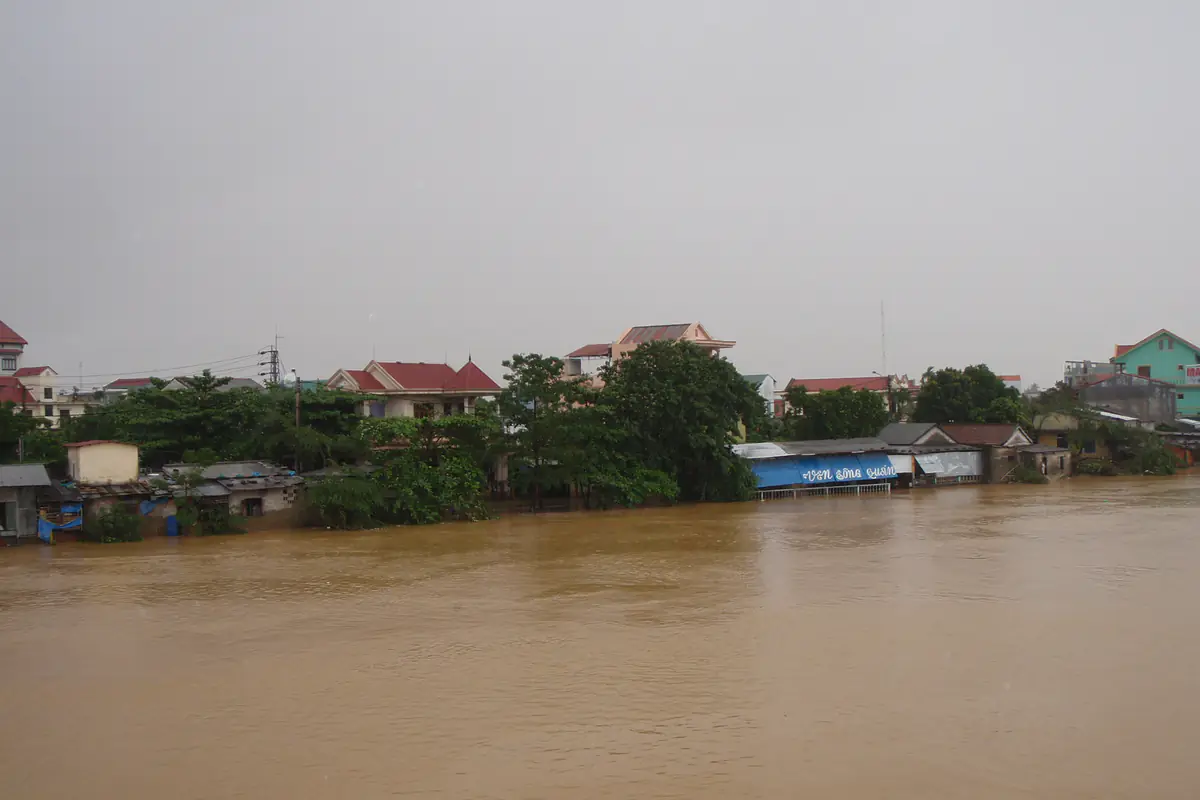
A rainy-day alternative for two days in Hue
Day 1: Breakfast - Imperial City during a relatively dry period or light rain - lunch - hotel break - An Dinh Palace or Hue Museum of Royal Antiquities if open.
Day 2: Check the morning forecast - visit one royal tomb if roads and the site are safe - lunch - try traditional Hue cakes or spend time at a café - finish the trip.
If weather conditions aren't suitable for a tomb visit, remove it completely. You can still spend two meaningful days in Hue exploring central attractions, eating local food and enjoying a slower schedule.
An Dinh Palace, at 179 Phan Dinh Phung Street, is particularly interesting if you enjoy architecture combining Asian and European influences. The palace complex is not completely indoors, and moving between different parts of the property still involves outdoor exposure, though.
Three things to prepare before a rainy-season trip
First, check the forecast and flood warnings. Review the weather 24-48 hours before departure and again each morning. When authorities issue flood warnings or roads are closed, don't attempt to follow your original sightseeing schedule.
Second, choose accommodation that's easy to reach. A hotel on a major street, close to restaurants and accessible by car, is often more practical than an attractive homestay hidden down a narrow lane. Ask your accommodation provider whether the surrounding area is prone to flooding.
Third, avoid riding a motorbike in heavy rain. Wet roads reduce traction and visibility. Floodwater can hide potholes and other hazards. Anyone unfamiliar with Hue's roads, or without a motorcycle license valid for the vehicle and recognized in Vietnam, should choose a car with a driver.
A compact waterproof jacket, a waterproof phone pouch and shoes with good grip are more useful than a large umbrella when visiting windy, open historical sites.
Where should you stay in Hue?
For a two-day trip, prioritize location over extra hotel facilities. You'll only be staying for one night and spending much of your time outside.
Chu Van An - Vo Thi Sau - Pham Ngu Lao area
Plenty of first-time visitors find this the easiest neighborhood to base themselves in. The area has plenty of restaurants, cafés, hotels and travel services, so you can walk to dinner, find a café without much planning and arrange a car to the Imperial City or royal tombs.
It's also a straightforward area for English-speaking travelers because many hotels and service providers regularly work with international visitors.
The main disadvantage is nighttime noise on some streets. Before booking, check whether your room faces a bar, a busy restaurant or the walking-street area.
Le Loi - Hung Vuong area
This is a good option for couples, families and travelers who want to stay close to the Perfume River. From parts of this area, you can walk to Truong Tien Bridge, Nguyen Dinh Chieu Street and nearby restaurants.
One specific accommodation option is Saigon Morin Hotel at 30 Le Loi Street, where rooms cost roughly VND 700,000-1,500,000 in 2026. That isn't a guaranteed rate for every night, so check the price for your actual dates and room category before booking.
North of the Perfume River
Travelers focused mainly on the Imperial City can stay near Dinh Tien Hoang Street, Nguyen Chi Dieu Street or other roads around the Citadel.
You'll be close to Dong Ba Market, the Imperial City and several long-established local eateries. Some streets are quieter at night than the southern tourist neighborhood.
The trade-off is that you'll need to cross the river to reach many restaurants, cafés and nightlife areas in the south.
What should you check before booking?
For a short stay, focus on four things: whether the hotel stores luggage before check-in or after check-out, whether the building has an elevator if you need one, whether cars can reach the entrance, and what the cancellation policy allows.
During the rainy season, choose accommodation in a solid building that's easy to access from a main road. Saving a small amount on a hotel far outside the center may not be worthwhile if it increases your taxi costs over two days.
What to eat in Hue: restaurants that fit your route
Food deserves its own place in your Hue itinerary. Many traditional Hue dishes come in relatively small portions, making it easy to share a few different things instead of ordering one large meal.
Three or four well-chosen dishes are enough for a good introduction; ten specialties in two days is overdoing it.
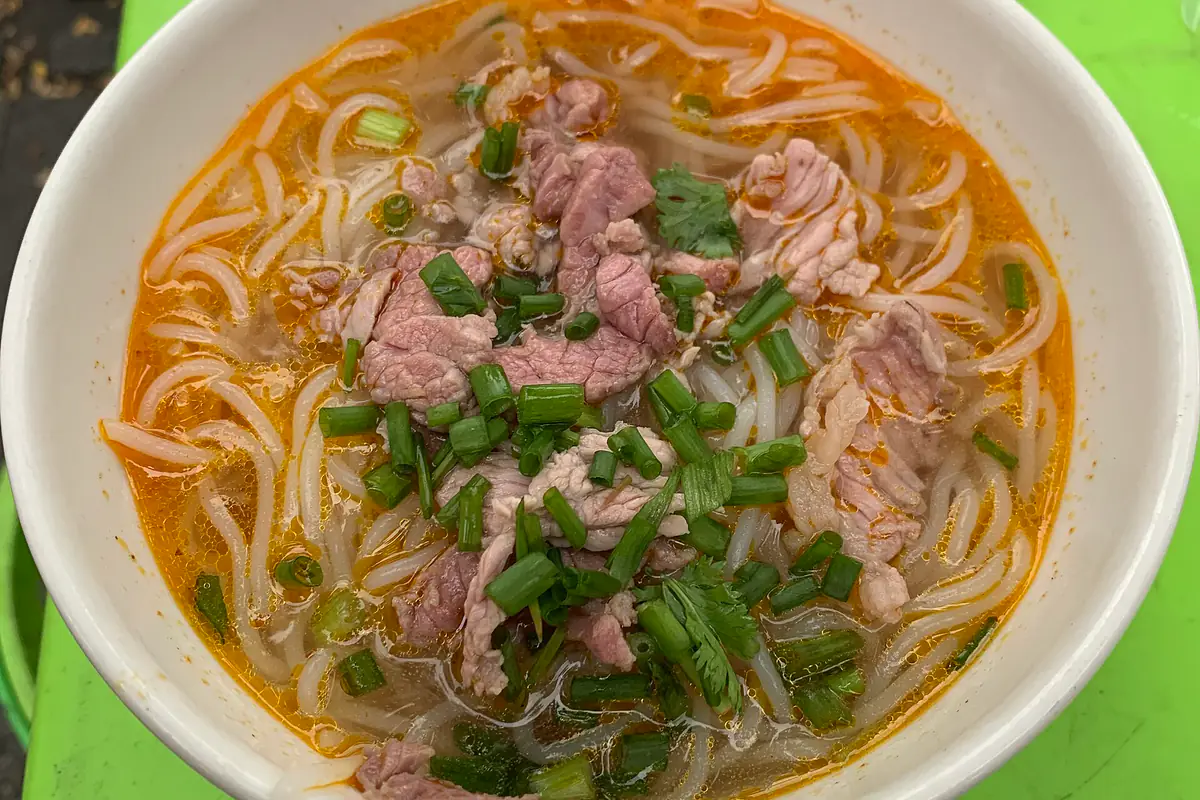
Bún Bò Mệ Kéo
Bun bo Hue for breakfast, 20 Bach Dang Street
This long-established local eatery is a good option if you like traditional breakfast spots and don't mind getting up early. Its beef noodle soup reflects an older Hue style, with ingredients that may include pork sausage, crab sausage and congealed blood.
A bowl costs around VND 25,000-60,000, depending on the serving. The eatery opens in the morning only, so arriving before 8 AM gives you more flexibility before heading to the Imperial City.
Prefer more space, or no queue? A reputable noodle shop near your hotel works just as well, and saves crossing the city for breakfast when sightseeing time is limited.
Cơm Hến Hoa Đông
Baby clam rice, 64, Alley 7, Ung Binh Street, Vy Da
The Con Hen area is closely associated with cơm hến and bún hến, two local dishes made with small clams. Hoa Dong is one option for trying the dish in this neighborhood.
A typical serving of cơm hến combines rice, baby clams, herbs, peanuts, crunchy toppings and a separate clam broth. Shrimp paste, chili and other seasonings can give it a strong flavor, so ask for the chili on the side if you don't eat much of it.
International travelers with shellfish, peanut or other food allergies should clearly inform the restaurant before ordering.
The restaurant is located in a small alley, so check the exact location before arranging a car. With two royal tombs on day two, have cơm hến on the first day or pick a more convenient restaurant rather than traveling back and forth to tick off a dish.
Bánh Bèo Nậm Lọc Bà Đỏ
Banh beo, banh nam and banh loc, 8 Nguyen Binh Khiem Street
This is a long-established address for several traditional Hue specialties.
Bánh bèo consists of small steamed rice cakes, usually served in individual dishes and topped with savory ingredients such as dried shrimp. Bánh nậm is a soft, thin steamed rice-flour cake wrapped in leaves, and bánh bột lọc has a chewy, translucent outer layer and is commonly filled with shrimp or meat.
At Ba Do, 15 small bánh bèo dishes cost around VND 60,000, a serving of bánh nậm or bánh lọc VND 40,000, and five pieces of shrimp cake VND 70,000. Actual menu prices may change.
For two people, start with one serving of bánh bèo and one serving of bánh lọc. Order more after trying them.
What else should you eat in Hue?
Bánh khoái is a crispy savory pancake, best eaten hot. Nem lụi, grilled pork skewers served with herbs and dipping sauce, makes a good dinner or shared snack. Hue also has many styles of sweet soup and dessert known as chè.
With only two days, a reasonable food plan is beef noodle soup for breakfast, clam rice for lunch and a selection of steamed cakes in the afternoon. Choose whatever you enjoy for dinner instead of treating every meal as another obligation.
At small eateries, check portion sizes, prices and whether additional items are charged separately, particularly when ordering for a group.
How much does a 2-day trip to Hue cost?
Your budget will mainly depend on accommodation, how many historical sites you visit and how you travel between the royal tombs.
The estimates below are planning budgets for 2026, calculated per person when two travelers share a hotel room and some transport costs. They are not official rates quoted by specific hotels, transport companies or restaurants.
Estimated cost per person
| Expense | Budget trip | More comfortable trip |
|---|---|---|
| One night of accommodation, shared by two | VND 250,000 | VND 450,000 |
| Food for two days | VND 300,000 | VND 450,000 |
| Monument entrance tickets | VND 350,000 | VND 420,000 |
| Local transportation, sharing costs where possible | VND 250,000 | VND 400,000 |
| Drinks, coffee and miscellaneous expenses | VND 100,000 | VND 150,000 |
| Estimated total | VND 1,250,000 | VND 1,870,000 |
These figures exclude flights, trains or buses to and from Hue, souvenirs, private guides and additional paid experiences.
The budget itinerary covers the Imperial City and one royal tomb, paying VND 350,000 in individual entrance fees; the more comfortable one covers the Imperial City and two royal tombs using a VND 420,000 combination ticket.
Example budget for two people
Suppose you book a room costing VND 600,000 for one night, purchase three-site combination tickets and use a car to visit the tombs. Your budget might look like this:
- Hotel room: VND 600,000 for two people.
- Monument entrance fees: VND 840,000 for two people.
- Food: allow VND 640,000 for two people.
- Transportation around Hue and to the tombs: allow VND 600,000 for two people.
- Water, coffee and smaller expenses: VND 200,000 for two people.
The estimated total is VND 2,880,000 for two people, or VND 1,440,000 per person, excluding transportation to Hue and back.
The VND 600,000 transport allowance is a planning estimate, not a confirmed full-route fare from a particular taxi operator. Ask for a quote or check the price displayed in the booking app before confirming a ride.
Solo travelers should expect different per-person costs because hotel rooms and private car trips cannot be divided between two people.
Is Hue more expensive during the rainy season?
It can be, mostly because you'll use taxis more often and walk less, not because businesses raise their prices. On the other hand, you may save on attraction tickets by dropping an outdoor royal tomb.
Don't buy a four-site combination ticket and then push through bad weather to every included attraction to make the purchase feel worthwhile.
Getting around Hue: when to walk and when to take a car
In the southern part of central Hue, you can walk between many hotels, restaurants, cafés, Truong Tien Bridge and nearby riverside streets.
The Imperial City is north of the river, though, and the royal tombs are farther southwest, so not everything in Hue is within walking distance.
Traveling around the center
Use a taxi or ride-hailing service when crossing the river, traveling with young children or dealing with heavy rain. Short journeys work best as individual rides; hiring a car for an entire day to move between your hotel and restaurants is wasted money.
Visiting the royal tombs
For a trip combining Khai Dinh and Minh Mang Tombs, one of the easiest options is to arrange a car with a driver in advance. Agree on enough waiting time for sightseeing and a return to central Hue.
Before accepting the quote, confirm:
- Where and when the driver will collect you.
- Whether waiting time at both tombs is included.
- Whether parking charges and additional waiting time are included.
- What happens to the price if rain forces you to skip one tomb.
Mai Linh and Xanh SM are among the transport services you can check in Hue, but actual fares should be confirmed when booking.
Should you rent a motorbike?
A motorbike can be useful if you have a valid license recognized in Vietnam for the correct vehicle category, are comfortable riding in Vietnamese traffic and want more independence.
A two-day Hue itinerary doesn't need one, though. Khai Dinh and Minh Mang Tombs are some distance from the center, while much of the remaining sightseeing involves walking inside historical attractions. During the rainy season, a car with a driver is the more manageable choice.
What can you skip on a short trip to Hue?
Plenty of visitors pack in too many attractions because they're all in Hue, yet several sites are far apart, and travel, parking, ticketing and walking time add up.
You don't need to visit three royal tombs in one day
Minh Mang, Tu Duc and Khai Dinh Tombs are all worth understanding, but visiting them consecutively can become tiring. After several hours of walking, you may find yourself paying less attention to the architecture and historical displays.
With two days, two tombs are enough for most visitors interested in heritage, and families with small children or older travelers may prefer just one.
You don't need every popular photography location
Thuy Xuan Incense Village, Vong Canh Hill and other photography spots can be worthwhile on a longer trip.
For a two-day itinerary, add a location only when it fits your route and you have sufficient time, not because it appears in many attractive social media photographs.
You don't need a river cruise in bad weather
A Perfume River boat trip is optional. If weather conditions are unfavorable or river transport is restricted, remove it from the schedule and spend the evening at a local restaurant, café or your hotel.
You don't have to visit Dong Ba Market
Dong Ba Market is interesting if you enjoy local commerce, traditional food and shopping.
Anyone who dislikes crowded markets, or has already spent most of their available time at the Imperial City and tombs, can skip it. Local specialties and souvenirs are also available from shops elsewhere in the center.
Practical tips for English-speaking visitors to Hue
English-speaking visitors will commonly find the major attractions listed as Hue Imperial City, Khai Dinh Tomb, Minh Mang Tomb, Tu Duc Tomb and Thien Mu Pagoda. When booking transport, check that the destination on your map matches the intended attraction. The royal tombs are in different locations, and the pin for a historical complex may not always indicate the most convenient visitor entrance.
In 2026, the main monument admission prices are the same for Vietnamese and foreign visitors, so a foreign passport doesn't mean a higher Imperial City entrance fee.
Without Vietnamese, a hotel with English-speaking staff makes practical arrangements easier. Your hotel may be able to help confirm a tomb excursion, explain where a driver should collect you or clarify a restaurant's location.
Inside the Imperial City, information panels and available interpretation services can help explain the different functions of the buildings. Without some historical context, it can be difficult to distinguish a ceremonial hall, temple, royal residence and courtyard.
At temples, pagodas and other places of worship, dress respectfully, keep noise low, avoid climbing on historic structures and follow restrictions on access and photography.
A useful note about local food
Some of Hue's most distinctive dishes contain shrimp paste, shellfish, peanuts, pork or other ingredients that may not be obvious from their English names. Tell the restaurant clearly about any allergy, and don't take rice, herbs and vegetables on the plate as a sign that a dish is vegetarian.
For international visitors unfamiliar with Vietnamese food, ordering one or two dishes to share can be an easy way to discover what you enjoy without committing to a large meal.
What should you check before leaving for Hue?
Focus on the details that will directly affect your two days in the city.
Start with your arrival and departure times. A trip arriving at 2 PM on the first day and leaving at 11 AM on the second day doesn't provide enough sightseeing time for the full itinerary in this guide.
Next, choose accommodation that makes evening meals, luggage storage and transportation on the second morning convenient.
Then check the weather. If heavy rain is possible, place the Imperial City visit in the more promising weather window and treat the second royal tomb as optional.
Finally, decide which admission tickets to buy: individual tickets for a single royal tomb, a combination ticket once you're certain about two tombs and the Imperial City. Don't commit to several outdoor attractions when your plans still depend on uncertain weather.
For a first visit, two days and one night are enough for Hue's Imperial City, two royal tombs, Thien Mu Pagoda and a few memorable local meals. Rain may cut the schedule to one tomb, and you'll still have covered the city's most important heritage attraction.
In 2026, the adult combination ticket for Hue Imperial City, Khai Dinh Tomb and Minh Mang Tomb costs VND 420,000. Those three sites alone provide a substantial introduction to Hue's imperial history, and enough to fill a worthwhile weekend.
FAQ
Are two days and one night enough for Hue?
Yes. Two days are enough to visit the Imperial City, one or two royal tombs, Thien Mu Pagoda and several local restaurants. Ideally, arrive before 9 AM on your first day and leave after 4 PM on your second. With less time, prioritize the Imperial City and one royal tomb instead of trying to see everything.
What is the best month to visit Hue?
February through April is generally a favorable period for sightseeing at outdoor historical sites. From May to August, plan around the midday heat. Hue's rainy season usually falls between September and December, when checking the weather forecast and allowing flexibility become more important.
Is Hue worth visiting during the rainy season?
Yes, provided the weather and road conditions are safe. Prioritize attractions near central Hue, keep a flexible itinerary and avoid unnecessary travel to distant sites during heavy rain. If flood warnings are issued or attractions close temporarily, postpone those activities rather than following your original schedule.
How much money do you need for two days in Hue?
Allow approximately VND 1.25-1.87 million per person for a two-day, one-night trip when two people share accommodation and some transport costs. This excludes travel to and from Hue. In 2026, adult tickets for the Imperial City and one major royal tomb cost VND 350,000 in total, while an eligible combination ticket covering the Imperial City and two tombs costs VND 420,000.
Is Khai Dinh Tomb or Minh Mang Tomb better?
Choose Khai Dinh Tomb if you prefer intricate architecture, have limited time and don't mind climbing stairs. Choose Minh Mang Tomb if you enjoy gardens, lakes and walking through a spacious historic landscape. If you have a comfortable half-day available, visiting both gives you two very different examples of Nguyen Dynasty tomb architecture.