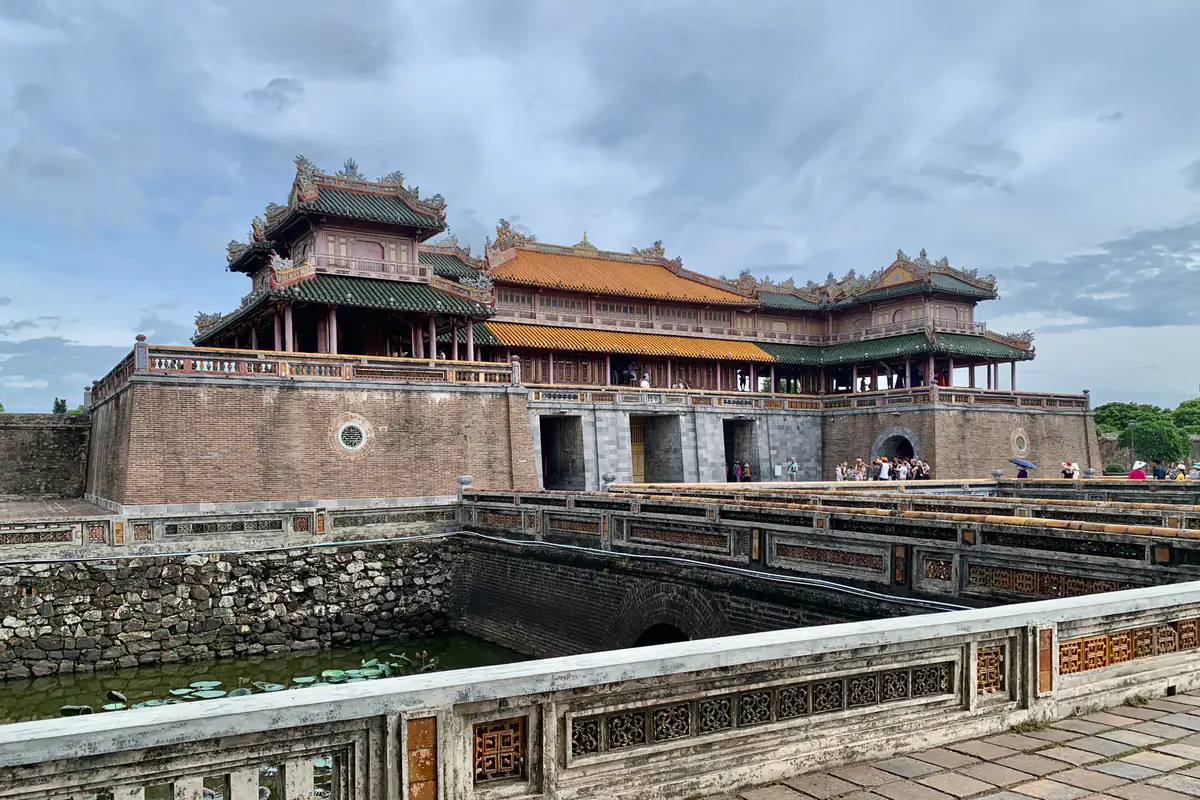
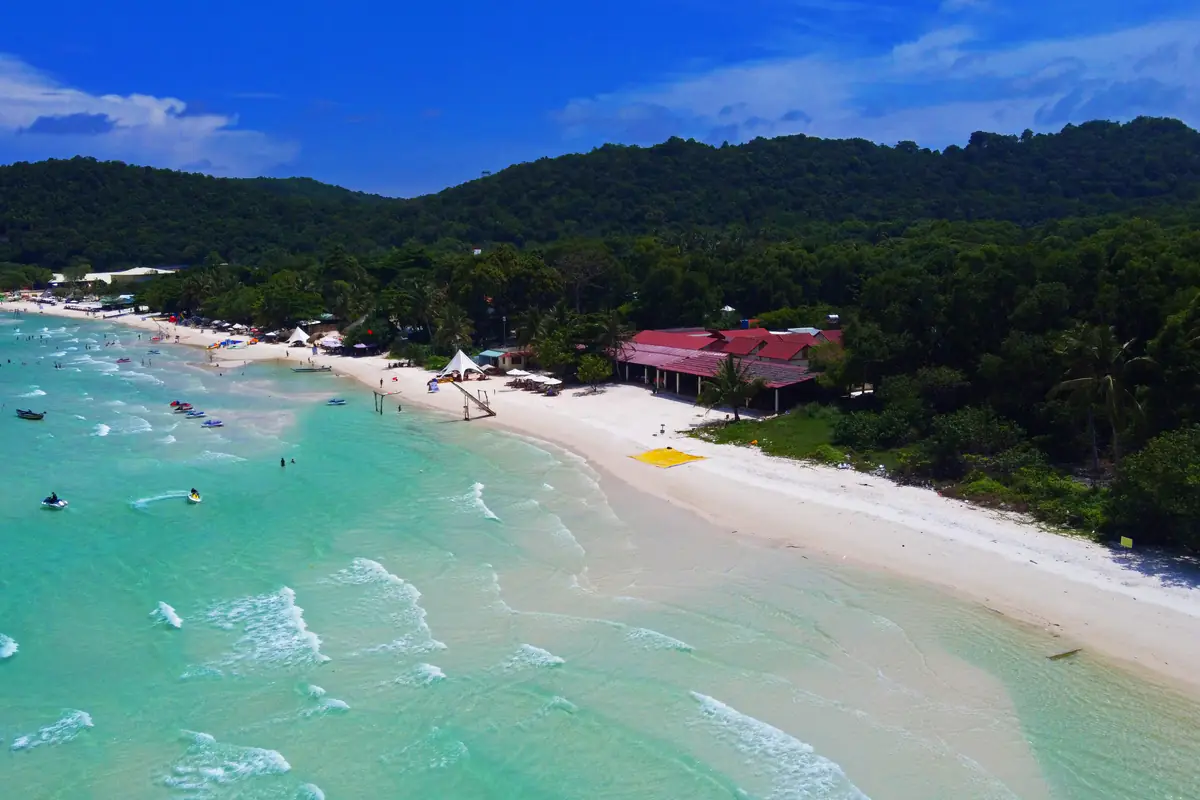
Vietnam or Thailand? 7 key differences to help you decide
Vietnam is generally cheaper, while Thailand is a strong choice for beach resorts, shopping, nightlife, and convenient tourist services. The better destination depends on where you're flying from, how many days you have, and what you want from your holiday.
By Da Lat LoversPublished Updated
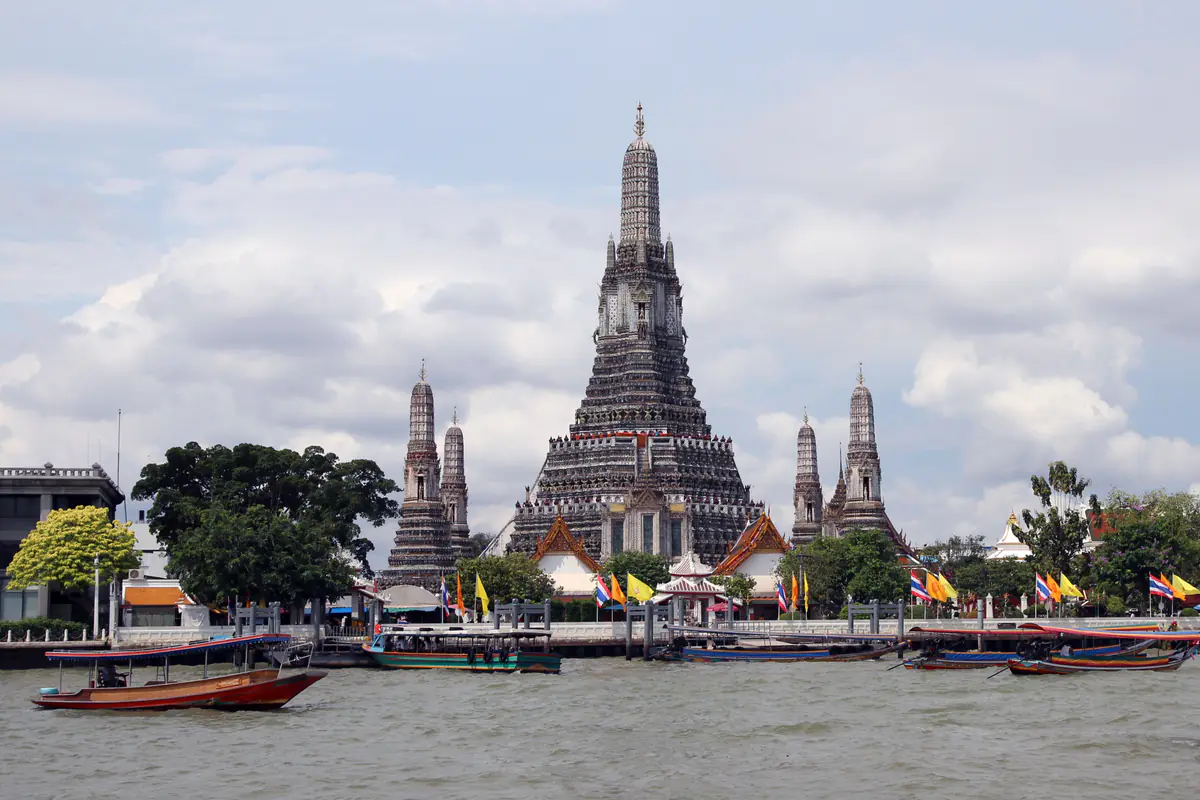
Wat Arun beside Bangkok’s Chao Phraya River.
In Bangkok, you can take the Skytrain to a shopping mall, eat pad kra pao for lunch, and spend the evening at a night market. In Hanoi, the same afternoon might involve walking around Hoan Kiem Lake, eating bun cha, and stopping at a small coffee shop in the Old Quarter. Thailand is particularly convenient for shopping, island tours, and nightlife, while Vietnam is a good choice for regional food, varied landscapes, and stretching your travel budget.
Vietnam vs Thailand: a quick comparison
Both Vietnam and Thailand offer tropical beaches, busy cities, street food, temples, and accommodation for almost every budget. They are also two of the most popular choices for travelers visiting Southeast Asia for the first time.
But the experience of traveling through each country is quite different.
| Category | Vietnam | Thailand |
|---|---|---|
| Overall cost | Generally cheaper for comparable travel styles | More expensive on average, especially on popular islands |
| Beaches | Phu Quoc, Nha Trang, Con Dao, Cat Ba | Phuket, Krabi, Koh Samui, Koh Tao |
| Food | Regional dishes, noodle soups, fresh herbs | Bold flavors, spicy salads, curries, and street food |
| City transport | Ride-hailing, buses, walking, metro in selected cities | Bangkok has extensive BTS, MRT, and Airport Rail Link services |
| Nature | Mountains, rice terraces, limestone bays, beaches | Tropical islands, northern mountains, forests, waterfalls |
| First-time visitors | Good for travelers who enjoy exploring independently | Particularly convenient in established tourist destinations |
| Visa options | Up to 90-day e-visas and various visa exemptions | Revised visa exemptions effective September 15, 2026 |
If you want a simple decision, start with the purpose of your trip.
Choose Thailand if your priorities are island hopping, shopping, nightlife, and a beach holiday with plenty of organized activities. Phuket and Krabi have established tourism infrastructure, making it relatively easy to arrange transfers, excursions, and accommodation.
Choose Vietnam if you want to spend less while exploring different landscapes, local food, and historic towns. You can combine a city, countryside, limestone mountains, and a coastal destination without leaving the country.
For Vietnamese travelers, Thailand also offers something different from a domestic holiday: another language, different temples, unfamiliar dishes, and a change of pace.
For international visitors flying from Europe, North America, or Australia, the decision usually comes down to how much of Southeast Asia they want to see and how much time they can spend getting between destinations.
Is Vietnam cheaper than Thailand?
Yes. Vietnam is generally cheaper than Thailand when you compare similar accommodation, food, transport, and sightseeing expenses.
However, comparing a guesthouse in Hanoi with a beachfront resort in Phuket would not be particularly useful. The cities, hotels, and activities you choose have a considerable effect on your final budget.
Average daily spending by travelers in each country looks like this:
| Travel style | Vietnam per person/day | Thailand per person/day |
|---|---|---|
| Budget | $25 | $35 |
| Mid-range | $66 | $95-96 |
| Luxury | $185 | $288 |
These are historical traveler-spending averages, not guaranteed hotel or tour prices for 2026.
The figures cover typical expenses such as accommodation, food, local transportation, and sightseeing. International flights, visas, shopping, and unusual personal expenses need to be calculated separately.
How much does a 7-day trip cost?
For a traveler with a mid-range budget, seven days cost approximately:
- Vietnam: $460 per person for seven days.
- Thailand: $667 per person for seven days.
- Difference: approximately $207 per person.
Based on those figures, Vietnam's average travel expenses are roughly 31% lower than Thailand's.
For a couple traveling together for one week, the difference is more than $400. That money could go toward a better hotel, additional excursions, or extending the holiday.
But the price of getting there matters.
A traveler departing from Singapore might find a cheaper return flight to Bangkok than to Phu Quoc on certain dates. Someone flying from London could find a better fare to Hanoi than Phuket, or the opposite, depending on the airline and connections.
For short holidays, airfare can outweigh the difference in daily spending.
For longer trips, the lower average cost of traveling within Vietnam becomes more significant.
Hotel and resort prices
An average double room costs around $52 per night in Vietnam, compared with $74 in Thailand.
This doesn't mean every Vietnamese hotel is cheaper.
In Vietnam, cities such as Hanoi, Da Nang, and Da Lat offer plenty of small hotels, guesthouses, and apartments. Many are located near restaurants and attractions, although the cheapest options may not have swimming pools or extensive facilities.
Thailand has an equally broad range of accommodation, from Bangkok hostels and Chiang Mai guesthouses to expensive beachfront resorts in Phuket.
Location often matters more than the headline price.
A hotel that costs $15 less per night but requires two taxi journeys every day might not actually save you money.
For a four-night beach holiday, staying within walking distance of the beach can be more valuable than booking a slightly cheaper room farther inland.
When comparing accommodation, check the location, room size, breakfast, airport transfers, and distance to the places you plan to visit.
Food and local transportation
Average daily food spending is approximately $21 per person in Vietnam and $29 in Thailand.
These are total daily food expenses reported by travelers, not prices for individual restaurant meals.
Vietnam is particularly affordable when you eat at local restaurants.
Breakfast might be pho or banh mi. Lunch could be a rice dish, followed by bun cha, noodles, or grilled food in the evening.
Thailand also has inexpensive street food, especially outside major tourist areas. Bangkok has many local restaurants serving rice dishes, noodles, and curries at accessible prices.
However, meals at beachfront restaurants, international hotel restaurants, and tourist-oriented shopping complexes can quickly increase your spending.
For a two-week backpacking trip, the small difference between daily food and transport expenses adds up.
For a luxury resort holiday where most meals are taken at the hotel, the resort's pricing matters much more than the average national cost.
Phu Quoc vs Phuket: which is better for a beach holiday?
Phu Quoc and Phuket are among the most useful destinations to compare when deciding between Vietnam and Thailand.
Both have international airports, beachfront resorts, island excursions, restaurants, and activities suitable for a four- to six-day holiday.
They offer different kinds of experiences, though.
Choose Phu Quoc for a quieter resort-based holiday
Phu Quoc is a good option when you want to spend most of the trip at one hotel or resort.
Long Beach, also known as Bai Truong, is a popular area for sunsets and resort accommodation. Ong Lang offers a quieter atmosphere in many parts, while Khem Beach is associated with upscale resorts on the southern side of the island.
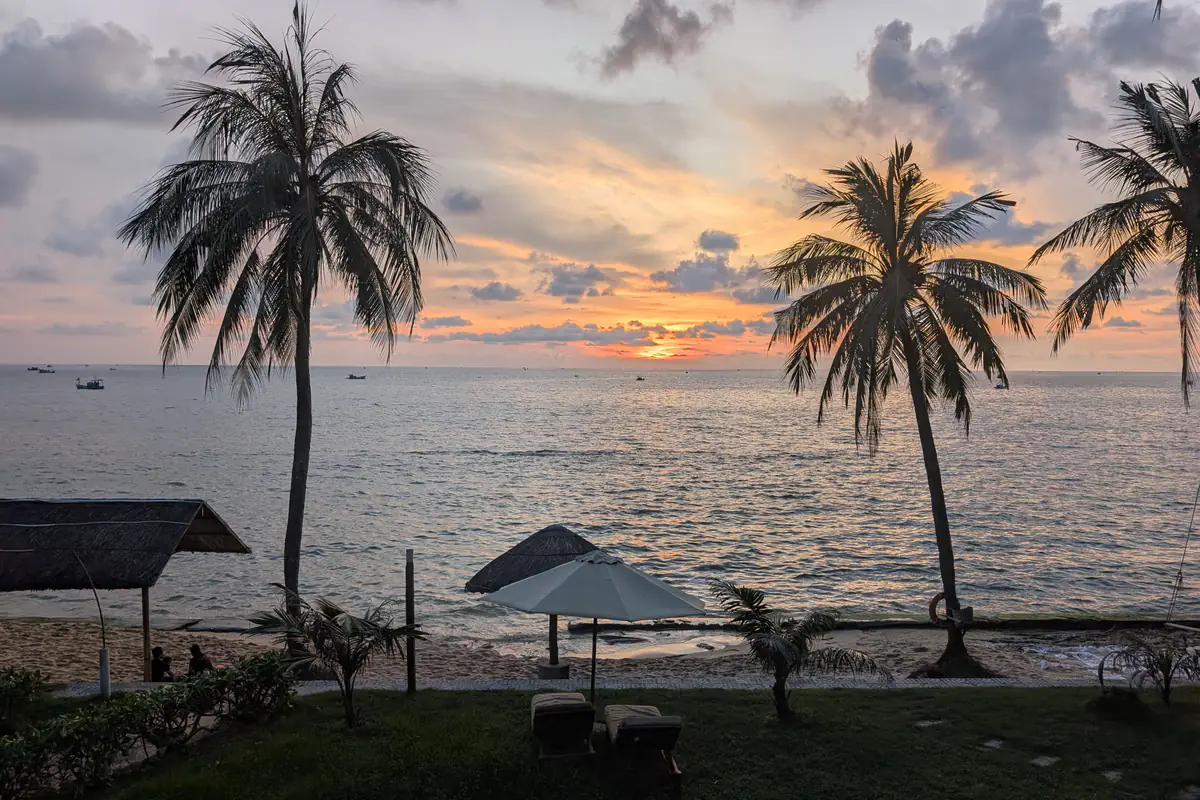
You can organize your holiday around a few activities rather than a packed itinerary.
Spend a day at the resort, take a trip to the southern islands, visit local markets, or ride the cable car to Hon Thom.
Families with young children or older relatives may appreciate the simpler schedule.
You can book four nights in one place, arrange airport transfers, and avoid spending much time moving between hotels.
Phu Quoc also has entertainment complexes and nightlife areas, but Phuket offers a broader choice of established nightlife districts and tourist neighborhoods.
Choose Phuket for beaches, island tours, and nightlife
Phuket works well for travelers who want different activities throughout their holiday.
Patong is known for nightlife, restaurants, and entertainment. Kata and Karon are popular beach areas, while Phuket Old Town offers colorful historic buildings, cafes, and places to eat.
You can also join boat excursions to the Phi Phi Islands or Phang Nga Bay.
These tours can take most of a day, so it is worth leaving enough time between excursions rather than booking two demanding boat trips back-to-back.
Phuket's main disadvantage is the distance between areas.
Phuket International Airport, Patong, Kata, and Rawai are spread across the island. Staying in the wrong area can mean spending a considerable amount of time in taxis.
Phuket Smart Bus charges a flat fare of 100 Thai baht per ride on its Airport-Patong-Rawai route.
That is an economical option for travelers with manageable luggage, although a private transfer may be more convenient when arriving late or traveling with children.
Which has better beaches: Phuket or Phu Quoc?
Neither island is better in every situation.
| What you want | Better starting choice |
|---|---|
| A relaxing resort holiday | Phu Quoc |
| Several beaches and island excursions | Phuket |
| A simple family itinerary | Phu Quoc |
| More nightlife and international restaurants | Phuket |
| Beaches combined with a historic town | Phuket |
| A domestic holiday for Vietnamese residents | Phu Quoc |
| Beach time combined with Bangkok | Phuket |
Weather is another important factor.
Both destinations have periods of generally favorable beach weather between late autumn and spring, but their exact conditions are not identical.
Sea conditions can change from one day to the next, even during the preferred travel season.
If snorkeling, diving, or boat excursions are essential to your holiday, avoid filling every day with activities that depend on calm seas.
Keep a spare afternoon or one flexible day in case a tour needs to be rescheduled.
Food in Vietnam vs Thailand: what should you expect?
Food is one of the strongest reasons to visit either country.
Vietnamese and Thai cuisines share some ingredients, including rice, noodles, herbs, fish sauce, and seafood, but the way those ingredients are combined differs significantly.
Vietnam is particularly good for regional food
Traveling through Vietnam means encountering different dishes in different regions.
Hanoi is known for pho, bun cha, and banh cuon. Hue has bun bo Hue, banh beo, and many small savory rice-flour dishes. Hoi An has cao lau and chicken rice.
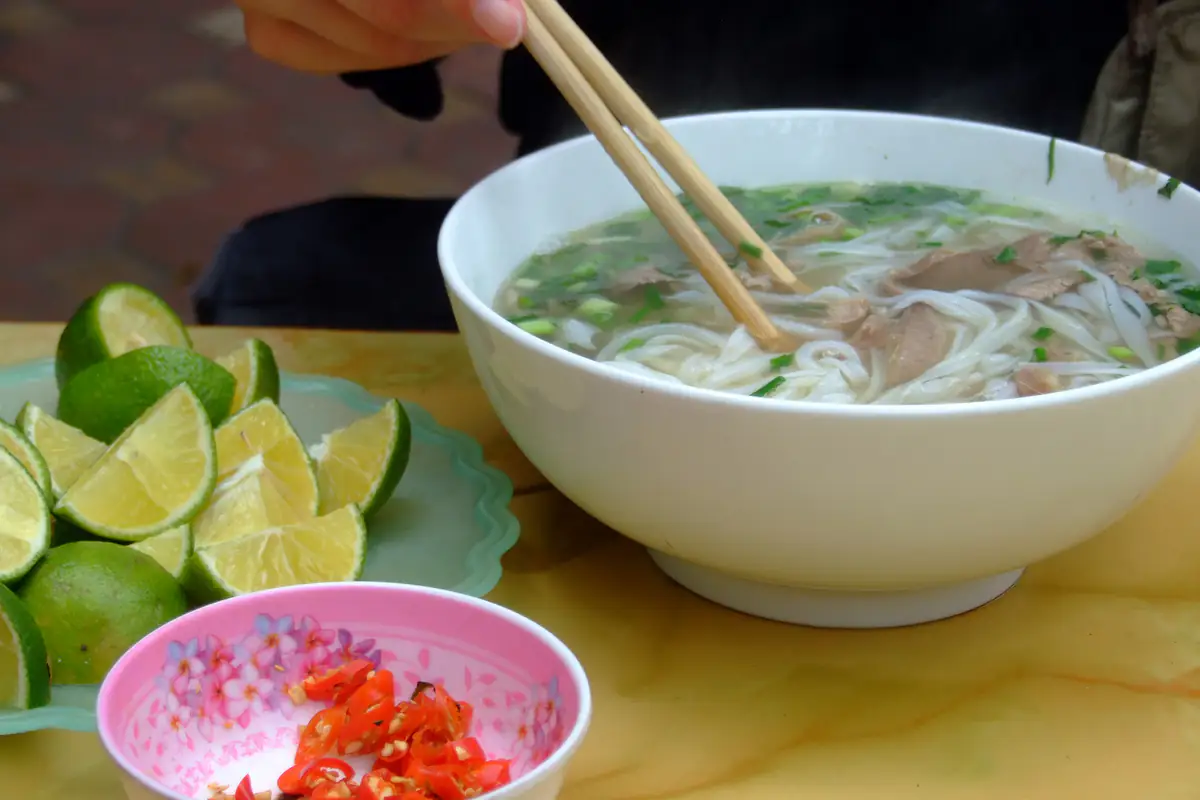
Ho Chi Minh City offers com tam, hu tieu, banh mi, and a wide selection of regional Vietnamese dishes.
The differences go beyond the names of the meals.
A noodle soup in northern Vietnam may have a lighter broth, while central Vietnamese dishes often use stronger seasonings and different combinations of chili, herbs, and fermented ingredients.
For international visitors, Vietnam is particularly rewarding when you want to explore small local restaurants and understand how food changes from one region to another.
There are also plenty of options for people who prefer milder flavors.
Dishes such as pho, rice meals, and certain noodle dishes can often be ordered without added chili, although you should still check sauces and other ingredients.
Thailand is great for bold flavors and street food
Bangkok is an easy place to begin exploring Thai cuisine.
Pad thai, pad kra pao, tom yum, som tam, green curry, and mango sticky rice are among the familiar dishes worth trying.
In northern Thailand, Chiang Mai has its own specialties. Khao soi, a curry noodle dish, is one of the best-known examples.
Thai food often combines spicy, sour, sweet, and salty flavors within the same dish.
Coconut milk, lemongrass, lime leaves, chili, and different curry pastes appear frequently.
If you don't enjoy spicy food, you can ask for mai phet, meaning not spicy. However, some dishes contain chili in their basic preparation, and the actual heat level can still vary.
Which country has better food?
That depends on your preferences.
Vietnam is a strong choice if you enjoy noodle soups, fresh herbs, rice dishes, and discovering different regional cuisines.
Thailand may suit you better if you prefer curries, spicy salads, grilled food, and dishes with more pronounced sweet-sour-spicy combinations.
For Vietnamese travelers, Thailand can offer a refreshing change in flavors.
For first-time international visitors, both countries have excellent everyday food without requiring an expensive restaurant budget.
Is Thailand easier to travel around than Vietnam?
Bangkok has a clear advantage over many Vietnamese cities when it comes to urban rail transport.
Across both countries, however, transport convenience depends heavily on the destination.
Getting around Bangkok
Bangkok has BTS Skytrain, MRT subway, and Airport Rail Link services.
For travelers arriving at Suvarnabhumi Airport, the Airport Rail Link is often a practical way to reach the city.
The fare from Suvarnabhumi to Phaya Thai is 45 baht, with a journey taking approximately 30 minutes.
At Phaya Thai, passengers can connect to the BTS network.
Choosing a hotel near a useful BTS or MRT station can reduce your reliance on taxis during busy periods.
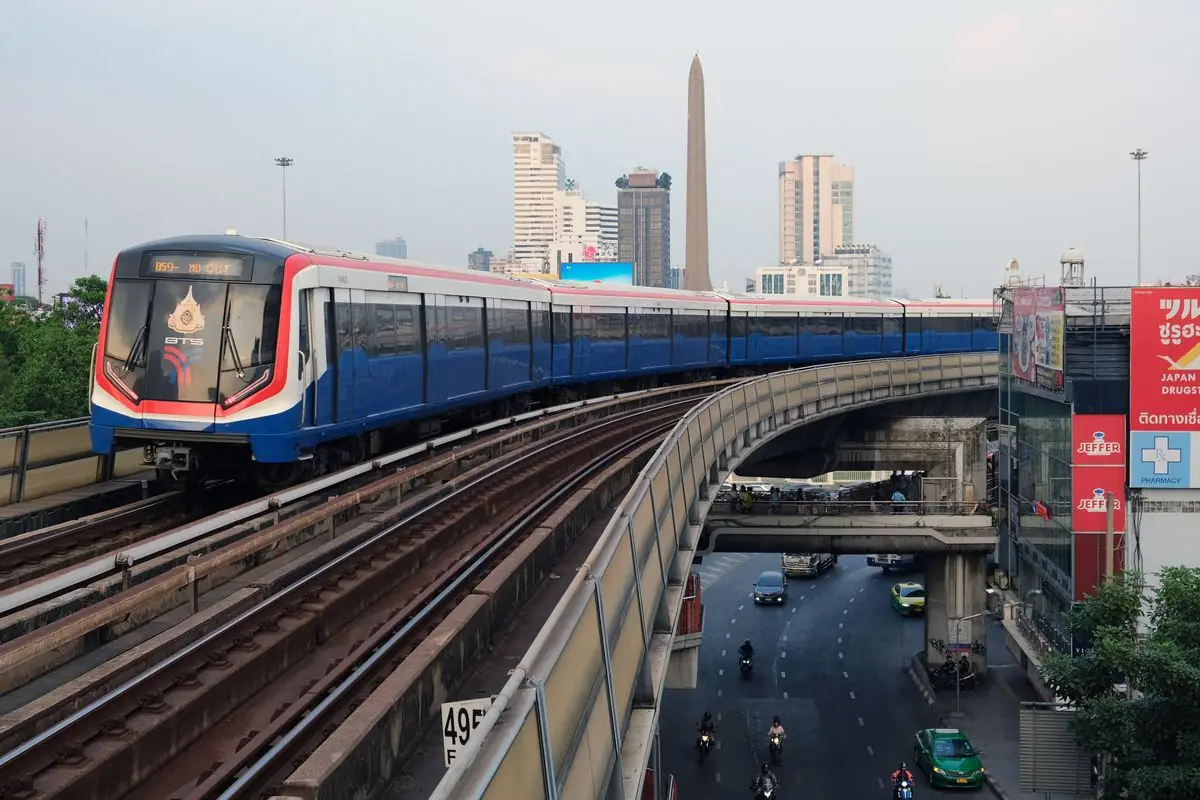
Outside Bangkok, the situation changes.
Chiang Mai, Phuket, and smaller Thai islands do not have an urban rail system comparable to Bangkok's. Tourists usually rely on taxis, ride-hailing services, local buses, boats, or organized transfers.
Getting around Vietnam
Vietnam has a mixture of local buses, ride-hailing services, taxis, trains, and domestic flights.
In Hanoi, Bus 86 connects Noi Bai International Airport with central Hanoi and Hanoi Railway Station.
The fare is VND45,000 per passenger, and the journey usually takes around 50-55 minutes, depending on traffic.
The route is useful for travelers staying near Hanoi's Old Quarter, although you may still need a short walk or taxi ride to reach your hotel.
Once in the Old Quarter, walking is often more practical than repeatedly booking cars for nearby attractions.
Ho Chi Minh City also has Metro Line 1, connecting Ben Thanh and Suoi Tien.
Single journeys cost VND6,000-19,000 with cashless payment or VND7,000-20,000 when paying cash.
The metro is useful along its route, but it does not cover every tourist district.
Ride-hailing and taxis remain important for many journeys.
Traveling between cities
Thailand has a well-established domestic flight network linking Bangkok with destinations including Chiang Mai, Phuket, and Krabi.
Vietnam also has domestic flights, trains, and long-distance buses. The main difference is geography.
Vietnam stretches over a considerable distance from north to south. A trip covering Hanoi, Hue, Hoi An, Ho Chi Minh City, and Phu Quoc involves much more travel than the route may initially suggest on a map.
For a week-long holiday, choosing one region of Vietnam usually makes more sense than crossing the entire country.
Should you rent a motorbike?
Only rent a motorbike when you have a license valid for the relevant vehicle category, your license is recognized under local rules, and you are comfortable with the traffic conditions.
Bangkok, Hanoi, and Ho Chi Minh City are not ideal places for inexperienced riders.
Mountain roads, steep slopes, and unfamiliar coastal roads create additional challenges.
Vietnam or Thailand for first-time visitors?
For someone visiting Southeast Asia for the first time, both countries are manageable, but the amount of planning required can differ.
Thailand is a straightforward starting point in major tourist areas
Bangkok, Chiang Mai, and Phuket have extensive accommodation options and many services designed for international travelers.
In Bangkok, you can stay near a Skytrain station and use public transport to reach shopping areas, restaurants, and major attractions.
In Phuket, popular beach districts have hotels, tour agencies, and transport providers within relatively easy reach.
That can make Thailand appealing to travelers who prefer to arrange their activities as they go.
However, this convenience does not apply equally to every Thai destination.
Remote islands and less-developed areas still require checking boat schedules, transfers, and weather conditions.
Vietnam rewards travelers who enjoy exploring
Vietnam is particularly appealing if you want local food, neighborhood markets, historic streets, countryside, and striking natural scenery.
You can build an interesting itinerary without traveling across the whole country.
In northern Vietnam, Hanoi, Ninh Binh, and Ha Long Bay can form a varied trip involving city life, river landscapes, and limestone scenery.

In central Vietnam, Da Nang, Hoi An, and Hue are logical destinations to combine.
The challenge is knowing when to stop adding places.
A destination might look nearby on a map but still require several hours of driving.
For first-time visitors, two well-chosen destinations are usually more satisfying than four places visited in a rush.
Which country is better for families?
Families should choose the type of holiday first.
For example, five days at a Phu Quoc resort with one short excursion can be easier for young children than a multi-city trip through Thailand.
On the other hand, families who enjoy shopping, urban attractions, and entertainment venues may prefer Bangkok.
Keep hotel changes to a minimum.
For a five- to seven-day trip, one or two hotels should be enough.
If traveling with young children, look for convenient airport arrival times, family rooms, suitable transfers, and hotels close to the activities you plan to do.
Thailand and Vietnam visa rules in 2026
Visa requirements depend on your passport nationality, not simply on where you currently live.
This matters particularly for expatriates living in Vietnam or Thailand who hold passports from other countries.
Thailand introduced significant changes to its visa exemption system in September 2026. Older travel articles mentioning 60-day visa-free entry may now be outdated.
Do Vietnamese passport holders need a visa for Thailand?
Vietnamese ordinary passport holders can enter Thailand visa-free for tourist stays of up to 30 days under the bilateral agreement, in line with the rules effective September 15, 2026.
Thailand ended its previous 60-day visa exemption scheme on that date and introduced revised 30-day and 15-day arrangements.
The 30-day bilateral exemption applies to Vietnamese citizens traveling with eligible passports.
For a normal four- to seven-day holiday, this is generally sufficient.
Travelers planning longer stays must check the visa category that applies to their circumstances.
For travelers holding passports from countries such as the United Kingdom, United States, Australia, and several European countries, Thailand also offers a 30-day tourist visa exemption under its revised nationality-based arrangements.
Do not assume the same rules apply to every passport.
Is the Thailand Digital Arrival Card required?
Yes.
The Thailand Digital Arrival Card, or TDAC, became mandatory for most foreign visitors entering Thailand on May 1, 2025.
It applies to travelers entering by air, land, or sea, including eligible visa-exempt tourists.
The form must be submitted within the three days before arrival, including the arrival date.
It is free when completed through the official Thai Immigration Bureau system.
You will need details such as your passport information, arrival date, travel information, and accommodation address.
Children and infants must also have their information submitted.
Transit passengers who remain within the international transit area and do not pass through immigration do not need to submit TDAC.
TDAC is not a visa. Travelers who need a visa must still obtain the appropriate visa separately.
Do foreign tourists need a visa to visit Vietnam?
Vietnam has several visa exemption arrangements.
Under its 2026 rules, citizens of countries including the United Kingdom, France, Germany, Japan, and South Korea are eligible for visa-free stays of up to 45 days, subject to the applicable entry requirements.
Thai citizens can enter Vietnam visa-free for up to 30 days under the relevant bilateral arrangement.
Travelers who do not qualify for visa-free entry can generally apply for a Vietnamese e-visa.
Vietnam issues e-visas valid for up to 90 days, with both single-entry and multiple-entry options.
The official government fees in 2026 are:
- US$25: Single-entry e-visa.
- US$50: Multiple-entry e-visa.
The official application portal is evisa.gov.vn.
Before submitting an application, check your name, passport number, visa validity dates, and intended entry point.
Does Phu Quoc have different visa rules?
Yes.
Phu Quoc has a special visa exemption arrangement allowing eligible foreign visitors to stay on the island for up to 30 days.
This applies to qualifying travel arrangements, such as arriving directly from an international destination or transiting through an international transit area to reach Phu Quoc.
Check this before booking a multi-destination itinerary.
Vietnam or Thailand for 3, 5, 7, or 14 days?
The number of days available often matters more than which country has the better attractions.
A seven-day holiday is not seven full days of sightseeing once you account for flights, airport transfers, and hotel changes.
3-4 days: choose one city or one island
For travelers living in Vietnam, Bangkok is a good short international getaway when direct flights match the available dates.
You could spend the first afternoon checking in and having dinner, use the next two days for sightseeing and shopping, then return to the airport on the final day.
There is no need to add Chiang Mai or Phuket.
For a domestic Vietnamese holiday, Da Nang, Da Lat, or Phu Quoc may work better, depending on the season and departure airport.
International visitors deciding between Bangkok and Hanoi can also enjoy either city over three or four days.
Choose Bangkok for shopping, urban transport, and nightlife.
Choose Hanoi for street food, historic neighborhoods, and local cafes.
Adding another city to a four-day trip often means sacrificing too much time to transport.
5-7 days: two destinations are enough
This is a comfortable length for a first visit to either country.
In Thailand, consider three days in Bangkok followed by three days in Chiang Mai if you want a combination of city attractions and northern Thai culture.
For a beach-focused holiday, replace Chiang Mai with Phuket or Krabi.
In Vietnam, Hanoi, Ninh Binh, and Ha Long Bay can work well when you want natural scenery.
Another option is Da Nang, Hoi An, and Hue, where you can travel between destinations by road rather than taking domestic flights.
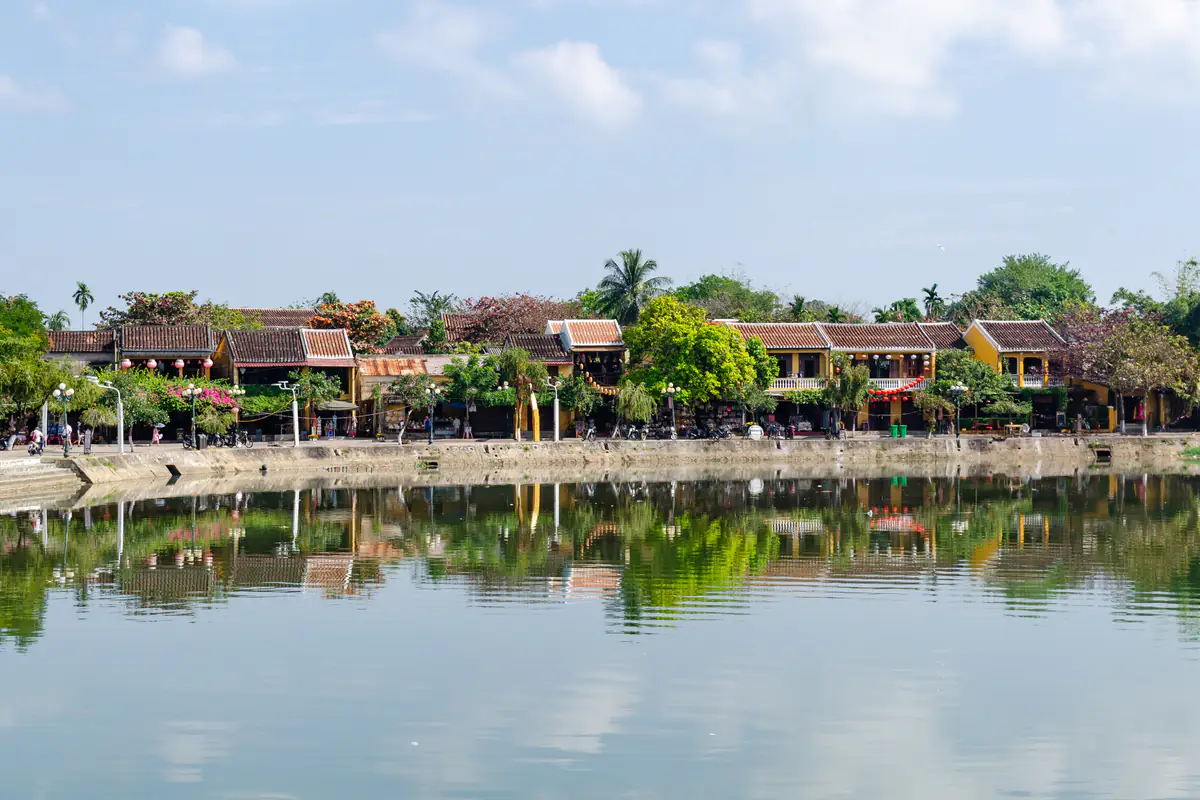
Avoid trying to cover Hanoi, Da Nang, Ho Chi Minh City, and Phu Quoc in one week.
The trip may be technically possible, but much of your holiday will be spent in airports, cars, and hotel reception areas.
The same applies to combining Bangkok, Chiang Mai, and Phuket in seven days. It is possible, but far less relaxing than staying longer in two places.
10-14 days: Vietnam offers more variety for the budget
With ten to fourteen days, international visitors can explore two regions of Vietnam without moving constantly.
One practical itinerary would be five or six days around Hanoi, Ninh Binh, and Ha Long Bay, followed by several days in Da Nang, Hoi An, or Hue.
This gives you city life, countryside, dramatic limestone scenery, historic architecture, and regional food.
Thailand is equally attractive for a two-week holiday.
Bangkok, Chiang Mai, and one southern beach destination provide a balanced combination of cities, culture, and relaxation.
The difference is spending.
Because Vietnam's average daily expenses are lower, it can be easier to extend your stay without increasing the overall budget as much.
Best time to visit Vietnam vs Thailand
Neither country has a single perfect travel season.
Vietnam has significant weather differences between the north, center, and south. Thailand's Andaman coast and Gulf of Thailand also experience different monsoon patterns.
| Months | Vietnam | Thailand |
|---|---|---|
| December-February | Phu Quoc and southern Vietnam are good beach options; northern Vietnam can be cool | Bangkok, Chiang Mai, Phuket, and Krabi are popular choices |
| March-April | Favorable conditions in many regions; central Vietnam becomes increasingly suitable for beach trips | Phuket and Krabi can still be good; Bangkok and northern Thailand become hotter |
| May-August | Central Vietnam is worth considering for beaches, depending on local conditions | Koh Samui and parts of the Gulf coast may be more suitable than the Andaman coast |
| September-November | Northern Vietnam can be appealing; central Vietnam faces greater rain and storm risks | Phuket and Krabi move toward their more favorable season later in the year |
Why Phuket is not ideal for every month
Phuket and Krabi are on Thailand's Andaman coast.
The generally preferred period for this coastline is November through April.
The May-October period is more affected by southwest monsoon conditions.
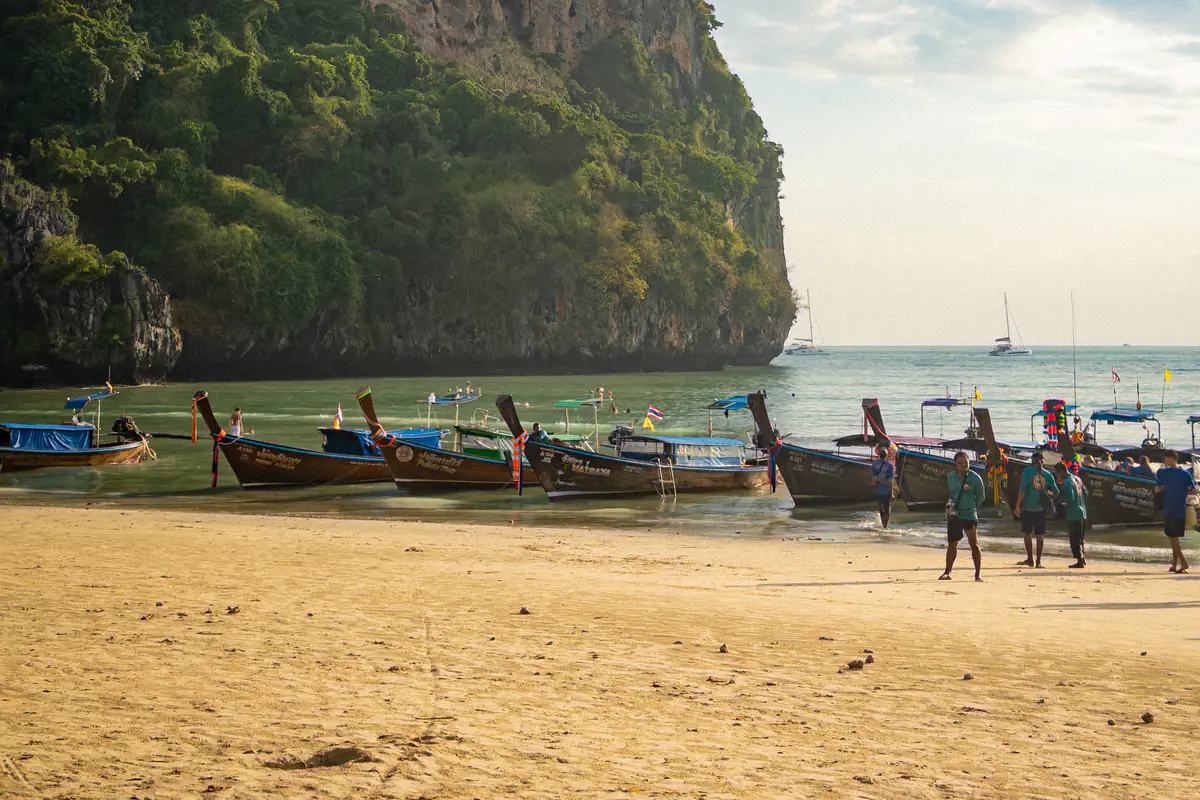
On the Gulf side, destinations such as Koh Samui have different seasonal patterns.
This means the best Thai island in July may not be the same as the best Thai island in January.
For travelers planning snorkeling, diving, or boat trips, choosing the right coast for the month is more important than saving a small amount on accommodation.
When should you visit Vietnam?
December through March is generally a good period to consider Phu Quoc, while Hanoi, Ninh Binh, and Ha Long Bay may have cooler weather.
March through August brings many opportunities for beach holidays around Da Nang and Hoi An, although summer temperatures can be high.
September through November can be attractive in northern Vietnam, particularly for travelers interested in scenery and outdoor exploration.
Central Vietnam, however, may experience heavy rain, storms, and flooding during parts of autumn.
If you are planning a November holiday specifically for swimming, compare Phu Quoc, Phuket, and other destinations with more favorable seasonal conditions rather than automatically choosing Hoi An.
Always check the short-term forecast before booking weather-dependent activities.
Can you combine Vietnam and Thailand in one trip?
Yes, and it can make sense for travelers flying a long distance to Southeast Asia.
However, visiting both countries is not automatically better than spending the same amount of time in one.
For a seven-day holiday, combining Vietnam and Thailand is usually too rushed.
An international flight, airport transfers, immigration procedures, and another hotel check-in can consume much of a day.
Combining both countries in 10 days
A ten-day itinerary can work when you have clear priorities.
For example, spend around four days in Bangkok, then five days exploring Hanoi and nearby attractions, with the remaining time allocated to travel.
That gives you a taste of two capitals.
It does not provide enough time to explore both countries thoroughly.
If beaches are your main priority, staying in one country is usually simpler.
Traveling from Phu Quoc to Phuket is not necessarily straightforward, even though both destinations are in Southeast Asia.
Actual flight routes and connection times matter more than the distance on a map.
Combining Vietnam and Thailand in 14 days
Two weeks is more practical.
You could spend six or seven days in northern Vietnam, fly to Bangkok, and finish with a beach stay in Thailand.
Another option is to start in Bangkok and Chiang Mai before flying to Ho Chi Minh City and spending the final part of the holiday in southern Vietnam.
Check the actual flight schedules before deciding the order of the destinations.
A route that looks efficient geographically may require a long connection or an inconvenient departure time.
Three extra costs to consider
The first is the flight between the countries.
Two separate one-way tickets may cost more than a return or multi-city ticket, although the reverse can also be true.
The second is checked baggage.
Low-cost airlines may charge separately for baggage, seat selection, and certain other services.
The third is entry documentation.
If your Vietnam itinerary involves leaving and re-entering the country, check whether your e-visa allows multiple entries.
Thailand also has entry requirements that apply to each arrival, including submitting a new TDAC when required.
For long-haul visitors, combining the countries can make good use of an expensive international flight.
For travelers already living in Southeast Asia, two separate shorter holidays may be easier to organize.
Which country should you choose for your travel style?
The most useful question isn't which country is more beautiful.
It is what you actually want to spend your holiday doing.
For budget travelers: Vietnam
Vietnam has a clear advantage for travelers who want to keep accommodation, food, and local transportation costs low.
Budget travelers spend around $25 a day on average in Vietnam, compared with $35 in Thailand.
This makes Vietnam attractive for backpackers, solo travelers, and people planning a longer trip.
However, $25 per day is an observed average, not a guarantee.
Private tours, domestic flights, expensive attractions, and resort stays can raise the total quickly.
For a change of scenery: Thailand
If you live in Vietnam and have already visited several domestic destinations, Thailand can offer a worthwhile change without requiring an especially long journey.
Bangkok is good for shopping, food, nightlife, and urban sightseeing.
Chiang Mai is a better choice for northern Thai culture, temples, and a slower pace.
Phuket and Krabi suit travelers who want beaches, boat excursions, and resort facilities.
There is no need to visit all three on one short holiday.
For varied natural scenery: Vietnam
Vietnam is an excellent choice when you want mountains, limestone landscapes, countryside, caves, and beaches.
Instead of spending the whole trip at one resort, you can choose a region and explore different environments.
Northern Vietnam works particularly well for a combination of cities, rivers, and mountains.
Central Vietnam offers another combination of coastal cities, heritage sites, and countryside.
The trade-off is travel time.
For a holiday shorter than one week, stick to one region rather than trying to experience the entire country.
For luxury holidays: compare individual resorts
Thailand has many established luxury resorts, particularly around Phuket and other major beach destinations.
Vietnam also has upscale resorts and private villas in places such as Phu Quoc and Da Nang.
At this level, it is difficult to claim one country offers better value without comparing specific properties.
Check the same dates and equivalent room categories.
A resort that includes breakfast, airport transfers, and children's activities may offer better value than a cheaper property that charges separately for those services.
Quick recommendation table
| Your priority | Where to look first |
|---|---|
| Budget travel for 7-14 days | Vietnam |
| A relaxing family beach holiday | Phu Quoc or Phuket, depending on your departure point |
| Shopping and night markets | Bangkok |
| Mountains, countryside, and limestone scenery | Vietnam |
| Beaches with nightlife | Phuket |
| First Southeast Asia trip with convenient tourist services | Bangkok |
| Exploring different regional cuisines | Vietnam |
| Short international holiday from Vietnam | Thailand |
| Luxury beach resorts | Compare specific resorts in both countries |
| A 14-day multi-country adventure | Combine Vietnam and Thailand |
Common mistakes when choosing between Vietnam and Thailand
Booking based only on the cheapest flight
A cheap flight doesn't always mean a cheap holiday.
A late-night arrival might require a private airport transfer instead of public transportation.
A low-cost fare may also exclude checked baggage.
Before booking, calculate the flight, baggage, airport transport, and accommodation together.
Staying in the wrong neighborhood
In Bangkok, a hotel near BTS or MRT can save time, but only when the station is useful for your planned activities.
In Phuket, staying in Rawai while planning to visit Patong every evening can result in expensive and time-consuming taxi journeys.
In Hanoi, staying near the Old Quarter is convenient for walking to restaurants and attractions, although travelers seeking quiet accommodation may prefer another area.
Choose your hotel after deciding what you want to do each day.
Ignoring the rainy season
Low hotel prices during the wet season can look attractive.
But a beach holiday based entirely on snorkeling, diving, and island tours may be disappointing when boats cannot operate as planned.
A resort with good indoor facilities, restaurants, and a swimming pool offers more flexibility.
If beach activities are your main reason for traveling, prioritize the right season before the lowest room price.
Trying to visit too many places
Seven days is enough for two destinations in most cases.
Bangkok and Phuket can provide a city-and-beach holiday in Thailand.
Hanoi and Ninh Binh, or Da Nang and Hoi An, can offer a good introduction to Vietnam.
Adding a third major destination means additional packing, travel, and check-ins.
Only do it when the extra location is important enough to justify that time.
Not checking entry rules for your passport
Visa rules depend on nationality, passport type, and travel purpose.
A foreign national living in Vietnam does not automatically qualify for the same Thai entry arrangement as a Vietnamese citizen.
Likewise, a traveler holding a foreign passport and residing in Thailand still needs to check Vietnam's rules for that passport.
For an itinerary involving both countries, confirm visa validity and permitted entries before paying for non-refundable flights.
Final verdict: Vietnam or Thailand?
Vietnam is the better starting choice if you want a lower daily budget, diverse scenery, regional food, and a longer journey through different places. Thailand is particularly attractive if your priorities are beaches, shopping, nightlife, and convenient services in established tourist destinations.
Open a flight comparison site, enter your nearest departure airport, and check the same travel dates for Bangkok and your preferred destination in Vietnam. Add the return fare, accommodation, and local transport costs before choosing which trip to book.
FAQ
Is Vietnam cheaper than Thailand?
Yes, Vietnam is generally cheaper. Travelers spend about $66 per person per day on average in Vietnam, compared with $95 in Thailand. However, flights, the season, and accommodation choices can change the total cost of a short holiday.
Do Vietnamese citizens need a visa to visit Thailand?
Vietnamese ordinary passport holders can enter Thailand visa-free for tourist stays of up to 30 days under the bilateral agreement applicable from September 15, 2026. Foreign visitors must also complete the free Thailand Digital Arrival Card (TDAC) within three days before arrival.
Is Phu Quoc or Phuket better for a beach holiday?
Phu Quoc is a good choice for a relaxing resort stay with fewer hotel changes. Phuket offers more established nightlife areas, island excursions, international restaurants, and a wider choice of beach neighborhoods. The better option also depends on the season and your departure airport.
Vietnam or Thailand for first-time travelers?
Thailand, especially Bangkok, is often easier for first-time travelers who value extensive tourist services and convenient urban rail transport. Vietnam is a strong choice for travelers who enjoy local food, natural scenery, historic neighborhoods, and planning their own itinerary.
Can you visit Vietnam and Thailand in 10 days?
Yes, but keep the itinerary simple. Choose approximately two main destinations and allow extra time for the international flight between the countries. With 14 days or more, combining Vietnam and Thailand becomes more practical.