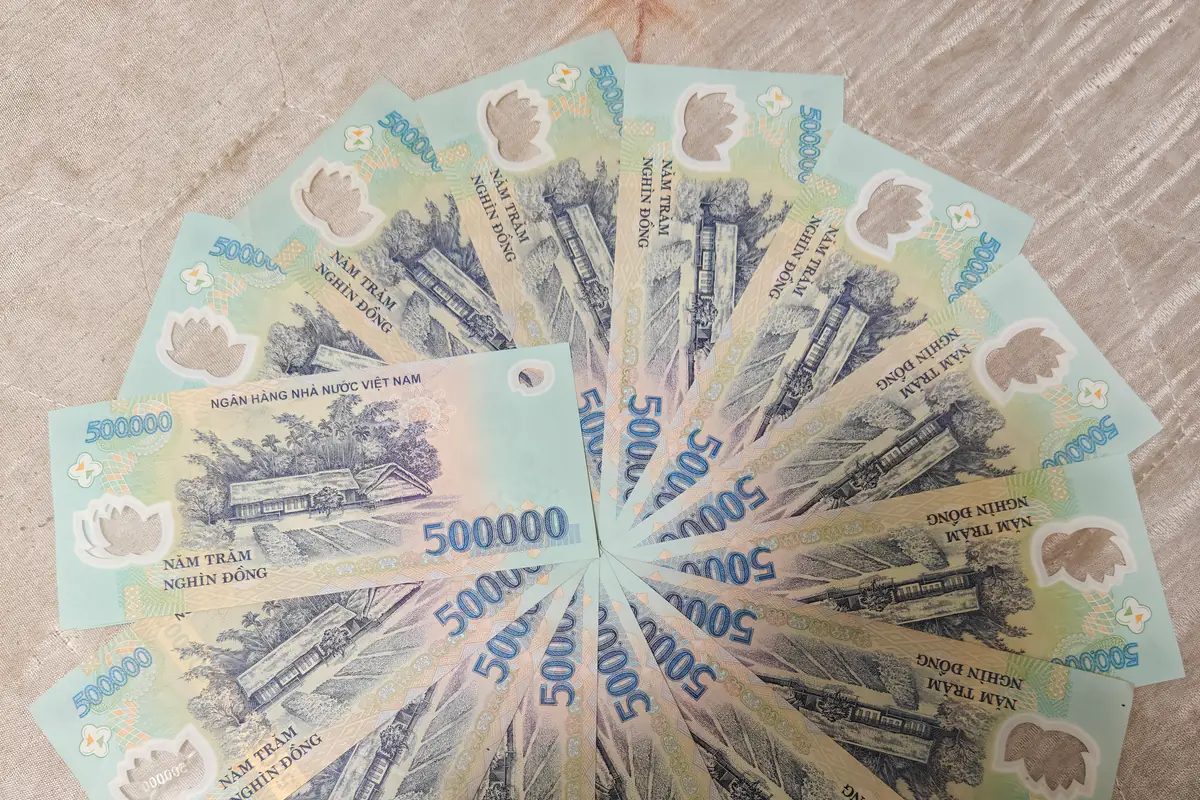
Check your Vietnam visa requirements: who can enter visa-free and who needs an e-visa?
Your passport nationality decides whether you need a Vietnam visa: some nationalities can enter visa-free for 14 to 90 days, including 24 European and Asian countries with 45-day stays. Travelers who do not qualify can apply for an e-visa valid for up to 90 days, with fees starting at US$25.
By Da Lat LoversPublished Updated
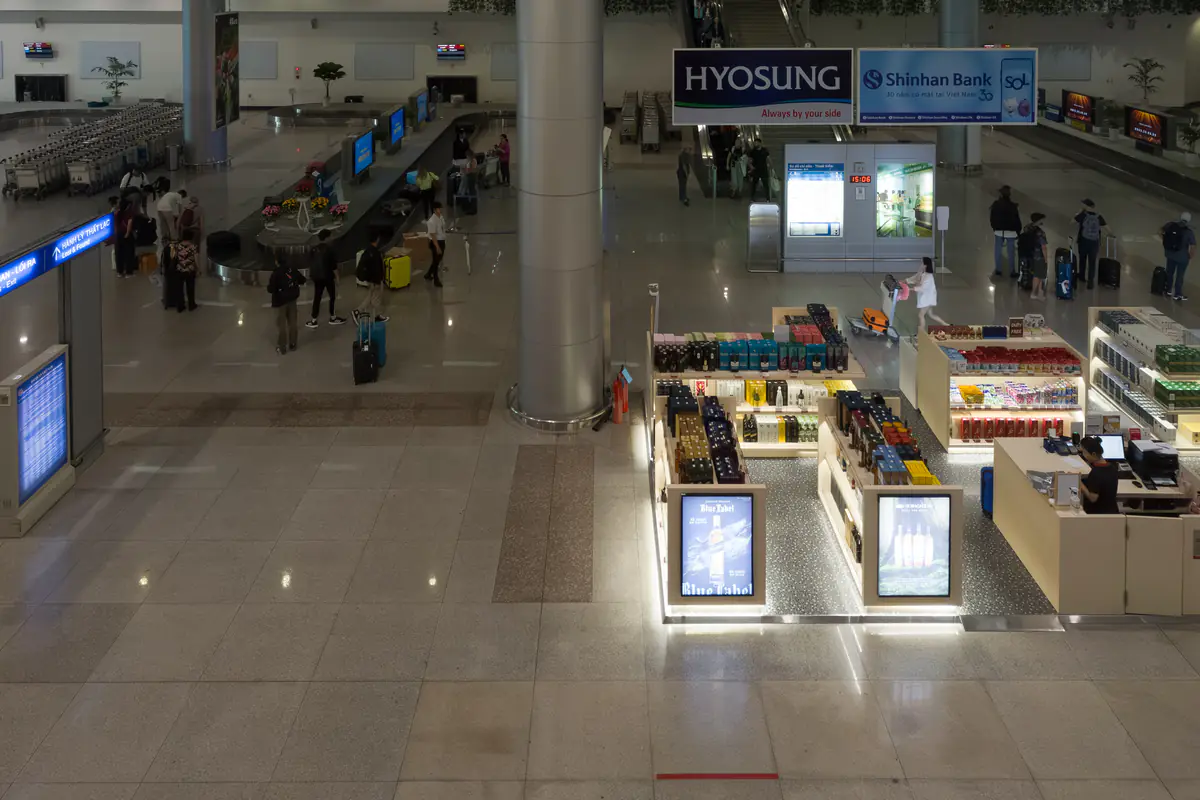
International baggage claim at Tan Son Nhat Airport
Before booking a flight to Vietnam, check the nationality on your passport, the length of your trip, and your reason for visiting. Some travelers can enter without a visa for 14 to 90 days, while others must obtain one before departure. For most tourists who are not eligible for visa-free entry, Vietnam's electronic visa is the simplest option.
Do foreigners need a visa to visit Vietnam?
Not every foreign visitor needs a visa to enter Vietnam. The rules depend mainly on your passport nationality, the purpose of your visit, and how long you plan to stay.
There are three common situations:
- Visa-free entry: Your passport qualifies for a visa exemption, and your trip stays within the permitted period. You do not need to apply for an e-visa.
- E-visa required: Your passport does not qualify for a visa exemption, or you want to stay longer than the visa-free allowance.
- Special exemption: You qualify under a bilateral agreement, a specific tourism program, or the separate visa exemption for Phu Quoc Island.
Here are some typical examples for tourists traveling on ordinary passports.
| Traveler | Visa requirement |
|---|---|
| French passport, 20-day holiday | Visa-free for up to 45 days |
| German passport, 60-day holiday | Apply for an e-visa |
| Singaporean passport, 20-day holiday | Visa-free for up to 30 days |
| Philippine passport, 25-day holiday | Apply for an e-visa |
| US passport, 14-day holiday | Apply for an e-visa |
| Australian passport, 30-day holiday | Apply for an e-visa |
| Indian passport, 10-day holiday | Apply for an e-visa |
| Chinese passport, independent trip to Hanoi and Da Nang | Apply for an e-visa |
These examples assume ordinary passports and standard tourist visits. Other rules may apply to people holding diplomatic passports, official passports, residence documents, or special immigration permissions.
Your country of residence does not automatically determine whether you need a Vietnam visa.
For example, an American citizen living in Singapore must generally follow the requirements for a US passport. Having a Singapore residence permit does not give that traveler the same visa-free entry privileges as a Singaporean citizen.
The same applies to people holding US visas, Schengen visas, or permanent residence permits issued by other countries. Those documents do not automatically provide visa-free entry to Vietnam.
Check the passport you will actually use to travel.
What is Vietnam visa exemption?
Vietnam visa exemption, also called visa-free entry, allows eligible foreign nationals to enter Vietnam without obtaining a visa in advance.
You must still have a valid passport and meet Vietnam's legal entry requirements.
The important distinction is that visa-free entry does not mean unlimited permission to stay.
Every exemption comes with its own permitted period.
A traveler eligible for 30 visa-free days cannot automatically stay for 45 days. Someone entitled to a 45-day exemption cannot remain for 90 days simply because Vietnam also offers 90-day e-visas.
These three terms are worth keeping separate:
| Term | Meaning |
|---|---|
| Visa exemption | Permission to enter Vietnam without applying for a visa, subject to conditions |
| Permitted period of stay | The length of time you are authorized to remain in Vietnam |
| E-visa | An electronic visa approved before you enter the country |
A nationality-based visa exemption is also different from Vietnam's visa exemption certificate for certain overseas Vietnamese and eligible family members.
If you are visiting Vietnam as an ordinary tourist, start by checking the visa exemption attached to your passport nationality.
There is no reason to apply for an e-visa if your passport already qualifies for visa-free entry and your itinerary fits within that allowance.
Which countries get 45 days of visa-free entry to Vietnam in 2026?
Vietnam has two major 45-day visa exemption programs that are particularly relevant to international tourists.
They operate under different government resolutions and have different conditions.
Group 1: twelve countries exempt until March 14, 2028
Under Government Resolution No. 44/NQ-CP, issued on March 7, 2025, citizens of the following 12 countries can enter Vietnam without a visa for up to 45 days.
| Country | Visa-free stay |
|---|---|
| Germany | 45 days |
| France | 45 days |
| Italy | 45 days |
| Spain | 45 days |
| United Kingdom | 45 days |
| Russia | 45 days |
| Japan | 45 days |
| South Korea | 45 days |
| Denmark | 45 days |
| Sweden | 45 days |
| Norway | 45 days |
| Finland | 45 days |
This policy runs from March 15, 2025, through March 14, 2028.
The exemption applies regardless of passport type or purpose of entry, provided the traveler meets Vietnam's entry requirements.
For example, a French traveler arriving in Hanoi on November 5, 2026, for a 28-day itinerary covering Ninh Binh, Ha Long Bay, Hue, and Hoi An does not need an e-visa for that trip.
A British traveler planning to spend 65 days exploring Vietnam should arrange an appropriate e-visa before departure.
Do not assume that every passport associated with the United Kingdom receives the same treatment.
Group 2: twelve countries exempt for tourism until August 14, 2028
Government Resolution No. 229/NQ-CP, dated August 8, 2025, extended 45-day visa-free entry to citizens of another 12 European countries.
| Country | Visa-free stay |
|---|---|
| Belgium | 45 days |
| Bulgaria | 45 days |
| Croatia | 45 days |
| Czech Republic | 45 days |
| Hungary | 45 days |
| Luxembourg | 45 days |
| Netherlands | 45 days |
| Poland | 45 days |
| Romania | 45 days |
| Slovakia | 45 days |
| Slovenia | 45 days |
| Switzerland | 45 days |
This exemption applies from August 15, 2025, through August 14, 2028.
It is specifically connected to Vietnam's tourism development program.
That distinction matters. Unlike the first group, the resolution explicitly provides the exemption for tourism purposes.
A Dutch citizen visiting Hanoi, Hoi An, and Phu Quoc for 18 days can use the visa exemption when all entry conditions are satisfied.
Someone traveling for employment or another non-tourism activity should check the appropriate immigration requirements rather than assuming the tourism exemption covers their situation.
The resolution does not require travelers from these countries to join an organized tour.
This is particularly relevant to citizens of Poland, the Czech Republic, and Switzerland. An earlier temporary scheme in 2025 included tour-related conditions, but Resolution No. 229/NQ-CP replaced that arrangement from August 15, 2025.
Independent travelers can therefore use the current tourism exemption if they meet the applicable requirements.
What about Belarus?
Belarus should be checked separately.
Belarus is sometimes grouped with the 45-day European exemptions, but it follows a different rule under Vietnam's bilateral visa agreement.
Belarusian citizens holding ordinary passports can stay visa-free for up to 30 days per entry, with a maximum combined stay of 90 days in a calendar year.
The bilateral arrangement took effect on January 30, 2025.
For a Belarusian passport holder planning a 40-day trip, do not rely on the 45-day European exemption table. Confirm the applicable bilateral conditions and consider an e-visa if the intended stay exceeds the permitted period.
Other countries with visa-free entry to Vietnam
Vietnam also has bilateral visa exemption agreements with several countries.
These agreements often provide stays of 14, 21, 30, or 90 days for ordinary passport holders.
The following table covers common tourist nationalities.
| Country | Visa-free stay |
|---|---|
| Chile | 90 days |
| Panama | 90 days |
| Cambodia | 30 days |
| Indonesia | 30 days |
| Laos | 30 days |
| Malaysia | 30 days |
| Myanmar | 30 days |
| Singapore | 30 days |
| Thailand | 30 days |
| Kazakhstan | 30 days per entry, maximum 90 days within 180 days |
| Kyrgyzstan | 30 days |
| Mongolia | 30 days |
| Belarus | 30 days per entry, maximum 90 days per calendar year |
| Philippines | 21 days |
| Brunei | 14 days |
These are ordinary-passport rules, not a complete list of every visa exemption agreement Vietnam has signed.
Some agreements apply only to diplomatic, official, or other special passports.
That is why you should not rely on a country's name appearing somewhere in a government visa exemption list. You must check the passport category as well.
ASEAN travelers should check their exact allowance
Do not assume every ASEAN country receives 30 visa-free days.
A Singaporean citizen visiting Ho Chi Minh City for five days can enter under the 30-day exemption.
A Filipino traveler planning the same trip can use the 21-day allowance.
A Bruneian visitor has a 14-day visa-free period.
These differences become important when you are planning a longer route.
For example, a Filipino traveler spending 12 days in Hanoi and Ha Long Bay, followed by another 13 days in Da Nang and Hoi An, would exceed the ordinary 21-day exemption.
Applying for an e-visa before departure is the more appropriate option for that 25-day itinerary.
Meanwhile, an Indonesian tourist planning a 20-day trip can use the 30-day exemption.
For this reason, checking the bilateral agreement is more reliable than assuming all ASEAN passport holders follow the same rule.
Special Vietnam visa exemptions you should know about
Phu Quoc Island: up to 30 days without a visa
Vietnam has a separate visa exemption for eligible foreign visitors traveling to Phu Quoc Island.
Under this arrangement, qualifying travelers can stay on Phu Quoc for up to 30 days without a visa.
The exemption is particularly useful for international visitors flying directly to the island, staying there, and departing Vietnam without continuing to other destinations in the country.
For example, an Australian couple flying internationally to Phu Quoc for a seven-night beach holiday may qualify for the island exemption if their route and documents meet the requirements.
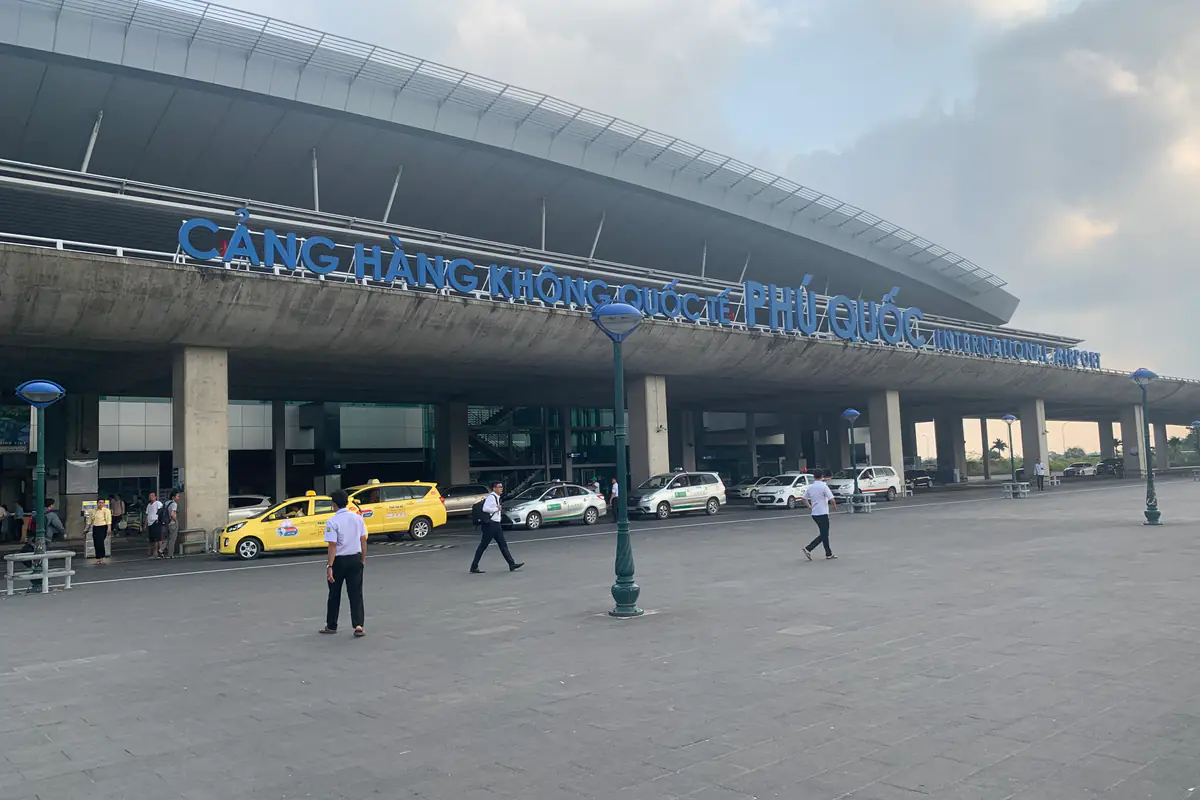
The situation changes if the itinerary includes mainland Vietnam.
A traveler planning Phu Quoc, Ho Chi Minh City, and Da Lat should arrange an appropriate e-visa before traveling if their nationality does not qualify for Vietnam's general visa exemption.
Also check transit arrangements carefully. Passing through a Vietnamese airport's international transit area is not the same as formally entering Vietnam to collect luggage or connect to a domestic flight.
If your journey involves separate flight bookings, ask the airline whether you must clear immigration before reaching Phu Quoc.
Chinese tour groups visiting Khanh Hoa in 2026-2027
Vietnam introduced a specific visa exemption pilot for eligible Chinese tourist groups under Government Resolution No. 325/NQ-CP, dated October 12, 2026.
The scheme runs through December 31, 2027.
It is not a general visa waiver for all Chinese tourists.
The main conditions are:
- Travelers must hold valid ordinary passports issued by mainland China.
- The group must consist of at least two people.
- The trip must be a package tour organized by a Vietnamese international travel company.
- Travelers must fly directly from mainland China to Cam Ranh International Airport.
- Entry and exit must take place through the same Cam Ranh border checkpoint.
- The permitted tourism area is Khanh Hoa Province.
- The visit must not exceed 30 days.
- Passports issued by the Hong Kong and Macao Special Administrative Regions are excluded from this pilot scheme.
This arrangement is relevant to organized tours visiting Nha Trang and other eligible destinations in Khanh Hoa.
It does not automatically cover independent Chinese travelers visiting Hanoi, Sa Pa, or Da Nang.
For a trip outside the pilot program, travelers should check the standard e-visa requirements or another applicable exemption.
The government has also assigned the relevant ministries to issue implementation guidance and establish procedures for participating travel companies.
Anyone considering this particular exemption should have their tour operator confirm eligibility and the applicable process before purchasing flights.
What is a Vietnam e-visa and how long is it valid?
A Vietnam e-visa is an electronic visa issued by the Vietnamese Immigration Department.
It allows eligible foreign nationals to apply online instead of following the traditional paper visa application process.
Since August 15, 2023, Vietnam has made electronic visas available to citizens of all countries and territories under Resolution No. 127/NQ-CP.
That does not mean every application is automatically approved. Applicants must still meet the legal conditions for visa issuance and entry.
Vietnam e-visas can be valid for up to 90 days and are available for single or multiple entries.
| E-visa type | Maximum validity | Entries | Official fee |
|---|---|---|---|
| Single-entry e-visa | 90 days | One | US$25 |
| Multiple-entry e-visa | 90 days | Multiple | US$50 |
The actual validity period depends on the dates approved in your application.
Not every e-visa is automatically issued for the full 90 days.
Single-entry or multiple-entry: which should you choose?
Choose a single-entry e-visa when your entire trip takes place in Vietnam and you enter the country only once.
For example:
- Fly from Bangkok to Hanoi.
- Visit Ninh Binh and Ha Long Bay.
- Travel south through Hue and Hoi An.
- Fly from Da Nang back to Bangkok.
That itinerary involves one entry into Vietnam.
A single-entry e-visa is sufficient, assuming the approved validity covers the trip.
A multiple-entry e-visa makes more sense when you plan to leave Vietnam and return.
For example:
- Fly from Singapore to Hanoi.
- Spend six days in northern Vietnam.
- Fly to Luang Prabang in Laos.
- Return to Hanoi four days later.
- Continue traveling in Vietnam before flying home.
This trip requires two entries into Vietnam.
The multiple-entry visa costs US$25 more than the single-entry version.
That additional expense is worth paying when the itinerary requires it. Buying a single-entry visa to save money can leave you needing another visa before the second entry.
Does a 90-day visa give you 90 days from arrival?
Not necessarily.
An e-visa has a specific start date and expiry date.
Suppose your e-visa is valid from December 1, 2026, to February 28, 2027.
You later change your flight and arrive on December 15.
The visa does not automatically extend by another 14 days.
Your permitted visit must remain within the approved visa validity and the conditions of your entry.
Check both ends of your itinerary before submitting the application, particularly if you are planning a long stay.
Vietnam e-visa official website: where should you apply?
The official website for foreign travelers applying directly for a Vietnam e-visa is:
evisa.gov.vn
Another official domain run by Vietnam's Immigration Department is:
thithucdientu.gov.vn
You can access the portal, select the English interface, and follow the instructions for foreign applicants.
Be careful when searching for terms such as "Vietnam visa online," "Vietnam e-visa application," or "Vietnam visa official website."
Some commercial websites use similar names and offer paid application assistance.
A private visa service may charge additional processing or handling fees. That does not mean it has the authority to issue a government visa or guarantee approval.
For an ordinary tourist application, you can complete the process yourself.
The Ministry of Public Security also provides an official online public-service procedure for electronic visas.
How to apply for a Vietnam e-visa step by step
Applying for a Vietnam e-visa is relatively straightforward once you have your passport and travel dates ready.
You do not normally need to visit a Vietnamese embassy when you qualify for the online application process.
- Step 1
Prepare your passport and photos
Before opening the application form, prepare:
- Your passport, valid for at least six months.
- A clear image of the passport's personal-information page.
- A recent portrait photograph.
- An active email address.
- Your intended arrival and departure dates.
- Your planned accommodation address in Vietnam.
- Your intended port of entry.
- A payment method accepted by the government portal.
The portrait photograph should be 4 x 6 cm.
The photo should clearly show your face looking straight ahead, without glasses or a hat.
Use a plain background and follow the technical format and file-size limits shown on the current application portal.
Your passport information page must be clear enough for the details to be read.
Check the passport's expiry date before applying.
If you are planning to renew your passport, do it before submitting the e-visa application. A visa issued using an old passport number can create problems when you travel on a replacement passport.
- Step 2
Open the official e-visa portal
Go to evisa.gov.vn and select the application section for foreign nationals.
Read the entry conditions and follow the instructions displayed by the system.
You do not need to buy an additional compulsory assistance package from a private agency to access the official form.
- Step 3
Enter your passport details
This is the part of the application that deserves the most attention.
You will generally need information such as:
- Full name.
- Date of birth.
- Nationality.
- Gender.
- Passport number.
- Passport issue and expiry dates.
- Intended arrival date.
- Requested stay period.
- Port of entry.
- Contact and accommodation details.
Enter the details according to your passport and the form's instructions.
Pay particular attention to names containing multiple surnames or middle names.
The letter O and the number 0 are not interchangeable. Neither are the letter I and the number 1.
A single incorrect character in your passport number can cause difficulties when your documents are checked.
Keep your passport beside you while completing the form.
Do not copy passport information from an airline booking confirmation without checking the original document.
- Step 4
Choose your visa validity and entry type
Select either a single-entry or multiple-entry visa based on your route.
For a ten-day holiday entirely within Vietnam, a single-entry e-visa will normally be enough.
For a journey covering Vietnam, Cambodia, and then Vietnam again, choose multiple-entry.
Next, check your requested arrival date and the period you need the visa to cover.
Consider overnight flights, possible schedule changes, and the date you intend to leave.
You should also confirm that your arrival point is among Vietnam's designated e-visa entry checkpoints.
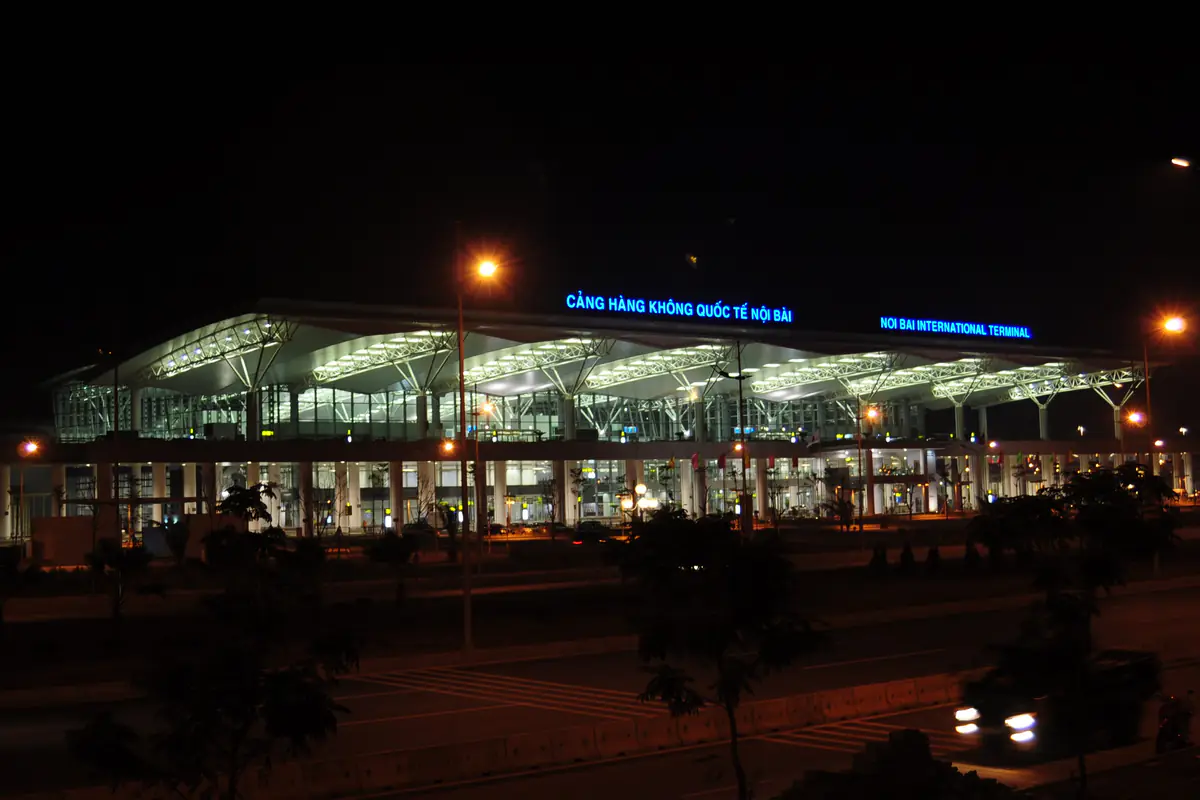
Common international airports used by visitors include Noi Bai, Tan Son Nhat, Da Nang, Cam Ranh, and Cat Bi.
If you plan to cross a land border from Cambodia, Laos, or China, check the exact border checkpoint against the current government list.
Do not assume every international border crossing accepts e-visas.
- Step 5
Review the application and pay
After completing the form and uploading your documents, the system provides an electronic application reference code.
Save it.
You will need the reference code to track your application and retrieve your visa result.
The official fees are:
- US$25 for a single-entry e-visa.
- US$50 for a multiple-entry e-visa.
The visa fee is non-refundable if the application is refused.
Check your full name, passport number, nationality, date of birth, requested validity, and entry type before paying.
Do not submit another identical application simply because your first payment has not produced an immediate visa result.
- Step 6
Track your application
Use the official e-visa portal's application-status function.
Keep your reference code, registered email address, and other verification details available.
If the system asks you to correct or provide additional information, follow the instructions on the portal.
Payment confirmation only shows that you completed the payment process.
It does not mean your e-visa has been approved.
- Step 7
Download and check your e-visa
Once approved, download the electronic visa from the official system.
Check:
- Full name.
- Date of birth.
- Nationality.
- Passport number.
- Visa validity dates.
- Single-entry or multiple-entry status.
- Any other conditions printed on the document.
Print a copy and save the electronic version on your phone.
At the airport, airline staff may examine your visa before issuing a boarding pass.
Having a printed copy is useful when your phone battery is low or internet access is unavailable.
How long does it take to get a Vietnam e-visa?
The official processing period is no more than three working days after the authorities receive a complete application and the required visa fee.
This is not the same as a guarantee that every traveler receives approval exactly 72 hours after submitting the form.
Incomplete information, correction requests, public holidays, and other administrative issues can affect the actual timeline.
| When you apply | What to consider |
|---|---|
| Monday morning | A complete application may be processed over the following working days |
| Friday evening | Do not count the entire weekend as ordinary processing time |
| Just before a major holiday | Allow additional time for holiday closures |
| One day before departure | There is a serious risk that your visa will not be ready |
That is a travel-planning recommendation, not an official processing guarantee.
The extra time is particularly useful if you need to correct a passport number, upload a clearer photograph, or respond to a request from the immigration authorities.
If your trip falls around Tet, Vietnam's Lunar New Year holiday, allow more time.
The official portal can accept online submissions outside regular office hours, but the processing and result-return schedules are not the same as round-the-clock visa issuance.
Try to have your e-visa approved before committing to expensive non-refundable arrangements.
How much does a Vietnam visa cost for foreigners?
For travelers applying directly for a Vietnam e-visa, the official government fee is either US$25 or US$50.
| Visa arrangement | Official cost | Notes |
|---|---|---|
| Single-entry e-visa | US$25 | One entry |
| Multiple-entry e-visa | US$50 | Multiple entries |
| Visa-free entry | No e-visa issuance fee | Only for eligible travelers |
| Third-party visa assistance | Varies by provider | Additional commercial service charge |
If you apply directly through the government portal, you do not need to pay a private company hundreds of dollars just to complete the standard application form.
Your bank may charge a foreign transaction fee or apply its own currency conversion rate.
The amount shown in your home currency can therefore be slightly different from the US-dollar government fee.
If you qualify for a 45-day visa exemption and plan to stay for only two weeks, there is generally no reason to pay US$25 for an e-visa.
Use the exemption.
However, if you intend to stay longer than your visa-free allowance, an approved e-visa may be the better choice.
Be careful with websites or social media accounts offering guaranteed visa approval in exchange for a transfer to a personal bank account.
Visa decisions are made by the Vietnamese authorities, not by a private travel agent.
Should you use visa-free entry or apply for a 90-day e-visa?
The better option depends on your trip length and how many times you plan to enter Vietnam.
For trips shorter than two weeks
Use visa-free entry if your passport qualifies.
A Japanese tourist visiting Hanoi, Ninh Binh, and Ha Long Bay over 12 days does not need to apply for an e-visa just for that holiday.
A US, Canadian, Australian, or Indian traveler on the same itinerary generally needs an appropriate visa.
Traveling together does not mean everyone in the group has the same immigration requirements.
For trips lasting 30 to 45 days
Check the exact exemption period for your passport.
A German tourist can use the 45-day visa exemption when the conditions are satisfied.
A Singaporean or Indonesian visitor has a 30-day ordinary-passport exemption, so a 40-day trip requires a suitable visa.
A Philippine passport holder needs to pay even closer attention because the ordinary visa-free allowance is 21 days.
Leave some margin between your planned departure and the end of your permitted stay.
Do not book a flight out of Vietnam after the expiry of your authorized stay simply because you expect the airline to change the schedule.
For trips lasting 46 to 90 days
An e-visa is often the practical choice for travelers who want to spend longer in Vietnam.
For example, a French tourist planning 20 days in Da Lat, followed by 40 days in Mui Ne, Nha Trang, Hoi An, and Hanoi should arrange an e-visa before departure.
The 45-day exemption does not automatically extend to cover a 60-day holiday.
Travelers with special bilateral arrangements may have different options.
Citizens of Chile and Panama, for example, have 90-day visa exemptions for ordinary passports under the applicable agreements.
Check the conditions for your own nationality before paying for an unnecessary e-visa.
For trips across several Southeast Asian countries
Look at the number of entries, not only the total number of days in Vietnam.
An itinerary covering Hanoi, Hoi An, and Ho Chi Minh City remains entirely inside Vietnam.
An itinerary covering Hanoi, Siem Reap, and Ho Chi Minh City involves leaving Vietnam and entering again.
A single-entry e-visa cannot be reused after you have exited Vietnam.
For eligible visa-exempt travelers, repeat visits may be possible under the relevant exemption rules.
Vietnam removed the former requirement to wait at least 30 days between two entries under its unilateral visa exemption policy through Law No. 51/2019/QH14.
However, each entry remains subject to the applicable conditions and immigration approval.
Do not assume a quick trip across the border guarantees a new period of stay.
Common Vietnam visa mistakes to avoid
Booking flights before checking passport nationality
This is one of the simplest mistakes to avoid.
A British traveler may qualify for 45 days without a visa, while a Canadian friend traveling on the same flight may need an e-visa.
They can book the same hotels, take the same flights, and follow the same route through Vietnam, but their visa requirements are different.
Check everyone's passport separately before buying non-refundable tickets.
Confusing visa validity with permitted stay
A Vietnam e-visa can be issued for up to 90 days, but your approved document may cover a shorter period.
Similarly, a 45-day visa exemption does not give you permission to stay beyond the authorized period.
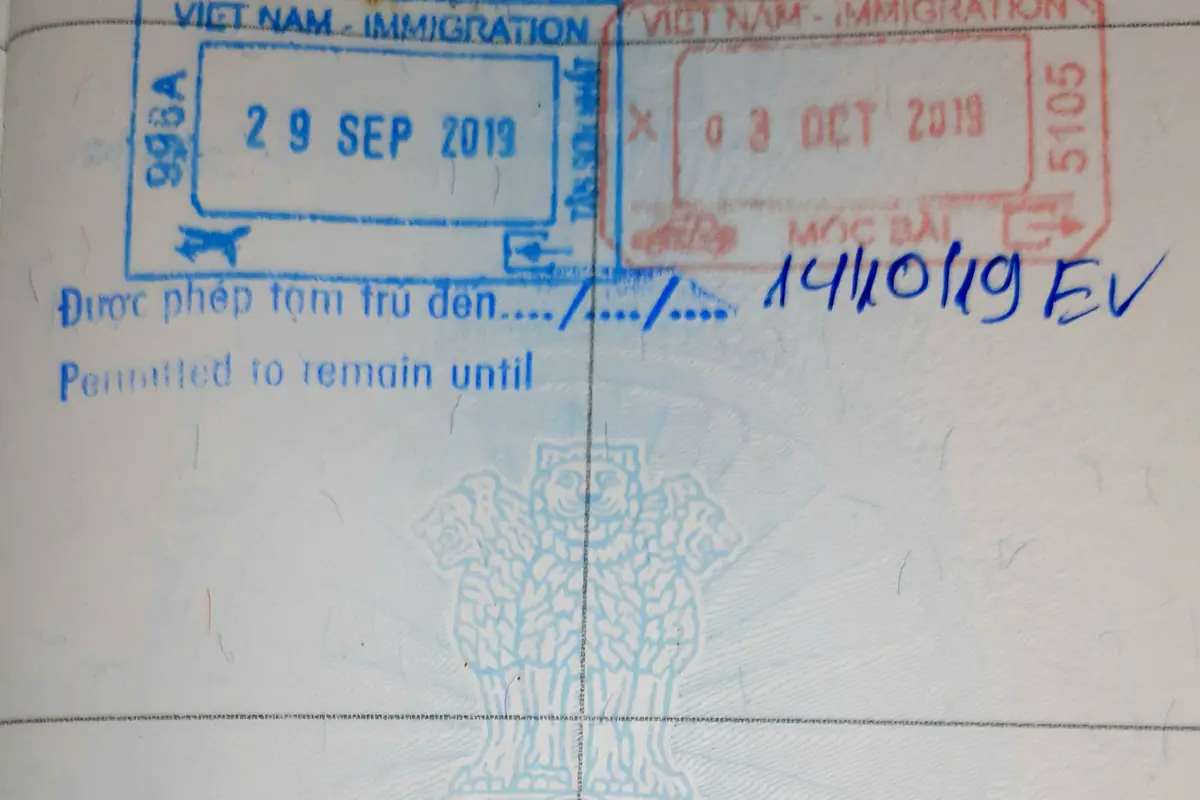
Read the dates on your visa and check the stay granted at immigration.
Keep those details available during your trip.
Applying with the wrong passport
Dual nationals should decide which passport they intend to use before arranging their Vietnam entry documents.
For example, someone holding both French and Canadian passports may qualify for visa-free entry when traveling with an eligible French passport.
If the same traveler applies for an e-visa using the Canadian passport instead, the visa details must match the document used for the relevant entry process.
Do not switch passports casually between the visa application and immigration checks.
Choosing a single-entry visa for a return visit
A single-entry visa may save US$25, but it is the wrong document for a journey that requires two entries into Vietnam.
Write out your travel route before applying.
Hanoi - Hoi An - Ho Chi Minh City is one continuous visit.
Hanoi - Siem Reap - Ho Chi Minh City involves leaving and re-entering Vietnam.
The difference matters.
Ignoring the approved border checkpoints
Vietnam e-visas are accepted at designated international entry and exit checkpoints.
This is particularly important for travelers arriving by bus from Laos or Cambodia.
A crossing appearing on Google Maps does not automatically mean it accepts e-visa holders.
Confirm the border checkpoint and its current visa rules before purchasing international bus tickets.
Assuming payment means approval
After paying the application fee, your visa still needs to be reviewed.
You have an e-visa only when the government system confirms approval and issues the document.
A payment receipt is not a substitute for an approved visa.
What passport requirements apply to Vietnam?
A valid passport is essential whether you enter under a visa exemption or with an e-visa.
Foreign visitors should have a passport valid for at least six months beyond the date of entry.
Keep at least two blank pages for immigration stamps.
Before traveling, check the following details.
Full name: Your visa application details must match your passport and the relevant travel documents.
Passport number: Every letter and digit should be correct.
Passport condition: Damaged pages or an unreadable personal-information page can create difficulties at check-in or immigration.
Expiry date: The passport should meet the validity requirements for your journey.
Children's documents: Each child must have the appropriate travel documents and satisfy the relevant entry or visa conditions. Do not assume a child can automatically travel on a parent's e-visa.
If your passport is close to expiry, renew it before applying for an e-visa.
It is easier to arrange a new visa using a new passport than to deal with mismatched passport numbers at the departure airport.
Can you get a Vietnam visa on arrival at the airport?
Do not plan your holiday on the assumption that you can arrive at a Vietnamese airport and buy a visa at an immigration counter.
Vietnam provides visa issuance at border gates in certain legally defined circumstances, but that is not an unrestricted visa-on-arrival service for every tourist.
For independent travelers who are not visa-exempt and qualify for an e-visa, applying online before departure is the more straightforward option.
For example, an American citizen flying from Singapore to Ho Chi Minh City should have an approved e-visa or another valid entry document before checking in at Changi Airport.
Do not wait until the airline counter to start the application.
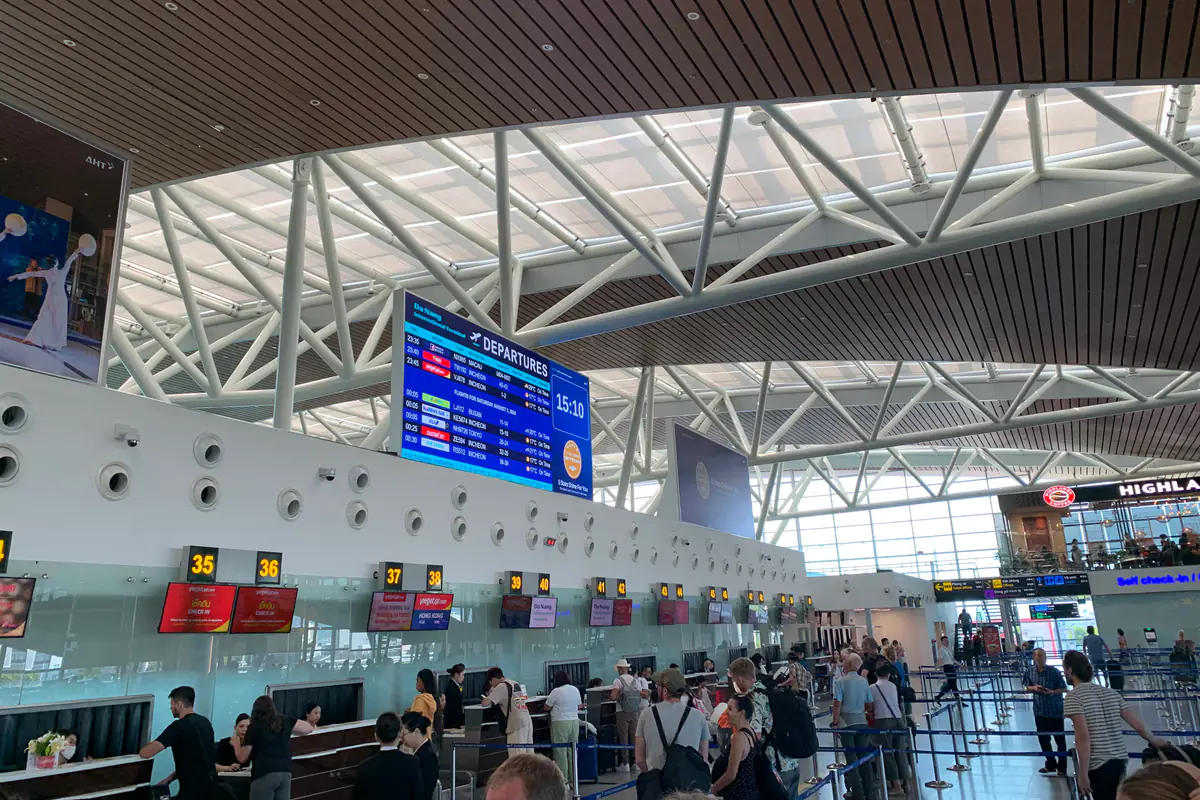
Transit arrangements also need attention.
A passenger connecting between international flights without formally entering Vietnam may face different requirements from someone who must clear immigration, collect luggage, and check in again.
This is especially relevant when you have separate airline tickets.
Ask your airline whether your transit involves entering Vietnam before deciding that no visa is necessary.
Seven things to check before booking flights to Vietnam
You do not need to study every Vietnamese immigration law to organize a normal holiday.
Check these seven points first:
- Passport nationality: Are you eligible for visa-free entry?
- Passport type: Are you traveling on an ordinary, diplomatic, or official passport?
- Purpose of visit: Is your trip for tourism, work, or another purpose?
- Length of stay: Does your itinerary fit within the applicable 14-, 21-, 30-, 45-, or 90-day exemption?
- Number of entries: Will you leave Vietnam and return during the same trip?
- Passport validity and arrival checkpoint: Do your documents and entry route meet the requirements?
- E-visa status: If a visa is required, has it actually been approved?
Any separate arrival declaration or pre-arrival reporting requirement belongs to the arrival-form process and should be checked independently of your visa.
For a longer itinerary, write down the date you first enter Vietnam, the date you leave, and every occasion when you plan to return.
Then choose the exemption or visa that matches those dates.
For groups with several nationalities, repeat the check for each traveler. It is much easier to find a visa problem while planning at home than at an airport check-in desk.
A French passport can be enough for a 45-day holiday in Vietnam without a visa, while a US passport generally requires an e-visa even for a one-week visit. Check your nationality, permitted stay, and visa approval before buying your flight so your first immigration check does not become a problem at the departure airport.
FAQ
Do I need a visa for Vietnam?
It depends on your passport nationality, the purpose of your visit, and how long you intend to stay. For example, French citizens can enter visa-free for up to 45 days under Resolution No. 44/NQ-CP, while US citizens visiting as ordinary tourists generally need an appropriate visa, commonly an e-visa.
How long can foreigners stay in Vietnam on a visa?
A Vietnam e-visa can be valid for up to 90 days and may allow one or multiple entries. Visa-free entry periods vary by nationality and applicable agreement, with common allowances of 14, 21, 30, 45, or 90 days. Always check the dates and permitted stay on your approved documents.
How long does it take to get a Vietnam e-visa?
The official processing deadline is three working days after the authorities receive a complete application and payment. Applying one to two weeks before departure gives you additional time to deal with incorrect details, requests for changes, or public holidays.
What is the official Vietnam e-visa website?
The official website is evisa.gov.vn. Another official domain run by the Immigration Department is thithucdientu.gov.vn. Government e-visa fees are US$25 for single entry and US$50 for multiple entries.
Can I apply for a 90-day e-visa if my passport qualifies for 45 days visa-free?
Yes. Travelers eligible for a 45-day visa exemption may still apply for an e-visa if they meet the relevant visa requirements and want a longer permitted stay. It is better to obtain an appropriate e-visa before entering Vietnam than to assume a 45-day visa-free stay can automatically become a 90-day stay after arrival.