Vietnam trip cost for 10 days, item by item
A budget traveler can cover 10 days across Vietnam, from Hanoi to Ho Chi Minh City, for around VND 10.6 million, excluding international flights. Two people sharing rooms can plan on about VND 20 million, or around VND 34.6 million for a more comfortable trip. Intercity trains, buses, and flights are what move the total most.
By Da Lat LoversPublished Updated
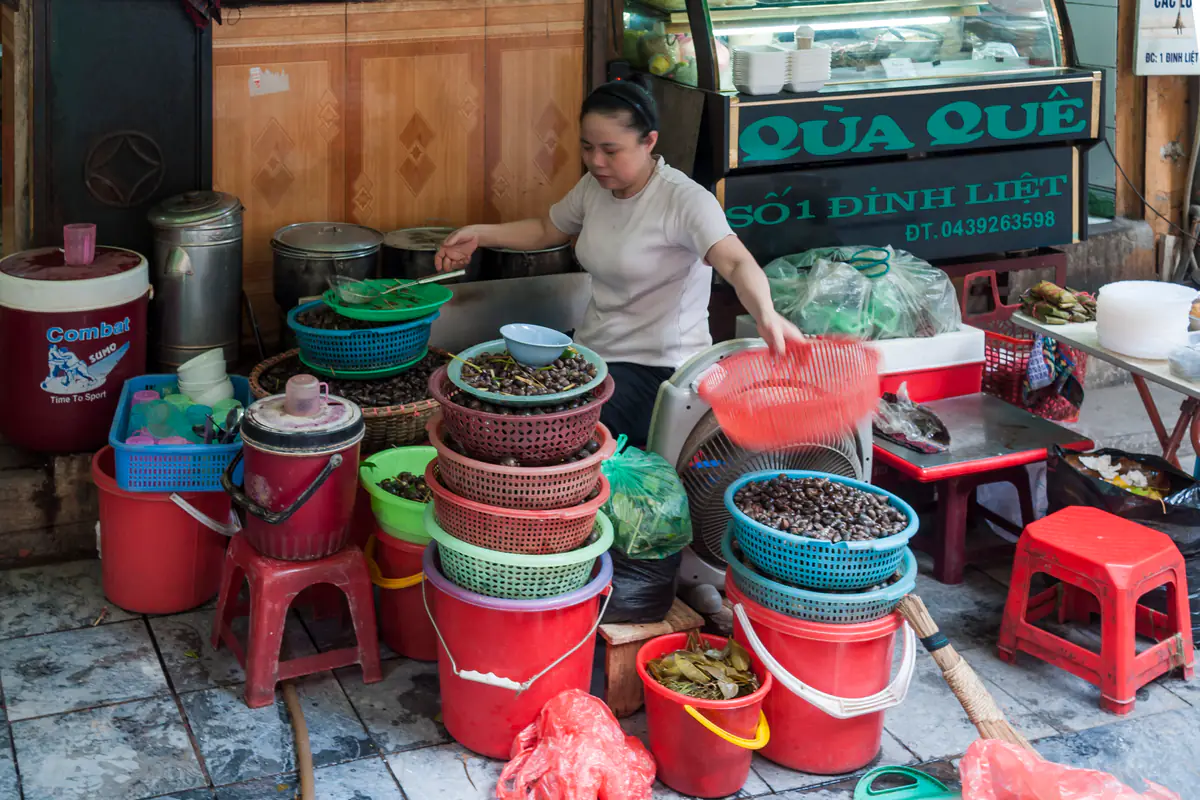
Baskets of snails at a sidewalk stall on Dinh Liet Street in Hanoi.
A budget traveler can plan a 10-day journey from Hanoi to Ho Chi Minh City for around VND 10.6 million, excluding international flights. Two people sharing accommodation could budget approximately VND 20 million for the trip, while a more comfortable journey for two may cost around VND 34.6 million. These are planning estimates based on specific spending allowances, not fixed tour prices or guaranteed travel costs.
How much does a 10-day trip to Vietnam cost?
First, distinguish between traveling across Vietnam and spending 10 days in one region. Visiting Hanoi, Ninh Binh, and Ha Long Bay costs considerably less in intercity transportation than covering Hanoi, Hue, Da Nang, and Ho Chi Minh City.
A first trip that covers northern, central, and southern Vietnam will usually involve at least one domestic flight or a long-distance train ride. That expense can make a noticeable difference to your total budget, even when your daily food and accommodation costs remain relatively low.
Estimated 10-day Vietnam travel budget
| Travel style | One person | Two people | Per person, per day |
|---|---|---|---|
| Budget travel | VND 9-13 million | VND 18-25 million | VND 900,000-1.3 million |
| Mid-range travel | VND 12-17 million | VND 24-34 million | VND 1.2-1.7 million |
| Comfortable travel | VND 17-25 million | VND 34-50 million | VND 1.7-2.5 million |
These estimates assume a 10-day, nine-night independent trip through several destinations, with regular meals, public or private transportation, and a selection of paid attractions.
Not included: international flights, visa fees where applicable, substantial personal shopping, travel insurance, or additional domestic flights outside the sample itinerary.
The lower end of each range depends on finding accommodation and transportation within your budget, particularly outside peak holiday periods. A trip with several flights, resort accommodation, or expensive attractions can easily exceed these estimates.
Traveling as a couple is also different from traveling alone. You can share a hotel room and some taxi fares, but flights, trains, buses, and most attraction tickets are still charged per person. Two people usually spend less per person than a solo traveler, but their combined costs will not be as low as those of one person.
Divide your Vietnam budget into six main expenses
Don't simply divide your total budget by 10 and expect to spend the same amount every day. A day walking around Hanoi's Old Quarter may be inexpensive. A day involving an overnight train or a visit to Ba Na Hills can use up a much larger portion of your budget.
The easiest way to keep costs under control is to separate your spending into six categories: accommodation, food, local transportation, intercity transportation, attractions, and contingency money.
Sample budget for one person
Consider a route covering Hanoi, Ninh Binh, Hue, Da Nang/Hoi An, and Ho Chi Minh City, with one night on a sleeper train and eight nights in hotels or guesthouses.
| Expense | Calculation | Total |
|---|---|---|
| Accommodation | 8 nights x VND 350,000 | VND 2,800,000 |
| Food and drinks | 10 days x VND 200,000 | VND 2,000,000 |
| Local transportation | 10 days x VND 100,000 | VND 1,000,000 |
| Intercity transportation | Trains, buses, one flight | VND 2,800,000 |
| Sightseeing | Selected attractions | VND 1,000,000 |
| Contingency fund | Unexpected expenses | VND 1,000,000 |
| Total | VND 10,600,000 |
The intercity transportation allowance already includes a berth on an overnight train. That is why the itinerary has eight hotel nights and one train night.
The VND 350,000 accommodation allowance and VND 200,000 daily food budget are planning targets, not advertised prices from particular hotels or restaurants.
You could spend less by staying in hostels, but always check the final room price and location before booking. A cheap hotel 8-10 kilometers from the center may end up costing more than a slightly more expensive room within walking distance of the places you want to visit.
Accommodation costs: solo travelers vs. couples
Accommodation is usually one of the easiest expenses to manage because you can find out the total price before your trip, but it's also easy to underestimate if you only look at the nightly rate.
Use the following amounts as search budgets for a 2026 Vietnam trip. They are not verified prices for specific properties.
| Accommodation type | Suggested budget per night |
|---|---|
| Hostel dormitory bed | VND 150,000-300,000 per person |
| Budget private room | VND 300,000-500,000 per room |
| Mid-range hotel | VND 600,000-1 million per room |
| More comfortable hotel | VND 1-1.8 million per room |
Actual rates depend on the destination, travel dates, room category, and cancellation conditions.
Where should you stay to reduce transportation costs?
In Hanoi, travelers with only two days should consider the Old Quarter, Hoan Kiem, or nearby streets within walking distance of their main attractions. A hotel right on Hoan Kiem Lake rarely justifies a much higher rate; a location that saves time and daily taxi fares is often more valuable.
In Ninh Binh, decide whether you want to stay in Tam Coc or the city center. Staying near Tam Coc and Trang An is usually more convenient when you'll spend most of your time there, since you won't be arranging transport from a distant hotel each morning.
In Hue, streets such as Vo Thi Sau, Chu Van An, and Pham Ngu Lao have accommodation and places to eat.
In Da Nang, stay near My Khe Beach if your priority is swimming and relaxing by the sea. Choose Hai Chau if you prefer restaurants, urban sightseeing, and convenient access to the railway station or airport.
In Ho Chi Minh City, look around Ben Thanh Market and Nguyen Thai Binh for a central base.
The important point isn't whether a hotel advertises itself as centrally located. It's whether you can reach the places on your itinerary without making several unnecessary trips.
Check these details before paying
Don't stop at the first price displayed on a booking website. Open the final price breakdown and check taxes, service charges, breakfast, additional guest fees, and cancellation conditions.
On a trip through several provinces, keep at least some hotel bookings flexible. A delayed train, heavy rain, or flight schedule change may force you to rearrange your plans. Fully non-refundable rooms can make those changes expensive.
Also check the hotel's check-in and check-out times. Arriving in Hue early in the morning on an overnight train doesn't mean your room will be available immediately. Getting into a room in the morning means asking about early check-in beforehand or paying for luggage storage and additional charges.
How much should you budget for food in Vietnam?
Food doesn't have to be the biggest part of your Vietnam travel budget, particularly when you eat at ordinary local restaurants. The expenses that tend to add up are drinks, dinners, and additional dishes ordered while traveling with others.
You can divide your daily food budget into three levels.
| Travel style | Daily food budget | What it covers |
|---|---|---|
| Budget | VND 150,000-220,000 | Local eateries and simple meals |
| Mid-range | VND 250,000-350,000 | Local restaurants mixed with sit-down dining |
| Comfortable | VND 400,000-600,000 | Restaurants, cafés, drinks, and extra dishes |
These amounts are daily spending allowances, not fixed menu prices at individual restaurants.
With VND 200,000 per day, one way to divide your budget is VND 40,000 for breakfast, VND 60,000 for lunch, VND 70,000 for dinner, and VND 30,000 for drinks. Treat those as rough targets; spending more one day simply means adjusting another.
In Hanoi, dishes such as pho, bun cha, and rice meals at local eateries can work well for budget travelers.
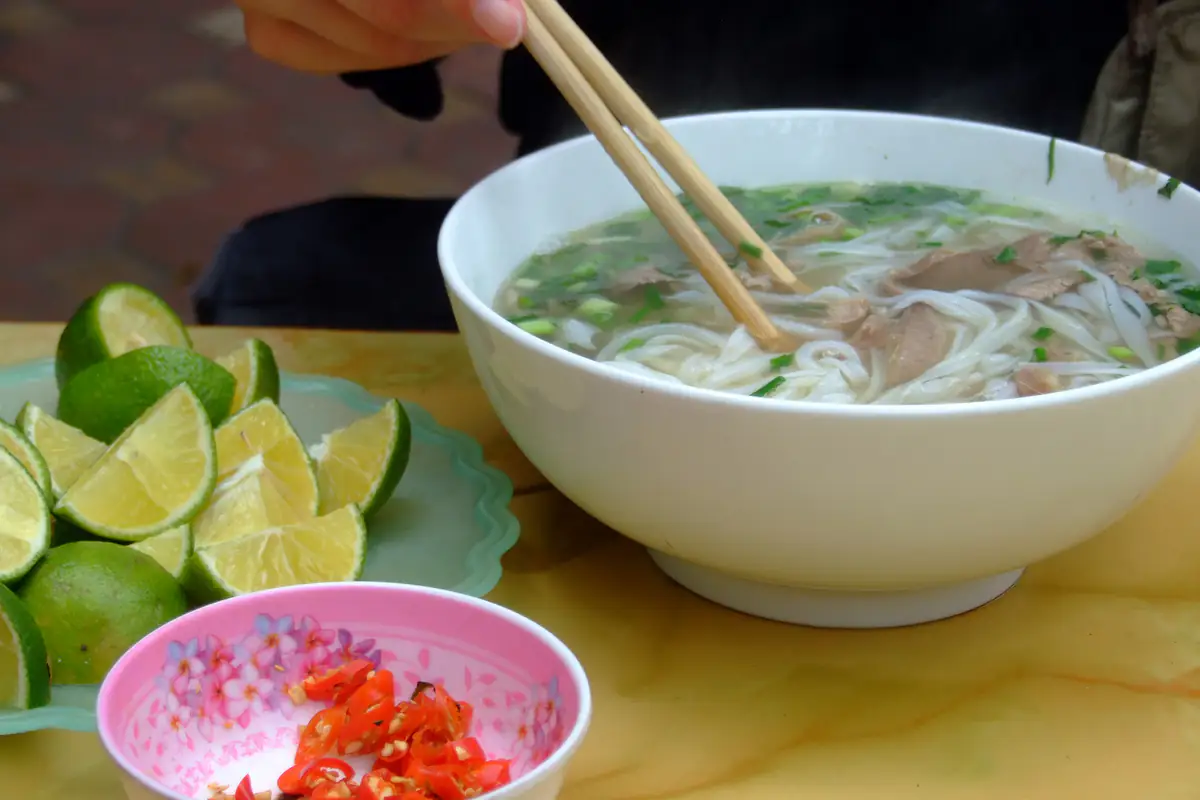
Ninh Binh is known for goat dishes and crispy rice. Two people ordering several plates should ask about portion sizes first.
In Hue, spread the local specialties across different meals instead of ordering them all in one sitting: bun bo Hue, com hen, banh beo, banh nam, and banh loc.
Da Nang has mi Quang, bun cha ca, and pork-and-rice-paper rolls. In Ho Chi Minh City, com tam, hu tieu, banh mi, and everyday rice restaurants are easy options for a practical daily food budget.
Local food can still get expensive, though. Seafood charged by weight, large specialty meals, or drinks in tourist-oriented establishments can exceed what you've planned.
Check the menu price on dishes sold by portion before ordering extras.
You also don't need to save money on every meal. Keep breakfast and lunch simple, then spend more on a dinner you particularly want to enjoy.
Intercity transportation: the expense that can change your entire budget
On a trip across Vietnam, getting between cities is the most important part of the budget.
Hanoi, Hue, Da Nang, and Ho Chi Minh City lie along a roughly north-to-south route, but traveling the entire distance by train takes considerable time. With only 10 days, it's usually better to choose a few scenic train journeys and consider flying on longer sections.
Hanoi to Ninh Binh
Both trains and limousine minibuses work well here.
X.E Việt Nam limousines on this route cost from approximately VND 180,000 in 2026, with an average of around VND 195,000 per journey. One pickup point in Hanoi is 72 Tran Nhan Tong Street. Many services take around two hours.
You can also catch a train from Hanoi Railway Station to Ninh Binh Railway Station. The train is convenient when its departure time fits your schedule, but remember to include transportation from Ninh Binh Station to Tam Coc or your accommodation.
On a day trip to Trang An and back to Hanoi, a convenient drop-off point matters more than the cheapest advertised ticket.
Ninh Binh to Hue
It's a long haul, which makes the overnight train a good fit.
The November 2026 timetable has train SE3 departing Ninh Binh at approximately 9:36 PM and arriving in Hue at around 7:50 AM the following morning. A soft seat costs approximately VND 652,000. Sleeper berths cost differently depending on the carriage and berth position.
Budget roughly VND 1-1.4 million per person for a sleeper berth, then replace that estimate with the actual fare when booking. The figure is a planning allowance, not a fixed price for train SE3.
Sitting upright for more than 10 hours overnight may save money, but you could arrive exhausted. A sleeper berth gives you somewhere to rest while covering the distance and saves a hotel night.

Check the station names, departure date, and arrival date carefully. A train arriving the following morning must be counted on the next day of your itinerary.
Hue to Da Nang
Consider taking a daytime train if you'd like to enjoy the scenery around Hai Van Pass.
Train HD1 departs Hue at 7:05 AM and reaches Da Nang at approximately 10:10 AM. A 2026 ticket costs around VND 234,000 per person. Some regular SE trains have lower soft-seat fares.
You can take a conventional train to save money or choose the heritage connection train for the experience. The trip takes around three hours, so you won't lose an entire sightseeing day.
A cheaper alternative is the LK01 intercity bus, which connects Hue's Southern Bus Station with Da Nang Central Bus Station. The full-route fare is VND 80,000 in 2026, and buses run from approximately 5:30 AM to 7:00 PM.
The bus goes through the Hai Van Tunnel, so you miss the coastal mountain views you get from the railway. Choose according to what matters more to you: the lowest fare or the journey itself.
Da Nang to Hoi An
Solo travelers on a flexible schedule have little reason to book a private car here.
Bus route 02 connects Da Nang Central Bus Station with the Hoi An - Cua Dai area. The full-route fare is VND 30,000 in 2026, and buses run from approximately 4:45 AM to 6:00 PM.
This service is useful for daytime travel, particularly if you have light luggage and can reach the bus stop easily.
Two people traveling with suitcases may find a car booked through a ride-hailing app more convenient. Compare the total price for both passengers and the travel time; sometimes the car is the better option.
Da Nang to Ho Chi Minh City
Flying is usually the practical choice on a 10-day itinerary.
Vietnam Airlines economy fares from Da Nang to Ho Chi Minh City start at approximately VND 1,097,000 one-way, including taxes and fees. That price isn't guaranteed for every date.
Budget approximately VND 1.2-2 million per person for a normal travel day, then check the final booking price. Holiday periods can be considerably more expensive.
For example, Ho Chi Minh City - Da Nang flights on April 29, 2026, just before the holiday, cost approximately VND 2.1-3.5 million one-way depending on the airline. That's why using the lowest promotional price to budget for a public holiday can be misleading.
When comparing Vietjet Air, Vietnam Airlines, or other carriers, use the same baggage allowance, departure date, and airport transfer assumptions. A flight that initially appears cheap may no longer be the best deal after adding checked baggage, schedule changes, or taxi fares.
Intercity transportation cost summary
| Route | Recommended transport | Approximate cost per person |
|---|---|---|
| Hanoi - Ninh Binh | X.E Việt Nam limousine | VND 180,000-195,000 |
| Ninh Binh - Hue | Overnight sleeper train | VND 1-1.4 million |
| Hue - Da Nang | HD1 train | Around VND 234,000 |
| Da Nang - Hoi An | Bus route 02 | VND 30,000 per full-route journey |
| Da Nang - Ho Chi Minh City | Flight | VND 1.2-2 million |
The figures combine 2026 fares and planning allowances. Actual ticket prices depend on departure dates, availability, travel class, and booking conditions.
Your final intercity transportation cost will also depend on whether you return from Hoi An to Da Nang, take taxis to railway stations, and need airport transfers. The sample budget separates these expenses between intercity and local transportation to avoid counting them twice.
Sightseeing costs: you don't need paid attractions every day
Roughly VND 800,000-1.5 million per person is a reasonable starting point for 10 days of regular sightseeing, excluding expensive amusement parks.
Travelers who mostly walk around cities, visit free attractions, and choose a few major historical sites will spend less. On the other hand, adding Ba Na Hills, a cruise, performances, or full-day guided tours can increase your budget quickly.
Selected Vietnam attraction prices for 2026
| Attraction | Adult admission | Notes |
|---|---|---|
| Temple of Literature, Hanoi | VND 70,000 | Standard admission |
| Trang An, Ninh Binh | VND 300,000 | Boat ticket from January 1, 2026 |
| Imperial City, Hue | VND 200,000 | Admission to the Imperial City |
| Marble Mountains - Thuy Son | VND 40,000 | Elevator not included |
| Am Phu Cave, Da Nang | VND 20,000 | Separate entrance ticket |
| Sun World Ba Na Hills | VND 1,000,000 | Early-2026 adult price for visitors without resident discounts |
These are 2026 adult prices; discounts, promotions, and prices at the time of your visit may differ.
Hoi An needs a closer look because its admission rules changed during 2026. From August 10, 2026, Hoi An Ancient Town charges a VND 20,000 fee per cultural heritage site, applying equally to Vietnamese and foreign visitors. Pick the sites you actually want to enter and add the new per-site fee for each one, instead of an old package price.
Which attractions should you prioritize?
In Hanoi, the Temple of Literature is straightforward to include in a half-day itinerary. Standard admission is VND 70,000 in 2026, with daytime visiting hours from 8:00 AM to 5:00 PM.
Give Trang An a morning or afternoon to itself, without squeezing other paid attractions into the same period. From January 1, 2026, adult boat admission went up from VND 250,000 to VND 300,000.

In Hue, the VND 200,000 Imperial City ticket makes sense if you have half a day or a full day. Travelers planning to visit the Minh Mang, Tu Duc, and Khai Dinh royal tombs should examine combination tickets, but only buy one if they genuinely have enough time for the included sites.
Marble Mountains works well as a morning activity in Da Nang. Thuy Son is open from approximately 7:00 AM to 5:00 PM. Go early during hot weather, bring water, and wear shoes with a reliable grip on the stone steps.
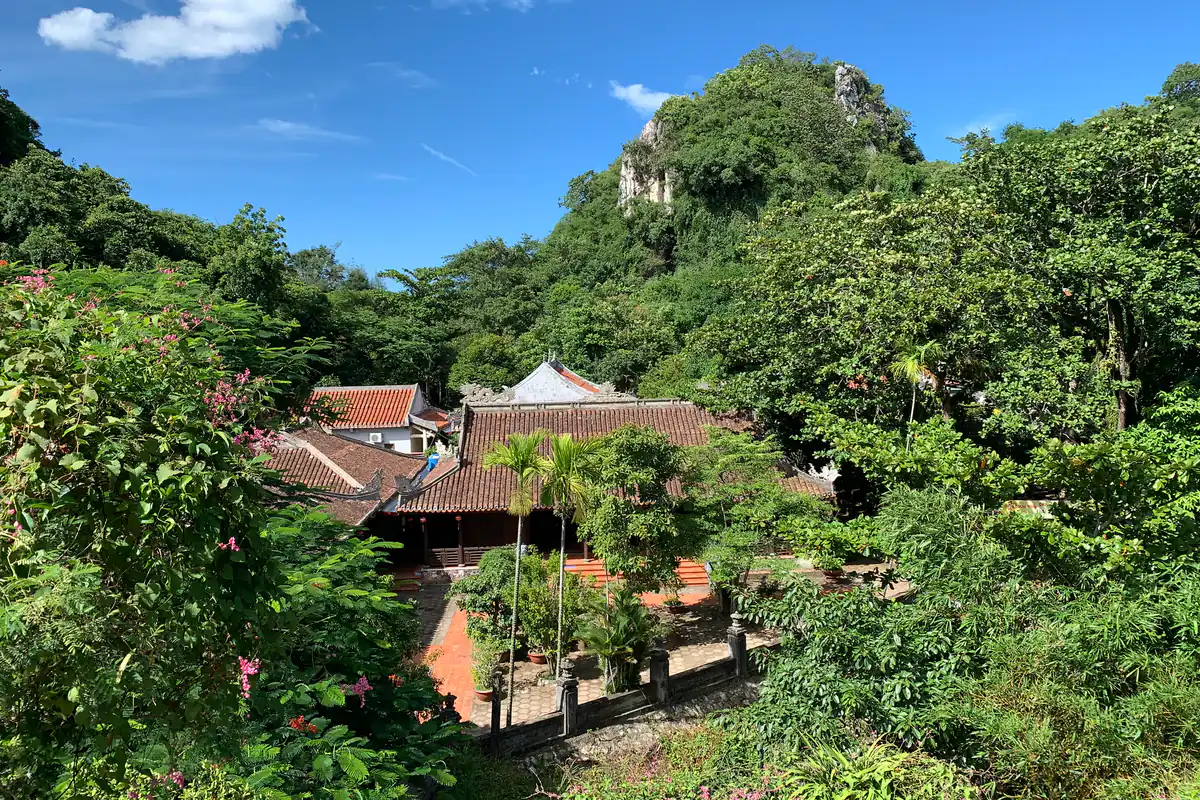
Ba Na Hills is the attraction most likely to make a noticeable difference to your Da Nang budget. One adult ticket can cost almost as much as several other historical attractions combined. Travelers who aren't into amusement parks are better off skipping Ba Na Hills and putting the money toward Hue, Hoi An, or an additional night of accommodation.
A practical 10-day Vietnam itinerary and spending plan
Budget figures are easier to use when you can see how many days you're spending in each place.
The following route travels from north to south, using an overnight train between Ninh Binh and Hue and a domestic flight between Da Nang and Ho Chi Minh City.
| Day | Destination and main activity | Overnight stay |
|---|---|---|
| 1 | Arrive in Hanoi, check in, explore Hoan Kiem | Hanoi |
| 2 | Hanoi sightseeing, Temple of Literature or a museum | Hanoi |
| 3 | Travel to Ninh Binh, visit Tam Coc or nearby areas | Ninh Binh |
| 4 | Trang An boat trip, overnight train to Hue | Sleeper train |
| 5 | Arrive in Hue, visit the Imperial City, rest | Hue |
| 6 | Train from Hue to Da Nang, beach or city center | Da Nang |
| 7 | Hoi An or Marble Mountains | Da Nang |
| 8 | Fly to Ho Chi Minh City, light sightseeing | Ho Chi Minh City |
| 9 | Explore Ho Chi Minh City | Ho Chi Minh City |
| 10 | Breakfast, last-minute shopping, airport departure | No overnight stay |
Which days cost the most?
Day 4 includes both the Trang An boat ticket and an overnight sleeper berth, so pay for these before allocating money to meals and smaller activities.
Day 6 includes the Hue - Da Nang train. The LK01 bus is cheaper, although you'd miss the scenic railway section around Hai Van Pass.
Day 7 is where budgets often change because you must choose between Hoi An, Marble Mountains, and Ba Na Hills. One day is enough for one main destination, not all three.
Day 8 includes your domestic flight, any baggage charges not included in the ticket, and transportation from the airport to your hotel. Keep sightseeing light on this day. Checking out, getting to the airport, flying, and checking into another hotel all take time.
Days spent walking around a city center usually cost less. You can use any money saved on those days for a memorable meal or an activity you particularly want to try, but don't spend your entire contingency fund.
When should you remove a city from your itinerary?
Travelers who'd rather avoid an overnight train can skip Ninh Binh and add an extra day in Hanoi or Hue. That reduces hotel changes and may make flight planning easier.
Families with young children, older travelers, and anyone carrying several suitcases may find Hanoi - Hue - Da Nang/Hoi An - Ho Chi Minh City easier to manage than adding another overnight stop in Ninh Binh.
With only 10 days, it's better to remove a destination than rush through everything.
Travelers who particularly enjoy limestone scenery can keep Ninh Binh and reduce their time in Ho Chi Minh City. Beach lovers could stay in Da Nang for three nights and give up a day in Hanoi or Hue. Reducing the number of hotel changes usually makes your budget easier to control.
How much does it cost to visit Da Nang?
Da Nang can be inexpensive when you focus on the beach and city center. Amusement parks, private transportation, and several paid activities can also make it one of the more expensive stops on your trip.
Here's a two-day budget for one person.
| Expense | Budget travel | Comfortable travel |
|---|---|---|
| Accommodation, 2 nights | VND 700,000 | VND 2,400,000 |
| Food, 2 days | VND 400,000 | VND 800,000 |
| Local transportation | VND 200,000 | VND 400,000 |
| Attractions and activities | VND 200,000 | VND 1,200,000 |
| Total | VND 1,500,000 | VND 4,800,000 |
These are two-day spending targets for Da Nang, excluding transportation to and from the city. Don't add this entire table to the overall trip budget if you've already included your Da Nang accommodation, meals, and sightseeing in the six original expense categories.
What should you do with two days?
On a budget, spend your first day exploring My Khe Beach and eating around An Thuong or the city center. On the second day, choose Marble Mountains or Hoi An.
Heading to Hoi An in the afternoon gives you time to explore the streets before and after sunset. Remember to include the cost of getting back to Da Nang once the public buses stop running.
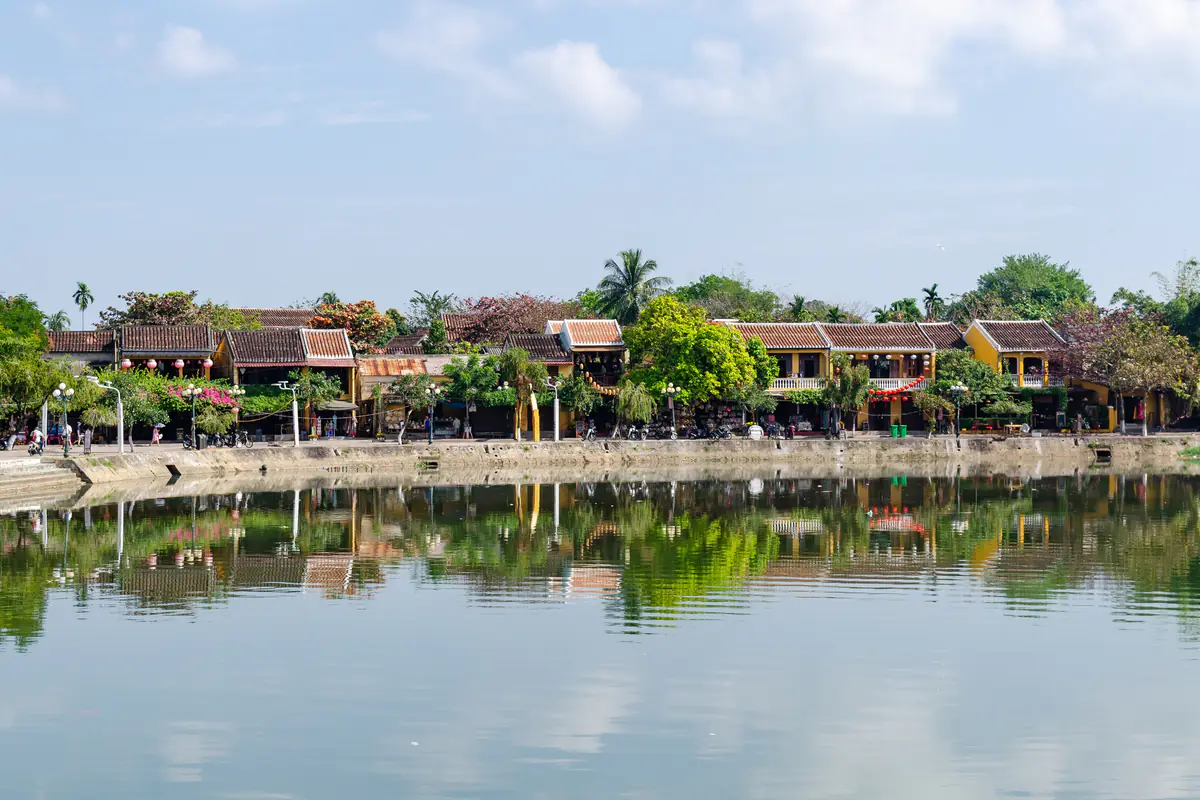
Ba Na Hills takes up most of a day. The admission ticket alone is a major expense. Adding transportation and meals will make it a considerably more expensive day than walking around the beach or city center.
Two people sharing a room near their main area of interest save on travel time and transport costs. Sleeping in Hoi An pays off mainly when you actually want to spend more time in the Ancient Town. Changing hotels just for a few hours of sightseeing usually isn't necessary.
Can staying in Da Nang reduce the total cost of your trip?
Yes, especially if you stay for two or three nights instead of changing hotels repeatedly throughout central Vietnam.
Hue and Da Nang are connected by trains and buses, while Hoi An is easily reachable as a day trip, so a short schedule doesn't call for separate hotels in all three.
However, don't squeeze every attraction into one day just to reduce hotel nights. The cost of private transportation and the exhaustion of constantly moving around may outweigh the money saved.
Vietnam trip cost for two people
A couple can't simply double every expense of a solo traveler, so work the budget out separately.
For example, two budget travelers share hotel rooms for eight nights and take one overnight train.
| Expense | Total for two people |
|---|---|
| Accommodation: 8 x VND 550,000 | VND 4,400,000 |
| Food: 10 x 2 x VND 200,000 | VND 4,000,000 |
| Local transportation | VND 2,000,000 |
| Intercity trains, buses, and flights | VND 5,600,000 |
| Attractions | VND 2,000,000 |
| Contingency fund | VND 2,000,000 |
| Total | VND 20,000,000 |
That's VND 10 million per person for 10 days. Accommodation is shared, but most transport and admission tickets are still charged individually.
Two travelers who prefer better hotels, more taxis, and comfortable restaurant meals might budget like this:
| Expense | Total for two people |
|---|---|
| Accommodation: 8 x VND 1,200,000 | VND 9,600,000 |
| Food and drinks | VND 8,000,000 |
| Local transportation | VND 3,600,000 |
| Intercity transportation | VND 6,800,000 |
| Attractions and experiences | VND 3,600,000 |
| Contingency fund | VND 3,000,000 |
| Total | VND 34,600,000 |
VND 34.6 million isn't a figure you have to hit for a comfortable holiday. It simply gives you more room to choose hotels, restaurants, and transportation without constantly worrying about small expenses.
Groups of three or four should recalculate accommodation based on the number of rooms required. Four people sharing one car can be more economical than paying for several separate rides, but hotels may require two rooms instead of one.
Families with children can't just multiply the adult budget by the number of travelers. Child fares depend on age, height, and the operator. Check flights, trains, attractions, and hotel room policies separately.
What additional costs should international visitors consider?
International tourists and Vietnamese travelers can use the same domestic transportation, but foreign visitors may need to include additional expenses depending on where they are traveling from and their entry requirements.
International flights
Keep international airfare completely separate from your Vietnam daily budget. Someone flying from Singapore, Bangkok, or Kuala Lumpur will face very different travel costs from someone arriving from Europe, the United States, or Australia.
On a north-to-south route, compare flying into Hanoi and out of Ho Chi Minh City with a regular round-trip ticket to one city.
Arriving in Hanoi and leaving from Ho Chi Minh City may save you a return journey across Vietnam, but it can cost more than a regular round-trip airfare. Compare the combined cost of international and domestic flights for each option before deciding.
Visas and entry requirements
Foreign visitors should check the visa exemption or e-visa rules that apply to their nationality, intended length of stay, and purpose of travel.
In 2026, a Vietnam e-visa costs USD 25 for single entry and USD 50 for multiple entries. Only travelers who need an e-visa pay it, so don't add visa costs to everyone's budget.
Travelers eligible for visa-free entry may not need to pay this fee, while those using another visa category should check the applicable conditions.
Cash and card payments
Keep an appropriate amount of Vietnamese dong in cash for small eateries, local transportation, and unexpected expenses. Larger hotels, airlines, and many advance-booking services support electronic payment, but not every establishment accepts international cards.
Exchange rates, local currency denominations, and practical money advice are covered in a dedicated guide to Vietnamese currency. This budget uses VND throughout to avoid introducing exchange-rate differences that may change over time.
SIM cards, mobile data, and travel insurance
A local SIM or eSIM is a small expense compared with airfare, but international visitors should still include it in their plans. Prices depend on the mobile operator, data allowance, and validity period.
Travel insurance should also be considered separately according to your planned activities and coverage needs. There isn't one suitable insurance price for everyone because premiums and benefits vary by age, departure country, and policy conditions.
How does the travel season affect your budget?
Accommodation and transportation costs aren't the same throughout the year. A hotel may be affordable on a weekday and substantially more expensive during a holiday, festival, or busy weekend.
Tet and national holidays
Over Vietnamese Lunar New Year, April 30-May 1, and the September 2 holiday period, check transportation prices before committing to your itinerary.
Domestic flights to popular destinations can be considerably more expensive on peak travel dates, and the lowest advertised airfare is rarely what you'll actually pay during a national holiday.
Restaurants, bus services, and attractions may also change their operating hours. Keep a larger contingency allowance when traveling over major holidays.
Summer
June through August is a popular time for Vietnamese families to take beach holidays. Destinations such as Da Nang, Hoi An, and coastal resorts may be especially busy on weekends.
Travelers with flexible dates should compare weekday accommodation and flight prices. Moving a flight or hotel booking by a day can sometimes save more money than reducing your food budget.
The rainy season in central Vietnam
During periods of heavy rainfall, particularly in central Vietnam, outdoor sightseeing and transportation can be affected.
Adding an arbitrary amount for rain helps less than keeping your itinerary flexible: choose some refundable accommodation, avoid purchasing every attraction ticket too far ahead, and leave time between connecting journeys.
A weather-related route change means recalculating the budget for your new plan. Ticket refunds and schedule changes depend on each operator's conditions, and some bookings can't be fully refunded.
Hidden expenses travelers often forget
Some costs look insignificant individually but can add up across 10 days.
Transfers to stations and airports: A train or plane ticket only covers the journey between the locations stated on the ticket. You may still need to pay for taxis or other transportation to and from your accommodation. Solo travelers should pay particular attention because they can't split those costs.
Checked baggage: Always check whether luggage is included when comparing airfares. Vietnam Airlines has domestic economy fare types that include a 23 kg checked bag, while Economy Super Lite may not. Your exact allowance depends on the fare conditions.
Laundry: A 10-day trip doesn't need 10 days' worth of clothes. But if you're traveling with a small suitcase, allow some money and time for laundry. Ask whether the hotel charges per kilogram or per item.
Water and coffee: Individual purchases may be small, but several drinks each day can push you over a VND 200,000 food allowance. Consider treating drinks as a separate part of your daily food budget.
Early check-in: Overnight trains, late-night flights, and awkward connections can lead to extra hotel charges. Check room availability before booking transportation.
Additional attraction fees: Guides, elevators, electric carts, meals, or optional activities may be charged on top of admission tickets. Check each attraction's terms.
Currency conversion and banking fees: International cardholders should check foreign transaction fees and ATM charges from their banks. The VND price displayed locally may not be the exact amount charged in their home currency.
Tips and optional services: Not every additional service is mandatory, but luggage assistance, private guides, and extra experiences should be budgeted for when you plan to use them.
How to save money without making your trip exhausting
The cheapest ticket can turn out to be poor value. Weigh the money saved against the additional time, inconvenience, or fatigue.
Stay in fewer places
Every hotel change takes time. Packing, checking out, transferring between locations, storing luggage, and checking in again can easily use up a substantial part of a day.
Many travelers find three or four accommodation bases over 10 days more manageable. The five-city itinerary in this guide is possible, but it moves at a fairly quick pace.
Ninh Binh works as a day trip from Hanoi unless you particularly want to stay overnight. Hoi An is the opposite: travelers who want more time there should sleep in town and skip the repeated trips back to Da Nang.
Choose train journeys that are worth the time
The Hue - Da Nang railway earns its place: the ride is relatively short and the coastal scenery is the draw. By contrast, traveling entirely by train from Hanoi to Ho Chi Minh City uses up more than a full day of your 10-day trip.
Overnight trains can save money when you sleep comfortably onboard and the schedule works well. But travelers who struggle to sleep on trains, or families with young children, may prefer paying for a flight and another hotel night.
Use public transportation where it makes sense
Buses between Da Nang and Hoi An or between Da Nang and Hue can offer noticeable savings, but you need to know the correct station, route, last departure time, and distance from the stop to your accommodation.
Don't spend hours taking a complicated bus route just to save a small amount, only to pay for a costly taxi because you arrived at the wrong place or missed the last service.
Visit fewer attractions and spend more time at each
You don't need to buy admission tickets to every well-known attraction. A day exploring Hue's Imperial City, followed by a relaxed meal in town, may be more satisfying than rushing between three royal tombs and several other locations.
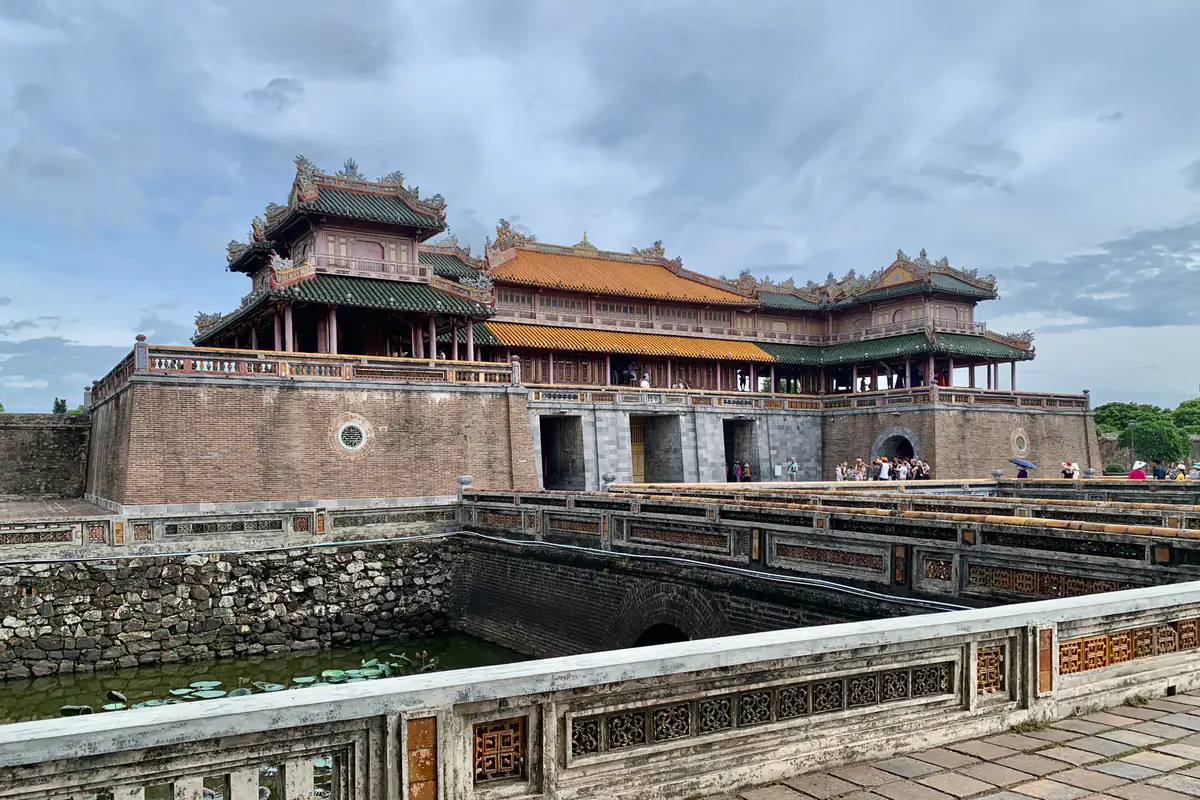
The same applies to Da Nang. Walking along the beach, trying local food, and visiting either Marble Mountains or Hoi An can fill two enjoyable days without paying for Ba Na Hills.
Amusement park fans should budget for the park from the beginning, so an expensive ticket doesn't end up eating into the food or transport allowance later.
Book the expenses that matter most
Prioritize comparing and booking long-distance flights, overnight sleeper berths, and accommodation in busy destinations, the expenses most likely to change your overall budget.
Flexible activities such as restaurants, cafés, and some city attractions can be booked once you arrive. Reserving everything too early can also make your itinerary difficult to adjust if it rains or your transport schedule changes.
Calculate your own Vietnam budget for 10 days
You can use the same formula for almost any Vietnam itinerary, even when you aren't traveling across the whole country.
Total trip cost = Accommodation + Food + Local transport + Intercity transport + Attractions + Other expenses + Contingency fund.
Work through the following steps in order.
Step 1: Confirm your arrival and departure dates
Don't just write "10 days" without counting the nights. A 10-day trip may include nine hotel nights, or eight hotel nights and one night on a train.
Step 2: List your destinations in geographical order
Hanoi, Ninh Binh, Hue, Da Nang, and Ho Chi Minh City form a logical north-to-south route. Traveling repeatedly between northern, central, and southern Vietnam will usually increase both transportation costs and travel time.
Step 3: Check long-distance transportation first
Record the operator, departure time, arrival time, ticket type, baggage allowance, and final price. Compare flight prices after taxes and fees, and compare train seats with sleeper berths, since the two aren't equivalent.
Step 4: Set an accommodation limit
Two people might cap a private room at VND 600,000 per night, for example. If rooms in one destination exceed that amount, consider another neighborhood, fewer nights, or balancing the cost with cheaper accommodation elsewhere.
Step 5: Allocate food and local transport by day
The daily amount can differ from place to place. Days spent walking in a compact city center may require very little transportation money, while travel days will need more.
Step 6: Add only the attractions you genuinely want to visit
Choose the main sights according to the time available. Showing up in an online travel itinerary isn't a reason to put an attraction in your budget.
Step 7: Keep some money in reserve
A contingency fund of roughly 10-15% of planned expenses is a useful starting point, although you should adjust it according to the flexibility of your flights and accommodation. This money is for genuine unexpected expenses. It doesn't have to be spent.
When should you recalculate your entire budget?
Recalculate when you add a flight, change your arrival or departure city, extend your stay, switch from dormitories to private rooms, or move your travel dates into a major holiday.
A single route change can increase transportation costs by more than everything you've saved on meals.
A 10-day trip that stays entirely in northern, central, or southern Vietnam may avoid some expensive long-distance transportation.
A 10-day Vietnam holiday doesn't automatically require more than VND 10 million per person.
A slower itinerary covering fewer destinations can cost less, depending on your accommodation and transportation choices.
Review your budget before departure
After booking flights, trains, and hotels, replace your estimates with the amounts you've actually paid. The remaining expenses are what you need to keep available in cash or in your account during the trip.
A simple spreadsheet with three columns - expense, paid, and unpaid - is enough.
A domestic flight you've already purchased, for example, shouldn't be counted again as money you need to spend during the trip, but it should remain in the overall budget so you know the true total cost of your holiday.
Before leaving, check the following:
- International arrival and departure tickets, along with the entry requirements that apply to you.
- Intercity transportation tickets, including correct stations, terminals, and departure times.
- Total hotel nights, especially any night spent on a sleeper train.
- Baggage allowances for each flight.
- Current attraction ticket prices.
- Daily allowances for food and local transportation.
- Your remaining contingency fund.
Don't carry your entire travel budget in cash. Use a mix of payment methods suited to your itinerary and banking arrangements, and keep your important documents, cards, and emergency money secure.
A well-planned Vietnam travel budget helps you decide which cities to skip, when to take a train instead of flying, and which experiences deserve more of your money. The same method works for a seven-day Vietnam holiday, a two-week journey, or a Tet trip - just adjust the number of days, destinations, and transportation costs.
FAQ
How much does a 10-day trip across Vietnam cost?
For a trip covering northern, central, and southern Vietnam, including trains and one domestic flight, a budget of approximately VND 9-13 million per person is a useful starting point for budget travel. A more comfortable trip may require around VND 17-25 million per person. These estimates exclude international flights and depend on actual booking prices. Visiting fewer destinations can reduce the cost.
How much does a 10-day Vietnam trip cost for two people?
Two people sharing accommodation can budget approximately VND 18-25 million for a budget-friendly trip or VND 34-50 million for a comfortable journey. The detailed examples in this guide total VND 20 million and VND 34.6 million, respectively. Flights, trains, and attraction tickets generally still need to be purchased for each traveler.
What is a reasonable Vietnam budget per day for international tourists?
For a 10-day trip across Vietnam, approximately VND 900,000-1.3 million per person per day is a useful budget-travel estimate, including an allowance for long-distance domestic transportation. Travelers who prefer better accommodation and additional services may budget VND 1.7-2.5 million per person per day. International flights, visa fees, and travel insurance should be calculated separately.
Is it cheaper to travel around Vietnam by train or plane?
Neither option is always cheaper. Trains work well for shorter scenic routes such as Hue - Da Nang or overnight journeys that save a hotel night. Flying is generally more practical for a long route such as Da Nang - Ho Chi Minh City when you only have 10 days. Compare the final ticket price, travel time, and transportation to and from the station or airport.
Does a 10-day Vietnam travel budget include Da Nang and Hoi An?
Yes, if you follow the sample route through Hanoi, Ninh Binh, Hue, Da Nang/Hoi An, and Ho Chi Minh City. However, the sightseeing allowance doesn't automatically include every expensive attraction. If you add Ba Na Hills, live performances, or private tours, include those additional costs in your total budget.