Visit Still Cafe Dalat in the morning for Japanese-style photos and an easy stop at the railway station
Still Cafe is worth visiting for its wooden buildings, lanterns and Japanese-inspired photo corners. Go on a weekday morning for an easier time taking pictures before exploring Da Lat Railway Station.
By Da Lat LoversPublished Updated Đọc bằng tiếng Việt
Where is Still Cafe Dalat?
Search for Still Cafe, 59 Nguyen Trai, Da Lat on your map before leaving your hotel. The cafe sits inside a small complex off Nguyen Trai Street, close to Da Lat Railway Station. The entrance is down a lane, so it is hard to spot from the main road. From the central market area, a motorbike or taxi is the simplest option for most visitors.
The cafe is a city stop with rustic wooden buildings and a Japanese-inspired atmosphere. Da Lat Market is about 2-3 km away, depending on the route and starting point. That makes it easy to combine the cafe with the railway station without setting aside an entire day for transport.
Loading map...
- Still Cafe: 59 Nguyen Trai, entrance down a lane
- Da Lat Railway Station: easy to pair with the cafe
- Xuan Huong Lake: central hotel area
- Da Lat Market: about 2-3 km to the cafe
To visitors arriving from Singapore or Malaysia, the photos may make the place look like a small Japanese village outside the city. You might have seen dark timber walls, white fabric curtains, lanterns and garden paths on Lemon8, Instagram Reels or TikTok. The actual venue is a compact cafe complex in Da Lat. Its visual appeal comes from carefully framed corners rather than a large theme park or a full-size Japanese street.
Essential details before your visit
Opening hours are about 8:00 am-9:00 pm; check the cafe's social media before a late visit. Individual food stalls may close earlier than the cafe area.
Getting to Still Cafe from central Da Lat
By motorbike
Riding a motorbike gives you flexibility to arrive early and continue to another attraction afterwards. Approach the Da Lat Railway Station neighborhood and slow down as you near number 59. Look for the lane and signs leading into the complex. The entrance is easier to miss when you are moving quickly and watching traffic.
Da Lat has hills, curves and changing road conditions. Stop somewhere safe before checking your phone. Do not follow an unfamiliar shortcut just because the map suggests saving a minute.
Ask staff where motorbikes should be parked when you arrive. Do not block neighboring properties or the narrow access route.
By taxi or ride-hailing car
A taxi or ride-hailing car is practical for a couple, friends traveling together or anyone who would rather avoid riding on unfamiliar hills. Send the driver the map pin for Still Cafe. The driver may choose a safe stopping point near the entrance instead of driving all the way into the complex. Check where you can be picked up later, especially if you expect rain.
Taxi fares depend on the hotel location, vehicle category, traffic and service. Visitors staying around Da Lat Market, Xuan Huong Lake or central hotels usually have no need to organize a private car for several hours just to visit one cafe.
When traveling with someone who has difficulty walking, ask about the final approach and any steps before setting off. Some attractive older-style properties have uneven pathways.
On foot
Walking is possible from the railway station area. Walking all the way from the central market is a more substantial outing, especially with Da Lat's slopes and changing weather. A flat-looking map does not show how tiring the route may feel when you are carrying a bag or walking in midday sun.
What does Still Cafe actually look like?
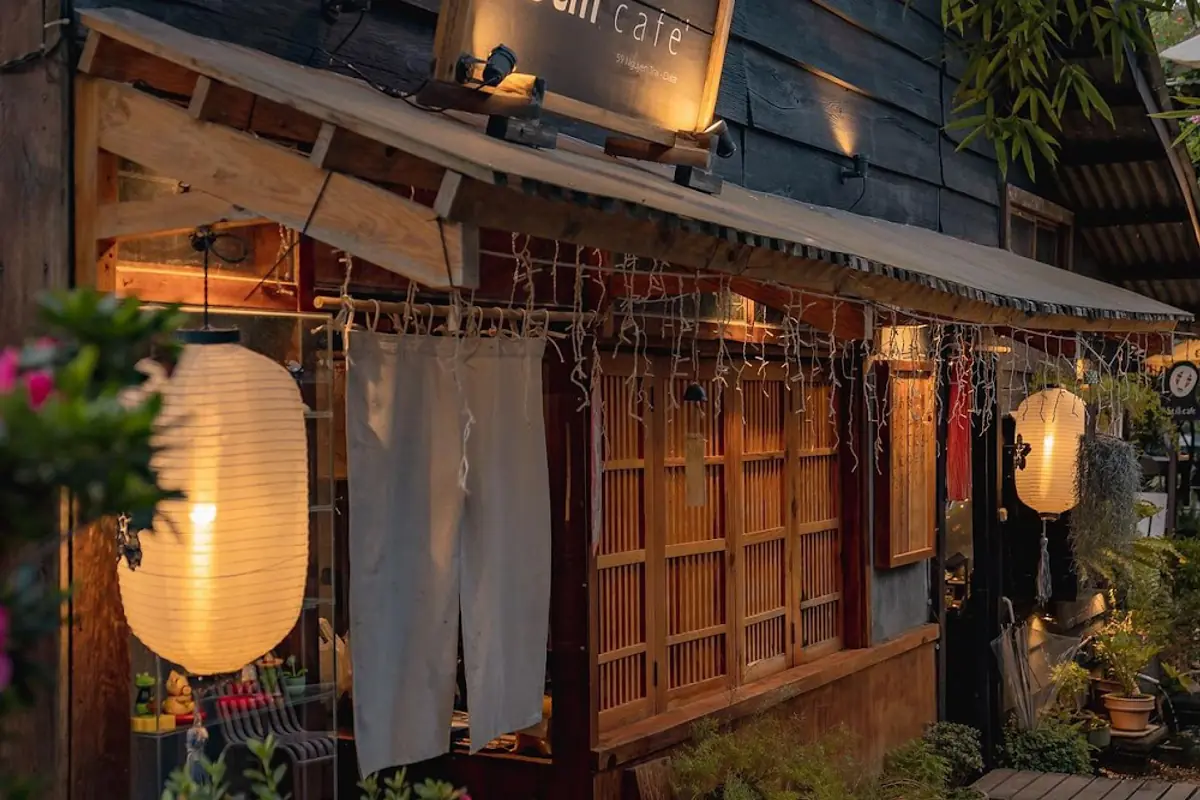
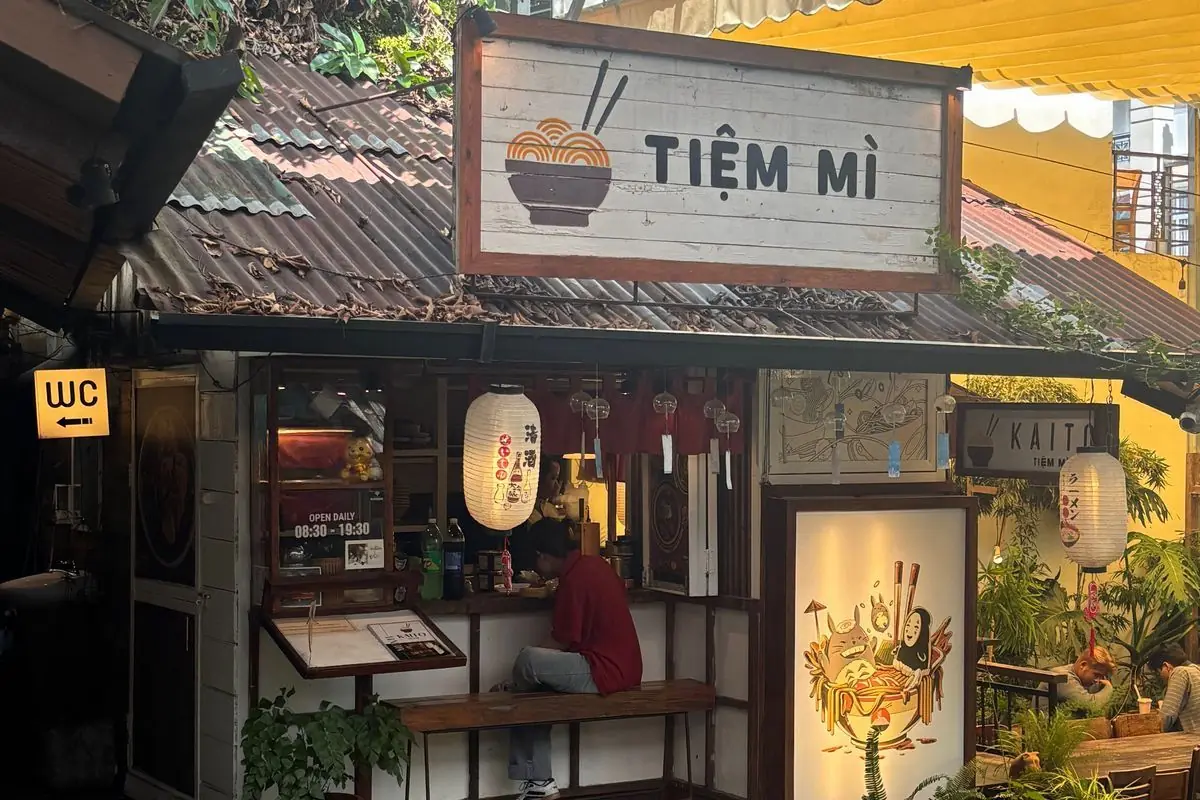
The main attraction is its mixture of old Da Lat timber architecture and details associated with Japanese cafes. Dark wooden walls, small windows, low benches, plants and warm lamps give the place a cozy feel. White noren-style curtains hang over entrances, paper lanterns brighten wooden facades, and signs add a handmade touch.
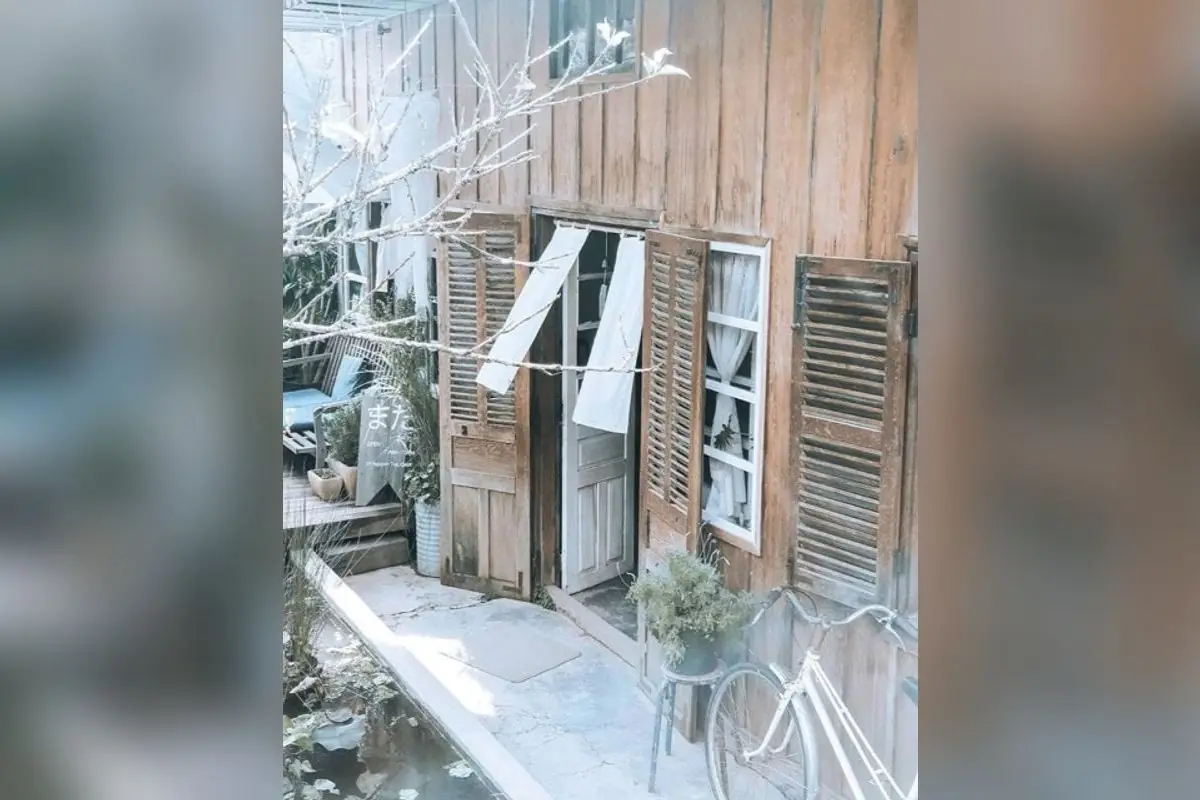
It is better to think of Still as a Japanese-inspired cafe than an authentic traditional Japanese teahouse. The setting mixes local wooden-house charm, garden seating, decorative items and several small food or retail areas. That blend is part of why it looks different from a typical glass-front coffee shop.
You may also recognize imagery associated with Studio Ghibli films. Still has had decorative figures such as No-Face and Totoro. These make the venue popular with people searching for a “Ghibli cafe Dalat.” Still Cafe is a themed, independently operated venue; it should not be described as an official Studio Ghibli attraction. Decorative figures and their positions can change, so do not plan the whole visit around one prop shown in an old Reel.
The cafe looks different depending on the light. Morning photographs show the grain in the wood, the plants and the soft fabric at the entrances. Late-afternoon pictures bring out warm colors. After dark, illuminated lanterns and windows become more prominent. Daylight is a stronger choice than a dim evening visit when you want a clear portrait with natural skin tones.
The complex has also changed over time. Some of the small shops and bakeries from earlier years may have closed, moved or been replaced. Some visitors arrive expecting the exact store layout from a video filmed several years earlier. Treat historical photos as inspiration rather than a current floor plan. The most reliable parts of the experience are the wooden setting, the courtyard feel and the location near the railway station.
Do not expect empty photography lanes. Some passageways are narrow, and benches or doorways may already be occupied by people enjoying their drinks. A short video can hide the other customers by framing tightly. The same space may feel lively and busy on a weekend afternoon.
When should you visit to avoid crowds?
- 8:00-9:30 am
Quietest window
A weekday morning around 8:00-9:30 am is the best window when photos are your main goal. The venue might open later on particular dates, and holidays can change the usual pattern. Right at opening, staff are often still setting up the counters.
- Mid-morning
Photo crowds build
From around 10:00 am, more people arrive for pictures. You can still have coffee then, but expect to wait for a window seat or a clear view of the entrance.
- Noon
Harsh light
Noon offers stronger daylight, which can help in shaded areas but can also create harsh contrast. Bright sunlight through a slatted roof may cast stripes across faces. Take portraits near a doorway or a softly lit window instead of making someone stand in the brightest patch of light. Midday is a reasonable time to sit down and rest after visiting the railway station.
- 3:00-5:00 pm
Warm light
From about 3:00 to 5:00 pm, warm afternoon light brings out the timber buildings. Around 4:00 pm is another busy time. Arriving then makes more sense for someone who values the mood of the place and does not mind other guests appearing in the background.
- Evening
Lanterns on
Evening is best for the lanterns and ambient lights. Modern phones can handle low-light scenes, but moving subjects may blur. Hold the phone steady and watch the highlights around lanterns and windows. Position portrait subjects close to a softer light source rather than directly beneath an intensely bright lamp. Night shots can look atmospheric, although they may not show the courtyard as clearly.
Da Lat can have wet afternoons, and the outdoor sections will be less convenient when paths are slippery. A rainy day does not rule out visiting, because the sheltered areas and wooden interiors have their own appeal. A plan focused entirely on courtyard photographs is less reliable on those days. Have a backup cafe or indoor attraction ready when your schedule is tight.
Five photo spots to look for
The wooden facade and Still sign
The shot that shows where you went
Start with the facade. A photograph showing the cafe sign, brown timber and doorway immediately tells people where you went. Move slightly to one side so the building has depth instead of photographing the wall straight on. Clothes in cream, white, muted green or soft brown tend to work well with the setting. Very wide phone lenses may distort faces if you stand too close.
Take one vertical portrait and one wider shot of the building. This gives you something suitable for a Reel cover as well as a photo album. Keep the doorway clear for visitors entering and leaving. A two-minute photograph is better than a long session that blocks the path.
The Japanese-style entrance curtain
Let the cloth frame your portrait
The noren-style curtain is one of the most recognizable details of Still Cafe. Stand to the side and let the cloth frame your portrait. It works well for a three-quarter photo or a close-up of someone holding a drink. Do not pull or tie the curtain just to reveal a better background.
For a vertical 9:16 shot, include some of the awning at the top and the doorstep at the bottom. This adds context without showing too much of the busier courtyard. Wait for people to pass through the doorway, then take your picture.
Lanterns along the walkway
Color by day, glow by late afternoon
Lanterns provide a strong visual cue for the cafe's Japanese-inspired style. In daylight, they add red or warm color against the darker timber. Later in the day, they become small light sources. Frame one lantern beside a person rather than trying to squeeze every decoration into the picture.
Walkways are shared spaces. Take short turns and keep bags out of the way. If a section is busy, photograph another corner and return later. Do not move lanterns, stools or plant pots.
Window seats and the bench outside
Good for people who dislike posing
Window seating is ideal for people who dislike posing. Sit with a drink, look toward the garden and let the wooden frame create a simple composition. Natural light near the glass is often more flattering than overhead lighting. Position the camera around chest or eye level to keep the window lines straight.
A bench is still a seat for paying guests, even when it looks perfect in a photo. If someone is sitting there, photograph a hand holding a cup, the wood grain or the view through the window while you wait. Detail shots often capture the mood better than a series of nearly identical full-body portraits.
Green courtyard and decorative figures
Wider shots for two or three friends
Use the plants and wooden roofs for a wider picture with two or three friends. A crowded group photograph may require more space than the courtyard offers at a busy time. One wide group picture followed by individual portraits is an efficient way to capture everyone without occupying a pathway for too long.
A Totoro or No-Face figure may not stand where it did in a 2022 photograph, so look around when you arrive. The wood, plants and lanterns provide enough visual interest even without a famous character.
What should you order at Still Cafe?
Still Cafe is frequently recommended as a place to spend time and take photographs. The menu has coffee, fruit drinks, teas, smoothies and cakes. Some food stalls in the complex have their own menus and hours.
For a familiar Vietnamese coffee: order black coffee or coffee with condensed milk. Vietnamese milk coffee is often strong and sweet. Ask about ice and sweetness if you have a preference.
For a non-coffee option: tea, fruit drinks or juice are practical starting points. Hot tea can be pleasant on a cool morning, while an iced fruit drink may feel better after walking around the station. Ask which ingredients are available that day. If you avoid caffeine, dairy or certain fruits, tell the staff instead of relying on a translated menu name alone.
For something sweet: check the cake display or ask what is fresh and available. Some bakeries from earlier years no longer operate in the same form. Sharing a small dessert between friends is an easy option when you also plan to eat lunch elsewhere.
For a proper meal: first find out which food counter is open. Stalls in the Still complex have sold noodles, rice dishes and other snacks, but names and menus change. A dish from an old TikTok may not be on sale when you arrive. If the available food does not suit your group, treat the cafe as a drink stop and eat elsewhere in Da Lat.
Visitors are split on the drinks: some enjoy the smoothies and relatively restrained sweetness, while others find them expensive for the size. Order a style you already enjoy and use the setting as the main reason for the stop.
How much are drinks and cakes?
As a reference price, drinks run about VND 20,000-47,000 per person. With food, budget about VND 40,000-100,000.
For visitors from Singapore, VND 100,000 is roughly SGD 5-6. Malaysian visitors can read the same amount as roughly MYR 16-18. Your card issuer or money changer will use its own rate and fees.
Read the prices shown on site before ordering and ask whether a size upgrade or extra topping costs more. Keep the itemized bill when ordering for a group. To control spending, start with one drink rather than ordering several items because they look good in photos. You can always decide on a cake or snack after seeing the portions.
Some guests find the setting itself justifies spending more than they would at a simple roadside coffee stall. Others prefer a venue dedicated to excellent beans or inexpensive everyday coffee. Still Cafe works best when the atmosphere and photography are central to what you want from the visit.
Ask staff before arriving with an organized shoot, large camera setup or change of outfits. A guest taking a quick phone photo and a commercial crew may fall under different rules.
Where should you sit?
Walk around briefly before choosing a table. Window seats provide useful natural light and a view of the wooden details. Indoor seating is better during rain and cold winds. Outdoor benches allow you to enjoy the garden, but the area may be noisy when groups are taking pictures nearby.
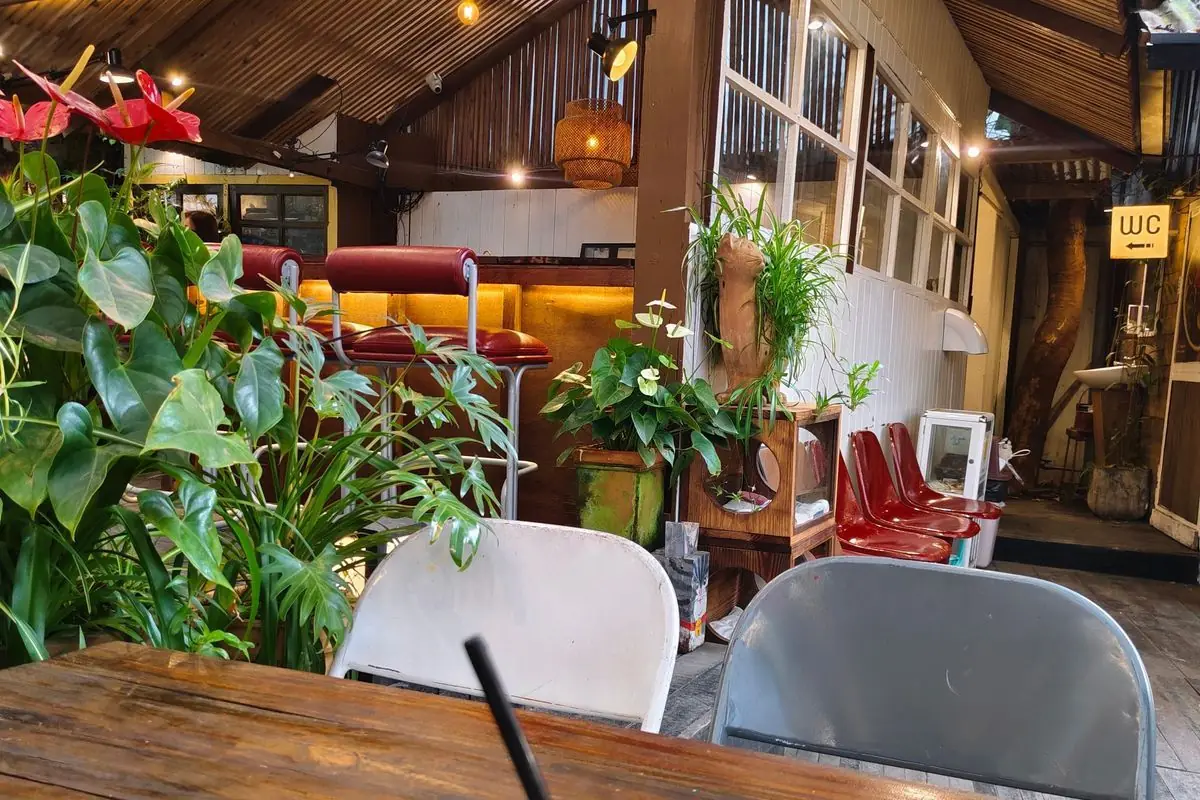
A small table near a window is enough for two people to talk and take a few photographs of their drinks. A larger group should ask where it is practical to sit together. Do not spread belongings across several tables merely to secure different backgrounds. The venue serves customers who may have no interest in photography, so their comfort matters as much as your pictures.
Still has had bookshelves or upper-level seating areas, though the layout changes over time. Visitors with young children, mobility difficulties or large luggage should ask about steps and easy access, since the older buildings may not be step-free throughout.
Still is not the best fit for a full day of laptop work. It attracts people who want to take pictures and move between corners. For a work session that depends on a stable connection, choose a dedicated work-friendly cafe. An hour of coffee and photography is where it shines.
Plan approximately 60-90 minutes for a relaxed visit, longer if your group wants food or is particularly interested in photos. A busy counter, full tables or rain can change the time you need. Leave some slack before your next booking.
Parking, payment and small practical details
Motorbike riders should follow the parking instructions at the entrance and ask whether a fee applies. Do not leave a bike where it blocks residents or other businesses. Arriving by car, confirm a legal stopping or parking place nearby.
Photographs do not require elaborate outfits. A light jacket, comfortable trousers, practical shoes and a small bag will work well. Neutral or muted colors complement the timber. Bright white fabric may look warmer under yellow bulbs, so daylight is preferable when you want accurate clothing colors. Glasses wearers should turn slightly away from a bright window to reduce reflections.
Keep your bags away from the walkways and never place belongings on plant beds. Cats show up sometimes, but not every day, and not all of them like being picked up. Do not feed a resident animal unfamiliar food merely for a picture. Ask before touching animals or entering an area that looks private.
You should also check the weather before leaving your hotel. A damp courtyard can be slippery, and a rainy afternoon changes what you can photograph. An umbrella can be helpful on the walk from the drop-off point, but it should not be opened indoors or in a crowded doorway. A few small practical decisions will improve the visit more than carrying extra photo accessories.
Combine Still Cafe with Da Lat Railway Station
Da Lat Railway Station on Quang Trung Street is the most logical nearby attraction. The historic station is known for its distinctive pointed roofs and railway architecture. It offers a different sort of photograph from Still Cafe's timber houses and lanterns. You can enjoy both in one half-day without repeatedly crossing the center of the city.
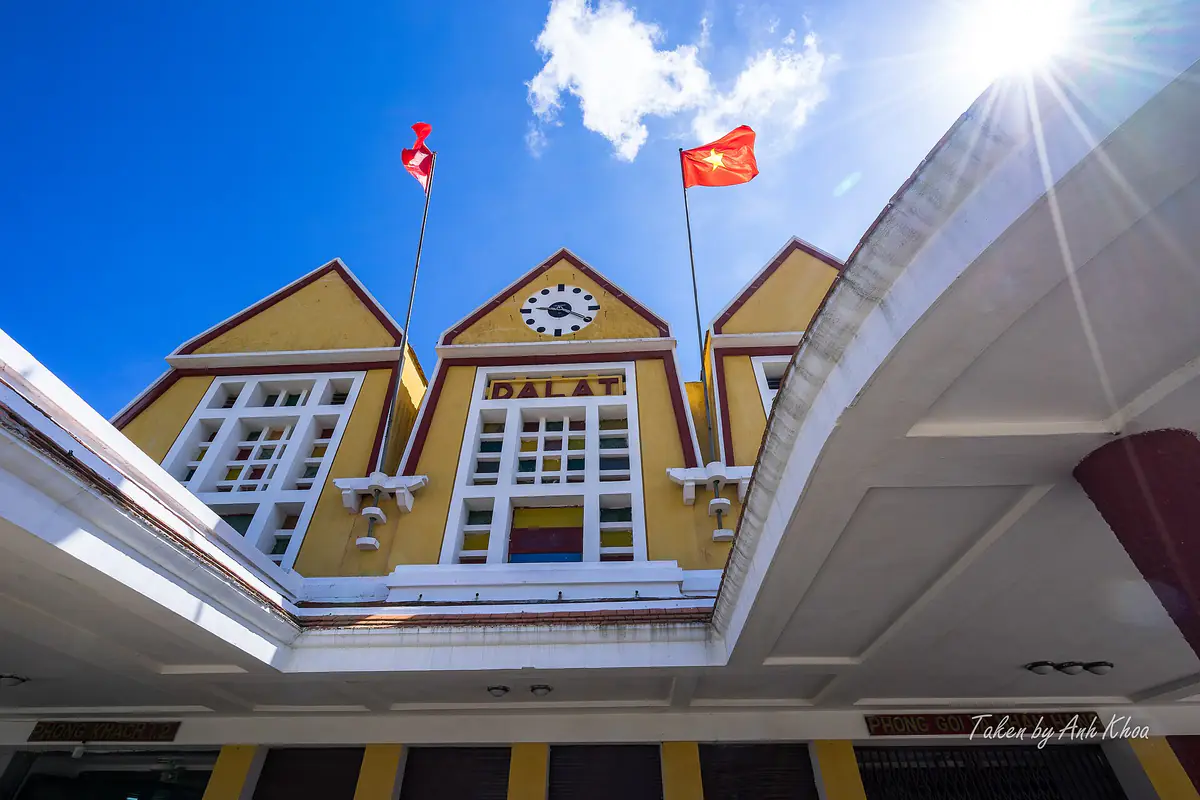
For quieter cafe photos: visit Still around 8:00-8:30 am on a weekday. Photograph the exterior, entrance curtain and courtyard before sitting down for a drink. Then head to the railway station later in the morning. Check ticket arrangements at the entrance, because walking around the station and booking a train ride are separate activities.
For railway photography first: go to the station while there is good daylight, then move to Still for a rest. The cafe may be busier by late morning, but this order makes sense when the station is your main attraction. Avoid rushing back and forth between the two places. Check any train departure times before deciding when you will stop for coffee.
For afternoon atmosphere: visit the railway station while there is still plenty of light, then reach Still around 4:00 pm. You may see the wooden buildings transition from daylight to warm lantern lighting. This itinerary is less ideal for empty-background portraits, but it makes for an atmospheric evening coffee stop.
Is Still Cafe one of the best cafes in Dalat?
It belongs on a shortlist of visually distinctive Da Lat cafes if you enjoy Japanese-inspired decor, wooden architecture and photography. Couples, friends and younger travelers who want to recreate the mood they saw on social media will like it too. The railway station nearby makes it practical for a short stay in the city.
However, “best” depends on why you want a cafe. Still may not be the best choice for someone looking for expert coffee roasting, a completely quiet workspace or a panoramic mountain view. It is a compact destination with popular photo corners. At busy times, its most recognizable features may be surrounded by other guests. Reviews online call it both cheap and expensive, so go by the menu.
The venue is particularly appealing when you are happy spending time with its details. Look at the timber, lanterns, plants and windows. Take a few considered photographs. Have a drink and sit for a while. Come purely to duplicate one highly edited Reel, and the real place may feel smaller or more crowded than expected.
Visitors with limited mobility, young children or older relatives can still enjoy the setting, but check access and seating before committing. Crowd-shy visitors should aim for a weekday morning. On a rainy afternoon with very little time, a conveniently located indoor cafe may be a more comfortable choice.
Still Cafe does not need to be the centerpiece of every Da Lat trip. It is a good addition when the railway station is already on your route, or when you want a Japanese-style photo stop within reach of the city center. Travelers staying several days can save it for an unhurried morning.
Easy visit plans for different schedules
You have about one hour
Arrive early, take a photograph at the wooden facade and entrance curtain, then choose a window seat. Order something straightforward from the current menu. Sit long enough to enjoy your drink and leave a few minutes for the walk back to the pick-up point. There is no need to visit every stall or wait for an old character prop to appear. One well-framed exterior photograph can be enough.
You have about two hours
Spend the first part looking around the cafe complex and choosing the photo spots you actually like. Order a drink and possibly a dessert, then take a proper break. Use the remaining time for a few portraits or detail shots. A light meal from an open food stall can replace lunch elsewhere when it suits your group. Service time and crowd levels will determine whether two hours feel leisurely or busy.
You have half a day
Combine the cafe with Da Lat Railway Station. Put Still first if avoiding photo crowds is your priority. Put the station first if the railway buildings and train-related activities are more important. Two contrasting stops are enough for a satisfying morning or afternoon. Skip squeezing in three more cafes just because social media lists them all as “best cafes in Dalat.”
You are traveling with friends from Singapore or Malaysia
Save the map pin while you have a reliable internet connection, keep the Vietnamese street address in your phone and bring some cash in VND. Choose a weekday morning for the best chance of easier photographs. Eat breakfast first if you require a specific meal, because individual food stalls may not all be open early. Ask about ingredients if you have dietary restrictions. The Japanese-inspired decor says nothing about vegetarian, vegan or halal preparation, so confirm directly with the counter.
A small group can share the photography tasks: one person takes portraits at the entrance, another gets a wider courtyard shot, and everyone sits down for drinks afterwards. This keeps the visit pleasant for other customers. It also avoids spending most of the hour trying to recreate the exact movements and camera angles of a TikTok video.
FAQ
Where is Still Cafe Dalat located?
Still Cafe is at 59 Nguyen Trai, near Da Lat Railway Station in Lam Dong, Vietnam. Search for the exact cafe name on a map and follow the pin to the entrance. Older addresses say Ward 9; since the administrative changes, the ward is Lam Vien - Da Lat.
What time does Still Cafe Dalat open?
The cafe is open about 8:00 am to 9:00 pm daily. Food stalls inside may keep different hours.
How much do drinks at Still Cafe cost?
Reference prices are about VND 20,000-47,000 per person, or VND 40,000-100,000 with food. Item prices are on the menu at the counter.
When is Still Cafe less crowded?
A weekday morning between 8:00 and 9:30 am is the easiest time for photos with fewer people. Weekends, public holidays and periods around 10:00 am or 4:00 pm may be busier.
Is there a good cafe near Da Lat Railway Station?
Still Cafe, near the station, has wooden buildings, Japanese-style curtains, garden corners and lanterns. It is easy to pair the two stops in the same morning or afternoon.