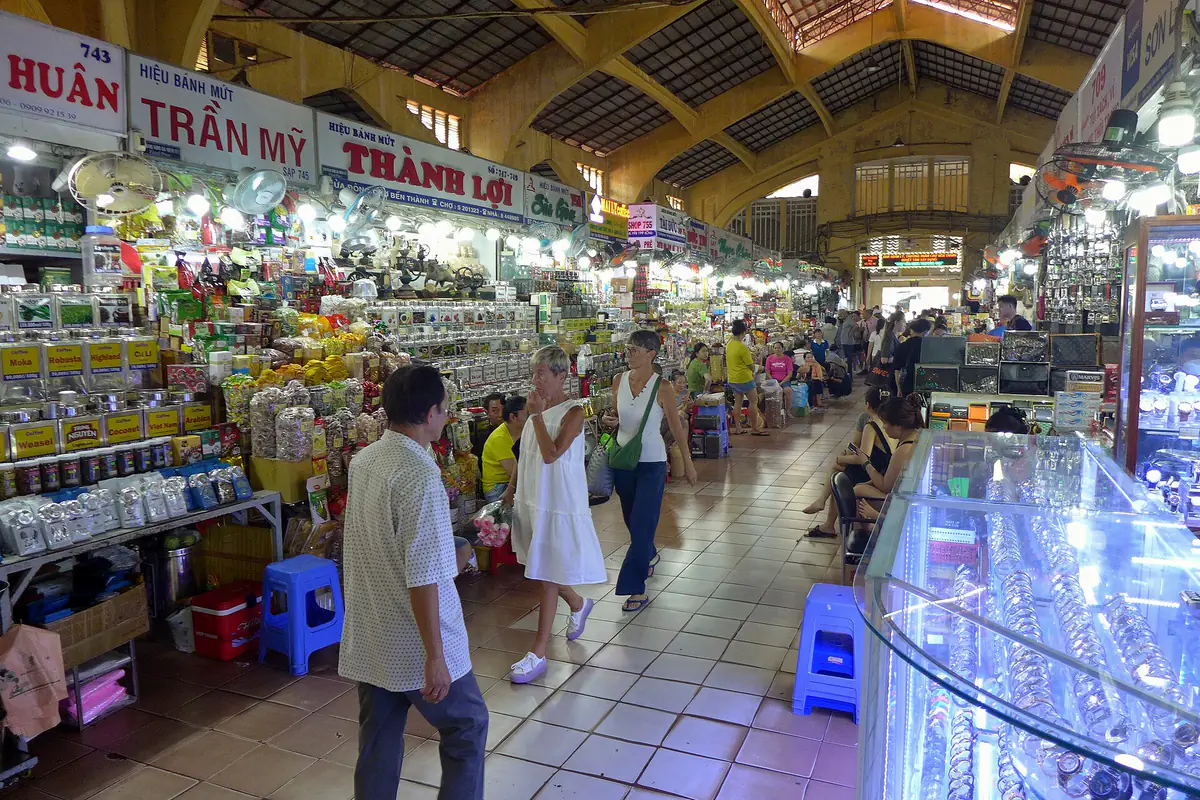
Get clothes tailored in Hoi An in 3 days: how to order, fit and collect
Three days in Hoi An can be enough for custom shirts, trousers, dresses and some suits, provided you place your order early and leave time for fittings. If you only have one night or need a complicated suit, buying ready-made clothing and having it altered may be the safer choice.
By Da Lat LoversPublished Updated
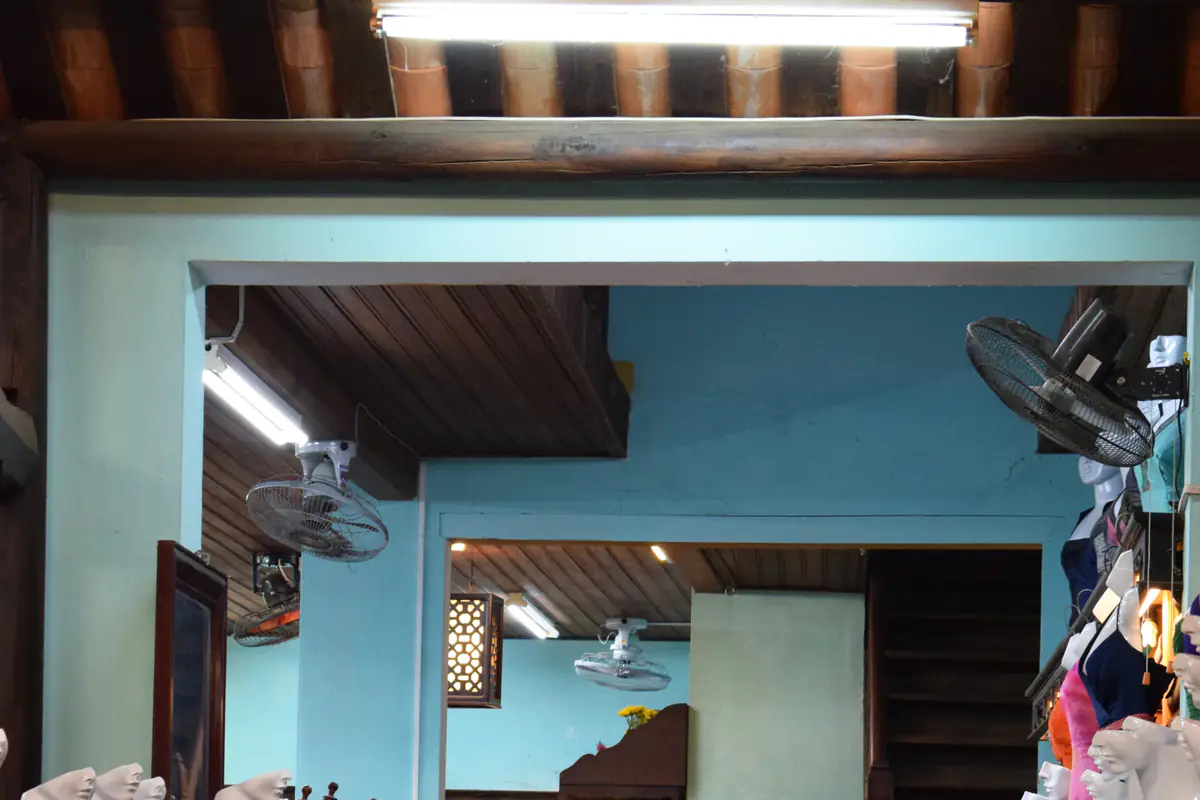
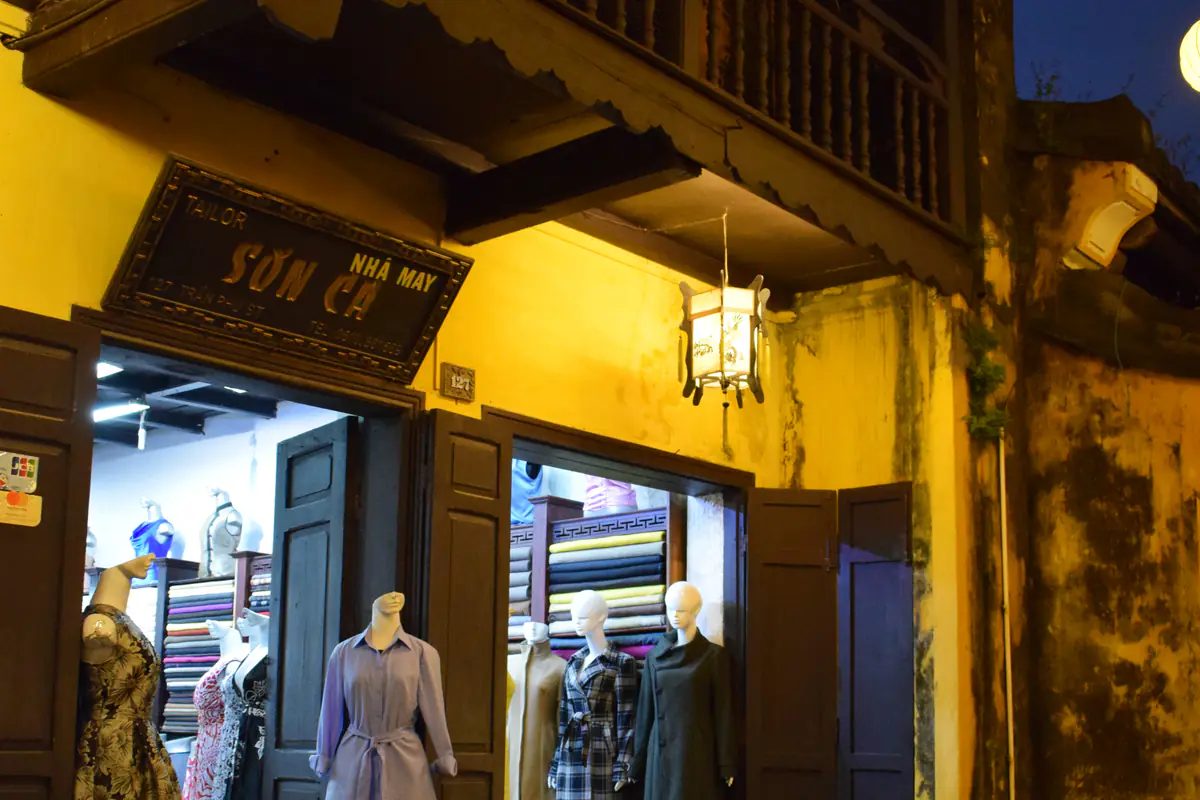
Dresses and a suit on display in a Hoi An tailor shop.
Many Hoi An tailor shops can finish a garment in 48 hours, though some orders will take longer than two days. Shirts, trousers and simple dresses are quicker to turn around than structured suits with lining and internal construction. Three days in Hoi An is usually enough to have clothes made, go to your fittings and collect everything before you leave, as long as you start on day one.
Is three days enough for tailoring in Hoi An?
Yes, for some garments, but it depends on how many hours you really have in town.
Arriving in Hoi An at 9 AM on Monday and leaving on Wednesday afternoon gives you almost three full days. Arriving late on Friday and leaving early Sunday may technically count as a three-day, two-night trip, but you only have one complete day available for tailoring. That difference matters when deciding what to order.
| Garment | Recommended time allowance | Realistic within 3 days? |
|---|---|---|
| Cotton or linen shirt | 24-48 hours | Usually manageable |
| Tailored trousers or linen pants | 24-48 hours | Usually manageable |
| Simple dress | 24-48 hours | Usually manageable |
| Basic Vietnamese ao dai | 24-72 hours | Possible with confirmation |
| Standard two-piece suit | 48-72 hours or longer | Possible, but tight |
| Three-piece suit with extra details | 3-5 days or longer | Better to allow more time |
| Wedding dress or elaborate evening gown | 4-5 days or longer | Not recommended for a rushed order |
These are planning estimates, not guaranteed turnaround times. The actual schedule depends on the shop's workload, available fabric, design complexity and the number of alterations required.
Even two dresses that look fairly similar can need very different amounts of work. A loose, unlined dress is much easier to finish than one with a structured bodice, multiple layers and complicated adjustments around the bust.
On a three-day visit, one or two simple garments, or a standard two-piece suit with the design agreed upon before arrival, is the most manageable order. Don't order six pieces just because a shop says it can work quickly.
The best three-day tailoring schedule in Hoi An
Don't leave finding a tailor until your last day. Make it one of your first activities, then arrange sightseeing around the fitting appointments.
- Day 1
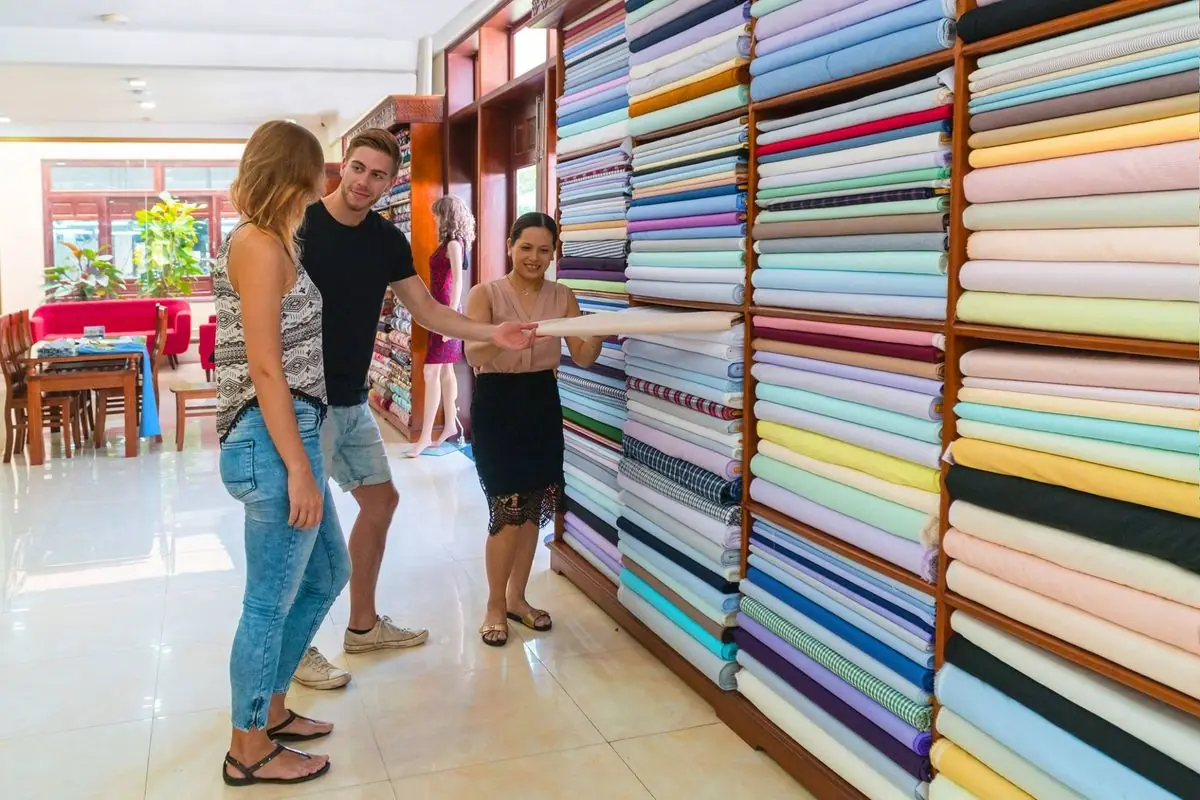
Choose a tailor, select fabric and get measured
Suggested time: 9:00-11:00 AM, if you've arrived in Hoi An in the morning.
Visiting early gives the shop more time to schedule production and your first fitting. You can start around Tran Hung Dao, Hoang Dieu and Phan Chau Trinh streets, where several established tailor shops serve visitors.
Before spending half an hour looking through fabric samples, tell the staff exactly when you're leaving Hoi An. You may have a car booked to Da Nang at 1 PM on Tuesday, say, or an early flight on Wednesday. The tailor needs this information before deciding whether to accept your order.
Once the deadline is clear, move on to design, fabric and budget. A straightforward suit takes around an hour to review fabrics, settle the design and get measured, longer when you're still deciding what you want.
Your order should record the garment design, fabric reference, number of pieces, agreed price, fitting appointments and collection time. Take a photo of the order slip so you can skip explaining everything again when you come back.
Then go and explore Hoi An Ancient Town, walk along Tran Phu Street, visit the Japanese Covered Bridge or cross over to An Hoi. The shop doesn't need you while your clothes are being made.
- Day 2
Attend your first fitting and request changes
Try to schedule your first fitting for the morning or early afternoon.
At BeBe Tailor, the first fitting is the following day, followed by alterations and another fitting several hours later. Other shops may follow different schedules.
Your first fitting is the time to check the areas that are hardest to correct. On a suit, that means the shoulders, chest, collar, armholes and jacket length; on trousers, the waist, seat, thighs and hems.
Standing in front of a mirror, looking straight ahead and saying everything is fine isn't enough. Sit down. Walk around. Raise your arms slightly and reach forward. A business suit should also be tested sitting as you would at a desk, and buttoned while you stand normally. With a dress, check whether the fabric pulls, opens or restricts movement when you sit, turn or step up.
Tell the tailor immediately if something feels wrong. Taking in a jacket that is slightly loose now is much easier than dealing with major fit problems after the garment is finished and you have an hour left before checkout.
Before leaving, agree on the exact time of your next fitting. The rest of the day is yours for An Bang Beach or eating around the old town, as long as you aren't off on a long excursion until late evening when the tailor needs you back.
- Day 3
Final fitting, collection and departure
Keep one or two hours free on your final morning for collection and any small adjustments.
When you return, put on every finished garment. Try a suit with the shoes and shirt you plan to wear with it, since clothes look quite different with the right accessories than with whatever you happened to put on that day. Check all the agreed alterations before accepting the order.
Once everything fits properly, collect your clothes, check that all pieces are included and pay the remaining balance according to your agreement.
With an early-morning departure, ask for the final fitting and collection the previous afternoon or evening, not an hour before you leave.
A three-day tailoring plan only works when the shop confirms the fitting and collection schedule. Without specific appointments, all you have is a general promise, not a workable timetable.
How long does tailoring take in Hoi An?
Many visitors search for same-day tailoring in Hoi An because they hope to walk into a shop, get measured and collect their clothes a few hours later.
That may be possible for certain simple garments when a shop has room for a rush order. It isn't the standard turnaround for everything.
There are three useful time frames to understand.
Same-day tailoring: Most realistic for straightforward designs using available fabrics, with minimal internal construction and few alterations. The shop must confirm that it can meet your deadline after seeing the design.
24-48-hour tailoring: A more practical estimate for shirts, trousers and simple dresses. Depending on the shop's workload, this may allow time for a fitting and minor adjustments.
48-72 hours or longer: A sensible allowance for jackets, blazers and suits requiring more structured construction. Some shops advertise faster service, but fittings still need to be considered.
BeBe Tailor offers to make a suit within 24 hours, yet its own process includes a fitting the following day and further adjustments before collection. A shop's ability to produce a suit in 24 hours doesn't guarantee that every customer will receive a well-fitting, fully adjusted suit in one day.
A jacket may be technically finished but still pull across the chest, sit badly at the shoulders or restrict arm movement, and for the person wearing it that isn't a finished result.
How much does tailoring cost in Hoi An in 2026?
There is no single price list covering every tailor shop in Hoi An. Prices depend on fabric composition, garment construction, design complexity, number of pieces and the individual shop.
Before comparing quotes, make sure the garments actually use comparable materials and include the same construction details.
Typical Hoi An tailoring prices in 2026
Typical tailoring prices in Hoi An in 2026 look like this:
| Garment | Approximate price |
|---|---|
| Basic linen or cotton shirt | $15-25 |
| Premium cotton shirt | $30-50 |
| Simple cotton or linen dress | $30-50 |
| Silk cocktail dress | $60-150 |
| Two-piece suit | $150-400 |
| Three-piece suit | Usually $50-100 more than a comparable two-piece suit |
These are general market prices, not quotes from specific shops. More complicated designs, expensive imported fabrics and garments requiring extensive construction or multiple alterations may cost considerably more.
Listed prices at Kimmy Tailor
Kimmy Tailor's listed starting prices for 2026 are:
| Garment and fabric | Published price |
|---|---|
| Wool-blend suit | From $179 |
| Wool-silk-blend suit | $219 |
| Pure wool suit | $279 |
| Pure linen suit | $249 |
| Merino wool suit | $350 |
| Separate wool-blend jacket | From $129 |
| Wool-blend trousers | From $69 |
| Linen-cotton shirt | From $39 |
| Premium cotton shirt | From $49 |
Prices are in US dollars and apply to the listed items, not every custom design or extra detail. When ordering, confirm exactly what is included in the suit price, how many pieces you're buying and whether any requested details cost extra.
Dresses, wedding outfits and other special garments aren't on the same list. Ask the shop for an individual quotation.
BeBe Tailor quotes each design individually and has no comprehensive fixed price list, so a price you find on a travel blog is only a rough guide, not a binding quote from a particular shop.
Why can two similar-looking suits have very different prices?
Fabric is an obvious factor, but construction also matters.
A suit made from inexpensive synthetic fabric with fused construction and a basic lining is different from one using quality wool, half-canvas construction and more detailed finishing.
A two-piece suit normally includes a jacket and trousers. A three-piece suit adds a waistcoat, requiring more material and work. Details such as special lapels, welt pockets, working sleeve buttons, decorative stitching or premium lining can also affect the price.
When requesting a quote, describe the exact suit you want, for example: a two-piece suit in wool-blend fabric, single-breasted jacket with two buttons, flat-front trousers and standard lining. Using the same specification at two shops makes comparing prices much easier.
Getting a custom suit in Hoi An: what should you order?
Suits deserve extra attention because some parts are difficult to change once construction is complete. On a three-day trip, stick to a conventional two-piece suit in fabric the shop already has. Navy, charcoal grey and beige are practical colours that work with several shirts and shoes.
A single-breasted jacket with two buttons, a standard notch lapel and straight or slightly tapered trousers is easier to discuss than a complicated design with unusual construction.
An office suit needs more than a request for everything to be extremely slim. A jacket that looks sharp while you're standing still may become uncomfortable when sitting or working.
Lighter wool, linen or suitable wool blends suit warmer climates. Linen can be comfortable in hot weather, although it wrinkles easily. Appropriate wool fabrics may retain their shape better, depending on their weight and construction.
Three areas to check carefully during a suit fitting
Shoulders: The shoulder line should follow your natural shoulders without obvious bulges or excessive drooping. Large shoulder corrections can be difficult once the jacket is complete.
Collar and chest: The back of the jacket collar should sit reasonably close to the shirt collar. When the jacket is buttoned, the front shouldn't show excessive pulling or strong tension lines.
Sleeves and armholes: You should be able to reach forward and move comfortably. Sleeve length can often be adjusted, but an unsuitable armhole or shoulder structure is more complicated.
Check the trousers too. Stand naturally to assess the length, then sit down to see whether the seat and thighs feel too tight. Bring the formal shoes you plan to wear with the suit.
Should you order a wedding suit during a three-day visit?
A three-day schedule is risky for an important wedding suit, especially if you haven't chosen the fabric or settled the design.
A standard office suit may be manageable if the tailor confirms that there is time for proper fittings.
A wedding suit with particular requirements for the chest, lapels, trousers, lining and accessories deserves more time, ideally enough to try the complete outfit with your wedding shirt and shoes, not just the jacket on its own.
With the wedding close and no way to extend your stay, a well-fitting ready-made suit with alterations may be the more dependable option.
How to choose fabric that looks good and lasts
Faced with hundreds of fabric samples, it's easy to pick by colour and forget whether the material suits the garment and the climate where you'll wear it.
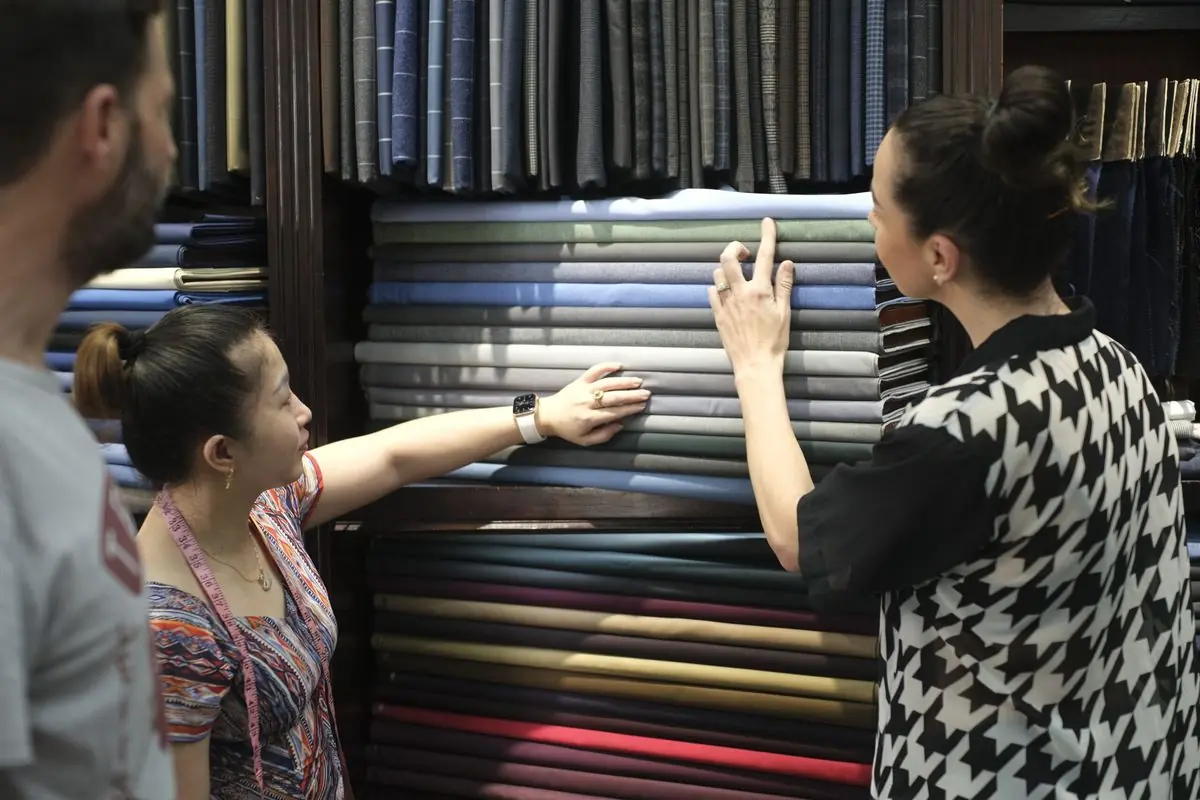
Cotton is a practical starting point for everyday shirts in warm weather, and a breathable weave is far more comfortable than a heavy material with poor airflow. Linen suits people who like a relaxed look and don't mind natural creasing.
Summer dresses can work well in cotton or linen. Designs requiring a softer drape may need other fabrics.
Ordering a dress from a photograph? Check that the fabric you've chosen behaves like the one in the picture. A dress that drapes well in soft fabric can look completely different made up in something thick or stiff.
A suit raises two questions: the outer fabric, and the internal construction, which comes in three common forms.
Fused construction: Uses adhesive-backed interlining to provide structure. It generally costs less and is quicker to produce.
Half-canvas construction: Uses a sewn canvas structure through part of the jacket's front, commonly around the chest and lapels, combined with other construction methods.
Full-canvas construction: Uses a more extensive floating canvas inside the jacket. It requires more labour and usually costs more.
For something you'll wear occasionally, a comfortable fit, suitable fabric and reasonable price may matter more than choosing the most expensive full-canvas construction.
Also confirm the fabric composition. "Wool blend" means part wool, not 100% wool, and silk and silk-blend fabrics aren't the same thing either.

The pricier the fabric, the more worthwhile it is to have the shop record the fabric code or composition on your order. A label with a well-known mill's name on it proves very little about the quality of the finished garment.
Hold thin fabric against a light background or put your hand behind it to check transparency, a quick test worth doing for trousers, dresses and Vietnamese ao dai.
Two Hoi An tailor shops worth comparing
No tailor shop suits every budget and every clothing style. On a short stay, contacting two established shops with clear service information saves far more time than wandering into a dozen places without a plan.
Loading map...
- Kimmy Tailor: 70 Tran Hung Dao Street, published price list
- BeBe Tailor 1: 05-07 Hoang Dieu Street
- BeBe Tailor 2: 95 Phan Chau Trinh Street, open 8:00 AM-9:00 PM
Kimmy Tailor
Useful for comparing fabric and published prices
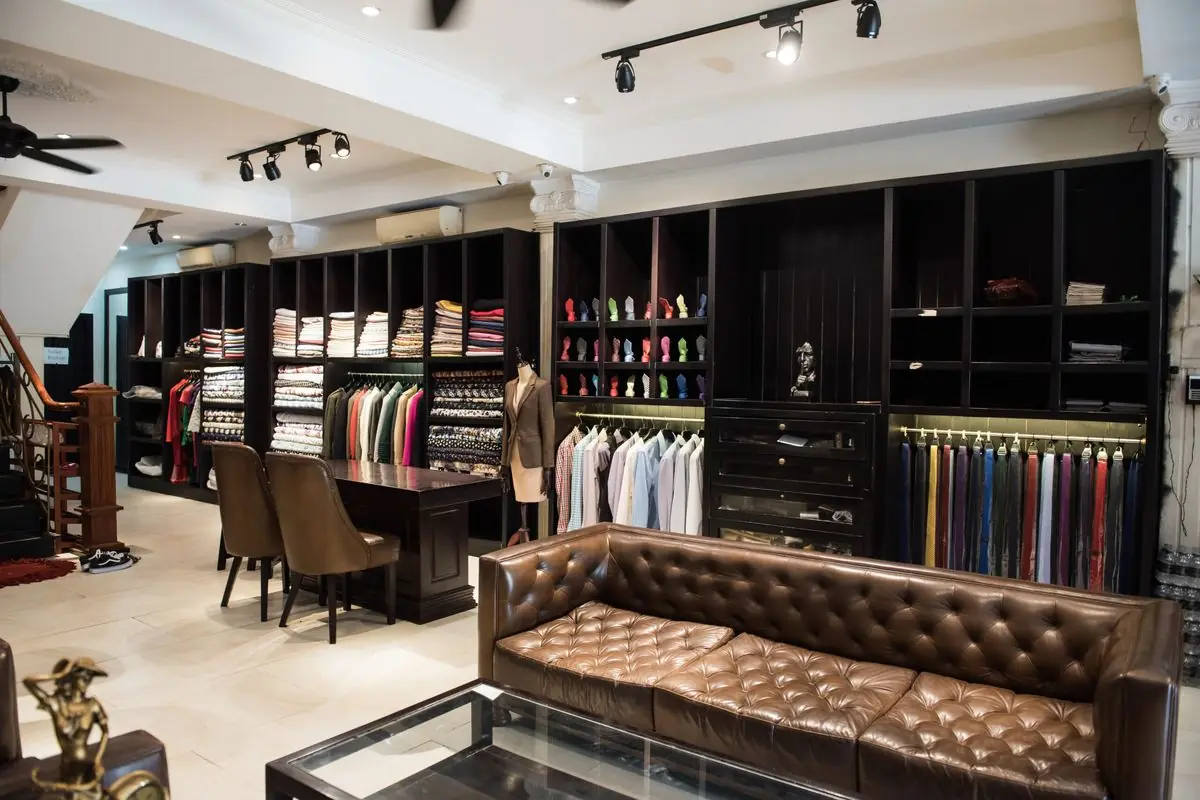
Kimmy publishes a price list covering suits, jackets, trousers, waistcoats and shirts, which is handy for travellers who want to estimate their budget before arriving. The list separates several fabric categories, from wool blends and linen to more expensive imported wool.
Anyone planning a business suit can compare fabrics and request a quotation here before the trip, and English-speaking visitors can discuss the garment design and construction details when placing an order.
A published starting price doesn't mean every custom suit will cost exactly that amount, so ask for a final quotation covering the design, material and collection deadline.
- Address
- 70 Tran Hung Dao Street, Hoi An
- Opening hours
- 8:30 AM-9:00 PM daily
- Phone
- +84 235 3862 063
BeBe Tailor
Useful for a clearly explained fitting process
BeBe's process covers design selection, fabric choice, measurements, initial fitting, alterations and another fitting, so the clothes get checked and adjusted instead of being handed over straight after measuring. The shop also delivers to your hotel once the garments have been completed.
That makes it easy to agree on an actual fitting timetable before paying for a suit or anything else where fit really matters.
BeBe doesn't have a comprehensive fixed price list, so request a quotation using photographs and a description of your preferred fabric.
Opening hours can differ between branches and on holidays, so confirm directly when booking, particularly if you need an evening fitting.
- BeBe 1
- 05-07 Hoang Dieu Street, Hoi An
- BeBe 2
- 95 Phan Chau Trinh Street, Hoi An
- BeBe 2 opening hours
- 8:00 AM-9:00 PM daily
- BeBe 1 phone
- +84 235 221 2670
- BeBe 2 phone
- +84 235 392 3678
Should you use a small tailor shop near Hoi An Market?
Smaller shops and fabric stalls can be worth considering for simple garments, particularly if you're working with a modest budget.
Don't assume every small shop is cheaper, though, or that every large shop produces better clothes. Compare like with like: the same fabric, design, fitting schedule and alteration policy.
Before ordering at an unfamiliar shop, ask to inspect finished garments, looking at the inside seams, collar finishing, trouser hems and zippers. A glossy promotional photo tells you little about how your own garment will be made.
How to choose a Hoi An tailor without spending half a day comparing shops
Prepare one clear design and ask two shops to quote for the same item. Say you want beige linen trousers with a comfortable waist, slightly relaxed legs and hems reaching the tops of your shoes: give exactly that description at both shops.
There are five questions worth asking before placing an order.
- How long will this design take? Ask for a specific date and time, not just "very fast."
- What does the final price include? Confirm fabric, labour, lining, buttons, zippers and any other details.
- How many fittings are included? Ask when the first fitting, alterations and collection will happen.
- Are alterations included in the price? Clarify which adjustments are covered.
- What happens if the order isn't ready on time? Ask about the options for further alterations, hotel delivery or shipping.
After that, look at customer reviews, finished garments and the way staff explain the service.
Prioritise recent reviews with photographs and details about fitting appointments or how the shop handled problems. A review saying that the staff were friendly is useful, but it says nothing about whether a suit will keep its shape after months of wear.
Thousands of reviews aren't a reason to choose a shop on their own. A smaller shop can be just as good a fit when its fabric, construction, pricing and delivery arrangements match your needs.
When should you walk away?
Consider trying another shop if staff cannot confirm a collection deadline, won't explain fabric composition or repeatedly change the price after you've selected a design.
Another warning sign is being pushed to place an order without anyone asking when or how you intend to wear the garment.
A casual beach dress and a formal evening dress require different construction and materials. A useful consultation should cover those differences before the tailor recommends a fabric or fit.
Compare what each shop can actually deliver, not just how confidently it promises to work quickly.
What should you prepare before visiting a tailor?
The most useful things to bring are clear reference photographs or an existing garment that fits you well.
An old pair of trousers with the right waist, seat and leg shape helps explain what you're after, and so does a shirt with comfortable shoulders and a collar you like. For suits, front, side and back reference photographs say far more than a single distant picture of a model.
There's little point taking all your body measurements at home, since the shop will measure you directly and home measurements can differ depending on technique.
A few things are worth deciding beforehand, though:
- Do you want a relaxed, regular or slim fit?
- Will you wear the clothes for work, sightseeing or a formal event?
- What shoes will you normally wear?
- Will you be wearing other layers underneath?
- Are there parts of your body that make ready-made clothes difficult to fit?
- How much time can you realistically spend returning for fittings?
Fit is the one to be clearest about, since people read "slim fit" differently. Show the tailor where you want more or less room around the shoulders, chest, waist or legs.
On a tight schedule, stick to one main design and one fabric, because changing the design after the fabric has been cut can increase costs or delay completion.
Useful English phrases for tailoring in Hoi An
Most basic tailoring requests can be discussed in straightforward English, and plain words make your requirements clear without any technical tailoring terminology.
When placing an order:
"I'll be in Hoi An for three days. Can you finish this outfit before I leave?"
When discussing fittings:
"How many fittings will I have, and when is the final fitting?"
When confirming the price:
"Is this the final price, including the fabric, lining and alterations?"
When discussing fit:
"I want a comfortable fit, not too tight around the shoulders and chest."
When confirming collection:
"I need to collect everything by 11 AM on Wednesday. Can you confirm that on my order?"
These simple questions cover the most important details: timing, price, fittings and comfort.
Ask the shop to write down the arrangements or confirm them by message, especially if you already have transport or flights booked.
Do you need to pay a deposit?
Tailor shops commonly request a deposit before cutting fabric. The amount varies, so ask about the policy before committing.
Not every shop requires a 50% deposit, and a different percentage doesn't automatically indicate a problem as long as the payment conditions are clear.
Before handing over money, check the following:
- Total cost and payment currency
- Number of garments
- Agreed designs and fabric references
- Accessories and construction details included
- Fitting and collection appointments
- Alteration, delivery or shipping charges
- What happens if the shop misses the deadline
Keep the receipt and photographs of the agreed design for expensive orders. International cards can carry processing fees and their own exchange rate, so ask first; with cash, check the amount recorded on the receipt.
When collecting your order, inspect the garments before paying the remaining balance according to your agreement. Don't wait until everything has been folded and packed to discover a missing item or incorrect design.
How many fittings do you need?
A straightforward shirt or pair of trousers may need only one fitting and a final check at collection, provided it fits properly. A suit deserves at least two fitting or alteration checks before you leave with it, and complicated designs may need more.
The purpose isn't simply to reach a particular number of fittings. Each appointment should help resolve specific issues.
First fitting: check the overall shape
This is when you assess the shoulders, collar, chest, waist, seat and overall proportions. Don't worry too much if the hems aren't finished or some sections are temporarily pinned; focus on the main structure and fit.
A jacket that feels too tight raises one question: is there enough seam allowance left to let it out? Some sections of a garment can't be enlarged much once cut.
Second fitting: check movement and details
Look at sleeve length, trouser hems, pockets, buttons, zippers and all the alterations requested earlier.
Sit, stand and walk. Trousers that only feel comfortable when you're standing still aren't finished.
Check the hem of a dress or ao dai while wearing shoes of the height you plan to use, since a change in heel height noticeably affects the finished look.
Final collection: inspect the finished garments
Look for loose threads, stains, uneven stitching and faulty zippers, then turn the garments inside out to inspect the seams. On lined jackets, check the underarms, sleeves and inside connections carefully.
If you ordered two similar shirts, try on both; they won't always fit identically.
Then ask how the fabric should be washed, cleaned and ironed, which matters most for wool, linen, silk and garments with structured internal layers.
Same-day tailoring in Hoi An: what can you order with only 24 hours left?
Leaving Hoi An tomorrow rules out an elaborate three-piece suit.
Choose a simple garment, and only place the order after the shop has seen the design, checked fabric availability and confirmed the completion schedule. A standard shirt, basic trousers or an uncomplicated dress is more realistic than a highly structured jacket.
You can also ask whether the shop offers alterations to ready-made clothing. Someone who needs an outfit for an upcoming event may do better buying something suitable and having the hem or waist adjusted than waiting for a garment made from scratch.
Alteration services vary between tailors, though, and some fit problems are hard to correct: shortening trousers is a far simpler job than fixing oversized shoulders or an unsuitable jacket chest structure.
On a day trip from Da Nang with only a few hours in Hoi An, use the tailor shops to explore designs and prices, and don't count on leaving with a custom-made suit that afternoon.
Fast production is one of Hoi An's attractions, but having enough time to fix problems after a fitting is what makes the experience worthwhile.
Common mistakes when getting clothes tailored in Hoi An
Choosing a design based only on a phone photograph
Fashion photographs often involve carefully controlled lighting, posing and editing, and even an accurate copy of a design can look different on another body or in another fabric. Use photographs to explain the style, but pay attention to advice about suitable materials and proportions.
Choosing fabric too quickly
A colour picked under shop lighting may look different outdoors, so take suit or dress fabric over to a window or into daylight where possible. Check the thickness, the reverse side and the care requirements before making a decision.
Not explaining your departure time
Saying "I'm leaving the day after tomorrow" isn't precise enough; give the tailor the exact date and time.
Checking out at 7 AM is completely different from leaving Hoi An at 6 PM, even on the same day. The shop needs your last available fitting time, not just your departure date.
Being reluctant to request alterations
Some visitors accept clothing that doesn't fit properly because they don't want to inconvenience the tailor. Fit adjustments are a normal part of ordering made-to-measure clothing, and a professional tailor needs the feedback: point to the problem area and explain what happens when you move.
Ordering too many garments
A suit, three shirts, two pairs of trousers and a dress may sound appealing when prices are lower than at home, but every piece has to be inspected, every requested change remembered, and you may have to come back several times.
Three days is for the garments you actually need. There may be time to add more after the first fitting; an entire new wardrobe is too much to build an itinerary around.
What if your clothes aren't finished before you leave Hoi An?
First, ask whether the remaining minor alterations can be done before you leave. Clothing that fits but still needs pressing and packing is a very different situation from clothing that still fits badly.
Finished garments you simply can't go back for can be delivered to your hotel; BeBe Tailor offers delivery after completion as part of its service. A poorly fitting garment delivered to your hotel, though, is still a poorly fitting garment.
Travelling on elsewhere in Vietnam? Ask whether the shop can ship the order to your next accommodation, and confirm the fee, delivery time and recipient details before agreeing.
International shipping needs more care. Ask about the courier, tracking number, shipping cost, potential import duties or taxes in your destination country, compensation terms and what happens if the garment doesn't fit.
Some shops retain customer measurements for future orders, but that doesn't eliminate the value of an in-person fitting during your first visit.
Is it worth staying an extra day in Hoi An just for a suit?
Three days is usually reasonable for a simple shirt or dress, provided you order early.
A suit is different. An extra day can be valuable, giving the tailor more room between fittings and less pressure to finish alterations late in the evening or right before you leave.
A four-day stay also leaves room for other things, such as My Son Sanctuary, An Bang Beach or a short trip to Da Nang, without checking the time all day.
Extending your holiday for a jacket you may rarely wear makes little sense, though.
A complicated suit you're unsure about can be made closer to home, where you can attend more fittings, while in Hoi An you stick to shirts, linen trousers or simple dresses that are easier to complete during a short stay.
For a custom suit, the full three-day schedule beats a 24-hour rush order. Express tailoring works fine for a simple shirt or dress, as long as the shop confirms a fitting and collection time that suits your trip.
FAQ
How long does tailoring take in Hoi An?
Allow approximately 24-48 hours for basic shirts, trousers and simple dresses. A two-piece suit is better planned around 48-72 hours or longer to allow for fittings and alterations. Wedding clothing, elaborate designs and large orders may take several additional days.
How much does it cost to get clothes tailored in Hoi An?
Prices depend on the garment, fabric and shop. In 2026, basic linen or cotton shirts in Hoi An cost around $15-25, simple dresses $30-50 and two-piece suits $150-400. Kimmy Tailor's listed prices start at $179 for a wool-blend suit and $39 for a linen-cotton shirt.
Can you get same-day tailoring in Hoi An?
Yes, some shops may accept same-day orders for simple garments when they have available production capacity. You must confirm the design, fitting schedule and collection time directly. Don't assume every shop can make and properly adjust a custom suit within 24 hours.
How many fittings do you need for a custom suit in Hoi An?
Plan for at least two fitting or alteration checks before final collection, particularly for suits where the shoulders, chest, collar and armholes need to fit accurately. More complicated designs may require additional fittings.
Is a three-day, two-night stay enough to get a suit made in Hoi An?
It can be, provided you arrive early on the first day, choose a straightforward design, order immediately and receive confirmation of your fitting schedule. If you arrive late on the first evening and leave early on the third morning, you'll have very little time for a complicated suit. In that case, choose simpler clothing or extend your stay.