Plan your trip with a 12-month Da Lat weather guide and pack the right clothes
Da Lat's historical monthly mean temperature ranges from 15.8°C to 19.3°C, yet days and nights can feel more than 10°C apart. Use the 12-month chart to choose your dates and layers.
By Da Lat LoversPublished Updated
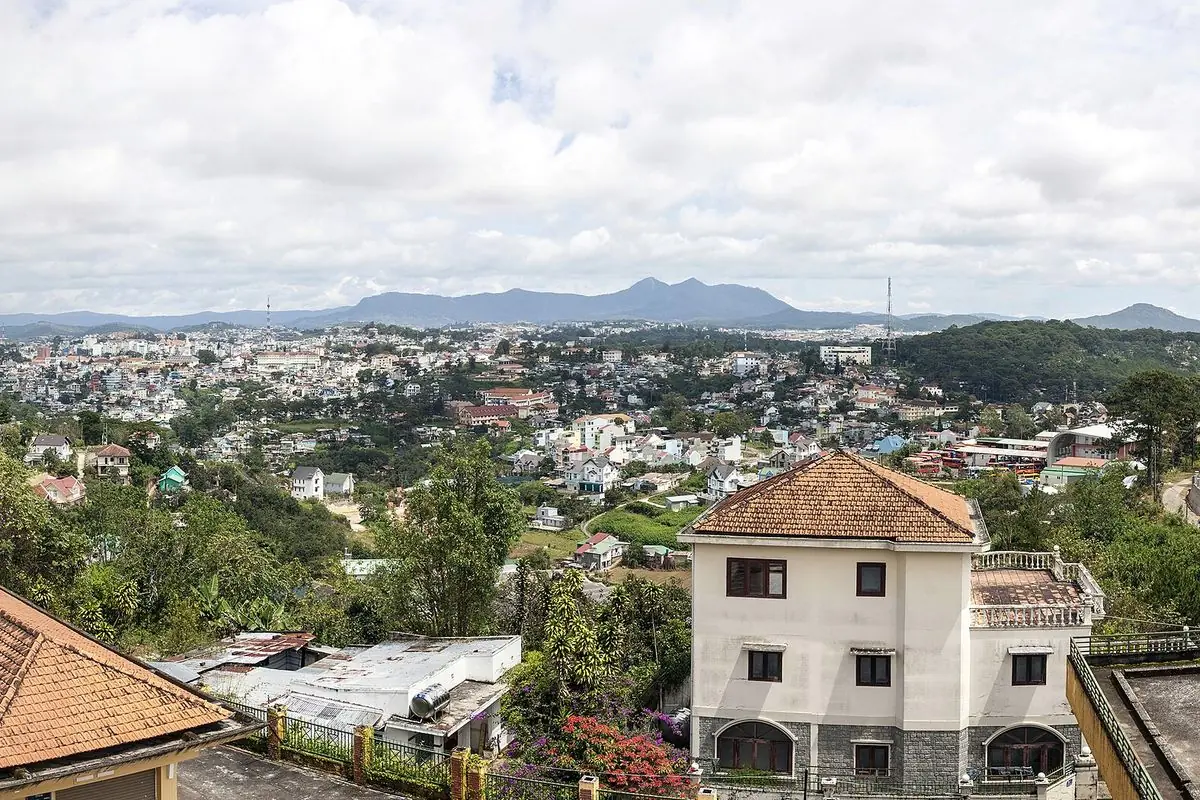
You might walk around Xuan Huong Lake in a T-shirt after lunch, then reach for a jacket on the same stretch of lakeside after dinner. Da Lat stays relatively cool throughout the year, with its chilliest mornings and nights during the dry season. Rain is more likely from roughly May to October, so the best month for your trip depends less on finding a perfect temperature and more on how much time you want to spend outdoors.
Is Da Lat cold?
Da Lat sits on the Lam Vien Plateau at an elevation of roughly 1,500 meters. It is much cooler than Vietnam's southern coast and lowland cities. Its altitude matters more than its tropical latitude when you are packing. A sunny afternoon can be pleasant in light clothing, but that does not tell you what the evening will feel like, especially when you are sitting still outside or traveling in an open vehicle.
Historical observations from the Da Lat meteorological station for 1964-1998 put monthly mean daily temperatures between 15.8°C in January and 19.3°C in May. The average daytime highs ranged from 21.4°C to 25.2°C, while average overnight lows ranged from 11.3°C to 16.3°C. These are averages over many years, and tomorrow afternoon can land well above or below them. A 16°C daily mean can include a surprisingly warm lunch break and a distinctly chilly evening.
Coming from Singapore, Kuala Lumpur or another tropical lowland city, you will probably notice the cold when you step outside early in the morning. Australians may find the figures familiar, but should still plan for a different mix of sun, humidity, accommodation and outdoor activities. Da Lat is generally not a place that requires heavy winter expedition clothing. Most visitors get more use from a wind-resistant jacket and several lighter layers than from one oversized coat.
The answer also depends on what you will do. Someone going from a hotel to a cafe and back by car will experience the weather differently from a visitor waiting outside before sunrise. A short city walk, a long countryside drive and a hilltop lookout may all call for different clothing on the same day. Think about time of day and exposure to wind before deciding how cold Da Lat will feel to you.

Da Lat weather by month: temperature and rainfall table
The table uses long-term observations at the Da Lat meteorological station, 1964-1998. "Mean" is the average temperature across the day; "high" and "low" are the averages of typical daily maximum and minimum temperatures for that month. Rainfall is the average monthly total; your own dates can be wetter or drier.
| Month | Daily mean | Avg high | Avg low | Rainfall | Rainy days |
|---|---|---|---|---|---|
| January | 15.8°C | 22.3°C | 11.3°C | 11 mm | 2 |
| February | 16.7°C | 24.0°C | 11.7°C | 24 mm | 2 |
| March | 17.8°C | 25.0°C | 12.6°C | 62 mm | 5 |
| April | 18.9°C | 25.2°C | 14.4°C | 170 mm | 11 |
| May | 19.3°C | 24.5°C | 16.0°C | 191 mm | 18 |
| June | 19.0°C | 23.4°C | 16.3°C | 213 mm | 20 |
| July | 18.6°C | 22.8°C | 16.0°C | 229 mm | 23 |
| August | 18.5°C | 22.5°C | 16.1°C | 214 mm | 22 |
| September | 18.4°C | 22.8°C | 15.8°C | 282 mm | 23 |
| October | 18.1°C | 22.5°C | 15.1°C | 239 mm | 19 |
| November | 17.3°C | 21.7°C | 14.3°C | 97 mm | 10 |
| December | 16.2°C | 21.4°C | 12.8°C | 36 mm | 5 |
Start with rainfall and rainy days when choosing travel dates. A two-degree change in the daily mean rarely forces you to cancel a sightseeing day. A long spell of heavy rain might. Once you have decided whether you want a drier or greener season, use the overnight lows to choose your clothes. This order is more useful than deciding from a single temperature number on a travel website.
Which months are coldest in Da Lat?
December, January and February are the months for which you should take warm layers most seriously. January has the lowest monthly mean in the historical station series, at 15.8°C, and an average overnight low of 11.3°C. February's average low is 11.7°C. These temperatures are quite different from daytime conditions in tropical Singapore or coastal Nha Trang, and they can feel particularly cold after you have been sitting outside for an hour.
The word "coldest" needs some context. January is the coolest month in this reference series, but an average January afternoon high still reaches 22.3°C. You may feel comfortable taking off your jacket during a walk, then need it again before dinner. Do not wear your thickest sweater from breakfast to bedtime just because the month is considered cold. A jacket that folds into a daypack is often the better answer.
March is warmer by day, with an average high of 25.0°C, while April reaches 25.2°C in the historical figures. Yet March's average low remains 12.6°C. That is why even travelers visiting during the warmer part of the year should bring at least one proper outer layer. A difference of several hours within one day can matter more than the difference between the average temperatures of two neighboring months.
Plan an early viewpoint visit around the forecast low; the monthly high tells you little about the hour before sunrise. A 5:30 a.m. departure is a different proposition from leaving the hotel at 9 a.m. Traveling with children or an older family member, you can skip the dawn starts and still enjoy Da Lat.
When is the rainy season in Da Lat?
Da Lat's rainy season usually runs from May to October. April and November are transitional months, so rain can arrive earlier or linger later in any particular year. On long-term averages, September gets 282 mm of rain and October 239 mm, compared with only 11 mm in January and 24 mm in February. That is a large seasonal contrast, even though the temperature itself varies much less across the year.
Early in the wet season, a familiar pattern is a usable morning followed by showers or thunderstorms later in the day. It makes sense to schedule the activity that matters most for the morning. You could start with a walk around Xuan Huong Lake or an outdoor garden and leave a cafe or indoor stop for later. It would be a mistake, though, to treat every wet-season morning as guaranteed sunshine. Some rainy spells last for hours or even several days.
By the middle of the wet season, damp roads and reduced visibility can matter as much as the rainfall total. June through September historically average around 20-23 rainy days each month. A countryside itinerary with several stops on dirt tracks is a risky way to use both days of a two-day trip. A city-center base gives you a much easier fallback when a shower changes the plan.
The dry season generally runs from November through April, but it is not uniformly dry. April's historical average of 170 mm is considerably higher than the figures for January to March. December to March is therefore the easier broad window for travelers who want many outdoor hours and relatively low rainfall. Travelers who like misty hills, green scenery and quiet cafe afternoons may still enjoy the rainy season, provided their schedule has room to move.
Do not confuse a "rainy season" label with a reason to avoid the city entirely. A rainy afternoon can be pleasant if the main purpose of your trip is resting, eating and reading. It becomes much more disruptive when you have prepaid for several outdoor activities and arranged a long drive on the same day. Matching the weather to your activities is the real decision.
Why can the mornings and evenings feel so different?
One of Da Lat's defining features is the daily temperature range. In January, the historical average high is 22.3°C and the average low is 11.3°C, a difference of roughly 11°C. March has an even wider gap, about 12.4°C. In August, with more cloud and moisture, the gap is only about 6.4°C. Those are gaps between long-term average highs and lows, and any single day can swing more or less.
A useful practical picture is to divide the day into three parts. Before about 7 a.m., you may want a jacket and sometimes a scarf. Around 11 a.m. to 2 p.m., light layers may be comfortable while you are moving. After approximately 5 p.m., the combination of falling temperature, wind and sitting still can make the jacket necessary again. These are planning windows rather than a fixed local weather timetable.
Wind matters when you travel by motorbike or sit at an exposed viewpoint. Rain also changes how cold you feel, particularly when your shoes and trousers become wet. A light waterproof outer layer may keep you more comfortable in June than a thick sweater that absorbs moisture. Conversely, on a dry January evening, a windproof jacket over a warm mid-layer often works well.
There is another detail visitors sometimes overlook: your room. Heating in Da Lat accommodation is hit and miss, which can surprise a visitor from a colder country. A tiled floor, a damp room or a bed near a large window can feel chilly even when the outside temperature seems moderate. Check the room's bedding and hot-water arrangements instead of assuming a hotel listing's air-conditioning icon means central heating.
Best months to visit Da Lat for different trips
December to March is the easiest season to plan around for walking, garden visits and outdoor photography. The historical rainfall totals are low compared with the wet months, and you can arrange morning and afternoon activities with fewer weather-related changes. January and February are best suited to travelers who enjoy cooler conditions. March gives you warmer afternoons without moving fully into the wetter part of the year.
For families with younger children or older travelers, the start time can be more important than the month. A schedule beginning at 8 or 9 a.m. is often more comfortable than a series of dawn departures. Stay within reasonable reach of your accommodation, allow a rest in the middle of the day and keep a jacket handy for dinner. Choosing a hotel near the center can reduce the amount of time everyone spends waiting outdoors in cold or wet weather.
Almost any month can work for cafes, food and a slow holiday. A rained-out lakeside walk turns easily into an hour in a cafe or at an indoor stop. June to October still works, as long as you accept that some outdoor plans may change. Avoid a packed schedule in which every booking depends on clear skies.
A photo you saw online is a poor basis for picking dates for sunrise viewpoints or cloud-watching. Cloud cover, fog, wind and visibility vary from morning to morning. Make the decision close to your travel date, check access conditions and have a realistic way to return if visibility is poor. A cloudy valley may look dramatic from one location while completely hiding the view from another.
Two nights in Da Lat work best with a compact itinerary. One day can cover the central area around Xuan Huong Lake, Da Lat Market and nearby cafes; use the other for one countryside direction if the forecast allows. Do not build a route involving far-apart attractions just because they appear on the same map. Wet roads and delays can easily consume the time you wanted to spend at the places themselves.
What to wear in Da Lat during the dry season
Pack for layers rather than a single temperature. Start with T-shirts or comfortable long-sleeved tops, add a thin sweater or fleece, and finish with a jacket that blocks the wind. Long trousers and comfortable closed shoes are useful for the city's slopes and steps. You can remove a layer at lunchtime and put it on again after sunset without changing your whole outfit.
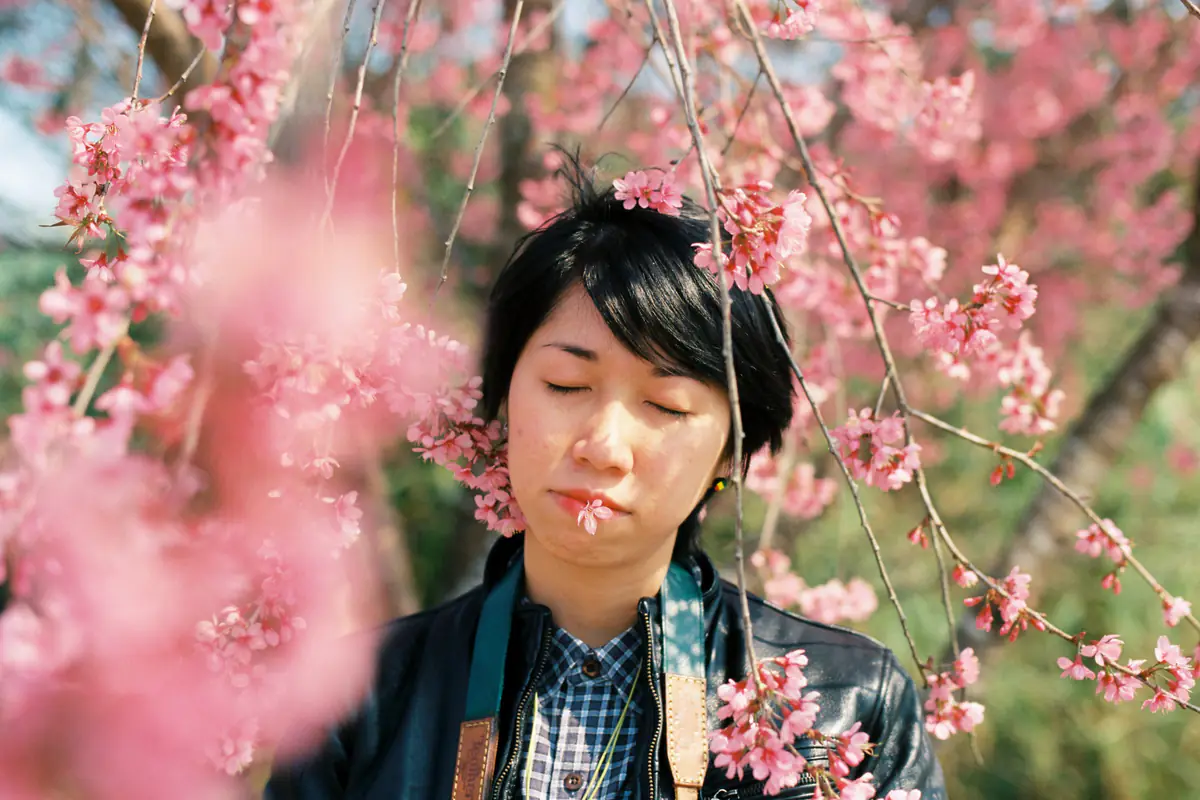
For December through February, add warmer socks and perhaps a compact scarf. If you tend to feel cold, a lightweight thermal base layer is a good substitute for carrying a huge coat. A thick winter jacket is a personal choice rather than a requirement for everyone. You are more likely to appreciate it if you plan to be outside before sunrise, remain at an exposed lookout or spend long periods sitting still in the evening.
March and April can be warmer during the day. A T-shirt, light shirt, dress or skirt may work for a sunny walk, but you should still have a jacket available. Leggings or tights under a short dress for photos make outdoor seating more comfortable after sunset. Comfortable footwear matters more than choosing the perfect color combination when you are going up and down steps all day.
Remember sun protection. Da Lat's pleasantly cool air can disguise how much sun you are getting. Take sunscreen, sunglasses and a hat if you will be outdoors for several hours around the lake or at the city flower garden. The fact that the wind feels fresh is not a reason to leave those items behind.
What to wear in Da Lat during the rainy season
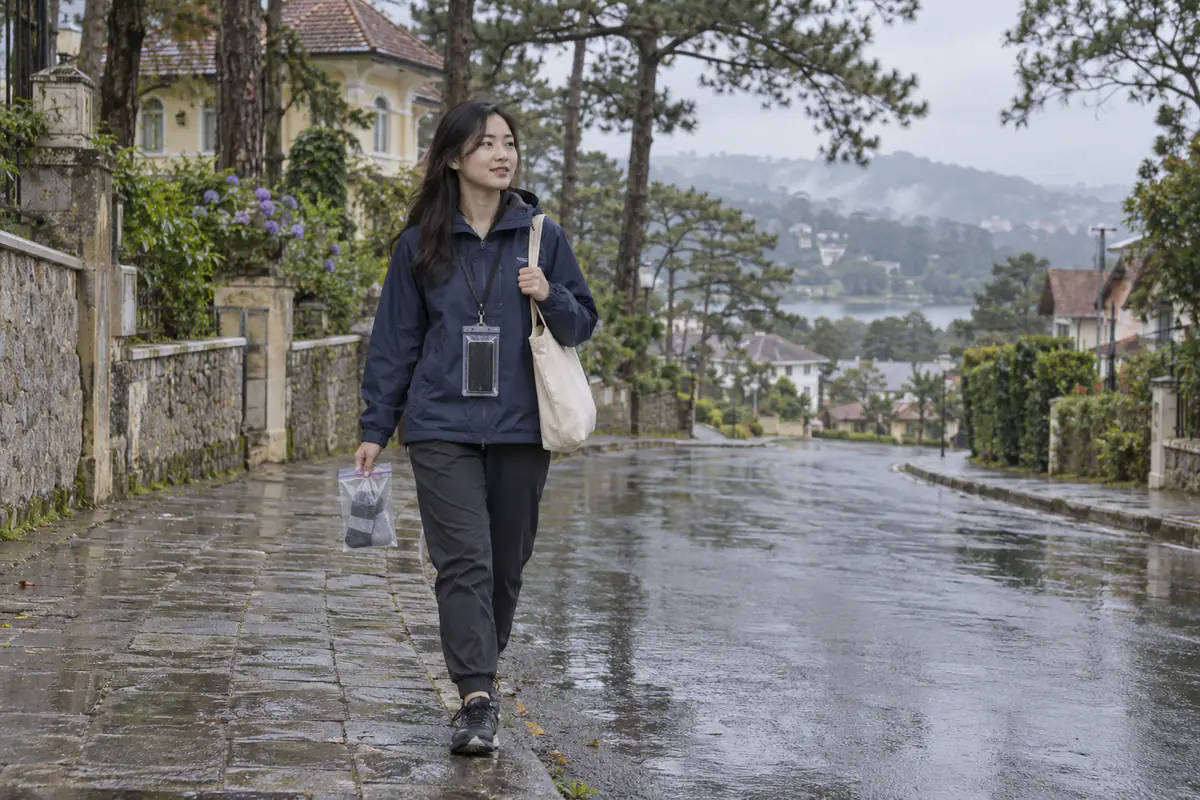
By monthly average temperature, the wet season is actually a little warmer than the dry season. The difficulty is staying dry and avoiding clothes that remain damp for the rest of the day. Bring a lightweight waterproof or quick-drying jacket, trousers that are easy to wash and shoes with a reliable grip. White canvas sneakers may look excellent in photographs, but they are not ideal for wet stone steps or muddy paths.
A compact umbrella is handy for city walking. A suitable raincoat is more useful for longer periods outside. On a motorbike, avoid loose rain gear that could obstruct the handlebars, lights or your view. Keep your phone, passport and other important items in a waterproof pouch inside your bag. Carry a separate bag for wet clothes so you do not soak everything else in your luggage.
Extra socks are often a better use of luggage space than a second heavy jacket. Humidity can make denim and thick cotton take a long time to dry after a downpour. Choose a small set of pieces that can be mixed and worn again. On a longer visit in July, August or September, ask your accommodation about laundry and drying arrangements. A room with nowhere to hang wet clothing is a practical inconvenience even when it looks attractive in photographs.
A photography session goes better with walking shoes and dress shoes packed separately. Wear the practical pair while traveling and change only at the location if the ground is safe and dry enough. The same principle applies to a day visiting gardens, wooded areas or viewpoints. There is little benefit in arriving dressed perfectly but unable to walk comfortably to the place you wanted to see.
Packing for visitors from Singapore, Malaysia and Australia
Visitors from Singapore and Malaysia should take the overnight lows seriously. An average low around 11-16°C can feel cold compared with daily life in either country. Shorts, sandals and one thin hoodie may not be enough for an early breakfast outdoors or a late walk through Da Lat Market. Pack long trousers, covered shoes, socks and an outer layer that stops the wind. In the wet season, prioritize quick-drying fabric as well.
Visitors from Australia may not find the temperature low, depending on their home city and the season they travel. Even so, a sunny afternoon in Da Lat does not mean the rest of the day will stay warm or dry. If your Vietnam itinerary also includes Ho Chi Minh City or Nha Trang, dedicate a small group of layers to the highlands and pack them away when you return to the coast. There is no need to carry a full winter wardrobe across tropical Vietnam.
Travelers from northern Vietnam may wonder whether to pack a heavy puffer jacket like they would for a winter trip to Sa Pa. Most ordinary city sightseeing days in Da Lat do not require that much insulation. A warm mid-layer, a wind-resistant jacket and closed shoes are generally more versatile. Add extra protection for a very early departure, an exposed location or a personal sensitivity to cold.
The amount of clothing you need also depends on the type of accommodation. A centrally located hotel with a sheltered entrance is different from a hillside homestay where you have to walk outside between buildings. Check the actual room, its bedding and how you will get home after dinner. These details are more useful than assuming everyone will feel the same at 14°C.
How to schedule your day around the weather
During the wet season, put your highest-priority outdoor activities earlier in the day when practical. For example, if you want to walk by Xuan Huong Lake and visit the Da Lat Flower Garden, starting around 7 or 8 a.m. leaves more room for an afternoon change of plan. Reserve later hours for cafes, meals, an indoor attraction or time at your hotel. This follows a common rainfall pattern; it is not a claim that every morning will be dry.
During the dry season, there is usually less pressure to beat afternoon showers, but the early morning may be quite cold. Unless sunrise is the point of the outing, a departure after breakfast can be more comfortable for the whole group. There is no need to schedule a 5 a.m. start every day with children just to squeeze in more attractions. One relaxed morning is often worth more than two cold, rushed stops.
Think carefully about the difference between the city center and the outskirts. Around Xuan Huong Lake, Da Lat Market and Nguyen Chi Thanh Street, you have nearby cafes and other places to step inside when the weather changes. A rural route involving a waterfall, a forest road or a remote viewpoint gives you fewer easy alternatives. The second itinerary needs more attention to the hourly forecast, road conditions and transport arrangements.
Do not plan a long countryside drive and a fixed evening booking with no gap between them. Rain, traffic and mountain roads can make travel times unpredictable. Drop a stop as the weather deteriorates instead of pushing the driver to make up time. Your holiday is not improved by reaching every place on a list while seeing almost nothing at any of them.
Fog, wet roads and traveling into the highlands
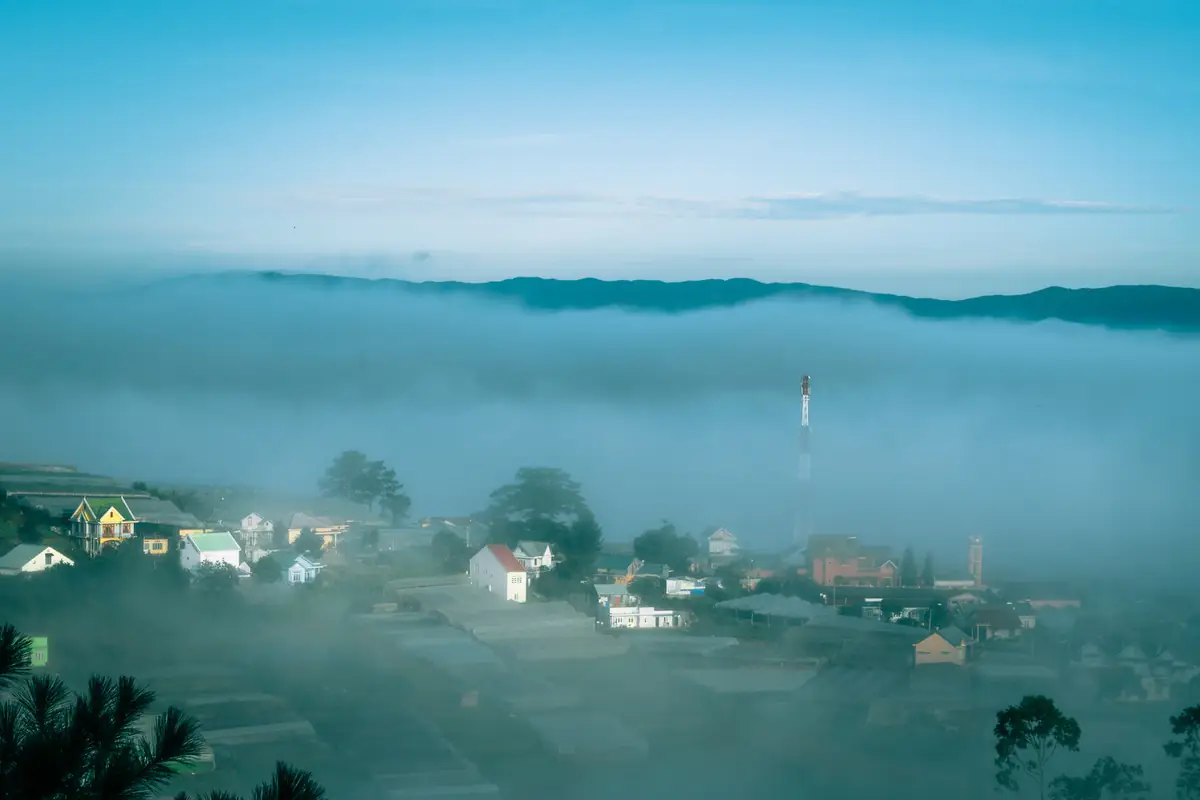
Fog can reduce visibility, especially at certain early morning or evening hours and in exposed mountain areas. Coming up from Lien Khuong Airport, allow flexibility before any activity with a fixed start time. The weather at the airport, on the climb towards Da Lat and in the center may be different. A bright sky at your hotel does not prove that a road farther into the hills will be clear.
A car with a driver is a more practical choice for an out-of-town trip on a wet day, especially if mountain roads make you nervous. It also reduces the problem of carrying wet luggage and changing clothes by the roadside. Da Lat's rainy season is manageable as long as a flexible holiday plan never turns into an obligation to drive through unsuitable conditions.
Will you need heating in your Da Lat hotel?
Your travel dates, the room and how sensitive you are to cold all play a part. In December, January and February, an unheated room can feel cool at night, more so with large windows or little direct sunlight. Before booking, check what bedding is provided, whether hot water is reliable and whether the room can be closed off from drafts. If you are traveling with a baby, an older person or someone who struggles with the cold, ask the property directly about suitable heating options.
Do not assume that an air-conditioning symbol on a booking site means heating is available. Some systems cool only; other properties have no air-conditioning because the climate is usually mild. Read recent reviews for mentions of cold, dampness and hot water rather than relying only on the star rating or the photos of the view.
Is Sa Pa colder than Da Lat?
Sa Pa is generally considerably colder in winter, above all from December to February. It is in Vietnam's northern mountains and experiences winter cold-air outbreaks. Da Lat, by contrast, has a relatively steady, mild highland climate in the south. Both destinations can have mist and cold mornings, but a winter trip to Sa Pa usually demands more serious warm clothing and closer attention to cold-weather forecasts.
Da Lat is often the easier choice for cool air, sweater weather and comfortable daytime city walks without preparing for prolonged winter cold. Sa Pa offers a distinctly northern mountain winter, along with the need to plan for lower temperatures and potentially difficult visibility. The comparison changes with the time of year: Sa Pa in June is not the same situation as Sa Pa in January.
It is not helpful to declare one place colder on every single day. Local altitude, rain, wind and the timing of a cold spell all affect how conditions feel. For a real itinerary, compare the forecasts for the same travel dates rather than two generic annual averages. If warmth is your priority, decide first which month you are visiting, then choose the destination.
Why weather websites give different Da Lat temperatures
You may see a website list a Da Lat annual mean around 18°C and another display a figure closer to 20°C. Some are using a town-center weather station; others are using a nearby model grid cell with a different elevation. They may also use different decades of data. A monthly average of the daily maximum temperature is not the same thing as an average of all hours in the month, so check the column labels before comparing numbers.
The 1964-1998 station observations in this guide provide a consistent historical reference. More recent figures covering 1991-2020 are useful for checking the broad pattern. Neither is a promise that today's climate has exactly the same mean temperature, so expect a degree or two of difference between sources.
For your immediate decision, the broad pattern is reliable: December to March is generally drier; late spring begins the transition into the rainy season; much of May to October is wetter; the coolest nights are typically in the dry season. Use those facts to choose the trip. Use a near-date forecast to decide what you should wear at 6 a.m. next Saturday.
How to check the forecast before you leave
A climate table answers what usually happens in that month. It cannot answer whether it will rain at 2 p.m. on your chosen Saturday. About five to seven days before departure, check the forecast high, low and likelihood of rain for Da Lat. Recheck the hourly details one or two days beforehand. If your plan includes an exposed viewpoint, forest road or waterfall, look for relevant warnings rather than just an everyday weather icon.
Make sure the selected forecast point is actually where you will be. Lien Khuong Airport, the urban center and higher mountain locations can have quite different temperatures. A rain symbol shown for the whole day can still include several dry hours, while a simple cloudy symbol does not rule out a shower. Hourly precipitation and visibility information are most useful for walking or taking photographs.
Vietnam's National Center for Hydro-Meteorological Forecasting publishes official forecasts and warnings. Its information is important when conditions are unsettled. For ordinary packing, a reputable hourly weather app can help you decide which jacket to carry, but do not use one forecast from two weeks ago to override a new warning. Build one flexible indoor option into your itinerary from the start.
A simple Da Lat packing checklist
A dry-season trip starts with T-shirts or long-sleeved tops, a sweater or fleece, a wind-resistant jacket, long trousers, covered shoes and socks. Add sunscreen and a hat for sunny walks. If you are going out before sunrise or are very sensitive to cold, include a compact thermal layer and perhaps a scarf. You can handle most changes during the day by putting on or taking off one piece.
In the rainy season, keep the basic layers but choose fabrics that dry more easily. Add a raincoat, a small umbrella for town use, a waterproof pouch and spare socks. Keep shoes with good traction as your everyday footwear. A separate bag for damp items is useful when you return to the hotel or move on to another destination the following morning.
For families, divide each person's jacket and rain gear into bags that are easy to reach, rather than packing them at the bottom of a large suitcase. Backpackers need items that work together across several days. Photographers can wear practical walking shoes until they reach the location and change for photographs only if the ground is suitable. A smaller, purposeful bag usually works better than bringing an outfit for every possible temperature.
Choose your month from the rainfall column first, then check the average overnight low to decide on a jacket. Before departure, open an hourly forecast for Da Lat and move one outdoor activity if the weather calls for it.
FAQ
What is the coldest month in Da Lat?
January has the lowest daily mean in the 1964-1998 Da Lat station series, at about 15.8°C. December and February can also feel chilly, particularly in the early morning and after sunset.
When does it rain the least in Da Lat?
January and February have the lowest historical monthly rainfall in this table, at around 11 mm and 24 mm respectively. These are long-term averages, not guarantees of dry weather on specific dates.
Do I need a winter coat in Da Lat?
Most visitors will manage with a wind-resistant jacket and a warm layer underneath. A heavier coat may be useful if you feel the cold easily or expect to spend a long time outdoors before sunrise in December, January or February.
Can I visit Da Lat in September or October?
Yes, if you can move outdoor plans around the forecast. Both months are relatively wet, so leave room for indoor activities and avoid scheduling several remote outdoor stops on one inflexible day.
Is Da Lat colder than Sa Pa?
Generally not in winter. Sa Pa usually experiences much colder winter conditions, while Da Lat remains comparatively mild throughout the year. Always compare forecasts for your particular dates.