Da Lat weather in January: what to wear, how cold it gets, and where to see flowers
January is a good time to visit Da Lat for its relatively dry weather, comfortable daytime temperatures, and the possibility of seeing cherry blossoms. Bring warm layers for early mornings and evenings, and keep your flower-viewing plans flexible because blooming dates change each year.
By Da Lat LoversPublished Updated
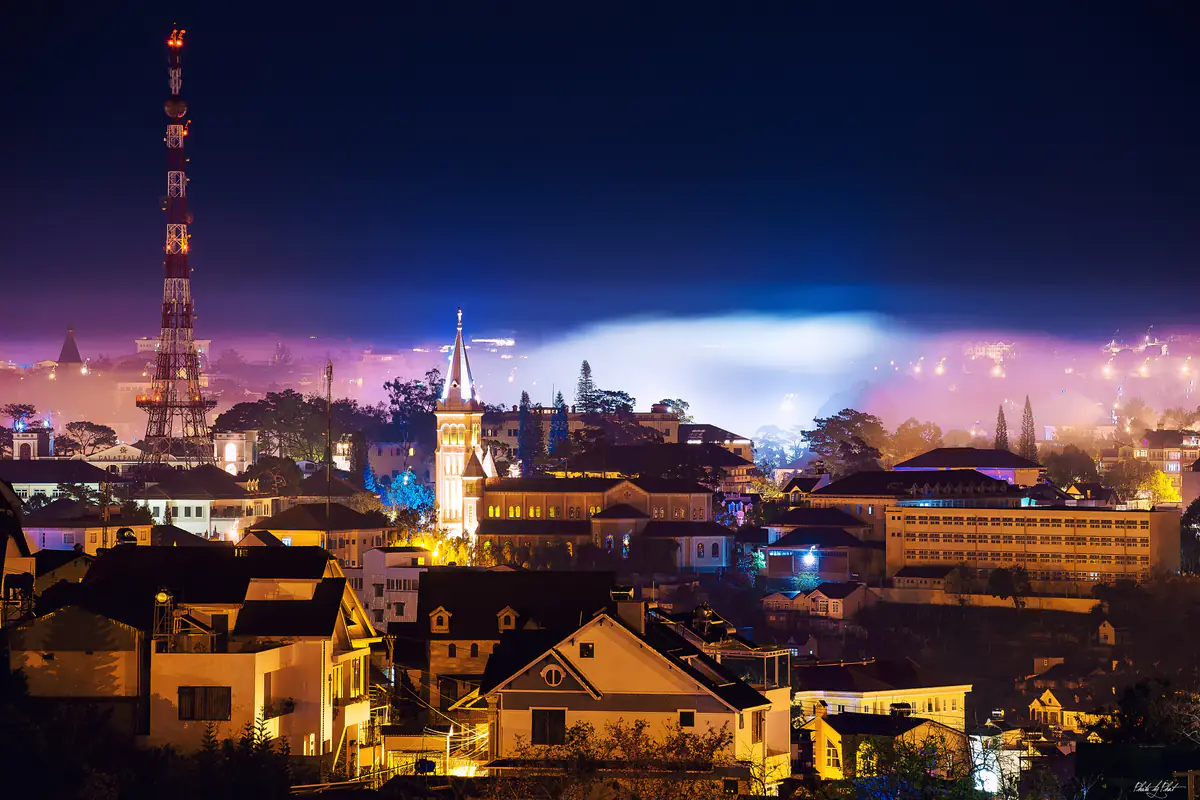
City lights glow among Da Lat’s rooftops and church spire in the early morning.
A walk through Da Lat at 6:30 AM may have you zipping up your jacket and keeping your hands in your pockets. Return to the same street at 11 AM, and a light long-sleeved shirt may be enough in the sunshine. That temperature difference matters more when packing than the month's average temperature. January is well suited to sightseeing, outdoor cafés, and flower photography, but an early riser and someone who prefers slow mornings will experience the weather quite differently.
What is the temperature in Da Lat in January?
January falls within Da Lat's dry season and is also one of its coldest months. Days are generally mild, while early mornings and nights are noticeably colder. Rain is less frequent than during the wet season, although sunny weather is not guaranteed every day.
Averaged over many years, January in Da Lat has an average temperature of approximately 18.3°C (65°F). The average daytime high is around 23.6°C (74°F), while nights usually drop to about 12-15°C (54-59°F).
For practical trip planning, the following ranges are useful:
| Time of day | Typical temperature range | What it feels like |
|---|---|---|
| 5 AM-7 AM | Around 12-15°C (54-59°F) | Cold, especially when windy |
| 7 AM-10 AM | Around 14-20°C (57-68°F) | Chilly at first, gradually warmer |
| 10 AM-3 PM | Around 20-24°C (68-75°F) | Mild and sometimes warm in direct sunlight |
| 3 PM-6 PM | Around 17-22°C (63-72°F) | Comfortable, becoming cooler toward evening |
| 7 PM-11 PM | Around 14-17°C (57-63°F) | Cool enough to need a jacket outdoors |
These are approximate ranges intended to illustrate a typical day's temperature changes, not hourly forecasts. Temperatures can drop further during cold spells.
Low-lying areas, valleys, and places outside the city center may also feel colder.
One thing worth knowing is how quickly Da Lat can feel different when you move from sunlight into the shade.
You might feel perfectly comfortable sitting in a sunny café courtyard at 10 AM wearing a light shirt. Walk onto a tree-lined road where the wind blows continuously, and you may want your jacket again.
A forecast showing 23°C is not a good reason to leave all your warm clothing at home.
Is Da Lat cold in January? When is it coldest?
Yes. Da Lat in January is noticeably cold in the early morning and at night, particularly on cloudy or windy days.
However, the cold does not usually last throughout the day in the same way it can during winter cold spells in northern Vietnam's mountains.
Early morning: 5 AM to 8 AM
This is when you need your warmest clothing, especially if you plan to go cloud hunting, photograph the sunrise, or ride a motorbike.
Low temperatures combined with wind and moisture can make your hands, ears, and neck feel particularly cold.
Travelers arriving from warm climates such as Ho Chi Minh City, Singapore, or Bangkok often notice the difference immediately.
A sweatshirt may be enough for a brisk walk around the city center. But sitting on a motorbike for 30-40 minutes before sunrise is another matter. A wind-resistant jacket, long trousers, and warm socks are sensible.
If you simply want a morning walk, there is no need to leave your hotel at 5 AM.
Between 7:30 AM and 9 AM, conditions are generally more comfortable, and there is usually enough daylight for everyday travel photography.
Midday: 10 AM to 3 PM
For travelers who dislike cold weather, this is usually the most comfortable part of the day.
Temperatures can reach around 20-24°C (68-75°F). When the sun is out, a long-sleeved T-shirt, shirt, or thin sweater may be enough.
A heavy jacket can quickly become uncomfortable if you spend several hours walking.
If you are visiting exposed viewpoints or windy areas, keep a lightweight jacket with you even when the weather is sunny.
Evening: 6 PM to 11 PM
Temperatures generally drop fairly quickly after sunset.
You may begin to feel cold while eating outdoors, sitting at a café, or walking around the city center.
People who tolerate cold weather well may be comfortable with a sweater and jacket. If you get cold easily, bring a scarf or a jacket with a higher collar.
Families traveling with children should not use the adults' comfort level as the only guide. A child sitting still on a motorbike or at an outdoor restaurant may need more layers than someone walking.
Another detail worth planning around is sunset.
In January, the sun generally sets in Da Lat between approximately 5:30 PM and 5:50 PM. If you want natural light for outdoor photography, aim to finish the main part of your shoot before 5 PM.
Does it rain in Da Lat in January?
January is generally one of Da Lat's drier months, but rain is still possible.
Average January rainfall in Da Lat is only about 29 mm.
For trip planning, this means prolonged rain is usually less likely than during the wet season. You can normally schedule more outdoor activities without having to build your entire itinerary around the weather.
However, it helps to distinguish between three different conditions.
Rain: Light showers or short periods of rainfall can still occur. Even when monthly rainfall averages are low, individual days may have poor weather.
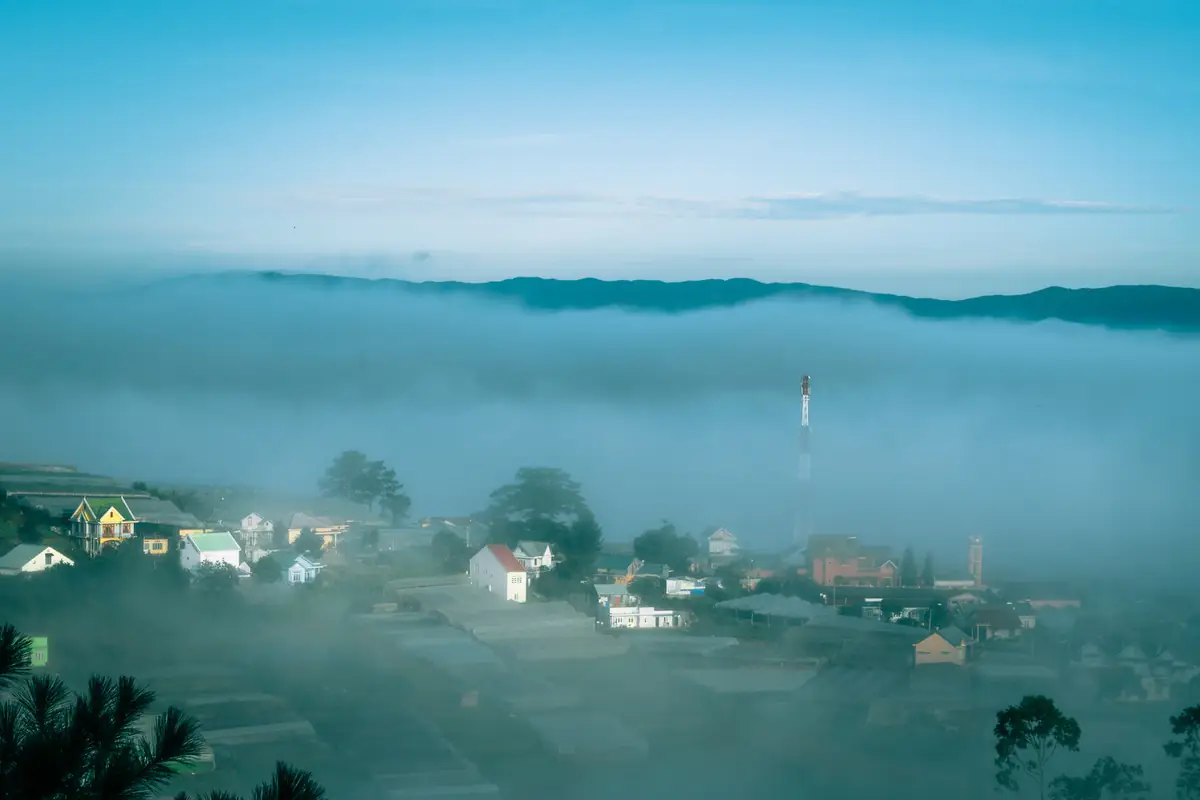
Fog: Fog can form early in the morning, particularly around hills, valleys, and forested roads. Fog is not rain, but it reduces visibility and may leave road surfaces damp.
Dew: Grass, leaves, and motorbike seats may be wet in the morning even if it did not rain overnight. This is common in cool, humid conditions.
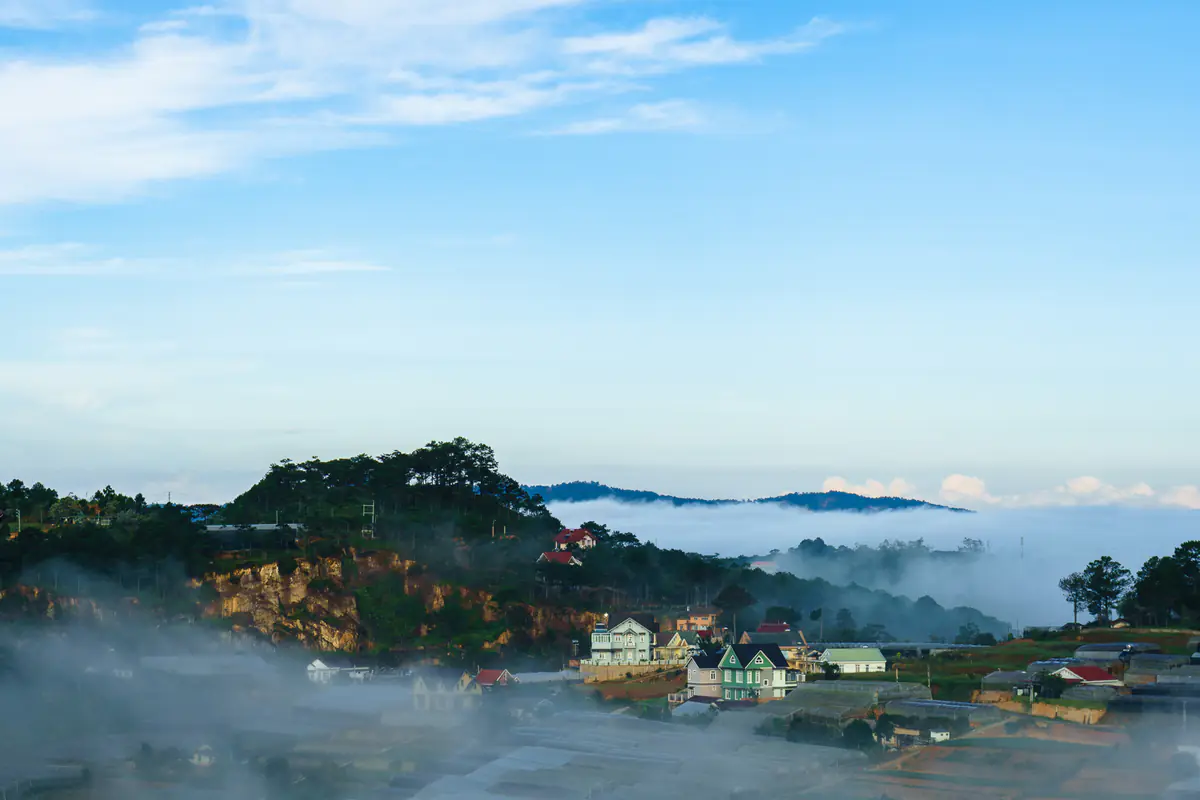
Travelers spending most of their time relaxing in the city may barely notice these differences. Breakfast, cafés, and central sightseeing are easy to rearrange.
For someone heading out at 5 AM to photograph clouds or ride into the surrounding hills, visibility and road conditions matter much more.
Is January sunny in Da Lat?
January generally provides favorable conditions for outdoor activities, but it is not safe to assume the sky will remain clear all day.
Some mornings begin cloudy before sunshine appears later. On other days, the sun comes out early and clouds build during the afternoon.
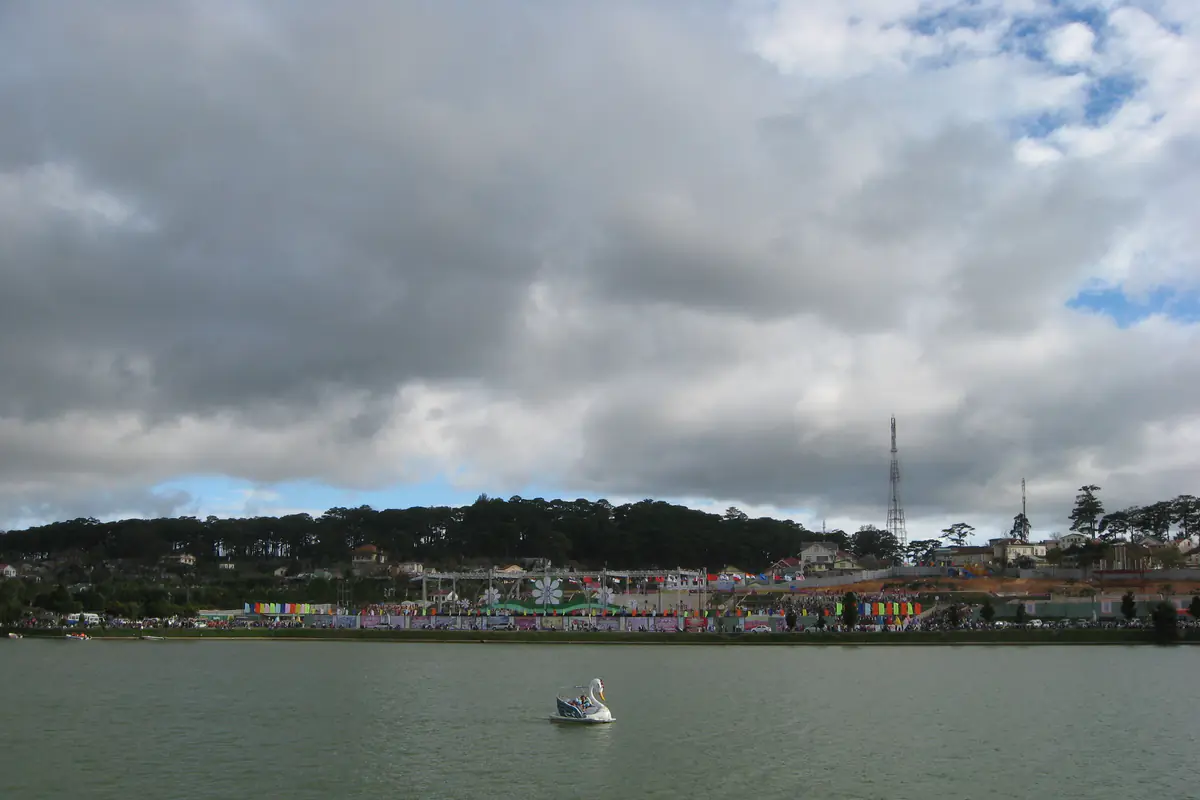
For portraits, the light between approximately 8 AM and 10 AM is often easier to work with than the stronger midday sun.
If you want mountain or valley photographs, check the cloud and fog forecast rather than relying only on the sunshine symbol in a weather app.
For ordinary city sightseeing, a lightweight wind-resistant jacket and a compact umbrella should cover most situations.
A thin raincoat is also useful if you plan to ride a motorbike.
There is no need to pack the heavy rain gear you might use for a long trek during the wet season.
Is early January or late January better for visiting Da Lat?
Temperatures do not necessarily change much between the beginning and end of January. The more noticeable difference may be the condition of the cherry blossoms.
January 1-10: good for relaxing and enjoying cool weather
Early January suits travelers who prioritize sightseeing, relatively dry weather, and a relaxing start to the year.
You can spend the morning walking, enjoy an outdoor café around midday, and visit attractions in the afternoon without having to plan constantly around rain.
January 1 and any adjoining public holiday period may attract more domestic visitors than ordinary weekdays. If your trip overlaps a holiday, book accommodation and transport early.
Some cherry blossom trees may already be flowering, especially in areas with suitable conditions.
However, do not expect the entire city to be covered in pink blossoms during the first week of January.
January 11-20: worth watching for the first substantial blooms
The weather generally maintains its dry-season pattern: chilly mornings, mild afternoons, and relatively low rainfall.
This period becomes more interesting for flower lovers.
Some roads may begin to show more flowering cherry trees, although blooming can be uneven.
Before traveling a long distance specifically to see blossoms, check photographs taken within the previous few days.
One beautiful flowering tree does not mean an entire neighborhood is at its peak.
January 21-31: a promising period for cherry blossom photography
Late January is worth considering if you want to improve your chances of finding cherry blossoms in the city.
For example, by January 27, 2026, hundreds of cherry blossom trees along Tran Hung Dao Street were in full bloom.
In other years, some of Da Lat's best flowering periods have extended into early February.
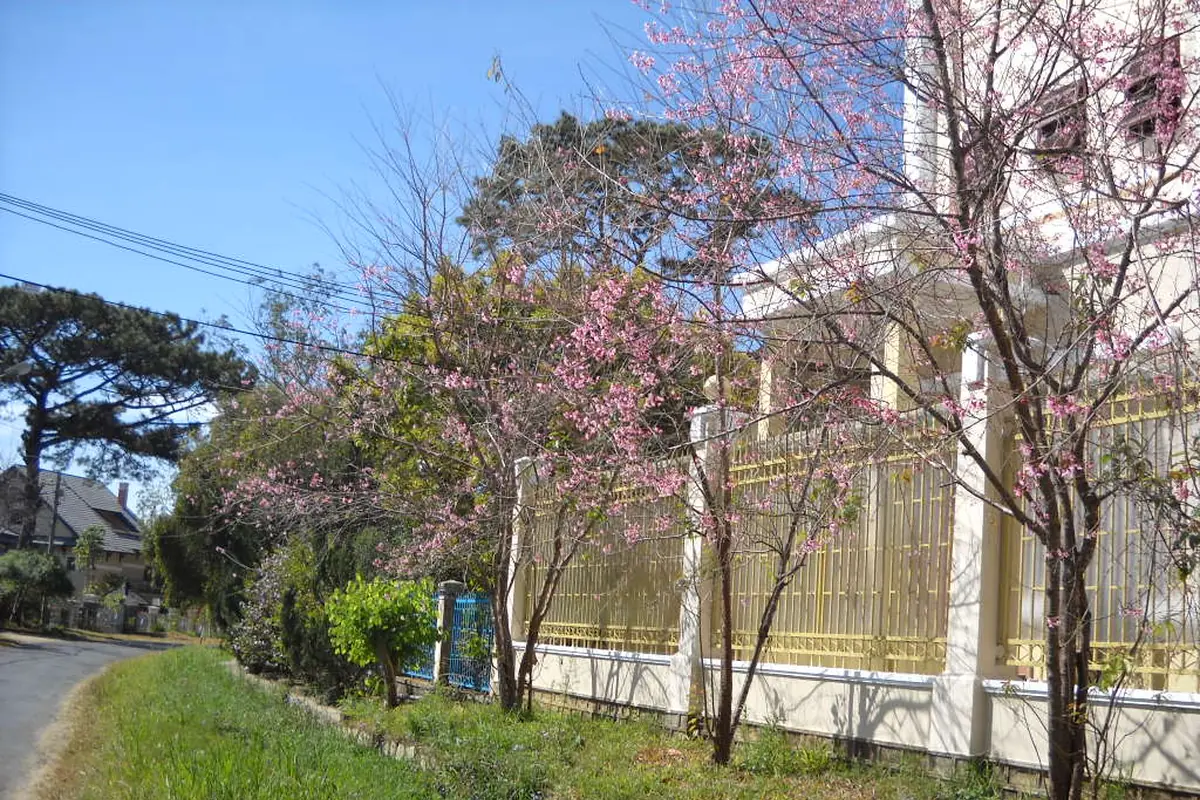
Late January is still not a guaranteed peak.
Weather conditions can shift the flowering period forward or backward by days or even weeks.
If your trip lasts only two days and the main purpose is cherry blossom photography, choose your dates using current flowering reports rather than assuming the same week will be best every year.
What to wear in Da Lat in January
The most practical approach is to wear several light layers that you can easily remove.
A very thick coat may feel great at sunrise but become inconvenient when walking under the midday sun.
On the other hand, bringing only T-shirts and a thin cardigan can leave you uncomfortably cold after sunset.
Base layer: a T-shirt or thin thermal top
A long-sleeved T-shirt is one of the most useful items to bring.
If you get cold easily, consider a lightweight thermal top.
You generally do not need heavy thermal underwear throughout the day, especially if you plan to walk a lot or spend time in the sunshine.
Choose comfortable, breathable materials.
For active sightseeing, moisture-wicking fabric can be useful because damp clothing may feel cold when you stop moving.
Middle layer: sweater, cardigan, or fleece
This layer provides warmth when temperatures drop and can be worn on its own during milder periods.
A thin sweater works well for cafés, city walks, and photographs.
A sweatshirt or fleece is more practical for travelers who expect to move around frequently.
You do not need to pack three or four thick sweaters simply because pictures of Da Lat often show misty hills.
For much of the day, you will not need that much insulation.
Outer layer: a wind-resistant jacket
This is one of the most important items to pack.
A zip-up jacket with reasonable wind protection and a collar that covers your neck will be useful from early morning until late evening.
Travelers riding motorbikes or heading into the countryside before sunrise may need an additional insulated jacket or light puffer coat.
If you only plan to explore the city center during daylight hours, a heavy winter coat is generally unnecessary.
Trousers and shoes
Long trousers are the easiest choice for January.
Jeans, chinos, and moderately thick trousers all work well.
If you want to wear dresses or skirts for photographs, bring tights or thin thermal leggings for the colder hours.
For footwear, choose shoes you can comfortably walk in for several hours.
Da Lat has steep streets, uneven pavements, and plenty of steps. Trainers or walking shoes with good grip are more practical than slippery soles.
Avoid making a brand-new pair of shoes your only footwear for the trip.
Three practical outfits for a January day
| Activity | Recommended clothing |
|---|---|
| Photography from 6 AM to 8 AM | Long-sleeved top, sweater or fleece, wind-resistant jacket, long trousers |
| Walking and cafés from 10 AM to 3 PM | Long-sleeved T-shirt or shirt, trousers, comfortable trainers |
| Dinner and evening walks after 6 PM | Sweater, outer jacket, long trousers, socks |
You do not need to change your entire outfit three times a day.
Start with a comfortable base outfit and add or remove layers as temperatures change.
What should children and older travelers wear in January?
Families should pack according to each person's tolerance for cold rather than preparing identical outfits for everyone.
Young children
Children may run around comfortably during the day but become cold quickly when sitting still on a motorbike or in a windy outdoor area.
Bring a jacket that covers the neck, long trousers, socks, and an additional warm layer.
A soft hat that covers the ears can be useful for young children heading outdoors early in the morning.
Avoid dressing children in so many layers that they become sweaty while playing.
When moving from the cold outdoors into a warm car or café, check whether their clothing needs adjusting.
Families with babies do not need to join a cloud-hunting trip starting at 4 AM or 5 AM simply to photograph the sunrise.
Leaving after 8 AM is often easier for keeping children comfortable and maintaining their usual routine.
Older travelers
Comfortable shoes with good grip, an easy-to-remove jacket, and a scarf are sensible choices.
Early mornings can be particularly cold in January. Travelers who are not accustomed to low temperatures may prefer to avoid standing outside for long periods before sunrise.
A room without a heater may still be comfortable if it is sheltered from wind and has sufficiently warm bedding.
The important thing is to know what to expect before arriving.
International visitors from tropical climates
If you are accustomed to temperatures of 28-32°C (82-90°F) throughout the year, 13-15°C (55-59°F) may feel surprisingly cold.
Bring a proper wind-resistant jacket rather than relying entirely on a decorative cardigan.
You do not need to buy a bulky winter coat for a short stay in Da Lat.
A fleece combined with a wind-resistant outer layer is usually more versatile for ordinary sightseeing.
What to pack for Da Lat in January
For a three-day, two-night trip, a cabin-sized suitcase or medium backpack will usually be enough, provided you are not bringing several separate photography outfits.
A practical packing list includes:
- Three T-shirts or long-sleeved tops.
- One sweater, sweatshirt, or fleece.
- One wind-resistant jacket, preferably with a zip.
- Two pairs of long trousers.
- One reasonably warm set of sleepwear.
- Three pairs of socks and enough underwear for the trip.
- One comfortable pair of trainers or walking shoes.
- A light scarf if you get cold easily.
- Sunscreen, lip balm, and moisturizer.
- A compact umbrella or lightweight raincoat.
- A reusable water bottle and any personal medication you need.
If you enjoy photography, you can replace one ordinary outfit with something specifically for photographs.
Just make sure your photo outfit still works with a warm outer layer.
Do you need a puffer jacket?
Not necessarily.
A lightweight puffer is useful if you plan to visit the countryside early in the morning, ride a motorbike for long periods, or get cold easily.
If your itinerary mostly involves cafés, city walks, and daytime sightseeing, a normal jacket combined with a sweater may be enough.
Do you need gloves and a wool hat?
Consider them if you plan to be outside around 5-6 AM or ride a motorbike in the cold.
Travelers who begin sightseeing around 9 AM and return to their accommodation before 9 PM generally need fewer winter accessories.
Pack according to the hours you will actually spend outdoors, not simply what other people are wearing in travel photographs.
Should you bring sandals or high heels?
Sandals can be useful inside your accommodation or for short walks, but they should not be your only footwear.
High heels may work for a brief photo session on level ground.
For steep streets, steps, and potentially damp pavements, walking shoes are more comfortable and practical.
What flowers bloom in Da Lat in January?
Cherry blossoms are the main seasonal highlight in January.
You may also see mimosa, some white bauhinia blossoms, and hydrangeas in cultivated gardens.
However, do not assume that all these flowers will be blooming heavily at the same time.
Some flowering seasons are controlled largely by natural weather conditions, while others depend on how gardens are maintained.
Blooming dates can change between years and even between different areas of Da Lat.
Cherry blossoms: the main attraction in early-year Da Lat
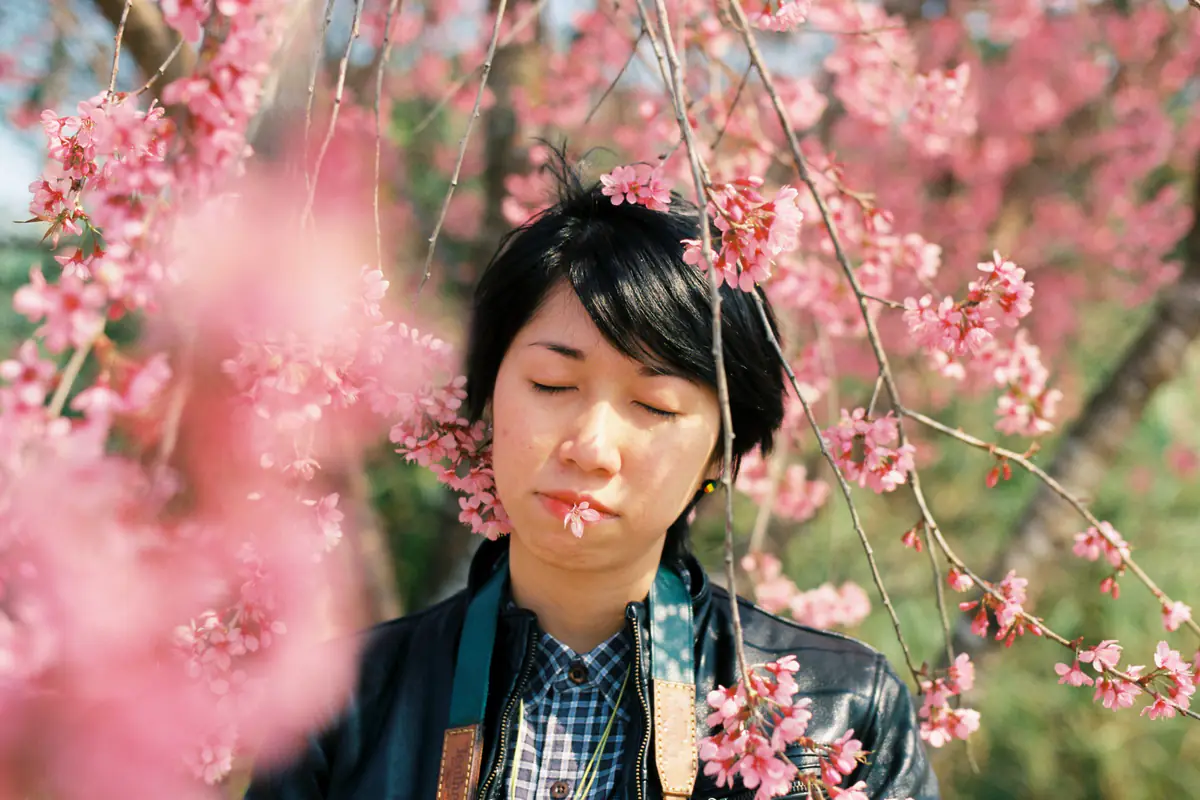
Da Lat's cherry blossoms have pink flowers that often appear on branches after most of the leaves have fallen.
When many trees bloom together, an entire street can take on a distinctive pink appearance.
These trees are part of Da Lat's urban landscape, rather than simply flowers grown for sale in commercial gardens.
One advantage is that you can see them along certain public roads without buying a tourist attraction ticket.
The disadvantage is that the peak blooming period is difficult to predict precisely.
Many travelers book accommodation months in advance expecting a particular day to bring full blossoms, but flowering does not follow a fixed annual calendar.
Mimosa: small yellow flowers during the dry season
Mimosa trees produce clusters of small, rounded yellow flowers.
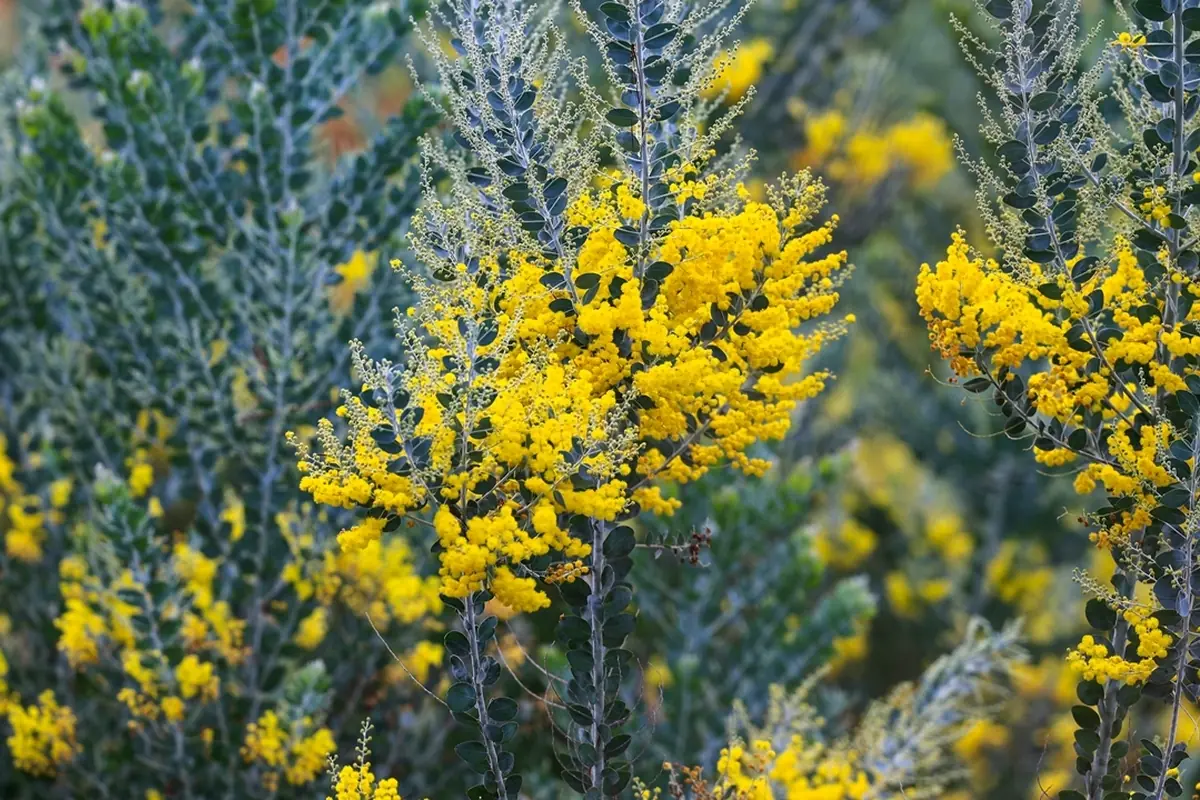
They commonly flower during the dry season and may be seen in January.
Unlike cherry blossoms, which can create large areas of pink color, mimosa flowers stand out as small yellow clusters among the leaves.
You may encounter mimosa trees along roads or within landscaped grounds.
Do not expect endless fields of mimosa flowers across the hills.
These are flowers to appreciate while exploring rather than something that usually requires an entire day of searching.
White bauhinia: a possible early-year bloom
Some white bauhinia trees in Da Lat can begin flowering early in the year, particularly along urban streets.
The flowers have relatively large petals, generally white or sometimes tinged with pink and purple.
When the trees lose some of their leaves and produce many flowers, the branches become especially noticeable.
However, January is not necessarily the best month for bauhinia blossoms every year.
Some trees may flower more strongly later.
If you happen to see them during a January visit, consider it an additional photography opportunity. If they have not bloomed yet, that is not unusual.
Hydrangeas: flowering depends on the garden
Hydrangeas can be cultivated and maintained to produce flowers at different times of the year.
You may still find blooming hydrangeas in January, depending on the garden and its growing conditions.
However, dry-season conditions can affect how the plants look compared with wetter months.
If photographing large groups of hydrangeas is important to you, contact the garden you intend to visit and ask about its current flowers.
Do not assume the garden will look exactly like its promotional photographs throughout the year.
What about wild sunflowers, pink grass, and purple jacaranda?
These are not the best flowers or landscapes to make the focus of a January trip.
Wild sunflowers are more closely associated with the final months of the previous year.
Pink grass is also usually sought earlier in the season.
Purple jacaranda flowers generally become more prominent later in the year.
You might still encounter an occasional plant or patch of flowers outside its main season, but a January itinerary should not depend on these exceptions.
When do cherry blossoms bloom in Da Lat?
Da Lat's cherry blossom season generally falls between late December and February, with January being an important part of the flowering period.
The exact peak varies by year, location, and individual tree.
This is worth understanding before booking a trip specifically for the blossoms.
Looking at recent flowering seasons shows how much timing can change.
In 2026, cherry blossoms began appearing in Da Lat in early January.
By late January, they were blooming heavily in several parts of the city, particularly along Tran Hung Dao Street.
In 2025, Da Lat was still enjoying impressive cherry blossom displays in early February.
So do not count on the flowers peaking on the same January date every year.
Why don't all cherry blossom trees bloom together?
Flower development is affected by weather conditions leading up to the blooming season, including temperature and rainfall patterns.
Local conditions also matter.
Trees in areas outside the city may bloom earlier than those along central streets.
Even on the same road, one tree may be covered in flowers while the tree beside it still has unopened buds.
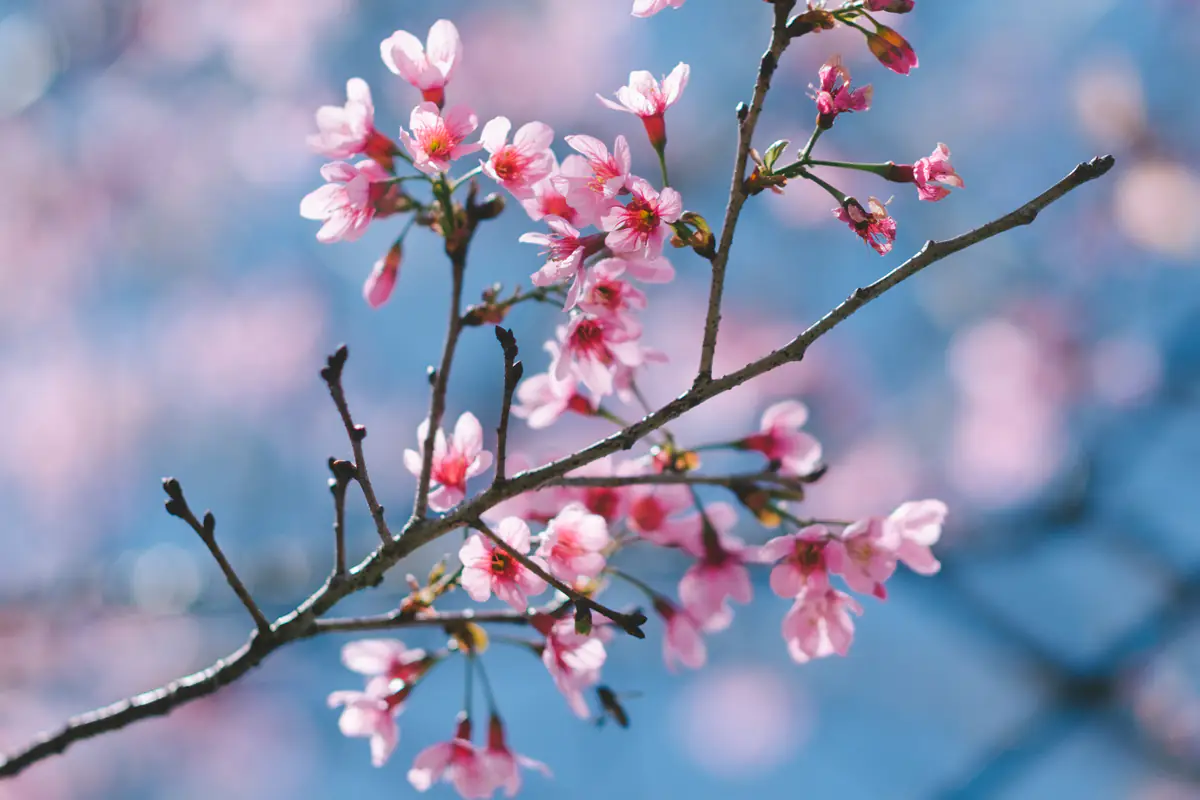
That is why you may see beautiful blossom photographs from the same date but taken in very different locations.
Should you book your trip for late January?
Late January is a reasonable period to consider, but it does not guarantee the best blossoms.
If your travel dates remain flexible, follow recent photographs and flowering updates before booking non-refundable services.
If you have already booked transport and accommodation, there is usually no reason to change your entire trip because the flowers are blooming earlier or later than expected.
A two- or three-day stay in Da Lat offers plenty of enjoyable activities in January even when the cherry blossoms are not at their peak.
Where to see cherry blossoms in January
For practical planning, there are two main approaches: look for blossoms within the city or travel farther into the surrounding countryside.
Tran Hung Dao Street: a convenient city option
Tran Hung Dao Street is one of Da Lat's best-known locations for cherry blossom trees and historic villas.
In late January 2026, the section near Cadasa Resort's villas had some of the most attractive blossoms.
During the flowering season, the scenery is distinctive: pink blossoms, a gently sloping road, and older buildings in the background.
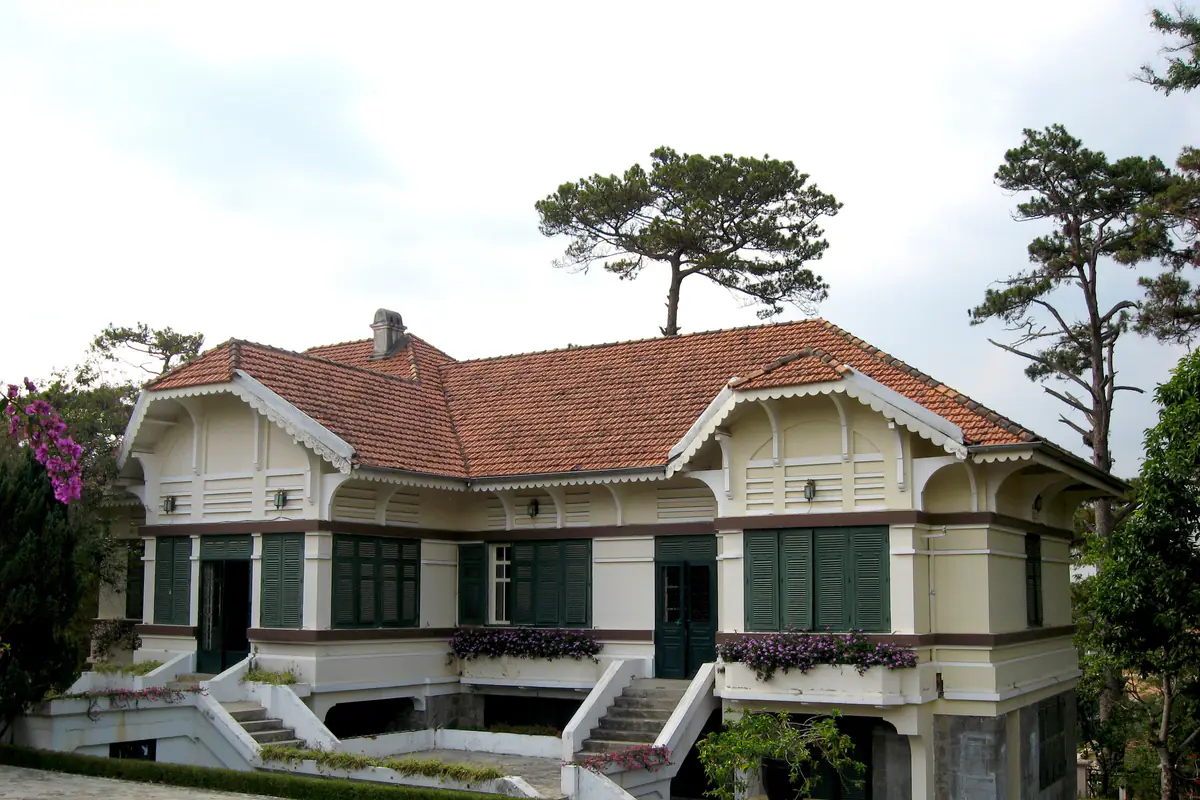
Try visiting between approximately 7:30 AM and 9:30 AM for photography.
The light is often easier to work with than harsh midday sunshine.
Remember that Tran Hung Dao is a working road with traffic.
Do not stand in the middle of the street, stop a vehicle abruptly for photographs, or enter private villa grounds without permission.
For travelers who do not want a long motorbike journey, this is one of the easier flower-viewing areas to fit into a city itinerary.
Cau Dat: consider it when flowers are confirmed
Cau Dat lies approximately 20-25 km from central Da Lat, depending on your starting point and destination.
Cherry blossoms here can flower early, as they did in the 2025-2026 season.
Unlike a visit to an urban street, traveling to Cau Dat takes more time.
You should first confirm exactly where the blossoms are, since not every part of Cau Dat has the same scenery.
If current photographs show that the flowers are blooming in a specific area, you could leave around 7-8 AM and spend the morning exploring.
Travel time depends on your vehicle, road conditions, and stops along the way.
If you do not know where the flowers are currently blooming, there is little reason to leave at 5 AM hoping to discover an entire road covered in blossoms.
Travelers unfamiliar with mountain roads should consider a car or a vehicle with a driver.
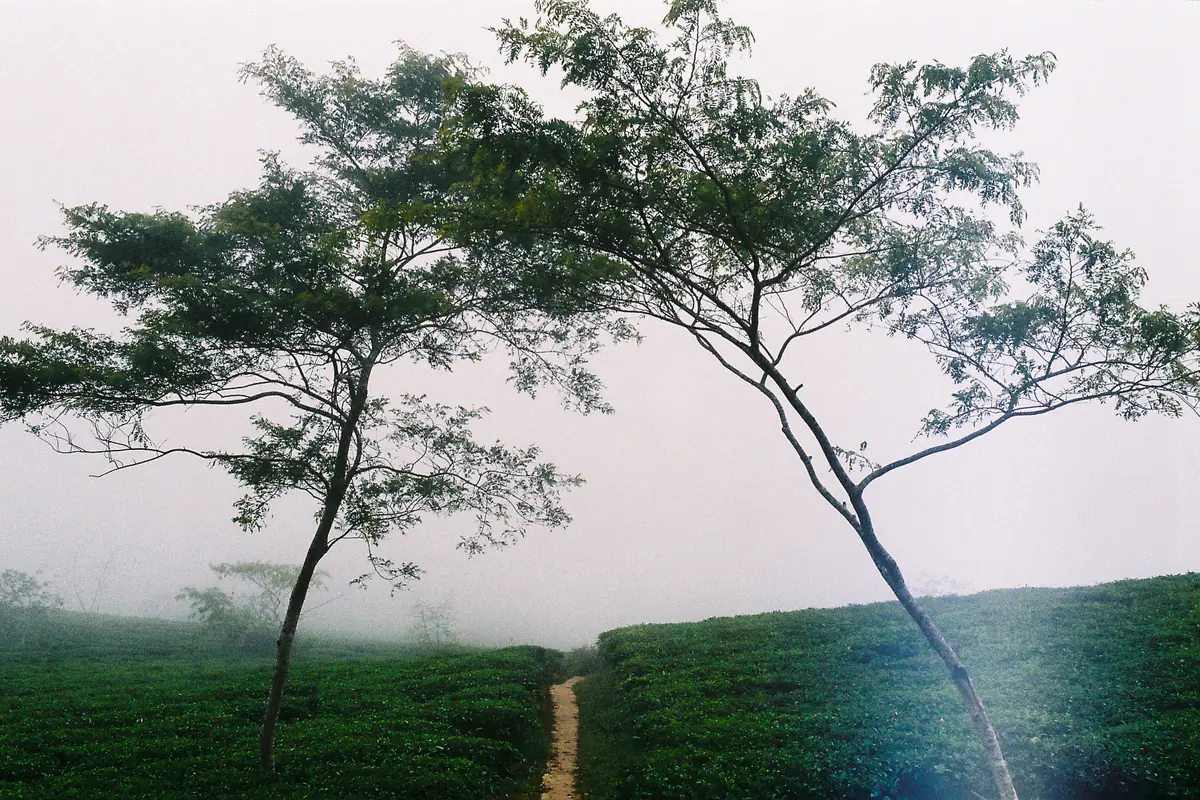
Morning fog may reduce visibility, and roads outside Da Lat often have winding sections.
Which option is better for a short visit?
For a two-day trip, check the cherry blossom conditions along Tran Hung Dao Street first.
It is easier to combine with other activities in the city and does not require you to dedicate an entire morning to a countryside journey.
Cau Dat makes more sense when you have extra time and know that a particular area is currently blooming well.
How to check whether Da Lat's cherry blossoms are blooming
When preparing for an actual trip, asking when Da Lat's cherry blossoms generally bloom is only the starting point.
The more useful question is where the flowers are looking good right now and when the photographs were taken.
A simple three-stage check works well.
Seven to ten days before departure: Look for new photographs from the current flowering season. Prioritize posts showing the date, an identifiable location, and a wider view of the trees.
Two to three days before departure: Check the exact area you intend to visit again. Blossoms can change noticeably after several days of sunshine, wind, or rain.
The day before your flower-viewing trip: Check the weather, road conditions, and any recent information from your accommodation or local transport provider.
A close-up picture of one flowering branch is not enough to judge an entire street.
Look for wider photographs showing multiple trees, the road, and the surrounding landscape.
Be particularly cautious about statements claiming that Da Lat's cherry blossoms are guaranteed to peak between certain fixed dates every year.
There is no such dependable calendar.
How to plan a January day in Da Lat around the weather
You do not need an excessively packed itinerary.
January's relatively low rainfall allows plenty of time for outdoor activities, but it still makes sense to leave a break around midday.
- 6 AM-8 AM
Wake early only for a specific reason
This period suits travelers interested in sunrise photography, fog, or early-morning scenery.
However, if your main plans involve cafés and walking around the city, there is no reason to get up at 5 AM.
Sleeping until 7:30 AM, having breakfast, and then beginning your day may be a much more enjoyable approach, especially for families with children.
- 8 AM-11 AM
Prioritize outdoor activities
This is a convenient time for walking, street photography, and flower viewing.
Temperatures gradually rise, allowing you to remove your jacket without having to spend too much time under the stronger midday sun.
If you are traveling into the countryside, leave early enough that transport does not consume the entire morning.
- 11 AM-2 PM
Lunch and a break
January sunshine can feel strong even when the air remains mild.
Travelers who spent the morning outdoors should take time to rest, eat, and drink water.
This is also a suitable period to return to your hotel and change clothes after an early photography session.
There is no need to fill every available hour with another attraction.
- 2 PM-5 PM
Light sightseeing or afternoon photography
The afternoon is a good time for short walks, cafés, or a second outdoor photography session.
Light often becomes softer toward 4 PM.
However, January days are relatively short, so avoid beginning a long journey when it is already close to 5 PM.
- After 6 PM
Dinner and activities near your accommodation
As temperatures drop, put on your jacket before leaving.
If you stay near the city center, walking a short distance to dinner may be easier than arranging transport for every small journey.
For a long meal outdoors, bring an extra layer or scarf.
Even a covered restaurant terrace can feel cold if wind passes through the seating area.
Where to stay in Da Lat in January
Weather conditions can feel different depending on where you stay.
Accommodation on an exposed hillside, near a valley, or in a particularly windy location may feel colder than a sheltered property in a built-up area.
City center: easier when temperatures drop
For first-time visitors, travelers without private transport, and families with older members, staying near the center is usually practical.
Streets such as Nguyen Chi Thanh, Phan Boi Chau, and Bui Thi Xuan have numerous accommodation and dining options.
You can go out for a late breakfast, return to your room for another jacket, or rest in the middle of the day without spending much time traveling.
However, check the room itself carefully.
A centrally located hotel can still feel cold if its windows are drafty, the room is damp, or the bedding is too thin.
Read recent reviews mentioning hot water, blankets, noise, and room temperature.
Countryside accommodation: quiet but more dependent on transport
Staying outside the city center suits travelers who want a quieter holiday, greenery, and fewer evening outings.
However, do not choose accommodation solely because the photographs show misty hills and pine forests.
In January, early-morning and evening travel requires more attention to weather and road conditions.
A beautiful property far from restaurants and other services may involve more travel than you expected.
Before booking, ask about on-site meals, transport options, and the room's conditions at night.
For a two-day, one-night trip, staying near the city center generally saves time.
Is January a good time to ride a motorbike in Da Lat?
It can be, provided you have experience with mountain roads, hold the appropriate valid driving license, and are willing to adjust your route according to the weather.
January is generally drier than the rainy season, which is favorable for outdoor travel.
However, early mornings may still bring fog, damp roads, and low temperatures.
Do not assume a road is safe simply because it has not rained that day.
Travelers unfamiliar with winding mountain roads, those without the appropriate license, or anyone uncomfortable riding in cold conditions should choose a car or a vehicle with a driver.
International visitors must check whether their driving documents are legally recognized in Vietnam before renting and operating a motorbike.
For a trip limited to central Da Lat, renting a motorbike is not essential.
Walking short distances and taking taxis for longer journeys can be easier and more comfortable.
Is January good for cloud hunting in Da Lat?
It can be, but dry-season weather does not mean you will see a sea of clouds every morning.
For clouds to collect below a viewpoint, several conditions need to align, including humidity, temperature, wind, and local terrain.
A cold morning does not automatically produce a sea of clouds.
Some mornings offer only thick fog, with little visibility of the scenery beyond it.
January generally provides favorable conditions for outdoor activities, but cloud hunting still requires attention to forecasts for low clouds, fog, and wind.
If you need to leave very early, bring additional warm clothing, gloves, shoes with good grip, and suitable transport.
Avoid entering unfamiliar dirt tracks or steep hillsides in darkness, particularly when visibility is poor.
For travelers spending only two days in Da Lat, cloud hunting is best treated as a flexible activity rather than something that must be completed at all costs.
Who should visit Da Lat in January?
January is particularly suitable for travelers who enjoy cool weather, want to reduce the chance of encountering rain, and prefer spending time outdoors.
Couples: Walking, photography, and outdoor cafés are enjoyable during the mild daytime weather. Bring a jacket for evenings.
Groups of friends interested in photography: Cherry blossoms are a possible highlight, and relatively dry weather makes outdoor photography easier to plan. Keep your schedule flexible rather than relying on one predicted peak-flowering day.
Families with children: January can work well if you choose suitable sightseeing hours, avoid unnecessarily early starts, and pack warm clothing.
International visitors: The month is worth considering for outdoor sightseeing. Travelers arriving from tropical regions should be prepared for the temperature difference between afternoons and nights.
Travelers who enjoy walking: Daytime temperatures are generally more comfortable than in many hot destinations, as long as you have suitable footwear and avoid prolonged exposure to strong midday sunshine.
Who should plan more carefully?
Travelers who dislike cold weather but enjoy sitting outdoors late into the evening should pay particular attention to clothing and accommodation.
Anyone planning to swim in an outdoor pool should check whether the water is heated.
A pleasant midday air temperature does not guarantee comfortable swimming conditions.
Those visiting specifically for cherry blossoms need to accept the possibility that the flowers may not peak during their stay.
January offers a chance to see them, not a guarantee.
How to check Da Lat's weather before departure
Do not use long-term climate averages to decide exactly which day will require a raincoat or which morning will be best for cloud hunting.
Climate data tells you that January is generally cool and relatively dry.
For the weather during your actual visit, you need an updated forecast.
A practical checking schedule is:
Seven days before departure: Review the expected daily high and low temperatures and the chance of rain. Use this mainly to prepare your luggage.
Three days before departure: Recheck the forecast for each day. Pay attention to rain, wind, and unusually low temperatures.
The evening before an activity: Look at the hourly forecast, particularly for early-morning trips into the countryside or cloud-hunting excursions.
Three details deserve separate attention: minimum temperature, rain probability, and cloud or fog conditions.
A day with a high of 23°C (73°F) may still have a cold morning.
Likewise, a day with a low probability of rain may still be cloudy.
For cherry blossom photography, weather forecasts and current flower photographs provide different information. Check both.
Three common mistakes when reading the forecast
First, an average temperature of 18°C does not mean it will stay at 18°C all day.
The daytime high and nighttime low can differ by nearly 10°C.
Second, low rainfall does not mean there will be no fog.
Countryside roads can still be damp in the early morning.
Third, a sunny forecast does not guarantee a clear sunrise from a cloud-hunting viewpoint.
Clouds and fog can vary considerably between different areas.
Book accommodation and transport around a suitable travel schedule, then adjust outdoor activities when the short-term forecast becomes clearer.
Common mistakes to avoid when visiting Da Lat in January
Bringing only light clothes because the forecast says 23°C
That number is often close to the daytime high.
It does not represent conditions at 6 AM or 9 PM.
Pack at least one jacket that provides reasonable wind protection.
Planning the entire trip around cherry blossoms without checking their condition
Cherry blossoms do not follow fixed blooming dates.
You could spend hours traveling only to find a few flowering trees.
Prioritize distant flower-viewing locations only after confirming that the blossoms are looking good there.
Going out extremely early without a clear reason
January mornings are cold.
A relaxing holiday does not have to involve sunrise photography every day.
Waking at 7:30 AM, having breakfast, and then starting sightseeing is a perfectly sensible plan.
Forgetting to drink water because the weather feels cool
Mild temperatures can make you feel less thirsty, even when you have spent hours walking outdoors.
Carry water and take breaks when needed, particularly during sunny afternoons.
Spending too much time traveling between distant attractions
Two days in Da Lat is not enough to explore every direction around the city comfortably.
January is a good time for unhurried walking and enjoying the scenery.
Do not turn its pleasant weather into an itinerary spent almost entirely on the road.
Final recommendation: how should you spend January in Da Lat?
If you are choosing between spending an entire morning chasing cherry blossoms in the countryside and enjoying a slower trip with flower viewing in central Da Lat, choose the second option for your first visit. You will still get to enjoy January's cool, relatively dry weather, and you can add a longer flower-viewing excursion once you have confirmed that the blossoms are looking good in a specific location.
FAQ
Is Da Lat cold in January?
Yes. January mornings and nights are noticeably cold, with temperatures commonly around 12-15°C (54-59°F), although they can drop further during cold spells. Afternoons are generally milder, often around 20-24°C (68-75°F). Bring a wind-resistant jacket, long-sleeved clothing, and long trousers.
What is the average temperature in Da Lat in January?
Averaged over many years, the January temperature in Da Lat is approximately 18°C (64°F). Average daytime highs are around 23-24°C (73-75°F), while nights usually drop to about 12-15°C (54-59°F). These are climate averages rather than forecasts for specific travel dates.
What should I wear in Da Lat in January?
Wear layers that are easy to remove. Long-sleeved shirts, light sweaters, cardigans, jeans, and comfortable walking shoes are all practical choices. Bring a wind-resistant jacket for mornings and evenings. If you want to wear a dress or skirt for photographs, tights or thin thermal leggings can help keep you warm.
What flowers can I see in Da Lat in January?
Cherry blossoms are the main seasonal attraction. You may also see yellow mimosa, some white bauhinia blossoms, and hydrangeas in cultivated gardens. Blooming depends on the weather and location, so check recent photographs before planning a journey specifically to see flowers.
When do cherry blossoms bloom in Da Lat? Are they guaranteed in late January?
Da Lat's cherry blossom season generally falls between late December and February, but the peak changes each year. Late January is worth monitoring: on January 27, 2026, cherry blossoms were blooming heavily along Tran Hung Dao Street. In some years, the best displays extend into February, so late January cannot be guaranteed as the peak every year.