What to wear in Da Lat: dress in layers, not a full suitcase
Da Lat turns chilly in the early morning and evening, yet many middays are surprisingly sunny, so layers work better than a full suitcase: a base top, one warm layer and a wind-resistant jacket that comes off at noon and goes back on after dark. For a 2-4 day trip, you don't need a different outfit for every attraction, from city walks to early-morning cloud hunting.
By Da Lat LoversPublished Updated
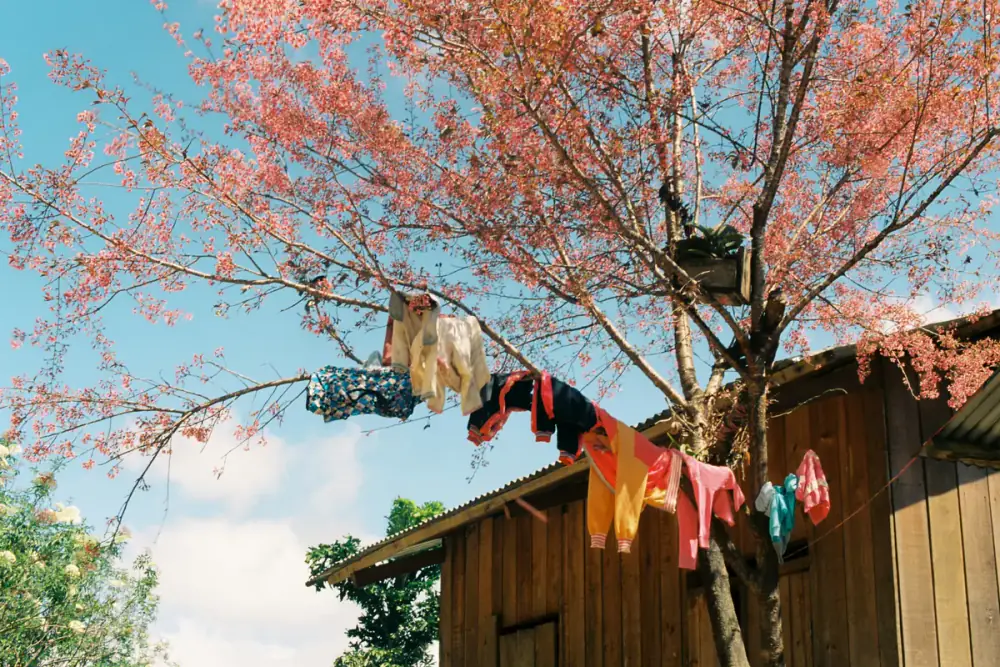
Before packing for Da Lat, check the forecast for early mornings and evenings, not just the daytime high. For a 3-day, 2-night trip, start with three tops, two pairs of pants, one warm layer, one outer jacket, and a comfortable pair of walking shoes. Add rain protection or a special outfit for photos if your itinerary calls for it. A completely different look for every day is more than you'll ever wear.
What to wear in Da Lat at different times of day
Da Lat sits in Vietnam's Central Highlands, where temperatures are cooler than in lowland cities such as Ho Chi Minh City or Nha Trang.
On a sunny afternoon, a T-shirt may feel perfectly comfortable. A few hours later, especially when wind or rain arrives, you'll probably want another layer. Whether Da Lat feels cold depends mostly on what time you'll be outside.
Early morning, around 5:30-8:30 AM: dress for the cold
Many visitors head outside the city at this hour to watch the sunrise, look for clouds over the hills, or take photos among the pine trees. The more exposed the location, the more useful a proper jacket becomes.
A practical outfit includes:
- A long-sleeved T-shirt or lightweight thermal top.
- A thin sweater or fleece.
- A wind-resistant jacket.
- Long pants, socks, and closed-toe shoes.
Anyone who feels the cold can add a lightweight scarf. During colder spells, particularly around the end and beginning of the year, choose a warmer jacket based on the actual forecast.
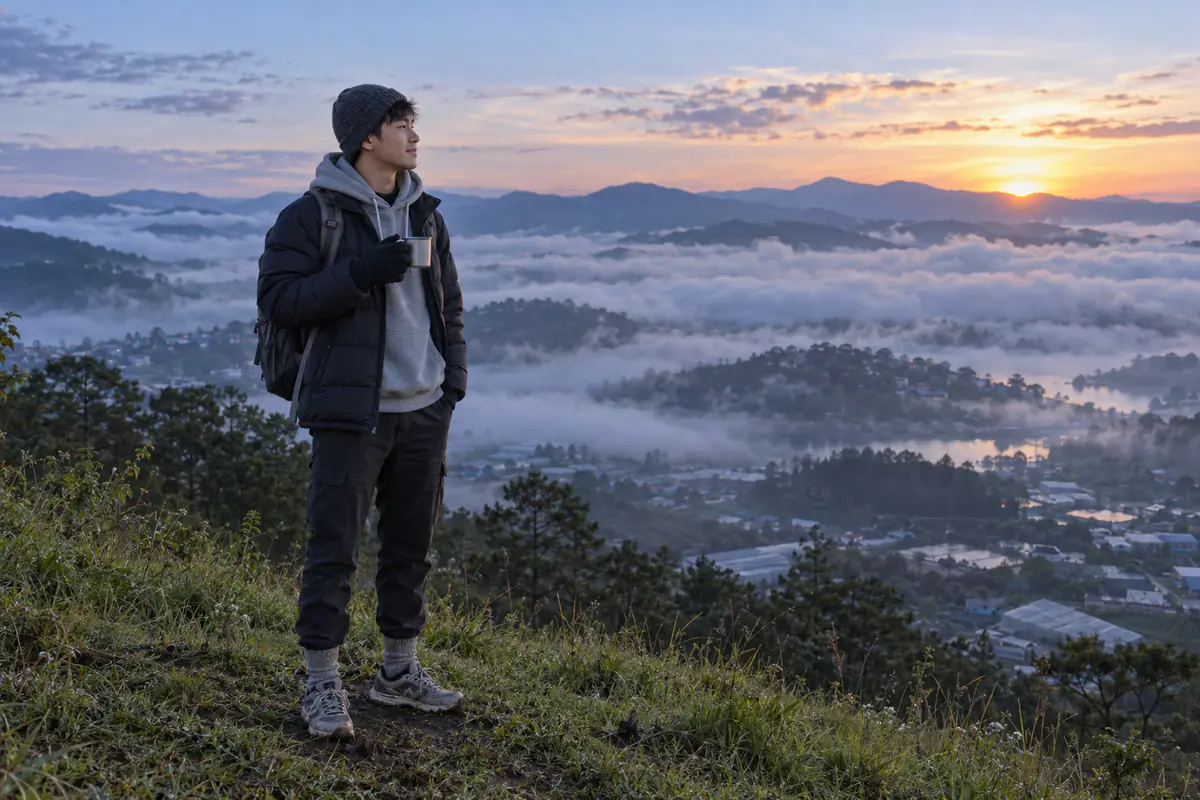
A short skirt and a thin cardigan might look nice in photographs, but they're not the most comfortable choice for standing on a windy hill at 5 AM. You can still wear a dress for photos. Just bring suitable thermal layers, warmer socks, and a jacket to wear between shots.
Wet grass is another issue. Thin canvas sneakers, slippery soles, and white shoes are not ideal when you have to walk across damp, unpaved ground.
Daytime, around 9 AM-4 PM: keep things light
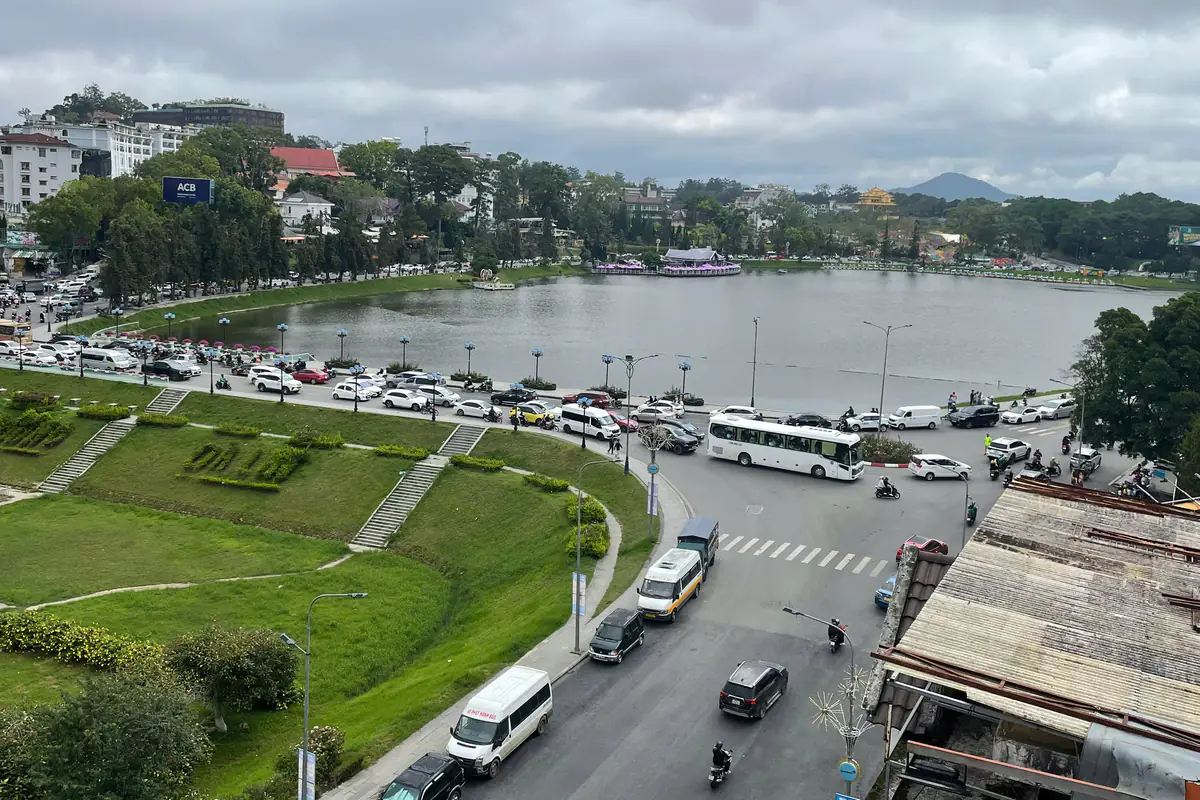
Da Lat can be surprisingly sunny around midday. Walking around Xuan Huong Lake, visiting cafés, or climbing the sloping streets near the city center in a thick sweater quickly gets uncomfortable.
A T-shirt, shirt, or lightweight long-sleeved top with jeans, chinos, or a skirt works well. Keep your jacket somewhere easy to reach or tie it around your waist.
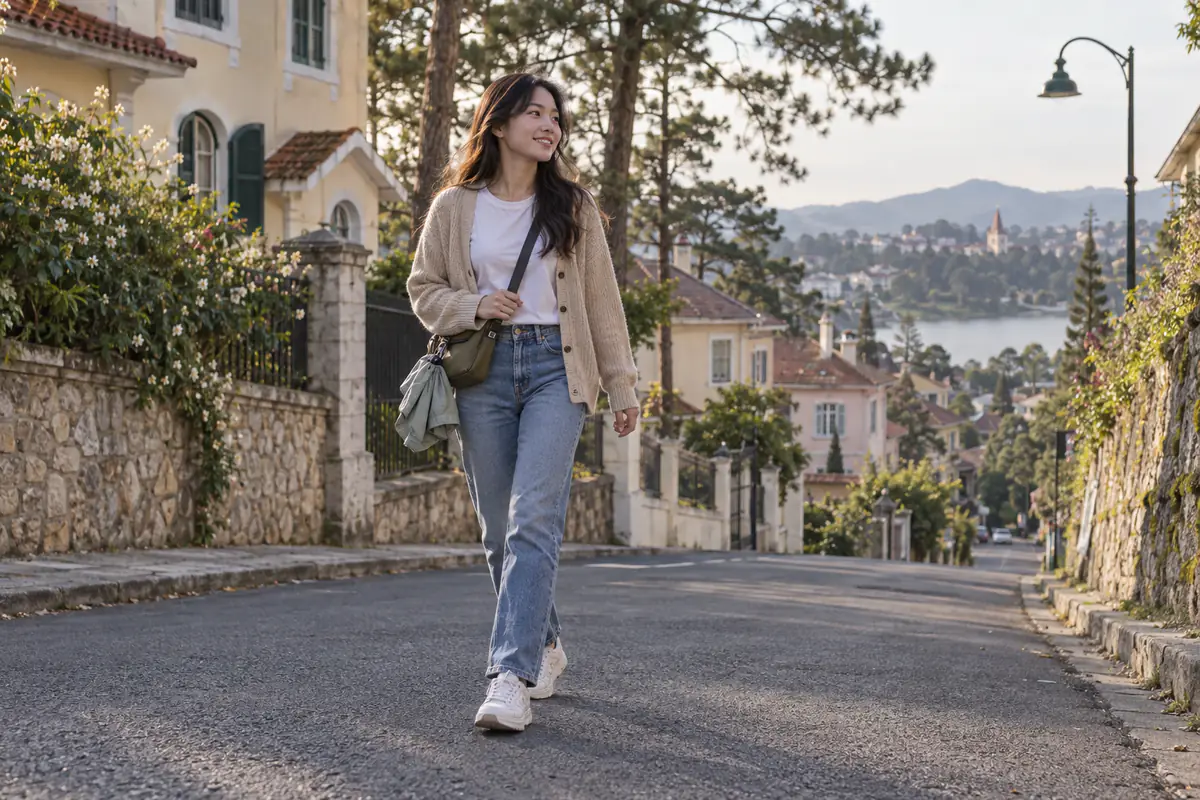
Pants with a little flexibility make long walks easier. Very tight or stiff jeans are less comfortable when you're spending hours sitting in vehicles and walking uphill.
Evening, around 5-10 PM: add warmth
An evening at Da Lat Night Market, dinner near Hoa Binh Square, or drinks at an outdoor café requires a different outfit from a sunny afternoon.
The easiest combination is a long-sleeved top, long pants, and a jacket, with a sweater or fleece underneath when the temperature drops further.
A heavy winter coat worn all day just means putting up with the heat at noon. A zip-up jacket is more practical because you can adjust your layers when moving between outdoor streets, cafés, and restaurants.
| Time of day | What to wear | Optional extras |
|---|---|---|
| 5:30-8:30 AM | Long sleeves, warm layer, pants, closed shoes | Windbreaker, light scarf |
| 9 AM-4 PM | T-shirt or shirt, comfortable pants | Lightweight jacket |
| 5-10 PM | Long sleeves, pants, jacket | Sweater or fleece |
| Rainy days | Quick-drying clothes, grippy shoes | Raincoat, spare socks |
These are starting points, not fixed rules. Check the hourly forecast before leaving your accommodation, especially when you're heading outside the city.
What to wear in Da Lat by season
Da Lat has a rainy season from around May to October and a relatively drier season from November to April. The transition doesn't follow an exact calendar every year, so use these seasonal guidelines alongside the forecast for your travel dates.
November to February: pack for chilly mornings and evenings
These months are when thermal tops, sweaters, and wind-resistant jackets earn their place in your bag.
During the day, you may still be comfortable in a shirt, T-shirt, and jeans. Early mornings and late evenings can feel quite different.
A simple outfit combination is:
- A thin white or black thermal top.
- A cream-colored crewneck sweater.
- Dark blue jeans.
- A brown or gray jacket.
- Closed-toe sneakers.
A thermal base layer takes up less space than packing several thick sweaters. People who feel the cold, or who plan to spend hours outdoors, should bring a warmer outer jacket.
December and January aren't equally cold every day. On some afternoons, a shirt is enough. On windier days, standing outside for photos can feel chilly even when the temperature reading doesn't seem particularly low.
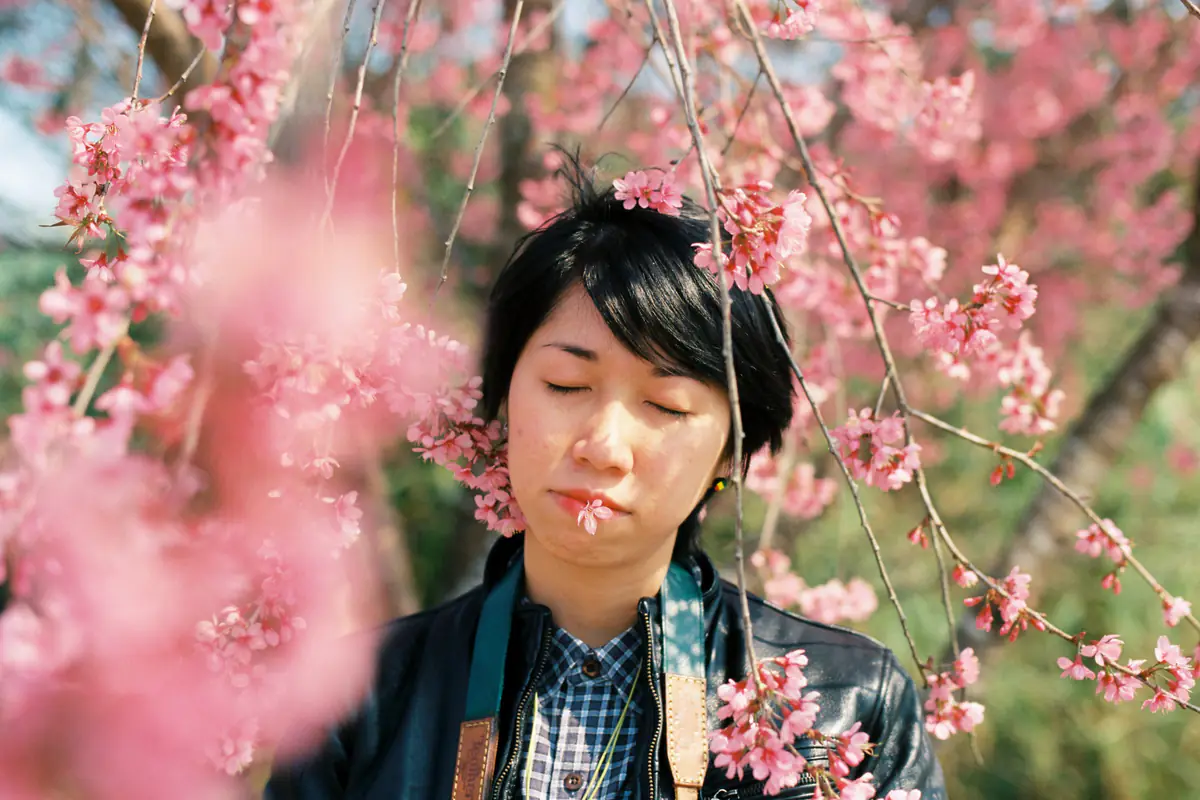
March to April: lighter layers work well
Shirts, long-sleeved T-shirts, lightweight cardigans, and comfortable pants suit these two months.
Most city-center itineraries never need a heavy puffer. One light jacket that works in the morning and evening is more useful.
Try a white shirt with beige chinos and a brown cardigan. You can wear the same outfit to a café, around town, or for casual photographs.
Rain becomes more likely as April progresses, and a lightweight jacket with some water resistance may be more useful than a very thick sweater.
May to August: dress lightly and expect rain
Clothing for Da Lat's rainy season should do two things: help you stay reasonably dry and avoid taking forever to dry once it gets wet.
Prioritize:
- Quick-drying T-shirts or shirts.
- Lightweight pants that don't hold too much water.
- A thin wind-resistant jacket.
- Rain protection suitable for your transport.
- Shoes with good grip and spare socks.
Heavy knitted sweaters are not the best first choice during this period. Once wet, they can become heavy, dry slowly, and feel uncomfortable when you still have places to visit.
Long dresses are fine for cafés and photos, but choose a hemline that stays clear of the ground. Dragging a long skirt along a wet pavement is frustrating.
Also, remember that water-resistant and waterproof aren't the same thing. A jacket that handles light drizzle may not protect you during heavy rain.
September to October: plan around wet conditions
These months fall in Da Lat's wetter period. A beautiful outfit is little use once a sudden downpour leaves you uncomfortable for the rest of the day.
Pack a quick-drying base layer, practical pants, appropriate rain protection, and shoes with reliable traction.
Suede shoes, high heels, and long white dresses are best left at your accommodation on days with grassy hills, gardens, or unpaved paths.
An entirely new travel wardrobe isn't necessary either. A rain jacket you already own, dark comfortable pants, and a familiar pair of walking shoes will often do the job.
The three-layer system: stay warm without overpacking
Layering is one of the most useful ideas when packing for Da Lat. The same few pieces cover cold mornings and sunny afternoons, sparing you a separate thick outfit for one and a light set for the other.
Base layer: comfortable against your skin
Your first layer could be a plain T-shirt, a lightweight long-sleeved top, or a thermal base layer. Choose something that fits comfortably, doesn't feel restrictive, and is easy to wash.
Moisture-wicking synthetic fabrics or merino wool may be more comfortable than heavy cotton on long walks or a trek.
Save the thermal underwear for cold spells. Around the city, a regular T-shirt works perfectly well most of the time.
Middle layer: keep the warmth in
Your middle layer could be a cardigan, sweater, sweatshirt, or fleece jacket. Choose one that suits the temperatures you're expecting. People who get cold easily, or those visiting during colder weather, may want an additional lightweight insulating layer.
A cardigan is versatile for cafés, sightseeing, and photography. A fleece or sweatshirt is more practical for outdoor activities, especially when you don't want to worry about keeping your outfit perfectly neat.
One neutral-colored warm layer can work with nearly everything else in your suitcase.
Outer layer: protect yourself from wind and rain
Many visitors remember to bring a sweater but forget about wind protection. A sweater alone may not feel particularly warm when you're standing on an exposed hillside.
Your outer jacket should fit comfortably over your middle layer. Look for a zip fastening, useful pockets, and material suited to the weather.
During the drier months, a windbreaker may be enough. The rainy season calls for a proper raincoat or suitable waterproof jacket.
The advantage of layering is that the same clothes work throughout the day. Wear all three layers early in the morning, remove the outer jacket at midday, and put it back on when the evening cools down.
How many clothes should you pack for 3 days in Da Lat?
For a 3-day, 2-night trip involving hotels and typical city sightseeing, a cabin suitcase or suitable backpack can often hold all the clothing you need. Whether it meets your airline's carry-on allowance depends on the bag's dimensions, total weight, and everything else you're packing.
The quantities below include the clothes you're wearing while traveling, so not every item goes in the suitcase.
| Clothing | Suggested quantity | How to use it |
|---|---|---|
| T-shirts, shirts, or long-sleeved tops | 3 | One each day |
| Pants or skirts | 2 | Rotate and mix |
| Sweater, cardigan, or sweatshirt | 1 | Mornings and evenings |
| Outer jacket | 1 | Warmth and wind protection |
| Sleepwear | 1 set | At your accommodation |
| Underwear | 4 sets | Three days plus a spare |
| Socks | 3-4 pairs | Extra dry pair for rain |
| Walking shoes | 1 pair | Wear while traveling |
| Sandals or extra shoes | 0-1 pair | Only if needed |
| Special photo outfit | 0-1 set | Depending on your plans |
A photo outfit rarely needs a separate top, bottom, jacket, and pair of shoes. Often, one dress, an extra shirt, or a scarf is enough.
- Day 1
Travel and explore the city center
Wear a T-shirt, comfortable pants, and sneakers, and keep your jacket accessible. This outfit works for the journey, checking into your hotel, and taking your first walk around town.
Avoid very tight pants or brand-new shoes on your arrival day. After hours of sitting in a vehicle, you'll probably want something comfortable for walking uphill.
- Day 2
Visit the outskirts and take photos
Wear your second top with the other pair of pants, adding the warm layer you already packed. Got a photo plan? Bring a dress or an alternative top.
Anyone heading out for sunrise should keep their jacket on while traveling and waiting for the light. You can remove it briefly for photos when conditions are comfortable, or change in a suitable location.
- Day 3
Coffee and the journey home
Wear your third top and reuse one of your two pairs of pants. You can wear your jacket while traveling to free up space in your bag.
Keep worn clothing separate from clean items, particularly damp socks or shoes.
What about a 2-day, 1-night trip?
You can reduce the list to two tops, one or two bottoms, a warm layer, and an outer jacket.
A city-center trip with no special photo session doesn't call for another complete outfit. Changing your shirt or using a scarf can make the same clothes look different.
Don't sacrifice spare underwear and socks just to make room for accessories.
What about 4-5 days?
Increase the number of base-layer tops and underwear first; the jackets can stay as they are.
For a 4-day, 3-night trip, four tops, two or three bottoms, one warm layer, and one outer jacket are a sensible starting point. On longer trips, laundry can reduce what you need to pack.
During rainy weather, though, don't count on clothes washed in the evening being dry by morning. Humid rooms and limited sunshine can make drying slow.
What to wear in Da Lat for women: five practical outfit ideas
There's no particular style you have to follow in Da Lat. Good photos from a light suitcase start with two bottoms, three tops, and a jacket that works with everything.
Thin sweater, midi skirt, and sneakers
This combination works for cafés, city streets, and flower gardens with paved paths.
A midi skirt that falls below the knee is easier to sit and walk in than a very short skirt. Cream, light brown, and olive green are versatile choices against leafy surroundings and pale buildings.
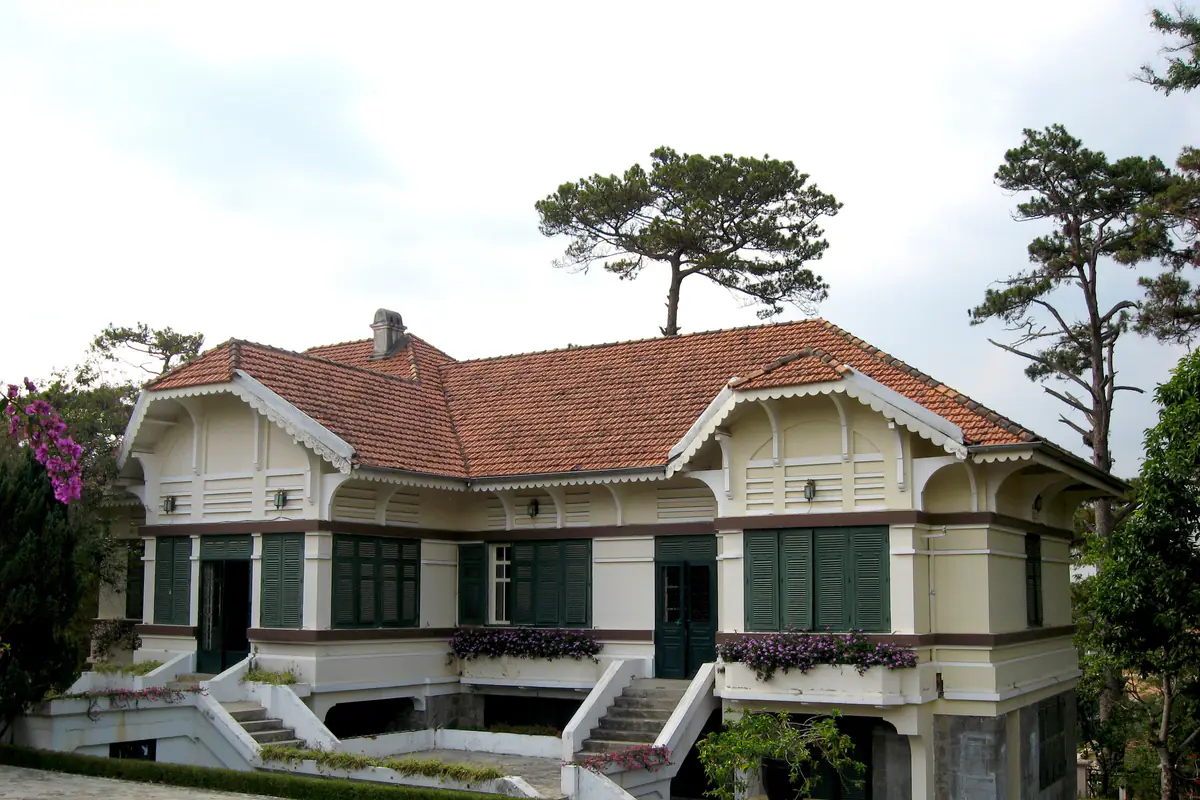
White or beige sneakers keep the outfit casual. Add thicker socks and a jacket when the weather gets colder.
This look is better suited to relatively dry days. Pants are more practical on muddy paths or damp grass.
Shirt, straight-leg jeans, and cardigan
A good choice for anyone who doesn't want to change clothes halfway through the day.
Try a white shirt with blue jeans and a gray or brown cardigan. Remove the cardigan when the sun comes out, then put it back on in the evening.
You can wear the same outfit to a café, restaurant, or attraction around town, with no elaborate accessories.
Long dress and cropped jacket
A plain long dress works well for photos around Xuan Huong Lake, flower gardens, or a café entrance. Choose a length that doesn't drag along the ground. A short cardigan or denim jacket keeps the outfit balanced.
Avoid very thin dresses for early-morning activities unless you have suitable warm layers underneath.
Thin turtleneck, wide-leg pants, and jacket
Useful on cooler days when you want a neat outfit without wearing a skirt.
A cream turtleneck, black or brown pants, and a neutral jacket make an easy combination. It works for cafés, dinner, and city photography.
Choose a lightweight turtleneck over an excessively thick one, so you don't overheat indoors.
T-shirt, comfortable pants, and windbreaker
The practical pick for longer walks and outdoor sightseeing.
Stretchy pants, a quick-drying T-shirt, and a windbreaker make it easier to get in and out of vehicles, walk on uneven paths, or deal with light rain.
Practical clothing can still look good. Stick to two or three coordinated colors, choose a comfortable fit, and wear clean shoes.
What to wear in Da Lat for men: keep the jackets to a minimum
Men can pack very lightly for a short Da Lat trip. Three tops, two pairs of pants, one warm layer, and one outer jacket will give you several combinations.
Plain T-shirt, chinos, and overshirt
Good for mild weather, sightseeing around the city center, and café visits.
Try a white T-shirt, brown or gray chinos, and a denim or heavier cotton overshirt. Take the overshirt off around midday, and swap it for a warmer jacket when the evening turns colder.
Crewneck sweater and dark jeans
A good choice for cooler trips toward the end of the year.
Choose a sweater that fits comfortably around the shoulders and isn't too bulky underneath your jacket. Dark blue or black jeans work with most neutral-colored shoes.
One versatile sweater is enough for many short trips; two or three that look almost identical just take up space.
Hoodie, long pants, and sneakers
A straightforward outfit for traveling, going out with friends, or exploring the night market.
Choose a hoodie that isn't so thick that you can't wear a windbreaker over it. A bulky hoodie that eats up luggage space is worth swapping for a thinner sweatshirt.
Long-sleeved shirt, dark pants, and a simple jacket
This combination is useful when visiting temples, churches, restaurants, or somewhere you want to look a little more presentable.
Tucked in or not, a shirt works fine. A comfortable fit, long pants, and clean shoes are enough.
For a simple color palette, try white, gray, and brown, or black, navy, and beige. Changing the top gives you a different look while keeping the same pants and shoes.
What shoes to wear in Da Lat
Da Lat has sloping streets, steps, and pavements with changing elevations. Beyond the city center, some attractions involve dirt paths, wet grass, or stone walkways.
For most visitors, the best first choice is a comfortable pair of closed-toe walking shoes with good grip.
Sneakers: the best all-round choice
Your one pair should be sneakers you've already broken in.
Make sure there's enough room around your toes, particularly when walking downhill. Avoid shoes with worn, slippery soles during the rainy season.
White sneakers are easy to coordinate with outfits but get dirty quickly on unpaved paths. Gray, brown, or black shoes may be a better choice for outdoor excursions.
Hiking shoes: only when your itinerary needs them
Hiking shoes or trail-running shoes with appropriate traction earn their place once your plans include trekking or long stretches on natural trails.
Heavy mountain boots are overkill for a walk around Xuan Huong Lake or a café in the city center.
Choose shoes based on the terrain you'll actually encounter, not on how adventurous they look in travel photos.
Boots: stylish, but check the comfort
Ankle boots look good with jeans, long skirts, and jackets. Hard soles, slippery outsoles, and high heels, however, are poor choices for long walks.
Boots for photos should be a low-heeled pair with good grip that you've already worn comfortably. Think twice before packing boots only for a few minutes of photography.
Sandals and flip-flops: use them selectively
Sandals with secure straps and grippy soles can be fine for short city outings in dry weather. Flip-flops are more useful inside your accommodation or for very short walks.
Neither is ideal for muddy trails, wet slopes, or long downhill walks if the sole is slippery or the fit is insecure.
Do you need two pairs of shoes?
For a 3-day trip in the drier season, one comfortable pair of sneakers will often be enough.
The rainy season, or muddy outdoor locations, can justify a second pair. You could use one pair for damp paths and keep the other for city walks.
Sticking with one pair means bringing spare socks and making sure you have a way to dry your shoes at your accommodation. Avoid placing wet shoes too close to strong heat, which can damage adhesives and other materials.
What to wear for photos in Da Lat
Good photos in Da Lat come from clothes that suit the location, the light, and the amount of walking involved, more than from long dresses, oversized sweaters, or lots of accessories.
Xuan Huong Lake and central streets
The lake area has open spaces, trees, water, and walking paths.
Shirts, midi skirts, modest-length dresses, jeans, and thin sweaters all work well. Cream, pale blue, brown, and black are easy colors to coordinate.
Morning light can be softer, but the air may be chilly. Bring a jacket and remove it for photos only when you're comfortable.
Pine forests and grassy hills
Brown, cream, deep red, dark green, and white can stand out against the green surroundings.
High heels and long skirts that drag along the ground are a poor fit here, though. The grass may be damp, and the terrain isn't always level.
Beige pants, a brown sweater, and closed-toe shoes make a good-looking outfit that's much easier to walk in.
Planning a dress shoot here? Check the access path, whether there's somewhere appropriate to change, and how far you'll need to walk.
Cafés, large windows, and indoor spaces
Indoor locations are useful because your outfit isn't as exposed to the weather.
Try a cardigan, shirt, wide-leg pants, skirt, or simple dress. You can take the heavy jacket off for most photographs indoors.
A space-saving trick is to wear the pants you already used in the morning, then swap your T-shirt for a shirt or add a cardigan. That small change can make photos look quite different.
Flower gardens and colorful attractions
When the background is already full of color, simple clothing often stands out better than busy patterns.
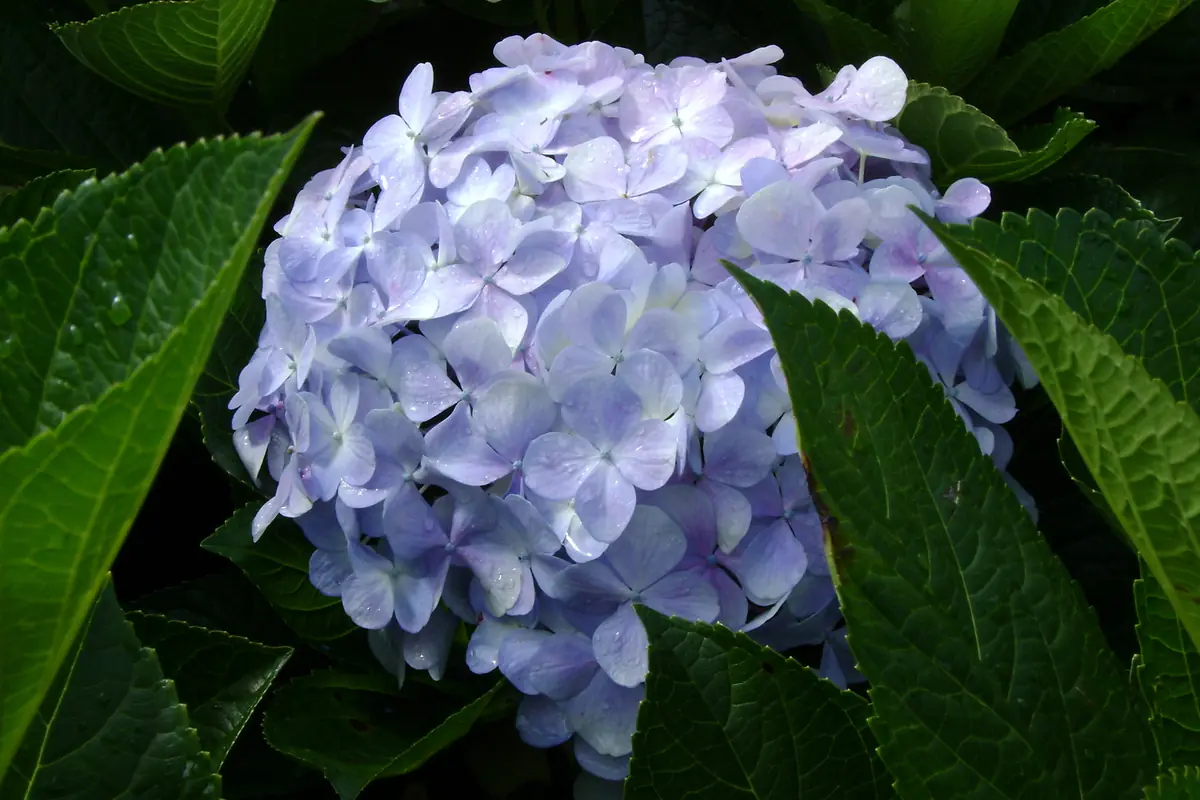
Cream dresses, pale blue tops, beige pants, or dark solid-colored shirts are easy choices.
Bringing several accessories just to create visual variety isn't necessary, since a hat, scarf, or bag can work across multiple locations.
Five outfits from a small wardrobe
Imagine packing three tops, two pairs of pants, a cardigan, and a jacket. You could make these combinations:
| Outfit | Top | Bottom | Outer layer |
|---|---|---|---|
| 1 | White T-shirt | Blue jeans | Brown cardigan |
| 2 | Blue shirt | Beige pants | None |
| 3 | White T-shirt | Beige pants | Dark jacket |
| 4 | Blue shirt | Blue jeans | Brown cardigan |
| 5 | Black long-sleeved top | Beige pants | Dark jacket |
That's five different looks without five separate sets of clothing. The approach suits anyone taking photos on a phone, visiting several places in one day, and keen to avoid a large suitcase.
What to wear when visiting temples in Da Lat
A visit to Linh Phuoc Pagoda, Truc Lam Zen Monastery, or another religious site calls for at least one modest outfit.
The simplest choice is a top with sleeves, long pants or a skirt covering the knees, and shoes that are easy to remove. Keep your shoulders and knees covered, and avoid very revealing or see-through clothing.
Women can wear a shirt with wide-leg pants, or a longer skirt with a sleeved top. Men are fine in a neat T-shirt or shirt with long pants.
Avoid changing clothes, posing, or taking photographs in ways that disturb people who are praying. Where photography is prohibited, put your camera and phone away.
A shirt and long pants worn for a temple visit can also work for dinner, cafés, or other sightseeing activities, without reserving an entirely separate outfit.
What to wear in Da Lat during the rainy season
On a rainy-season trip, wet clothes and shoes that won't dry before the next morning are often more annoying than the cold.
Choose fabrics that don't hold too much water
Polyester and other quick-drying blends are practical for active days, particularly when rain is likely.
Lightweight nylon pants, comfortable athletic pants, or other quick-drying trousers are more useful than thick denim when the forecast shows repeated showers.
Not every cotton item has to stay at home: cotton T-shirts are fine for cafés, restaurants, and indoor sightseeing. Trails, strenuous activities, and days when you may get wet call for moisture-wicking, quick-drying clothing.
Know the difference between wind-resistant and waterproof
Many thin jackets block wind reasonably well but don't provide adequate protection in heavy rain. Some have a water-repellent finish that handles light drizzle for a short time.
A day spent mostly outdoors calls for a proper raincoat or waterproof jacket suited to your plans.
Rainwear should fit over your other clothing without being so long or loose that it becomes awkward to walk in.
Bring spare socks
Dry socks are a small but worthwhile addition to your bag. Walking around in wet shoes and socks is unpleasant, especially in cool weather. Keep at least one spare pair available for rainy days.
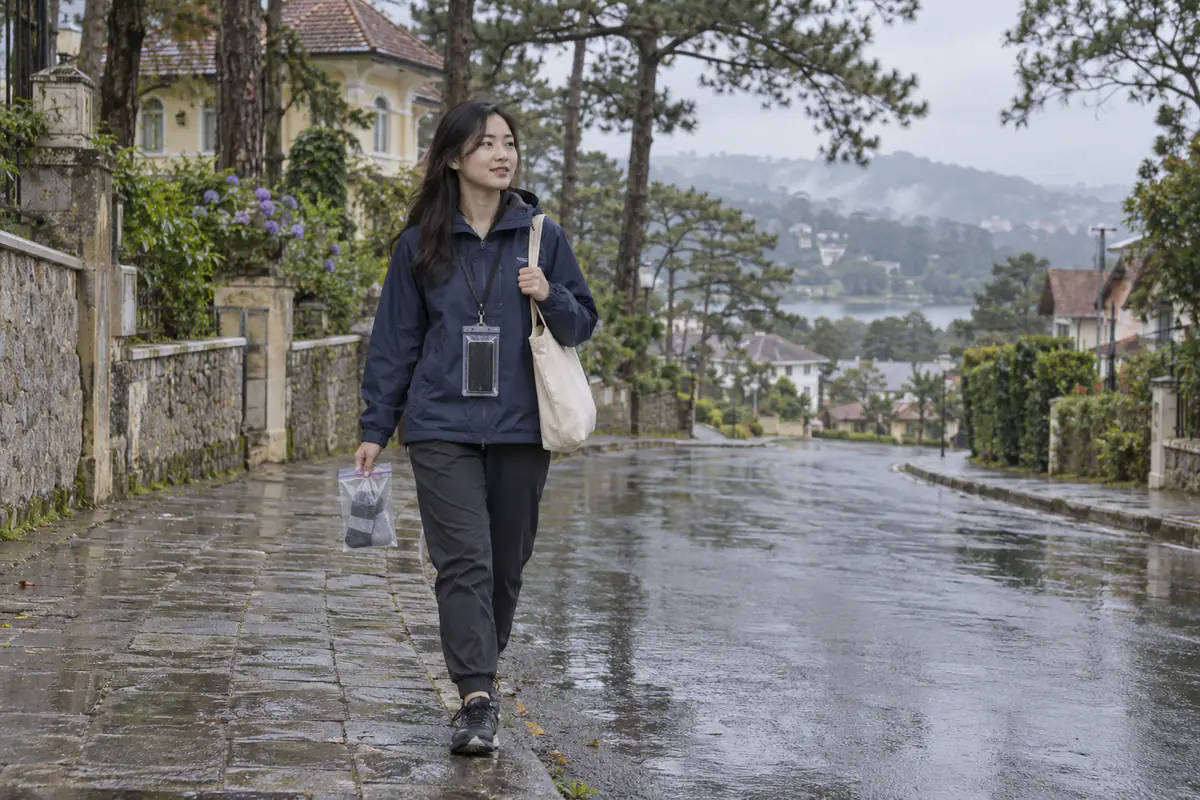
Separate wet clothing from dry items. When you return to your accommodation, take damp clothes out of their bag and hang them somewhere ventilated instead of leaving them sealed overnight.
What should you avoid on rainy days?
Avoid floor-length dresses, delicate suede shoes, thick sweaters that take a long time to dry, and footwear with slippery soles.
Light-colored clothing is still fine when the location suits it. A covered café terrace is very different from a muddy hillside after rain.
Clothes people often overpack for Da Lat
First-time visitors sometimes assume Da Lat is cold all year and fill their luggage with winter clothing. For a short trip, much of it may never be worn.
Too many heavy jackets: One appropriate outer jacket combined with adjustable layers is usually more useful than several bulky coats. Add more insulation only when the forecast or your outdoor plans justify it.
High heels: Fine for a planned photo session in an accessible location, but a poor choice for walking around the city all day.
Too many jeans: Denim is versatile but takes up space and can dry slowly. Two pairs of pants are enough for many short trips, and at least one should ideally be lightweight.
Sweaters that only match one outfit: A sweater that needs special pants and accessories to look right may not deserve the space in your bag.
Bulky accessories: Large hats, oversized handbags, and multiple scarves can take up surprising amounts of space. Choose a few pieces you can reuse.
Outfits you'll wear for five minutes: Think carefully before packing an elaborate outfit just for one photograph, especially when you're carrying your own luggage between hotels and attractions.
Choose one color palette for a smaller suitcase
A coordinated color palette helps prevent you from packing clothes that don't work together. Choose two neutral base colors and one accent color, then select pieces that can be mixed.
For example:
| Style | Base colors | Accent color | Easy-to-match pieces |
|---|---|---|---|
| Soft and relaxed | Cream, beige | Brown | Cardigan, chinos |
| Minimalist | Black, gray | White | Jeans, T-shirt, jacket |
| Nature-inspired | Beige, brown | Olive green | Shirt, long pants |
| Casual and youthful | White, denim blue | Deep red | T-shirt, jeans, scarf |
| Smart casual | Navy, black | Cream | Shirt, tailored pants |
The palette starts in your own wardrobe. Pick the most comfortable pair of pants you own, then choose two or three tops that work with them.
A black or brown jacket you already own will do. A good pair of walking shoes or a suitable warm layer is a better investment than another fashion item.
Any dress you bring should match your existing jacket and shoes. Swapping one noticeable item such as a shirt, scarf, or hat, and keeping the rest of the outfit, is enough for more variety in photos.
Check these three things before closing your suitcase
Before packing everything away, look at the weather forecast for the actual days you'll be in Da Lat. Pay particular attention to early-morning and evening temperatures, rain probability, and wind.
Then check three practical details.
Will you go out before sunrise or stay outside late?
Those hours call for an extra insulating layer or an appropriate jacket. A sunny midday forecast doesn't tell you how cold it may feel while standing on a hill before sunrise.
Sightseeing days that start around 9 AM and finish before evening let you cut back on heavy thermal clothing.
Will you walk on unpaved paths or spend time outdoors in the rain?
That kind of day needs lightweight pants, shoes with good traction, and suitable rain protection.
Cafés, restaurants, and central attractions give you more room for fashion-focused clothing, though you still need a plan for unexpected rain.
Do you really need a separate photography outfit?
Without a specific photo session planned, consider leaving it at home. Mixing and matching the clothes you've already chosen covers a few pictures, and an extra shirt in a different color is more useful than a complicated outfit that needs constant attention.
Try wearing your planned layers together before traveling. Sit down, climb a few stairs, and walk around in the shoes you're bringing.
An outfit that's both attractive and comfortable is more useful than one that only looks good when you're standing still.
What international travelers should pack for Da Lat
Coming up from Ho Chi Minh City, Mui Ne, or Nha Trang, one of the biggest changes you'll notice in Da Lat is the cooler air, particularly in the morning and evening.
A heavy coat of the kind you'd wear in a European winter is rarely necessary. For ordinary city sightseeing, start with T-shirts, long sleeves, a fleece or cardigan, a wind-resistant jacket, and long pants.
People accustomed to tropical temperatures may feel cold even when the thermometer doesn't seem particularly low. Travelers from temperate climates, on the other hand, might find Da Lat's afternoons pleasantly mild. Dress for your personal tolerance of cold, not just the number on the forecast.
A few Vietnamese clothing terms come in handy:
| English | Vietnamese |
|---|---|
| Windbreaker | Áo khoác chắn gió |
| Rain jacket | Áo khoác chống mưa |
| Thermal base layer | Áo giữ nhiệt |
| Fleece jacket | Áo nỉ giữ ấm |
| Cardigan | Áo cardigan |
| Walking shoes | Giày đi bộ |
| Trail shoes | Giày chạy đường mòn |
| Modest clothing | Trang phục kín đáo |
International visitors planning to visit pagodas or monasteries should also pack clothing that covers their shoulders and knees. A pair of long pants and a sleeved shirt is more convenient than looking for replacement clothing outside the entrance.
Travelers crossing Vietnam can often reuse the same lightweight jacket and walking shoes in other cooler destinations, including Sa Pa, Moc Chau, or mountain areas. Each destination has its own terrain and weather, though, so check the forecast and planned activities before counting on the same clothing everywhere.
Da Lat packing checklist: 3 days and 2 nights
This checklist is intended for a short trip that includes city walks, one outdoor sightseeing day, and an evening out.
- Three tops that match your bottoms.
- Two pairs of pants, or one pair of pants and one skirt.
- One sweater, cardigan, or sweatshirt.
- One outer jacket suitable for the weather.
- One set of sleepwear.
- Enough underwear for each day, plus one spare set.
- Three or four pairs of socks.
- One pair of comfortable, broken-in walking shoes.
- Rain protection if the forecast or itinerary requires it.
- One additional photography outfit, only if you have a plan to use it.
- Modest clothing if you're visiting temples or monasteries.
Finally, lay everything out before putting it into your suitcase. Anything that doesn't work with at least two other pieces, has no clear purpose in your itinerary, or is there only because you're worried you might need it is a candidate to leave behind.
Longer trips need more tops and underwear first. More demanding outdoor activities call for appropriate technical clothing, which a casual city sightseeing list won't cover.
The same approach of layering clothes, mixing and matching outfits, and prioritizing comfortable shoes works for many other mountain destinations. The next time you visit Sa Pa, Moc Chau, or somewhere with cold mornings and warmer afternoons, you can use this packing method again, adjusting your jacket and rain protection to the local forecast.
FAQ
What should women wear in Da Lat to look good and stay warm?
A thin sweater or cardigan, jeans, a midi skirt, and sneakers make a versatile starting point. Bring an additional wind-resistant jacket for early mornings and evenings. For a 3-day, 2-night trip, two bottoms, or one pair of pants and one skirt, are usually enough to create several outfits.
What should men wear in Da Lat in December?
Pack a T-shirt or lightweight thermal top, a sweater or sweatshirt, long pants, and an outer jacket. If you're heading out before sunrise or spending time on exposed hills, add enough insulation for the forecast temperature. There's no need to wear a heavy puffer jacket all day when the afternoons are mild.
How can I dress well for photos in Da Lat without packing too much?
Choose a coordinated color palette, such as cream, brown, and denim blue. Bring one jacket, two pairs of pants, and a few tops you can mix and match. A scarf, cardigan, or different shirt can change the look of an outfit. Pack a separate photography outfit only when you have a specific plan for it.
What shoes should I wear in Da Lat during the rainy season?
Choose closed-toe shoes with reliable grip that you've already worn comfortably. For unpaved paths or trails, consider suitable trail shoes. Bring spare dry socks and avoid suede shoes or slippery soles. Secure sandals can work for some light activities, but they're not the best choice for wet, steep paths.
How many outfits do I need for 3 days and 2 nights in Da Lat?
Three tops, two bottoms, one warm layer, one outer jacket, and one set of sleepwear are a sensible starting point. Bring an extra set of underwear and around three or four pairs of socks. Add one outfit for photos if you really need it, but there's no reason to pack three completely separate head-to-toe looks.