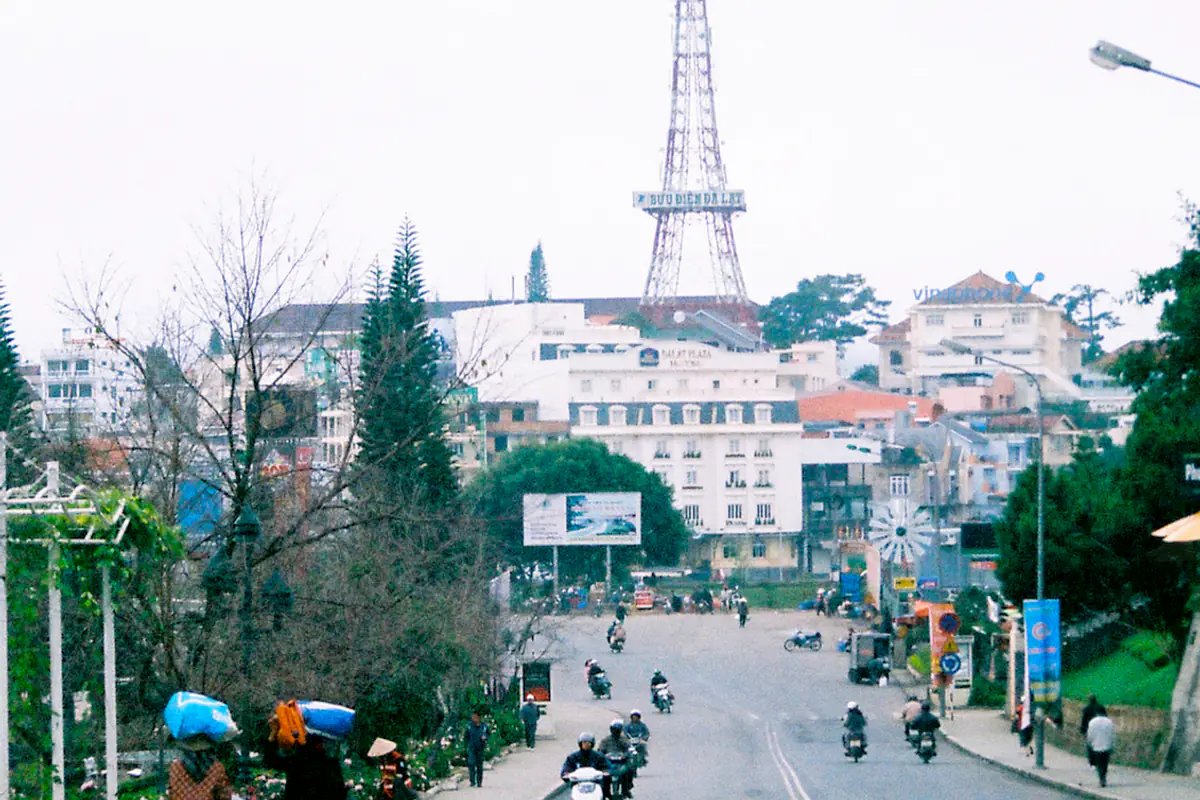
Da Lat weather in October: does it rain, is it cold and worth visiting?
Da Lat in October is still rainy, and temperatures change noticeably between day and night. Dress in layers, save your mornings for outdoor sights and keep a rainy-day plan ready, and a few showers won't ruin the trip.
By Da Lat LoversPublished Updated

Da Lat in October is still in the rainy season, with an average temperature of around 20°C (68°F). Days are cool, evenings can feel chilly, and rain may interrupt outdoor activities. The plan that works is simple: main sightseeing in the morning, flexible afternoons, and a waterproof jacket in your bag. October still rewards travelers who enjoy green hills, cool weather, and a slower trip that can bend around the odd rainy day.
What is the weather like in Da Lat in October?
October falls toward the end of Da Lat's rainy season. The city has not fully entered its drier period, so it is quite normal to have sunshine in the morning, increasing clouds around midday, and rain later in the afternoon.
Averaged over many years (1991-2021), Da Lat's October temperature is approximately 19.9°C (67.8°F). The average daily high is close to 24°C (75°F), while the average low is around 17°C (63°F).
Here is a quick overview of typical October conditions.
| Weather factor | October average |
|---|---|
| Average temperature | 19.9°C (67.8°F) |
| Average daily high | 23.9°C (75°F) |
| Average daily low | 17.3°C (63.1°F) |
| Monthly rainfall | Approximately 288 mm |
| Rainy days | Around 19 days |
| Average humidity | Around 89% |
| General conditions | Cool, cloudy, and still rainy |
Around 19 rainy days does not mean rain continues from morning until evening on every one of those days. Sometimes a shower passes quickly; at other times rain lasts for several hours or keeps coming back through the day. The daily forecast shortly before your trip tells you far more than any monthly average.
Is Da Lat sunny during the day in October?
Yes. There are still sunny periods in October, sometimes long enough for walking around the lake, photographing outdoor attractions, or visiting gardens.
A sunny morning doesn't promise a dry afternoon, though. A day may begin with clear skies and comfortable temperatures before clouds build and showers develop, and when rain comes with wind, the air feels noticeably colder.
How does high humidity affect your trip?
Humidity remains relatively high in October, which means wet clothing and shoes can take longer to dry than expected.
Canvas sneakers soaked during an afternoon shower may still feel damp the following morning, especially in a room with poor ventilation. Thick towels, denim jeans, and heavy jackets can also take quite a while to dry. A spare set of clothes helps, particularly for motorbike travel or several days in a row outdoors.
Does it rain in Da Lat in October? When is rain most likely?
Yes, and rain is probably the biggest factor affecting your itinerary during this month.
October brings approximately 19 rainy days, with average monthly rainfall close to 288 mm. That is still a substantial amount of rain, enough to disrupt hiking, outdoor photography, and trips into the surrounding hills.
Rain often develops in the afternoon or evening, but there is no fixed rule that showers only begin after 2:00 PM. Some days may be wet from the morning, particularly during extended periods of unsettled weather.
Is early October different from late October?
There is a general difference, although you should not base your entire booking decision on it.
The probability of a wet day in Da Lat decreases from approximately 49% at the beginning of October to around 35% by the end of the month. These figures are long-term climate probabilities, not a prediction for a particular year.
So the second half of October leans slightly drier for outdoor sightseeing, though a heavy rain system can still roll in toward the end of the month.
Fixed dates in early October are no reason to cancel: adjust the itinerary and pack for rain. With flexible dates, the latter part of the month has a modest edge, but check the forecast before paying for activities with strict cancellation policies.
How long does the rain usually last?
There is no reliable fixed duration for an October shower.
Some showers finish relatively quickly. In unsettled spells, rain may continue for hours or return over several days, so sitting in a café for 30 minutes and then carrying on with the original plan only works for short showers.
Trips outside the city need a backup that can fill an entire morning or afternoon. When rain rules out Cau Dat, a museum or a coffee shop with comfortable indoor seating beats waiting indefinitely for the sky to clear.
Is morning the best time to explore Da Lat?
Morning is the best part of the day for outdoor activities.
Start around 7:00-8:00 AM and you have a few hours for walking, taking photographs, or visiting attractions before lunchtime. Activities that depend on clear views, such as visiting tea plantations, cloud watching, or photographing the hills, need more than an early start, though: they need a morning when conditions are actually suitable.
Three distant attractions in one morning is too many. Driving on mountain roads, stopping for photographs, parking, and having breakfast all take time, and two nearby attractions are usually enough for a comfortable morning.
A foggy sunrise is no guarantee of mountain views either. Mist can look attractive in close-up photographs while completely hiding the scenery from higher viewpoints.

Is Da Lat cold in October? How much does the temperature change?
Da Lat in October is cool rather than cold. During the day, a T-shirt or lightweight long-sleeved shirt is usually comfortable, with a light jacket when needed. In the evening, wind and humidity can make the air feel cooler than the daytime temperature suggests.
Here is a practical guide to different times of day.
| Time | Typical conditions | What to wear |
|---|---|---|
| 6:00-8:00 AM | Cool, sometimes misty | Long sleeves, light jacket |
| 8:00-11:00 AM | Pleasant, occasionally sunny | T-shirt or casual shirt |
| 11:00 AM-3:00 PM | Mild, possible rain | Lightweight clothing, rain protection |
| 3:00-6:00 PM | Cooler during rain and wind | Light jacket, closed shoes |
| After 6:00 PM | Cool to slightly chilly | Long sleeves, outer layer |
This table describes typical conditions rather than an hourly temperature forecast.
How cold does Da Lat get at night in October?
The average daily low is approximately 17°C (63°F), although individual nights can be cooler, especially under clear skies or at exposed, higher-elevation locations.
In a well-insulated hotel in central Da Lat, a medium-weight jacket is often enough. Rooms with large windows, properties on an exposed hillside, and evenings spent at outdoor seating call for an additional warm layer.
The heavy winter coat built for freezing temperatures can stay at home. For most visitors, several lightweight layers are more practical than one bulky jacket.
Are the outskirts colder than central Da Lat?
They can be, depending on elevation, wind exposure, and local terrain.
In exposed hill areas such as Cau Dat, the wind may make you feel considerably colder when standing still to take photographs, and fog or rain makes that difference more noticeable.
Heading out of the city before 7:00 AM calls for an extra insulating layer and a wind-resistant jacket. The temperature forecast for central Da Lat won't exactly match conditions at a hilltop 25 kilometers away.
What should you wear in Da Lat in October?
Layers work best: comfortable clothing underneath, a light jacket on top, and waterproof protection in your bag.
Quick-drying clothes, shoes with good grip, and reliable rain protection deserve more space in your luggage than a suitcase full of thick sweaters.
What to wear during the day
T-shirts, casual shirts, lightweight sweaters, and cardigans are all suitable, and light trousers, chinos, or a skirt paired with closed shoes also work well.
A dress for photographs should be a moderate length, with a spare pair of trousers in your bag. Long dresses can drag across wet pavement or muddy ground, especially at gardens and outdoor photography locations.
Visitors used to cooler climates may find the daytime temperatures very comfortable, but a lightweight jacket still earns its place because the air feels much colder once it starts raining.
What kind of jacket should you bring?
A light windbreaker with some water resistance is a practical choice.
Denim jackets, cardigans, and sweaters are comfortable for walking around town and taking photographs, but they are not substitutes for proper rain protection during a downpour.
With room for only one jacket, pick something lightweight, quick-drying, and hooded. Travelers who get cold easily can add a thin sweater underneath.
On a motorbike, a properly fitted two-piece rain suit is more practical than a loose poncho that can flap in the wind or become caught in moving parts.
What shoes are best for Da Lat in October?
Comfortable walking shoes with good traction are the safest all-around option.
Da Lat has plenty of slopes, stairs, paved paths, and damp surfaces. Shoes with very smooth soles can become inconvenient after rain.
Avoid relying on a single pair of white canvas sneakers. One heavy shower can leave them wet and muddy for the rest of the day.
Two pairs are ideal when luggage allows: closed walking shoes for everyday use and sandals with secure straps and non-slip soles. Thin flip-flops are better for your room than for a full day of sightseeing.
October packing checklist
- T-shirts, long-sleeved tops, and comfortable trousers.
- One lightweight windproof or water-resistant jacket.
- A thin sweater if you get cold easily.
- A compact raincoat or two-piece motorbike rain suit.
- Walking shoes with reliable grip and a spare pair of footwear.
- Extra socks and a bag for wet clothing.
- Waterproof pouches for your phone, documents, and electronics.
- A compact umbrella for short walks around central Da Lat.
- Personal medication and essential toiletries.
Most of this is probably already in your wardrobe. Check what you own and focus on adding suitable rain protection and footwear.
Is Da Lat worth visiting in October?
Yes, provided you enjoy relaxed travel, cool weather, and an itinerary that does not depend entirely on sunshine.
October has its own appeal. The hills and trees remain green after months of rain, and moist air often brings mist to the lakes and wooded areas, especially in the early morning. Well-tended gardens look lush too.
The trade-off is that some sightseeing plans may need to change.
Who should visit Da Lat in October?
October is a reasonable choice for couples, groups of friends, and travelers who want a relaxed holiday built around cafés, food, architecture, and short sightseeing trips.
It also works well if you enjoy combining museums, local markets, and historical buildings with a few outdoor attractions.
On a three-day, two-night trip, even one good morning can be enough for your main outdoor experience, and the rest of the time can go to attractions with indoor facilities or places close to your hotel.
Who should think carefully before booking?
Travelers coming mainly for trekking, camping, long hikes, or chasing clouds every morning face a greater risk of weather-related disruption in October.
You may encounter muddy paths, slippery surfaces, rain, or poor visibility, so forest trails, steep slopes, and remote outdoor routes should be judged against the actual forecast and local conditions.
Families with young children or older travelers can still visit, but a less crowded schedule and centrally located accommodation will make the trip easier.
Two days in Da Lat is not enough for every famous attraction. Pick one main area per half-day and you will have more room to adjust when the weather changes.
Where should you go in Da Lat in October when the weather is good?
Dry days belong to the outdoor attractions that need good weather. Save indoor activities, cafés, and centrally located sights for the hours when rain is more likely.
Loading map...
- Xuan Huong Lake: central, morning walks
- Cau Dat tea hills: about 25 km from the center
- Tuyen Lam Lake: half a day of lake and pine forest
- Lam Dong Museum: 4 Hung Vuong Street, good on rainy days
- Bao Dai Palace III: 1 Trieu Viet Vuong Street, good on rainy days
- Da Lat Railway Station: 1 Quang Trung Street, train to Trai Mat
- La Viet Coffee: 200 Nguyen Cong Tru Street
- An Cafe: 63 Bis Ba Thang Hai Street
Xuan Huong Lake and central Da Lat
Xuan Huong Lake is a good choice for a morning walk because it is centrally located and easy to combine with breakfast or coffee.
You can arrive at around 7:00 AM, walk along Tran Quoc Toan Street, and choose a section of the lakeside to explore. With only an hour, one stretch is plenty.
The lakeside itself has no general admission fee, and when rain starts it is easy to get back to your accommodation or find shelter nearby.
Around Nguyen Chi Thanh, Phan Boi Chau, and the Hoa Binh area, short journeys are easier on foot. Calling a car for only a few hundred meters is often unnecessary, particularly when traffic is heavy or drivers have difficulty stopping close to the door.
Cau Dat tea plantation
Cau Dat is worth the trip for tea-covered hills and the surrounding highland landscape, as long as you give it at least half a day.
The area is approximately 25 km from central Da Lat, and travel time depends on the route, traffic, and weather.
In October, save Cau Dat for a day when the forecast looks reasonably good, because rain or thick fog can greatly reduce visibility, particularly at exposed viewpoints.
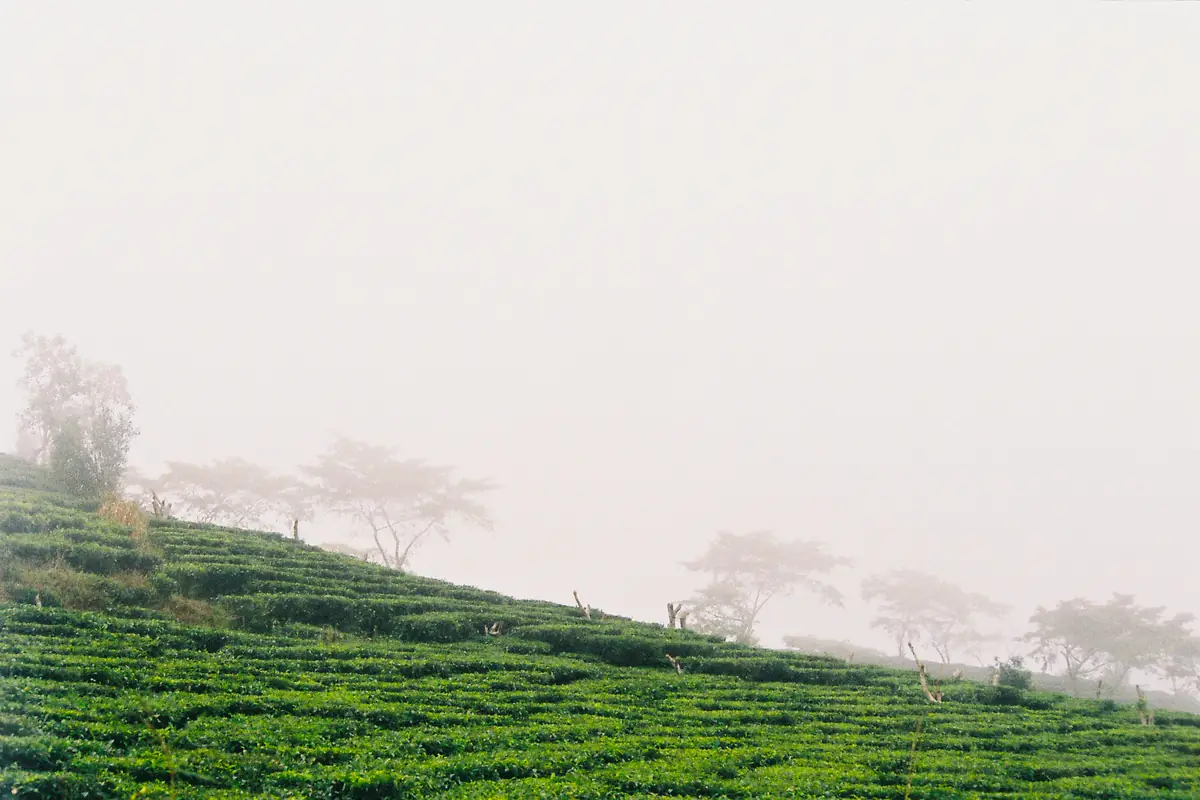
Leaving the hotel at 4:00 AM is no promise of a sea of clouds, which needs the right temperature, humidity, wind, and other weather factors.
Visitors new to Da Lat's roads will find a car with a driver or an organized tour easier than navigating damp mountain roads and tight bends themselves.
Tuyen Lam Lake
Tuyen Lam Lake suits travelers looking for a quieter half-day surrounded by water, pine forests, and hills.
From central Da Lat, you can travel toward Trieu Viet Vuong Street and the Truc Lam Zen Monastery area, depending on where you want to go around the lake.
On a dry day, choose a viewpoint, visit a lakeside café, or walk in areas open to visitors.
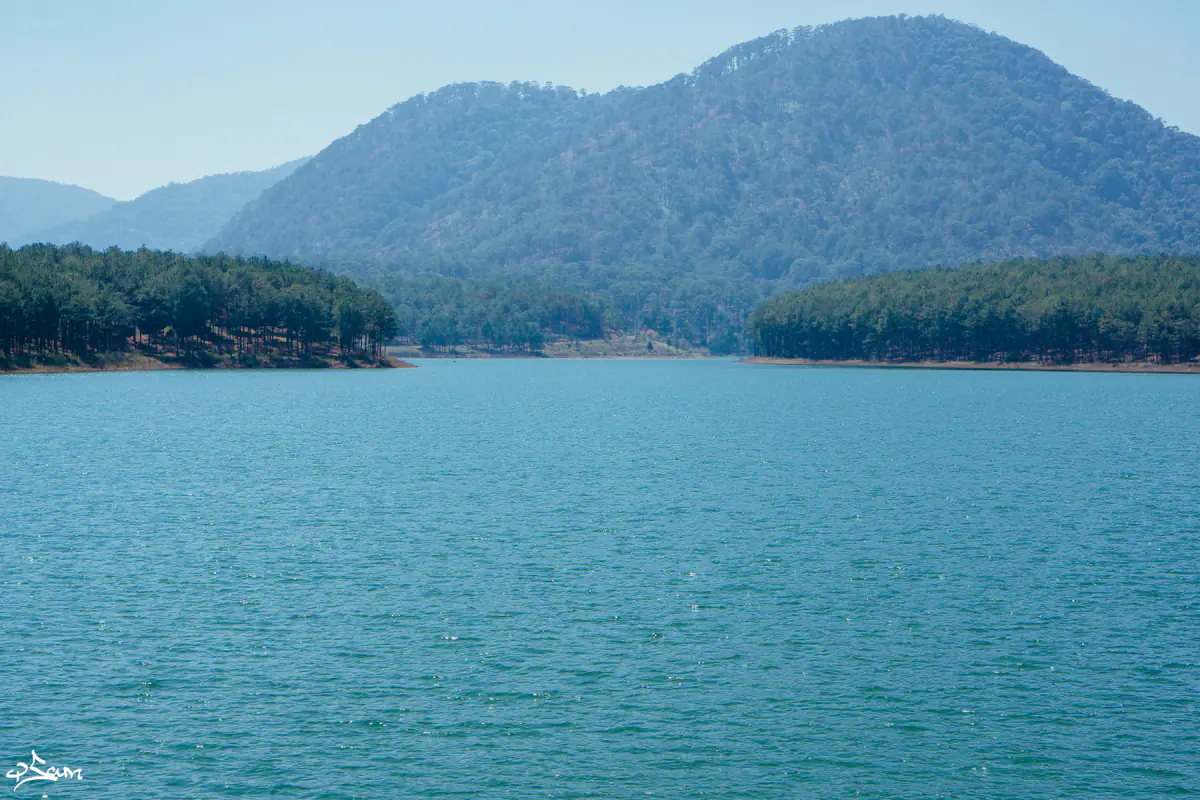
Distances between attractions around the lake may be considerably longer than they appear on a map, so fitting them all into one outing makes for a rushed day.
If thunderstorms develop, stop activities on the water and seek appropriate shelter.
Persimmon gardens and post-rainy-season scenery
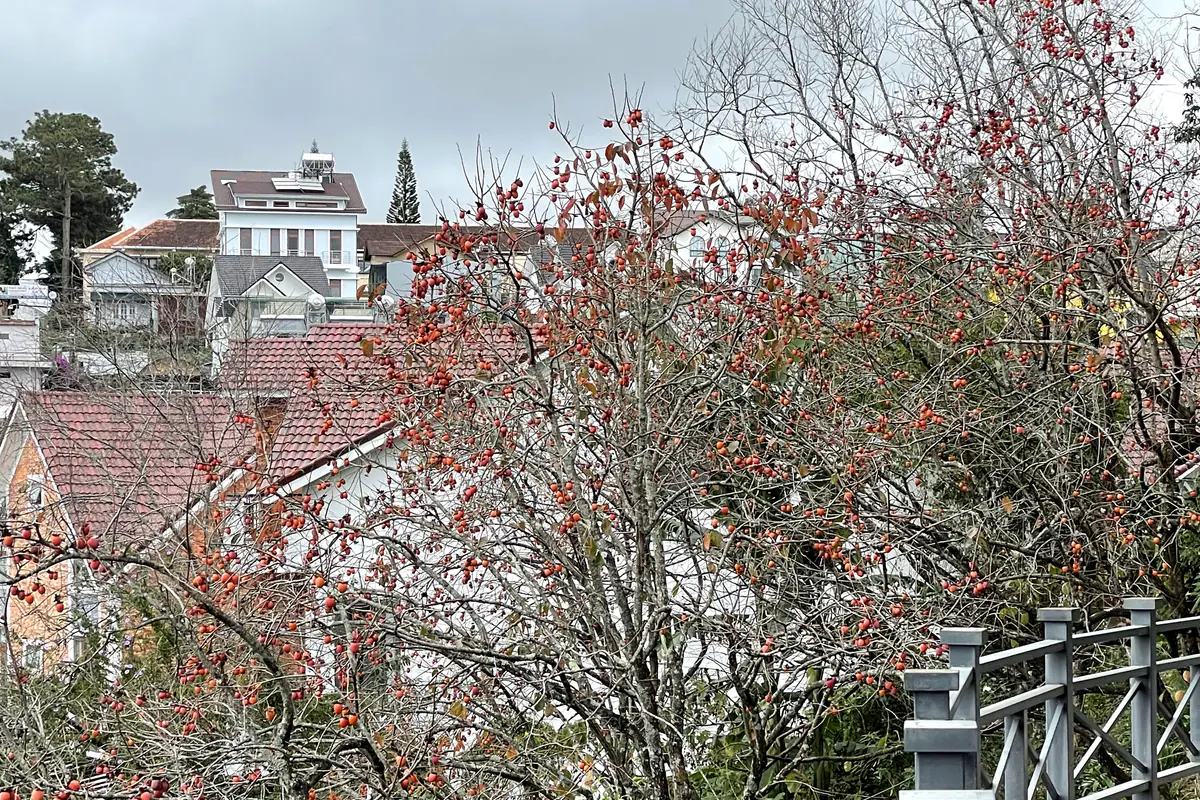
October is also a time when you may see ripe persimmons in some of Da Lat's orchards.
Harvest and visitor schedules differ from one garden to another: some orchards are actively harvesting, while others only accept visitors during specific hours or with advance arrangements. Enter a working orchard only with the owner's permission.
Wild sunflowers may begin blooming in a few areas toward the end of October; whether whole roadsides have turned yellow by then depends on the year. Flowering times vary by location and weather conditions.
For a trip built around flower photography, look at recent photographs taken near your travel dates, since images from previous years say little about this one.
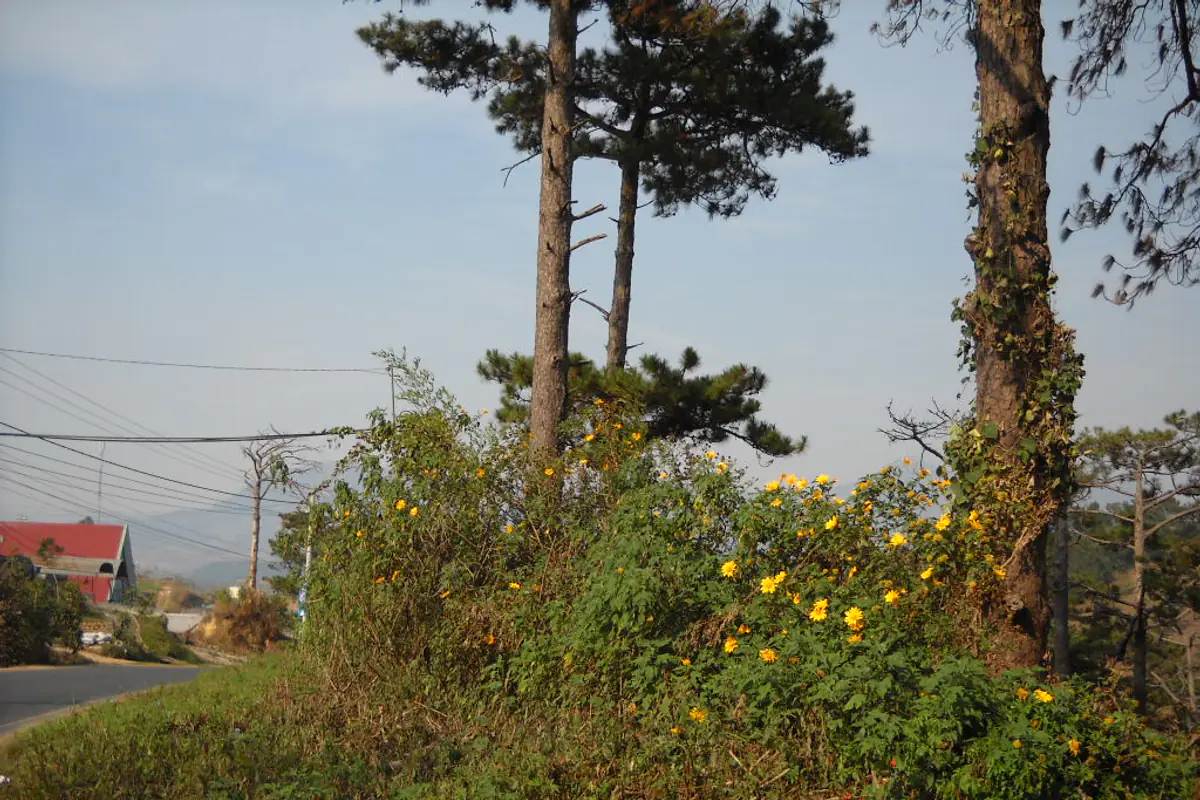
What can you do in Da Lat when it rains?
When rain continues for several hours, set the original outdoor itinerary aside and switch to attractions with indoor sections and easy access. Da Lat has enough museums, historic buildings, railway attractions, and cafés to make a rainy day worthwhile.
Lam Dong Museum
4 Hung Vuong Street, open 7:30 AM-4:30 PM
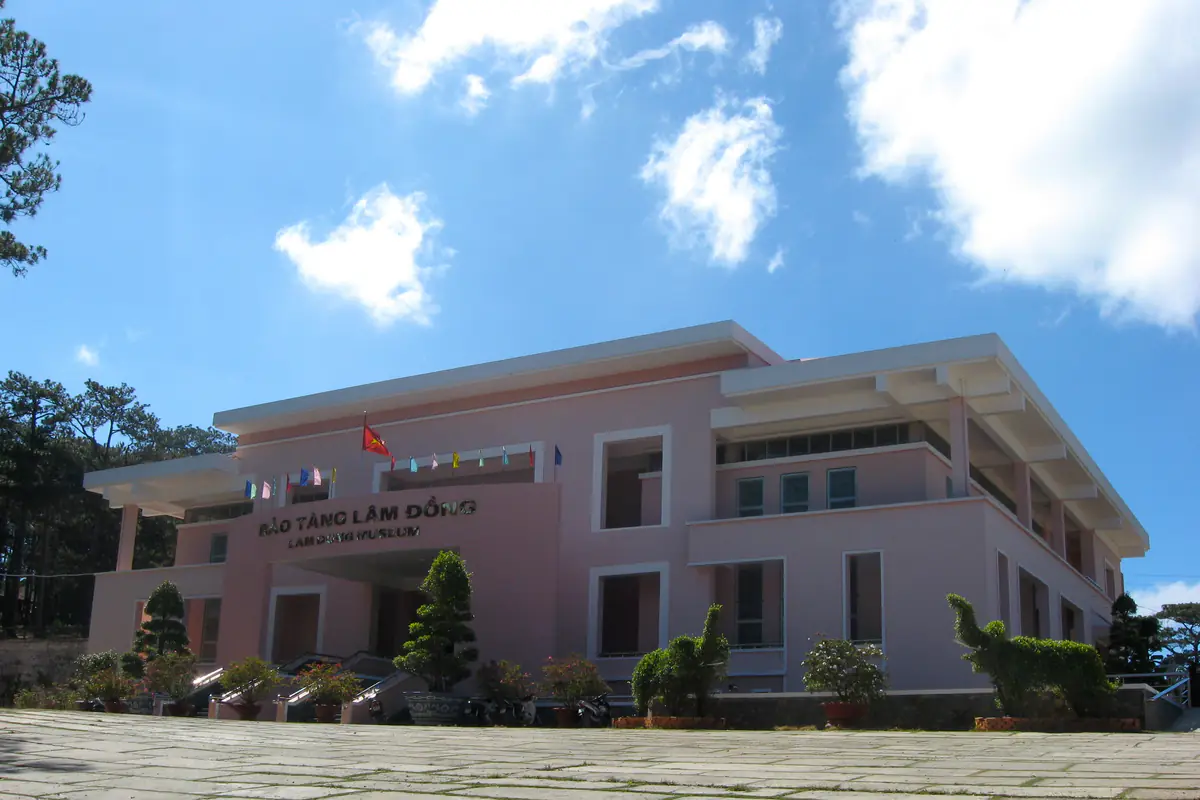
Lam Dong Museum is for anyone curious about local history, nature, and culture.
It is located at 4 Hung Vuong Street, and its exhibitions cover subjects such as Da Lat's history, archaeology, and the cultural traditions of communities in Lam Dong Province.
The museum opens 7:30 AM-4:30 PM, and admission in 2026 is around VND 15,000.
Allow approximately 60-90 minutes for a basic visit, or longer if you enjoy reading exhibition descriptions in detail.
It works well during long spells of rain, for older visitors, or for anyone wanting a quiet indoor activity.
Bao Dai Palace III
1 Trieu Viet Vuong Street, open 7:00 AM-5:30 PM
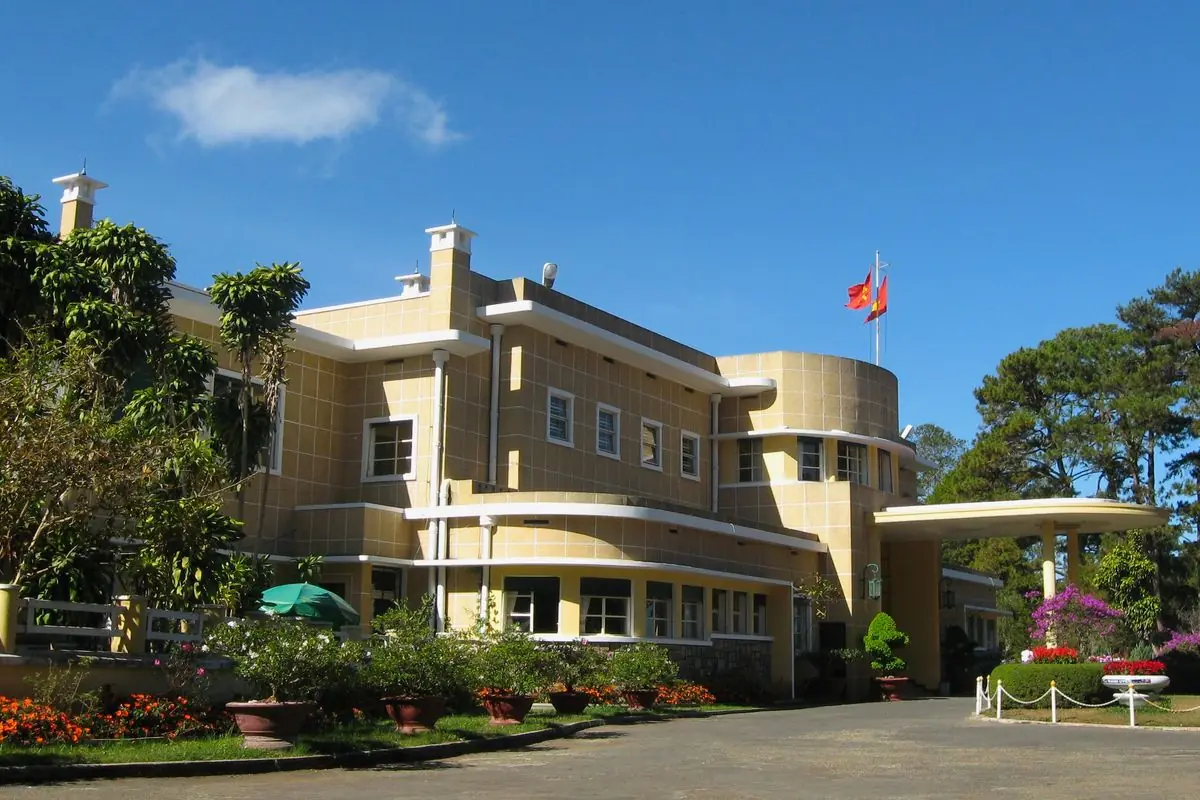
Bao Dai Palace III is located at 1 Trieu Viet Vuong Street, a short ride from the city center.
The interiors and architecture are the main attractions, making it less dependent on good weather than entirely outdoor destinations.
The palace opens 7:00 AM-5:30 PM, and admission in 2026 is around VND 25,000.
Around one hour covers a straightforward visit.
When it rains, spend more time exploring the interiors rather than trying to take extensive photographs around the wet gardens and outdoor paths.
Da Lat Railway Station and the train to Trai Mat
1 Quang Trung Street, about 30 minutes each way
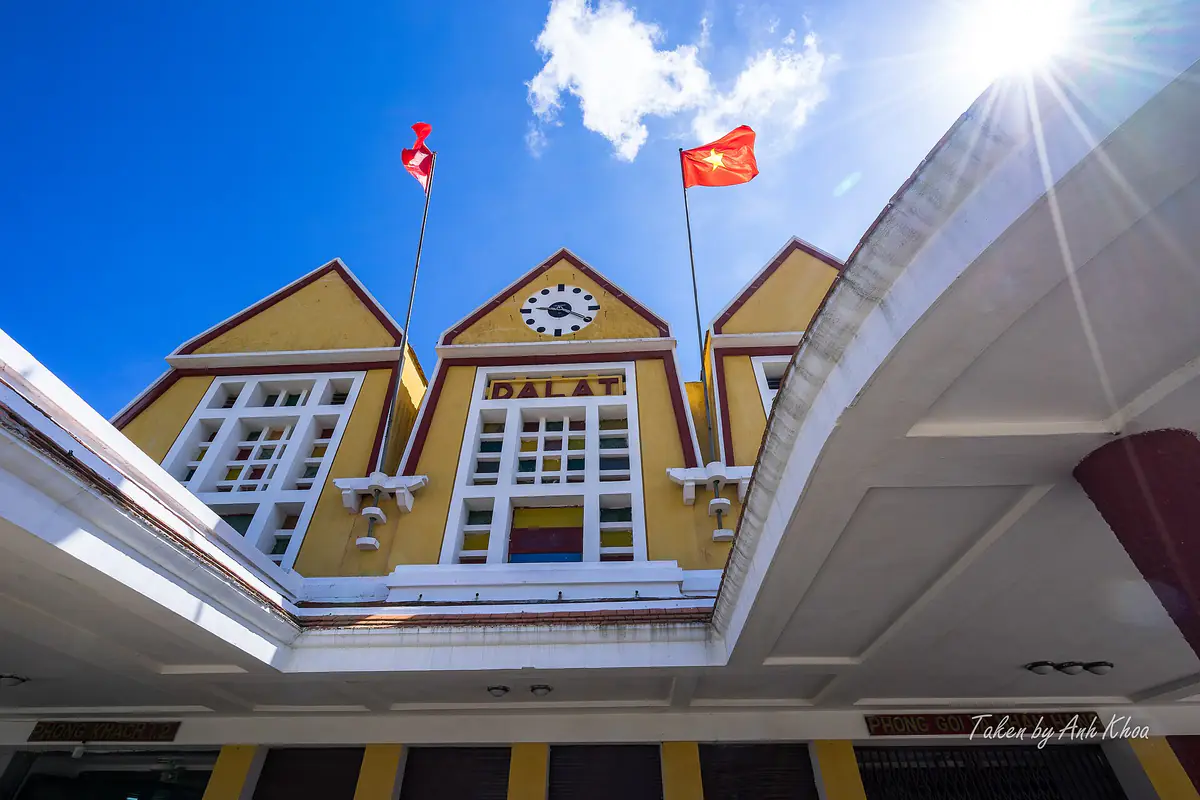
Da Lat Railway Station, at 1 Quang Trung Street, is known for its historic architecture and the tourist railway service to Trai Mat.
The station grounds are open 7:00 AM-5:30 PM. General station access is free, although tourist train journeys require separate tickets and some services on the premises may charge additional fees.
On the 2026 timetable, the DL3 service departs Da Lat Station at 9:55 AM and DL7 at 2:05 PM. The journey to Trai Mat takes approximately 30 minutes each way.
In 2026, ticket prices start at approximately VND 101,000 for some departures, depending on service, seat category, and booking conditions.
Schedules, opening hours and prices can change, so verify the exact departure date before booking.
The train's advantage is that light rain doesn't spoil the view from the windows. The stop at Trai Mat is limited, though, so exploring beyond the station means planning around the return train schedule and the weather.
Where to go for coffee on a rainy day
La Viet Coffee, An Cafe
La Viet Coffee at 200 Nguyen Cong Tru Street offers indoor seating and is a practical place to take a break during rainy weather.
The café has a coffee-roasting area, serves various coffee drinks, and sells packaged coffee products. Spending here in 2026 is approximately VND 30,000-60,000 per person.
An hour here passes easily, longer when you want to rest, read, or reorganize your itinerary.
In central Da Lat, An Cafe at 63 Bis Ba Thang Hai Street is another option for drinks and light meals, with drinks at approximately VND 29,000 to VND 75,000 in 2026.
The two cafés differ in layout and atmosphere. On rainy days, an indoor seat is more comfortable than an exposed outdoor table, even one with a better view.
In steady heavy rain, a comfortable coffee shop close to your hotel, with dry seating and hot drinks, beats crossing the city to reach a famous café.
A practical 3-day, 2-night Da Lat itinerary for October
This itinerary is suitable for first-time visitors staying near central Da Lat who want a mixture of scenery, food, and architecture.
Each day has one main plan and an alternative for bad weather, and skipping a stop or two is fine.
- Day 1, afternoon
Check in and explore central Da Lat
Arrive at your hotel, leave your luggage, and have lunch. A late bus or flight rules out distant attractions on day one.
At around 2:00 PM, check the weather. Dry conditions mean a walk around Xuan Huong Lake or the central streets; rain means a nearby café, with the lakeside walk moved to the following morning.
- Day 1, evening
Dinner and Da Lat Market
Have dinner and visit Da Lat Market if the weather is suitable. The market and Hoa Binh area can be busy at night, so short distances are often easier on foot; take care on wet stairs and sloping paths.
Make it an early night and save your energy for the next morning, which belongs to your most important outdoor destination.
- Day 2, dry
Plan A: make outdoor sightseeing the priority
- 6:30-7:30 AM: Breakfast, check the forecast and road conditions.
- 7:30-11:30 AM: Visit either Cau Dat or the Tuyen Lam Lake area.
- 11:30 AM-1:30 PM: Lunch and rest.
- 2:00-4:30 PM: Visit one attraction closer to the center, depending on the weather.
- After 6:00 PM: Dinner and a relaxed evening.
Cau Dat and Tuyen Lam Lake are alternatives, not two compulsory stops in the same morning. One lies to the east of the city and the other to the south, so trying to visit both leaves you spending too much time on the road.
- Day 2, rainy
Plan B: museum or palace
After breakfast, choose Lam Dong Museum or Bao Dai Palace III. Have lunch nearby and spend part of the afternoon at a café with indoor seating.
A late break in the rain is good for a short walk near your accommodation, not for a 4:00 PM dash to make up the canceled Cau Dat visit. A rainy afternoon spent resting is better than a long journey on slippery roads with poor visibility.
- Day 3
Choose a short activity before leaving
With a return bus or flight on the same day, stick to places close to central Da Lat. Da Lat Railway Station works for its architecture, breakfast, or coffee; the train to Trai Mat only makes sense when the departure, return journey, and travel time to the bus station or airport fit comfortably into your schedule.
An attraction dozens of kilometers away on your final morning ends in a rush back to collect your luggage. During rain, allow additional travel time and avoid tight connections.
How to check the weather without ruining your itinerary
Start checking the forecast around three to five days before your trip. Forecasts too far in advance are often not reliable enough to determine whether a particular morning will be wet or dry.
Pay attention to three things: the probability of precipitation, expected rainfall amount, and thunderstorm warnings.
Three to five days before departure
Look at the general weather trend. Several consecutive days of significant rainfall are a signal to change the order of your attractions or cut back on outdoor activities, while a single cloud-and-rain icon on your weather app is not a reason to cancel the entire trip.
Check hourly forecasts where available and keep monitoring conditions as your travel date approaches. For prepaid tours and activities, read the cancellation and rescheduling conditions before making payment.
The evening before an outdoor trip
At around 8:00-9:00 PM, check the forecast for the following morning. A low chance of rain and no relevant weather warnings means you can get ready for a trip outside the city.
A heavy-rain forecast means switching to your indoor plan that evening, before you've rented a motorbike, bought breakfast, and traveled halfway to your destination.
For cloud watching, visibility, fog, and wind matter too: a forecast showing no rain can still come with a hidden mountain view.
On the morning of your trip
Before leaving the hotel, look at the actual conditions outside and check the latest short-range forecast.
Already raining? See whether the rain is moving away or still building. Weather apps with near-real-time rain maps show this better than a single forecast icon for the whole day.
Check announcements from the attraction you intend to visit too, as some tourist sites temporarily suspend outdoor activities because of heavy rain, thunderstorms, or unsafe road conditions.
A simple rule for changing plans
You can divide the weather into three situations.
Dry weather, no active warnings: Follow your planned outdoor itinerary, but carry rain protection.
Light rain without thunderstorms: Choose short activities close to the center, with shelter nearby.
Heavy rain, thunderstorms, flooding, or landslide warnings: Cancel distant outdoor activities, avoid hazardous areas, and follow local safety instructions.
Money already paid for a motorbike rental or a photography session is not a reason to keep going. Changing your itinerary is usually a much smaller problem than getting caught in dangerous weather on an unfamiliar mountain road.
Where should you stay in Da Lat in October?
In October, look at a hotel's location first. A scenic homestay far outside the city is a pleasure on a sunny day, but after several hours of rain, getting food, calling a car, or buying basic supplies becomes a chore.
Stay in central Da Lat for flexibility
For first-time visitors, consider accommodation around Da Lat Market, Nguyen Chi Thanh Street, Phan Boi Chau Street, Bui Thi Xuan Street, or streets within easy reach of Xuan Huong Lake.
These areas have plenty of restaurants, cafés, and services, making it easier to return to your room when it rains. Without a motorbike, a central base also saves the time and expense of arranging transport for everyday things such as breakfast or shopping.
Still, check the exact location of your hotel. Two properties both advertised as being close to the city center may be very different in terms of steep access roads, walking distance, and where cars can stop.
Stay outside the center for a quieter holiday
Accommodation around Tuyen Lam Lake and the surrounding hills may suit travelers who want to spend more time relaxing at the property.
For this kind of stay in October, check whether the room is well protected from wind, hot water is reliable, and the restaurant serves meals during your stay. Ask about road access, airport or city transfers, and whether cars can reach the property during rain.
A hillside retreat loses much of its charm when dinner means a long trip in wet weather.
Is it better to rent a motorbike or use taxis in October?
Motorbikes offer flexibility, but they are not the best choice for everyone during the rainy season.
Da Lat has steep roads, winding sections, and surfaces that can become slippery when wet, and fog or heavy rain can also reduce visibility.
Riders experienced with mountain roads can use a motorbike to explore attractions near the center on dry days. You must have the appropriate valid driving license for the vehicle category and wear a suitable motorcycle helmet.
Taxis, a car with a driver, or a properly operated transfer service suit anyone not used to riding on mountain roads, without the correct license, or traveling with young children.
For international visitors, a foreign driving license is not automatically valid in Vietnam. Check whether your license is recognized under the applicable rules and whether it covers the type of motorbike you intend to ride.
Should you rent a motorbike for the entire trip?
Not necessarily. On a three-day, two-night October trip, you can walk or use taxis while exploring central Da Lat, then arrange transport for a longer excursion when the forecast is favorable.
This approach may cost a little more for individual rides, but it avoids paying for a motorbike that sits unused during rainy weather.
Renting one anyway? Ask how rental periods are calculated, whether delivery and collection cost extra, and what happens if you return the vehicle early. Check the brakes, tires, and lights before accepting the motorbike.
Common mistakes to avoid when visiting Da Lat in October
Booking a fixed cloud-watching tour weeks ahead
A sea of clouds at 5:00 AM is never a sure thing: rain, strong wind, or thick fog may completely obscure the view. Treat cloud watching as a flexible activity and confirm conditions close to your departure date.
Packing sweaters but forgetting waterproof clothing
A thick wool sweater will not keep you dry during heavy rain, and once it is wet, Da Lat's humid October air makes it slow to dry. A wind-resistant jacket, quick-drying clothing, and a modest warm layer are more practical.
Scheduling four or five attractions every day
October is not ideal for an itinerary that requires constant movement, since one two-hour downpour can delay every activity scheduled afterward.
One or two main attractions per day, plus a backup option near your accommodation, is a pace that holds up.
Rushing to a distant attraction as soon as the rain stops
Central Da Lat can be dry while roads in the surrounding hills are still wet, and a few minutes of late-afternoon sun is not enough for a long trip. Before setting out, check the forecast for your destination, road conditions, and how much daylight remains.
Booking remote accommodation without considering transport
Some hillside or forest accommodations trade easy access for the view, and their roads get harder to navigate during rain. Before booking, check whether a car can reach the property, where the driver can pick you up, and which services are available on-site.
For families in particular, a place that is easy to get in and out of makes the trip much easier than one chosen from photographs alone.
Practical advice for international visitors in October
International travelers arriving in Da Lat in October should prepare a little differently from those visiting Vietnam's major cities or beach destinations. The highlands are cooler, and rain makes motorbike travel harder work.
Coming up from Ho Chi Minh City or another hot part of Vietnam, keep a long-sleeved top and light jacket in your carry-on, since a suitcase in the bus luggage compartment stays out of reach for the whole long journey.
Save your hotel's address in Vietnamese so you can show it to your driver. Some homestays are located in narrow lanes or on steep roads, where the actual car drop-off point may differ from the map marker.
For outdoor activities, check the rules for cancellations, changing dates, and operating during rain.
Unfamiliar roads out to tea plantations, lakes, or more remote hillsides are more straightforward with a car and driver than on a motorbike you ride yourself.
October is not a month international visitors need to avoid, as long as the plan doesn't assume every day will be sunny.
How to organize your October trip around the rain
Once your Da Lat travel dates are confirmed, start by booking accommodation in an easy-to-reach location with reasonable cancellation or rescheduling conditions. In October, that flexibility is worth more than an itinerary that cannot be changed.
Next, choose your single most important outdoor activity, whether that is visiting Cau Dat, spending time around Tuyen Lam Lake, or photographing a persimmon orchard. Everything else is secondary and can go when the weather turns.
Finally, prepare two versions of your daily plan, one for dry weather and one for rain, so you can switch between them without researching a completely new itinerary at the last minute.
On a short visit, give the most promising morning to your main landscape attraction and spend cloudier or wetter afternoons on local food, architecture, museums, cafés, or rest.
Leave a few hours of the day unfilled. October weather is difficult to predict precisely, but a loose schedule gives you room to adapt.
Conclusion: should you visit Da Lat in October?
Da Lat in October is a good choice for travelers who enjoy cool weather, green scenery, and an unhurried holiday. Photographers should give the most favorable morning to their main destination and keep a rainy-day alternative ready, while trekkers and multi-day campers need to check the forecast carefully before committing to their plans.
FAQ
Does it rain in Da Lat in October?
Yes. October is still part of the rainy season, with approximately 19 rainy days and average monthly rainfall close to 288 mm according to long-term climate data. Rain can occur at any time of day, although afternoon plans generally need more flexibility.
What is the temperature in Da Lat in October?
The average temperature is approximately 19.9°C (67.8°F). The average daily high is around 23.9°C (75°F), while the average low is approximately 17.3°C (63°F). Actual temperatures vary depending on the day, location, and weather conditions.
Is Da Lat cold in October?
Da Lat is usually mild during the day and can feel chilly in the early morning and evening. Rain and wind make it feel colder. A lightweight jacket and long-sleeved clothing are generally suitable for everyday activities around the city center.
What should I wear in Da Lat in October?
T-shirts, casual shirts, cardigans, light sweaters, comfortable trousers, and dresses with a jacket are all suitable. Bring shoes with good traction, waterproof clothing, and spare clothes in case you get wet.
Is October a good time to visit Da Lat?
Yes, particularly if you enjoy relaxing holidays, cafés, architecture, and outdoor sightseeing when the weather permits. If your main goal is mountain hiking, camping, or cloud watching, be prepared to change your schedule because of rain and fog.