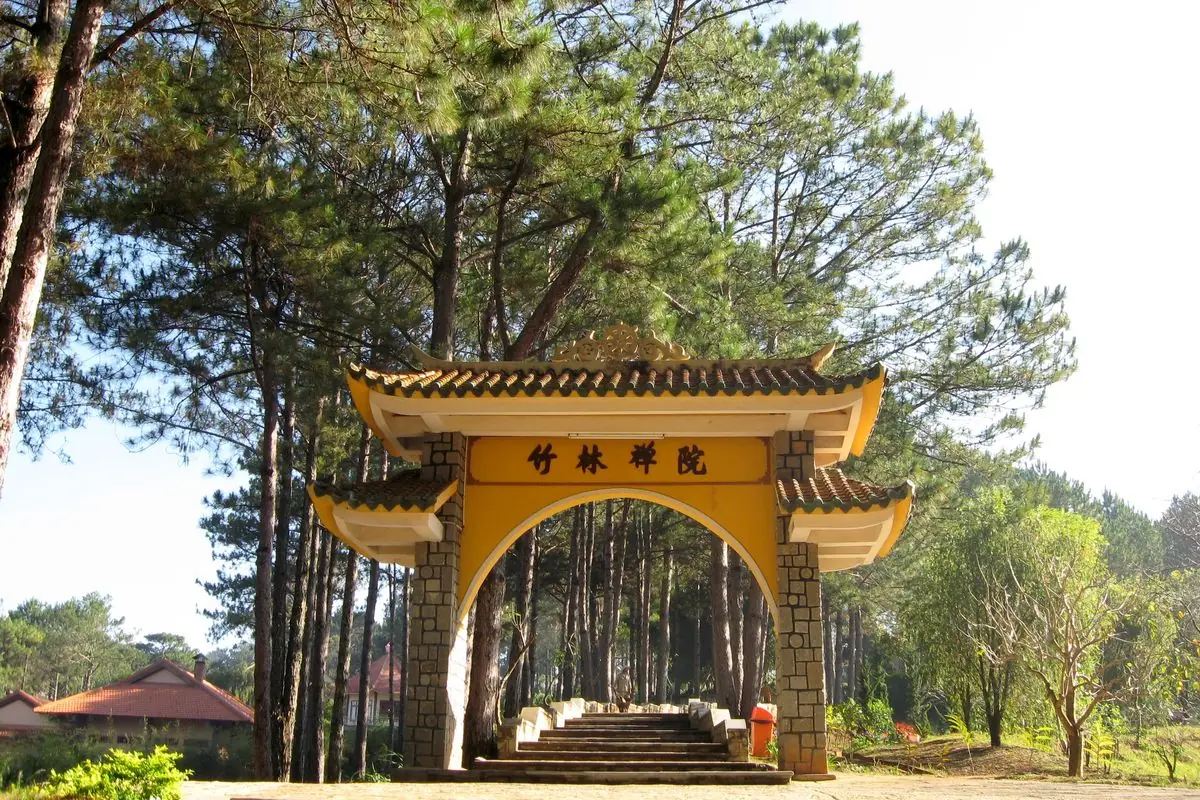
Bao Dai Summer Palace or King Palace: tickets, hours and what is inside
Choose Bao Dai Summer Palace, or Palace 3, if you have time for only one historic residence in Da Lat. Palace 1 is better if you prefer landscaped grounds, architecture and a slower walk through the pine trees.
By Da Lat LoversPublished Updated Đọc bằng tiếng Việt
Bao Dai Summer Palace or Palace 1: Which should you see in Da Lat?
At 1 Trieu Viet Vuong Street, signs lead visitors into Palace 3, where the former reception rooms, royal study and family bedrooms are the main attraction. This is the Bao Dai Summer Palace people usually mean when they talk about the emperor's residence in Da Lat. Palace 1, or King Palace, has also reopened, while Palace 2 on Tran Hung Dao Street does not sell daily sightseeing tickets.
The quick comparison: Palace 3, Palace 1 and Palace 2
| What matters | Palace 3 (Bao Dai Summer Palace) | Palace 1 (King Palace) | Palace 2 (Governor-General's Palace) |
|---|---|---|---|
| Address | 1 Trieu Viet Vuong Street | 1 Tran Quang Dieu Street | 12 Tran Hung Dao Street |
| Visitor access | Regular sightseeing destination | Reopened on 28 August 2026 | No reliably published daily public access |
| Opening hours | 7:00 am-5:30 pm | 7:30 am-5:00 pm | Confirm access directly before visiting |
| Adult ticket in 2026 | Around VND 60,000 | VND 90,000 | No reliable current general ticket rate |
| Suggested time | 60-90 minutes | 60-90 minutes | Only after confirming access |
| Main appeal | Royal family rooms, study, reception spaces | Grounds, architecture, several periods of history | Colonial administrative history, if entry is allowed |
| Best for | First-time visitors with limited time | Architecture lovers and visitors who enjoy gardens | Specialist history interests or confirmed visits |
Old prices for Palace 1 and Palace 3 still turn up online.
With an hour or two, go to Palace 3. A free morning lets you compare both: Palace 3 first, then Palace 1. Their stories overlap, but their interiors and grounds offer different experiences.
Why are there three Bao Dai palaces in Da Lat?
The names make them sound like three versions of the same attraction, but each has its own history. Palace 3 was built for Emperor Bao Dai and his family as a residence and working retreat. Palace 1 began as a private mansion, became associated with Bao Dai during his later political career and was subsequently used by the administration of President Ngo Dinh Diem. Palace 2 was originally a summer residence and workplace for Jean Decoux, the French Governor-General of Indochina.
A traveler hoping to see Empress Nam Phuong's bedroom and the family's everyday living spaces should not accidentally book a car to Palace 1. Someone interested in the city's early twentieth-century villas, formal grounds and political history may find Palace 1 more rewarding. Palace 2 is particularly significant in the story of French colonial administration, but it is not as straightforward for an independent tourist to visit.
Old online addresses may still show Ward 3, Ward 4 or Ward 10. Under the new ward boundaries, all three are in Xuan Huong - Da Lat Ward, Lam Dong Province. The street number has not changed, so it remains the most dependable detail to use in your map app.
Palace 3: The best first stop when time is short
Bao Dai Summer Palace (Palace 3)
1 Trieu Viet Vuong Street, 7:00 am-5:30 pm
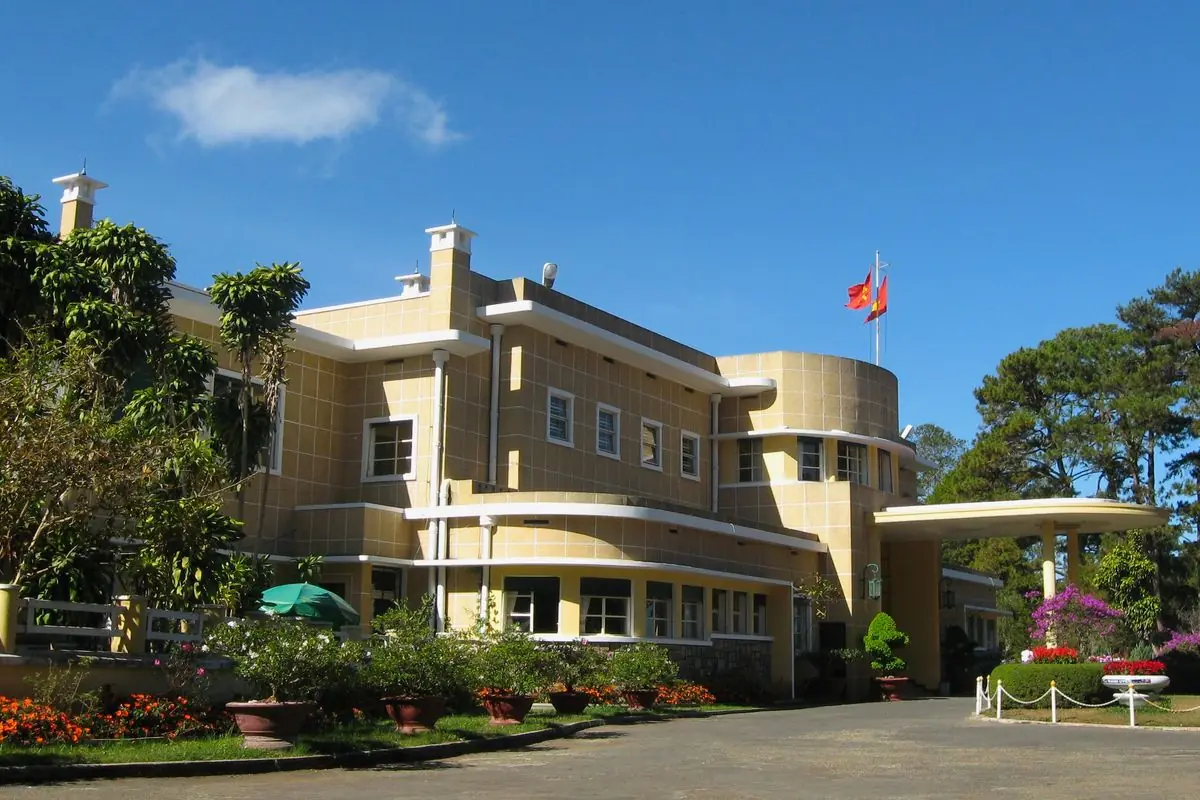
Bao Dai Palace 3 is at 1 Trieu Viet Vuong Street, roughly 2.5-3 km by road from Da Lat's central market area, depending on your route. From the center, directions commonly take you toward Tran Phu, Le Hong Phong and Trieu Viet Vuong streets. It sits on a landscaped hillside, an easy ride up. A taxi or ride-hailing car is convenient when you are traveling with children or older relatives. A motorbike is equally practical for confident riders accustomed to Da Lat's slopes.
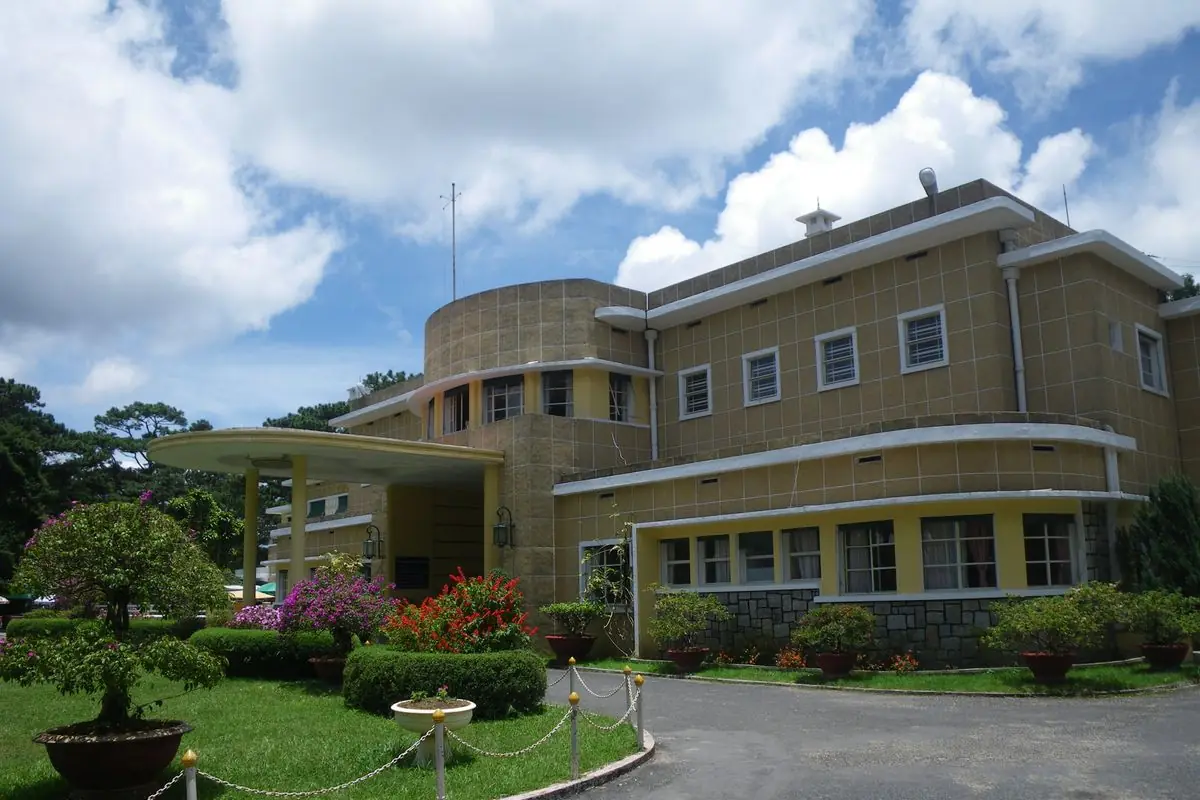
Search for “Dinh 3 Bao Dai” or “Dinh III, 1 Trieu Viet Vuong” rather than choosing the first result called “Bao Dai Palace.” At the site you will see a low, pale-yellow building set among trees. The broad façade, rounded architectural details and planted grounds look closer to a European country villa than to the monumental palaces many visitors associate with Vietnam's imperial history.
The setting is part of what makes Palace 3 worth visiting. There is space in front of the building to take in its shape, and the windows and covered entrance connect the interior to the gardens. Clear daylight shows off how the rooms open onto the surrounding pine trees.
What is the Bao Dai Summer Palace entrance fee?
For a typical visit in 2026, budget about VND 60,000 per adult and VND 40,000 for a child around 1-1.2 meters tall, with children under 1 meter admitted free. The VND 25,000, VND 30,000 or VND 40,000 adult fees on older pages date from earlier years.
For a child close to a height cutoff, ask at the window before you pay. Two adults pay around VND 120,000 in entrance fees. Transport, refreshments and optional photography services are separate.
Costume rental for photos is a separate charge. In 2026 it ran about VND 90,000 for an adult costume and VND 60,000 for a child's costume. You can see the palace rooms without dressing as an emperor, empress or prince. Ask what any photography package includes before paying for it, rather than assuming that rental and professional photographs are one price.
What are the opening hours of Palace 3?
The palace is open from 7:00 am to 5:30 pm. Some tour companies give a slightly earlier closing time, around 5:00 pm. Starting before 4:00 pm is a better plan than arriving near closing time and expecting to see both floors. For a first visit, around 8:00-10:00 am works well. You can finish the palace and still have enough daylight for a nearby stop.
A rainy day does not erase the attraction's value, because much of the most interesting material is indoors. However, the walk from the entrance and the gardens may be wet. Some rooms may be shut for restoration. The ticket desk can tell you which rooms are open that day.
What can you see inside Bao Dai Palace 3?
Palace 3 was built between 1933 and 1938. Its principal spaces occupy two levels, with a layout that separates formal activities downstairs from the family's more private life upstairs. Much of the visual interest comes from timber floors and fittings, furniture, light-colored walls and generous windows facing the grounds. It does not resemble the ornate architecture of the imperial complex in Hue, and that contrast is worth paying attention to.
Begin with the ground-floor reception and working rooms. Here you find the king's study, reception rooms, meeting or entertainment rooms, a library and a dining room. Imagine how the building functioned as both home and workplace. A meeting could take place downstairs while the family used the private rooms above. The doors, furniture arrangement and positions of the windows communicate that purpose more clearly than a photograph of the exterior alone.
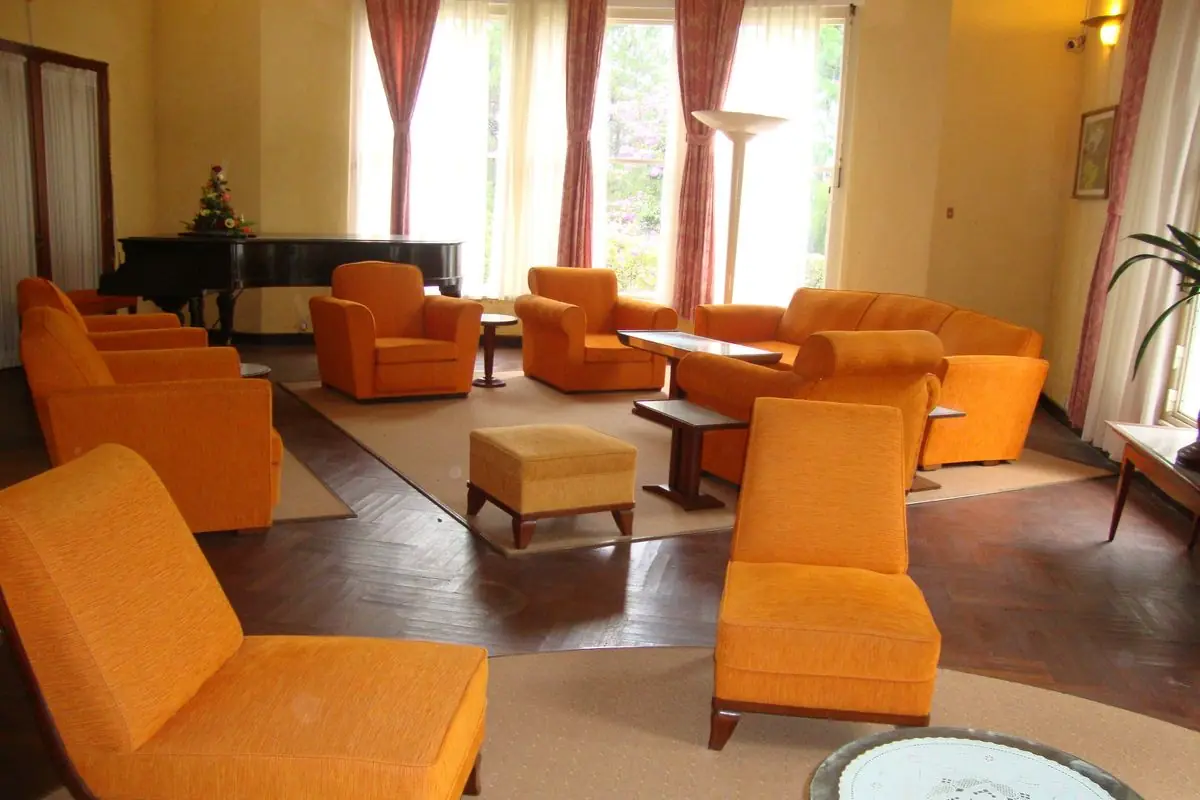
The upper floor is the reason many travelers choose Palace 3 over Palace 1. Rooms associated with Bao Dai, Empress Nam Phuong and their children explain the building's reputation as a summer residence. Rather than seeing a series of anonymous bedrooms, you see a family household arranged within a residence used by a head of state. The tour becomes easier to follow once you understand the basic division: official life downstairs, family life upstairs.
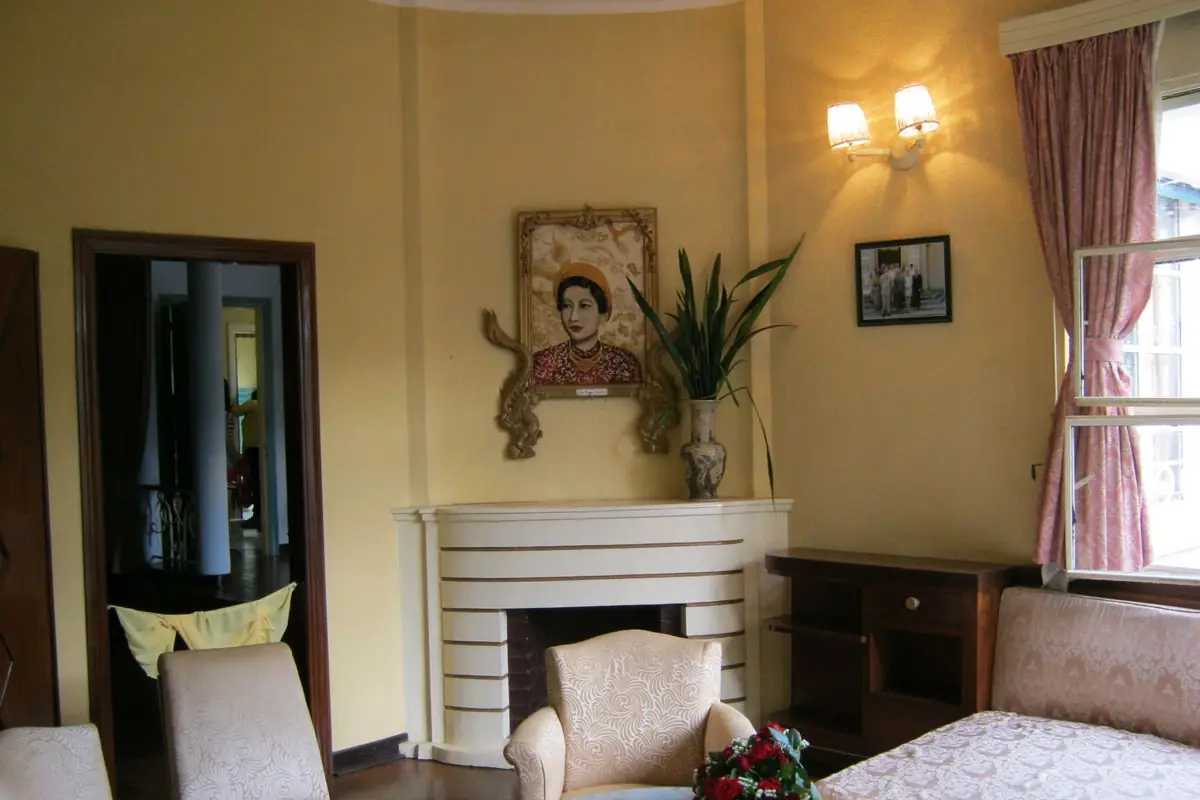
Not every object has stayed in the same spot since the 1930s. Some pieces may be original, conserved or rearranged for visitors. Read the room signs and focus on what the layout can reliably tell you: the separation of personal and public functions, the furnishings of the period and how the house responds to the landscape.
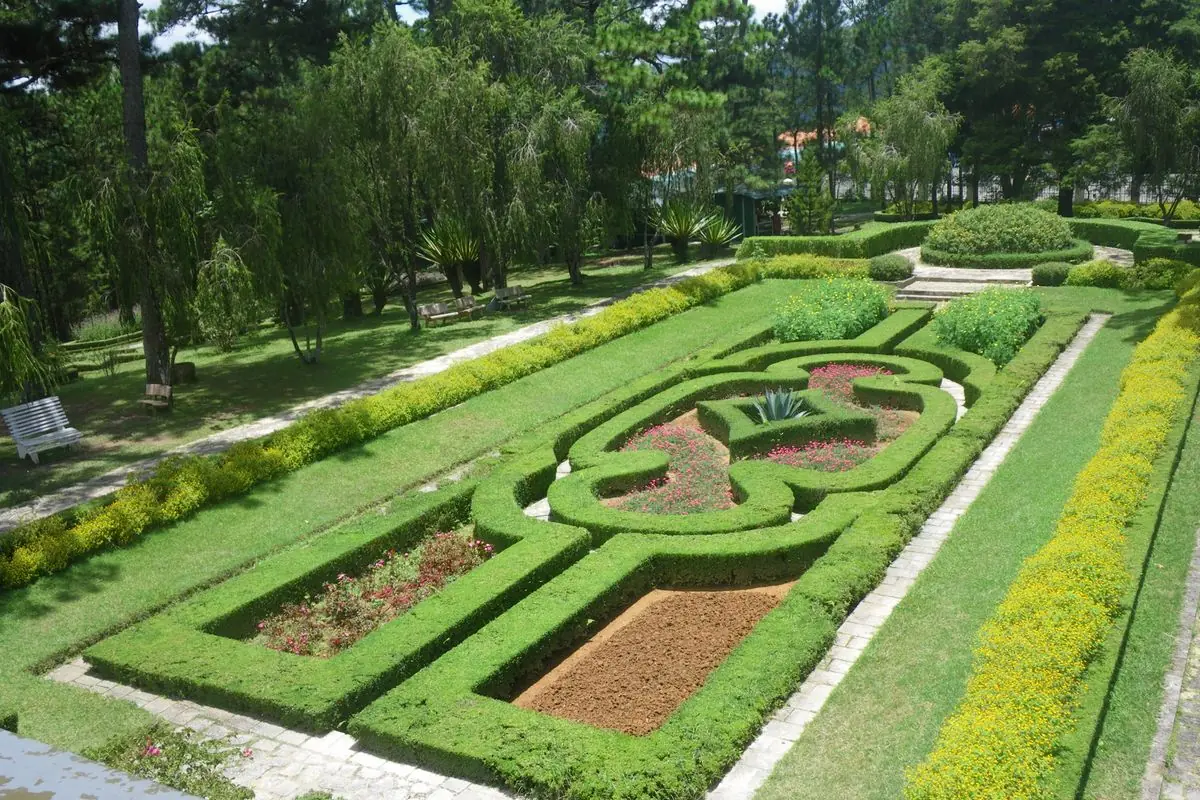
Outside, take a few minutes to see the long façade from the front garden. Its restrained lines and curved details become more interesting when viewed together with the lawn, beds and pine trees. The building was designed as part of a hillside setting. Looking from the interior windows back into the garden helps explain why this location appealed as a summer retreat.
The best route through Palace 3
Start with the front courtyard and a view of the main entrance. Go inside and spend the first part of the visit on the reception and working rooms downstairs. Then move upstairs to the private family spaces. Finish with a short walk in the garden before leaving. This is more efficient than repeatedly returning to the same staircase to take another photograph.
Allow 45-60 minutes for a focused tour of the main spaces. Add another 15-30 minutes if you enjoy reading the displays or photographing the grounds. One hour is a useful target for a solo traveler, while 75-90 minutes feels more comfortable with a family. These times start once you are at the palace and leave out the taxi from your hotel and the ticket queue.
Older travelers may need extra time for the stairs and sloping paths. Palace 3 is an old building, and some rooms involve steps. Ask the staff about accessible routes if someone in your group uses a wheelchair or has difficulty with stairs. With small children, keep the visit compact and supervise them closely near barriers and the staircase.
Palace 1: A different visit with more emphasis on the grounds
King Palace (Palace 1)
1 Tran Quang Dieu Street, 7:30 am-5:00 pm
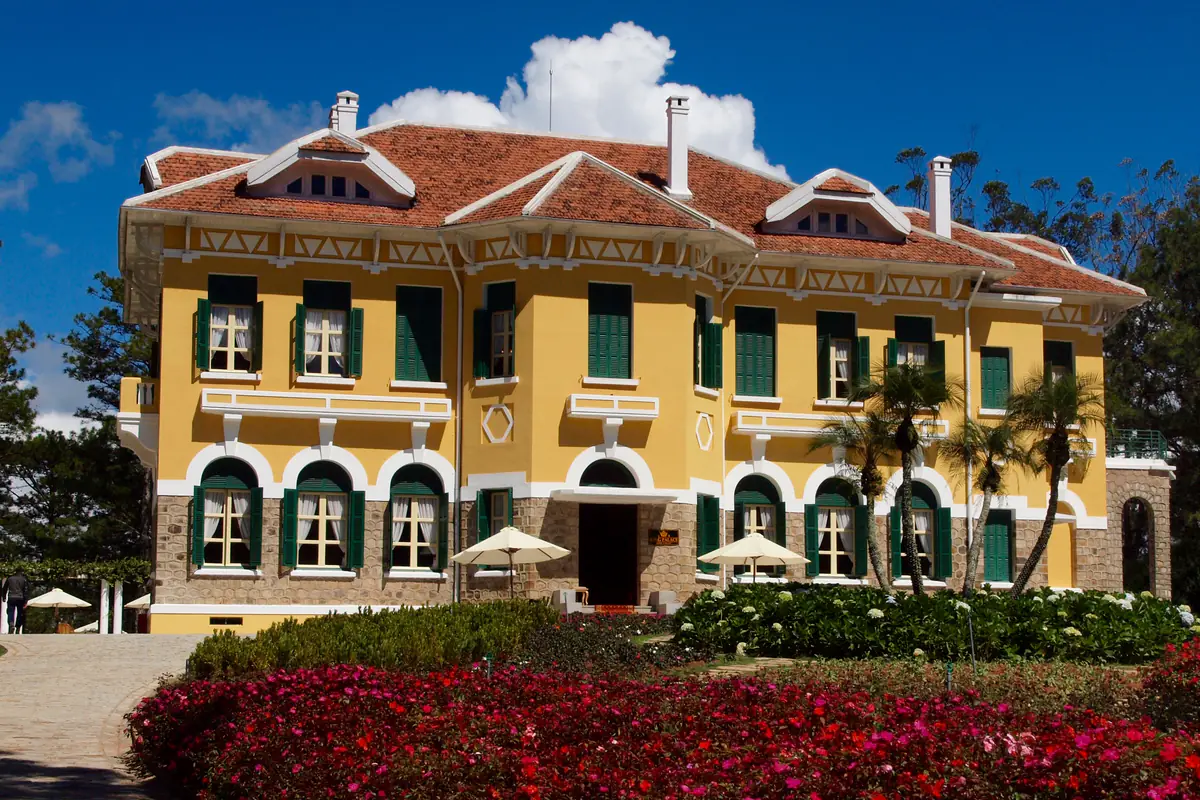
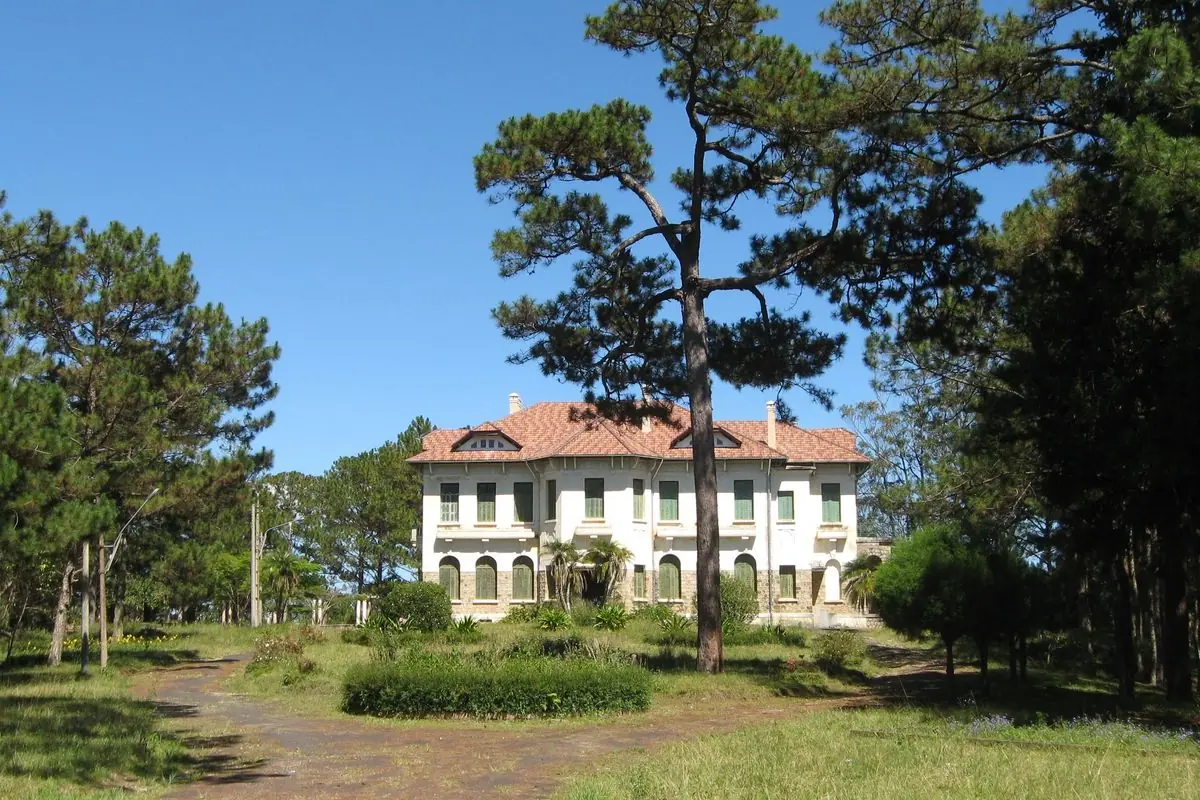
Palace 1 is at 1 Tran Quang Dieu Street, approximately 4 km from the old central market area. It is also known as King Palace or Dinh I. The grounds extend across a green hillside with pines, lawns and paths, giving the property a more spacious feel than a conventional house museum. From central Da Lat, the approach commonly follows the Tran Hung Dao and Hung Vuong corridor before turning toward Tran Quang Dieu.
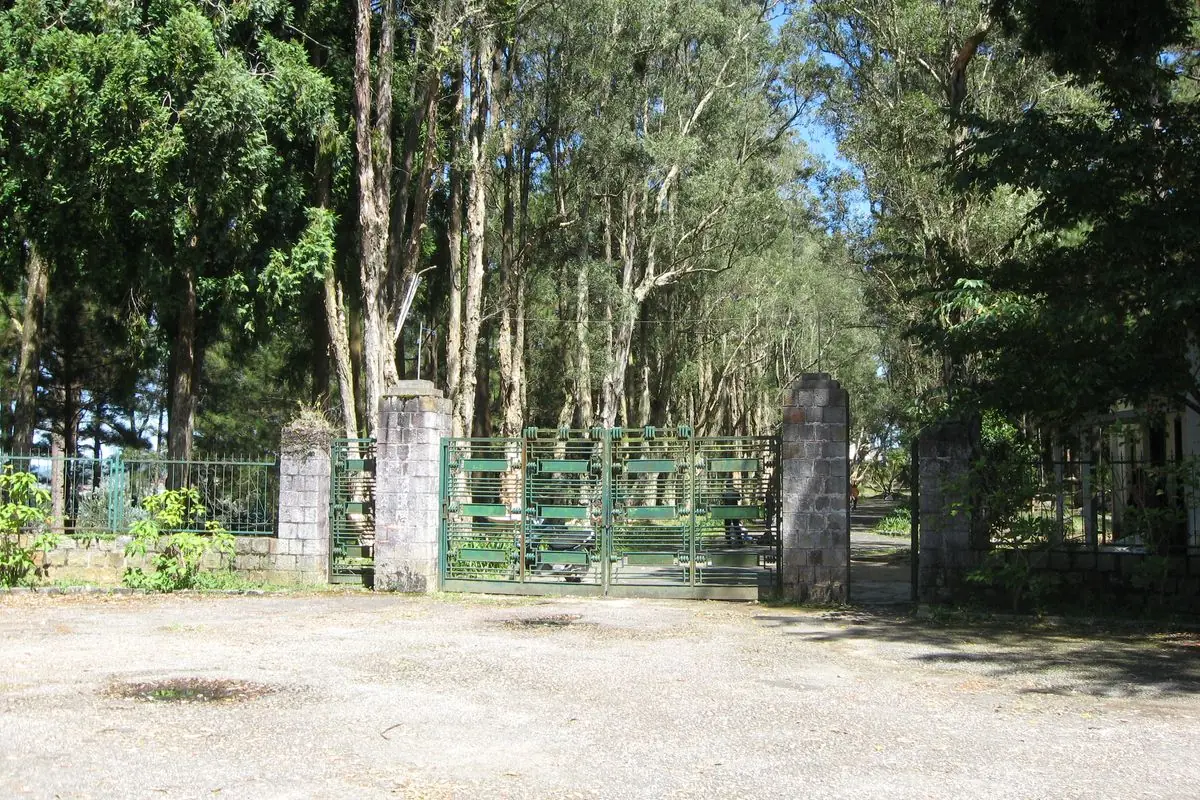
Use the full address when booking transport. On a rented motorbike, build in a few minutes to find the correct entrance and parking. The winding roads and slopes make a journey more involved than a straight-line distance suggests. A quick photo stop at the façade wastes the ticket price. You get better value when you see the main building and take a proper walk around the parts of the estate open to visitors.
Is Palace 1 still free to enter?
No. The free-entry period from earlier in 2026 is over. King Palace reopened for regular visitors on 28 August 2026. Tickets from the operator, Cosmo Hospitality, are VND 90,000 for adults, VND 50,000 for children and free for children under 1.2 meters tall. Ask staff to confirm the applicable child category when a child's height is near the threshold.
Arrive in the morning or early afternoon. An hour gives you enough time for the main sights, but 90 minutes is preferable if you want to look closely at the architecture and grounds. Da Lat's rain can make the outdoor sections less pleasant, so it is reasonable to swap the order of Palace 1 and Palace 3 when a dry morning is followed by a wet afternoon.
What is there to see inside Palace 1?
Palace 1 began as a private mansion belonging to a wealthy French resident. Bao Dai acquired and used it around 1949, during the period in which he served as Chief of State. From 1956, the property became associated with President Ngo Dinh Diem's administration. Later uses added further layers to the story. This is not simply a second copy of Bao Dai's family residence at Palace 3.
The architecture reflects European villa and country-estate influences. The approach, the building's position on the hill and the surrounding planting are worth seeing together. Take time to stand back from the façade and notice the relationship between the house and its grounds. The setting explains why the building worked as a formal residence and workplace removed from the bustle of the town center.
Inside, access depends on which rooms and displays the operator has opened. The building also has a tunnel and escape routes from its later political use. Check at the gate which tunnel sections and service rooms are open, instead of following an old online video to an unmarked door.
Palace 1 is strongest when you enjoy examining the life of a building across different periods. Its association with Bao Dai is important, but the history continues beyond him. If your main goal is to see the bedrooms of his wife and children, Palace 3 offers a more direct and coherent experience. If you want to walk among mature trees and explore a large heritage property, Palace 1 may be the better choice.
How long should you spend at Palace 1?
Allow 60-90 minutes on site. A shorter visit is possible, but it leaves little time for the grounds after seeing the building. Families may need longer if children want frequent breaks or older travelers prefer a slower pace. The area can be exposed to rain, and parts of the path may be damp. Comfortable shoes with a good grip beat slippery dress shoes here.
For travelers who have already visited Palace 3, this is a good second palace to see. It broadens the story from a royal family retreat to the changing use of an important villa over several political periods. That difference makes the two visits complementary rather than repetitive.
Palace 2: Interesting history, uncertain visitor access
Palace 2 (Governor-General's Palace)
12 Tran Hung Dao Street, provincial guesthouse
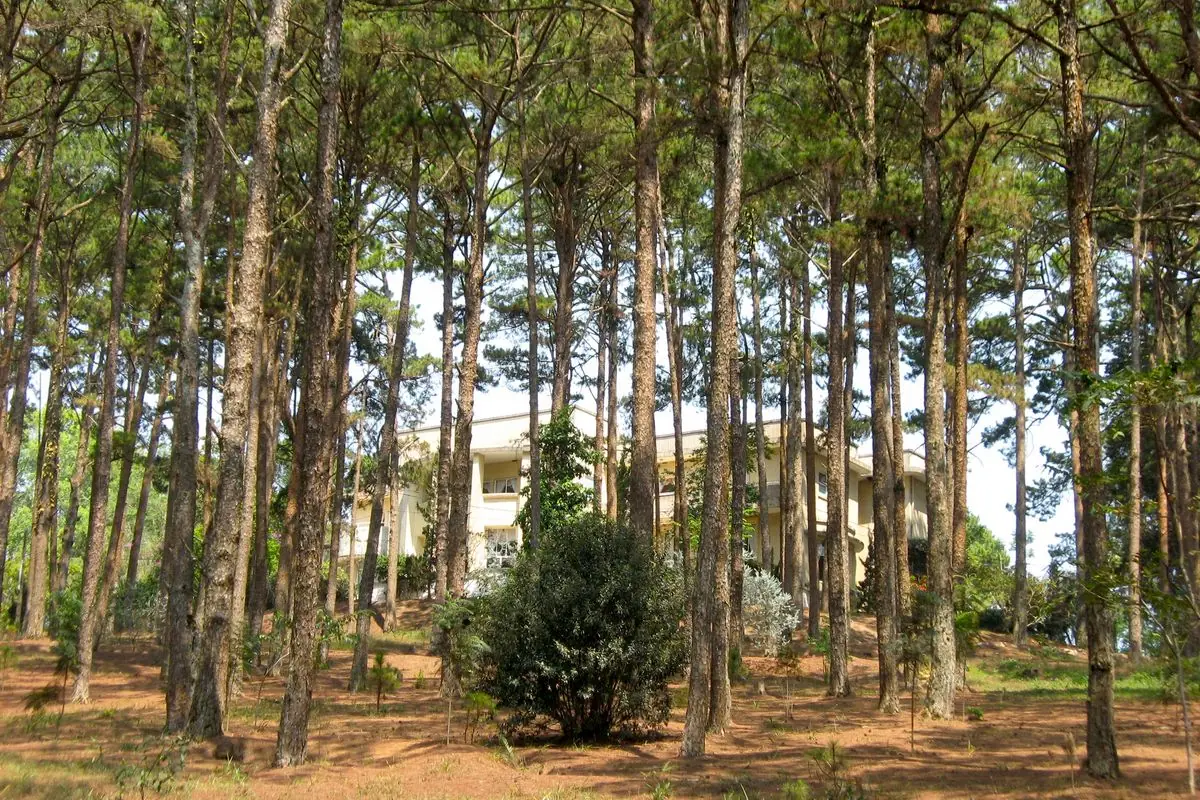
Palace 2 stands at 12 Tran Hung Dao Street, along a part of Da Lat known for its older villas and landscaped hills. Construction took place between 1933 and 1937. The building served Jean Decoux, the Governor-General of French Indochina, as a summer residence and workplace. It belongs to Da Lat's broader architectural history, but it was not primarily designed as Bao Dai's family home.
Today the property is the Lam Dong Provincial People's Committee guesthouse. A government guesthouse is not a museum selling daily sightseeing tickets. Prices of VND 20,000-30,000 and daytime hours on some tourism directories are out of date. In 2026, they do not mean the palace takes visitors on any given day.
If you are studying colonial architecture and already have an appointment, Palace 2 could be worthwhile. For ordinary sightseeing, it is less dependable than Palace 1 or Palace 3. A traveler with only one afternoon should not spend a large part of it waiting for uncertain admission. Palace 3 contains the main family-history experience most people came to Da Lat to see.
Palace 1 vs Palace 3: How to decide for your group
First-time visitors interested in Bao Dai
Choose Palace 3. The rooms bring together the king's working life and his family's domestic life in a single tour. You see the spaces connected with Empress Nam Phuong and the children, not just an imposing exterior. Even without a guide, the sequence from downstairs reception rooms to upstairs bedrooms is easy to understand.
Architecture and garden lovers
Choose Palace 1. Much of the draw is the estate: the approach road, building, landscaping and pine trees. You can spend time outdoors without needing to rush from one room label to another. Palace 3 also has pleasant gardens, but its strongest feature is its preserved or interpreted residential layout.
Families with children
Palace 3 works well as a structured, hour-long activity. Children can recognize a dining room, bedroom and office, making the historical interpretation more approachable. Palace 1 provides additional outdoor space, but the longer paths can be tiring for younger children. Both places require supervision around historic objects, stairs and any roped-off areas. Neither is a playground.
Travelers with limited mobility
Neither palace should be assumed fully wheelchair-accessible. Think about the historic stairs, outdoor slopes and the walk from the entrance to the building. Palace 3 offers a relatively concentrated indoor visit, which may be easier to shorten. Palace 1 has a broader estate, which can be appealing for a gentle stroll but may involve more walking. Contact the attraction before buying a ticket if step-free access is essential.
Travelers who have already seen Palace 3
Go to Palace 1 next. You will learn a different part of Da Lat's political and architectural history while enjoying an outdoor setting. Returning to Palace 3 can still be worthwhile for photography or a slower look at the displays, but visiting Palace 1 offers greater variety for someone who has already explored the family rooms.
Buying tickets and planning the practical details
For Palace 1 and Palace 3, the straightforward option is to buy an ordinary sightseeing ticket at the correct entrance. Carry a little Vietnamese dong in case the window does not take cards. Keep your ticket until you leave and read the notices about which areas are open.
Ask before paying for optional activities. A costume rental, a photographer, a special tour or a commercial photo session may be charged separately. Wedding shoots, filming or professional lights need permission beyond a normal ticket, so check the property's rules rather than bringing a crew unannounced.
For Palace 1, the operator's adult fee gives you a fairly clear starting budget. For Palace 3, budget around VND 60,000 per adult and go by the price board at the window. Avoid relying on old package prices or a tour seller's bundled admission figure as if it were the standard walk-in fee.
Wear shoes that handle damp pavement. An extra light layer is useful during cool Da Lat mornings. Skip formal wear; clothes you can climb stairs in beat a photo outfit that is hard to walk in. Plan for a little extra time to park, reach the entrance and find your driver when leaving.
The best itineraries for one hour, two hours or half a day
One hour: Palace 3 only
Go directly to Bao Dai Summer Palace at 1 Trieu Viet Vuong Street. Spend about ten minutes at the entrance and front courtyard, 35-40 minutes moving through the two main floors, and the remaining time outside. An hour that includes the ride from the market or hotel means a shorter tour or one fewer stop.
Do not try to fit in Palace 1 as well. Even with a fast taxi, ticketing and the second property's paths take time. You are better off understanding one place than leaving two without seeing their main features. The royal family's private rooms make Palace 3 the strongest choice for this narrow window.
Two hours: Palace 3 and one nearby stop
Allow around 60-75 minutes for Palace 3, then choose a nearby attraction to suit your interests. Crazy House on Huynh Thuc Khang Street offers a very different approach to architecture, with unusual shapes and winding spaces. Da Lat Cathedral, often called the Chicken Church, stands on Tran Phu Street and works as a shorter architecture stop from the outside; entry to religious areas depends on services and local arrangements.
If the palace visit takes longer because the children are tired or you are particularly interested in the displays, skip the second attraction. There is no reason to rush through historically important rooms merely to complete a checklist.
You can also use the entire two-hour window for Palace 1, including transport. That option is especially suitable if your accommodation is in the eastern part of town or you have already toured Palace 3. Trying to see both palaces properly in two hours is less realistic, because each deserves around an hour on site before transfers.
Half a day: Both Palace 3 and Palace 1
Start Palace 3 at about 8:00 am and allow roughly 75 minutes. Then take a taxi or ride-hailing car to Palace 1 and reserve another 75-90 minutes for the building and grounds. Once travel, ticket purchases and a short break are included, three to four hours is a much better allowance than two. Visit the more important site first, so a slow second stop does not ruin the morning.
A different route starts at Palace 1 and later passes near the area of Da Lat Railway Station, another historic building worth considering on your way back toward central town. Two contrasting heritage properties already provide a full and satisfying morning.
Rainy weather: Prefer the interior at Palace 3
When rain is likely to continue for hours, Palace 3 has an advantage because the main reason to visit is indoors. You can reduce your garden time without losing the family-room displays. Palace 1 remains possible, but its landscaped grounds are a larger part of the experience. Palace 2 is not a sensible rainy-day fallback unless public access has already been confirmed.
Getting between the palaces
Do not treat the three palaces as a walking circuit. Palace 3 lies south of the older center on Trieu Viet Vuong, Palace 1 is farther to the southeast on Tran Quang Dieu, and Palace 2 is on Tran Hung Dao. They are separate sites reached by different roads and entrances. A taxi or ride-hailing vehicle is usually a better way to combine Palace 1 and Palace 3 than walking between them.
Loading map...
- Bao Dai Summer Palace (Palace 3): 1 Trieu Viet Vuong Street, the first palace to see
- King Palace (Palace 1): 1 Tran Quang Dieu Street, pine hill grounds
- Palace 2: Provincial guesthouse, visits by arrangement
- Da Lat Market: Handy reference point for distances
- Crazy House: Close to Palace 3, fits a two-hour plan
- Da Lat Cathedral (Chicken Church): On Tran Phu Street
- Da Lat Railway Station: Easy stop after Palace 1
Motorbike riders should enter each exact address into their navigation app. Da Lat's hills, turns and occasional one-way streets can make the drive longer than a simple map measurement suggests. With a hired driver, save the next destination before leaving the first gate. “Dinh I” and “Dinh III” are more precise than asking to go to “the Bao Dai palace.”
Leave a buffer if you have an onward bus or train connection elsewhere in Vietnam. You will need time to return for luggage and reach the departure point. A palace ticket bought late in the afternoon is poor value if you can only see the façade before the rooms close.
A little history makes the rooms more meaningful
Bao Dai was the last emperor of the Nguyen dynasty. He abdicated in 1945, and later served as Chief of State of the State of Vietnam. The buildings associated with him in Da Lat reflect that changing political setting, rather than three identical royal residences occupied in the same way.
Palace 3 belongs to the story of the monarch's retreat and family household. Its rooms help visitors imagine a working residence in the highlands during the first half of the twentieth century. Palace 1 belongs to a later phase of Bao Dai's career and has an additional history through the Ngo Dinh Diem period. Palace 2 begins with the French Governor-General's use of Da Lat as a summer administrative center.
Keep three distinctions in mind: who originally used the building, what they used it for, and whether you can actually visit it today. These questions make the architecture much easier to read. They also prevent the common misunderstanding that all three palaces were built solely as personal holiday houses for one emperor.
Common mistakes to avoid
The first mistake is buying transport to Palace 1 when you really wanted the royal bedrooms at Palace 3. The second is assuming Palace 1 remains free because an old article covered the temporary reopening period. The third is expecting Palace 2 to sell a walk-in ticket simply because a tourism directory lists opening hours. A fourth is setting aside exactly one hour for transport, ticketing, two floors and the ride back to your hotel.
Another mistake is treating every room arrangement as untouched since the 1930s. Heritage buildings change through use, preservation and display. Read the labels and the layout, and leave the origin of any single object to what the label says. This approach is both more respectful and more interesting than racing through the rooms to collect photographs.
Finally, avoid arriving just before the closing time shown online. At Palace 3, begin well before late afternoon. At Palace 1, use the operator's 5:00 pm closing time rather than an older listing that says 5:30 pm.
Final choice: Which Bao Dai palace is worth your time?
For a first visit or a spare hour or two, choose Bao Dai Summer Palace (Palace 3) for the clearest view of Bao Dai's family life. Choose King Palace (Palace 1) for gardens, European-influenced architecture and a different period of history; consider Palace 2 only when your access has been confirmed in advance.
FAQ
Is Bao Dai Summer Palace the same as Palace 3?
Yes. Bao Dai Summer Palace, Bao Dai Palace 3 and Dinh III refer to the historical residence at 1 Trieu Viet Vuong Street. Palace 1 or King Palace is a different attraction at 1 Tran Quang Dieu Street.
What is the Bao Dai Summer Palace entrance fee in 2026?
Budget about VND 60,000 per adult and VND 40,000 for a child around 1-1.2 meters tall; children under 1 meter get in free. Older prices still float around online, so go by the board at the ticket counter.
What time does Bao Dai Palace 3 open?
It is open 7:00 am-5:30 pm. Some tour companies give 5:00 pm as closing time, so arrive before 4:00 pm to see the rooms and gardens properly.
Is Bao Dai Palace 1 open, and is entry still free?
Palace 1 reopened on 28 August 2026, open 7:30 am to 5:00 pm, with tickets at VND 90,000 for adults and VND 50,000 for children. Children under 1.2 meters get in free. The free-entry period from earlier in the year is over.
Can you visit Palace 2 and both other palaces on the same day?
Palace 1 and Palace 3 can be combined in a three-to-four-hour outing. Palace 2 should only be added when the responsible office confirms visitor access for your specific date and tells you which areas are open.