Quy Nhon things to do, from quiet beaches to Cham towers, and when to go
Quy Nhon is a strong choice for a quieter central Vietnam beach break with fishing villages, Cham towers and good everyday food. The right season matters more than squeezing every island into the same trip.
By Da Lat LoversPublished Updated Đọc bằng tiếng Việt

Start by booking a room in central Quy Nhon, close to the seafront, if this is your first visit. Fly into Phu Cat Airport or take a north-south train to Dieu Tri station, then reserve one full day for the Ky Co and Eo Gio area. March and April bring little rain without the worst heat; May to August suit travelers who mainly want to swim and take boat trips.
Where is Quy Nhon, Vietnam, and is it worth visiting?
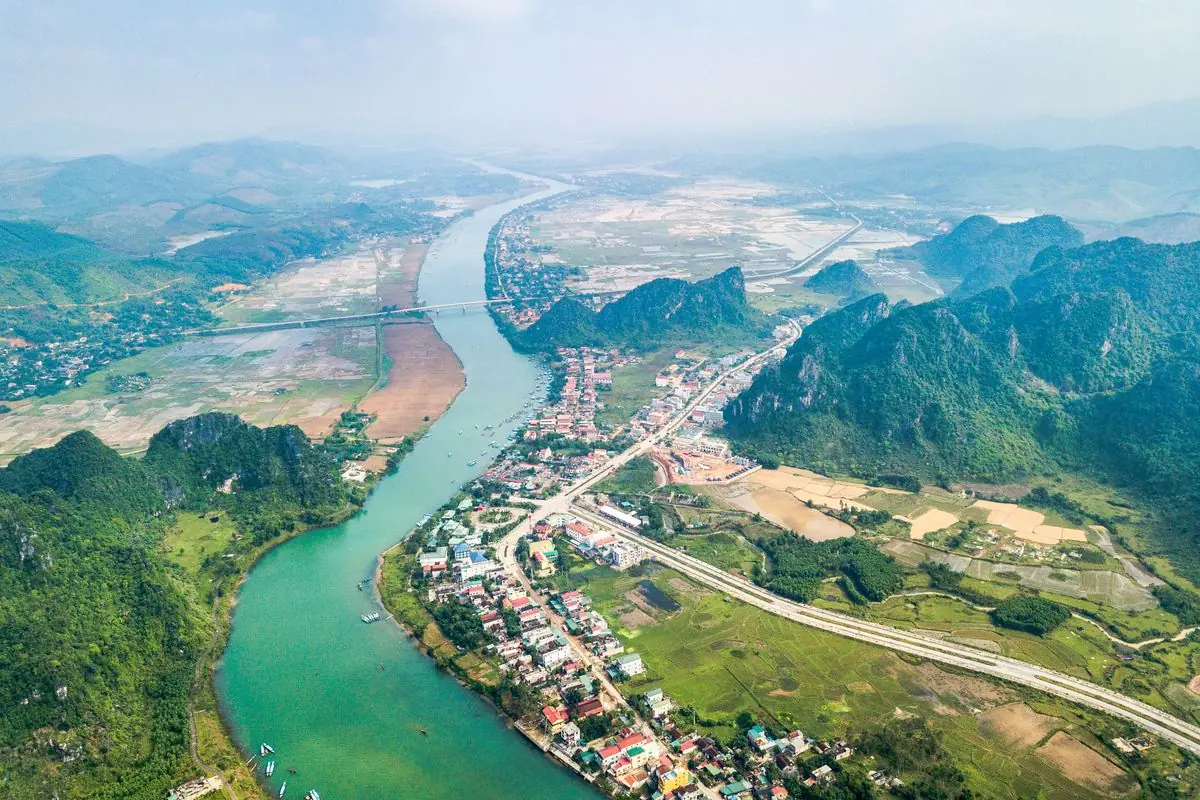
Quy Nhon sits on Vietnam's south-central coastline, between the better-known travel hubs of Da Nang and Hoi An to the north and Tuy Hoa and Nha Trang to the south. It was historically associated with Binh Dinh Province. Following Vietnam's 2025 administrative reorganization, the Quy Nhon area belongs to the new Gia Lai Province. You will still see “Binh Dinh” on older accommodation listings and food guides. Both names point to the same stretch of coast.
The appeal here is simple: you get a proper lived-in coastal town alongside the beaches. There are noodle shops, markets, local streets and a long urban shoreline. You can walk beside the water in the late afternoon, eat a seafood dinner without returning to a distant resort, and set aside an entire day for a peninsula of coves and fishing villages. One hotel is enough to see the essentials.
A few places explain the city's character particularly well. Ky Co gives you the bright sand and protected-bay scenery that many people picture when they search for Quy Nhon beach. Eo Gio has a rocky coastline and a walking route overlooking the sea. Hon Kho is a smaller island outing near Nhon Hai fishing village. The Twin Towers, or Thap Doi, bring Cham history right into the urban area, while Banh It Towers sit on a hill beyond the center. Add fish-cake noodle soup, shrimp pancakes and a slow morning by the water, and three days fill up naturally.
Quy Nhon can feel more relaxed than Nha Trang or Da Nang, particularly if you stay in the town and choose your outings carefully. Do not expect an empty destination in June, July or August, though. Domestic holidaymakers visit in large numbers, and the famous excursion beaches can be busy. Come for the local food, the easy shoreline and a handful of day trips, and don't expect complete solitude.
Quy Nhon best time to visit: choose the season for your activities
For most first-time visitors, March and April are the easiest months to recommend. They generally bring relatively little rain, comfortable conditions for exploring Cham sites and a good chance of planning beach outings without constant weather changes. February can also be pleasant, especially for sightseeing, although it may feel breezier and the sea less inviting for long swims.
May through August is the more convincing beach season. The days are hot, the sun is strong and sheltered water often looks its best. This is when a boat excursion to Ky Co or Hon Kho is most attractive, subject to conditions on the day. You will want an early start: outdoor activities from roughly 7 am to 10 am, a break during the hottest hours, and a second short outing after 3 pm. If you do not enjoy high temperatures, avoid scheduling a long climb at Banh It Towers at midday.
The catch is that June to August is a major Vietnamese holiday season. Popular beaches, restaurants and hotels may be noticeably busier on weekends. Book accommodation earlier if you need a particular room type, but do not lock in every sea excursion before reviewing the weather and the cancellation rules.
September to December is the period to treat cautiously for boat-based trips. Rain picks up sharply in autumn, and October and November are the wettest months. This is also when tropical storms and typhoons tend to hit central Vietnam. It doesn't rain every day, but rough seas can cancel a crossing, snorkeling trip or tour at short notice. A bargain beachfront room is less useful when the only thing you wanted was a boat to an island.
January is cooler and can work for food, walking and architecture. The sea, though, is not calm every day. Good weather for sightseeing and good conditions at sea are two different things. February to April often works for a general city break. Island hopping and swimming are better from March to August. Boats can stay in port in the dry season and run normally in the wet one; it all comes down to the wind and waves on the day.
How to get to Quy Nhon by air, train or bus
Fly to Phu Cat Airport, not a beachside city airport
The airport serving Quy Nhon is Phu Cat Airport (UIH), about 35 km from the central seafront. There are flights from Hanoi and Ho Chi Minh City, but which airlines fly and how often depends on the date. After landing, allow roughly 40-60 minutes for the road transfer into town.
In 2026 the airport bus costs about VND 50,000 per person, and a taxi runs roughly VND 250,000-300,000 per trip. The bus serves the area around 1 Nguyen Tat Thanh in Quy Nhon; from there, you may still need another short ride to your accommodation. Taxi fares vary with the company, the time and your hotel address.
For a solo traveler with a small bag and a daytime arrival, the airport bus is worth considering. A taxi or pre-arranged transfer is easier with children, several suitcases or a late arrival. Staying at a remote resort on the Phuong Mai Peninsula? Ask the property about airport pickup before confirming your flight. A journey to a remote resort can have different costs and a different route from the standard city transfer.
Arriving from abroad through another Vietnamese airport means looking at the whole journey, not just the flight time. A connection through Hanoi or Ho Chi Minh City plus the transfer from UIH to your hotel may occupy most of the day. Leave sightseeing light on arrival day, particularly if you are coming off a long international flight.
Take the train to Dieu Tri station
For overland travel, Dieu Tri is the useful station name to remember. It lies inland from the Quy Nhon seafront, a little over 10 km from the central area, and is served by north-south trains. You can use rail connections from places such as Da Nang, Quang Ngai, Tuy Hoa, Nha Trang, Ho Chi Minh City or Hanoi, depending on the train and its stopping pattern.
Search for Dieu Tri when checking a north-south itinerary. There is also a Quy Nhon station in town, but not every mainline train goes there. Confirm the exact station printed on the ticket, the arrival date and the scheduled arrival time. On an overnight train, the date at your destination can be the following day.
Rail fares depend on the train, seat or sleeper type, date and demand. Look up each departure on the Vietnam Railways ticket site. From Nha Trang or Da Nang, the train is often simpler than an airport connection. From Hanoi or Ho Chi Minh City, it takes substantially longer than flying, but it may make sense as part of a longer rail journey through the country.
Buses from nearby central Vietnam destinations
Coaches, sleeper buses and limousine-style vans offer another option from Da Nang, Hoi An, Tuy Hoa and Nha Trang. Be precise about pickup and drop-off points. A listing may show “Hoi An to Quy Nhon” but actually collect passengers from a designated meeting point outside the old town. In Quy Nhon, a company may drop you at its own office, a roadside point or a bus terminal rather than at your hotel.
Ask three things before paying: the exact pickup location, where you will get off, and whether a transfer vehicle is included. A slightly cheaper seat can stop being a bargain when it leaves you a long taxi ride from your room. For a daytime journey between two central Vietnam destinations, a direct coach can still be convenient because it avoids returning to an airport.
Within Quy Nhon, walking works well near the urban beach and the streets around Nguyen Hue, Xuan Dieu and An Duong Vuong. For Ky Co, Eo Gio, Bai Xep or Banh It Towers, plan on a car, taxi, tour pickup or a motorbike. Only ride a motorbike if you are experienced, properly licensed for Vietnam and comfortable with local traffic. Not every foreign license is recognized in Vietnam. Travelers who do not normally ride should use a car transfer or guided trip instead of treating the peninsula roads as a place to learn.
Save three separate places on your phone map before arriving: your hotel, Dieu Tri railway station and Phu Cat Airport. They are not interchangeable transport points, and having the correct pins makes arrival and departure day much easier.
Quy Nhon things to do: which beach should you actually visit?
Loading map...
- Thap Doi: Cham towers inside the city
- Ghenh Rang: close to town, good for a late afternoon
- Bai Xep: small beach and fishing hamlet to the south
- Ky Co: near Nhon Ly, about 25 km by road
- Eo Gio: rocky coast and a walking path
- Hon Kho: boats leave from Nhon Hai
- Banh It Towers: hilltop tower complex in Tuy Phuoc
- Dieu Tri station: north-south trains stop here
- Phu Cat Airport: about 35 km from the center
Quy Nhon city beach for an easy everyday swim and stroll
For a short stay, the central beach is the easiest one to get to. It curves along the town, with accessible streets, accommodation and restaurants nearby. You can enjoy it without buying an excursion, and you can return to your room quickly after a walk or a swim. The stretches by Xuan Dieu and An Duong Vuong make a practical base for that style of trip.
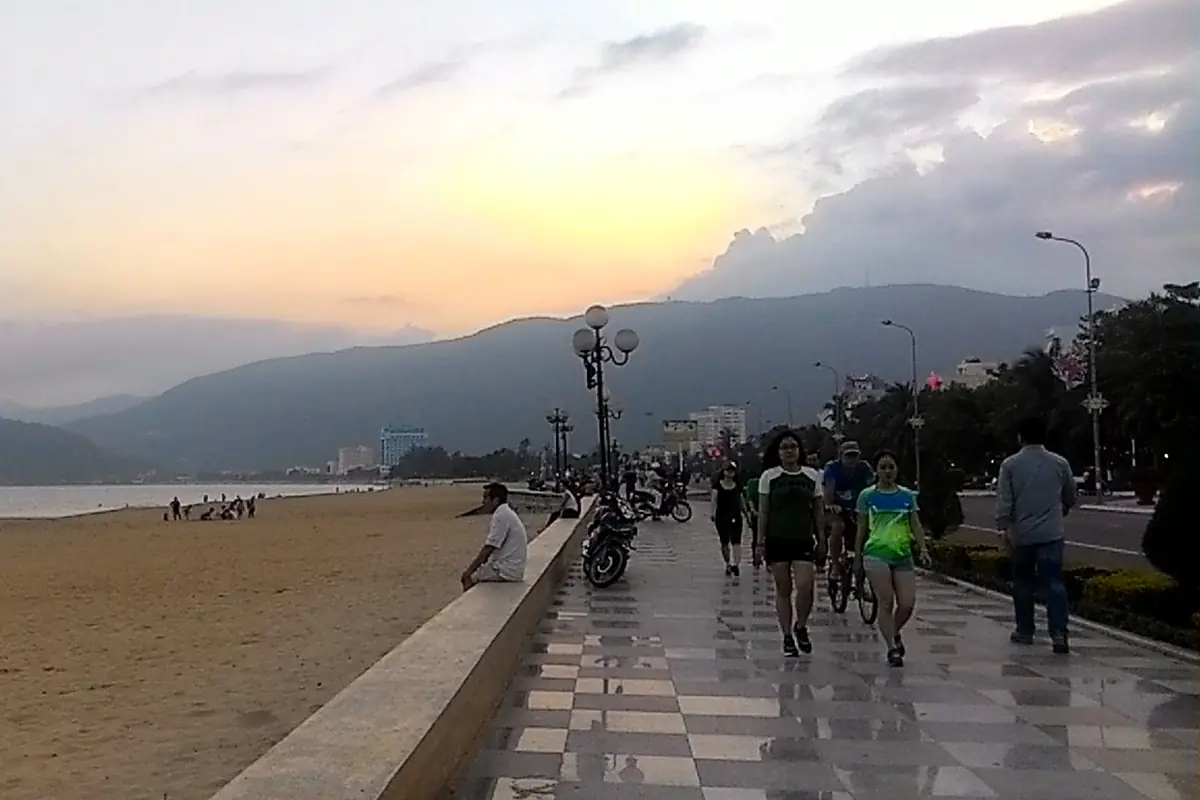
It is an urban beach, with people walking, exercising and gathering in the cooler parts of the day. It is ideal for an unhurried morning or afternoon, but check local flags and instructions before swimming. Strong surf, warning signs or a lack of safe conditions are reasons to stay ashore. Families should choose supervised swimming areas where available and keep children close.
One small advantage is how little planning the beach requires. Arrive late from the airport or train and you can still drop your bags at the hotel and walk to the water. You do not lose the first afternoon because a boat has already departed.
Ky Co beach for turquoise water and dramatic bay scenery
Ky Co, near Nhon Ly on the Phuong Mai Peninsula, is the signature excursion for many visitors. It is approximately 25 km from central Quy Nhon by road, with a bay framed by rocky slopes, light-colored sand and clear-looking water when conditions are favorable. The photographs are compelling, but this is an organized attraction rather than a stretch of entirely unmanaged coastline.
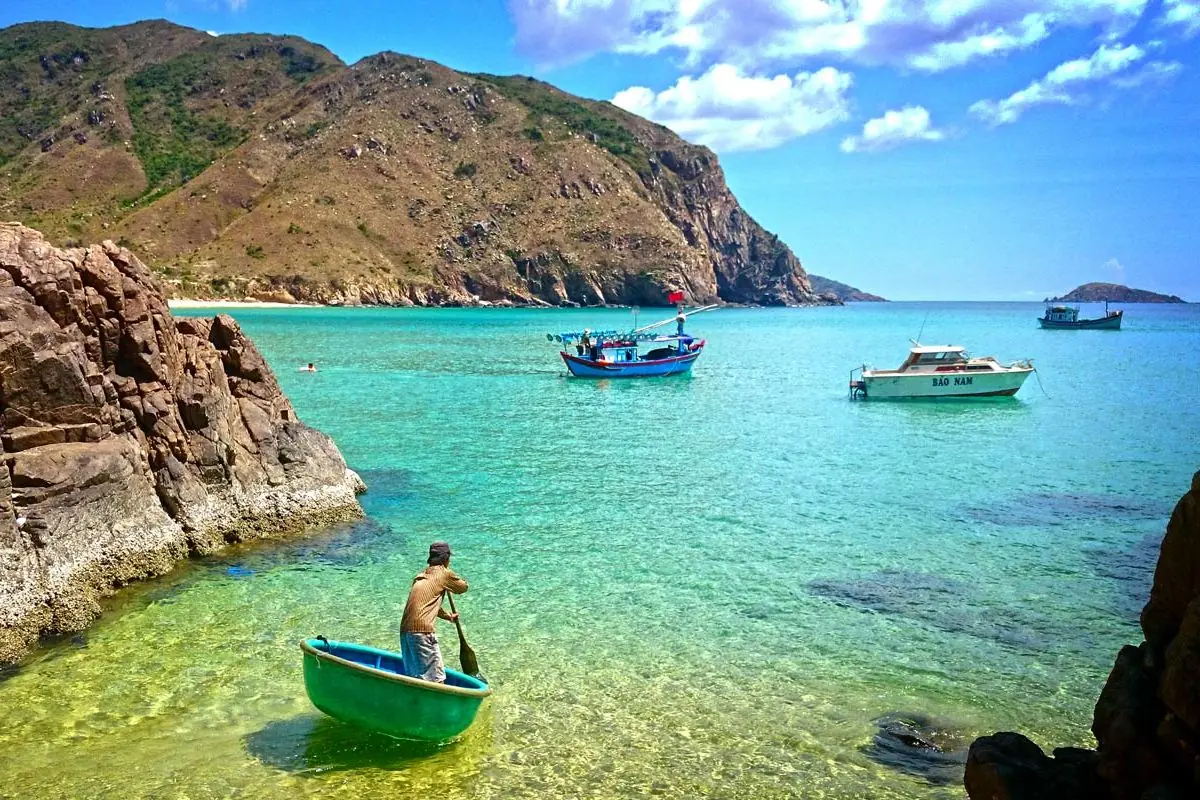
Access may involve a road transfer, local transport down to the beach or a boat arrangement, depending on the operator and current conditions. Give Ky Co the better part of a morning if you want time to swim and relax. It is not a place to schedule as a 20-minute photo stop while rushing toward three other attractions.
With only one day for the outer beaches, spend it at Ky Co. The surrounding peninsula supplies enough extra stops to make a full day, while the city beach can cover your other swimming and sunset-hour walks.
Eo Gio for cliff views and an early walk
Eo Gio is about the coastline rather than a classic sandy beach day. Rocky headlands, a path and wide sea views make it appealing for people who enjoy short walks and landscape photographs. It is close to Nhon Ly, which is why it pairs naturally with Ky Co, but it deserves different expectations. Go to look at the coast and feel the wind, not to spend hours swimming.

Entry to Eo Gio costs VND 30,000 per visitor, the new rate since late June 2026. The exposed route can be hot in the middle of the day, so an early-morning or late-afternoon visit is more comfortable.
Nhon Ly fishing village is a sensible lunch stop on this outing. It lets you pause, eat and see some everyday coastal life without driving back into town and then returning across Thi Nai Bridge. People live and work on these streets and boats; give them space. Stay clear of fishing equipment and ask before photographing someone at close range.
Hon Kho and Nhon Hai for another kind of island outing
Hon Kho lies offshore near Nhon Hai village, also in the broader Phuong Mai direction. Visitors commonly use local boats to reach it when the sea is suitable. The trip is associated with shallow water, snorkeling opportunities and a distinctive coastal setting. What you see depends on the tide and water clarity, and the path rising out of the sea in the ads is not there every day.
Hon Kho can replace Ky Co rather than automatically being added to it. It makes sense for travelers interested in a fishing-village start, those who have already visited Ky Co, or anyone who wants a shorter, more focused sea outing. Some tours combine Ky Co, Eo Gio and Hon Kho, but doing so reduces how long you can stay at each stop. Ask whether you actually want three sets of photographs or a relaxed morning in the water.
Also check the departure village. Hon Kho is linked with Nhon Hai, while many Ky Co services operate around Nhon Ly. They are in the same wider peninsula area but should not be treated as one interchangeable pier. A private car or local tour can make the combination easier if your schedule is tight.
Cu Lao Xanh for a proper island day
Cu Lao Xanh is a populated island belonging to Nhon Chau Commune offshore from Quy Nhon. It appeals to visitors who want more than a managed beach: a village, coastal scenery, a lighthouse area and the feeling of spending time away from the mainland. Give it a full day, or stay overnight if the island is the point of the trip. An island with a scheduled return boat is not a stop to squeeze between lunch and an airport transfer.

A return speedboat ticket with Quy Nhon Tourist costs VND 350,000 per adult in 2026. Actual dates, capacity and package conditions can change, and a full island excursion may cost more than transport alone. Confirm the return departure time, whether a meal or local transport is included, and the operator's policy if waves prevent the boat from sailing.
This is not the ideal last-day excursion for someone flying out in the afternoon. Even a short sea crossing becomes stressful if you have no buffer for a delayed return. Plan the island day in the middle of your stay, with a flexible city-based day afterward wherever possible.
Bai Xep and Ghenh Rang when you want to slow down
Bai Xep, south of the center, is a different choice from the organized Ky Co excursion. Think of a smaller beach connected to a fishing settlement, places to sit near the water and accommodation for people who prefer a quieter base. It works as a half-day visit, but its character is better appreciated without a rushed schedule. A slow lunch and a long look at the bay may be the main activity.
A room in Bai Xep makes sense for travelers who are happy staying put for much of the day. It is less suitable if your plan involves trying different restaurants in central Quy Nhon every evening. Check the exact walking route from your accommodation to the beach, since places marketed with a broad coastal address can be farther from the sand than they first appear.
Ghenh Rang - Tien Sa is closer to the city. Its appeal includes rocky seaside landscapes and places associated with the poet Han Mac Tu. The section commonly called Queen's Beach, or Egg Beach, is known for rounded stones. Stay out of the water there in big waves. Treat it as a walking and sightseeing stop, perhaps in a late afternoon, rather than another mandatory snorkeling destination.
Cham towers: the cultural stop that makes Quy Nhon more than a beach trip
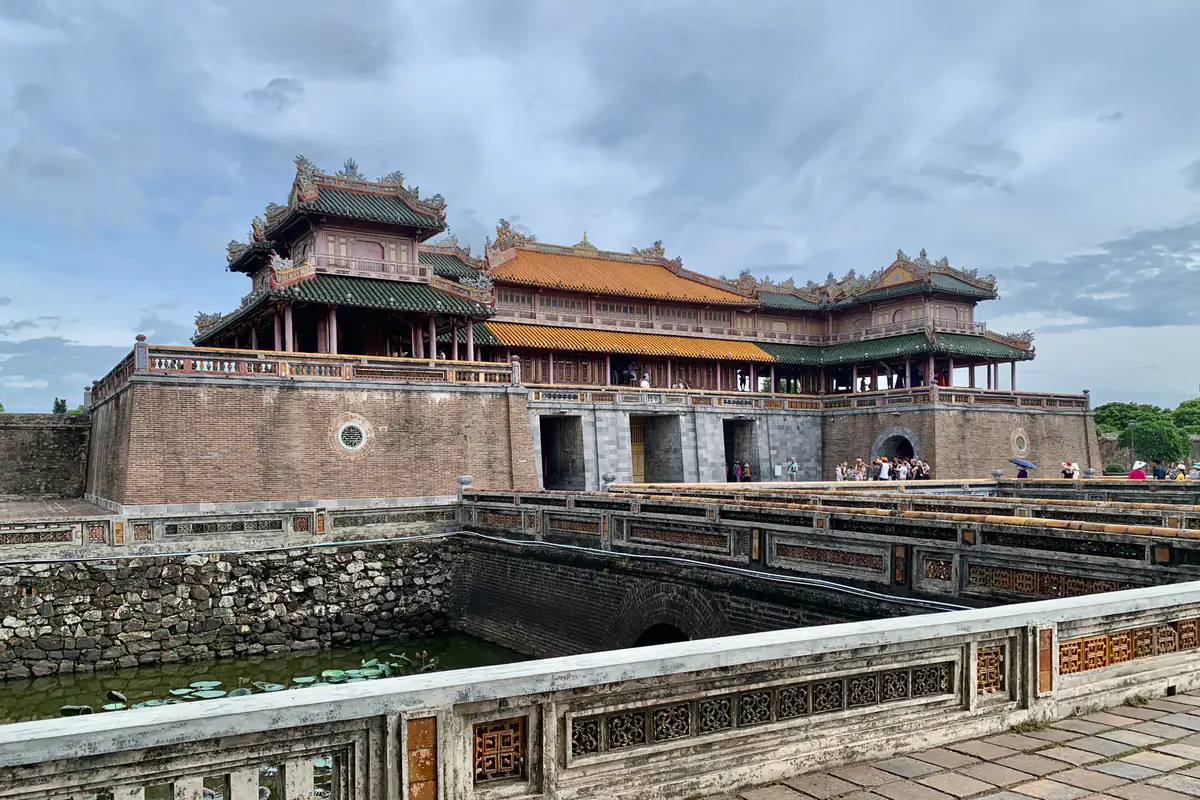
Start with Thap Doi, the Twin Towers, right in the city. The red-brick Cham towers look nothing like the modern streets around them. You can notice the forms of the entrances, decorative work and the relationship between the two towers without needing a long car journey. Allow about 30-45 minutes, ideally early or late in the day when the heat is less demanding.

Banh It Towers are more of an excursion. The complex stands on a hill near Tuy Phuoc, roughly 20 km from Quy Nhon's center, and contains several towers with different architectural forms. There are steps and exposed areas, so bring water and shoes with grip. The site is open 7 am to 6 pm; the gate staff can tell you the ticket price.

Banh It is worth the extra travel if historic architecture interests you. It creates a clearer sense of the former Cham presence in this region than a quick glimpse of a single building from a vehicle window. A focused visit to one or two complexes is more useful than spending a hot afternoon driving between distant sites just to check off names.
With two nights, the Twin Towers are the easy choice. A third night leaves room for Banh It on a morning when you are heading inland, perhaps near a transfer involving Dieu Tri or Tuy Phuoc. Do not schedule it immediately after an exhausting full-day boat outing unless your group genuinely enjoys back-to-back sightseeing. The whole point of choosing Quy Nhon is being able to combine history and the coast without making every day a race.
What to eat in Quy Nhon: a short list that actually helps
Start with bun cha ca, fish-cake noodle soup. The broth, fish cakes and optional additions differ between restaurants. Some bowls include pieces of fish or jellyfish; others focus on the cakes. It is a useful first breakfast because it is filling, local and easy to fit into a day of sightseeing. You'll find it in town.
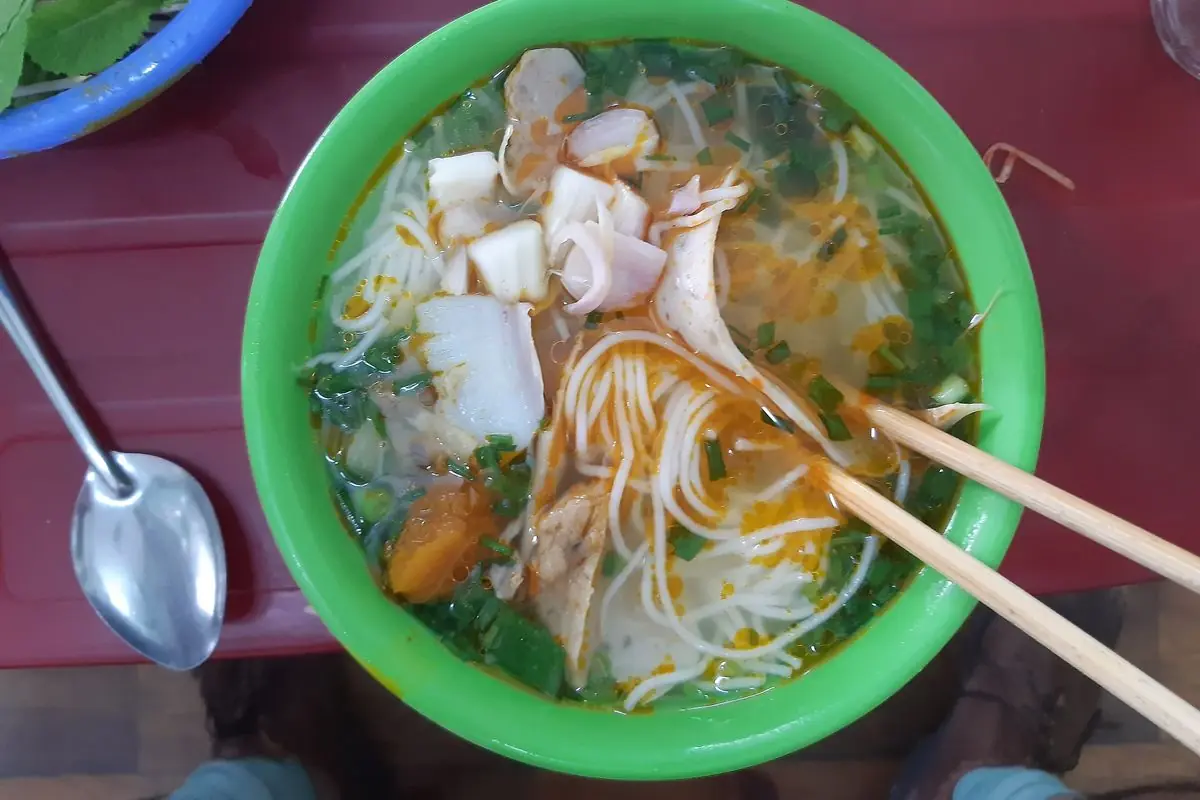
Bun Ca Ngoc Lien at 379A-B Nguyen Hue is open 6 am to 11 pm. Another established name on the same street is Bun Ca Phuong Teo, 211 Nguyen Hue. Each shop does it a little differently, so read the menu, pick your toppings and ask for less chili if you like it milder.
For a different kind of breakfast, try banh hoi long heo. The dish combines very fine rice-vermicelli sheets with scallion oil, boiled pork offal, greens and a small bowl of warm porridge. It is an everyday regional specialty, but it may not suit someone who avoids offal. In a group with mixed tastes, let everyone order their own breakfast.
Bun ram and bun tom, crab- and shrimp-based noodle dishes from the wider Binh Dinh area, are worth trying for a taste of the region beyond the usual seafood platter. They can be a more memorable local meal than ordering grilled fish three days in a row.
Make time for banh xeo tom nhay, a small crispy shrimp pancake served with herbs and dipping sauce. Gia Vy 2 on Dien Hong Street is one name to search in town. The My Cang area in Tuy Phuoc is also associated with the dish, but it is farther out and better combined with an inland excursion. Choose the version that fits your route instead of crossing town simply because a list says one restaurant is essential.
For dinner, seafood restaurants along the coastal streets or in villages such as Nhon Ly can work well. Ask for the price by weight and confirm how it will be cooked before ordering whole fish, squid, crab or prawns. Species, size and seasonal supply affect the bill. There is no set price for a seafood dinner here.
If you want food gifts, look for banh it la gai (sticky leaf cakes), tre (a regional fermented meat specialty) and nem cho Huyen. Check storage requirements and the remaining shelf life, especially if you are continuing by train or catching an international connection. Fresh food and anything with liquid has to be packed to your airline's baggage rules.
Where to stay: city center, Bai Xep or a remote resort?
For a first short visit, central Quy Nhon near the seafront is the safest base. Search around Xuan Dieu, An Duong Vuong, Nguyen Hue or the vicinity of Nguyen Tat Thanh Square. That puts food, evening walks and pickup points within easier reach. You can return from a day tour, shower and go straight out for dinner instead of arranging another long transfer.
Look closely at the actual hotel location. “Sea view” might mean a room above a road rather than a property with direct beach access. Ask about traffic noise, the walking route to the beach and whether the room faces the busy side of the building. A central hotel may be noisier, but it makes the whole trip simpler.
Bai Xep and southern coastal accommodation suit people who want to spend more time at their property or by one smaller bay. You trade restaurant variety and easy evening walks in town for a slower pace. Nhon Ly and the Phuong Mai resort area can shorten the drive to some peninsula attractions but extend the journey to central dining streets. A beachfront resort may still be too far out for a spontaneous night in town.
On a three-day, two-night stay, two nights in one central hotel are usually enough. On a four- or five-day trip, consider splitting your time between the town and a quieter resort. Change locations once, not every night. Packing and checking in repeatedly will consume the very hours you came to spend by the sea.
A practical Quy Nhon 3-day itinerary
Day 1: arrive, settle in and enjoy the city beach
Use arrival day gently. From the airport, transfer to your accommodation, leave your luggage if the room is not yet ready, and eat something nearby. A fish-noodle breakfast or an easy lunch on Nguyen Hue is a better start than rushing straight from the airport into a long car excursion. Spend the hottest part of the day indoors or resting.
At around 3:30-5:30 pm, head for the urban seafront. Walk the beach area, see Nguyen Tat Thanh Square and choose somewhere nearby for dinner. You might try shrimp pancakes or a seafood restaurant where prices are clearly shown. This gives you a useful first look at the city without needing a guide, boat or timed entry slot.
If your train or bus arrives late, skip the afternoon plan entirely. Check in, eat and sleep. The only essential task for that evening is to check the following day's weather and confirm the departure time and pickup point for your peninsula trip.
Day 2: Ky Co, Eo Gio and Nhon Ly
Have breakfast early and set out toward Thi Nai Bridge and the Phuong Mai Peninsula. Spend the main part of the morning at Ky Co, then have lunch in or around Nhon Ly. Visit Eo Gio when the sun is less intense. To photograph the coast before the crowds, go to Eo Gio first, as long as your boat or beach operator's timetable allows it.
A guided outing is a sensible choice for people who do not want to work out separate transfers and ticket arrangements. Quy Nhon Tourist's full-day Ky Co - Eo Gio tour costs VND 775,000 per guest in 2026. Other companies charge their own prices. Confirm the actual contents of the package, the pickup arrangements and current departure conditions before booking.
Return to the town in the late afternoon. There is no need to add Hon Kho or another distant attraction to the same evening. Most people will have had enough sun and movement by this point. A shower, a short walk and dinner are a better finish than another hour in a vehicle.
Day 3: Cham architecture, Ghenh Rang and departure
Go to Thap Doi in the cooler morning. Then have breakfast or coffee, depending on the time of your return journey. With an evening departure, you can add Ghenh Rang and its rocky shoreline before lunch. An early-afternoon flight means a short morning, with the focus on getting to the airport comfortably.
Phu Cat Airport is about 35 km from the center. Add the road transfer to the airline's recommended check-in time rather than allowing only the flight's departure hour in your schedule. For a train departure from Dieu Tri, plan a separate station transfer.
If your train schedule and route line up, Banh It Towers may replace the Ghenh Rang visit because they are inland in the broader Dieu Tri-Tuy Phuoc direction. The itinerary already covers the city's beach, one peninsula day, the Cham heritage and several local meals.
Four days in Quy Nhon: what should you add?
With four days and three nights, give the extra day one clear purpose instead of packing the others tighter. Keep your arrival day relaxed, devote another to Ky Co and Eo Gio, and leave an afternoon for the Cham sites. Use the extra full day for one of three different experiences.
Choose Hon Kho and Nhon Hai for another sea outing with a village setting. Choose Cu Lao Xanh if a populated island, boat crossing and lighthouse surroundings sound worth the extra planning. Choose Bai Xep for fewer moving parts, a slow lunch and an afternoon near a smaller bay. Each works for a different traveler; none needs to be combined with the other two on the same day.
A spare day is also valuable in the shoulder season because it gives you the chance to swap a boat excursion with a land-based day. On a rough-sea day, see Banh It Towers, take your time over breakfast and explore Quy Nhon's streets.
For travelers seeking quiet, a well-placed extra night in Bai Xep can be better than paying for two additional speedboat excursions. Families with older children who enjoy snorkeling may find the Hon Kho option more appealing. On a long north-south Vietnam trip, simply resting for a day before another long bus or rail journey may be the smartest choice.
How to combine Quy Nhon with Hoi An or Nha Trang
If you are traveling south from Da Nang and Hoi An, a logical route is Da Nang - Hoi An - Quy Nhon - Tuy Hoa - Nha Trang. Hoi An has no railway station in its historic center, so a train journey requires a transfer to a station such as Da Nang before continuing south to Dieu Tri. Direct coaches from the Hoi An area are another option. By road, Hoi An to Quy Nhon is roughly 290 km, a proper travel leg in itself.
Give yourself at least two nights in Quy Nhon if you are taking the trouble to stop between larger destinations. A single night can be pleasant, but it leaves almost no room for both the peninsula and the Cham sites. Avoid booking an afternoon Ky Co excursion immediately after a long coach ride from Hoi An. Traffic delays and pickup logistics can easily make the plan impractical.
If you are heading north from Nha Trang, Quy Nhon can be reached overland, including by train to Dieu Tri. It makes a useful pause before Hoi An or Da Nang. With two or three weeks on Vietnam's coast, you can fit both Quy Nhon and Nha Trang into the same trip; they offer different experiences.
Quy Nhon or Nha Trang: which is better for you?
Choose Quy Nhon if you want a quieter-feeling city base, easy access to local noodle shops and fishing villages, and a mix of beach and Cham architecture without a long list of organized entertainment options. The town works particularly well for people who are comfortable making a few arrangements independently and do not need an extensive nightlife scene.
Choose Nha Trang if your group values a larger tourism infrastructure, more established excursions, a wider selection of large hotels and easier access to a variety of organized activities. It may also be more convenient for travelers who want every day packaged in advance. Neither destination is guaranteed to be quiet: a famous cove at midday in Quy Nhon can be busier than a less-visited stretch of Nha Trang's coastline.
Quy Nhon or Da Nang is a slightly different comparison. Da Nang is better positioned for the common combination with Hoi An, a bigger city environment and a very broad range of visitor services. Quy Nhon is more appealing when you want to spend less time on major attractions and more on the smaller rhythms of a coastal place. Decide based on the kind of trip you want, then choose accommodation and excursions to match.
For a first-time foreign visitor, language and transport can affect this decision as much as the scenery. More developed destinations may have a broader range of English-language services. In Quy Nhon, save Vietnamese place names and exact addresses before you travel, especially for boat departure points.
Costs, booking decisions and practical safety
Build your budget from separate categories rather than copying a single estimated “Quy Nhon trip cost.” You need transport to the destination, transfers, accommodation, local food and whichever day excursions you actually choose. Two travelers splitting a taxi will spend differently from one person using the airport bus. A family staying at a remote resort will also have a different transport budget from someone walking to dinner in the city.
Use named providers when comparing excursions. In 2026, Quy Nhon Tourist charges VND 775,000 per guest for the Ky Co - Eo Gio day and VND 795,000 per guest for its Cu Lao Xanh day trip. Each tour includes different things. A return speedboat ticket sold separately should not be compared directly with a full tour that includes transfers or meals. Ask for a written list of inclusions, cancellation terms and the exact pickup point.
For a beach-focused holiday, do not pay for a string of nonrefundable sea excursions before understanding the weather policy. On the water, follow boat-crew instructions and wear the supplied life jacket. Do not step on coral while snorkeling. At rocky viewpoints, stay inside designated paths and behind barriers. On exposed Cham-tower hills, bring drinking water and sun protection, and avoid the hottest part of the day when possible.
Visitors sometimes spend too much energy trying to fill every half-hour. In Quy Nhon, it makes more sense to have one genuinely enjoyable sea morning, a long lunch and a calm evening. Leave some room for a changed boat schedule or a restaurant that takes longer than expected. A realistic holiday is one that still works after a small delay.
FAQ
What are the best things to do in Quy Nhon for a first visit?
Spend time at the city beach, take a day trip to Ky Co and Eo Gio, visit Thap Doi and try local dishes such as fish-cake noodle soup and shrimp pancakes. With an extra day, choose between Hon Kho, Cu Lao Xanh and Bai Xep according to whether you want another boat trip or more time to relax.
What is the best time to visit Quy Nhon for beaches?
March to August usually brings the best beach conditions. March and April balance weather and heat well; May to August is hotter and more popular with domestic tourists. Whether boats run still depends on the wind and waves that day.
How do you get to Quy Nhon from Hanoi or Ho Chi Minh City?
Fly to Phu Cat Airport (UIH), roughly 35 km from central Quy Nhon, or take a north-south train to Dieu Tri station and transfer by road. Flight schedules and railway fares depend on the travel date. From nearby central Vietnam destinations, direct coaches and trains may also be convenient.
Is Quy Nhon quieter than Nha Trang?
It can feel more relaxed, especially if you prefer local streets, simple food and a smaller set of attractions. Ky Co and Eo Gio can still be busy in the Vietnamese summer holiday season. Nha Trang generally offers a larger organized tourism scene, so the better choice depends on your priorities.
Which pier should I use for Cu Lao Xanh?
Since 15 June 2026, tourist speedboats have used Mui Tan Wharf on Xuan Dieu Street. Traditional wooden local passenger boats continue to use the fishing-port area on Ham Tu Street. When you buy the ticket, check which boat you are on, where to meet and what time to board.