Things to do in Hoi An on your first 2-3 day visit
This plan works best when you spend at least one night in Hoi An and want a mix of historic streets, countryside and beach time. On a day trip from Da Nang, leave out the longer excursions and focus on the old town after lunch and after dark.
By Da Lat LoversPublished Updated Đọc bằng tiếng Việt
Two days and one night is a sensible starting point for Hoi An: one afternoon exploring historic streets, one evening beside the Hoai River and one morning at the beach or in the countryside. With three days, you can add My Son Sanctuary or a proper half-day cooking class without constantly watching the clock. Hoi An has been part of the expanded Da Nang municipality since the merger of Quang Nam and Da Nang on July 1, 2025, but it still makes sense to plan the two urban areas separately.
How many days do you need in Hoi An?
Hoi An rewards time spent in a small area. The preserved trading houses, assembly halls, markets and bridges sit close together, while farmland and sandy beaches are only a short ride away. You can see the essential streets and their lanterns in one day. You cannot appreciate the historic buildings, visit a market, learn to cook, ride a basket boat and explore the Cham temples of My Son in those same few hours.
If it is your first visit, put the Ancient Town and one evening by the river first. Then choose one morning outside the center. An Bang Beach is for people who want a swim or a few quiet hours by the sea. Tra Que is for cyclists and anyone interested in local growing and cooking. Cam Thanh is for a short basket-boat experience among nipa palms. My Son is worth the extra journey when history matters more to you than beach time.
A day trip from Da Nang can work, particularly for travelers who prefer to sleep in a bigger city. Come in the afternoon, visit a handful of heritage buildings and stay through dinner. The downside is the return journey just when the streets are at their liveliest. Spending a night in Hoi An lets you see the river after dark without booking transport immediately afterward.
| Your trip | Spend time on | Leave out if time is short |
|---|---|---|
| One day from Da Nang | Ancient Town, dinner and the riverside at night | My Son, full cooking classes |
| Two nights as a couple | Historic streets, An Bang and one rural experience | Repeated photo stops with little time to linger |
| Family with younger children | Morning walk, pottery or lantern-making, beach breaks | Long museum sessions and spinning basket boats |
| History and food enthusiast | Assembly halls, houses, My Son and cooking | All-in-one sightseeing packages |
| October or November trip | Indoor crafts, covered food experiences, flexible heritage visits | Rigid boat and beach bookings |
Loading map...
- Japanese Covered Bridge: start of the heritage walk
- Hoi An Market: go before 9 am
- Nguyen Hoang Night Market: An Hoi side, 5 to 11 pm
- An Bang Beach: 4-5 km, a slow morning by the sea
- Bay Mau Coconut Forest: basket boats in Cam Thanh
- Tra Que Vegetable Village: about 3 km, cycle over
- Thanh Ha Pottery Village: west of town, good with kids
- My Son Sanctuary: inland, needs a free morning
Things to do in Hoi An Ancient Town during the day
Walk from the Japanese Covered Bridge to the assembly halls
Start near Chua Cau, usually called the Japanese Covered Bridge in English, and follow Tran Phu Street toward the Fujian Assembly Hall. Allow two to three hours if you plan to go inside several historic sites. The actual walk is short. Reading the displays, looking at the timber structures and stepping away from the busy main route takes longer than covering the distance.
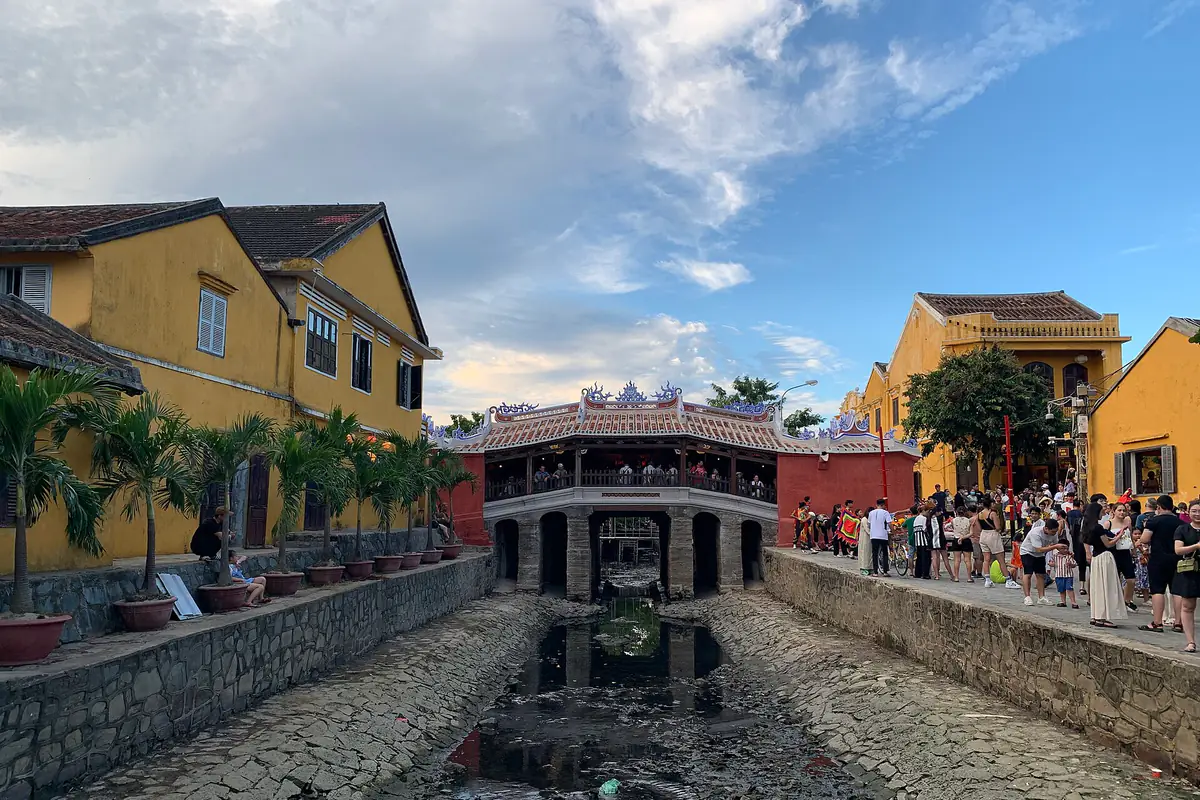
Hoi An's historic center survives from its years as a trading port, when merchants from different parts of Asia and later Europe came here. You can still see that history in the buildings themselves. Houses have deep, narrow interiors; assembly halls served communities and religious life; the covered bridge became the town's best-known landmark. These three types of site make a sensible introduction without trying to enter every ticketed building.
For photographs and architectural details, arrive between about 8 and 10 am. You get the light on the yellow facades and a better chance of looking at shopfronts without a continuous crowd in front. Around noon, the exposed streets can be hot. Late afternoon is pleasant again, although traffic on foot builds toward the river. After Chua Cau, turn onto Nguyen Thai Hoc and the connecting lanes rather than staying in one line of souvenir shops.
The Tan Ky Old House and Fujian Assembly Hall are useful contrasts. The first shows how a merchant household was arranged; the second shows a shared cultural and religious space. Choose them for that difference, not because they appear on every sightseeing checklist. A third day or a rainy afternoon is the time to return for a museum or another historic house.
Hoi An Ancient Town tickets in 2026
There are two official heritage ticket prices in 2026: VND 80,000 for Vietnamese visitors and VND 120,000 for international visitors. The VND 80,000 ticket covers the general heritage area, either the Japanese Covered Bridge or Quan Cong Temple, and two other eligible cultural buildings. The VND 120,000 ticket includes the bridge or temple, a museum visit and three further eligible buildings. This is a heritage admission scheme, not simply a charge to take a photograph of the bridge.
The ticket is valid for a stay of up to three days and only needs to be purchased once within that period. Keep the stub after entering the included buildings because you may need it when moving through the managed heritage area. Children have separate concession and exemption rules, including conditions involving age or height. Families should check the ticket counter's current policy for their children's ages before buying.
Rushing around every building to squeeze the maximum number of entries out of the ticket is a poor trade. A proper look at a house, an assembly hall and the bridge gives you more than five hurried check-ins. Keep the rest of your visit for the lanes, food stalls and riverfront that make the town feel different from a conventional museum district.
Visit Hoi An Market before the streets get busy
Hoi An Market sits around the Tran Phu, Bach Dang and Tran Quy Cap area. Food trading starts early, from around 5 am. Market lovers get the most from a visit before 9 am, when the vegetable and fresh-food sections still have a purpose beyond serving visitors. It is a useful place to see herbs, fish, spices and ingredients that turn up later on your plate.
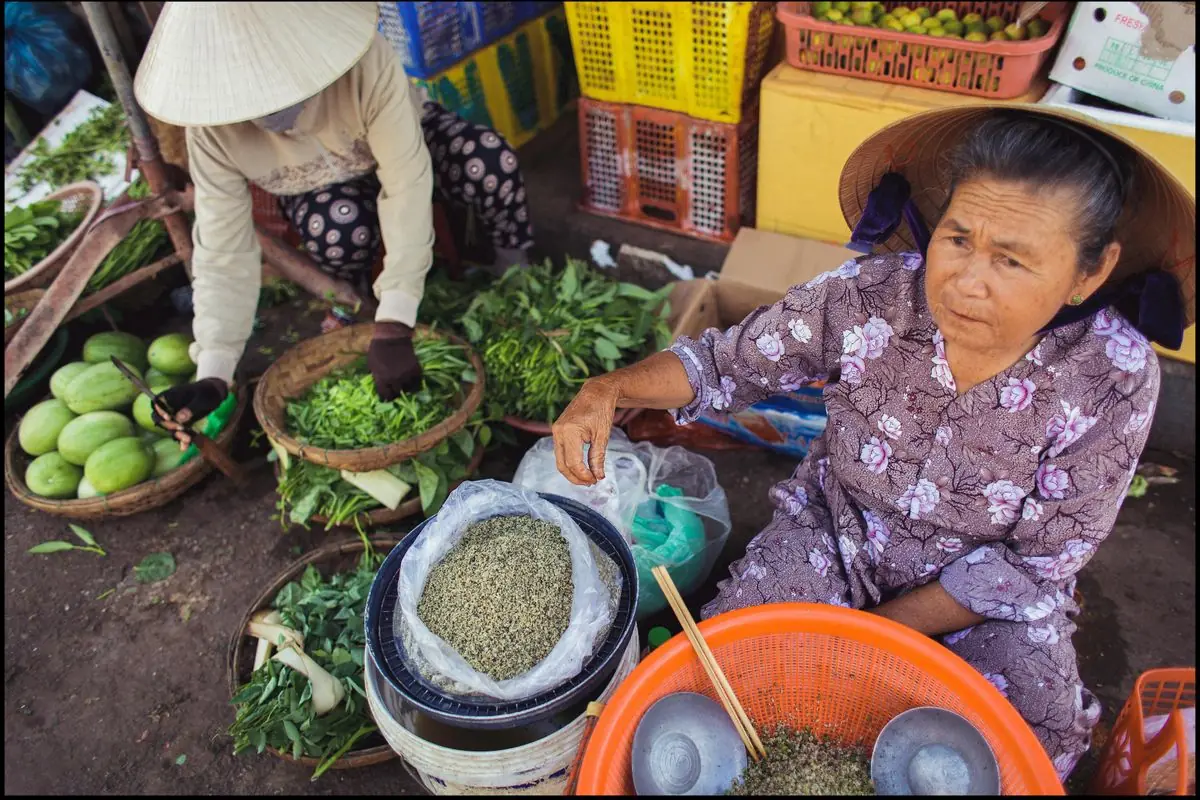
Go to the market first, have breakfast nearby and then start your heritage walk. For lunch, choose one local dish you actually want to eat and skip the full tasting route. Cao lau has thick noodles, herbs and meat; mi Quang is a regional noodle dish with a smaller amount of broth; com ga, or chicken rice, tends to be an easy choice for mixed-age groups. Menus and prices vary between businesses. Read the posted prices before ordering, especially for seafood sold by weight.
The market also offers compact food gifts and useful ingredients to take home. Buy anything perishable only when your remaining journey allows it. Visitors with a long flight ahead are usually better served by packaged snacks, dry noodles or coffee than by trying to transport fresh food. There is no need to spend a separate hour hunting for the same souvenirs later at the night market.
Things to do in Hoi An at night
See the lanterns before the sky turns completely dark
Hoi An does not reserve its lanterns for one night each month. The riverside streets and many shopfronts are lit on ordinary evenings too. The monthly full-moon lantern festival has its own program, but you can experience the night-time atmosphere without arranging your entire trip around a lunar date.
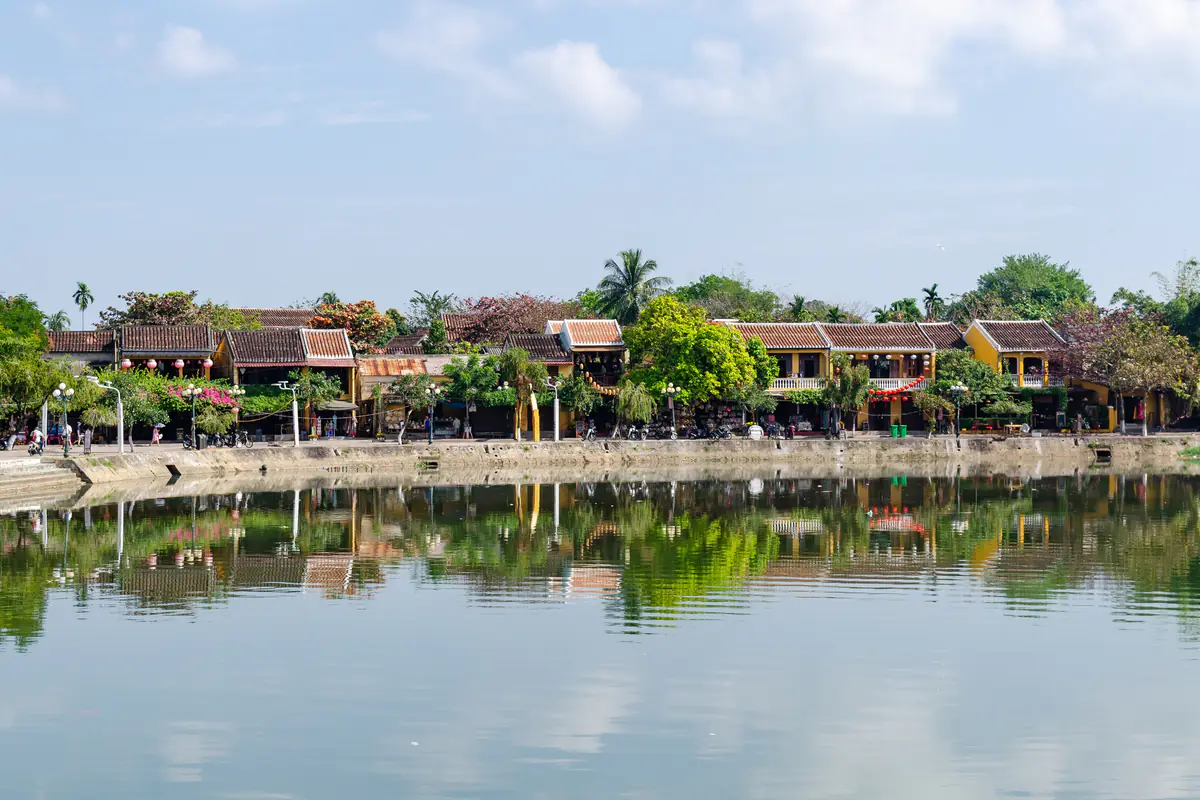
Begin around 5 pm on Bach Dang Street and head toward An Hoi Bridge. While there is still some daylight, you can see the roofs and colored facades as well as the lights coming on. Cross to the An Hoi side and look back across the water. This is often a better way to understand the shape of the old town than standing at the first busy spot where everyone stops for a photograph.
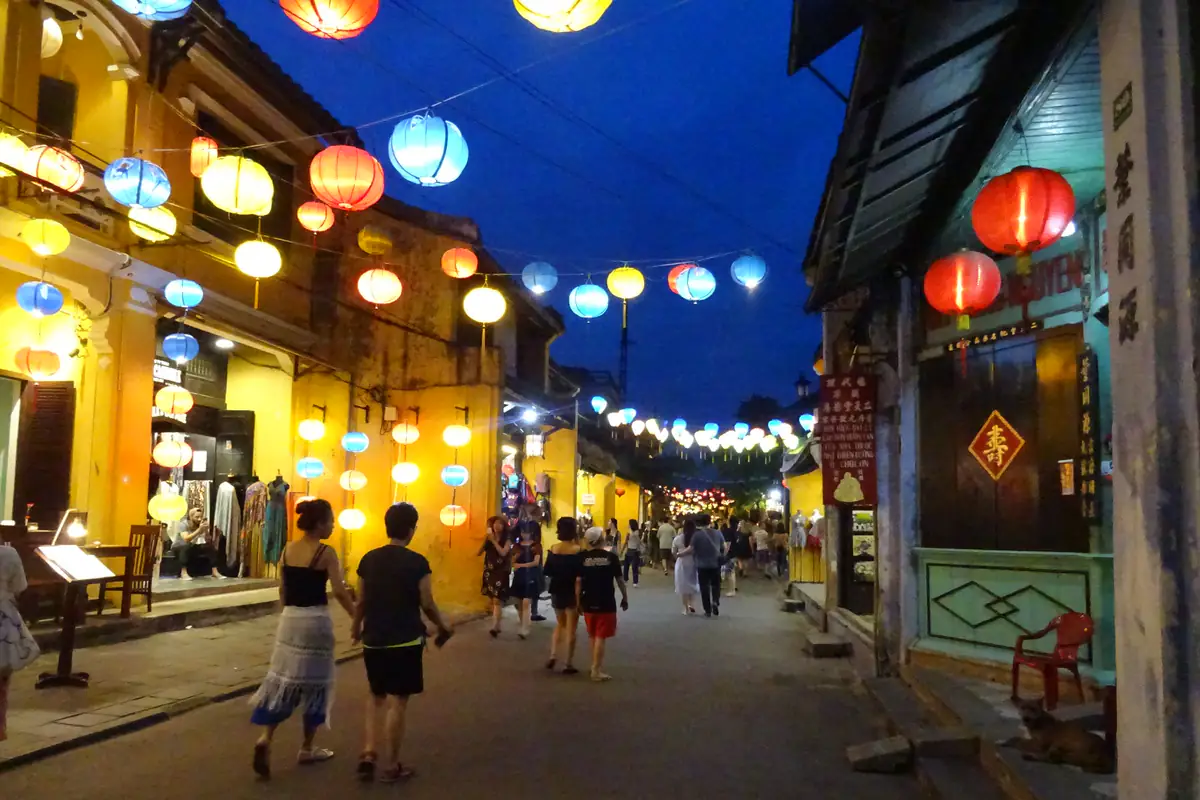
The bridge and main boat access points can become crowded between roughly 6:30 and 8 pm, especially on weekends and holidays. If you are traveling with older relatives or pushing a stroller, eat early and do not spend your whole evening squeezing through the same narrow stretch. There are quieter connecting streets a short walk away, although the level of crowding varies from night to night.
Take a Hoai River boat ride, or skip it
The rowing boats on the Hoai River offer a short ride, commonly around 15 to 20 minutes. From the water you see the lantern-lit houses and the bridges from a different angle. This suits couples and small groups who want one gentle activity after dinner. It is less appealing when lines are long, the river is busy or you have only a couple of hours in town.

Boat fares are normally sold for the whole boat according to passenger capacity. Do not rely on a single price from an old travel post. Use the authorized ticket counter and confirm the total fare, permitted group size and duration before boarding. Floating paper lanterns may cost extra. Everyone should wear a properly fitted life jacket, and river services must be skipped whenever operations are suspended because of weather or flooding.
There is no need to take a boat to appreciate the lights. Walking along the river gives you most of the visual experience and leaves room to stop for dessert or watch a street performance. You can also choose to spend the boat money on a longer meal. Neither approach is a lesser version of a Hoi An evening.
Explore Nguyen Hoang Night Market and watch local performances
The Nguyen Hoang Night Market is on the An Hoi side of the river, open roughly from 5 to 11 pm. Expect lanterns, handmade goods, souvenirs and street snacks. It is easy to reach on foot after crossing the bridge. Browse several stalls before buying items that look similar, and check the price before ordering a snack or agreeing to a service.
Hoi An's evening program may include bai choi, a traditional performance and game, along with folk music and street entertainment. These are good reasons to slow down. You do not need a long guided night tour to stop and watch an activity in a public space. Schedules depend on the day, so treat a particular performance as a bonus rather than the one event on which your whole evening depends.
Tailoring is another famous Hoi An activity. It can be worthwhile for travelers with enough time for measurements, a fitting and any alterations. Before paying, agree on the fabric, finished price and collection time. Someone leaving on the next morning's early flight should not build the entire evening around a garment that still needs adjustments. Lantern-festival celebrations and tailoring each deserve a detailed guide of their own; for a first trip, a short stop is enough.
Things to do outside Hoi An Ancient Town
An Bang Beach
4-5 km from the old town, best 7-9 am
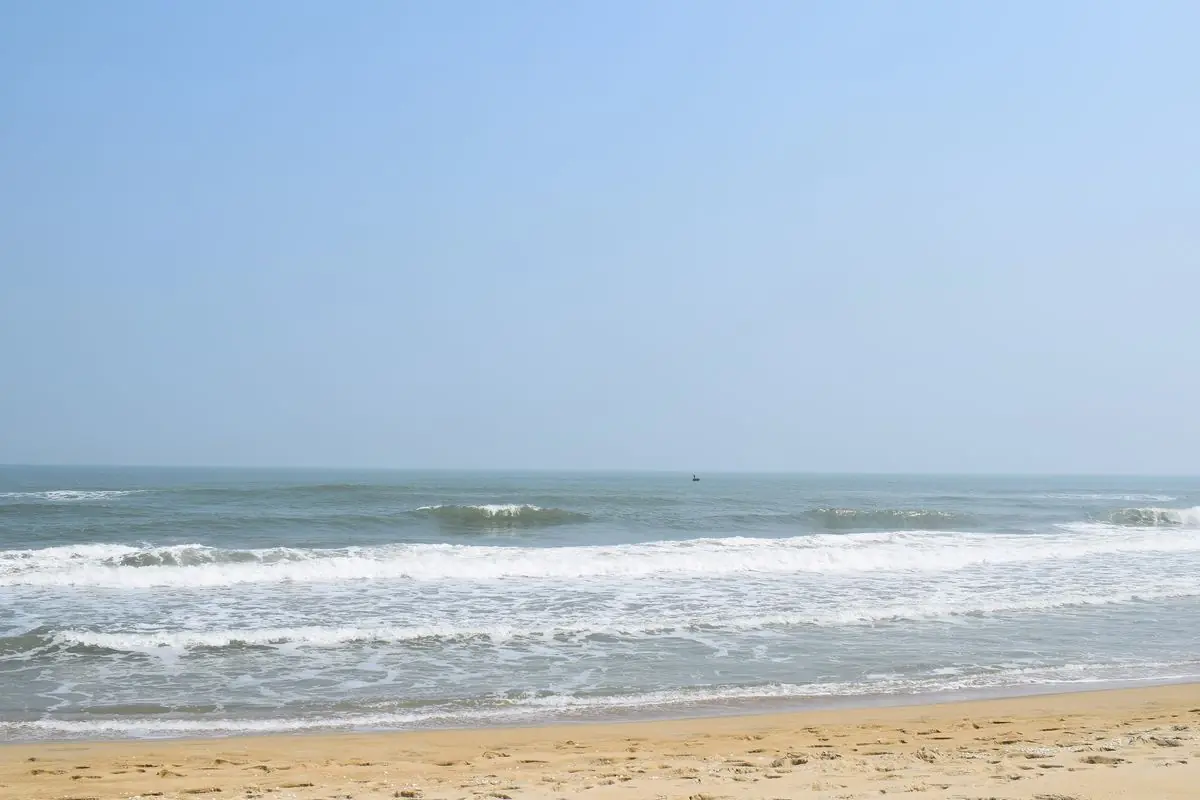
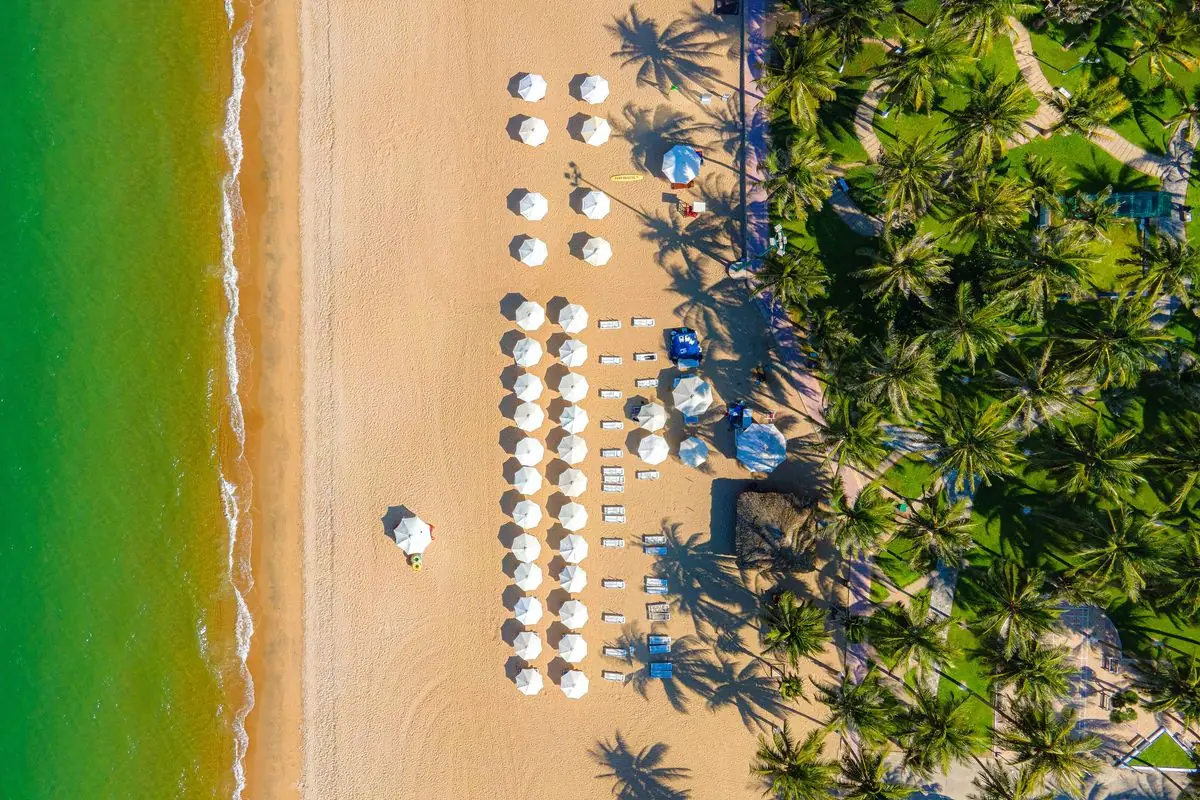
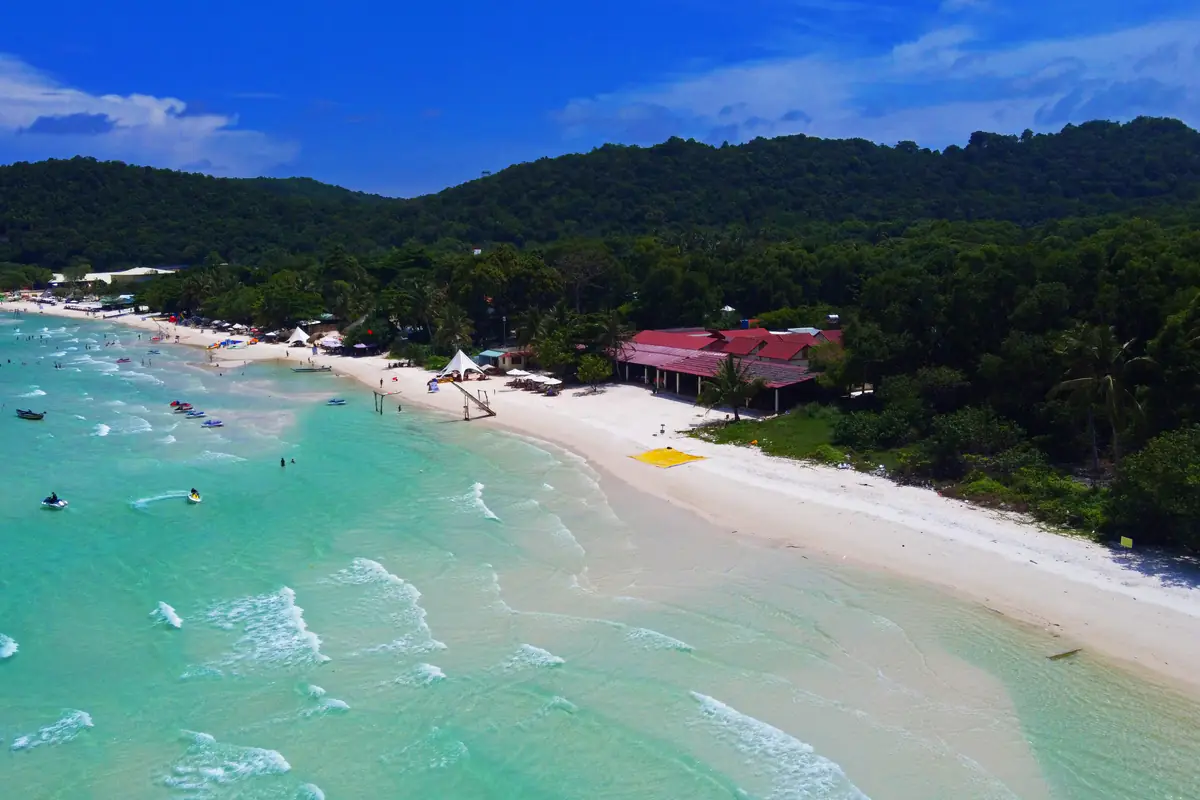
An Bang is roughly 4-5 km from the old town, close enough for a short vehicle journey or a bicycle ride in suitable weather. It is a good counterweight to a day spent among historic buildings. Go around 7-9 am for a walk on the sand, a relaxed breakfast or a few hours with a book. An afternoon visit can also work, but waves and wind matter more than the clock when planning to swim.
Travelers already staying on the beach in Da Nang can treat An Bang as optional. You may prefer to use your Hoi An morning to see a vegetable village or join a workshop. Two nights in Hoi An, however, leave room for a seaside break that makes the trip feel less concentrated on shopping lanes and heritage interiors.
A beach-club package is optional for seeing the shore. Loungers, food, showers and parking can carry separate charges from individual operators. Look at the terms before settling down. Choose a supervised swimming area, obey warning flags and keep children out of the water when conditions are unsafe. The beach looks inviting, but swimming conditions are not calm all year.
Cam Thanh coconut forest
Basket boats, 45 to 60 minutes
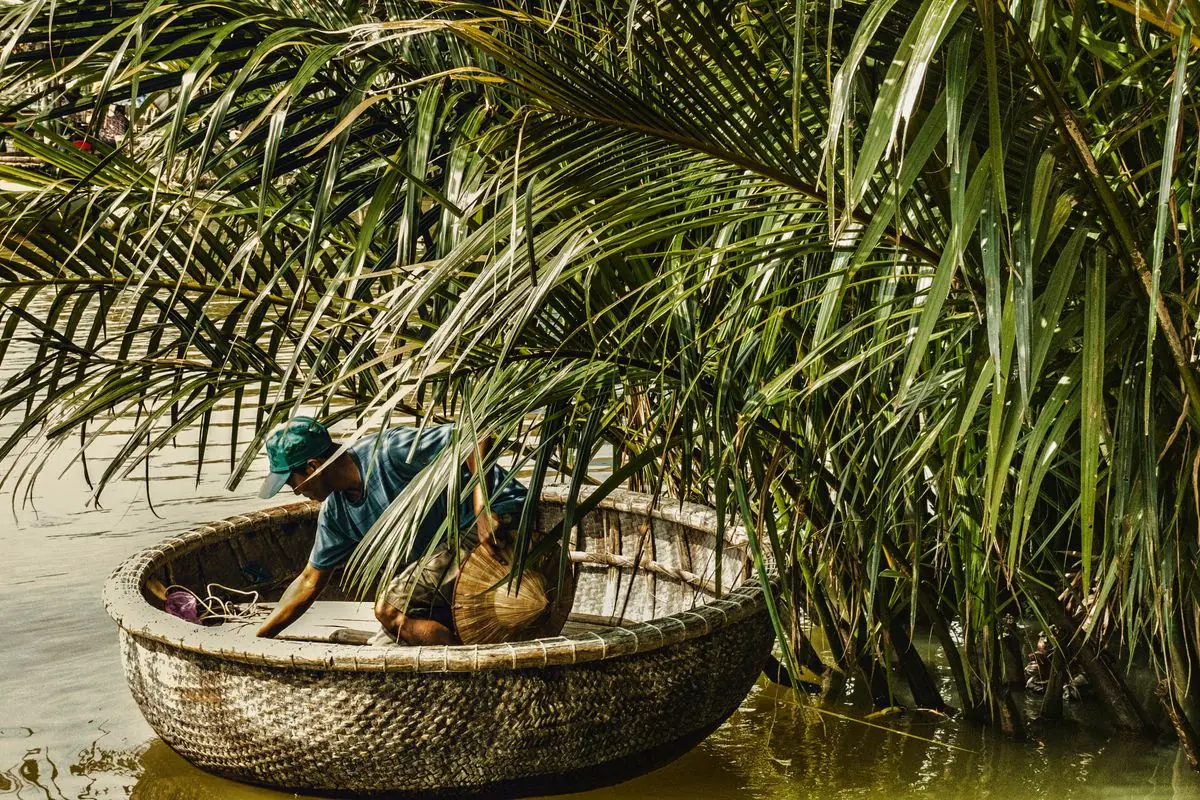
Cam Thanh's Bay Mau Coconut Forest lies southeast of the old town. Here the activity is a small round basket boat traveling through waterways lined with nipa palms. Most visitors spend 45 to 60 minutes on the water, though transfers and waiting can make the outing longer. It is more of an organized visitor experience than a remote wilderness excursion.
In 2026 the entrance fee is VND 30,000 per person. A boat for two passengers costs VND 150,000 for 45 minutes or VND 180,000 for 60 minutes. Some operators bundle the entrance fee and boat ride, while others separate them. Ask what your quote covers before buying another ticket. Boats run from 7:30 am to 6:30 pm when conditions on the water allow.
Basket-boat spinning performances are popular, but nobody has to take part in a fast spin. Ask the rower for a calm trip if you get motion sickness, dislike noise or have nervous children. A quieter route through the palms is enough to enjoy the setting. Keep your phone secure and wear the supplied life jacket throughout the trip.
Cam Thanh works well as one morning or early-afternoon activity, especially for families with older children. It does not combine comfortably with every other place on this list in a single morning. Booking transfers, checking in, finding your boat and getting back all take time. Choose this or a beach visit if the rest of the day is already full.
Tra Que Vegetable Village
About 3 km away, cycling and herb gardens
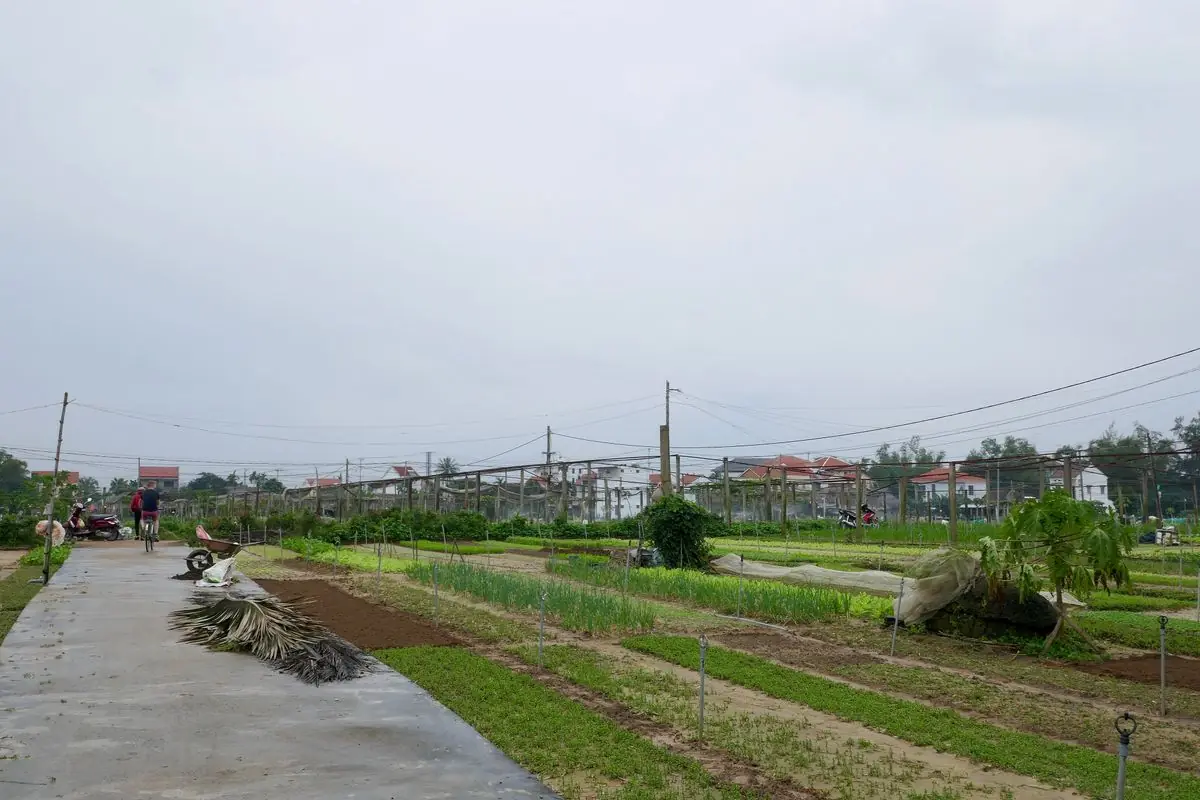
Tra Que lies about 3 km from the Ancient Town, with a pleasant approach along the Hai Ba Trung direction. It is a working vegetable-growing area with garden plots, small lanes and herbs used in Hoi An cooking. Its appeal is not a large attraction or a dramatic viewpoint. Go to see another side of the area's everyday economy and to ride through quieter streets.
The village is open from 8 am to 6 pm, and admission in 2026 is about VND 35,000 per person. Short visits are easy to organize without an elaborate tour: cycle over, walk through the visitor areas, stop for a drink and return. Farming sessions, vegetable watering and cooking lessons are separate experiences with their own arrangements and costs.
A worthwhile farming activity should involve an actual explanation and enough time to try the work. Ask what you will do, who will supervise it and whether a meal is included. Avoid paying for a long program that turns out to be only a few staged photographs. Families who want a more comfortable morning can take a car and spend less time on the road.
Tra Que and An Bang make a useful pairing. Visit the gardens early, continue to the beach for a break and return to town later in the day. My Son is not a good substitute for either half of that short local loop: it is in a different direction and requires a much larger block of time.
Thanh Ha Pottery Village
West of the old town, hands-on for kids
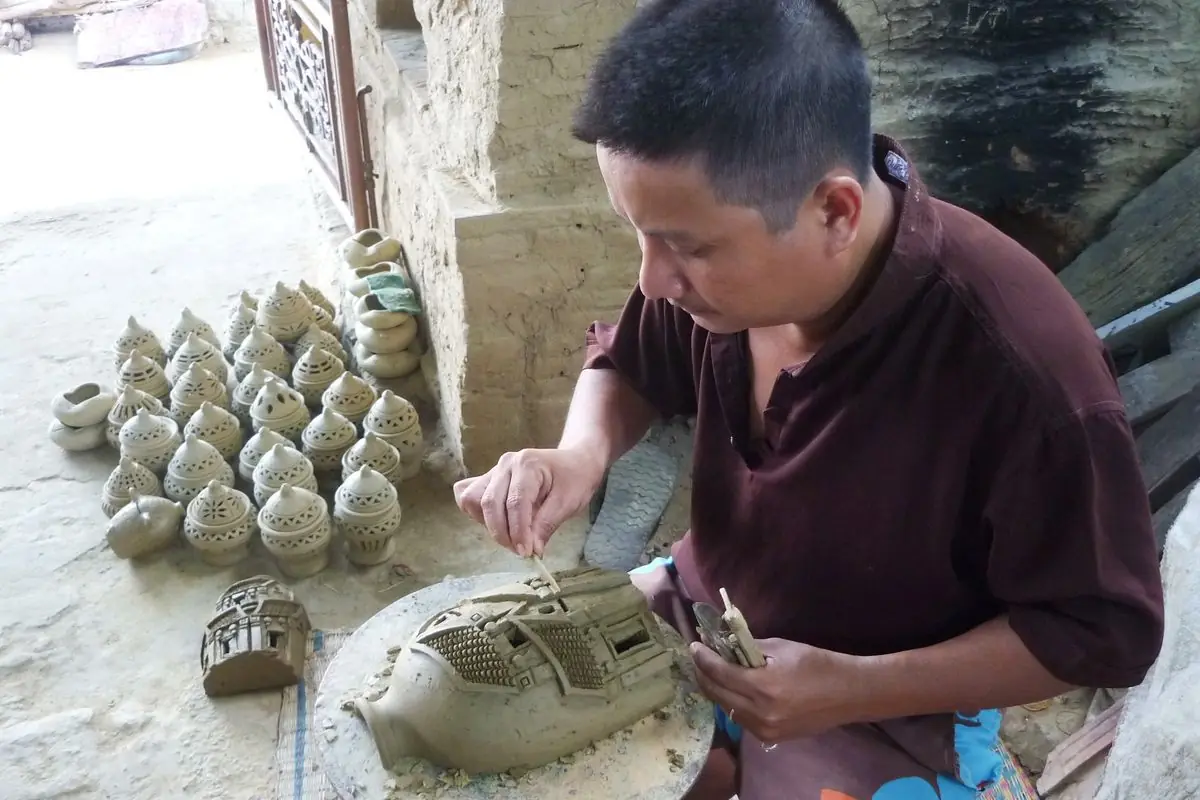
Thanh Ha, west of the old town, is a good alternative for families who do not want another long heritage-building visit. Children can watch potters shape clay and may be able to try a small activity themselves. Admission is about VND 35,000 in 2026, and the village is open from 8 am to 5:30 pm.
Ask the workshop what the ticket covers, whether there is an extra charge for making an item and when the finished work can be collected. Freshly shaped clay is not the same as fired pottery that can be put straight into a suitcase. With a small child, a short supervised session usually makes more sense than booking an ambitious afternoon of craft activities.
Thanh Ha works best as a replacement for something else in the plan. Families with only one free morning can choose pottery over the coconut forest. Groups with older children who enjoy boats may make the opposite choice. Neither activity is compulsory to appreciate Hoi An.
Is a Hoi An cooking class worth it?
A good class teaches you to make food, not simply watch a chef finish it. You should spend time handling ingredients, learning how herbs and sauces work and preparing something you can eat at the end. For international visitors, the market visit may be as informative as the kitchen. Vietnamese travelers who already cook similar dishes may prefer a shorter specialist workshop.
Red Bridge Cooking School has clearly described programs. Its half-day experience runs from 8:15 am to about 1 pm, including the central market, a boat transfer, an herb garden and hands-on cooking, and costs US$35 per person booked direct. The evening class at Hai Cafe runs from 6 to 8 pm and costs US$23 per person. These prices are Red Bridge's own; other Hoi An classes set theirs differently.
A cooking class also competes with other activities for your limited hours. The evening course finishes around the time much of the riverfront is busiest. If you have only one night in Hoi An, decide whether the hands-on meal or the riverside evening matters more. A morning class is usually easier to fit into a two-night stay.
My Son Sanctuary: the half-day trip for history lovers
My Son is not within Hoi An Ancient Town. It is a separate UNESCO World Heritage Site inland, with groups of brick towers linked to the religious and cultural history of the Champa kingdom. You travel west from Hoi An and then move between the designated visitor areas. The trip deserves a free morning of its own, with no beach visit or evening booking squeezed around it.
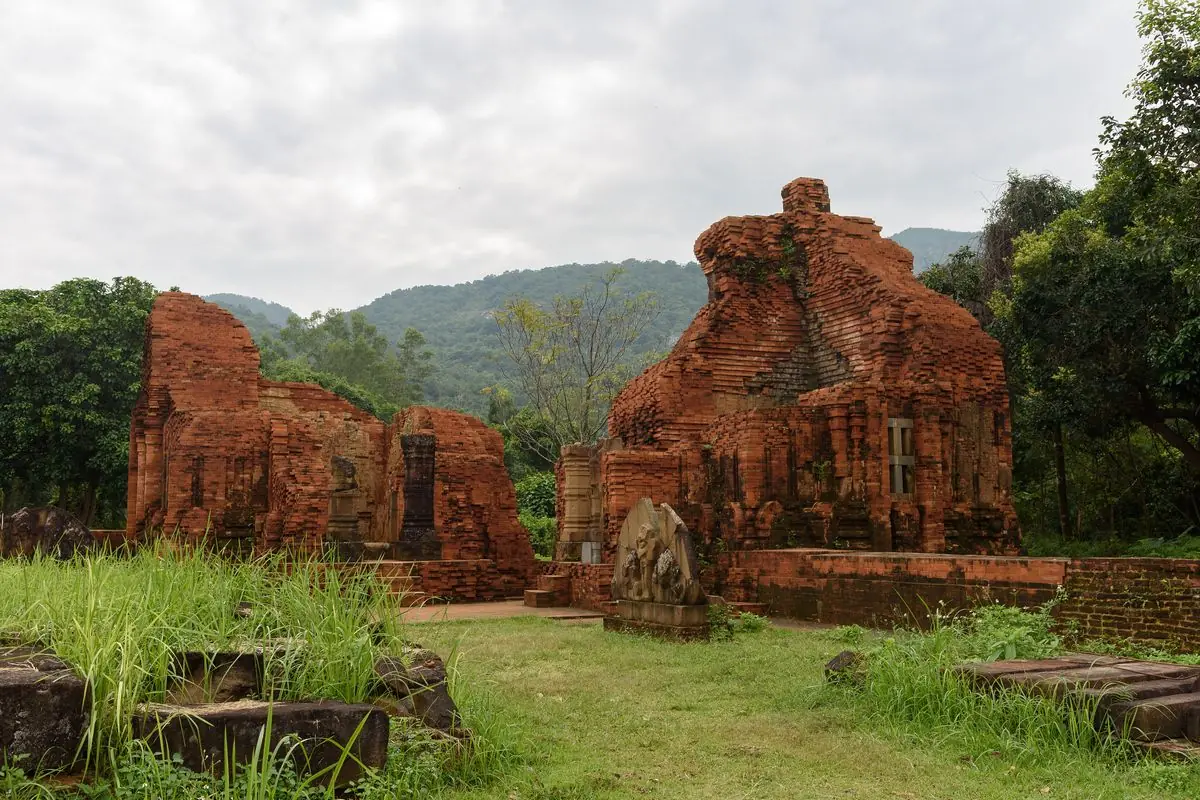
The sanctuary is open from 6 am to 6 pm. Admission in 2026 is VND 100,000 for Vietnamese visitors and VND 150,000 for international visitors, and children aged 5-15 pay VND 30,000. Admission includes the museum, the electric shuttle, a Cham cultural performance and access to the monument area. A separate site-guiding ticket is VND 100,000, with the number of guide tickets determined by group size under the 2026 rules.
Start early, before the outdoor paths and brick structures become uncomfortably hot. Bring drinking water, a hat and walking shoes. Stay within the visitor routes and do not explore closed ground around the monuments. A guide is useful if you want to understand religious symbols and construction details rather than just taking pictures of red-brick towers.
My Son is particularly worthwhile for people with an interest in Southeast Asian history, archaeology or Hindu-influenced architecture. It is easier to skip for families with toddlers, travelers who dislike heat and anyone with only one day in Hoi An. Two nights and an open morning make it one of the most substantial experiences of the trip.
Things to do in Hoi An with kids
The easiest family plan is not the one with the most attractions. For children under about five, start with a short morning walk, an early meal and an afternoon rest. Add the beach only when water conditions are safe. A family can spend more time looking for toilets, snacks and shade than walking between two sites that appear close on a map.
For primary-school-aged children, a pottery session in Thanh Ha or a short lantern-making workshop gives them something to do with their hands. Cooking classes may work for older children, but the operator must confirm its minimum age and the tools participants use. Cam Thanh can be enjoyable when children are comfortable in boats. Request a gentle ride without spinning and make sure life jackets fit properly.
For Australian families, school-holiday travel can mean combining Hoi An with beach time elsewhere in Vietnam. Skip the three fixed-start tours and use an early slot around 8-10 am for the Ancient Town or a craft session, take a proper midday break between roughly 11:30 am and 3 pm, and visit An Bang or eat out later. Staying two nights in Hoi An avoids having to wake tired children for a late return drive to Da Nang. It also gives you a spare half-day if the first plan is interrupted by rain.
Strollers work on some streets but will not be equally convenient on every narrow lane, uneven surface or crowded bridge. A lightweight carrier may help with younger children, and a hotel within an easy walk of dinner makes evenings simpler. Choose accommodation for the end of the day, not just for its photograph or swimming pool.
What to do in Hoi An when it rains
Hoi An has a distinct wet period, broadly from September to January, with October and November especially important for flood planning. Some wet days involve passing showers and are still suitable for a short walk. Others bring prolonged rain, rising river levels and changes to boats, roads and business operations. You need a different plan for each situation.
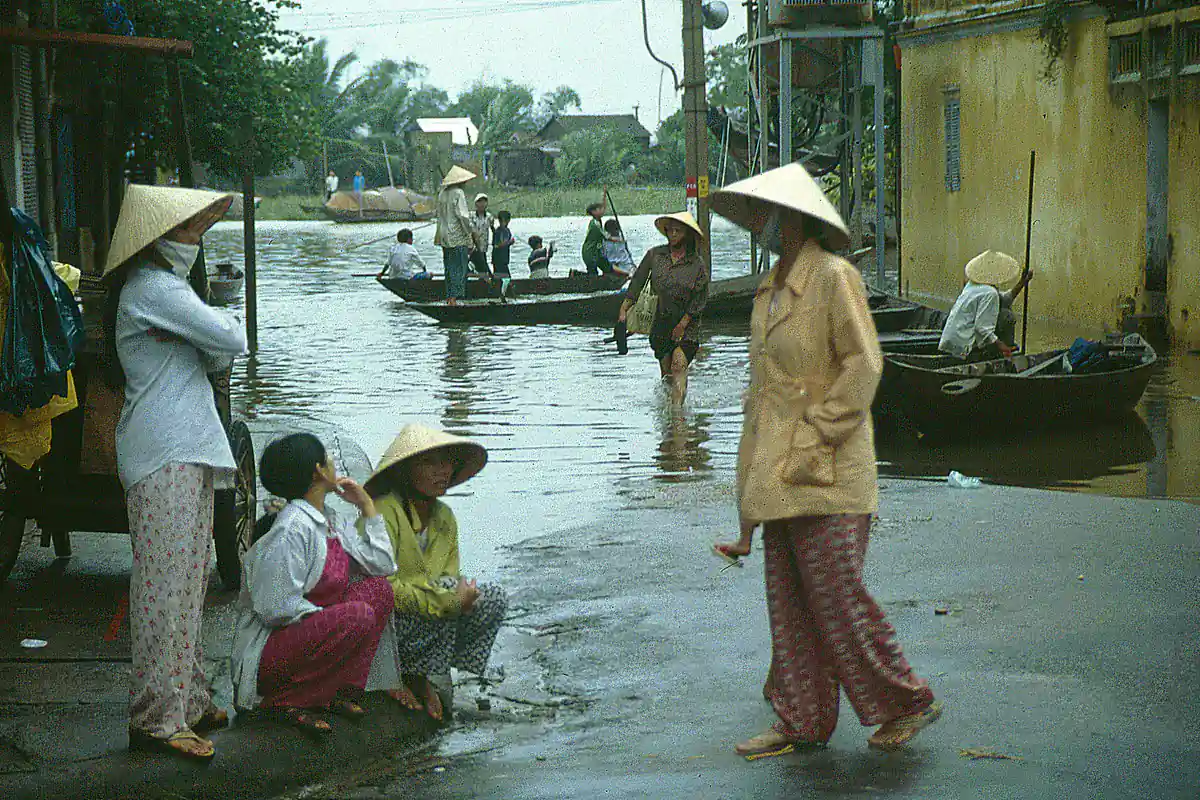
For light rain, visit a historic house or museum, eat indoors, try a supervised craft workshop or join a kitchen-only cooking session. Keep a dry change of shoes and protect passports and electronics. A covered activity is useful only while the route to it remains safe. In significant flooding, stay in safe accommodation and follow local authority advice; do not wade through floodwater to reach an attraction.
Travelers from the UK visiting during an autumn break should keep a flexible indoor option rather than filling every day with boat rides, countryside cycling and beach excursions. Canadian travelers on longer Vietnam itineraries should avoid scheduling My Son or a non-refundable transfer immediately before an onward flight in the wettest weeks. Visitors from Malaysia on shorter holidays benefit from accommodation with clear change or cancellation terms and from booking weather-dependent activities only once conditions become clearer. These are scheduling choices; the weather conditions are the same for every nationality.
A realistic 2-day Hoi An itinerary
- Day 1
Historic streets and the river
Arrive around lunchtime, leave your bags at the hotel and take a break. From about 3 pm, visit the ticketed historic sites that are still open, walking along Tran Phu and Nguyen Thai Hoc and past the Japanese Covered Bridge. Head toward the Hoai River around 5:30 pm. Eat early, cross An Hoi Bridge and browse Nguyen Hoang Night Market. Choose either a short boat trip or a relaxed drink by the water; there is no obligation to do both.
- Day 2
One place beyond the old town
Around 8 am, cycle toward Tra Que or take a car to An Bang Beach. Have a slow breakfast or explore the gardens, then return in time to collect your bags and check out. Groups more interested in a water activity than a beach visit can choose Cam Thanh instead. Avoid adding My Son before a fixed afternoon departure back to Da Nang.
The plan gives you a proper heritage visit, a memorable evening and one view of life outside the old town. That is enough to decide whether you would like to come back. It also works for visitors who are not interested in shopping for tailoring or spending hours taking photographs against yellow walls.
If you can only come from Da Nang for the day, simplify further. Arrive around 2 or 3 pm, explore the central streets and stay for dinner. You miss the early market, but you gain the town's most distinctive evening without wasting several hours moving between distant attractions.
A balanced 3-day Hoi An itinerary
- Day 1
Settle in and explore
Check in, walk through the Ancient Town and choose two or three historic interiors. In the evening, enjoy the riverfront and an unhurried meal. Do not fill the first day with transport-heavy excursions just because you have arrived early.
- Day 2
One substantial activity
Go to My Son in the morning if you love history, or join an 8:15 am to 1 pm cooking class if food is your priority. Rest afterward. On a calm-weather afternoon, head to An Bang. Families with younger children can swap the bigger excursion for pottery or a lantern-making workshop.
- Day 3
A nearby morning experience
Visit Tra Que for the gardens or Cam Thanh for a basket boat, then return for lunch and departure. Select whichever is more convenient for your accommodation and outbound journey. A tour that ends somewhere far from your hotel is a poor choice on a day with a fixed check-out or airport transfer.
You may notice that there is no attempt to put My Son, Tra Que, Cam Thanh and the beach on the same day. That is intentional. Travel time is only one part of a day. Waiting to board, eating, walking, resting and unexpected rain are just as real as the distances shown on the map.
Where to stay and how to combine Hoi An with Da Nang
Many visitors use Da Nang as their arrival point and travel south to Hoi An, roughly 30 km from central Da Nang. Driving time depends on the exact pick-up address, road conditions and weather. Private transfers, taxis and other booked vehicles make the journey straightforward. For families carrying luggage or traveling with older relatives, a car generally offers a simpler arrival than hiring motorbikes.
Staying inside or close to the Ancient Town is best for people who want to walk back after dinner. Staying near An Bang is better for beach mornings, a pool and a slower pace, but it adds a vehicle journey to the old town after dark. Rural accommodation near Tra Que or Cam Thanh suits people seeking quieter surroundings; check how you will reach restaurants and heritage sites rather than assuming everything is within walking distance.
Choose accommodation based on what you plan to do in the evening. Daytime excursions are easy to arrange from several neighborhoods. Getting a sleepy child home or moving through rain at night is a different matter. A cheaper room far outside the center may not save money once several return rides are included.
Is Hoi An worth visiting?
Yes, especially if you enjoy traditional architecture, walkable neighborhoods, Central Vietnamese food and low-key cultural activities. It is a less natural choice for travelers who want major amusement attractions every day, dependable year-round beach swimming or an energetic late-night club scene. In October and November, the answer also depends on weather and your ability to change plans.
For a first-timer deciding between one long afternoon in the Ancient Town and a half-day at My Son, choose the Ancient Town and stay for the lantern-lit evening. Make My Son the extra activity when you have a third day. Between An Bang and Cam Thanh, choose the beach for a rest and the basket boat for a short organized river experience.
FAQ
What are the best things to do in Hoi An at night?
Walk along Bach Dang Street, cross An Hoi Bridge, see the lanterns, have dinner and browse Nguyen Hoang Night Market. A Hoai River boat ride is optional and depends on weather and current operating arrangements.
What can you do in Hoi An Ancient Town in one afternoon?
Choose the Japanese Covered Bridge, one historic house and one assembly hall, then explore the lanes around Tran Phu and Nguyen Thai Hoc. Finish with dinner by the river rather than trying to visit every included heritage site.
What are the best things to do in Hoi An with kids?
Pottery in Thanh Ha, a short lantern-making class, a suitable cooking workshop and safe beach time are flexible choices. Children comfortable in boats may enjoy Cam Thanh with life jackets and a non-spinning ride.
Is Hoi An worth visiting from Da Nang for one day?
Yes. Come in the afternoon and stay through the evening. Spending a night in Hoi An is better if you also want its morning market, a beach visit or a countryside activity without hurrying.
What should you do in Hoi An when it rains in October or November?
For light rain, choose museums, heritage interiors and indoor workshops. In heavy rain or flooding, remain in safe accommodation, follow official warnings and postpone river, beach and road activities until conditions are safe.