Is Vietnam safe for tourists? Why traffic is one of the most overlooked risks
Vietnam is generally safe for international visitors, including people traveling alone. The risks that deserve attention are road traffic, petty theft, tourist scams, and lost documents, and a few scams are no reason to cancel your trip.
By Da Lat LoversPublished Updated
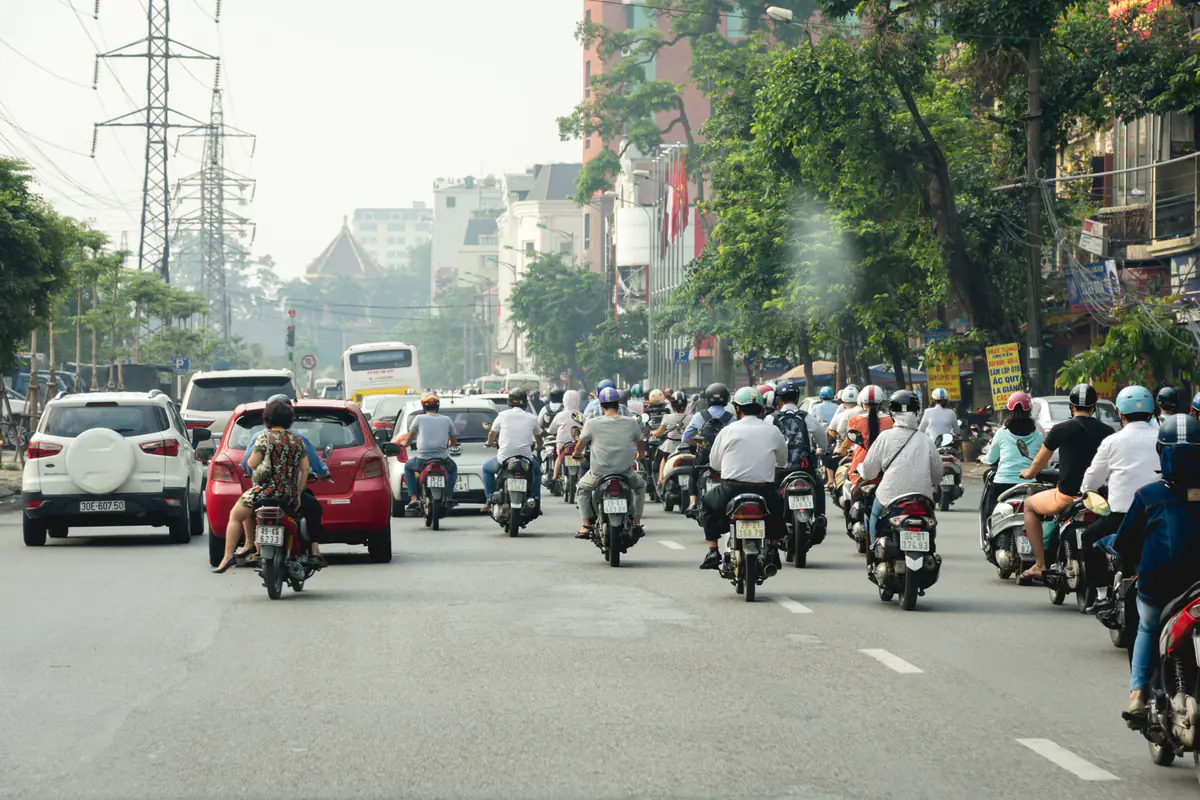
Motorbikes and cars share a city street in Vietnam.
Vietnam is generally safe for international visitors, including people traveling alone, and violent crime targeting tourists is relatively uncommon. The more practical concerns are busy roads, petty theft, tourist scams, and the complications that follow a lost passport or serious accident.
Is Vietnam safe for tourists?
Yes. Most visitors get around Vietnam safely with ordinary precautions and transportation that suits their experience.
The United States, Canada, and Australia all advise travelers to exercise normal safety precautions in Vietnam. That's a useful starting point, though the level of risk still varies by destination, activity, and time of day.
Someone spending a week in Hanoi, Hoi An, and Da Nang will face different challenges from someone riding a motorcycle through northern Vietnam's mountain passes. Likewise, a hotel with a staffed reception desk and transport booked through an established service give you more control than arriving at an unfamiliar apartment late at night and accepting a ride from a stranger.
For most travelers, the main concerns fall into a few categories.
| Risk | Where problems commonly arise | What to do |
|---|---|---|
| Road accidents | Crossing streets, riding motorcycles, long-distance travel | Use reputable transport and avoid riding without experience |
| Petty theft | Markets, crowded streets, tourist areas | Keep phones and bags secure and away from passing traffic |
| Tourist scams | Taxis, money exchange, tours, online bookings | Confirm prices and providers before paying |
| Lost documents | Misplaced passports, wallets, or luggage | Keep secure copies and embassy contact details |
| Health and weather | Illness, injuries, storms, flooding | Carry suitable insurance and monitor local conditions |
It helps to separate unfamiliar surroundings from genuine danger. Hanoi's constant motorcycle horns, crowded sidewalks, and street vendors calling to customers can feel overwhelming when you've just arrived, but noise and crowds are not the same thing as risk. A quiet mountain road with almost no traffic, on the other hand, may be far more dangerous during heavy rain or thick fog.
Your choices matter more than how chaotic a place looks.
Road traffic is the first risk worth understanding
Crossing streets in Hanoi and Ho Chi Minh City
Traffic is one of the biggest differences between Vietnam and many European or North American countries. Around Hanoi's Old Quarter, Ben Thanh Market in Ho Chi Minh City, and other busy commercial districts, motorcycles move close together, sometimes with very little space between vehicles.
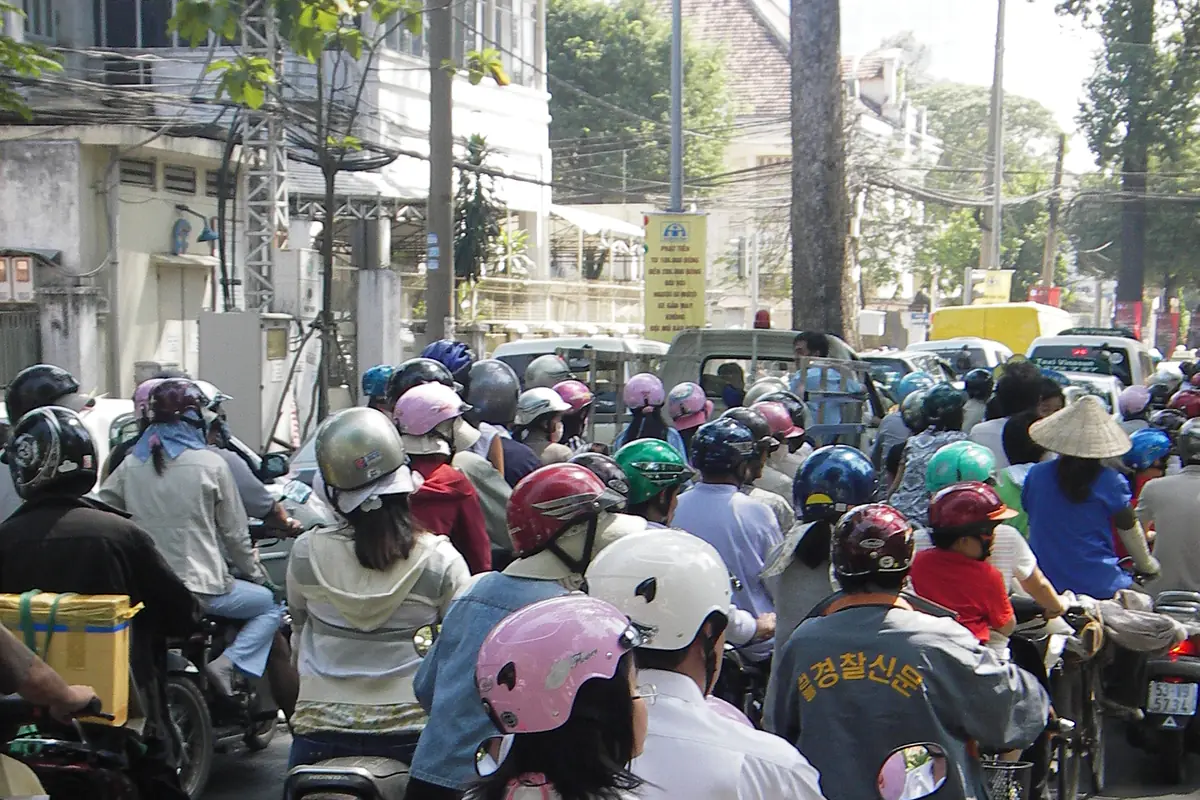
Drivers may turn unexpectedly, approach from directions you weren't watching, or enter areas normally reserved for pedestrians, and standing at a pedestrian crossing won't make every vehicle stop.
Traffic lights, marked crossings, and pedestrian bridges are the safer places to cross wherever they're available. Wait until vehicles stop or there is a genuinely safe gap before stepping into the road. Keep watching both directions while crossing, and don't suddenly change direction or speed up without checking for approaching vehicles.
At an intersection that feels too difficult, wait for other pedestrians to cross and follow them when it's safe. Take your time.
Another simple habit helps: don't study Google Maps while walking through moving traffic. Stop somewhere safe, check your route, put your phone away, and continue.
Should you rent a motorcycle in Vietnam?
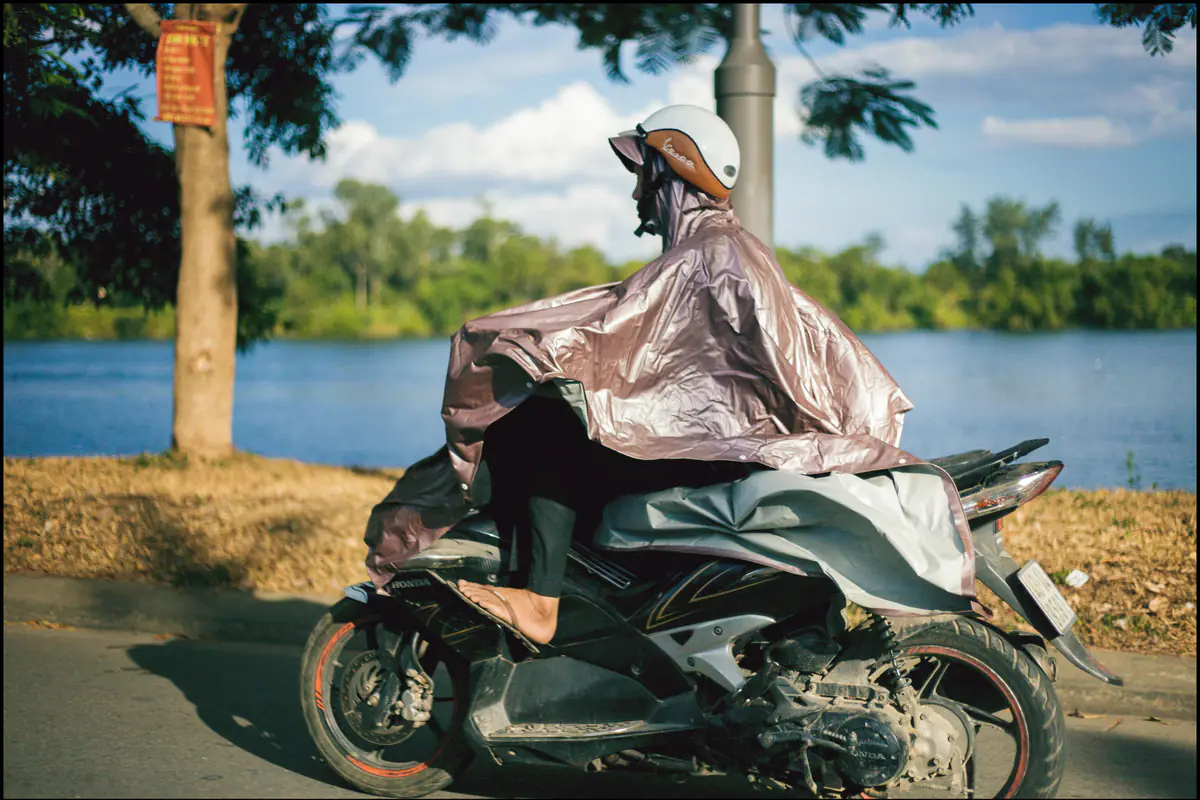
Motorcycles are convenient in Da Lat, Ninh Binh, Ha Giang, Phu Quoc, and many places outside major city centers, but convenience doesn't make riding one a good choice for every visitor.
Vietnam has specific licensing requirements, and not every International Driving Permit is recognized. Whether an international permit is accepted depends partly on the convention under which it was issued, and the driver must still be licensed for the relevant vehicle category. Australian-issued International Driving Permits, for example, are not accepted as authorization to ride motorcycles in Vietnam.
Before renting a motorcycle, check whether your license is legally valid, whether it covers the vehicle you intend to ride, and whether your travel insurance will cover you. A rental shop handing you the keys does not prove you are legally allowed to drive.
Without a proper license, confidence in Vietnamese traffic, or experience on long mountain roads, book a car with a driver instead.
In Ha Giang, an easy-rider tour with a local driver is another option. Choose an established operator, inspect the helmet, and check the insurance conditions, because being a passenger doesn't eliminate the risk of an accident.
Are sleeper buses safe?
Sleeper buses operate on many long-distance routes across Vietnam. They can be convenient and relatively inexpensive, particularly between cities. Accidents involving long-distance buses do happen, though, including on overnight services.
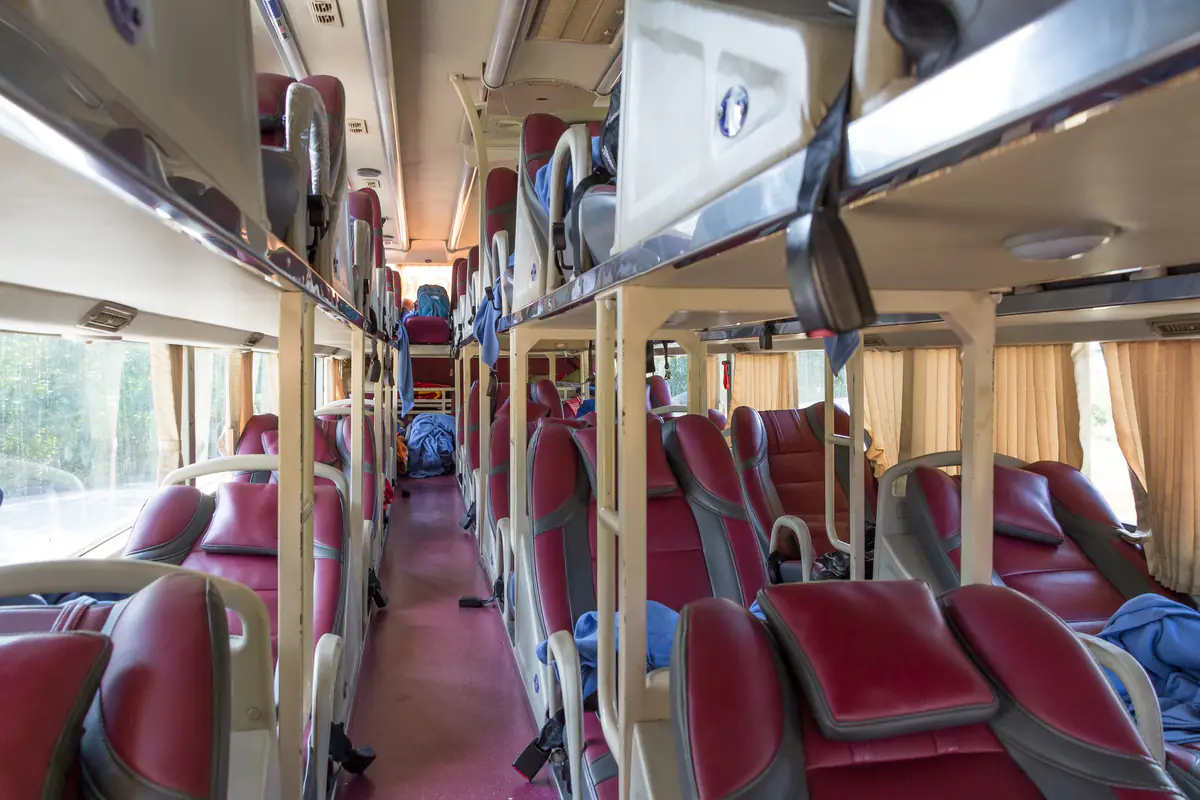
The answer isn't to rule them out, but to pay attention to the operator, route, weather, and departure time.
On long routes such as Hanoi to Da Nang or Ho Chi Minh City to Nha Trang, compare the bus with available trains and flights before booking. A cheaper ticket may not be worth a sleepless night or a difficult road journey during heavy rain.
On an overnight bus, keep your passport, wallet, and phone in a small bag close to your body, not in luggage stored away from your seat.
How common are pickpocketing and phone theft in Vietnam?
Petty theft is a real concern in Vietnam, especially in busy tourist areas. Common incidents include pickpocketing, theft from open bags, and phones or handbags being snatched by people riding motorcycles. They tend to happen when visitors are distracted by photography, paying for purchases, or checking directions.
In Hanoi, pay attention to your belongings while walking through crowded shopping streets in the Old Quarter, particularly on weekends. In Ho Chi Minh City, keep your phone away from the roadside around Ben Thanh Market, Nguyen Hue Walking Street, and busy nightlife areas.
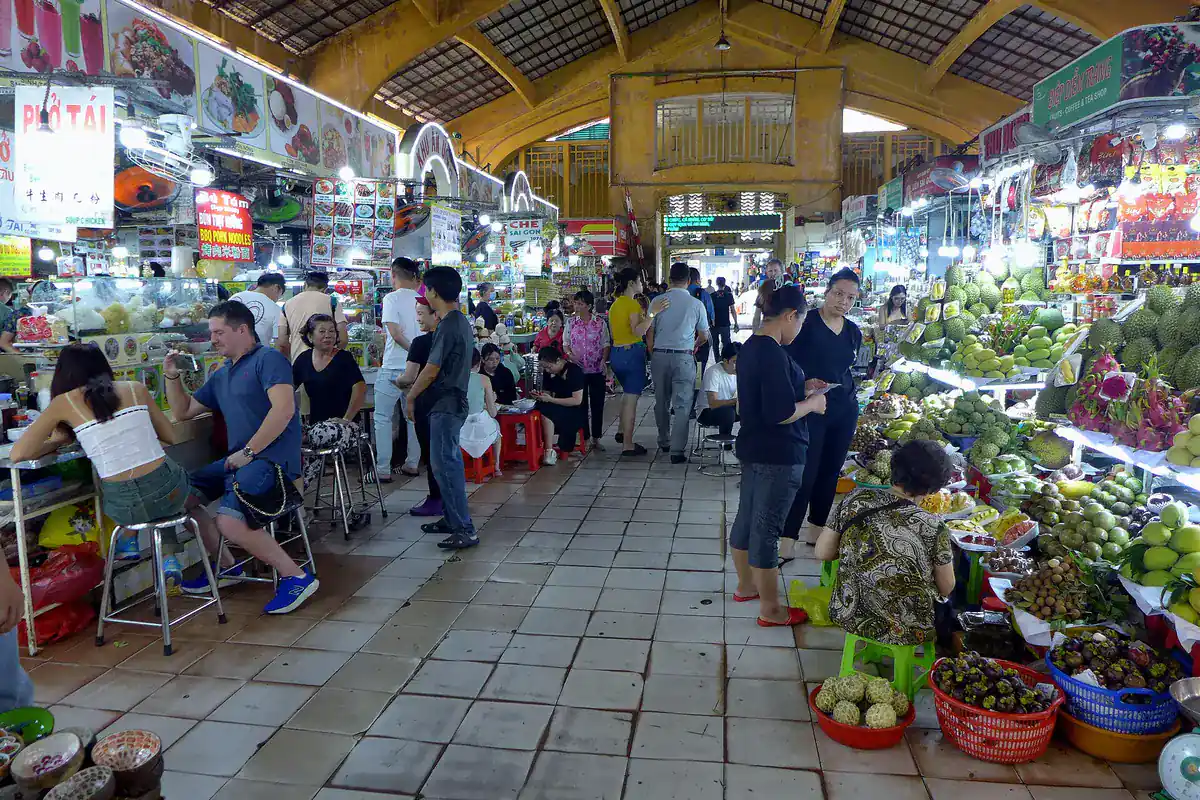
None of these places is especially dangerous. They attract large numbers of people, and that makes it easier to lose track of personal belongings.
How to carry your phone and bag
A crossbody bag with a secure zipper, worn across the front of your body, is often more practical than a backpack in crowded areas. When walking beside traffic, keep your bag on the side away from passing motorcycles.
Leave part of your cash behind: split it into a small amount for daily expenses and a reserve kept somewhere secure. Keep a backup bank card away from the card you use regularly.
At an outdoor cafe, avoid placing your phone near the edge of a table facing the road. Don't hang your handbag over the back of a chair where you can't see it.
Is it safe to walk at night in Vietnam?
Evening walks around central tourist districts are manageable. In Hanoi, the streets around Hoan Kiem Lake remain active well into the evening, and central Ho Chi Minh City also has plenty of restaurants, cafes, and areas with pedestrian activity.
A street that is busy at 9 p.m. may become nearly empty once the shops close, though. Check your route before leaving and skip shortcuts through dark alleys or deserted parks just to save a few minutes.
Around Ta Hien Street in Hanoi or Bui Vien Street in Ho Chi Minh City, arrange your journey back before a night of drinking gets too late. After alcohol, a car booked through a reputable app or arranged by your accommodation is a better choice than riding a motorcycle or accepting an unsolicited lift.
Common Vietnam tourist scams and how to avoid them
Most people selling services to visitors are conducting ordinary business. Still, unfamiliar currency, language barriers, and unclear pricing can create opportunities for scams. The easiest protection is to agree on the service and total price before committing.
Fake taxis and drivers who aren't your driver
Grab, Xanh SM, Mai Linh, and Vinasun are familiar transport names in Vietnam.
Before getting into a car booked through an app, check the license plate, vehicle details, and driver information. Someone who claims to be your driver but doesn't match the booking is not your driver.
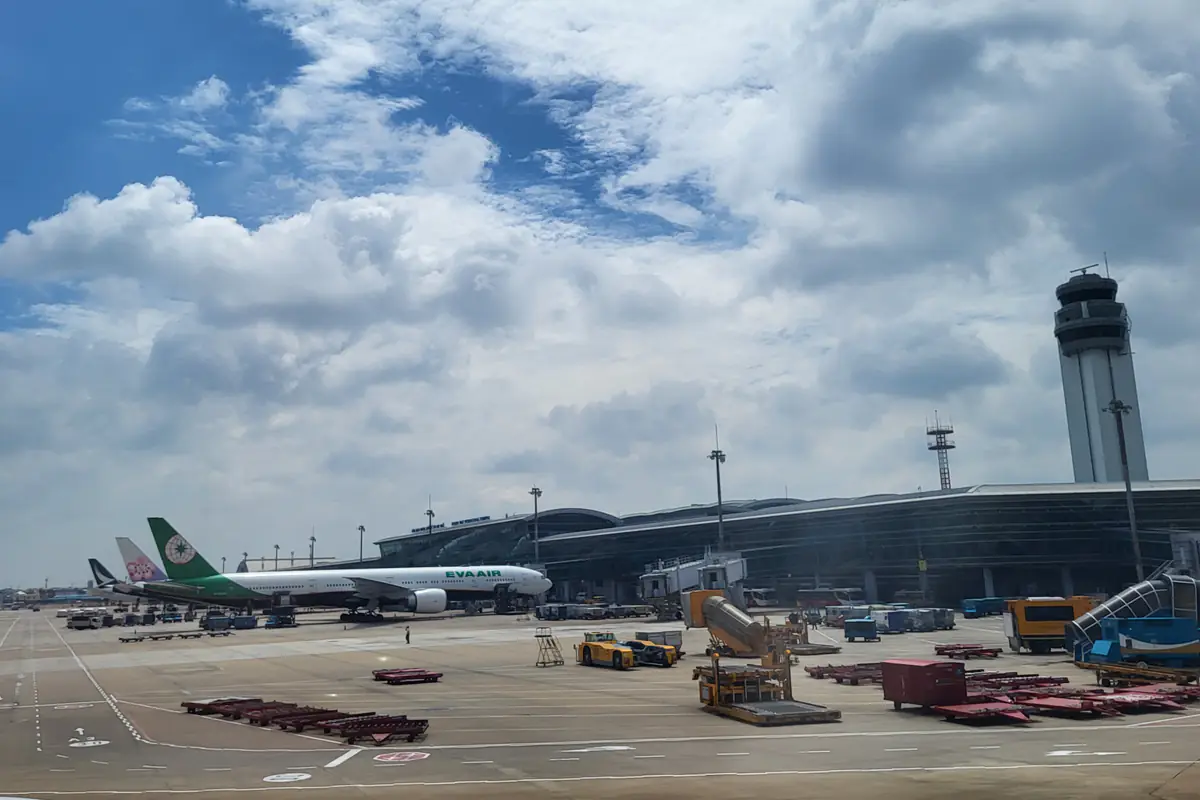
At Noi Bai International Airport in Hanoi or Tan Son Nhat International Airport in Ho Chi Minh City, use official taxi areas, designated app pickup points, or transfers arranged with your hotel.
Pick an established company for metered taxis and make sure the meter is running. A fixed price offered by the driver is fine as long as the complete fare is agreed before you set off.
Unexpected prices for tourist services
Some tourist services don't display clear prices, and problems arise when the customer and provider expect different things. You might agree to a cyclo ride, a street photograph, or another small service without asking what the entire experience costs, and only discover at payment time that the amount is much higher than expected.
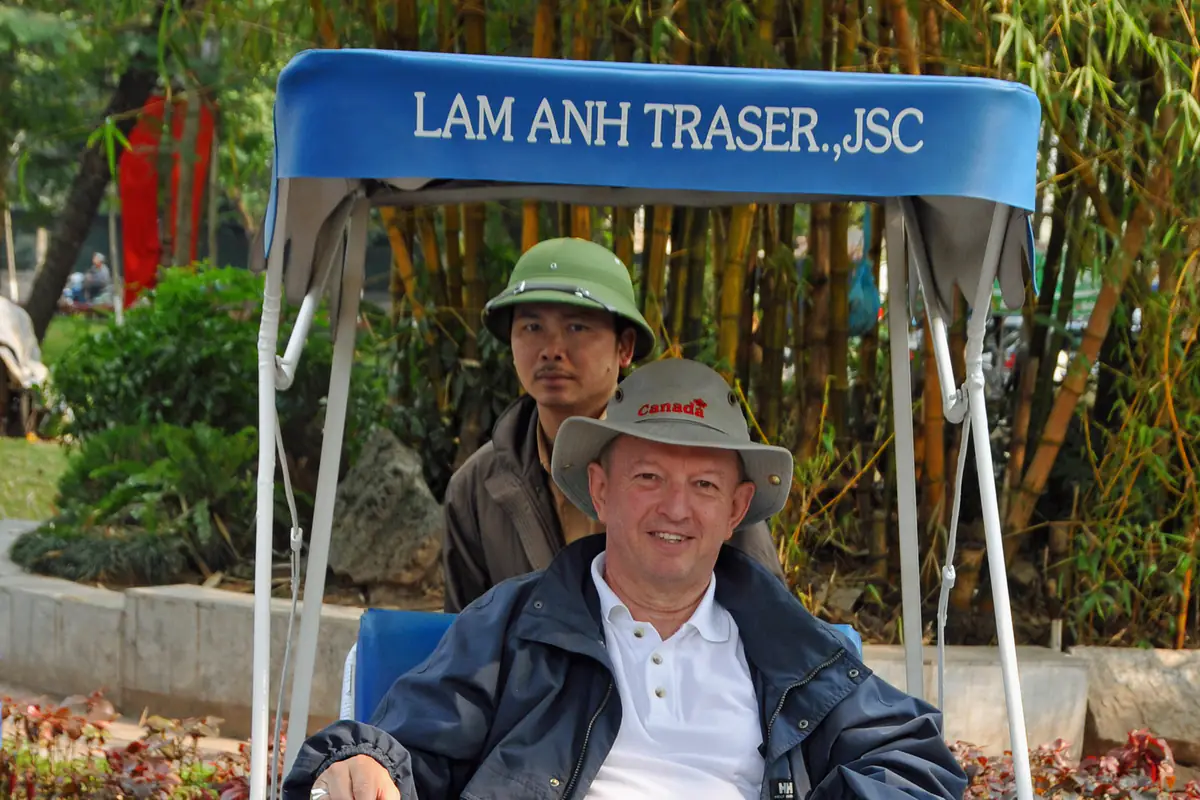
Ask for the total price before the service begins. A language barrier is easy to get around: have the provider type the amount into a phone or calculator.
Check what an organized tour price includes: entrance tickets, transportation, meals, guides, and other charges. Unclear pricing is far easier to resolve before paying than afterward.
Cash and credit card scams
Vietnamese banknotes come in several denominations, and some look similar at a quick glance. Visitors who haven't become familiar with the currency may accidentally hand over a larger note than intended.
Keep smaller denominations available for everyday purchases and check each note before paying.
When withdrawing cash, prefer ATMs inside banks, reputable hotels, or shopping malls. Cover the keypad while entering your PIN, and don't use a machine that appears damaged or tampered with.
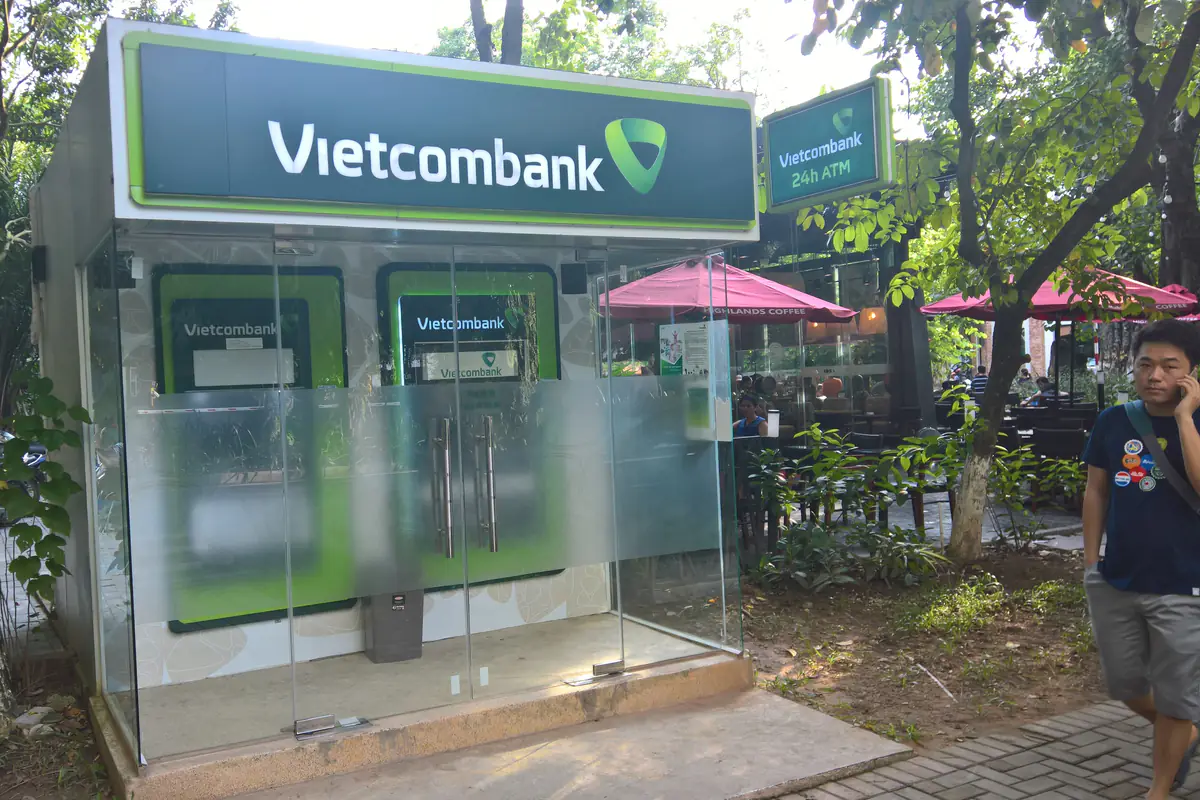
When paying by card, keep the card within sight and enable transaction notifications. If you notice an unauthorized charge, freeze the card and contact your bank immediately. Don't wait until you return home.
Fake visa websites and tour booking scams
Some unofficial websites resemble government portals or established travel agencies. Visitors may end up paying unexpected service charges or sharing personal information with an unreliable company.
For Vietnam e-visas, apply only through the Immigration Department's official portal, evisa.gov.vn, and check the domain carefully before entering any details.
When booking a tour, look for a clear business name, contact information, cancellation terms, itinerary, and payment policy. Avoid sending the entire booking amount to an unfamiliar personal bank account based only on social media messages.
For Ha Long Bay cruises, Sapa trekking trips, and Ha Giang tours, ask about safety equipment, severe-weather procedures, and insurance arrangements.
Gambling and invitations to private homes
Some scams start with visitors being approached by seemingly friendly strangers, invited to a private home, and drawn into rigged card games.
A stranger who seems welcoming is still a stranger, so turn down invitations to unfamiliar private locations. Steer clear of gambling arrangements with unclear rules too, even when they're introduced as harmless entertainment.
You can enjoy conversations with local people and learn about Vietnamese culture without handing over money, travel documents, or access to your phone.
Is Vietnam safe for solo female travelers?
Vietnam is generally a reasonable destination for women traveling alone, though the risks aren't zero: harassment, unwanted touching, drink spiking, and sexual assault have all been reported.
These risks deserve attention, particularly around nightlife venues, transport services, and situations involving unfamiliar people. Solo female travelers should focus on accommodation, transport, and maintaining access to help.
Choosing accommodation
For a first visit, a hotel or hostel with staffed reception, recent reviews, and a clearly identifiable entrance is usually more practical than a cheap apartment in an unfamiliar alley.
In Hanoi, staying near Hoan Kiem Lake or along the main streets of the Old Quarter makes it easier to reach restaurants and arrange transport. In Ho Chi Minh City, accommodation around Ben Thanh Market or central streets with regular traffic can make getting around more straightforward.
It doesn't have to be a luxury hotel. Check that the room locks properly, the entrance is well lit, access is managed, and staff can be contacted when needed. Read recent negative reviews, particularly those discussing security, unwanted room entry, or problems with management.
Going out at night and meeting new people
At bars and clubs, order your own drinks and keep them within sight. Be cautious about accepting drinks or food from strangers, especially when you don't know where they came from.
Make the first meeting with someone from an app at a cafe or another public place, and keep your room number, exact hotel, and detailed travel schedule to yourself for now.
Before going out, share your general plans and accommodation details with someone you trust. Keep your phone charged, maintain mobile data access, and have a backup payment method.
If you feel threatened or followed, go into a shop, hotel, or other staffed location and ask for assistance.
After an assault, prioritize getting somewhere safe and seeking medical attention. Your embassy or consulate may be able to provide information about local services, interpreters, and reporting procedures.
Where should solo female travelers go first?
A route through Hanoi, Ninh Binh, Hoi An, and Da Nang is relatively easy to organize because accommodation and tourist transport are widely available.
You can see most of this route on your own, but a guide is worth having for mountain journeys, multi-day treks, or activities far from populated areas.
Ha Giang and remote parts of northern Vietnam require more planning than walking around central Hoi An, and a shorter itinerary with adequate rest days is often better than rushing across the country.
What should you do if you lose your passport in Vietnam?
Losing a phone can disrupt access to transport, bookings, and bank accounts. Losing your passport is a bigger problem because it affects your ability to travel and leave the country, so the best time to prepare is before your flight.
Before arriving in Vietnam
Save a secure digital copy of your passport's information page, visa, and other relevant entry documents. Keep one offline copy and a separate secure backup.
Record your passport number, expiration date, flight information, and the contact details of your nearest embassy or consulate. Keep your identification, cash, and bank cards in separate places.
When you're not using your passport, store it securely. Vietnamese authorities may still require you to produce valid identification, though, and domestic flights normally require the appropriate original travel document. A photograph of your passport won't always be accepted as a substitute.
If your passport goes missing
First, check where you may have lost it, and contact your hotel, transportation provider, or the last establishment you visited where relevant.
Next, report the loss to the local police authority responsible for the area where the incident occurred and ask about the appropriate written report or confirmation. Then contact your embassy or consulate for instructions on obtaining an emergency passport or another replacement travel document.
Depending on your nationality, new document, and immigration status, you may also need to complete procedures with Vietnam's immigration authorities before departing.
Also confirm which authority must handle the report before traveling on to another province.
If your phone or wallet is stolen
Freeze affected bank cards, disable payment methods that could be misused, and remotely lock or erase your device when appropriate. If your phone contains the SIM used for banking verification, contact your mobile provider to suspend it. Change important passwords from another trusted device, starting with your main email account.
Keep copies of police reports, receipts, and related correspondence, since your travel insurer may request this evidence when reviewing a claim.
Do you need travel insurance for Vietnam?
Travel insurance is strongly recommended for Vietnam, even if you're visiting for only a week and don't plan to do anything adventurous.
It isn't a universal entry requirement for every tourist; requirements can depend on immigration status, specific activities, or organized travel programs. The main reason to buy it is financial protection when something goes wrong.
Foreign visitors aren't automatically entitled to have their medical bills covered by Vietnam's public healthcare system, and some hospitals may require payment upfront or confirmation of coverage before proceeding with treatment.
A serious accident in a remote area could mean transfer to a larger hospital in Hanoi or Ho Chi Minh City, and in some cases medical evacuation to another country. Those costs can be far greater than the budget for an ordinary holiday.
What should your policy cover?
Price is only one part of the comparison. Start with emergency medical treatment, including accidents and illnesses that begin during your trip.
Check the coverage limit, deductible, exclusions, and whether the insurer can arrange direct payment to a hospital. Medical evacuation and repatriation matter just as much.
Look at whether the insurer covers trip cancellation, interruption, luggage, passports, and the activities you intend to undertake. Anyone planning scuba diving, trekking, climbing, or motorcycle travel should read the relevant conditions carefully.
Not every travel insurance policy covers motorcycle accidents. Even when motorcycle-related claims are included, riding without a valid license, using an ineligible vehicle, or breaching policy terms can affect coverage.
Which travel insurance company should you choose?
Choose a properly regulated insurer that offers suitable international assistance and medical support for your trip. A useful policy should explain which emergency number to call, when hospital bills can be paid directly, and when you must pay upfront and request reimbursement.
Compare plans available in your country of residence too, alongside policies sold in Vietnam.
There is no single insurance price that applies to all travelers. Premiums depend on factors such as age, residence, trip length, medical history, coverage limits, and optional activities. For a 10- to 14-day visit, compare quotations using the same dates and similar levels of coverage.
Save your policy documents and emergency assistance number both on your phone and offline, and give a trusted person access to the relevant details in case you can't communicate during an emergency.
Food, health, and hospitals: what should you watch out for?
Most trips to Vietnam don't involve serious health problems. Still, changes in climate, unfamiliar food, and a busy itinerary can lead to digestive issues, dehydration, or exhaustion.
Is street food safe in Vietnam?
Street food is one of the best parts of visiting Vietnam. Choose stalls and restaurants where food is prepared in front of customers, ingredients are stored appropriately, and meals are served freshly cooked and hot.
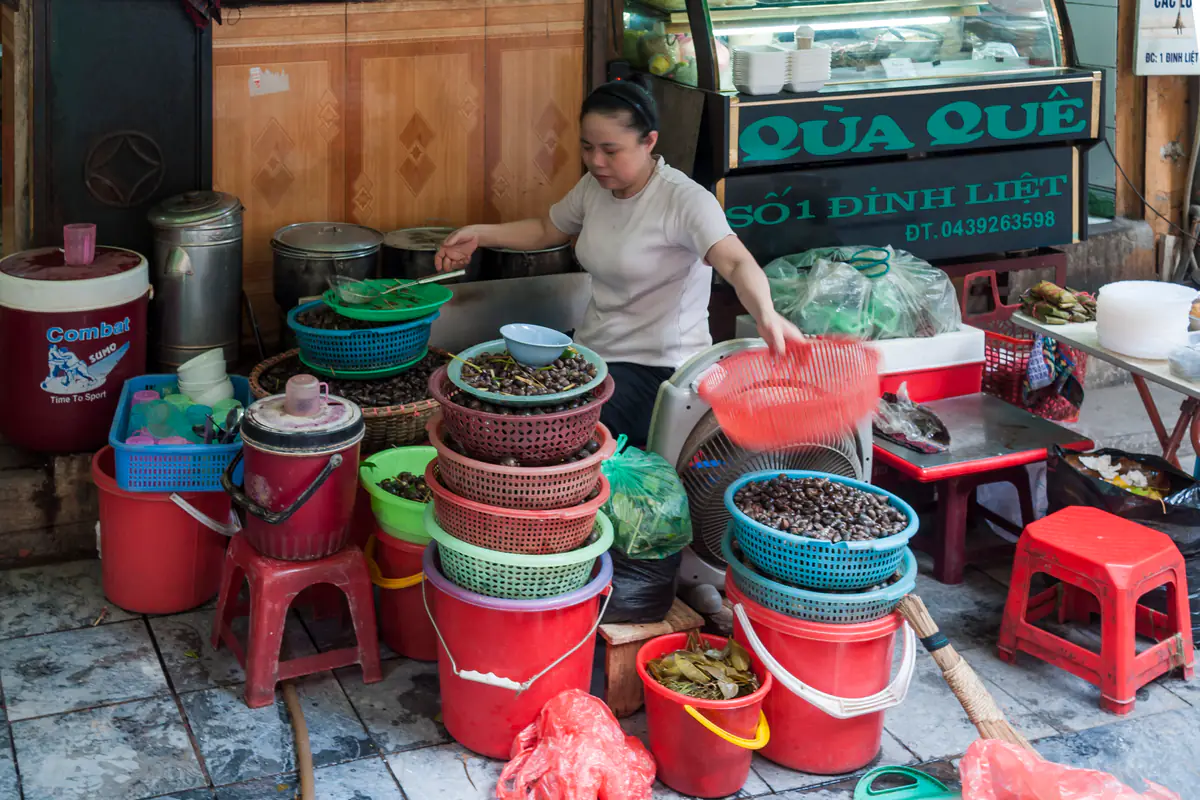
Look at general cleanliness and how raw and cooked ingredients are handled. Until your stomach is used to local food, don't pile several raw or undercooked dishes into the same day.
Sealed bottled water or properly boiled water is a safer choice than untreated tap water.
Stay hydrated through any bout of diarrhea, and seek medical advice for severe symptoms, persistent illness, fever, or signs of dehydration.
Mosquitoes and animals
Dengue fever is among the mosquito-borne diseases travelers should consider in Vietnam. Use suitable insect repellent, wear clothing that covers exposed skin when appropriate, and choose accommodation with screens or air conditioning in mosquito-prone areas.
Avoid touching unfamiliar dogs, cats, and wild animals. If an animal bites or scratches you, immediately wash the wound thoroughly with soap and running water and seek urgent medical care to assess rabies exposure and the need for preventive treatment.
Air pollution
Air quality can deteriorate in Hanoi and other large cities at certain times of year. Travelers with respiratory conditions, older adults, and families with young children should monitor air quality and reduce outdoor exertion when pollution is high.
In Hanoi during the early months of the year, keep a few indoor activities in reserve rather than planning every day around long outdoor walks.
Weather and natural disasters: risks depend on the region
Vietnam covers several climate regions, so there is no single rainy season that applies equally across the country. The tropical storm season runs from approximately May to November, with June through November generally the main storm period, and actual conditions vary by region and weather system.
Northern Vietnam
Heavy rain can flood roads and trigger landslides, particularly in mountainous areas. Anyone heading to Ha Giang, Sapa, or another northern mountain destination should check forecasts close to departure, since mountain roads can become difficult or impassable after prolonged rainfall.
Don't continue along an unfamiliar road simply because your itinerary says you need to reach the next town that day.
Central Vietnam
October through December is an important period for heavy rain and flooding in parts of central Vietnam. Travelers visiting Hue, Da Nang, and Hoi An during this period should leave room for weather-related changes.
If local authorities issue a serious flood warning in Hoi An, don't attempt to walk or drive through deep water. Floodwater can conceal open drains, damaged pavement, and strong currents. Follow local instructions and move to safer areas when advised.
Islands and boat tours
Trips around Ha Long Bay, Cat Ba, Cu Lao Cham, and Phu Quoc depend on sea and weather conditions, and boat departures may be changed or canceled when conditions become unsafe.
Don't pressure an operator to continue a trip after authorities have restricted maritime activities.
Before booking, ask about rescheduling and refund policies for departures prevented by bad weather, and check that the boat carries suitable life jackets and has appropriate emergency procedures.
Trekking and mountain climbing
Mountain activities require planning based on weather, terrain, and personal ability. Use experienced guides where appropriate, carry essential equipment, and make sure someone knows your intended route.
Avoid entering remote forest areas alone when you don't know the trails, emergency access points, or mobile reception conditions.
Vietnam also has unexploded ordnance and landmines remaining from past conflicts in some locations, particularly away from established tourist routes and in former conflict areas. Stay on recognized paths, respect restricted-area signs, and never touch or move suspicious metal objects.
Is Vietnam safer than Thailand?
You can't say that Vietnam is safer than Thailand in every respect.
Both countries carry the same overall advisory level, although certain areas of Thailand, including the Thai-Cambodian border region and parts of the far south, carry elevated warnings. That still doesn't make every location in Vietnam safer than every location in Thailand.
Travel advisories consider different risks. They aren't a direct ranking of pickpocketing, traffic accidents, or harassment.
Both countries have busy major cities, popular nightlife areas, and heavily visited tourist destinations. In Vietnam, crossing streets, riding motorcycles, and long intercity journeys deserve particular attention. In Thailand, risk levels also differ significantly between Bangkok, resort islands, border regions, and southern provinces with specific security concerns.
For an ordinary holiday, the cities you choose, your accommodation, and your transportation plans matter more than a broad comparison between the two countries.
Is Vietnam safe to live in?
Living in Vietnam for several months or longer involves different considerations from visiting for a week. Long-term residents need to think about housing security, daily transportation, healthcare, immigration requirements, and access to emergency services.
Hanoi, Ho Chi Minh City, Da Nang, and Da Lat offer a range of housing and services, but convenience and security can vary considerably between neighborhoods and individual buildings.
Short-term accommodation is a sensible first step for anyone moving to Vietnam, since it gives you a chance to inspect the area before signing a longer agreement. Check door locks, emergency exits, electrical installations, fire safety arrangements, and how to contact the property manager.
Before signing a lease, clarify the deposit, refund conditions, utility charges, and responsibility for temporary residence registration.
Vietnamese authorities require foreign nationals staying at accommodation establishments to have their temporary residence declared under the applicable rules. The accommodation operator, authorized representative, or responsible manager handles the declaration process.
Ask your landlord or accommodation provider who will submit it, and confirm that it has been completed. Renting an apartment through an online platform doesn't make the requirement disappear.
Regular medical treatment changes the calculation: choose somewhere with reasonable access to an appropriate hospital. A slightly cheaper apartment isn't the better choice when it adds a long journey to essential services.
Emergency numbers in Vietnam
Save these numbers before arriving in Vietnam.
| Number | Service |
|---|---|
| 113 | Police |
| 114 | Fire and rescue |
| 115 | Ambulance and medical emergencies |
| 112 | National emergency response and search-and-rescue coordination |
Vietnam's 112 emergency line operates nationwide. It provides a free, 24-hour channel for reporting emergencies, disasters, and other urgent situations, with procedures for transferring relevant information to the appropriate emergency services.
Emergency services mostly operate in Vietnamese, so explaining a complicated incident can be difficult for foreign visitors. A hotel receptionist, tour guide, or another Vietnamese speaker can help you communicate with the operator.
When calling for assistance, be ready to give your exact location, street address, hotel name, and a nearby landmark. A city name alone usually isn't enough.
Also save your insurer's emergency assistance number and your embassy or consulate's contact details.
If you're involved in a road accident
Prioritize everyone's immediate safety and call for medical assistance if someone is injured. Don't move someone with a potentially serious injury unless an immediate danger makes it necessary, and follow instructions from emergency responders.
If it is safe to do so, record the location, vehicle details, photographs, and contact information for witnesses.
For serious incidents or disputes, contact the police, your insurer, and your embassy or consulate when appropriate. Avoid signing documents you don't understand or agreeing to informal payments just to leave the scene quickly.
If you're robbed or threatened
Get somewhere safe first. If violence is threatened, don't physically resist simply to protect your belongings.
Contact the police through 113 or ask your accommodation provider for assistance. Write down the approximate time, place, and details of anything stolen.
When reporting the incident, bring an interpreter if you cannot communicate adequately in Vietnamese. Ask for an appropriate written report or confirmation and keep a copy for insurance or replacement-document procedures.
How to prepare for a safer Vietnam trip
Safety gadgets matter far less than the basics: identification, transport, communication, and knowing what to do when plans change.
Before your flight
Check your passport validity, visa requirements for your nationality, and the details on your entry authorization. Read the latest official travel advice from your government, particularly if you're visiting remote areas or regions affected by severe weather.
Buy travel insurance covering your entire trip and intended activities. Back up your passport, hotel reservations, and flight information.
Enable device tracking, set a strong phone lock, and prepare a way to recover important accounts if your phone is lost.
For a multi-city journey, keep an offline copy of your itinerary so you're not relying entirely on one email account or booking app.
Your first day in Vietnam
Connect to mobile data or Wi-Fi before arranging transportation from the airport. Check your hotel's address and confirm that your vehicle matches the booking.
Land late at night and the plan is simple: go directly to your accommodation and leave sightseeing for the next day.
After checking in, test the room lock, locate the emergency exit, and find out how to contact reception. Save the hotel's address in Vietnamese so you can show it to a driver if needed.
Spend a little time learning the main Vietnamese banknote denominations and how local payments work.
Your first day in Hanoi or Ho Chi Minh City can be light. A walk around Hoan Kiem Lake, a meal at a clearly identified restaurant, and an early return to your hotel is enough to begin getting familiar with the city.
During your trip
Before using transport or joining a tour, check the operator and review the agreed conditions. Avoid being rushed into decisions by strangers claiming that a special offer will disappear in a few minutes.
When the weather becomes unsafe, change your itinerary, even if that means skipping some attractions.
Solo travelers should keep a simple check-in arrangement with someone they trust. Hourly updates aren't necessary, but someone should know which city you're staying in and where you expect to spend the night.
Keep enough money or accessible backup funds to change hotels, arrange alternative transport, or reach a hospital if necessary.
Vietnam is a worthwhile destination for first-time visitors and solo travelers, provided you take road safety, personal belongings, and travel documents seriously. For a first trip, consider a Hanoi - Ninh Binh - Da Nang - Hoi An itinerary, use trains, flights, or cars with drivers for longer journeys, and allow an extra day for possible weather disruptions.
FAQ
Is Vietnam safe for first-time international tourists?
Yes. Vietnam is generally safe for international visitors. The main concerns are road traffic, petty theft, tourist scams, and lost documents. First-time visitors should book reliable accommodation, verify transport arrangements, and keep emergency contact details available.
Is Vietnam safe for solo female travelers?
Vietnam is generally suitable for solo female travel, although harassment and sexual assault can occur. Choose accommodation with clear security arrangements, use reputable transport services, avoid isolated areas late at night, and keep in contact with someone you trust. Seek medical, police, or consular assistance when needed.
What are the most common Vietnam tourist scams?
Common problems include fake or misleading taxi arrangements, unclear service prices, card fraud, unofficial visa websites, and rigged gambling schemes. Verify providers before booking, agree on the complete price before accepting a service, and avoid handing money or documents to strangers.
Is travel insurance mandatory for Vietnam?
Travel insurance isn't a universal entry requirement for every tourist, although specific programs or circumstances may have their own conditions. It is strongly recommended because foreign visitors may need to pay for medical treatment, hospitalization, and emergency transport. Check exclusions carefully, especially for motorcycle riding and adventure activities.
Is Vietnam safer than Thailand?
Neither country can be described as safer in every situation. Both carry the same overall advisory level, although specific areas of Thailand have higher warnings. For most travelers, the destination, transportation choices, accommodation, and planned activities are more useful indicators of personal risk.