Is Da Lat worth visiting? Decide what deserves your Vietnam days
The bus from Nha Trang to Da Lat takes roughly four hours on mountain roads; FUTA Bus Lines announced a one-way fare of VND 210,000 for its upgraded service from September 20, 2026. That journey is worthwhile only if the highlands offer something you genuinely want.
By Da Lat LoversPublished Updated
Yes, Da Lat is worth visiting if you want cooler air, coffee culture, pine-covered hills and a slower break between Vietnam's busier destinations. It is much less compelling if you have a short first-time itinerary, need a beach or expect a walkable old town full of historic landmarks. The best of Da Lat is not a checklist of photo spots; it is the change of pace and the countryside beyond the busy center.
The short decision: add Da Lat or leave it out?
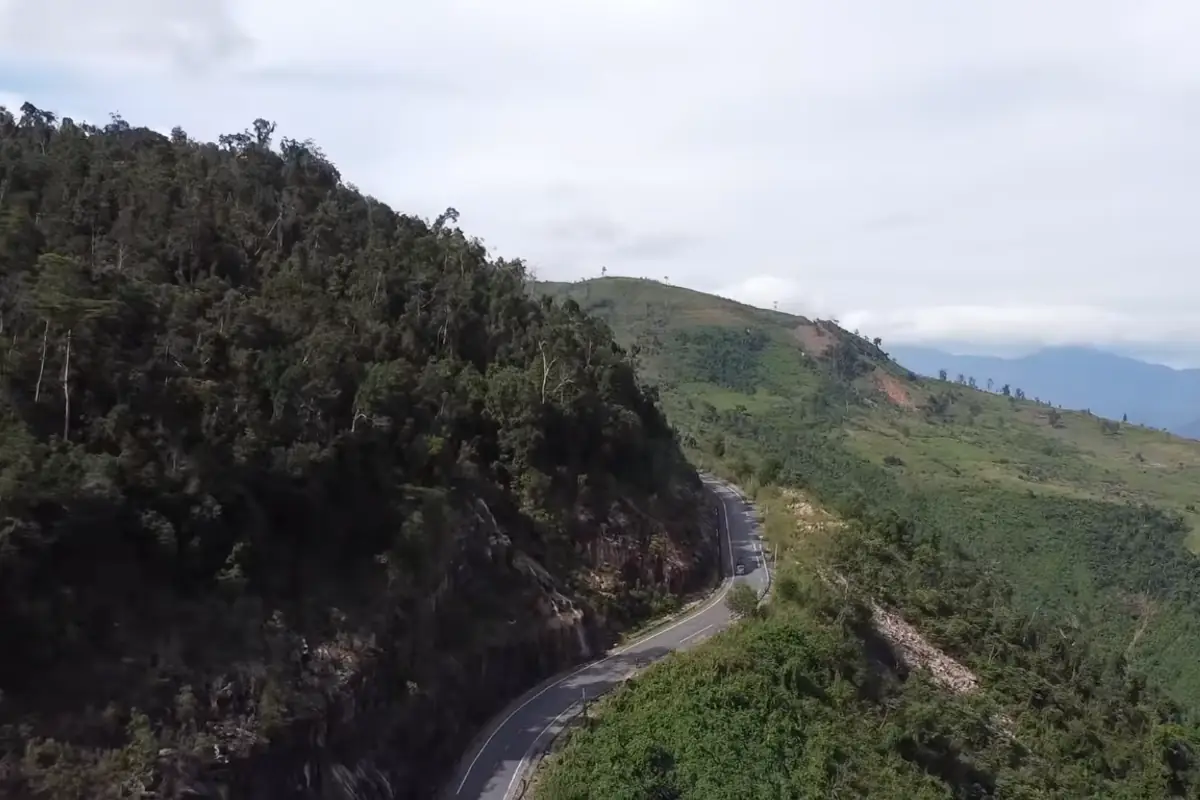
Start with the part many itineraries ignore: the cost of changing places. Even a relatively straightforward trip from Nha Trang to Da Lat takes around four hours by bus. Add checking out, waiting at the station, getting to your accommodation and checking in, and that travel day has much less free time than the number on the ticket suggests. Flying can be more convenient from certain cities, but airport transfers and flight schedules still matter.
Now ask yourself three questions. Would you happily spend two nights somewhere without a beach? Do forests, farms, cool mornings and unhurried coffee stops sound more interesting than another famous monument? And are you willing to spend some money on taxis or a guided outing to reach places beyond the city? Three yeses put Da Lat on your shortlist.
Ticking off places because they appear in someone else's two-week route is a weak reason to go. A destination does not become essential just because it appears in every other travel blog. Da Lat is distinctive, but it is not the only way to experience Vietnam well. People with seven to ten days often get more from staying longer in two or three places than from adding another flight, bus terminal and hotel.
For a trip lasting two to three weeks, the calculation changes. You have room for a contrast: warm streets in Ho Chi Minh City, the coast around Nha Trang, then two or three nights at high elevation. It can be a welcome reset midway through a long journey. Da Lat is an optional chapter on the classic north-to-south route, one that suits a particular kind of traveler.
What makes Da Lat different from the rest of Vietnam?
The obvious answer is the climate, but its effect on a holiday is more important than the temperature itself. Da Lat is about 1,500 meters above sea level. At many times of year, a morning walk is pleasant without the exhausting tropical heat you may have experienced farther south. Evenings can call for a jacket, particularly during the drier, cooler part of the year. You can enjoy a warm drink outdoors and sleep without feeling that the day has been spent escaping the sun.
It is not permanently cold, however. Bright midday sun can still feel strong, and wet-season afternoons may be unpleasant rather than romantic. The familiar images of misty lakes and people in knitted sweaters capture moments, and plenty of days look nothing like them. Visitors who arrive in the middle of a rainy spell expecting uninterrupted views sometimes leave disappointed. The difference between a good trip and a frustrating one often starts with that expectation.
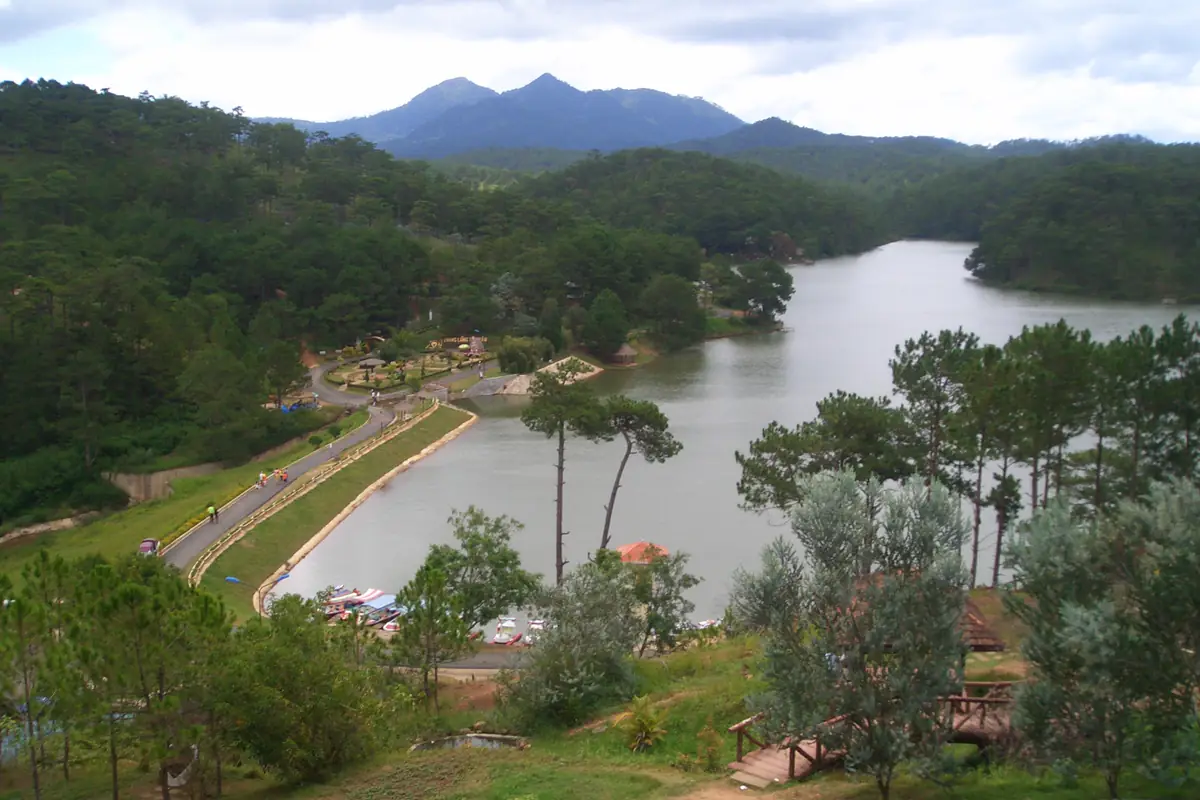
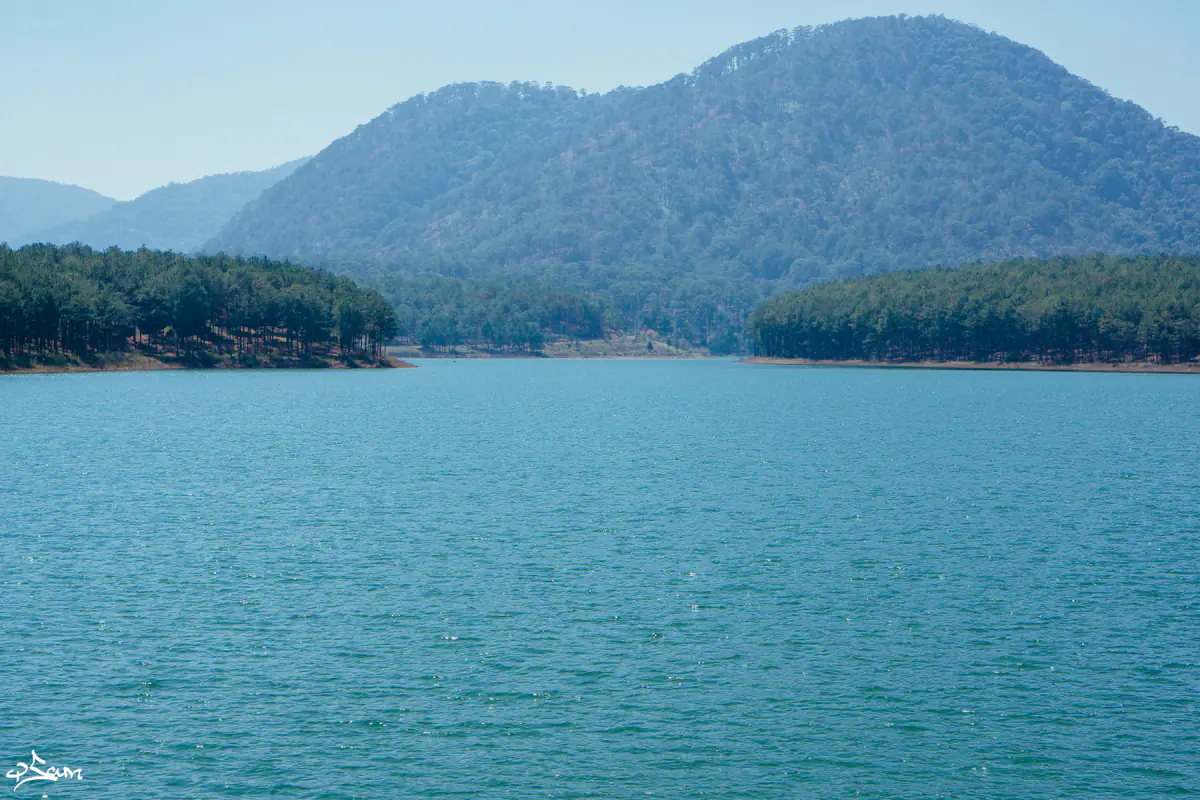
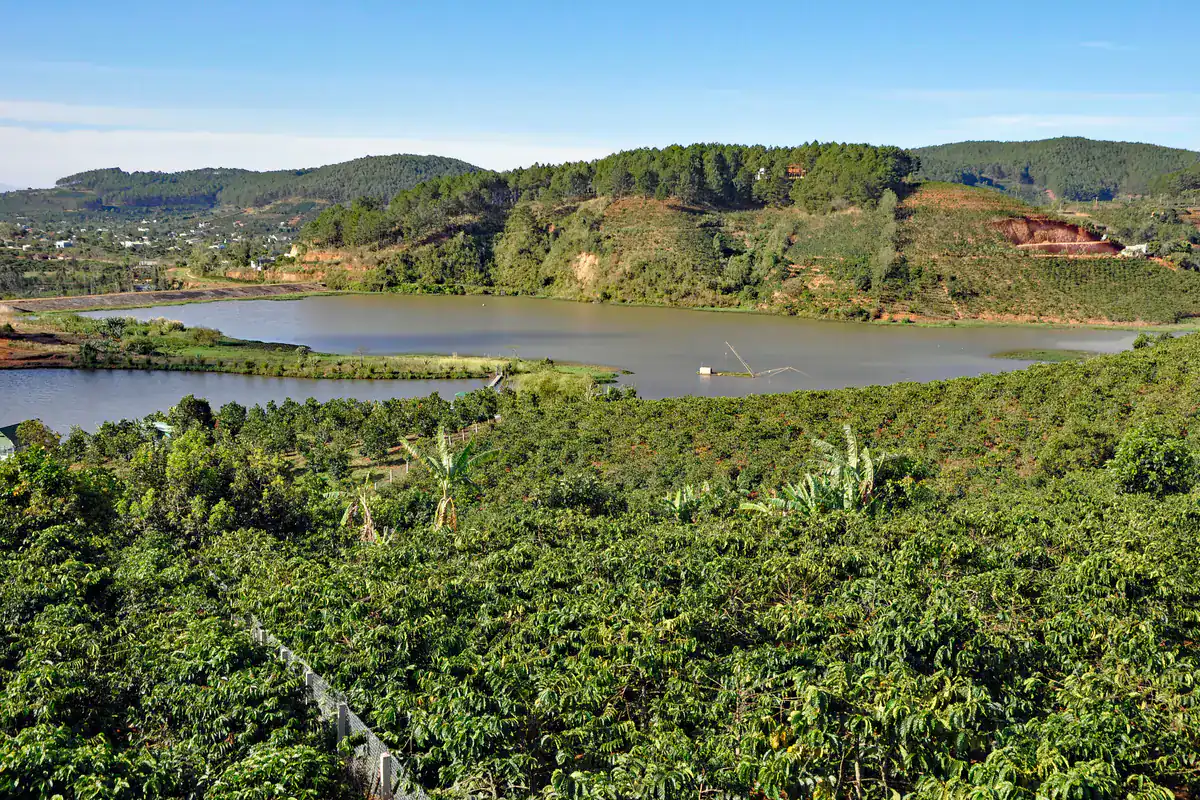
Beyond the weather, there is a genuine highland landscape. Drive away from the central market and the views begin to change: vegetable-growing areas, flower production, coffee farms, pine trees and lakes. Tuyen Lam Lake offers a quieter atmosphere than the commercial center, while the surrounding plateau supports outdoor activities ranging from gentle walks to guided adventures. The draw is seeing a productive agricultural region at work.
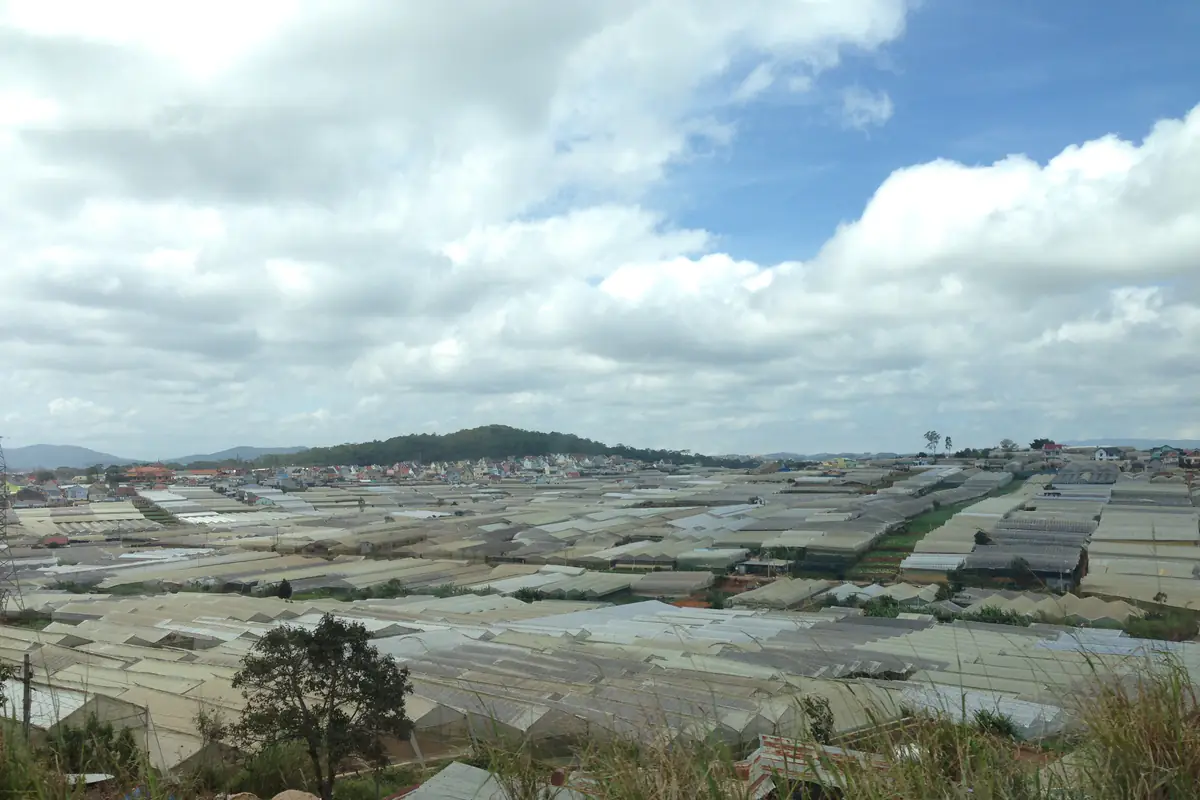
Coffee gives the place another layer. Vietnam's coffee reputation is not limited to iced drinks with condensed milk; here you can learn about beans, roasting and growing conditions in the highlands. La Viet Coffee at 200 Nguyen Cong Tru is one concrete place to start. It pairs a cafe with a roasting and processing space, opens from 7 am to 10 pm, and a visit costs roughly VND 30,000-60,000 per person. Treat that as this venue's reference information, not a universal price for cafes or a guaranteed current menu.
There is also a small pleasure in how ordinary meals fit the cooler weather. Banh can, small rice cakes often cooked with quail eggs, makes sense as a warm breakfast. Banh mi xiu mai comes with hot meatball broth that you can dip the bread into. Fresh vegetables, strawberries and flowers belong to the area's agricultural identity. Da Lat may not have Vietnam's best food, yet its mix of produce and comfort dishes is easy to enjoy.

Finally, Da Lat gives you permission to leave blank space in your day. Walk beside Xuan Huong Lake, sit down for coffee, browse a market and stop when the rain starts. In a city-break mindset, that might sound like very little. After ten days of buses, museums, airports and crowded restaurants, it can be exactly what a traveler needs. There is no point forcing Da Lat into an attraction marathon if relaxation was why you came.
Why do some travelers say Dalat is overrated?
The biggest mismatch is between the postcard and the real city. Central Da Lat has traffic, hotels, development, shops, small busy roads and plenty of commercial activity. It is not an untouched alpine village. A room beside the market puts you in a lively urban setting, far from the silence of the pine trees. The countryside still exists, but in many cases you need transportation to get there.

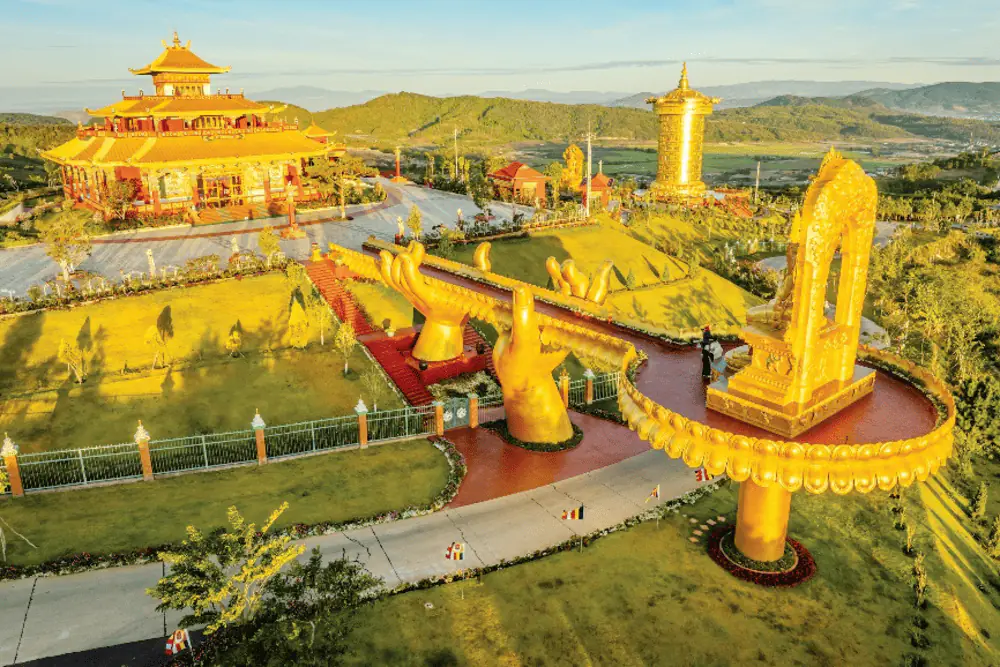
A second complaint is understandable: too many attractions are designed mainly for photographs. Some have giant props, staged gardens, colorful platforms or elaborate artificial scenes built on a hillside. Those places can be fun for families, couples and social-media travelers. They become disappointing when a visitor thought they were paying for wild nature. Before buying an entrance ticket, look at recent visitor photographs and ask what you would do there if you never took out your phone.
Distance causes the third problem. The central lake and market area are manageable on foot in sections, but Da Lat is hilly and sidewalks can be inconsistent. Waterfalls, farms, forest paths and many scenic cafes are not all together in one walkable neighborhood. A person comfortable renting a car with a driver may find the geography easy. A budget traveler expecting every attraction to be a ten-minute stroll away may resent the extra transportation costs.
Rain can change the character of the trip, too. Some days have a good morning followed by an afternoon shower; others can be wet for long stretches. Muddy paths, reduced visibility and disrupted road access are real reasons to alter outdoor plans. Rainy-season Da Lat is a poor fit for a holiday that depends on moving from one booked activity to another without any flexibility. It is better to recognize this before you pay for non-refundable accommodation.

It is worth separating personal disappointment from a general verdict. An outdoor enthusiast who spends time with a local guide might come away delighted. Someone who stays by the market and visits three photo parks could leave feeling the city is overcommercialized. Both reactions are plausible. The question is not whether Da Lat has a flawless reputation; it is whether you can build the kind of visit that suits you.
Who is Da Lat best for?
Travelers who need a break from heat and movement
Two nights, easy mornings, one afternoon plan
After a long stretch on the road, the highland air can be an attraction in itself. Two nights give you time to slow down without committing a large part of your holiday. An easy morning from 7 to 9 am, a relaxed lunch and one afternoon activity may be a better use of the destination than a packed schedule.
Coffee lovers and curious eaters
Roasters, coffee farms and simple local food
There is substance behind the cafe culture: cultivation, different beans and local roasters. A properly organized farm visit can show more than a decorative coffee shop ever will. Combine one place where coffee is made with time to try simple local food. Skip businesses that use the word “farm” but offer little beyond a sign and a photo platform.
Couples after a quiet mountain stay
Choose the room for restaurants or for trees
Da Lat can work very well for two people who want to walk, eat well and spend time at their accommodation. Choose a room based on the experience you want: convenient access to restaurants or a quieter setting near the trees. A hillside room loses its appeal when every evening ends with an expensive ride back from town.
Outdoor travelers who do not need the hardest possible activity
Forests, lakes, walks and guided outings
Forests, lake areas, walks, cycling and guided excursions give the destination depth. There are also more technical adventures, including canyoning. Those should be booked through reputable operators with appropriate safety equipment and suitable weather conditions. The hills are rewarding without any risky activity.
Families who want a change of climate
Accessible hotel, a car, a modest daily plan
Cooler temperatures can be welcome for children and older relatives, and farm-oriented outings provide variety beyond shopping centers or beaches. But hills, steps and travel between distant sites can be tiring. For a multi-generation trip, stay somewhere accessible, use a car when necessary and keep the daily program modest. Cool weather does not remove the need to think about mobility.
Who should skip it?
One week, already full
Drop a stop instead of adding Da Lat
Skip Da Lat if you have only a week in Vietnam and already want Hanoi, Ha Long Bay, Hoi An and Ho Chi Minh City. That is enough travel without a highland detour. Removing one destination often gives you a better holiday than arriving somewhere new every night. Travelers drawn by culture and historic streets get more from extra time in Hoi An than from racing to Da Lat simply for a photograph.
Beach-first trips
Nha Trang, Phu Quoc or Da Nang instead
A trip built around swimming, sunbathing and staying beside the sea is another reason to skip it. Nha Trang and Phu Quoc offer what Da Lat does not: beach time. Da Lat has lakes, but a lake view does not replace a swim in the ocean. Travelers wanting an easy combination of urban conveniences, beaches and nearby sightseeing may prefer Da Nang instead.
Severe motion sickness
Winding mountain roads on the way up
People who experience severe motion sickness should think carefully about the approach roads. The Nha Trang-Da Lat journey climbs through mountainous terrain and includes numerous bends. Some travelers find it scenic; others find the journey exhausting. A suitable flight can avoid that particular road, but only if it works with your starting point and dates. Do not ignore your tolerance for mountain travel simply because a route looks short on a map.
Expecting untouched wilderness
The city is urban, some sights are staged
The last group is travelers whose idea of a worthwhile place requires untouched wilderness everywhere. The region has real forests and farms, but the city is urban and some tourism is highly staged. You can choose better experiences, but you cannot expect commercial tourism to disappear. Travelers who dislike planning around such contrasts may be happier somewhere smaller and less visited.
Is Da Lat crowded, especially at weekends?
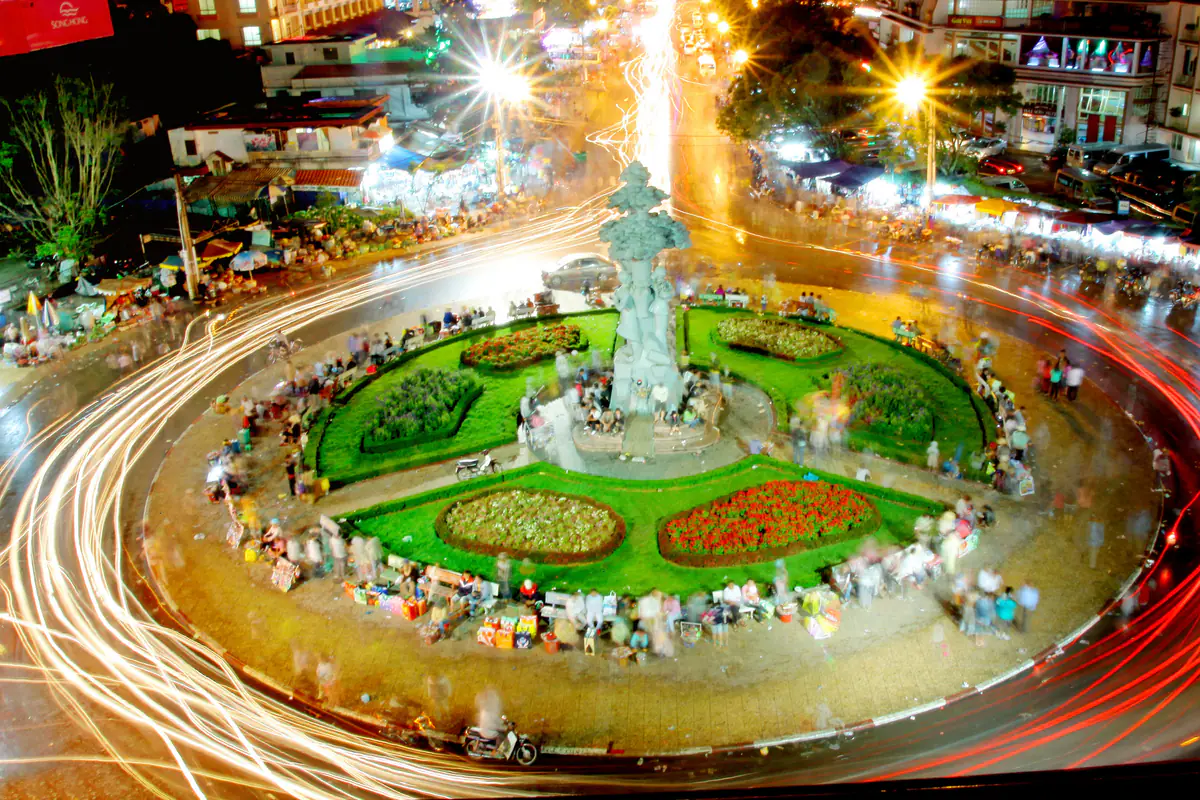
Yes, the center can be busy on Fridays, Saturdays, public holidays and festival dates. Around Da Lat Market, the Hoa Binh area and popular viewpoints, you may encounter heavy pedestrian activity and traffic. The night market is particularly lively around 7-10 pm. The market is calmer earlier in the day or before the evening rush, a better time for browsing and looking at produce.
But the claim that the whole city becomes hopelessly gridlocked every holiday is too simple. During the big 2026 holiday periods, Lam Dong drew very high visitor numbers, yet traffic and visitor pressure were spread more widely, helped by access routes and the growth of outlying accommodation and activities. This is not a guarantee that your Saturday will be quiet. It is a reminder that the busiest central junction does not represent every part of the highlands.
Your accommodation choice makes a substantial difference. Staying close to the market is convenient for meals and short walks but exposes you to the busiest part of town. Staying near Tuyen Lam Lake or farther into the hills offers a better chance of a quieter morning, with the trade-off of needing transportation. Neither is inherently more authentic. They simply serve different preferences.
Reddit discussions about whether Dalat is worth visiting show why opinions differ. Some visitors praise the relative cool, the countryside and coffee; others say the center felt too touristy or that they ran out of things to do. One traveler in a September 2026 thread described a good morning window followed by rain. These are individual accounts rather than crowd statistics or proof of what you will experience. They are useful mainly for identifying different expectations.
The months when Da Lat makes the most sense
For many travelers, December through March offers the easiest conditions for outdoor plans. It is generally the drier, cooler part of the year. Walking around the lakes, reaching scenic viewpoints and spending time in the countryside are more straightforward when rain is less persistent. The trade-off is that Christmas, New Year and major Vietnamese holidays can bring more domestic visitors and higher accommodation demand.
April and early May are transitional rather than a guaranteed extension of the dry season. You may get excellent mornings, but a plan that assumes uninterrupted sunshine all afternoon is risky. From roughly late spring into October, rain becomes a much bigger factor. July, September and October are among the months with concentrated rainfall. These are broad climate patterns; any individual week still needs its own forecast.
September and October deserve extra caution if hiking, road trips, waterfalls and panoramic views are your main goals. You can still enjoy cafes, markets and a quiet stay, but a two-night trip leaves little room to recover from several wet periods. November is a transition month: it may be settling into drier weather, or you may still catch substantial rain. The common phrase “Da Lat is beautiful in every season” is not helpful when you have paid for specific activities.
Da Lat versus Hoi An, Da Nang, Nha Trang and Phu Quoc
| Your priority | Better first choice | The trade-off |
|---|---|---|
| Cool air, pine scenery, coffee and time to slow down | Da Lat | You need transportation for much of the countryside and may encounter rain |
| Historic streets, lanterns and an atmospheric walking area | Hoi An | More heritage-focused and compact, without Da Lat's highland climate |
| A convenient city base with beaches and extensive services | Da Nang | Easier urban-and-coast combination, but a very different landscape |
| Swimming, island outings, seafood and a possible mountain add-on | Nha Trang | Choose the beach first; add Da Lat only if there is room for the transfer |
| Island resorts and days built around the sea | Phu Quoc | A better fit for a resort holiday than for cool-weather hills |
Choosing between Da Lat and Hoi An comes down to whether you want a culturally distinctive old-town experience or a highland rest. Hoi An is the clearer choice for streets, architecture and evenings spent exploring on foot. Da Lat is the clearer choice for cool mornings and a landscape of farms and pine trees. Trying to reduce both to “pretty places to take photos” misses their strengths.
Da Lat or Da Nang is mostly a question of convenience. Da Nang gives you beaches, restaurants, major hotels and urban infrastructure without having to leave the city. Da Lat gives you a climate shift and a more rural set of excursions, but the center is not a resort town free of traffic. Traveling with older relatives or children who tire easily may tilt the decision toward Da Nang, unless the cooler weather is itself a major priority.
For Da Lat versus Nha Trang, the contrast is almost the point of combining them. One has a beach and marine activities; the other offers cool highland air. Three nights in total is only enough for one of them. Five or six nights and a liking for both types of place turn the road link into a sensible two-destination trip. A bus link between the cities is no reason to squeeze Da Lat into a day trip.
Phu Quoc suits travelers who want to settle near the water. Moving from an island holiday to Da Lat adds a substantial change in logistics, so do it only if you are truly interested in the highlands. As for Sa Pa, both are cooler mountain destinations, but their landscapes, local cultures and positions on a Vietnam route differ enough to require a separate comparison.
What adding Da Lat costs in time and money
There is a useful real-world figure here. FUTA Bus Lines (Phuong Trang) charges VND 210,000 per person one way on its Da Lat-Nha Trang premium seated bus, the fare for the new service since September 20, 2026. The ride takes around four hours. Services use Da Lat's interprovincial bus station and stop at different Nha Trang terminals or designated drop-offs depending on the ticket. Check the exact boarding point, terminal and departure before paying.
Flying is possible again. Lien Khuong Airport (DLI) resumed operations on August 19, 2026, after runway work. Vietnam Airlines once again links Da Lat with several major cities, though routes and timetables vary by date. The airport is roughly 30 km from central Da Lat, so include the road transfer as well as check-in and baggage time. Older travel articles saying the airport is closed are out of date.
The less obvious cost is opportunity. Those two nights could become longer in Hoi An, an island day around Nha Trang or extra downtime in a beach hotel. The detour can be money well spent when your route already passes near Da Lat and you are interested in coffee and the mountains. Awkward flights for a single evening are much harder to defend.
That is why price comparisons should not stop at headline bus fares. A traveler who stays near the center and makes one countryside outing may spend less on transfers than someone who books an isolated cabin and travels across town twice every day. Likewise, a family paying for a car may find a two-night stay comfortable, while a solo backpacker relying on separate rides to distant sites might see expenses creep up. Work out the style of visit before comparing rooms.
Where to stay for the Da Lat you expect
For a first visit without your own transportation, the area around Da Lat Market, Hoa Binh and Xuan Huong Lake is usually the most practical. Restaurants, basic shopping and transportation arrangements are easier to manage. You can walk some central streets, go out for an evening snack and return to your room without making every movement a taxi ride. The price of that convenience is traffic, noise and a more built-up view.
For a quiet break, consider accommodation around Tuyen Lam Lake or another area outside the commercial center. A view of trees and a peaceful morning may be exactly why you are going. But check how long a drive it is to dinner, whether food is available on site and how accessible the property is after dark. A remote cabin is not a bargain if you spend too much time and money going back into town.
Loading map...
- Da Lat Market: easiest base for meals and rides
- Xuan Huong Lake: lakeside walks from the center
- Tuyen Lam Lake: quieter stays, transport needed
- Da Lat Interprovincial Bus Station: FUTA buses to Nha Trang leave here
- Lien Khuong Airport: about 30 km from central Da Lat
The terrain matters when choosing a room. Streets rise sharply and some properties sit down steep access lanes or involve many steps. Travelers with large luggage, limited mobility or young children should ask about car access, elevators and the route from reception to the room. A central hotel on a manageable street often works better than a photogenic property that is difficult to reach in rain.
On a third or fourth visit, staying outside the center can feel refreshing because you no longer need the usual sights. On a first trip, however, convenience deserves more weight than a dramatic view. A good base will affect your opinion of Da Lat more than whether you visited the latest trending cafe.
Is Dalat safe for foreign travelers?
Da Lat is generally manageable for independent visitors, but no destination is free of risk. Keep an eye on your phone and wallet in crowded areas, ask for prices before making purchases and use reputable transportation services. For most visitors, traffic and outdoor conditions are more important practical considerations than sensational stories about danger.
Do not hand over your original passport as a vehicle-rental deposit. For canyoning or trekking, confirm the operator's safety practices, equipment and weather policy, and check whether your travel insurance covers the activity. Stay off closed trails and roads, especially after heavy rain. Transport, landslide and outdoor-adventure risks are real in Vietnam; those are reasons to plan carefully, not reasons to panic about visiting Da Lat.
Simple choices remove many avoidable problems. Walk on the safer side of a road rather than standing around a blind bend for a photograph. Ask for a licensed or reputable service rather than accepting any unverified offer. Keep a flexible option when the forecast is poor, particularly if you intend to head out of the city. There is no need to make a relaxed highland holiday an exercise in unnecessary risk.
Three itinerary situations that make the choice clearer
Eight days in Vietnam on your first trip. You want Hanoi, Hoi An and Ho Chi Minh City, possibly with a coastal stop. Leave Da Lat out. Your schedule is already full enough to include several long transfers. An extra night in a place you like will usually be more satisfying than reaching the highlands for a rushed afternoon and leaving the next morning.
Fifteen days and a real liking for coffee, cooler climates and countryside. Put Da Lat on the list for two or three nights. It works especially well with Nha Trang already on the route or a suitable flight that makes the connection straightforward. Do not book three paid attractions every day. Leave room to wander, eat and adjust when the weather changes.
Three weeks, with the Da Lat stop in September or October. Da Lat is still possible; what you plan to do decides it. Rainy afternoons will not ruin a stay built around a comfortable room, reading, eating and cafes. Forest hikes and dry mountain roads on two fixed dates are a different matter, and there the weather risk is more consequential. Give yourself flexibility or choose a destination whose conditions better match the activity.
One last test: imagine the trip without your camera. Would you still want to sit beside a lake at 7 am, drink coffee in a roastery and spend an afternoon looking over growing fields? A yes means there is substance behind your interest. If the honest answer is no and you mainly want the social-media version of a misty hill town, the real Da Lat may not repay the detour.
So, is Da Lat worth it?
What we like
- Da Lat earns its place when you want at least two nights of highland air, coffee and countryside, and you are comfortable with a slower rhythm.
Watch out for
- Leave it out when you would be sacrificing the beach, old town or extra rest days you value more.
A quiet walk by Xuan Huong Lake between 7 and 9 am will tell you more about why people love Da Lat than a day spent chasing ten photo spots.
FAQ
Is Da Lat worth visiting for just one night?
Usually not if reaching it requires a significant detour. One night can work when the city is already on your route or you have a specific purpose. For a relaxed taste of the climate and countryside, two nights make much more sense.
Is Dalat worth visiting according to Reddit?
Opinions are mixed. Some 2026 Reddit commenters praise the mild weather, nature and coffee; others find the center touristy or feel there is not much to do. Read those accounts as personal experiences, not a vote that determines what you will enjoy.
Is Da Lat crowded on weekends?
The central market, famous cafes and popular attractions can be busy, especially on Saturdays and public holidays. Other areas are quieter, and midweek stays generally give you more flexibility. Heavy holiday traffic is possible but is not constant across the entire city.
Is Dalat safe to visit and ride a scooter in?
It is feasible to travel independently, but riding is a separate legal and safety decision. You need a license and driving documents recognized in Vietnam for the class of vehicle. Mountain roads, rain and visibility are real concerns; use a professional driver or a taxi if you are not qualified.
Is Da Lat better than Nha Trang or Hoi An?
Not universally. Da Lat is better for cooler air, coffee and a highland pause. Nha Trang is better for the beach and island activities, while Hoi An is stronger for an atmospheric historic walking town. Choose based on what your trip is missing, not on which name is most famous.