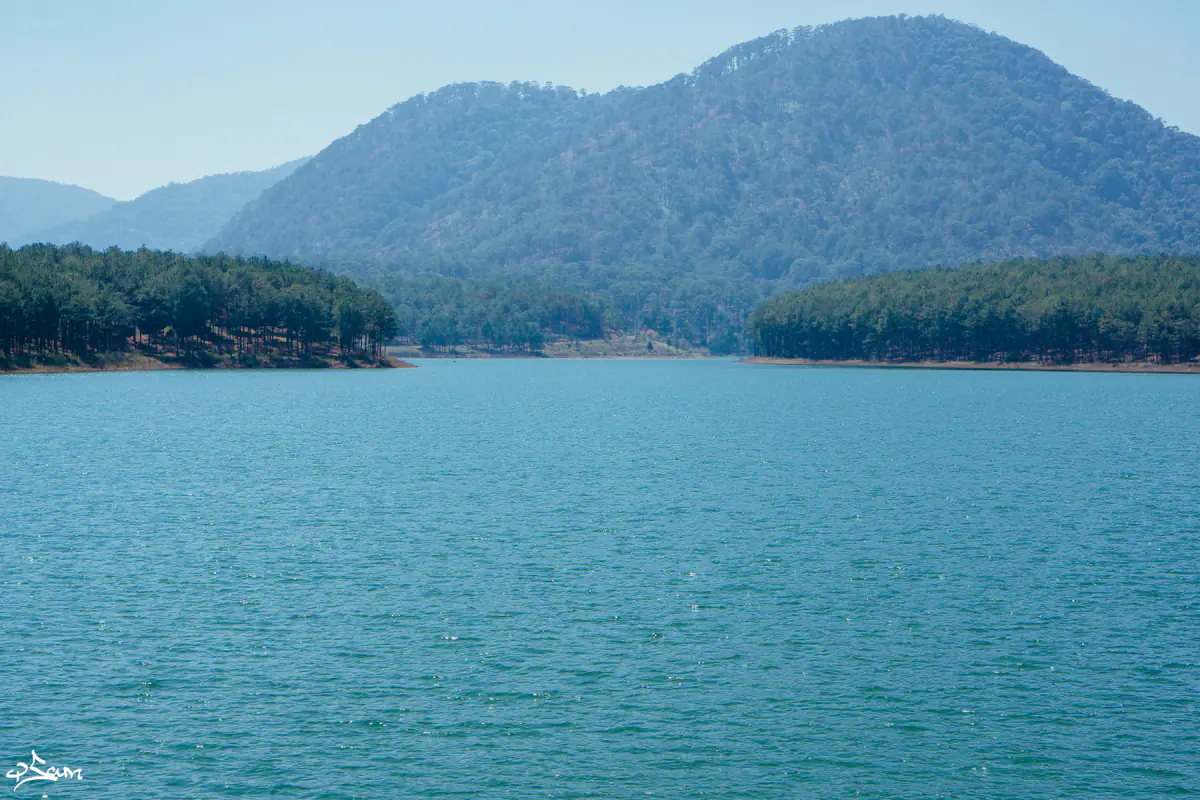
How many days in Da Lat? Why three days are often enough for a first trip
Two days give you a taste of Da Lat; three let you pair the city with a trip into the hills. A fourth day gives you more freedom to choose the weather, but only if you count travel days honestly.
By Da Lat LoversPublished Updated

Three days and two nights are a good starting point for a first visit to Da Lat, provided you reach town early enough on the first day and leave late enough on the last. Choose four days if you want both Langbiang and Cau Dat, plan to look for sunrise clouds, or prefer a relaxed pace with children. Two days suit a short city break; five or more days make sense for hiking, slow travel, photography or working remotely.
Before booking another hotel night, write down two times: when you will actually arrive in central Da Lat and when you must leave it. Those times tell you how many usable mornings and afternoons you have. They are more useful than the attractive but sometimes misleading label “three days, two nights”.
The quick answer: how many days to stay in Dalat
| Length of stay | Best for | What to prioritize | Main compromise |
|---|---|---|---|
| 2 days, 1 night | Short breaks, repeat visitors, people coming from nearby | Xuan Huong Lake, Da Lat Market, cafes and one nearby area | Little room for distant hills or long activities |
| 3 days, 2 nights | Most first-time visitors and travelers adding Da Lat to a Vietnam route | Town center, Tuyen Lam or Datanla, and one northern or eastern outing | Usually choose Langbiang or Cau Dat, not both |
| 4 days, 3 nights | Families, photographers, travelers who enjoy nature | Town plus separate trips towards Tuyen Lam, Langbiang and Cau Dat | An extra night of accommodation, but less backtracking |
| 5+ days | Hikers, slow travelers, remote workers and those traveling in wetter months | Longer outdoor activities, flexible mornings, repeated favorite places | More time is useful only if you want a slower trip |
These are planning suggestions. Someone arriving at 8 am on Friday has a different weekend from someone checking in at 6 pm. Similarly, four calendar days with two long travel days can leave you with only two full sightseeing days.
Count usable mornings rather than calendar days
Many travelers ask how many days in Dalat is enough without first looking at the arrival and departure times. Imagine arriving by bus around 2 pm. There is still the ride to your accommodation, checking in, lunch, and perhaps a short rest. Your first day may be ideal for a walk around Xuan Huong Lake and dinner near Da Lat Market, but it is not a full day for a distant tea plantation.
The departure day is equally deceptive. A 9 am hotel departure leaves no real room for a mountain viewpoint that morning. You may have time for coffee and a short walk, but a trip to Langbiang followed by a return to collect luggage will not fit. Da Lat is a place where plenty of popular activities need daylight, and some require a very early start.
A useful planning method is to divide each day into three blocks: morning, afternoon and evening. The evening block works for food, the market, coffee and an easy stroll. It cannot replace a morning at Cau Dat or the daytime hours of an adventure park. Treat a transfer day as one partial block unless you know the actual arrival time and have allowed for delays.
Consider Friday afternoon to Sunday morning. Booking two nights sounds like a proper weekend, but your usable time might be only Friday evening, Saturday and a little of Sunday. There is nothing wrong with that. The mistake is copying an itinerary that assumes three complete days and then trying to make up for missing hours by driving faster or skipping every meal.
Two days in Da Lat: enough for a taste, not the whole region
Two days in Da Lat can work very well for cool air, a good meal, a little walking and a change of scenery. You could stay near the center, visit Xuan Huong Lake, browse Da Lat Market, and spend time in one cafe rather than moving between six. This approach is especially satisfying for repeat visitors or anyone coming from a nearby city.

Arriving in the morning and leaving late the next day gives you room for one half-day trip beyond the central streets. Tuyen Lam Lake and Truc Lam Monastery make a natural pairing to the south. Datanla Waterfall is another option for forest scenery and perhaps a ride on the alpine coaster. One of them is enough on a very short trip. There is also value in keeping one afternoon unplanned, particularly if you have come to rest.
The trouble begins when a two-day stay becomes a checklist: Cau Dat at dawn, Langbiang after breakfast, Datanla in the afternoon, Tuyen Lam before sunset, then dinner in town. These places point in different directions. Even if a driver could connect them, you would spend much of the day being transported between photo stops. Da Lat's best feature is not the ability to collect location pins quickly.
Cau Dat's tea-growing area lies around 23-25 km east of central Da Lat. Driving there typically takes 40-60 minutes each way, depending on the destination and conditions. A dawn cloud-hunting trip needs an even earlier departure. Langbiang is north of the center, while the lake and waterfall are south. A two-day visit is not the best time to combine all three directions.
A very short stay also makes the hotel location important. A walkable base near the market, cafes and the lake saves repeated trips across town. A more secluded property may be lovely, but it comes with more travel whenever you want a meal or a quick evening stroll. For one night, convenience often beats an ambitious view.
Who should avoid the two-day option? First-time visitors determined to see the tea hills and the mountain, families who need long breaks, anyone arriving from a lengthy bus journey, and travelers who would feel disappointed if one rainy morning disrupted everything. Each of those travelers is better off adding a night or cutting the attraction list before booking.
Three days in Da Lat: the most useful first-visit balance
Three days are usually the answer to “how many days to spend in Dalat?” because they can give you three kinds of experience without making every hour an appointment: a little city life, a nearby nature area, and one journey farther into the highlands. This assumes that your travel schedule leaves useful time on at least one of the arrival or departure days.
Think in geographic clusters rather than individual landmarks. The center includes Xuan Huong Lake, Da Lat Market, cafes and surrounding streets. To the south are Tuyen Lam Lake, Truc Lam Monastery and Datanla. North is Langbiang. East are Trai Mat, Linh Phuoc Pagoda and the Cau Dat tea region. Choosing clusters reduces the problem of crossing town repeatedly to visit places you could have grouped together.
Loading map...
- Xuan Huong Lake: Central cluster
- Da Lat Market: Central cluster, walkable from the lake
- Tuyen Lam Lake: Southern cluster
- Truc Lam Monastery: Southern cluster, on the hill above the lake
- Datanla Waterfall: Southern cluster, waterfall and coaster
- Langbiang Mountain: Northern cluster, about 12 km
- Linh Phuoc Pagoda: East, in Trai Mat
- Cau Dat tea hills: East, about 23-25 km
- Lien Khuong Airport: About 30 km from the center
A relaxed traveler might spend most of the visit in the center and near Tuyen Lam, leaving one morning for breakfast, coffee or the market. An adventure-minded visitor could make Datanla a main activity and give it enough time for the coaster or ropes course. Travelers who care most about scenery and photographs might build the trip around the eastern tea-growing area. None of these choices is a lesser version of the trip.
The third day is particularly valuable because it adds another morning. In Da Lat, a morning can be a calm breakfast, an early tea-hill departure, or a mountain view before the day becomes busier. That extra morning changes what the trip can contain more than another late evening of shopping might.
But three days do not mean every famous attraction will fit comfortably. Setting off for Cau Dat before dawn, returning exhausted, then planning Datanla and Langbiang that afternoon borrows energy from the following day. Better to choose one significant out-of-town experience and enjoy the nearby places properly. A short break in a garden or cafe can be part of the plan.
Three days also suit many international travelers following a route through Vietnam. Two nights here can fit between Nha Trang and another destination if arrival and departure are practical. It is long enough to appreciate how the plateau differs from the coast, yet short enough not to crowd out the other cities you came to see. For those wanting several nature excursions, though, a fourth day is the more sensible choice.
Four days in Da Lat: when you want Langbiang and Cau Dat
Stuck between Dalat 2 or 3 days? First ask whether you also want both Langbiang and Cau Dat. A yes points to four days instead. The mountain lies to the north, the tea hills to the east, and the lake and waterfall to the south. Four days give you room to visit these areas separately instead of turning a pleasant highland holiday into a series of long transfers.
One part of the arrival day can be left for checking in and exploring the center. Other days can be organized by direction: the eastern route towards Trai Mat and Cau Dat; the northern route to Langbiang; the southern route to Tuyen Lam and Datanla. This is a way to choose areas; you still pick which named attractions to visit. Spend longer at the one place that interests you more than the rest.
The extra day also becomes a weather buffer. Rain can upset plans for a waterfall or mountain view, and a fourth day may allow you to swap the outdoor activity for an indoor stop or an afternoon of coffee. It does not guarantee clear skies. It simply makes the whole trip less dependent on one particular morning.
Families often get more value from that flexibility than from a longer sightseeing list. Children need meals and breaks. Older relatives may prefer level paths to steep steps or may not want to spend hours in a vehicle. With four days, you can devote a half-day to one experience and allow the rest of the day to remain easy. That often produces better memories than keeping everyone moving until they are tired.
There is also a practical benefit for people who want a dawn cloud-hunting trip. Leaving at roughly 4-5 am and waiting for the right conditions can make the rest of the day slower. Four days leave the rest of that day free of another demanding attraction. Even without clouds, you can still enjoy the tea landscape and return without feeling the whole holiday was wasted.
Of course, four days cost more than three: another room night, more meals and perhaps another local journey. Yet a compressed itinerary sometimes costs more in car hire because it requires a private vehicle to cover several disconnected routes. Compare the total travel effort and transport plan, not just the nightly room price.
Five days or more: not too long if the destination is the experience
Five days in Da Lat are not excessive for travelers who enjoy a slow rhythm, countryside drives, walking, photography, or working remotely. They may be excessive for someone who only wants to see the market, a waterfall and one famous viewpoint. The question is not whether Da Lat has enough attractions to fill five days. It is whether you want to give those attractions, and the spaces between them, more time.
A longer stay lets you make the tea-growing country a half-day in its own right instead of a rushed sunrise photograph. It gives you the option to spend time by Tuyen Lam Lake, return to a cafe you liked, or arrange a guided walk with enough daylight and flexibility. For a more demanding Langbiang hike, treat the trek as the day's main activity rather than something to squeeze between shopping and a late lunch.
Five days are useful in the wetter months, when a forest activity may need to move to another day. They also appeal to photographers because they provide more than one chance for good early-morning light. Still, clouds depend on the actual weather, and adding two mornings cannot promise a perfect sea of clouds.
Remote workers should count workdays separately. A Monday of meetings, emails and a deadline is not a full sightseeing day simply because you are in Da Lat. A five-day stay might provide two complete exploring days, two work-focused days and one transfer day. That can be a better arrangement than trying to work from a different cafe between long excursions.
For travelers with ten to fourteen days in Vietnam, however, five days is a substantial allocation. Staying longer means giving up time somewhere else. A trip built around Hanoi, Hoi An and the coast may need only two or three nights in Da Lat. Travelers who came primarily for cool weather, pine forests and slower travel may find four or five nights the highlight. The decision belongs to your travel priorities, not to a universal ranking of destinations.
Which experiences actually justify another day?
Langbiang
North, about 12 km

Langbiang is about 12 km north of central Da Lat. In 2026, admission is VND 50,000 per adult and the dedicated vehicle to Radar Peak costs VND 120,000 per passenger. Visitors are admitted 7:30 am-5 pm. These are separate charges. A straightforward visitor-area excursion may fit into a generous half-day; a real hike requires a different plan and more preparation.
Cau Dat
East, about 23-25 km
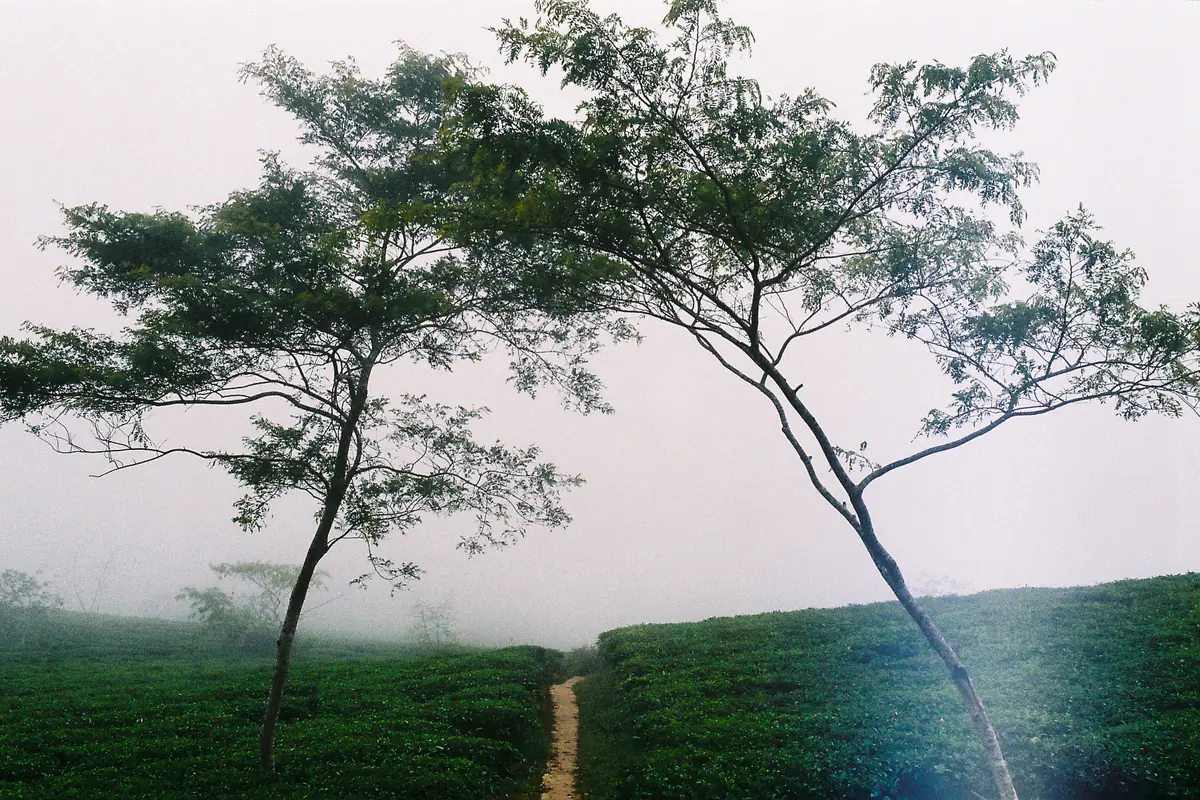
Cau Dat is around 23-25 km east of the city center, with a typical drive of 40-60 minutes each way. The tea-producing area includes different viewpoints, cafes and privately operated experiences; do not assume they all share one entrance or one admission fee. Cloud hunting around 5-6:30 am may mean leaving town around 4-5 am. The exact timing depends on your accommodation, the chosen location and conditions on the day. Clear skies or a sea of clouds cannot be booked in advance.
Tuyen Lam Lake and Truc Lam Monastery
South, same direction as Datanla
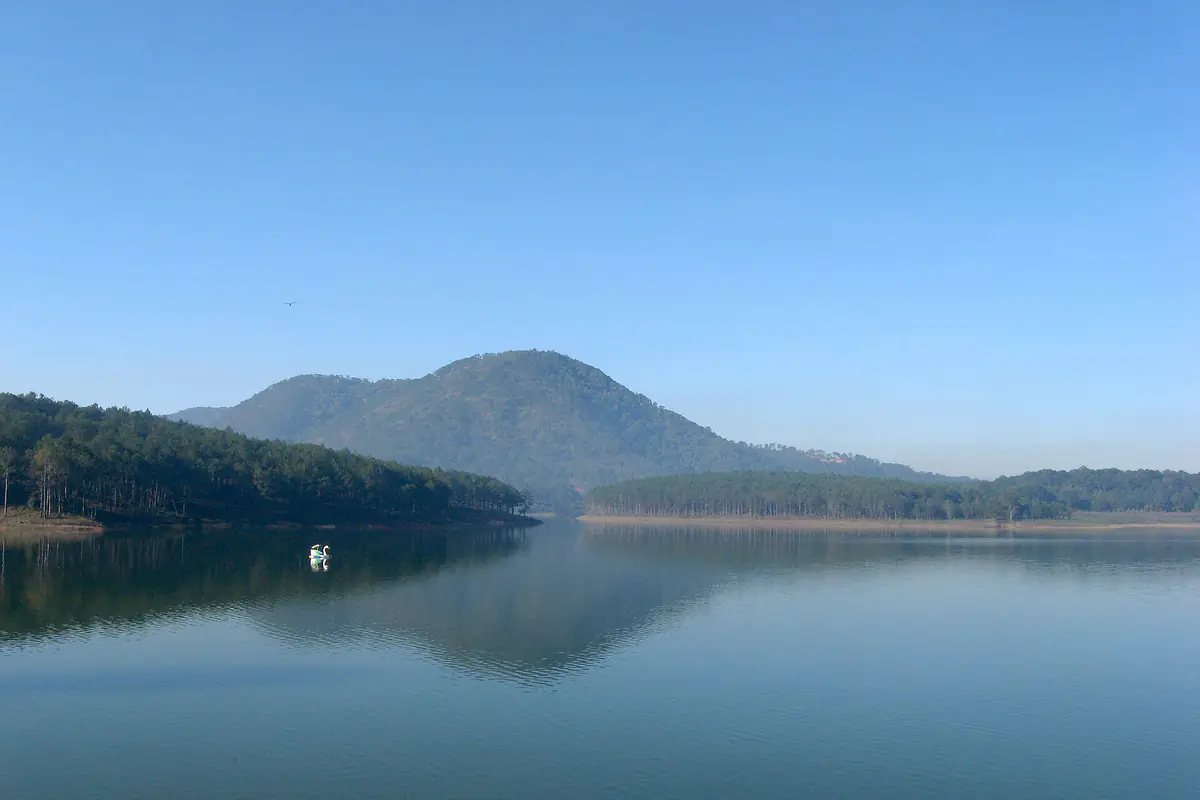
Tuyen Lam Lake and Truc Lam Monastery make sense together because they are in the same southern direction. They are better choices for a relaxed half-day than for hurried tick-box sightseeing. You can enjoy lake views and a slower pace without committing to a major adventure activity. Add Datanla only if you have the energy and enough daylight to do more than arrive, buy a ticket and leave again.
Datanla Waterfall
South, about 5 km

Datanla is around 5 km south of central Da Lat. The 2026 prices are VND 80,000 for adult admission to Waterfall 1, VND 50,000 for children, and VND 130,000 per adult for the return Alpine Coaster 1, with admission sold separately. The park opens 7:30 am-4:30 pm, and booked visitor tickets are accepted from 7:15 am to 4:30 pm. The high ropes course has a shorter admission window, 8 am-2 pm. Check that activity's own entry cutoff and arrive earlier.
An important distinction runs through all four places: traveling to a destination is not the same as experiencing it. You might reach a viewpoint, take a photograph and leave in twenty minutes; you cannot compress a proper hike into the same time. A cloud-hunting morning cannot simply be moved to 11 am if you overslept. Add a day for the experiences you care about, rather than for the number of names on your map.
Travel time matters, especially from Nha Trang and Lien Khuong Airport
Da Lat is served by Lien Khuong Airport, around 30 km from the city. The airport resumed operations on August 19, 2026 after runway and taxiway work. Available flights, schedules and fares still depend on your dates. Even if a flight lands around lunchtime, you must allow time for baggage, the transfer into town and checking in. The afternoon may be useful, but it is not a complete sightseeing day.

Traveling overland from Nha Trang takes you through highland roads and the Khanh Le Pass on National Highway 27C. The journey is roughly 135 km, but you should allow around four to five hours or more rather than treating it like a flat highway drive. Rain, repairs, pickup stops and traffic restrictions all matter. Khanh Hoa's Department of Construction announced on February 13, 2026 that the pass is open to vehicles from 5 am to 6 pm daily, with alternative routes needed outside that window. Check for updated restrictions before travel: a dated notice is not a permanent promise about future conditions.
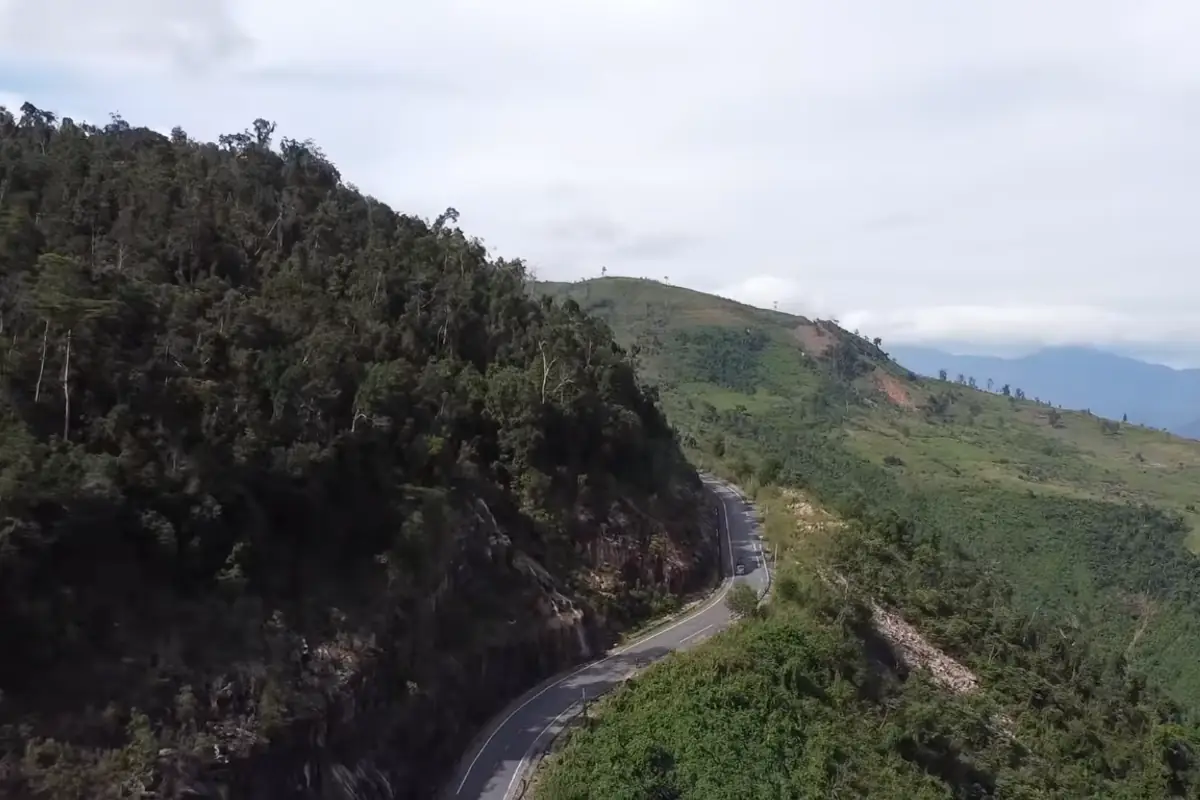
For international visitors mapping a two-week Vietnam holiday, one fewer city change can be worth more than one additional sightseeing stop. The Nha Trang-Da Lat transfer alone uses a substantial part of the day. Decide whether you want the contrast between beach and highland life enough to make the journey, then give Da Lat the number of useful mornings that choice deserves.
Should you stay longer in the rainy season?
Da Lat is cooler than much of coastal Vietnam, but it is not dry throughout the year. The wetter period broadly runs from April to October, while the later months of the year and early months of the next tend to suit outdoor sightseeing better. These are seasonal patterns, and specific dates can differ. It can rain during a supposedly good month and be clear and bright during a wetter one.
A holiday of reading in a cafe, browsing the market and walking whenever the rain stops can work without an extra day. Leave enough blank time and keep an indoor alternative. A plan with a waterfall activity, a mountain viewpoint and a dawn cloud-hunting trip is different: four days instead of three give you more room to swap plans when conditions change.
It is worth separating the weather risks too. Rain can make steep trails slippery. Fog and low cloud may block the view from a mountain. Outdoor activity operators may change schedules according to conditions. For trekking or adventure sports, follow the operator's instructions and current weather advice rather than trying to preserve your itinerary at all costs.
Will staying longer cost much more?
The simplest difference between three days and two nights and four days and three nights is another accommodation night and another day of meals. Transport may add more, depending on whether you use taxis, a car with a driver, or organized excursions. It is misleading to quote a single daily budget for everyone without knowing their hotel location and preferred activities.
Also separate attraction admission from optional experiences. The 2026 prices list VND 50,000 admission to Langbiang and VND 120,000 for the Radar Peak vehicle per adult or passenger respectively. At Datanla, entry and the return Alpine Coaster 1 ticket are sold separately. A budget that includes only entrance fees will not necessarily cover the experience you were imagining.
On a fixed budget with two nights, you can often get more out of the visit by choosing accommodation near the areas you will walk around and removing a distant detour. For a longer stay, resist the urge to spend the extra time on additional ticketed attractions just to justify the room cost. A slow breakfast or an afternoon by the lake does not need an entrance fee.
Convenience is part of the cost when you compare three and four days. A hectic three-day plan might require a dedicated vehicle for long periods, while four days can leave more room to group places geographically and use a calmer transport schedule. The cheaper hotel total can turn out to be the less comfortable, poorer-value trip.
A simple way to decide your own length of stay
First, count usable mornings. If cloud hunting matters, protect a morning when you can leave before dawn, and ideally keep a backup. Wandering markets and cafes leaves your time more flexible. Morning availability is often the single detail that turns a “two or three days?” question into an obvious answer.
Second, mark the directions you want to travel. Central Da Lat is one cluster; Tuyen Lam and Datanla are south; Langbiang is north; Trai Mat and Cau Dat are east. Two days cover the center and perhaps one nearby area. Three let you explore the center and one larger excursion without rushing. Four give you better odds of giving several directions the time they deserve.
Third, decide whether this is a rest or an activity trip. A rest trip needs empty spaces in the schedule. A photography or hiking trip needs the hours demanded by the terrain and the light. Neither style is more authentic than the other. Problems arise when you want the slow version but book the timetable of a group chasing every viewpoint.
The practical rule is simple: two days for a compact city break, three days for a first visit with one substantial out-of-town experience, four days when both Cau Dat and Langbiang matter, and five or more for slow travel, hiking, work or weather flexibility. Then subtract the hours you lose getting in and out. If two supposed sightseeing days disappear into transport, add a night or remove a destination.
Once you have chosen your stay, use the separate Da Lat 3 days and 2 nights itinerary for a three-day stay, or try the Da Lat itinerary planner to group places by direction. Start with your arrival time, departure time and one experience you would genuinely regret missing.
FAQ
How many days in Dalat is enough for first-time visitors?
Three days and two nights are a good baseline if arrival and departure times are favorable. Four days are more comfortable for Cau Dat, Langbiang, Datanla and Tuyen Lam without a rushed sequence. Always count the actual sightseeing hours before choosing.
Dalat 2 or 3 days: which is better?
Three days are better for most first-time visitors because you gain a useful morning and more room for one excursion outside the center. Two days can still be enjoyable for a short city break, especially if you arrive early and leave late. An arrival late on Saturday and departure early Sunday is essentially an overnight stop.
Are five days in Da Lat too many?
Not if you enjoy slow mornings, cafes, nature, photography, hiking or remote work. Five days are probably more than you need for only the central market and a few sightseeing attractions. In a packed Vietnam itinerary, compare the extra Da Lat nights with the time you would give up elsewhere.
Do I need a fourth day for Cau Dat cloud hunting?
Not necessarily. A three-day stay can include a dawn trip to Cau Dat if your schedule allows it. A fourth day is useful when you also want Langbiang, need more rest, or want a chance to rearrange plans because of rain. Extra time does not guarantee visible clouds.
How many days should I spend in Da Lat on a two-week Vietnam trip?
For many multi-stop routes, two or three nights make sense. Count the overland journey from Nha Trang as a transfer, not a full sightseeing day. Consider three or four nights if the highlands are a major part of your trip and you want tea country, mountain scenery or a guided hike.