Vietnam vaccinations for first-time visitors: what to check before you fly
Vietnam does not routinely require vaccination certificates for entry, but hepatitis A, typhoid and routine vaccinations are worth checking before departure. Japanese encephalitis, rabies vaccines and malaria tablets depend more on where you go, how long you stay and what you do.
By Da Lat LoversPublished Updated
Vietnam vaccinations: what do you need before traveling?
A traveler spending ten days in Hanoi, Ha Long Bay and Hoi An will usually have a different malaria assessment from someone camping near forests in Vietnam's Central Highlands. Both should check their routine vaccinations and discuss common travel vaccines. The difference comes down to location, length of stay and exposure to mosquitoes or animals.
There are no routine vaccination certificate requirements for entering Vietnam, but several vaccines are recommended for travelers. You should also prepare for mosquito-borne illnesses such as dengue fever, even if your entire trip takes place in major cities.
This guide is for visitors from the UK, Australia, Ireland, New Zealand and elsewhere, including anyone combining Vietnam with Cambodia or Thailand. It explains what to ask at a travel clinic and does not replace individual medical advice.
Your doctor or travel health professional makes the final recommendations, based on your medical history and travel plans.
Are any vaccinations required for Vietnam?
For an ordinary tourist visit, Vietnam does not require you to present a routine vaccination certificate at immigration.
The UK's TravelHealthPro lists no vaccination certificate requirements under the International Health Regulations, and the Government of Canada confirms that yellow fever vaccination proof is not required for Vietnam.
That is an entry requirement; medical recommendations are a separate matter. You can enter Vietnam without having received hepatitis A or typhoid vaccines, for example, but a travel health professional may still recommend them.
Do you need a yellow fever vaccination?
Not for Vietnam itself.
Yellow fever does not occur in Vietnam, and vaccination against it is not recommended solely for traveling there.
A journey that includes countries where yellow fever occurs is different: check the requirements for every destination and transit point. Other countries may have their own certificate rules for arrivals from a yellow fever risk area.
One country's entry requirements tell you nothing about the rest of your itinerary.
Is a COVID-19 vaccination certificate required?
Vietnam has no routine COVID-19 vaccination certificate requirement for tourists.
Staying up to date with COVID-19 vaccinations, according to your home country's recommendations, remains sensible.
Travelers may still be required to complete health declarations, potentially including vaccination information.
A health declaration is not the same as a standing requirement for a particular vaccine. Check your airline and the relevant Vietnamese authorities before departure because arrival procedures can change.
What about traveling from the UK or Australia?
Your departure country does not decide which travel vaccines you need.
Someone flying from London and someone flying from Sydney can have similar health risks once they arrive in Vietnam. What differs is their previous vaccination history, access to healthcare and the recommendations used by their home country's medical system.
That is why a GP appointment or travel clinic consultation is more useful than simply searching for a fixed list of compulsory injections.
Which vaccines are recommended for Vietnam?
Split them into three groups: routine vaccinations, those commonly recommended for Vietnam and those needed only for certain itineraries.
| Vaccine | General recommendation | Who should discuss it? |
|---|---|---|
| MMR (measles, mumps, rubella) | Keep routine protection up to date | All travelers |
| Diphtheria, tetanus, pertussis and polio | Review existing protection and boosters | All travelers |
| Seasonal flu and COVID-19 | Follow current national guidance | All travelers, particularly higher-risk groups |
| Hepatitis A | Recommended for most unvaccinated travelers | Most visitors |
| Typhoid | Recommended for most travelers | Especially longer stays and rural travel |
| Hepatitis B | Discuss according to vaccination history and exposure | Unvaccinated visitors, long-stay travelers and higher-risk groups |
| Japanese encephalitis | Depends on duration, location and activities | Rural travelers, outdoor enthusiasts and longer stays |
| Rabies | Depends on animal exposure and medical access | Cyclists, trekkers, children and people staying remotely |
| Dengue | Not a routine travel vaccine for everyone | Selected travelers after specialist assessment |
Nobody needs to book every vaccine in this table. Some may already be covered by childhood immunizations, and others matter only if your plans involve particular activities or locations.
Start by checking your routine vaccinations
Before paying for additional Vietnam travel vaccinations, find out what you have already received.
In the UK, your GP or NHS App may help you retrieve your vaccination history. Australians can check records held in the Australian Immunisation Register through myGov.
Routine protection against measles, diphtheria, tetanus and polio matters when traveling internationally.
Measles can spread in crowded indoor spaces, including airports, trains and busy accommodation, not only in remote villages.
For tetanus, the question is whether your existing vaccination course and any required boosters are up to date. Trekking, cycling and other outdoor activities make it worth reviewing protection, as wounds may occur far from medical facilities.
Your clinician can determine whether you need anything further. An old vaccination record is more useful than guessing based on your age.
Hepatitis A and typhoid: two vaccines worth discussing early
Hepatitis A
Hepatitis A is transmitted mainly through contaminated food or water and close contact with someone who is infected.
Hepatitis A vaccination is recommended for previously unvaccinated travelers visiting Vietnam, on ordinary holidays as well as backpacking or volunteering trips.
Imagine a 12-day trip beginning in Hanoi, continuing to Ninh Binh and Hoi An, then finishing in Ho Chi Minh City. You may eat at hotel restaurants, family-run cafes, food markets and street stalls. Hepatitis A prevention is still worth discussing even if you are not traveling into remote areas.
Vaccination does not mean you can ignore food hygiene.
Choose food that is freshly cooked and served hot, wash your hands regularly and pay attention to drinking water. These habits help reduce other food- and water-borne illnesses that a hepatitis A vaccine cannot prevent.
Typhoid
Typhoid fever is a bacterial infection spread through contaminated food and water.
Vaccination is commonly recommended for travelers visiting Vietnam. It matters most if you plan to stay with local families, visit rural communities, travel frequently or spend an extended period in places where sanitation may be limited.
A person spending four days at a coastal resort may have a different exposure pattern from someone traveling independently for six weeks.
Still, staying in a comfortable hotel does not eliminate the risk.
Typhoid vaccines do not provide complete protection. Keep practicing good food and water hygiene throughout your trip.
Tell the clinician when you received any earlier typhoid vaccine. They can assess whether additional protection is needed.
Hepatitis B: consider your existing protection
Hepatitis B is spread through infected blood and certain body fluids. It is not transmitted by ordinary social contact such as sharing a meal.
Vaccination is worth discussing with your clinician, particularly if you have never been vaccinated.
Risk factors include medical or dental procedures, exposure to blood through work, unprotected sexual contact, tattoos or piercings performed with non-sterile equipment, and certain activities that carry a risk of injury.
Long-term travelers and expatriates should know their hepatitis B status.
The vaccine is useful for short stays too. A short-term visitor who has never been vaccinated may want to discuss hepatitis B protection for future travel and general health.
A motorcycle trip through northern Vietnam, for example, means considering the possibility of needing medical care after an accident. Hepatitis B exposure is not inevitable; healthcare exposure is one factor in the assessment.
Bring your vaccination history to the appointment, and your clinician can review it before starting any new course.
Japanese encephalitis in Vietnam: who should consider vaccination?
Japanese encephalitis is a viral infection transmitted by mosquitoes. Although infection is uncommon among short-term travelers, the disease can cause serious neurological complications.
The virus circulates in Vietnam, particularly in rural environments associated with rice fields, wetlands and animal farming.
Most people on a short, city-focused holiday are at lower risk than travelers spending substantial time in rural areas.
How long do you need to stay before vaccination becomes relevant?
The CDC recommends Japanese encephalitis vaccination for travelers who will spend one month or longer in Vietnam.
It also advises considering vaccination for shorter trips involving activities or accommodation that increase mosquito exposure.
The UK's TravelHealthPro also weighs travel duration, season, rural exposure and uncertainty about the itinerary.
This is not simply a matter of counting days.
A person staying in a comfortable hotel in central Hanoi for three weeks may have a lower exposure risk than someone spending a shorter period camping near rice fields.
Which activities increase the risk?
Camping, hiking, long-distance cycling and rural fieldwork deserve closer attention.
So does staying in accommodation without reliable mosquito screens, air conditioning or bed nets.
Rice-growing areas and places near pig farming also weigh on the risk assessment.
Japanese encephalitis transmission occurs throughout the year in Vietnam, although the CDC identifies a seasonal peak from May to October, especially in northern regions.
That does not make the remaining months risk-free.
Do you need a Japanese encephalitis vaccine for Sa Pa or Ha Giang?
Consider two visitors spending three nights in Sa Pa. One stays in a central hotel and uses a private car for daytime sightseeing. The other spends long hours walking between rural villages and sleeps in basic accommodation near agricultural land.
The destination name is the same, but the exposure is different.
The same principle applies to Ha Giang, Mai Chau and the countryside outside Da Lat.
Give your travel clinic the names and approximate locations of each rural destination on your trip, not just "northern Vietnam".
What about Hoi An and Da Lat?
A short holiday based in central Hoi An or Da Lat is not, on its own, a reason for Japanese encephalitis vaccination.
Cycling through agricultural areas, camping or sleeping in rural accommodation may change the assessment.
The better question for your clinician is how much mosquito exposure your particular visit is likely to involve, more than whether a town has Japanese encephalitis.
Rabies vaccination: important for rural and outdoor travel
Rabies is present in Vietnam. Dogs are an important source of human exposure, although other mammals can also transmit the virus.
Whether you need rabies vaccination before traveling depends on your plans.
Pre-exposure vaccination may be recommended for people who expect greater contact with animals or who will be far from medical facilities.
That includes some cyclists, runners, trekkers, animal workers, cave explorers and long-term travelers.
Families traveling with young children should also discuss rabies risks. Children may be more likely to approach animals and less likely to report a minor scratch.
Do you need rabies vaccination for a Ha Giang motorbike trip?
Not automatically, but it is worth discussing.
A multi-day route through remote communities may involve encounters with free-roaming dogs, and access to medical treatment can be more difficult than in Hanoi.
Pre-exposure vaccination may be most useful for weeks in rural Vietnam, because it simplifies the treatment needed after an exposure.
The decision still depends on your medical history, travel plans and access to care.
What if you are bitten or scratched after vaccination?
Seek medical care urgently.
Pre-exposure vaccination does not remove the need for post-exposure assessment and treatment.
Avoid feeding, petting or handling unfamiliar animals, including apparently friendly ones.
Dengue fever in Vietnam: mosquito protection matters everywhere
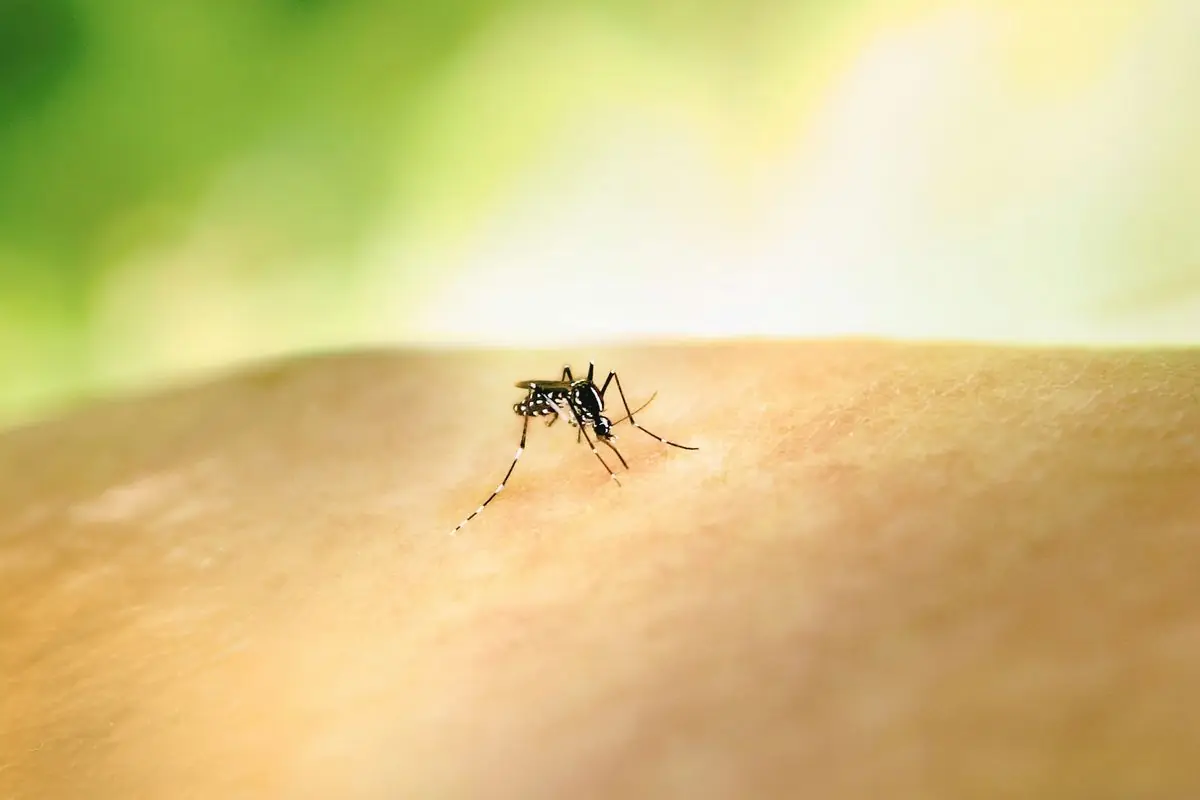
Dengue fever is one of the most relevant mosquito-borne illnesses for ordinary visitors to Vietnam.
It occurs in cities and coastal destinations as well as rural communities.
Exposure can happen far from any jungle.
A morning walk in Ho Chi Minh City, an afternoon at a garden cafe in Da Nang or a few hours sitting outdoors in Phu Quoc can all involve mosquitoes.
The mosquitoes that transmit dengue tend to bite during the day, most of all around early morning and late afternoon.
Dengue transmission can occur year-round in Vietnam, with seasonal increases commonly associated with rainy conditions.
Is there a dengue vaccine for travelers?
Dengue vaccines exist, but they are not routinely recommended for every tourist.
Eligibility, regulatory approval and medical guidance differ between countries.
For example, UK TravelHealthPro guidance allows dengue vaccination to be considered for some travelers with previous dengue infection, following individual clinical assessment. US CDC guidance does not recommend dengue vaccination for travelers.
Visiting Southeast Asia is not, by itself, a reason to get a dengue vaccine.
Your previous dengue history, medical circumstances and the vaccine available in your home country matter.
How do you avoid mosquito bites?
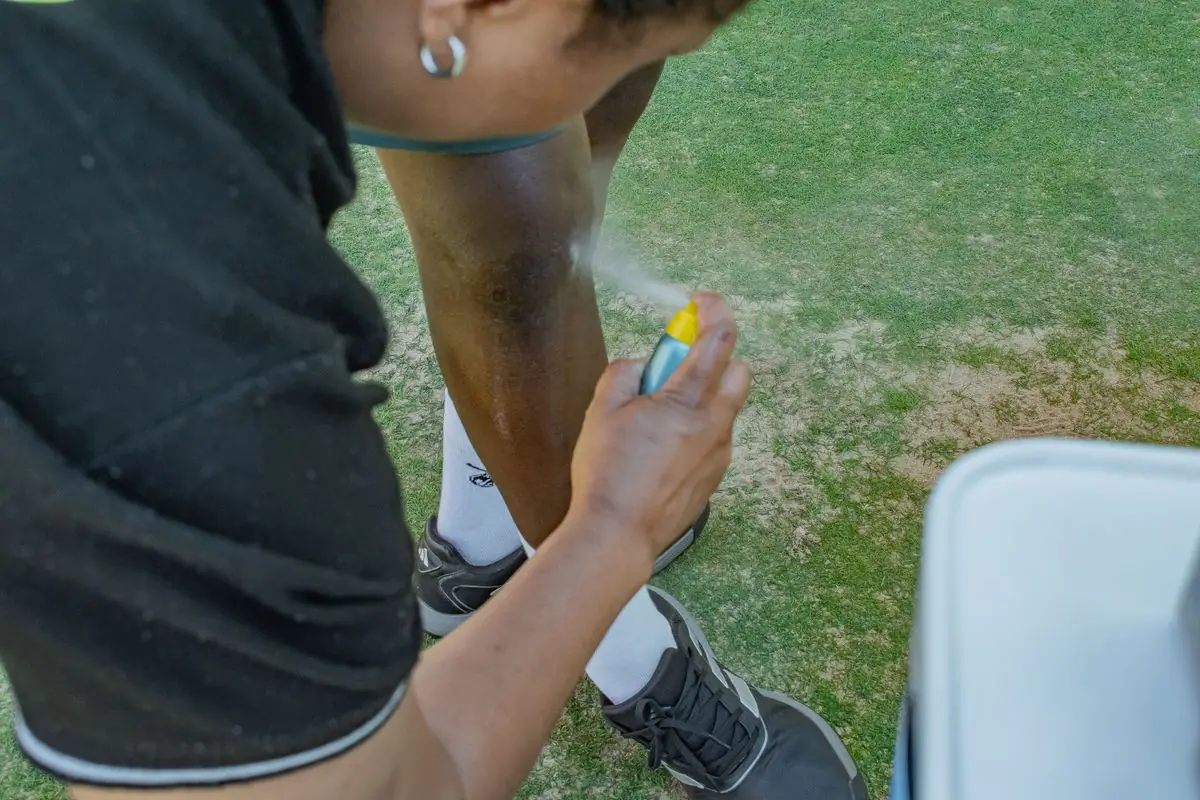
Use an effective insect repellent containing an appropriate active ingredient, such as DEET or picaridin, according to the product label.
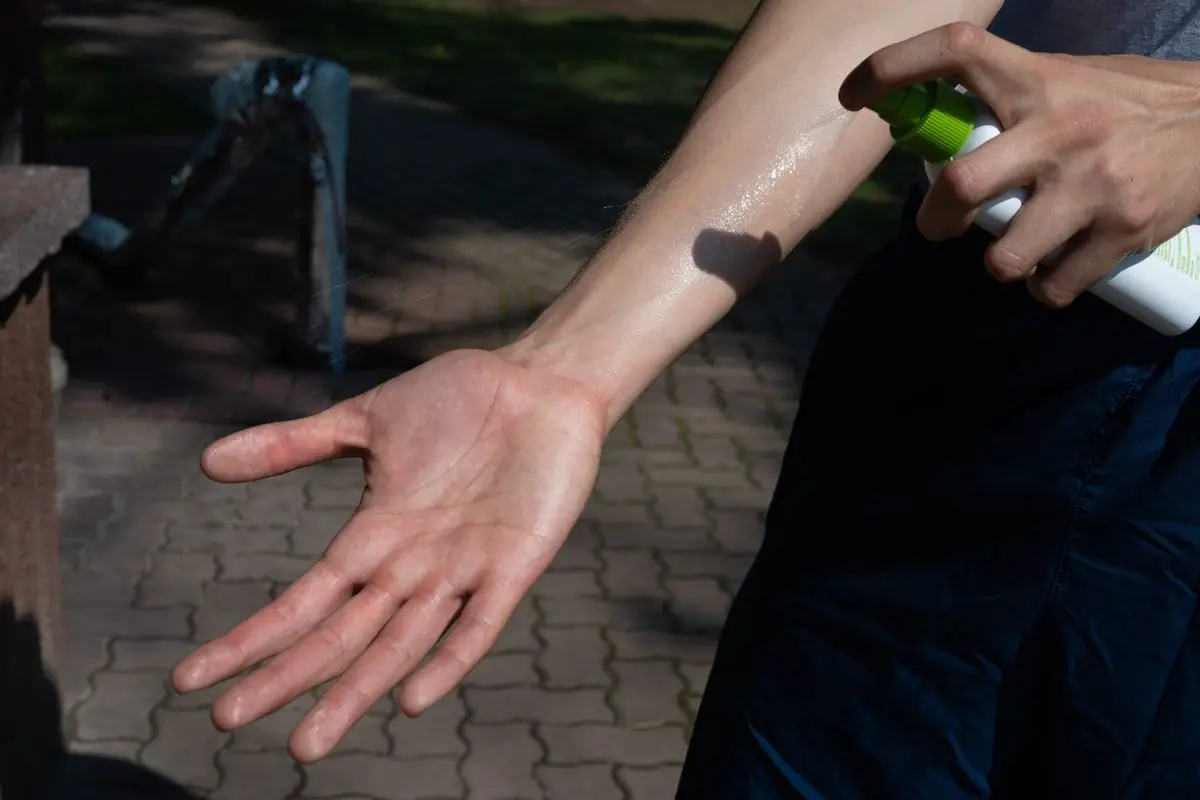
Pack it before your journey if you prefer a familiar brand. You can also ask a pharmacist in Vietnam for a suitable product.
Wear loose-fitting long sleeves and pants when practical, especially when spending time outdoors.
Choose accommodation with air conditioning, screened windows or suitable mosquito nets. This matters most in rural homestays and accommodation open to the outdoors.
Ask about mosquito nets before arrival at any place without adequate screening, instead of discovering the problem late at night.
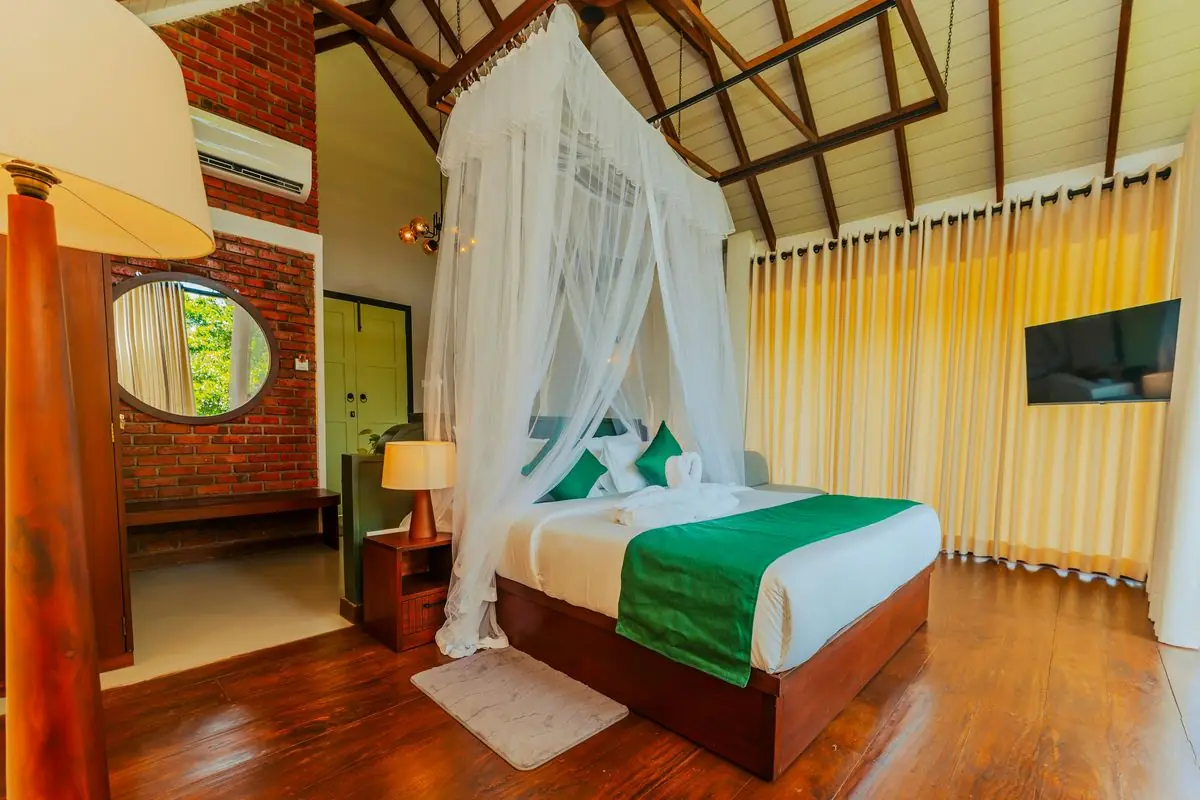
Different mosquito species are active at different times. Protect yourself during the day for dengue and around dusk and overnight for other mosquito-borne infections.
What if you develop dengue symptoms?
Dengue may cause fever, headache, muscle or joint pain, nausea and rash.
Seek medical advice if you become unwell. Symptoms alone are not enough to diagnose yourself.
Do I need malaria tablets for Vietnam?
For most short holidays focused on major cities and popular coastal destinations, malaria prevention tablets are usually unnecessary.
Malaria remains a concern in certain rural and forested areas of Vietnam.
A place where you may be bitten by mosquitoes is not the same as a place where malaria transmission is established.
Dengue-carrying mosquitoes can be present in a city that has no known local malaria transmission.
Where is malaria not normally a concern for tourists?
The CDC Yellow Book 2026 identifies no known malaria transmission in the cities of Hanoi, Hai Phong, Da Nang, Nha Trang, Quy Nhon and Ho Chi Minh City.
It also reports that malaria cases are rare in the Red River Delta and Mekong Delta, so antimalarial tablets are not recommended routinely for these regions.
UK TravelHealthPro guidance lists no malaria risk in major cities, the Red River Delta, coastal areas north of Nha Trang and Phu Quoc Island.
For a typical itinerary, the planning picture looks like this:
| Destination or itinerary | Usual approach |
|---|---|
| Hanoi, Ha Long Bay and Ninh Binh | Mosquito protection; malaria tablets generally unnecessary |
| Da Nang, Hoi An and Hue | Mosquito protection for standard tourist itineraries |
| Central Nha Trang | Malaria tablets generally unnecessary |
| Ho Chi Minh City | Malaria tablets generally unnecessary |
| Phu Quoc | Mosquito protection; no malaria risk listed by TravelHealthPro |
| Mekong Delta sightseeing | Malaria tablets not routinely recommended by CDC |
| Rural Central Highlands | Individual malaria assessment needed |
| Forest trekking or remote overnight stays | Discuss preventive medication before traveling |
These are broad planning distinctions. A clinician still needs to assess your exact accommodation and activities.
Why do UK and US malaria recommendations differ?
You may notice that a UK travel clinic and a US source appear to give different advice about rural Vietnam.
The CDC recommends malaria chemoprophylaxis for travel to many rural areas outside the Red River and Mekong deltas.
UK TravelHealthPro classifies many rural areas, including parts of Lam Dong, Dak Lak, Gia Lai and Kon Tum, as low risk. Its guidance generally emphasizes mosquito bite avoidance and may consider antimalarial medication in exceptional individual circumstances.
These are genuine differences in national risk assessments.
Bring your route to a travel health professional who can apply the guidance appropriate to you, and do not just pick whichever answer sounds easier.
Do you need malaria tablets for Da Lat?
Staying around Xuan Huong Lake, exploring central Da Lat and visiting nearby cafes does not make malaria tablets an automatic purchase.
A longer stay in rural Lam Dong, particularly near forested areas, requires a more specific assessment.
The province name alone does not tell the whole story.
Similarly, a hotel in a provincial capital carries a different risk from several nights in a remote forest camp within the same province.
Can you take malaria tablets just in case?
You should not start preventive malaria medication without medical advice.
The appropriate medicine depends on where you are going, your health, possible interactions with other medicines, local resistance patterns and other individual factors.
Some antimalarial drugs are unsuitable for certain areas because of resistance.
Your doctor will decide whether medication is needed and, if so, which option is appropriate.
This guide deliberately does not provide doses or treatment schedules.
What changes if you visit Cambodia or Thailand too?
Vietnam travel vaccinations are often part of a longer Southeast Asia trip.
A common route might combine Hanoi, Hoi An and Ho Chi Minh City with Siem Reap in Cambodia and Bangkok in Thailand.
Another traveler might spend several weeks trekking through forests near international borders.
These two itineraries require different assessments, even though both involve the same countries.
Cambodia
CDC guidance describes little or no malaria transmission around central Siem Reap, the main Angkor Wat temple complex and Phnom Penh.
The risk is different in more remote forested areas, where preventive malaria medication may be recommended.
Days at Angkor's main temples and nights in a screened or air-conditioned hotel are assessed differently from sleeping in forest camps.
Thailand
Malaria risk in Thailand is concentrated more heavily in certain forested regions near the borders with Myanmar and Cambodia and some southern areas.
Bangkok, Phuket and central Chiang Mai are not assessed in the same way as remote forest destinations.
Japanese encephalitis vaccination may also become more relevant when the combined duration and mosquito exposure across several countries are considered.
Tell the travel clinic about the full route.
Two weeks in Vietnam, one week in Cambodia and two weeks in Thailand should be assessed as a five-week journey, rather than three unrelated short holidays.
When should you book Vietnam travel vaccinations?
Aim to see a GP or travel health professional four to eight weeks before departure.
Some vaccinations require multiple appointments, while others need time to produce an immune response.
The Australian Government recommends consulting a doctor or travel clinic six to twelve weeks before overseas travel, which is especially useful for complex itineraries.
- 6-8 weeks before
Book and gather your records
Book your appointment and gather your vaccination record.
Write down the countries you will visit, dates, major overnight stops and outdoor activities.
Tell your clinician if you are pregnant, planning pregnancy, immunocompromised, taking regular medication or managing a chronic medical condition.
Mention previous severe vaccine reactions or other relevant medical history too.
- 2-4 weeks before
Finish doses and pack
Go to the remaining vaccination appointments your clinician scheduled.
Make sure you have suitable mosquito repellent, essential personal medication and copies of prescriptions if needed.
If malaria prevention medication has been prescribed, clarify the instructions before leaving home.
You do not want to arrive at a remote destination still uncertain about your medication.
- Next week
Still worth an appointment
Book a consultation anyway.
Not every useful preventive measure requires several weeks. A clinician can explain what can reasonably be done before departure and whether any further care should be arranged.
A late appointment beats skipping travel health advice altogether.
Vietnam vaccinations NHS: advice for UK travelers
From the UK, start with NHS travel vaccination information and the TravelHealthPro Vietnam country page.
The NHS recommends arranging travel health advice at least four to six weeks before departure.
Some travel vaccinations can be provided free through the NHS following an appropriate assessment. These include hepatitis A, typhoid and polio protection.
Vaccines such as Japanese encephalitis, rabies and hepatitis B are not routinely provided free as travel vaccinations.
You may need a private travel clinic, a pharmacy offering travel health services or a GP practice that provides the relevant service.
Prices vary between providers and vaccine types, so check the total cost when booking rather than comparing injection prices alone.
Ask, too, whether your proposed course requires more than one appointment.
For malaria, use the UK country-specific guidance and discuss any significant rural exposure with your clinician.
A normal two-week Vietnam itinerary does not usually call for malaria tablets.
Vietnam vaccinations for Australian, Irish and New Zealand travelers
Australian travelers
Australians can use the Australian Government's travel immunization guidance, Smartraveller and their GP or travel health clinic.
Check your previous vaccinations in the Australian Immunisation Register, which can be accessed through myGov.
Some travel vaccines may fall outside publicly funded immunization programs, so there may be consultation and vaccination costs.
Smartraveller also advises Australian visitors to take mosquito-borne diseases seriously, including dengue, Japanese encephalitis and malaria in relevant locations.
For a trip involving rural Vietnam, bring a detailed route rather than asking only for a standard Vietnam vaccination package.
Irish travelers
For travelers from Ireland, the Department of Foreign Affairs recommends checking with a doctor well ahead of departure about necessary vaccinations.
A GP or travel medicine clinic can review your routine immunizations and any destination-specific recommendations.
Ireland's official Vietnam travel advice also highlights dengue fever, including its presence in major tourist destinations.
Mosquito prevention should remain part of your preparation even when malaria tablets are unnecessary.
New Zealand travelers
New Zealand visitors should check their routine immunizations and discuss additional travel vaccines with a healthcare professional.
SafeTravel provides government travel guidance, while local medical services can advise on vaccination history and individual needs.
The need for hepatitis A, typhoid, Japanese encephalitis or other travel vaccines depends on your existing protection and itinerary.
Longer stays, travel with children and visits to remote rural communities justify a more detailed discussion.
Can you get vaccinations or buy medicine in Vietnam?
Medical services are available in major Vietnamese cities, but access and quality vary considerably between facilities and regions.
International and private clinics operate in Hanoi, Ho Chi Minh City and Da Nang. Finding a clinician who speaks English may be easier in these cities than in remote districts.
Some medical services and vaccines may not be readily available outside major urban centers.
For that reason, it is better to organize essential travel vaccinations before leaving home rather than counting on completing everything after arriving.
What if you need another vaccine appointment?
Contact a licensed medical provider before traveling to its clinic.
Explain which vaccine you need, your previous vaccination history and whether you have documentation of earlier doses.
Ask whether the vaccine is available and whether the facility can provide appropriate medical records.
Not every Vietnamese hospital or vaccination center stocks the vaccines used in the UK or Australia.
Can you buy malaria tablets at a Vietnamese pharmacy?
Availability varies, and you should not rely on finding a particular antimalarial medicine after arriving.
If your doctor recommends malaria prevention medication, arrange it before traveling wherever possible.
Vietnam has pharmacies selling a wide range of medicines, but purchasing a medicine does not replace a clinical assessment.
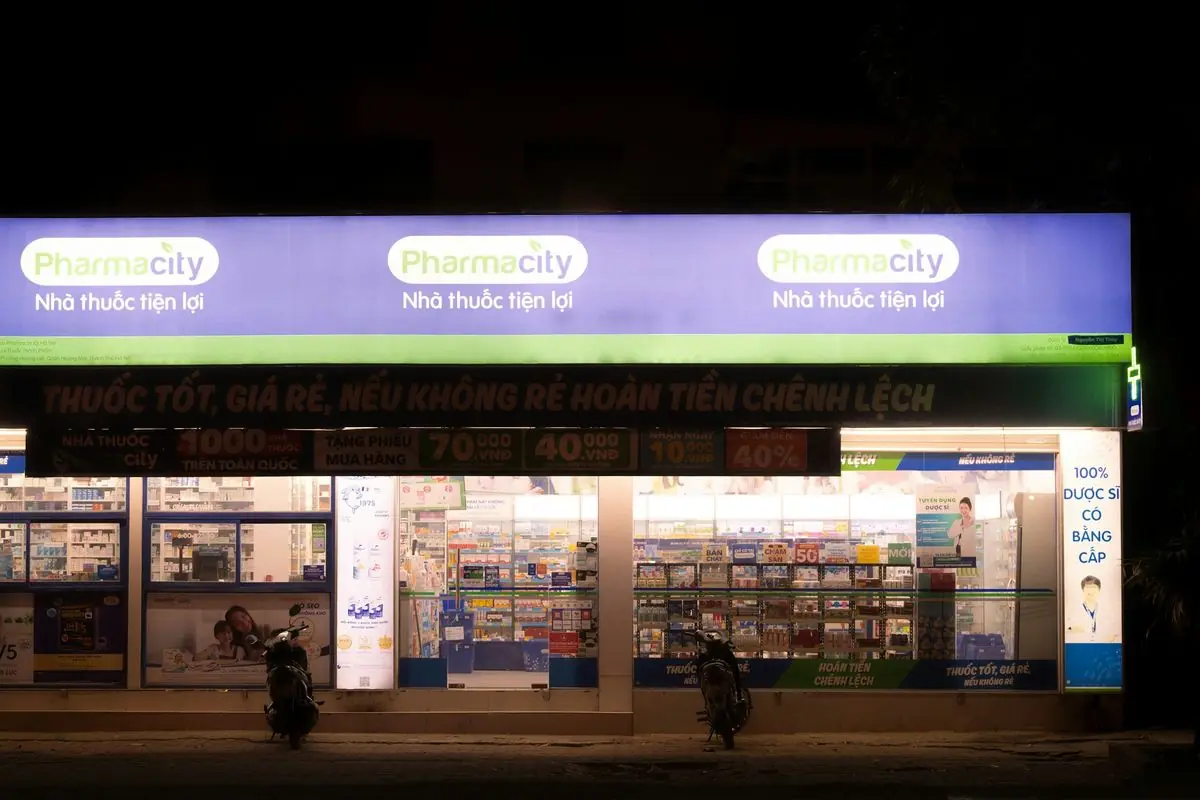
Avoid buying unfamiliar prescription drugs from unverified sellers or online advertisements.
When carrying prescription medication into Vietnam, keep it in its original packaging and bring supporting documents where appropriate.
Some controlled medicines, including certain psychotropic medications, are subject to specific Vietnamese import restrictions. Check the rules in advance if you take medication that may fall into those categories.
Where should you go if you become ill?
For a non-emergency medical problem, a licensed private or international clinic may be a practical first point of contact in a major city.
Serious symptoms need urgent medical assessment at an appropriate hospital.

If you have a fever after visiting a malaria-risk area, tell the clinician exactly where you have been. Malaria can become serious quickly and requires prompt diagnosis.
The UK Foreign, Commonwealth & Development Office maintains information on medical providers in Vietnam, including facilities where English-speaking staff may be available.
Before a remote trek or extended stay in a rural area, find out where the nearest suitable medical facility is.
What should you pack for mosquito and travel health protection?
Keep the medical kit small. A short list of useful items, selected with your healthcare professional where necessary, is easier to organize and use than an enormous kit.
An effective mosquito repellent is a sensible starting point. Choose one containing a recognized active ingredient and follow its age-specific instructions.
Bring loose long-sleeved clothing for outdoor activities, evenings and time in rural areas.
A suitable mosquito net is worth considering for accommodation without effective screens or air conditioning.
Keep essential medication in its original packaging and carry any relevant prescription or medical letter.
A digital copy of your vaccination history may help if you need medical care or are continuing a previously arranged vaccination course.
For longer travel, it is worth saving the name and contact details of a medical facility near your main accommodation.
Extra preparation for children
Traveling with children requires particular attention to routine vaccination records, mosquito repellent suitability and possible animal exposure.
Young children may need different travel vaccine advice from adults.
A travel health professional can review your child's age, immunization status and the destinations you plan to visit.
Supervise children around unfamiliar dogs and other animals, particularly in rural areas.
Extra preparation during pregnancy
Pregnant travelers or those planning pregnancy should discuss their itinerary with a doctor before departure.
Mosquito-borne illnesses, including Zika, can introduce additional considerations. The suitability of particular vaccines and medicines also needs individual assessment.
A clinician can also help you consider whether changing destinations or activities would reduce exposure, when your route is flexible.
What if you develop a fever during or after Vietnam?
A fever could be food poisoning or a minor viral illness, but dengue, malaria and other infections may initially cause overlapping symptoms.
A medical assessment is particularly important when you have been in a malaria-risk area, even after a brief exposure.
Tell the clinician where you traveled, when you were there and whether you stayed near forests or agricultural areas.
Mention your recent journey to any doctor you see after returning home, even several weeks or months later.
For suspected dengue, follow professional advice and avoid medicines that may increase bleeding risk. If you develop persistent vomiting, severe abdominal pain, bleeding or other warning signs, seek urgent assessment.
Vaccination and mosquito prevention lower risks, but neither provides a guarantee against illness.
Which approach suits your trip?
For a 10-14 day holiday focused on Hanoi, Hoi An, Da Nang, Ho Chi Minh City and major tourist destinations, prioritize routine vaccination checks, hepatitis A, typhoid and mosquito protection. Malaria tablets are generally unnecessary for a standard city-based itinerary.
For longer stays, rural travel, camping, cycling or overnight visits near forests, discuss Japanese encephalitis, rabies, hepatitis B and malaria prevention in greater detail.
Travelers combining Vietnam with Cambodia or Thailand should take the complete itinerary to a travel clinic four to eight weeks before departure. The right preparation depends on where you actually go and stay, which the countries printed on your flight tickets do not show.
FAQ
Do I need vaccines for Vietnam?
Vietnam does not routinely require vaccination certificates for entry, but several vaccines are recommended. Most travelers should check their routine vaccinations and discuss hepatitis A and typhoid. Other vaccines depend on medical history, length of stay and activities.
What vaccinations are required for Vietnam from the UK?
There are no routine vaccination certificate requirements for entering Vietnam from the UK. NHS and TravelHealthPro guidance recommends reviewing routine protection and considering vaccines such as hepatitis A and typhoid. Japanese encephalitis, rabies and hepatitis B may be relevant for certain travelers.
Do I need malaria tablets for Vietnam?
Usually not for a typical holiday based in major cities and coastal tourist areas. Malaria risk remains in certain rural and forested regions. UK and US recommendations differ for some low-risk areas, so discuss your precise itinerary with a travel health professional.
Do I need a Japanese encephalitis vaccine for two weeks in Vietnam?
Not necessarily. Risk is usually low on a short urban-focused holiday. Vaccination becomes more relevant for extended rural stays, camping, cycling, agricultural areas or accommodation with substantial mosquito exposure.
Can I get travel vaccinations after arriving in Vietnam?
Some vaccines and medical services are available in Vietnam, particularly in major cities. However, stock, schedules and availability vary. Completing your pre-travel assessment and arranging recommended vaccines before departure is generally the more reliable choice.