Vietnam power plug: why can an American plug damage your electronics?
Check your device's voltage and plug type before traveling to Vietnam, especially if you're bringing a hair dryer or appliances from the US or Japan. If you're only carrying a phone and laptop with 100-240V chargers, you probably won't need a voltage converter.
By Da Lat LoversPublished Updated
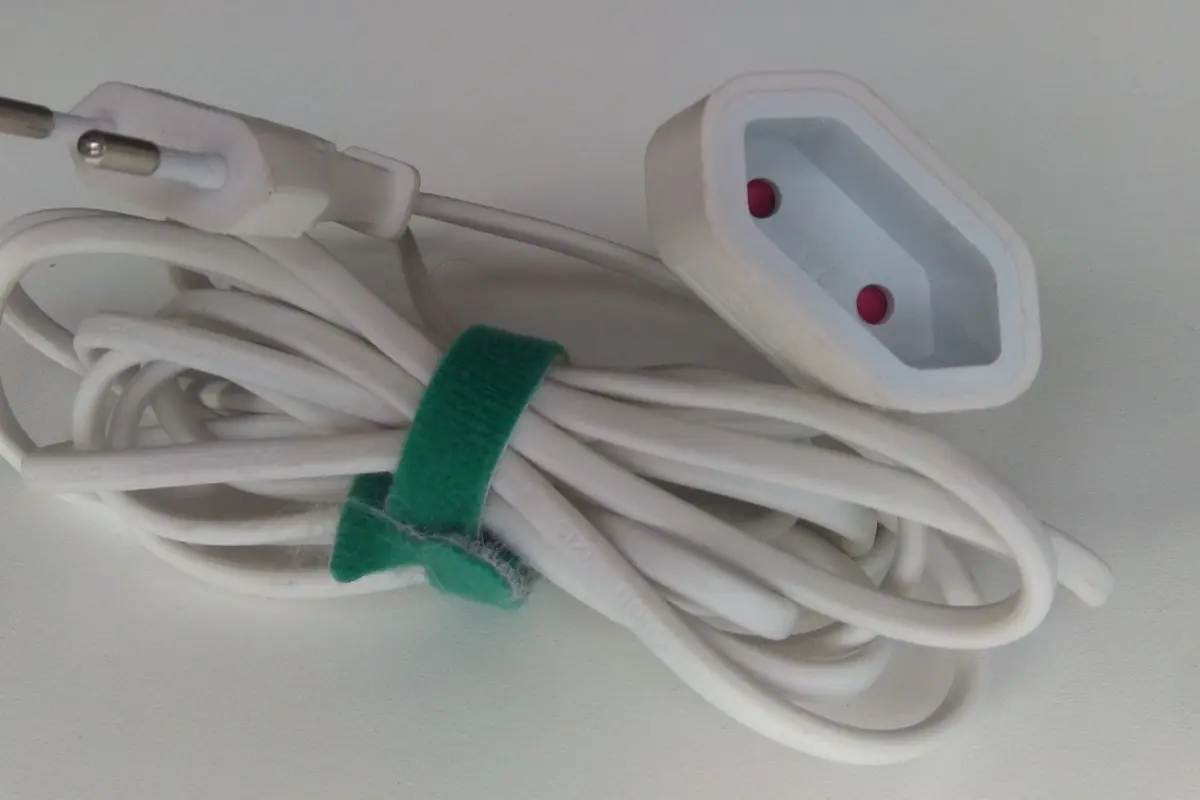
Vietnam's household electricity is commonly listed as 220V, 50Hz, and you'll frequently find Type A outlets with two flat slots, Type C outlets with two round holes, or sockets designed for both. A charger labeled INPUT 100-240V, 50/60Hz can work with this supply if its plug is compatible. But an appliance rated only for 110-120V must not be plugged directly into a Vietnamese wall outlet, even if the pins fit perfectly.
What type of power plugs are used in Vietnam?
Vietnam has several outlet designs rather than one universal socket type. During the same trip, you might find different sockets in a Hanoi hotel, a Da Lat homestay, and a beachfront apartment in Nha Trang.
The three types most commonly mentioned when searching for Vietnam power plug type are Type A, Type B, and Type C. Type A and Type C are the ones most travelers deal with.
| Plug type | Pin design | Compatibility in Vietnam |
|---|---|---|
| Type A | Two parallel flat pins | Commonly accepted |
| Type B | Two flat pins and one round grounding pin | Available in some places, but less common |
| Type C | Two small round pins | Very common |
| Type F | Two larger round pins with side grounding contacts | Only works with compatible sockets and proper grounding |
| Type D | Three round pins arranged in a triangle | Uncommon; don't assume it will fit |
Type A: the two flat pins used in the US and Japan
Type A plugs have two parallel flat metal pins and no grounding pin. You'll recognize them if you're visiting from the United States, Canada, or Japan.
Many Vietnamese wall outlets accept both Type A and Type C plugs. This means an American phone charger might plug directly into your hotel room's wall without an adapter.
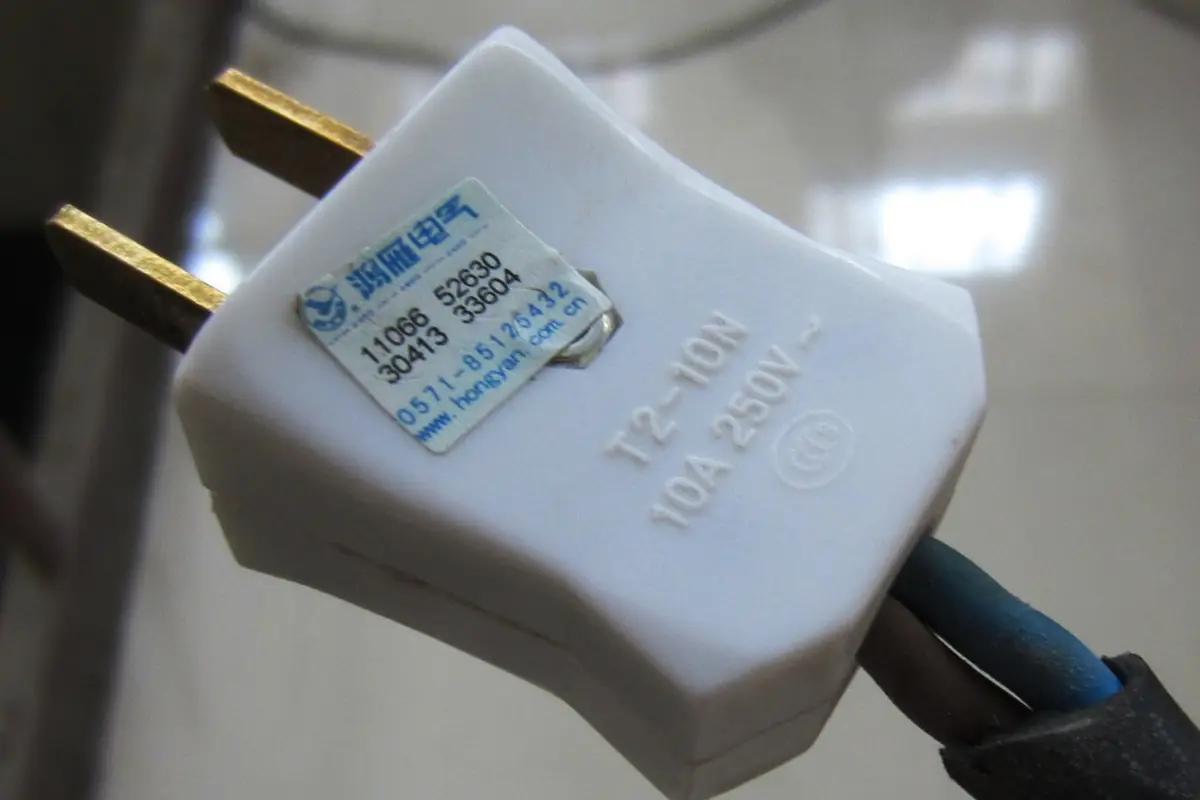
A plug that fits tells you nothing about whether the voltage is suitable, though. That's the part you need to check separately.
Type C: the common two-round-pin plug
Type C plugs have two small round pins. They're widely used for phone chargers, small electronics, and everyday appliances in Vietnam.
Travelers from European countries that use Type C plugs can often connect their devices directly to compatible Vietnamese outlets. Not every European round-pin plug is Type C, though. Type E and Type F designs have thicker pins or grounding connections and may not fit a simple two-hole socket.
A laptop with a grounded power cable has its own grounding requirements, and two round holes in the wall don't settle that.
Do universal outlets accept every plug?
No.
Some Vietnamese hotels and serviced apartments have universal outlets with several differently shaped openings. They may look as though they accept plugs from almost anywhere, but actual compatibility depends on the socket's design. The grounding connection on a universal outlet may not work for every three-pin plug either.
What is the voltage in Vietnam: 220V or 230V?
This is the first electrical specification worth checking before bringing electronics from overseas. Vietnam's household power supply is commonly described as:
- Voltage: 220V
- Frequency: 50Hz
- Current: Alternating current (AC)
Some international plug charts list Vietnam as 230V/50Hz instead. Whichever number a chart prints, a wall socket doesn't deliver exactly 220V or exactly 230V at all times; it moves around both.
When planning, think of Vietnam as using household electricity in the approximately 220-230V range at 50Hz. Devices designed for 100-240V or 220-240V and compatible with 50Hz work on this supply.
An appliance labeled only 220V, with no operating range shown, needs a look at the manufacturer's instructions before it goes into the wall.
Does the 50Hz frequency matter?
Hz, or hertz, measures the frequency of alternating current. Vietnam uses 50Hz, while the United States uses 60Hz.
Phones and laptops rarely notice, because their modern power adapters commonly support both 50Hz and 60Hz.
Some appliances are more sensitive. Electric motors, certain clocks, and equipment whose operation depends on the electrical frequency may run differently or overheat if supplied with the wrong frequency.
A conventional voltage transformer changes voltage. It won't convert 50Hz electricity to 60Hz. That matters for specialized equipment or appliances intended for a particular country's electrical system.
What are Vietnam's electrical outlet standards?
Vietnam has national standards covering plugs and socket outlets for household and similar uses. One relevant document is TCVN 6188-1:2007, corresponding to IEC 60884-1:2002, which covers general safety and technical requirements.
The Vietnamese technical regulation QCVN 25:2025/BKHCN also references requirements relating to plugs, sockets, and adapters. These documents don't require every hotel in Vietnam to use one identical outlet design.
As a traveler, you'll get more from identifying Type A, B, and C plugs and checking the voltage rating on each device than from memorizing technical standards.
Are Vietnam power plugs the same as those in the US, UK, Australia, or Thailand?
Plug shape and electrical voltage are separate questions. The following comparison will help you decide what to pack.
| Country | Common plug types | Voltage and frequency | What to expect in Vietnam |
|---|---|---|---|
| United States | A, B | 120V, 60Hz | Some plugs fit; check voltage carefully |
| Canada | A, B | 120V, 60Hz | Similar to the US |
| United Kingdom | G | 230V, 50Hz | Usually needs a plug adapter |
| Singapore | G | 230V, 50Hz | Usually needs a plug adapter |
| Australia | I | 230V, 50Hz | Needs a plug adapter |
| India | C, D, M | 230V, 50Hz | Type C often works; D and M need compatible adapters |
| Thailand | A, B, C, O | 230V, 50Hz | Types A and C often work; check Type O |
| Japan | A, B | 100V, 50/60Hz | Plug may fit, but voltage differs |
| Vietnam | A, B, C | Approximately 220V, 50Hz | Check the individual socket and device |
Do Americans need a power adapter for Vietnam?
Not always.
A Type A charger that supports 100-240V, 50/60Hz can usually go straight into a compatible Type A or combined socket. Many modern phone chargers meet these specifications.
Now picture a 120V-only hair dryer from the United States. Its two flat pins might fit a Vietnamese outlet perfectly, and that still doesn't make it safe. Connecting a 120V-only appliance directly to a 220V supply can damage the appliance and create an electrical hazard.
Type B plugs with three pins need a socket with a compatible grounding connection. Never remove the third pin simply to make a grounded plug fit an ungrounded outlet.
What should travelers from the UK and Singapore bring?
The United Kingdom and Singapore mainly use Type G plugs, recognizable by their three rectangular pins.
Their electrical systems operate at approximately 230V/50Hz, so many appliances rated for 220-240V/50Hz are already compatible with Vietnam's supply. Only the plug shape differs.
Bring a travel adapter that accepts your Type G plug and has an output plug compatible with the Vietnamese sockets you'll use.
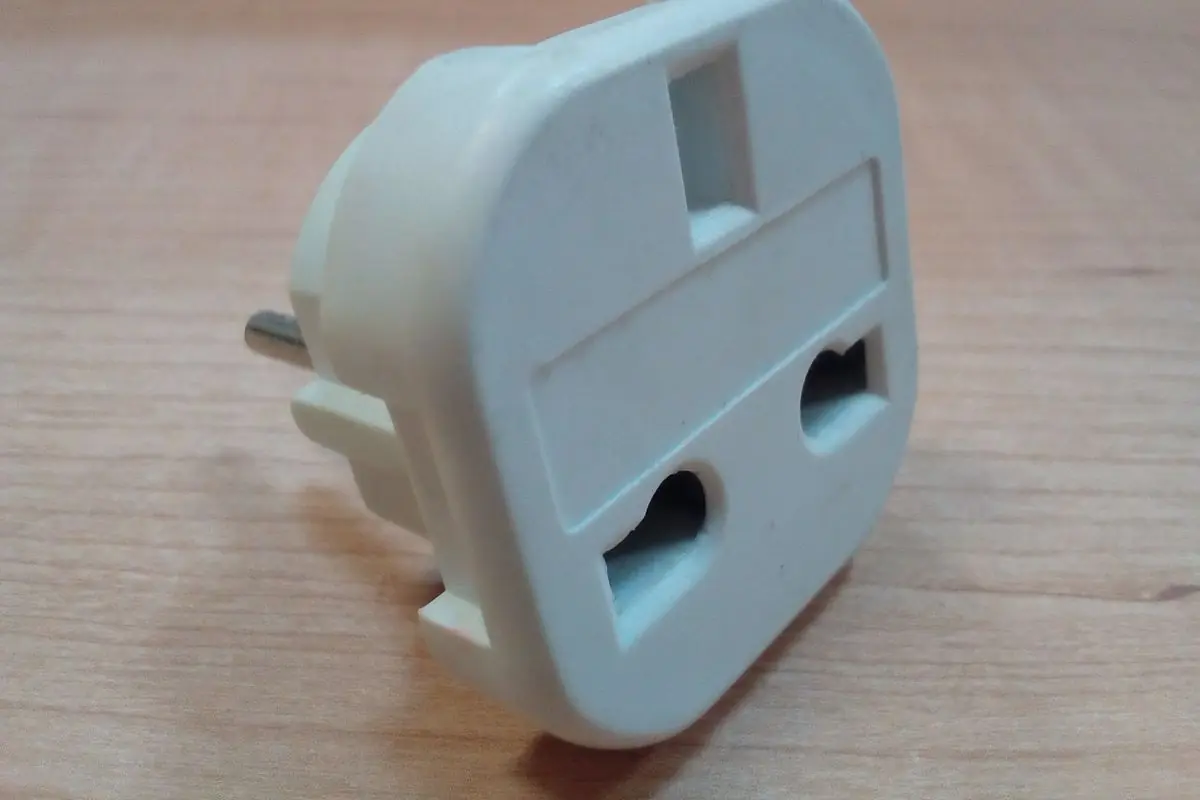
If the device requires grounding, the adapter must preserve that connection. A simple three-pin-to-two-pin adapter often drops that protection.
What about Australian power plugs?
Australia commonly uses Type I plugs, with two angled flat pins and a grounding pin on some versions. They don't fit standard Vietnamese outlets directly.
You'll need a suitable adapter for your Type I plug, such as a compatible travel adapter with an appropriate Vietnamese plug configuration.
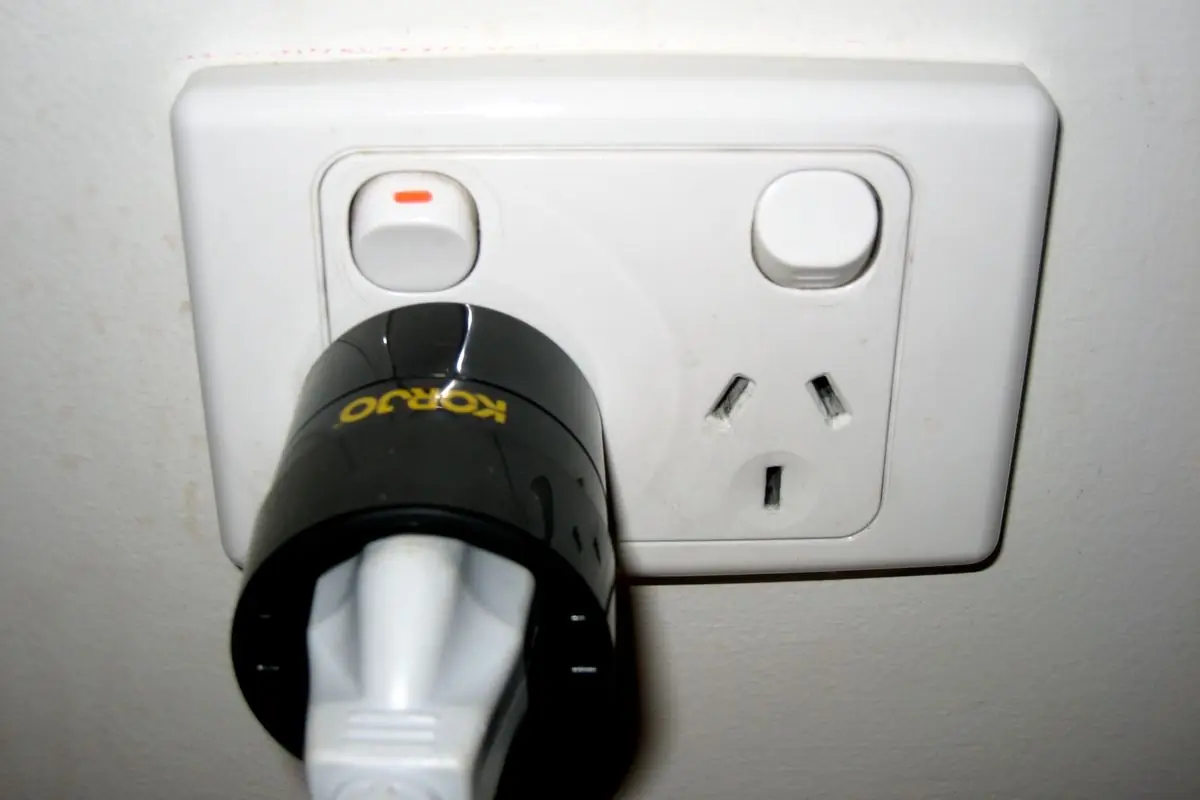
Because Australia uses approximately 230V/50Hz, many Australian appliances rated for 220-240V/50Hz can operate in Vietnam without voltage conversion. Still, check the label before connecting anything.
Will Indian plugs work in Vietnam?
Some do. Chargers sold in India with Type C plugs, the ones with two small round pins, often work directly in Vietnamese sockets.
Type D and Type M have three round pins with different sizes and arrangements. Don't force either into a Vietnamese socket that wasn't designed for it.
Laptops and appliances requiring grounding need a properly rated adapter that maintains the earth connection.
Are Thailand power plugs the same as Vietnam's?
Partly, but not completely.
Thailand and Vietnam both use Type A plugs with two flat pins and Type C plugs with two round pins. A phone charger with one of these plugs that works in Bangkok will most likely work in Hanoi or Nha Trang too.
Thailand also uses Type O, a grounded plug with three round pins. Don't assume a Vietnamese outlet will accept it.
Both countries use 50Hz electricity and have relatively similar household voltage. With a charger marked 100-240V, 50/60Hz, the only question left is whether the plug physically fits.
A trip through Vietnam, Thailand, Singapore, and Malaysia is a good reason to carry one well-made multi-country travel adapter.
Which devices can you plug directly into Vietnamese outlets?
Before buying a travel adapter or voltage converter, turn over your charger or appliance and look for the INPUT rating. For example:
INPUT: 100-240V ~ 50/60Hz 1.5A
This means the charger accepts alternating-current input between 100V and 240V at either 50Hz or 60Hz.
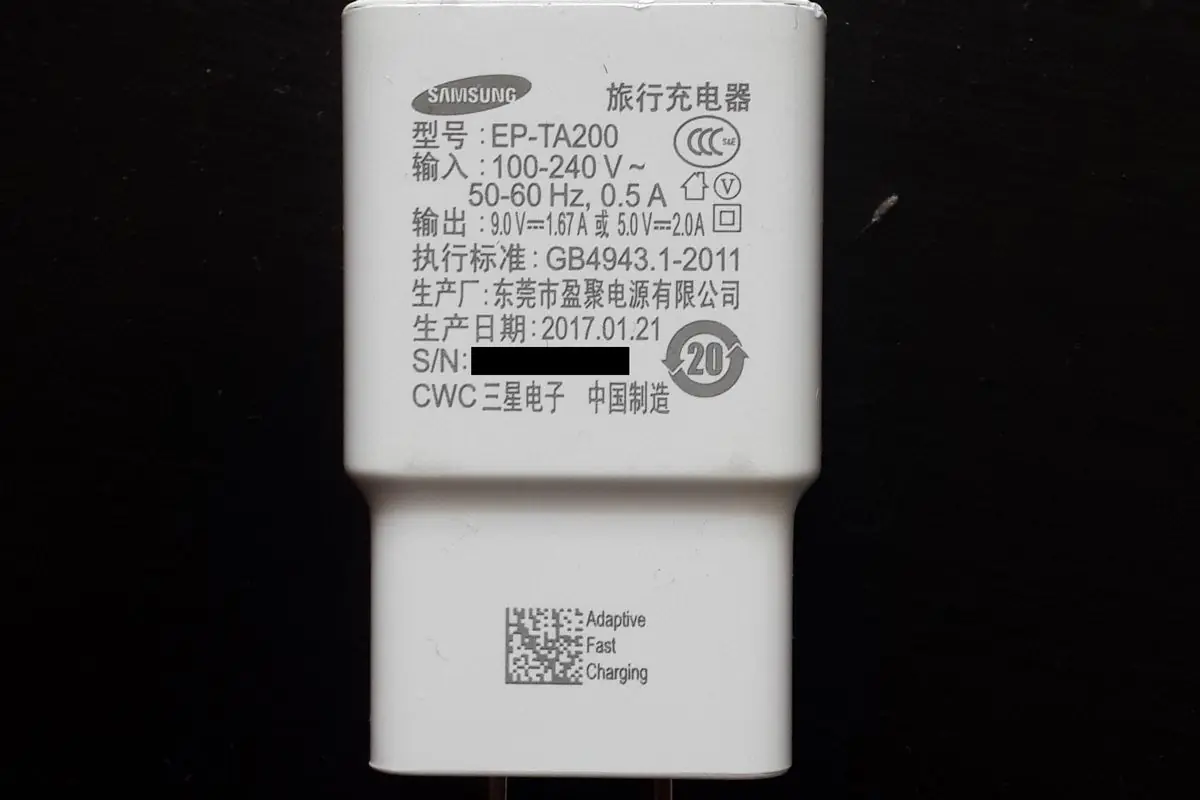
As long as the plug and connection are suitable, this charger can operate with Vietnam's normal household electricity without a separate voltage transformer.
| Device input rating | What to do in Vietnam |
|---|---|
| 100-240V, 50/60Hz | Use directly if the plug and socket are compatible |
| 220-240V, 50Hz | Generally suitable |
| 110-120V, 60Hz | Do not plug directly into a Vietnamese wall outlet |
| 100V, 50/60Hz | Do not plug directly |
| 110/220V with a voltage selector | Follow the manual and select the correct voltage before use |
| Only 220V shown | Check the manufacturer's operating range and instructions |
Smartphones, tablets, and laptops
Most modern chargers for these devices support a wide voltage range. The UGREEN X526 45W USB-C charger sold in Vietnam, for example, lists an input of 100-240V, 50/60Hz, which makes it compatible with Vietnam's electricity supply as long as the cable and plug connection are appropriate.
USB-C chargers for iPhones and many laptops also commonly support international voltages. Chargers from a familiar brand can still differ: replacement chargers, older accessories, and models intended for different markets may vary. Check the actual charger you're carrying.
Cameras, drones, and photography equipment
Many modern camera battery chargers support 100-240V, but you should still check each one.
A multi-battery charging dock carries its input specification on the dock or its separate power supply. The voltage printed on the camera battery itself has nothing to do with the wall outlet.
Travelers carrying cameras, drones, and other recording equipment should check their power accessories before leaving home. A universal plug adapter won't replace a specialized battery charger.
Hair dryers and hair styling tools
Hair dryers deserve more attention than phone chargers. Some models sold in the United States are designed only for 110-120V electricity, and plugging one directly into a 220V outlet in Vietnam could damage the appliance or create a dangerous situation.
Hair dryers also consume relatively large amounts of power. A small travel adapter isn't a solution to the voltage difference.
On a short trip, it's often simpler to ask whether your hotel provides a hair dryer.
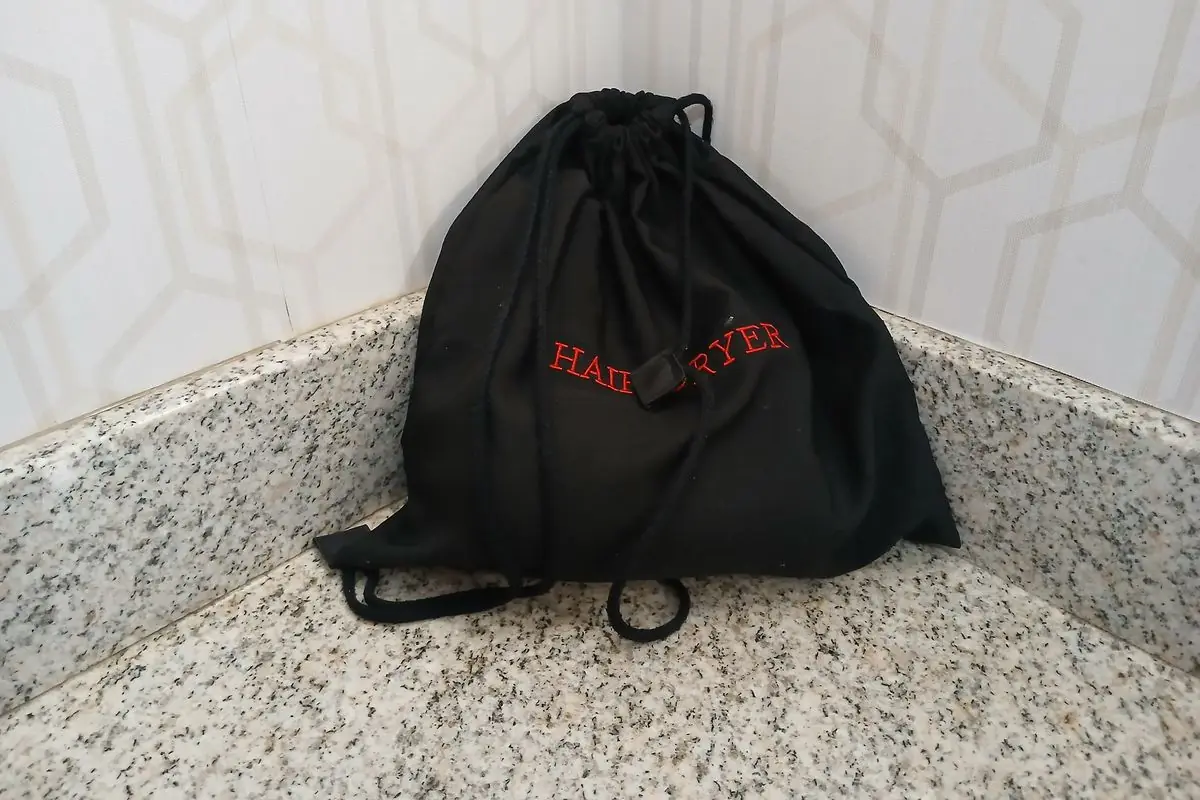
People who style their hair every day are better off with a model specifically designed for the voltage available in Vietnam. Some travel hair dryers support both 110V and 220V but require you to move a manual voltage selector. Make sure the setting is correct before plugging the appliance in.
Electric shavers and electric toothbrushes
These products vary. A shaver that charges through USB can use a compatible USB charger, while another model may come with a dedicated charging base that connects directly to the wall.
Check the electrical rating on that charging base or adapter. Small appliances can be single-voltage too.
Travel adapter vs. voltage converter: what's the difference?
These products solve two different problems.
A travel plug adapter changes the physical connection between a plug and a wall socket. It lets a three-pin Singapore plug connect to a compatible Vietnamese socket, for instance.
A voltage converter or transformer changes the voltage supplied to an appliance. A suitable step-down transformer can reduce a higher-voltage supply to a lower voltage required by certain equipment.
The 250V-10A printed on a travel adapter is its electrical rating. It doesn't convert Vietnam's 220V electricity into 110V.
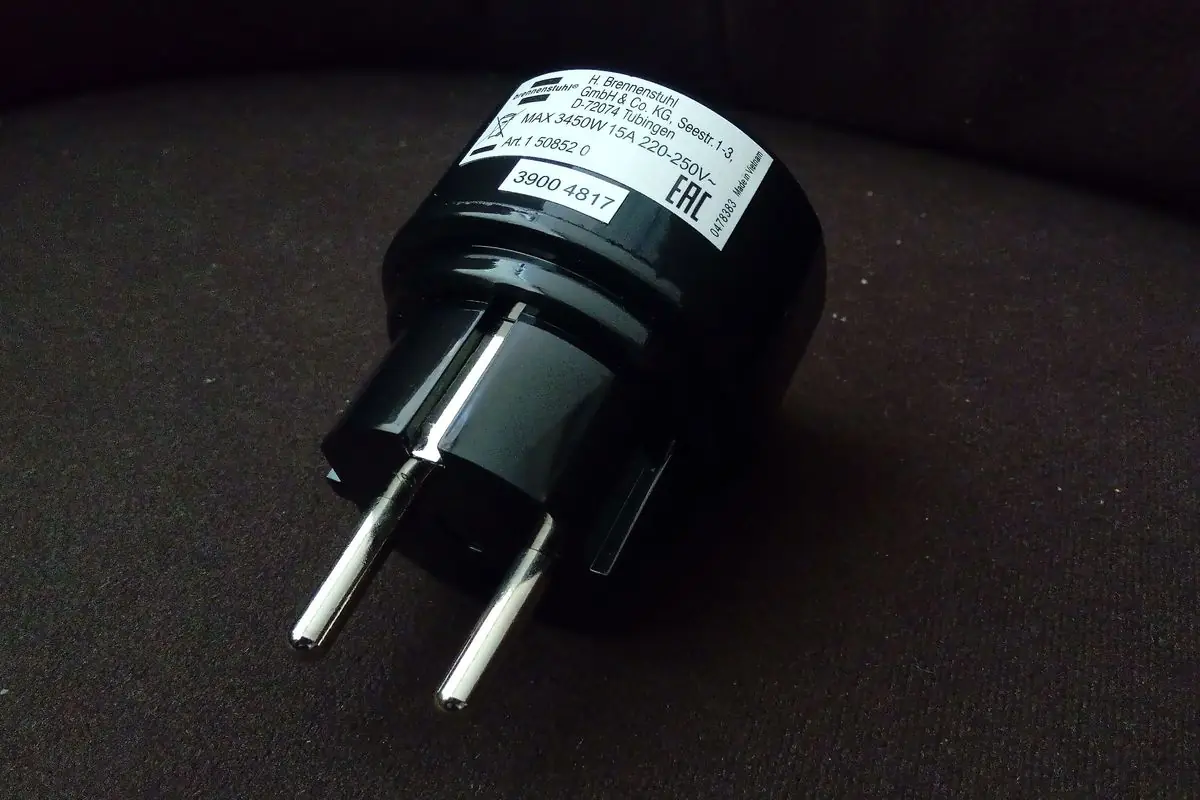
The same applies to travel adapters with built-in USB charging ports. The USB charging section may convert AC power into low-voltage DC power for your phone, while the adapter's AC outlet normally passes through the local mains voltage.
When do you need a voltage converter?
You need to consider a voltage converter when an appliance cannot accept Vietnam's electrical supply directly. A device labeled 120V/60Hz, for example, is not suitable for direct connection to a Vietnamese 220V/50Hz outlet.
Buying a transformer isn't the end of the decision. You also need to check the appliance's wattage, frequency requirements, electrical load, and the manufacturer's instructions.
Some devices with motors or other frequency-sensitive components may not operate correctly on 50Hz even when a transformer provides the expected voltage, since conventional transformers leave the frequency unchanged.
Expensive appliances, high-power equipment, and anything intended for frequent use deserve a check of the manufacturer's requirements before you purchase a converter.
Which travel adapter should you buy for Vietnam?
Choose an adapter based on the plugs you own and the number of devices you'll charge. The one with the most sockets or USB ports is often more than you need.
If you're bringing only a phone and laptop
Phone and laptop chargers that support 100-240V leave plug compatibility as your main concern. An American traveler with a Type A charger or a European traveler with a Type C charger might not need an adapter at all. Travelers from the UK, Singapore, and Australia should pack a suitable plug adapter.
Several devices that charge through USB-C can share one properly rated multi-port USB-C charger, which is more convenient than carrying several separate chargers. Check its total output power and the power required by your laptop.
If you're visiting several countries
A multi-country travel adapter can be a practical choice. Before buying one, check that it:
- Accepts the plug type used in your home country.
- Provides a plug compatible with the sockets you'll encounter in Vietnam.
- Clearly states its voltage and current ratings.
- Comes from an identifiable manufacturer with instructions and warranty information.
- Maintains grounding where the connected device requires it.
- Provides enough USB charging power if it has built-in USB ports.
Don't choose a product solely because the packaging says it works in 200 countries. It may still lack your exact plug configuration or be unsuitable for your appliance's electrical load.
Where can you buy a power adapter in Vietnam?
You can look in electronics stores, electrical supply shops, or appliance retailers that provide clear product specifications.
For example, the Điện Quang ĐQ ESK TV-01 travel adapter is rated 250V-10A, with a stated maximum capacity of 2,500W.
In 2026 the Điện Quang TV-01 sells for approximately VND 92,000 and the Điện Quang TV06R with two USB ports for approximately VND 273,000. Those prices apply to these particular models; other travel adapters in Vietnam are priced differently.
High-power appliances plugged in through an adapter still have to stay within the socket, device, and manufacturer limits, whatever maximum the packaging prints.
In Hanoi, Ho Chi Minh City, Da Nang, and Nha Trang, finding an electronics shop near your accommodation is usually easier than traveling across the city just to buy a basic plug adapter. Travelers landing at Cam Ranh International Airport late in the evening should bring an adapter from home; the airport may not sell the exact model they need.
How to use power outlets safely in Vietnamese hotels and homestays
Vietnamese hotels don't all use the same wall sockets. You may find two-round-pin sockets, combination sockets that accept round and flat pins, or universal outlets. Some hotel rooms also have USB-A or USB-C charging ports near the bed.
The setup depends on the property and when it was built or renovated. You can't determine the outlet type from the hotel's star rating alone.
Check the socket before plugging anything in
When you enter your room, take a quick look at the outlet you plan to use.
Avoid handling plugs with wet hands, and keep chargers and power strips away from sinks, showers, and areas where water can splash. Don't remove a socket cover or attempt electrical repairs yourself.
Can you use a power strip with a travel adapter?
Only when the power strip, adapter, wall outlet, and connected devices are all suitable for the electrical load and grounding requirements. Avoid connecting several power strips or multiple adapters in a chain.
A family charging three phones, a tablet, and a laptop will find a properly rated multi-port USB charger a simpler arrangement.
A USB-C port built into a hotel bedside panel might provide enough power for a phone but not the wattage or USB Power Delivery protocol required by your laptop. Business travelers should bring their own laptop charger instead of depending on hotel USB ports.
What about grounded appliances?
Three-pin plugs commonly include a protective earth connection. An adapter that lets a grounded three-pin plug fit into an ungrounded two-pin socket can leave you without that protection.
A laptop power supply or other appliance that requires grounding needs an appropriately grounded socket and adapter. Ask the hotel staff if you can't find a suitable outlet. Never remove the grounding pin to make the plug fit.
Can you charge your phone on a sleeper bus in Vietnam?
Some sleeper buses have charging ports. Others don't.
Certain newer limousine sleeper-bus designs include USB-A ports, USB-C ports, and even 220V outlets near individual beds. DCAR's 22-berth limousine sleeper is one example with all of these.
Not every Vietnamese sleeper bus has the same facilities. Check the exact vehicle type and service you've booked.
If the bus has a USB port
You only need a compatible charging cable. A wall plug adapter isn't necessary.
The USB port may provide relatively little power, enough for phones but not laptops, and a USB-C port can still lack the charging protocol or wattage your computer needs.
If the port is damaged or your cable doesn't connect securely, stop using it and inform the bus staff.
If the bus has a 220V outlet
Apply the same checks you would in a hotel room: make sure your plug fits correctly and your charger supports the supplied voltage. Chargers rated 100-240V, 50/60Hz work fine.
Don't connect hair dryers, kettles, or other high-power appliances unless the bus operator explicitly allows them. An onboard outlet may resemble a household outlet, but the bus's electrical system has its own capacity limits.
What should you prepare for an overnight bus?
Charge your phone before boarding an overnight bus from Ho Chi Minh City to Nha Trang, Da Lat, or another destination. You'll probably need it to show your ticket, contact the bus operator, or arrange transport after arriving.
A suitable power bank and reliable charging cable are often more useful than several plug adapters. Power banks on a flight before the bus journey fall under your airline's own rules.
Choosing a bus type, picking a bunk, and boarding for the first time are covered in our separate guide to sleeper buses in Vietnam.
What if you bring electrical appliances back to Vietnam from abroad?
This issue isn't limited to international visitors. Vietnamese travelers buying a coffee machine in the United States, a rice cooker in Japan, or a kitchen appliance in the UK also need to check the electrical specifications.
Appliances from the United States
The US uses 120V/60Hz household electricity. A product that supports 100-240V, 50/60Hz may only need a compatible plug adapter or replacement power cable. But an appliance designed exclusively for 120V must not be plugged directly into a Vietnamese outlet.
Equipment you plan to use regularly is worth buying in a version specifically designed for 220-240V/50Hz, if the manufacturer offers one.
Japanese domestic appliances
Japan uses 100V electricity, with 50Hz or 60Hz depending on the region. An appliance made only for the Japanese domestic 100V supply can't be connected directly to Vietnam's 220V mains electricity, even if its Type A plug fits.
Some Japanese electronics have universal power supplies, but this varies by model. Rice cookers, kitchen appliances, and motor-driven devices deserve particular attention. Check the model's instructions before choosing a voltage transformer.
Appliances from the UK, Singapore, and Australia
These countries use electricity close to Vietnam's voltage range, around 230V/50Hz. Many appliances can operate in Vietnam after resolving the plug difference, though you still need to check the input rating and grounding requirements.
A device with a detachable power cable can take a suitable replacement cable of the correct connector type and electrical rating, which may be more practical for long-term use than relying on a travel adapter. Changing the cable doesn't change the voltage the appliance can safely accept.
A five-minute electrical check before traveling to Vietnam
Skip memorizing every plug type in the world and check only the devices you're actually packing.
Step 1: Gather everything that needs charging or mains power. Include your phone, laptop, camera, hair dryer, electric shaver, and any other personal appliances.
Step 2: Read the INPUT label. Look for the acceptable voltage and frequency on the device or its separate power supply.
Step 3: Identify the plug. Check whether it has two round pins, two flat pins, or three pins. On a grounded plug, note whether the protective earth connection is required.
Step 4: Separate compatible and incompatible equipment. A charger rated 100-240V, 50/60Hz needs only a compatible plug connection. A single-voltage appliance requires additional checking.
Step 5: Pack only the accessories you need. Bring a suitable adapter, compatible power cable, or properly selected voltage converter when necessary. Don't buy a transformer if your equipment already supports Vietnam's voltage.
For a typical holiday, a reliable charger, the right cables, and one suitable travel adapter may be enough. Our guide to what to pack for Vietnam covers the other essentials for a longer journey, and the electrical accessories you won't use can stay at home.
The same process works beyond Vietnam: check the plug type, read the INPUT label, and confirm the local voltage and frequency. Whether your next trip takes you to Thailand, Singapore, or Japan, these checks will help you decide whether to bring an adapter, a voltage converter, or simply your regular charger.
FAQ
What power plug type is used in Vietnam?
Vietnam commonly uses Type A plugs with two flat pins, Type C plugs with two round pins, and combination outlets that accept both. Type B grounded outlets are also found in some locations. Household electricity is commonly listed as 220V/50Hz.
Is Vietnam's power plug the same as in the US?
Partly. Type A plugs from the US fit many Vietnamese outlets, but the electrical systems are different. The US uses 120V/60Hz, while Vietnam generally uses 220V/50Hz. Only connect a device directly if its input rating supports the local supply, such as a charger marked 100-240V, 50/60Hz.
Do I need a power adapter for Vietnam?
You need a plug adapter if your plug isn't compatible with the available socket. Travelers from the UK and Singapore using Type G plugs or from Australia using Type I plugs should generally bring one. Many Type A and Type C chargers can connect directly to suitable sockets, provided their voltage and frequency ratings are compatible.
Are power plugs in Thailand and Vietnam the same?
They're partly compatible. Both countries use Type A and Type C plugs, but Thailand also uses Type O, which isn't guaranteed to fit Vietnamese outlets. The two countries have similar household voltages and both use 50Hz electricity.
Is it safe to charge a phone on a Vietnamese sleeper bus?
It can be safe when the charging port, cable, and charger are suitable and in good condition. USB ports don't require wall plug adapters, although charging speed may be limited. If the bus provides a 220V outlet, use only compatible equipment and follow the operator's instructions.