Hydrangea meaning by color and how to grow them at home in Vietnam
A bunch of hydrangeas makes an easy gift, while keeping a potted plant blooming in tropical heat takes more planning. Choose a color for the message you want to send and a growing method for the climate you actually have.
By Da Lat LoversPublished Updated Đọc bằng tiếng Việt
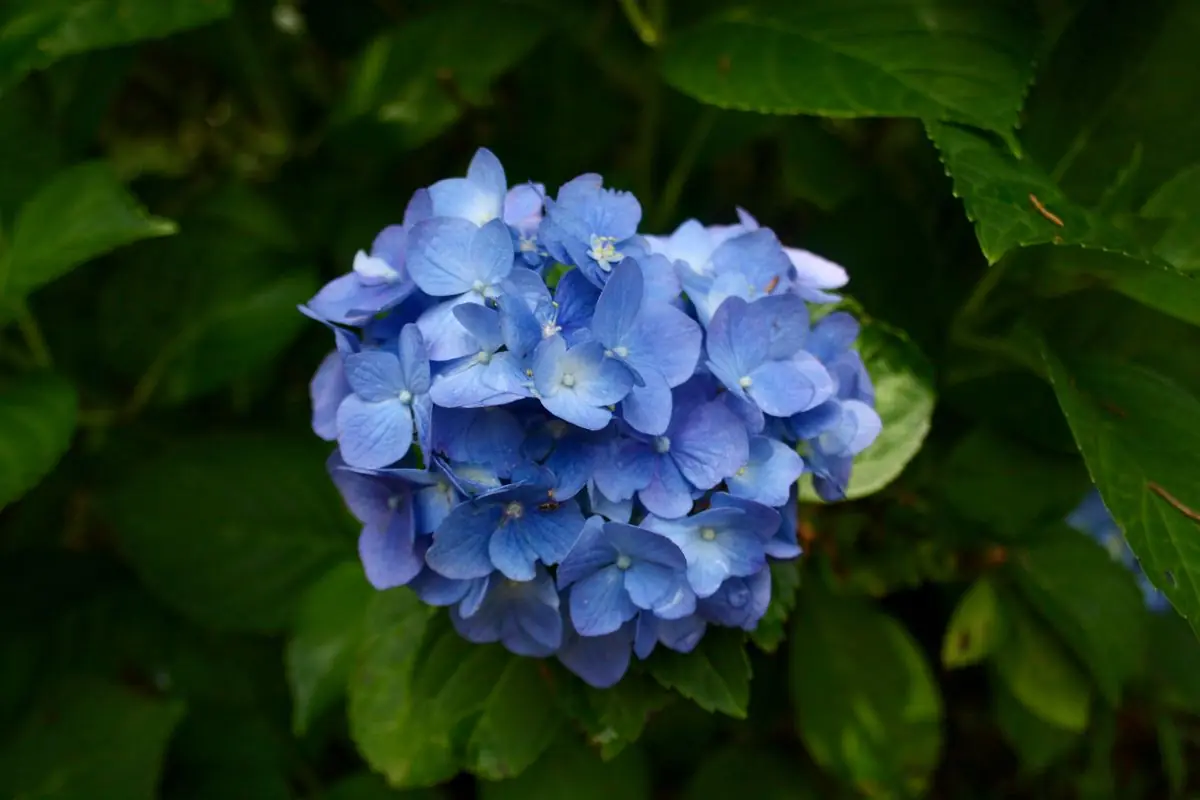
Bigleaf hydrangea (Hydrangea macrophylla) is the one to pick over panicle hydrangea (Hydrangea paniculata) if you want rounded blue, pink or purple heads and a chance to shift the color through the soil. Panicle hydrangeas have cone-shaped flowers and do not follow that blue-to-pink process. Buy cut stems for a short-lived arrangement; buy a clearly labeled potted variety only when you can offer a bright, sheltered growing position over the longer term.
What is a hydrangea?
Hydrangea is the name of a genus of flowering shrubs and climbers, not just one plant. The rounded blooms commonly photographed in Da Lat and sold by Vietnamese florists are usually associated with Hydrangea macrophylla, often called bigleaf or French hydrangea. It is a woody perennial shrub with broad leaves and large flower clusters. Much of the color you notice comes from showy floral parts surrounding smaller flowers.
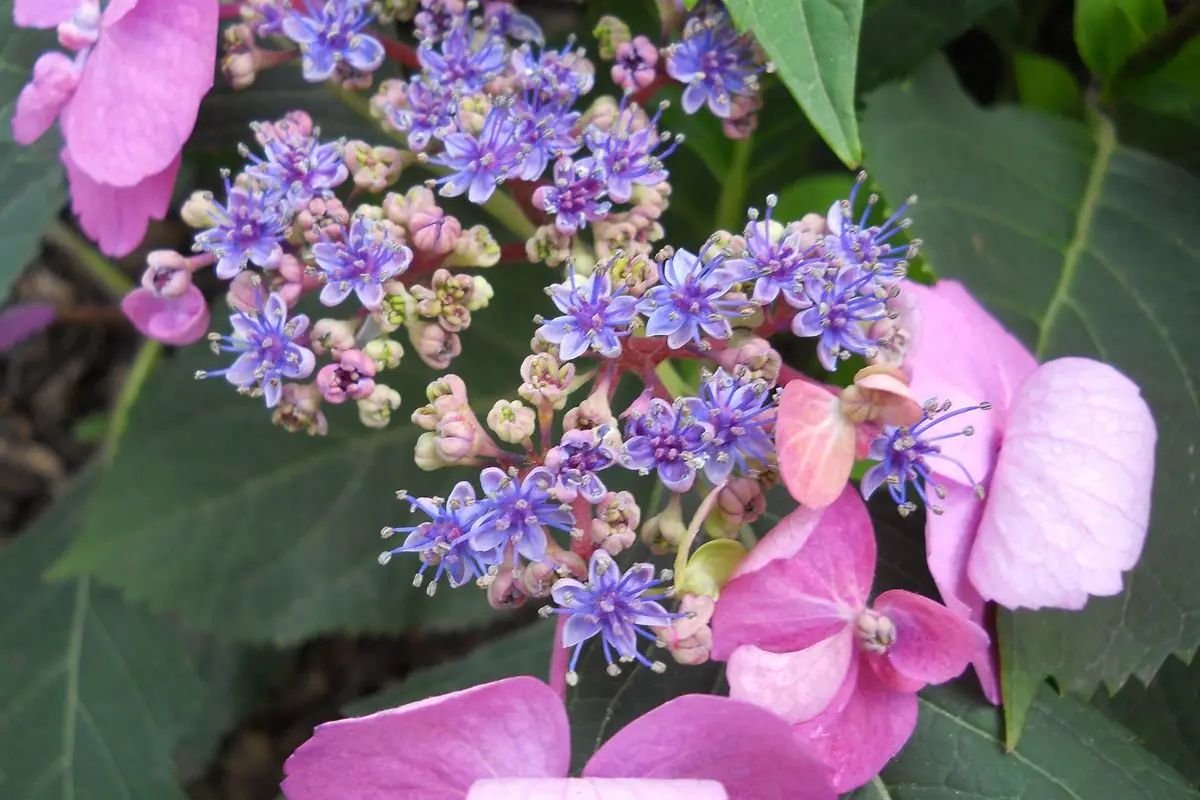
Two forms are particularly useful to recognize before shopping. A mophead has a dense, rounded cluster that works well as a single focal flower in a vase. A lacecap has a flatter head, with small flowers toward the center and a ring of showier ones around the edge. They can belong to the same species but give a noticeably different look in a garden or arrangement.
Other hydrangeas include H. paniculata, H. arborescens, H. quercifolia and H. serrata. Their flower shapes, sunlight preferences, pruning needs and color responses are not interchangeable. A gardening label that says only “hydrangea” leaves out information you need to decide how to grow the plant. Ask for the species and cultivar name whenever possible.
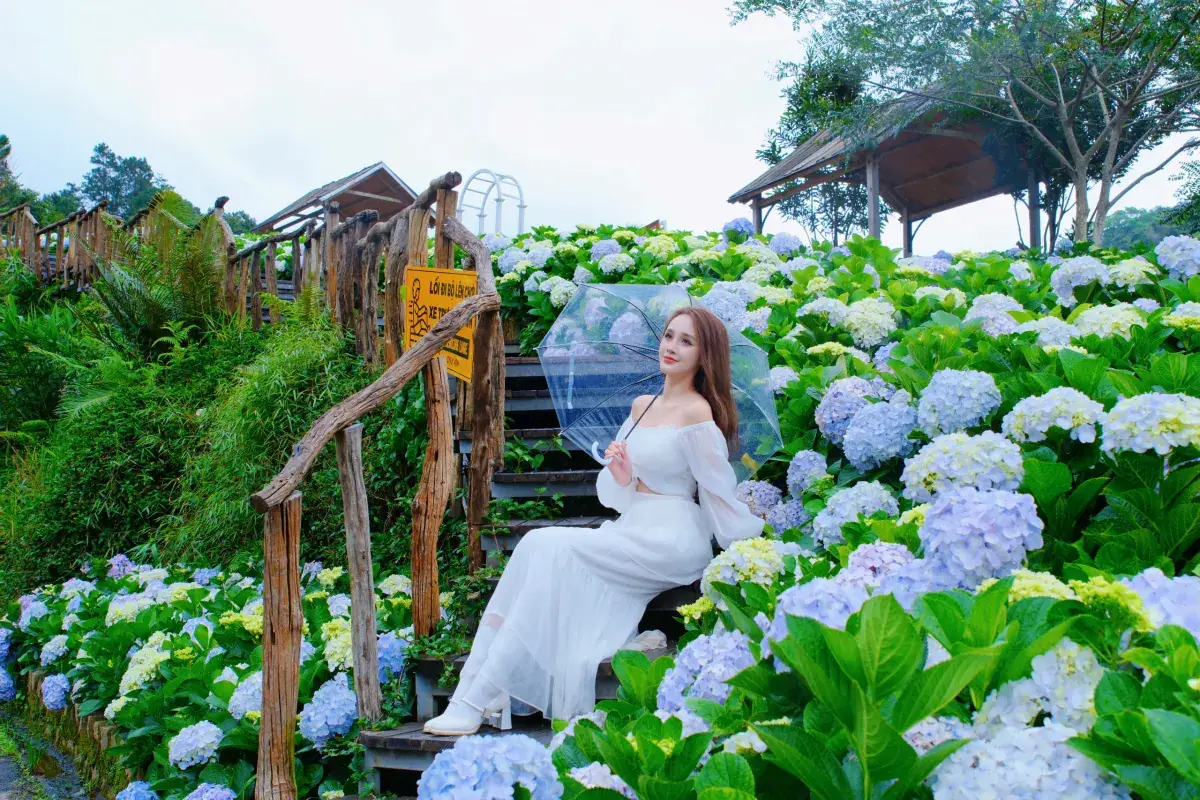
Da Lat, in Vietnam's Central Highlands, is strongly associated with cultivated hydrangeas. Its cooler setting is much friendlier to bigleaf hydrangeas than a balcony surrounded by hot concrete in Ho Chi Minh City. Maintained gardens can have flowers across much of the year, but the appearance of any particular bed depends on pruning, planting schedules, weather and variety.
Hydrangea meaning: the shared message and its limits
Hydrangeas frequently represent gratitude, understanding and heartfelt feeling. Their symbolism is not universal. Japanese traditions sometimes connect blue hydrangeas with apology, while older European interpretations have included vanity or emotional coldness. Contemporary florists also use them for enduring affection, weddings, friendship and appreciation.
A color on its own will not spell out the exact message you mean. A short handwritten note makes the intended message clear. Start with the recipient's favorite color, then think about the occasion and the look of the flowers themselves.
Blue hydrangea meaning: gratitude and understanding
Blue hydrangeas are commonly associated with gratitude, forgiveness, understanding and sometimes a sincere apology. A pale blue bouquet suits a thank-you gift for someone who listened, helped or offered support. In Japanese flower symbolism, the color is also linked to regret and making amends.
Pale blue looks gentle with white ceramics or simple glass. Deeper blue blooms stand out more clearly against greenery. They can be used for birthdays or celebrations just as naturally as for reconciliation. Write “Thank you for being there” on the card rather than leaving someone to guess whether blue means thanks or apology.
Pink hydrangea meaning: love and sincere affection
Pink hydrangeas suggest love, affection and honest emotion. They are suitable for anniversaries, birthdays, Mother's Day and gifts between close friends. Soft pink feels understated; stronger pink creates a bolder arrangement without needing a large number of stems. Pink does not have to mean romantic love. It can express warmth toward a parent, teacher or friend.
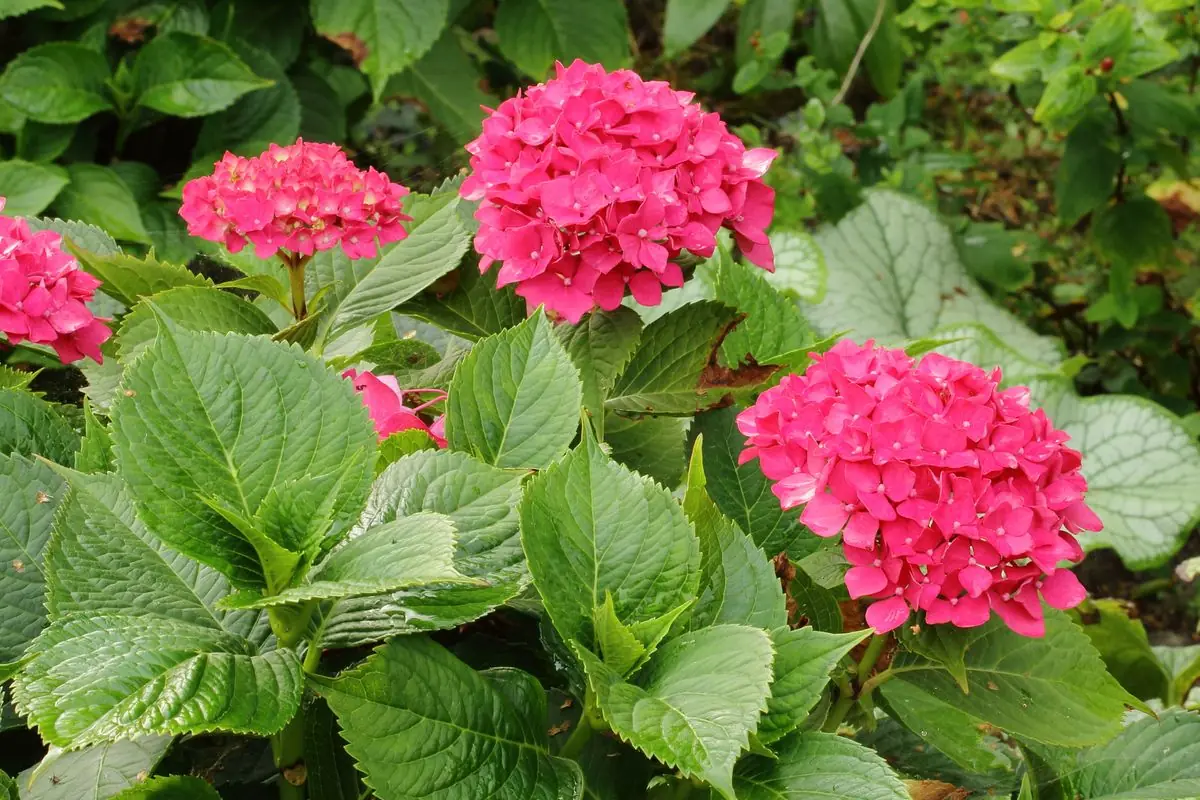
When buying pink hydrangeas online, ask the florist for a current picture of the actual flowers. A photograph edited in cool light can make a pink bloom look mauve. Flowers also change as they age. A freshly colored head and a more mature head may not look identical, even when they came from the same batch.
White hydrangea meaning: grace and a fresh start
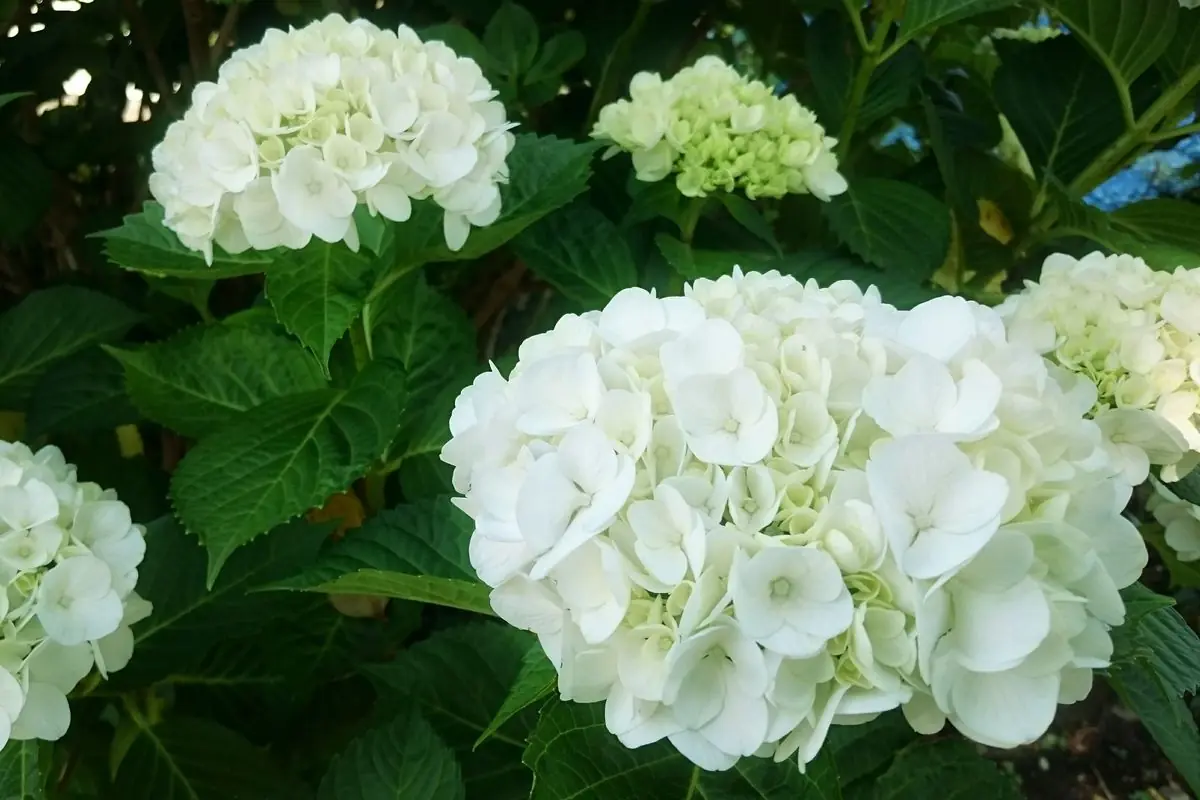
White hydrangeas often symbolize purity, grace, tolerance and a sense of renewal. They suit weddings, housewarmings, restrained table settings and rooms that already contain strong colors. Cultural preferences still come first. Some families associate all-white arrangements with mourning, so a mixed bouquet may be more suitable for a celebration.
Purple hydrangea meaning: admiration and abundance
Purple hydrangeas are associated with admiration, pride, elegance, royalty and abundance. They are useful for graduation gifts, work milestones and occasions when you want to recognize someone's effort. Lilac-purple looks gentle when paired with white; dark purple becomes a clear focal point in a small bouquet.
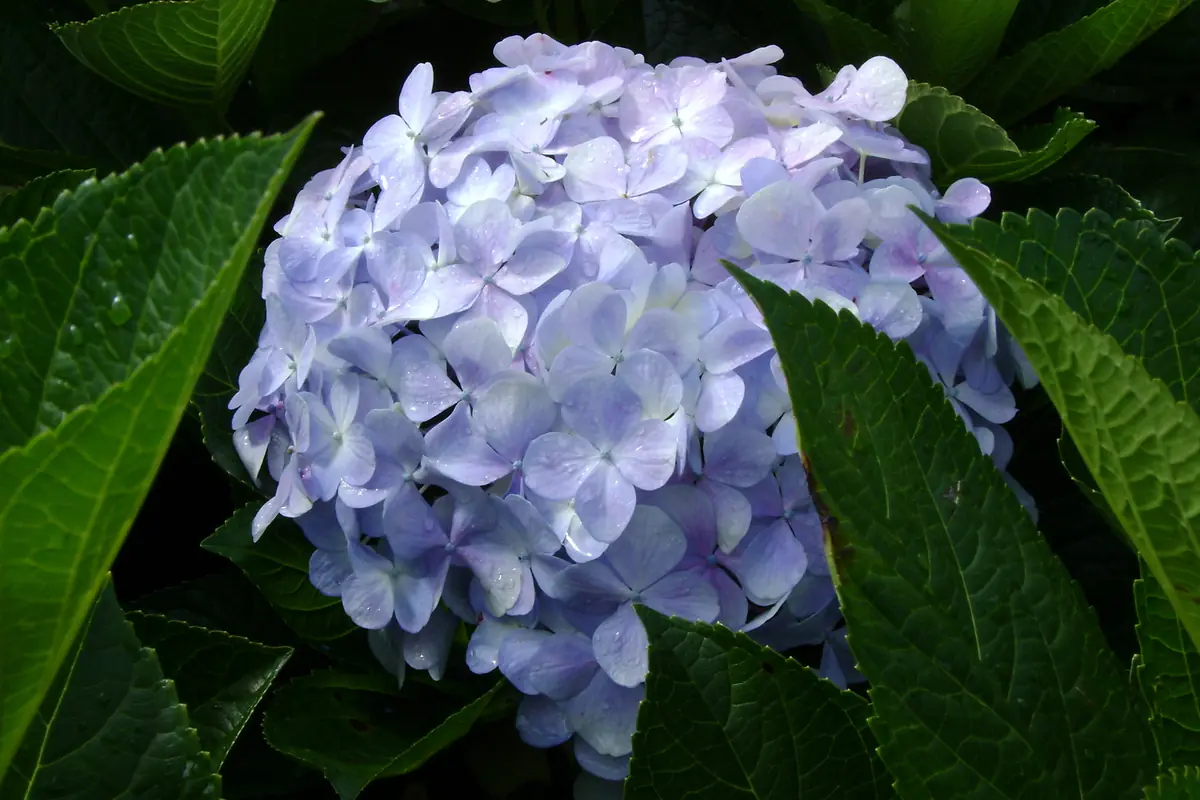
Purple can also be the halfway point between blue and pink in some bigleaf cultivars. A head with blue and lavender patches can still be on a healthy plant. The age of individual flowers, the plant's genetics and differences in root-zone conditions can all contribute to a mixture of shades. Purple flowers are often attractive precisely because that color is not completely uniform.
When should you give someone hydrangeas?
Birthdays and anniversaries are straightforward occasions. Choose pink for affection, blue for appreciation, purple for congratulations and white for an elegant, understated gift. There is no need to follow a strict color code when the recipient has a favorite color. Personal preference is a better guide than any chart of flower meanings.
For a wedding or a formal event, one large hydrangea head can do the visual work of several smaller flowers. That can make arrangements look full without needing many stems. The trade-off is water demand. Hydrangea heads wilt quickly when left out of water or exposed to heat, so the florist's storage and delivery method becomes part of the purchase decision.
A potted hydrangea can make a thoughtful, longer-lasting gift for someone with a suitable garden, courtyard or shaded balcony. It is not a low-maintenance substitute for cut flowers. The recipient needs to check soil moisture, provide light and make room for the plant as it grows. A cut bouquet may be the kinder choice for someone with a west-facing apartment window or frequent travel plans.
Why do hydrangeas change color?
Soil pH influences how much aluminum is available to the roots, and aluminum affects the pigments responsible for blue color in certain hydrangeas. In more acidic soil, aluminum is generally more soluble and can be taken up by the plant. As soil becomes neutral or alkaline, aluminum becomes less available, and responsive cultivars tend to produce pinker flowers.
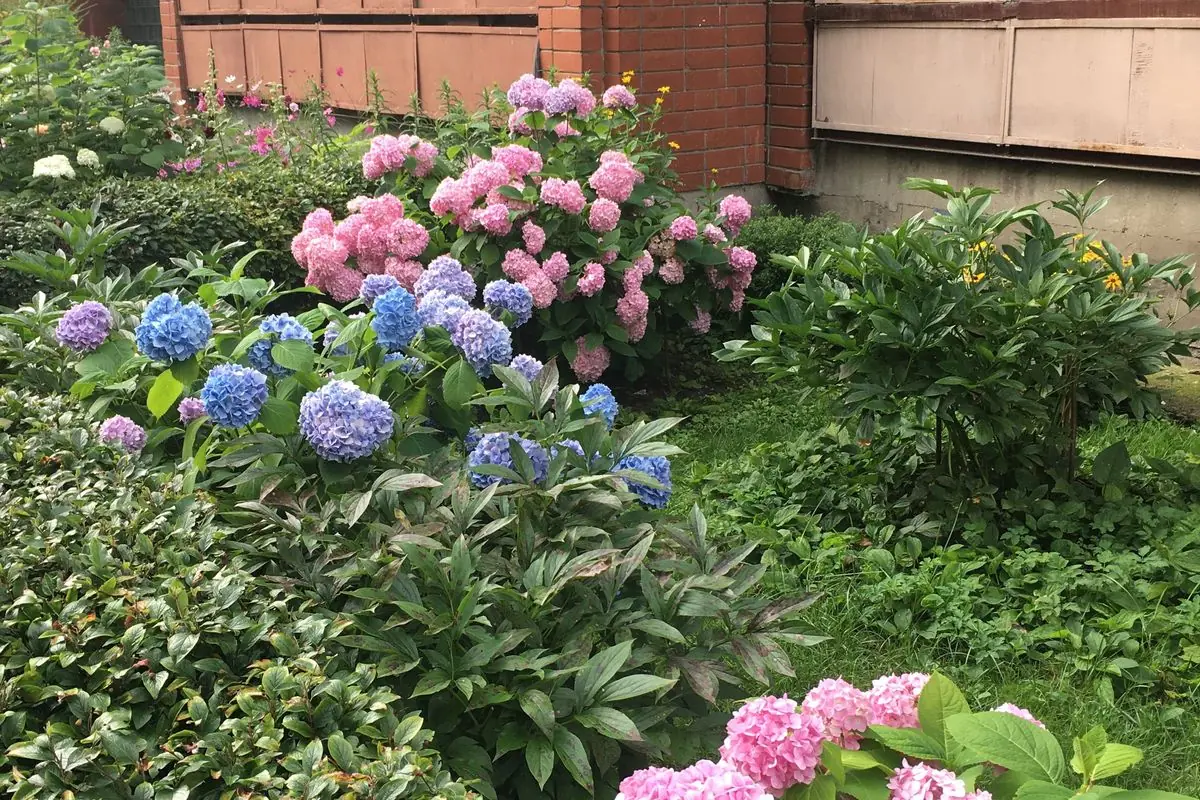
Many color-responsive bigleaf hydrangeas favor blue flowers in a growing medium around pH 5.0-5.5 when available aluminum is present. Around pH 6.0-6.5, flowers may trend toward pink. These ranges give you something to aim for, but the exact shade still varies. A plant in acidic soil without available aluminum may fail to turn blue. Genetics, fertilizers and irrigation water also influence the outcome.
The purple shades between blue and pink are often a consequence of intermediate aluminum uptake. A single plant may produce slightly different shades across its branches and flower heads. New growth also responds to different conditions from older blooms. That is why changing the potting mix today does not turn an already open pink flower blue overnight.
Not every hydrangea participates in this chemistry. The most familiar examples are selected bigleaf hydrangeas and some mountain hydrangeas (H. serrata). White varieties usually remain fundamentally white, although aging blooms can blush or turn green. Panicle and smooth hydrangeas do not become classic blue mopheads when you acidify the soil. Identify the plant before experimenting.
How to change hydrangea color carefully
Begin by measuring the pH of the potting medium. A soil or compost pH test tells you more than the color of last season's flowers. Next, confirm that your cultivar can change from pink to blue. Finally, look at the plant's overall health. Weak roots, dry soil and sun scorch need attention before you alter the growing medium.
To encourage blue hydrangeas, use a free-draining, organic-rich, mildly acidic growing medium. Some commercial hydrangea-blueing products contain aluminum sulfate. Apply them only at the manufacturer's rate for the amount of soil in your pot. Concentrated treatments can damage roots, push pH too low and interfere with nutrients. A rate intended for a garden bed must not be copied directly into a small container.
To encourage pink hydrangeas, growers may slowly raise pH with an appropriate garden-lime product after testing. Do not make the mix strongly alkaline just to force a color. Excessively high pH can limit iron uptake, leaving young leaves yellow between green veins. A healthy plant with lavender flowers is a better outcome than a sick plant producing the exact pink you imagined.
Irrigation water deserves attention over the longer term. Water with high alkalinity can gradually raise the pH of a container mix even when it was initially acidic. When a plant changes color after several months, test the medium and look at your water supply before blaming the nursery or adding more amendments.
Most color changes become visible in new blooms over weeks or months, sometimes not until the next flowering cycle. Different cultivars respond differently. Nobody can promise a particular shade by a particular date. Grow for plant health first; treat a change in flower color as a controlled experiment rather than an emergency.
Which hydrangea should you buy for a pot?
For rounded flower heads and a chance to influence blue and pink coloring, look for a compact mophead cultivar of Hydrangea macrophylla. A lacecap cultivar of the same species gives a flatter, more open look. If you want strong white flowers that do not depend on aluminum availability, buy a cultivar selected for white blooms instead of assuming any pale pink plant can turn white.
Panicle hydrangeas have distinctive cone-shaped clusters and can tolerate more sun in climates suited to them. Even so, they can struggle with year-round heat and humidity in the tropical lowlands. Smooth hydrangeas offer another large-flowered look, often in white, but their pruning pattern differs from bigleaf types. Plant names matter far more than a shop label saying a hydrangea is “easy to care for.”
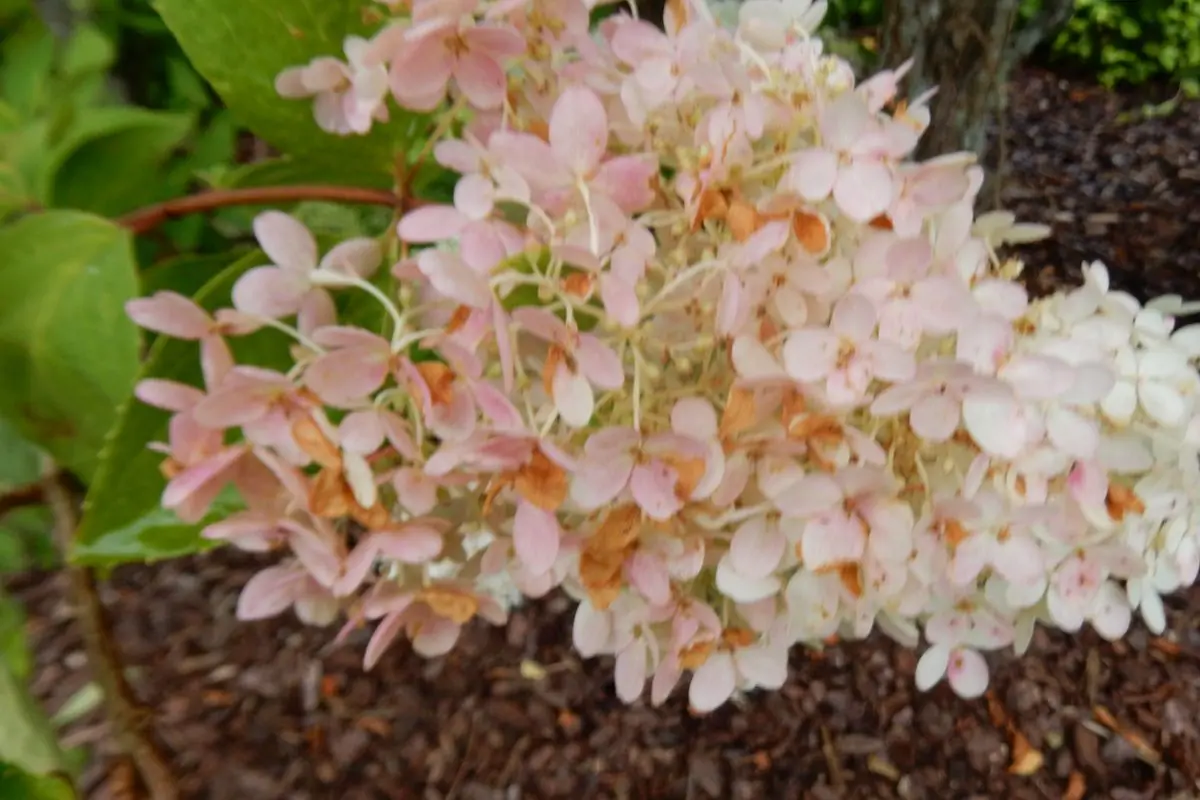
Inspect the leaves, shoot tips and stems before purchasing. Look underneath leaves for insects and signs of disease. Check that the container has drainage holes and that roots have not formed a tight, dry mass around the inside. A plant with a few buds opening can be easier to assess than one fully covered in mature flowers. Ask whether it was grown under shade cloth, in a greenhouse or outdoors so you can adjust its light exposure gradually.
Hydrangea care in pots: setting up the plant
Choose the container and growing medium
Start with a pot that has real drainage holes and is one reasonable size larger than the existing root ball. A container roughly 25-30 cm wide can work as a starting point for a modest young plant, while larger specimens need more root space. A tiny pot dries quickly; an oversized pot filled with a water-retentive mix may stay wet for too long.
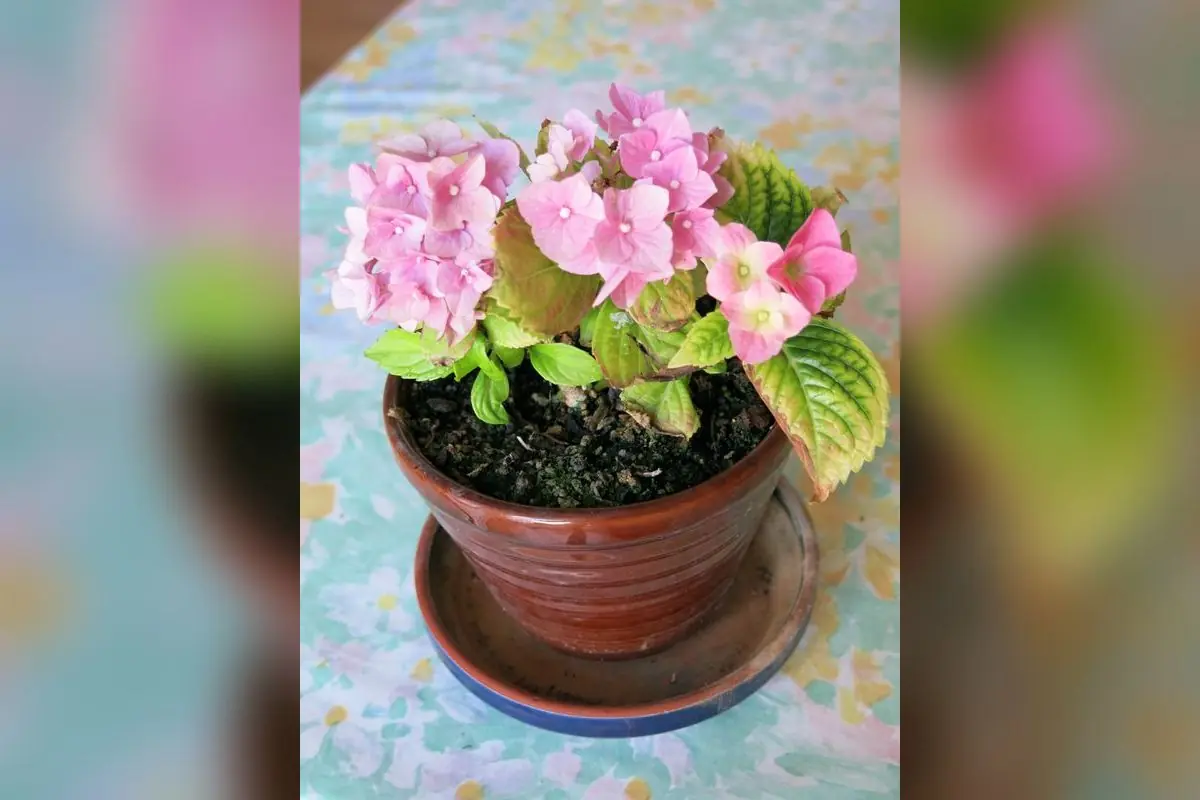
Use a quality container-growing medium that holds some moisture without becoming compacted. Organic matter helps maintain moisture, while components such as fine bark can support aeration. Ordinary heavy garden clay is a poor choice as the entire contents of a pot. Blue flowers call for a suitable acidic potting medium, so verify its actual pH. Good drainage remains essential regardless of the color you want.
Keep the crown of the plant at the same level as it was in the original pot. Do not bury the base of the stems deeply. Water thoroughly after transplanting and allow excess water to escape. Empty any saucer beneath the pot. A light layer of mulch can help slow surface evaporation, but leave a small gap around the base so the stems are not constantly damp.
How much sun do potted hydrangeas need?
Bigleaf hydrangeas appreciate bright conditions with gentle morning sunlight and afternoon shade. A place receiving strong midday sun or reflected heat from concrete is risky, particularly in hot Vietnamese cities. Deep shade is not the answer either. Plants kept in a dark room may produce healthy-looking leaves but few flower buds.
A hydrangea may droop during a very hot afternoon even while the root ball still contains moisture. Check the growing medium before reaching for the watering can. A plant that recovers as the temperature falls may simply be reacting to temporary water loss through the leaves. Repeated intense sun can scorch leaf edges and fade blooms, so improve the position first.
How much water should you give it?
Hydrangeas like steady moisture around roots that can still breathe. There is no single daily liter amount for every pot. Water use changes with container size, plant size, temperature, wind and the composition of the growing medium. Feel the top 2-3 cm of the mix. When that layer is beginning to dry while the root zone remains lightly moist, water slowly and thoroughly until a little drains from the bottom.
On a hot day, a small container may need checking both morning and evening. A larger pot in cool Da Lat weather may need water far less frequently. When dense foliage covers the pot, rain can miss the root ball entirely. Water at the base where possible, and keep the saucer from collecting standing water.
Fertilizer, roots and repotting
Use a balanced or slow-release fertilizer intended for flowering container plants, following the label for the pot size. Several light applications are generally safer than trying to force flowering with a strong dose. Avoid fertilizing a badly wilted plant, a dry root ball or a plant that has just suffered transplant stress. High phosphorus levels can reduce aluminum availability, which matters when you are trying to maintain blue flowers.
Roots circling tightly, water flowing straight down the side of the pot, or the mix drying too quickly can indicate that the plant needs a larger container or refreshed medium. Move up one pot size under mild conditions rather than during a heatwave. Keep as much of the healthy root system intact as practical. After repotting, allow the plant to settle before making large changes to feeding or soil chemistry.
Growing hydrangeas in different parts of Vietnam
Northern Vietnam: make use of the cooler seasons
In northern areas such as Hanoi, planting or repotting during a mild period is easier than working through peak summer heat. Hot, humid months call for afternoon shade, ventilation and closer moisture checks. Cooler winter weather gives many plants a more pronounced seasonal rhythm. However, strong cold snaps and frost in higher northern locations can still damage developing buds and shoots.
Container growing lets you move a vulnerable plant into a sheltered position when conditions become extreme. During wet periods, make sure water can actually drain from the pot. Waterlogged roots run short of oxygen and the plant wilts, so droopy leaves can mean too much water as easily as too little.
Ho Chi Minh City: protect against constant heat
Lowland southern Vietnam presents a different challenge. The surrounding air, tiled flooring, walls and afternoon sunlight can all keep a pot hot. Position bigleaf hydrangeas where they receive early light but avoid western sun. Raise the container off a surface that becomes extremely hot, and leave room for air circulation.
The plant may survive and produce foliage without flowering reliably. Daily watering will not bring Da Lat-style blooms every month. A bright but sheltered outdoor position is generally more useful than a dark air-conditioned room. People who want hydrangeas mainly for home decoration may find that buying quality cut stems is easier than maintaining a flowering shrub all year.
Da Lat and other cool highlands: watch the rain as well as the sun
The cooler highland climate reduces some of the heat stress common in lowland cities. This helps explain why Da Lat is such a familiar place to see hydrangea gardens. The advantage does not remove the need for drainage. Prolonged rain can saturate containers, and strong wind can damage large flower heads. Keep pots away from spots where runoff continually pours into the soil.
A hydrangea under a very dark porch can still struggle to flower despite comfortable temperatures. Provide gentle light, moisture and some air movement. Plants in raised beds, garden soil and containers may also have different soil chemistry and therefore different flower colors. Even neighboring plants need not behave exactly alike.
Across all three regions, use the plant's growth stages rather than a rigid Northern Hemisphere calendar. Look for new shoots, developing buds and spent flowers. Those observations are more useful than copying a monthly pruning schedule written for a garden that freezes every winter.
When do hydrangeas bloom, and what happens after flowering?
Bigleaf hydrangeas have flowering cycles shaped by cultivar, climate and cultivation. Well-kept Da Lat gardens show hydrangeas for much of the year, mostly from May through December, though it varies from garden to garden. Commercial plants may also be grown to flower for a particular sales period.
Many bigleaf cultivars set next season's flowers on older stems. Remove a faded flower head carefully just above a healthy pair of buds, rather than cutting the whole branch down. Severe pruning after flowering can remove the stems that would carry future blooms. Some reblooming cultivars can flower on both older and newer growth, but you need the exact cultivar name to use that advantage confidently.
Panicle hydrangeas and smooth hydrangeas generally bloom on new wood and can be pruned differently. This is why generic advice to cut every hydrangea hard at the end of the season is unreliable. Remove obviously dead or diseased branches as needed, clean cutting tools after handling diseased tissue, and leave healthy buds alone when their function is uncertain.
Poor flowering may also come from heavy shade, repeated heat stress, root problems or the normal immaturity of a newly propagated plant. Fertilizer alone cannot replace the correct light and seasonal conditions. Give a recently repotted plant time to establish before expecting a full crop of flowers.
How to propagate hydrangeas from cuttings
Take a healthy, flexible, non-flowering shoot during an active growth period, preferably in mild weather. An initial shoot about 10-15 cm long gives you room to prepare a shorter cutting. Trim it to approximately 5-10 cm, making the lower cut just below a leaf node. Remove lower leaves, keep a small amount of upper foliage, and reduce very large leaf surfaces to limit moisture loss.
Insert the cutting into a clean, airy propagation medium that stays lightly moist. Make a hole first so the base is not bruised when pushed into the mix. Keep it in bright indirect light. A clear cover can help retain humidity, but provide ventilation and check for mold. Foliage pressed against a wet plastic bag is more likely to rot than root.
Bigleaf hydrangeas can begin rooting in a few weeks under favorable propagation conditions. The timing is not fixed for a home balcony, where temperature and moisture vary considerably. Do not pull cuttings from the medium every day to inspect them. Wait for stable new growth and an established root system before moving each cutting to a small pot. A rooted cutting may still need substantial growing time before it is mature enough to flower.
Hydrangea problems: troubleshoot before adding anything
Leaves droop and the pot is dry. Water slowly around the root ball and check whether the mix is absorbing moisture or shedding it down the pot walls. Move the plant into bright shade. If the medium has become water-repellent, a short bottom soak followed by full drainage may help. Do not add concentrated fertilizer while the plant is dehydrated.
Leaves droop and the pot is wet. Stop watering and inspect the drainage holes and root condition. Saturated soil can deprive roots of oxygen and produce symptoms that look like drought. A sour smell, soft brown roots or stem-base decay needs closer investigation and possibly a change of growing medium.
Leaf edges burn or flowers bleach. Review direct afternoon sunlight, wind and the temperature around the container. A more sheltered position often matters more than a new fertilizer product. Previously burned leaf tissue will not turn green again. Protect the new leaves and assess whether they develop normally.
Young leaves yellow between the veins. Check soil pH, particularly after adding lime or regularly using highly alkaline water. Restricted iron availability is one possible cause. Do not automatically treat every yellow leaf with extra nitrogen; older-leaf yellowing and young-leaf yellowing can point to different issues.
The plant makes leaves but no flowers. Look at light exposure, cultivar type, pruning history and the conditions under which buds should form. Repeatedly cutting healthy stems can remove flower buds. Very hot conditions may limit flowering even when foliage looks vigorous. A young cutting or a newly transplanted shrub also needs time to establish.
The plant has leaf spots or powdery growth. Remove heavily affected fallen leaves and improve air circulation. Avoid keeping the foliage wet late into the evening. Identify a specific disease before using any treatment. A few spots are no reason to spray, and the wrong product will not fix poor airflow or constantly wet soil.
How to keep cut hydrangeas fresh in a vase
Buy the right flowers and hydrate them promptly
Look for fairly mature, fully shaped heads with firm outer floral parts, fresh-looking leaves and stems that are not slimy at the base. Very immature hydrangea heads may not hold up well as cut flowers. Ask how the shop stores its stems, especially in hot weather. Travel time without water can matter more than the difference between two colors.
Get stems into water as soon as possible. Wash the vase, use clean water and take a sharp cutting tool. Recut at least 1-2 cm from the stem ends, ideally under water or running water so the water-conducting tissues are exposed without a long delay. Remove all leaves that would sit below the waterline. Submerged foliage decays and can make the vase water cloudy.
Place the arrangement somewhere cool, away from harsh sunlight, a hot kitchen surface and direct blasts of air conditioning. Large hydrangea heads can be surprisingly thirsty. Check the water level daily. A stable, appropriately sized vase protects the stems from bending under the weight of the flowers.
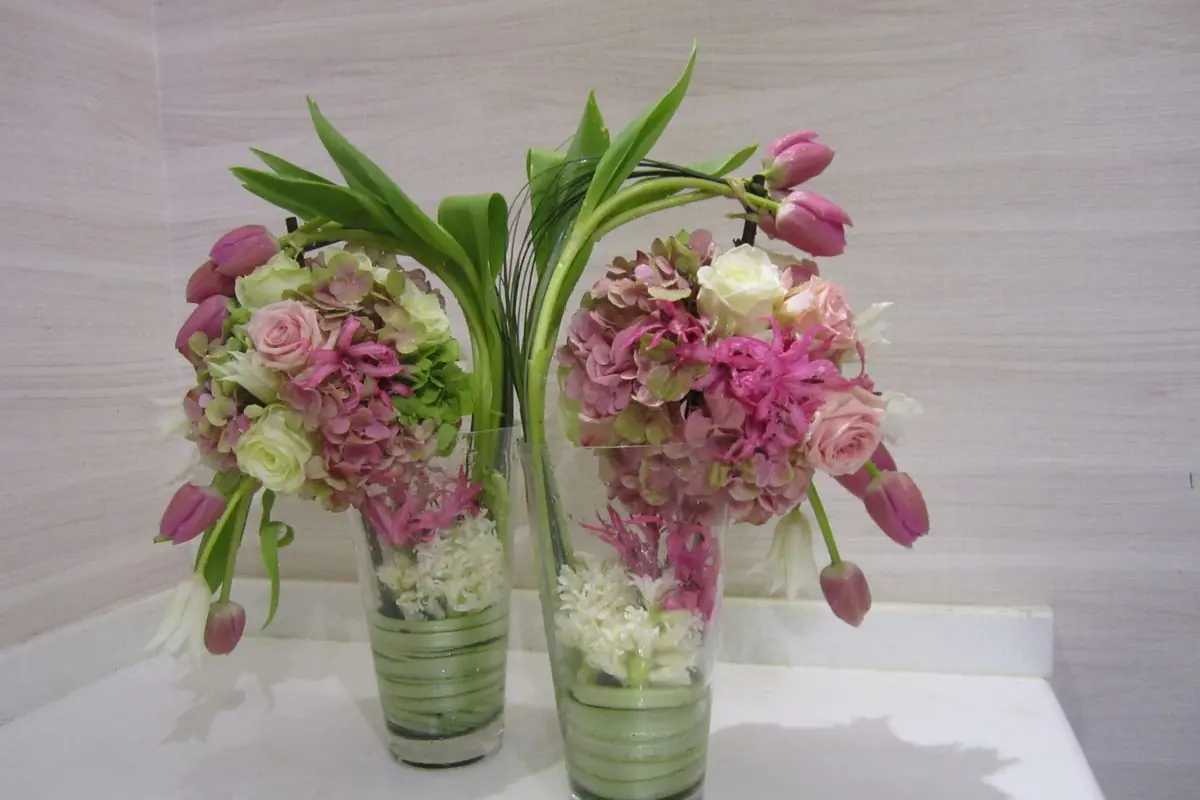
Change water and use flower food sensibly
Replace cloudy water promptly and clean the vase regularly. In a warm room, check the water every day. Recut the base again if it has become dark or slippery. Commercial cut-flower food can help when prepared according to the product instructions. Do not overdose it, and skip homemade mixes of sugar, soft drinks, bleach or aspirin, since the strength and hygiene are hard to control.
Well-conditioned stems can remain attractive for several days and sometimes a week or longer. Actual vase life depends on the cultivar, maturity, shipping, storage and room temperature. A bouquet that spent hours dry in a delivery vehicle has already used part of its potential life before you unpack it. Before an important event, ask for recent stock and delivery close to arranging time.
How to revive wilted cut hydrangeas
First check the water level and recut the stem ends. Put the flowers into fresh water in a cool place. For a head that has only recently wilted from dehydration, you can try submerging the flower head in clean, cool water for about 30-60 minutes, then lifting it gently, allowing it to drain and returning the stem to the vase. More severe dehydration may require longer conditioning, but recovery is not guaranteed.
Do not expect brown, crushed or rotting flowers to become fresh again. Soaking cannot repair destroyed tissue. Keep the soaking water clean and avoid leaving wet flowers pressed against fabric or a wall. If only one stem has wilted, pull it out and treat it on its own, leaving the rest of the arrangement as it is.
Misting the heads can briefly increase surface moisture, but it is not a replacement for water uptake through a healthy stem. A clean cut, a cool room and regular hydration remain the priority. Avoid aggressive methods such as crushing the stem ends or putting the entire plant through extreme temperature changes.
Is hydrangea poisonous to people, dogs and cats?
Yes. Ornamental hydrangeas contain cyanogenic glycosides, compounds that can release cyanide when plant material is consumed. Leaves, flowers and other plant parts should not be treated as food. Do not use a decorative hydrangea to garnish cakes or prepare tea. A plant bought from a florist is not a culinary ingredient.
Eating hydrangea material can cause nausea, stomach pain and vomiting in people. Keep the plants out of reach of children likely to chew leaves or flowers. Washing hands after pruning and using gloves when you have sensitive skin are reasonable precautions.
Some specialized Japanese traditions use carefully prepared leaves from particular mountain-hydrangea plants for a sweet tea called amacha. That exception does not make ordinary ornamental hydrangeas safe to eat. Never experiment with leaves from an unidentified plant or substitute them for a food product. Keep decorative flowers separate from drinks and serving dishes at events.
Hydrangea prices in Vietnam
Prices make more sense when you separate a single stem, a wholesale lot, a living plant and a designed bouquet.
| Product or unit | Reference price |
|---|---|
| Da Lat hydrangea, one retail cut stem | VND 35,000-65,000 |
| Da Lat hydrangea, wholesale cut stem | VND 8,000-15,000 |
| Imported Dutch hydrangea, one retail stem | VND 90,000-150,000 |
| Mini hydrangea in a pot, with buds | VND 150,000-350,000 |
| Medium shrub, about 50-70 cm across | VND 500,000-1,200,000 |
| Designed hydrangea bouquet in Hanoi | VND 650,000-4,500,000 per bouquet |
Wholesale prices are for bulk orders; a walk-in customer buying one stem pays retail. Potted plants are priced by size and how far the buds have developed. A finished bouquet includes selection, arrangement, materials and service, so it should not be priced simply by multiplying the cost of individual stems.
Ask what the quotation covers before ordering: each flower head, each stem, the entire bouquet or the living plant and pot. Confirm whether delivery and wrapping are included. Imported flowers can cost more because of sourcing, head size, conditioning and transport, while locally grown Da Lat flowers are often a more accessible option for home arranging.
Several mature locally grown stems may offer better value than a large imported design for a first vase arrangement. For long-term growing, save part of the budget for a suitable container, proper growing medium and a shaded location. Buying an attractive flowering plant without somewhere appropriate to place it is rarely a bargain.
A simple decision before you take hydrangeas home
Choose a color for the feeling you want to express, but let the recipient's taste guide the gift. Choose a clearly identified variety for a pot, then give it morning light, afternoon shelter, consistent moisture and drainage. With cut stems, clean water and prompt hydration matter more than complicated homemade recipes.
The same choices will help when you arrange flowers for a birthday, prepare a wedding table or bring a potted hydrangea back after seeing the gardens of Da Lat.
FAQ
What does a hydrangea mean as a romantic gift?
Pink hydrangeas often suggest love and sincere affection, while purple can express admiration. Each culture reads the symbolism a little differently. A personal note and the recipient's favorite color make the gift clearer.
What causes hydrangea color change, and how long does it take?
Soil pH affects the availability of aluminum, which influences blue pigments in certain cultivars. Changes usually appear in new flowers over weeks or months, sometimes in the next flowering season. White and many other hydrangeas do not turn blue through this process.
Can hydrangeas grow in pots in Ho Chi Minh City?
Yes, but consistent blooming is harder in year-round heat. Provide bright morning light, afternoon shade, free drainage and frequent moisture checks. Healthy green leaves do not guarantee frequent flowers.
How do I rescue a wilting hydrangea?
For a potted plant, check soil moisture before acting: water a dry root ball or correct drainage if the mix is soaked. For cut stems, recut the ends, replace the water and try a 30-60 minute cool-water soak for a recently wilted flower head.
Is hydrangea poisonous to dogs, cats or people?
Yes. Do not eat leaves or flowers, and do not brew tea from ornamental plants. Dogs and cats may vomit or get diarrhea after eating hydrangea; call a vet if that happens. People can also develop gastrointestinal symptoms.