Da Lat travel guide: book your transport and hotel before planning attractions
For your first trip to Da Lat, choose a bus or flight based on where you're coming from, and stay near the city center if you're unfamiliar with the area. Three days and two nights are enough for the main attractions, while four days give you more time for coffee shops, countryside views, and a slower pace.
By Da Lat LoversPublished Updated

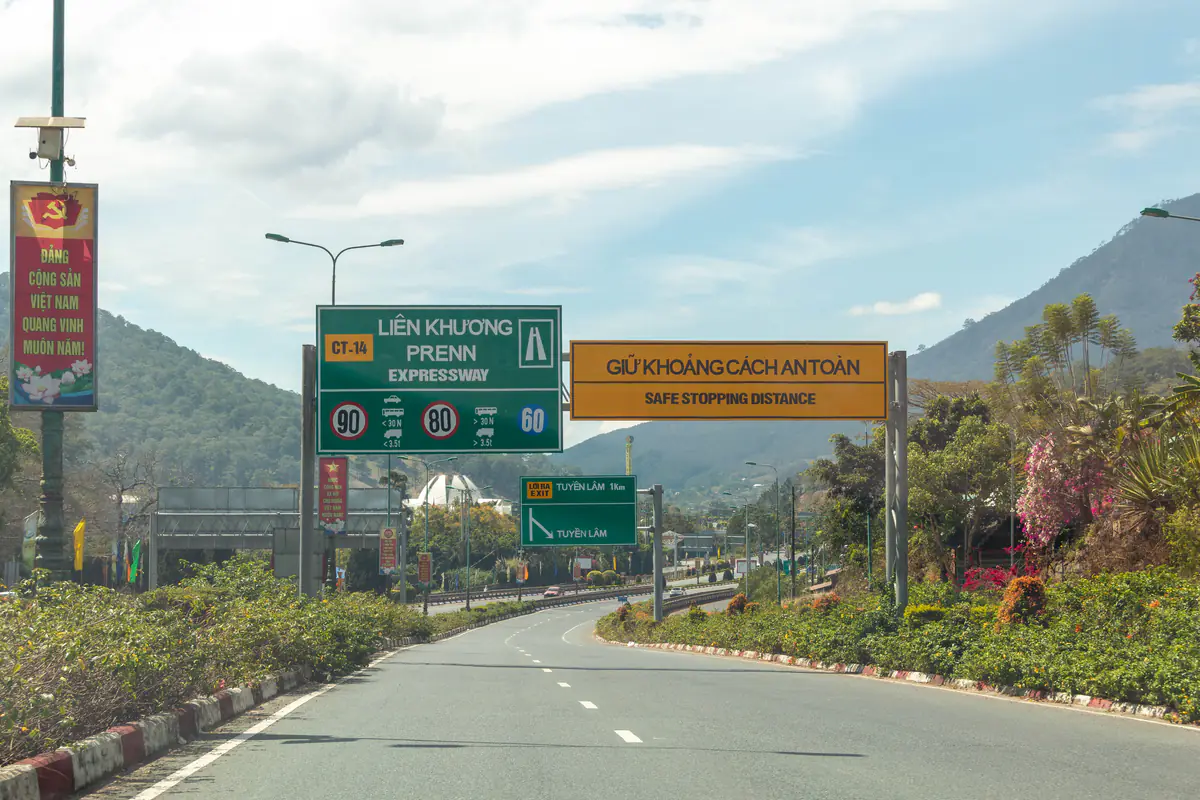
Lien Khuong Airport terminal.
Arriving in Da Lat at 5 AM instead of 2 PM can completely change what you do on your first day. That's why the first step in planning an independent trip to Da Lat is to settle your travel dates, arrival time, and accommodation. Once those are confirmed, you can start choosing coffee shops, waterfalls, and scenic viewpoints.
What should you book first for your first trip to Da Lat?
Da Lat is a fairly straightforward destination to explore independently. The city center has plenty of hotels, restaurants, coffee shops, and attractions within a relatively small area. Beyond the center, however, many popular places are scattered across hills and countryside roads, so a poorly planned route can take up more time than expected.
It's tempting to save dozens of attractions from social media before looking at transport or accommodation. After booking everything, you might then discover that your hotel is far from the places you want to visit, your bus arrives hours before check-in, or your return flight cuts the final day short.
Work through the trip in this order instead:
- Choose your travel dates and number of days. Prioritize the relatively dry season when you plan to spend most of your time outdoors.
- Book your return transport. Check both your arrival and departure times before paying.
- Choose your accommodation. Pick the neighborhood based on how you'll get around, not just how attractive the room looks.
- Decide how you'll travel within Da Lat. Your options include a rental motorbike, taxis, ride-hailing services, or a private car with a driver.
- Choose two or three sightseeing areas. Group attractions in the same direction instead of crossing the city repeatedly.
- Pack and calculate your budget. Do this once you know the weather, where you're staying, and your planned activities.
Vietnamese travelers visiting Da Lat independently for the first time should get the first three decisions right. The bánh căn restaurant and the café can wait until your transport and room are booked.
International visitors who are new to Vietnam can follow the same process, but there are a few extra things to check: entry requirements, whether their driving license is valid in Vietnam, and the exact pickup and drop-off locations used by bus operators.
Ticket prices, transport schedules, hotel rates, and daily spending change with your travel dates, so settle the plan first and compare prices once you book.
Is Da Lat worth visiting?
Yes, especially if you want cooler weather, mountain scenery, coffee shops, and outdoor activities rather than another beach destination.
Da Lat sits on the Lam Vien Plateau, at an elevation of roughly 1,500 meters. Its relatively mild climate makes it a popular place for short holidays, particularly among people living in Ho Chi Minh City and other warmer parts of southern Vietnam.
You could spend the morning walking around Xuan Huong Lake, stop at a café overlooking the hills in the afternoon, and finish the day with a hot meal. Another trip might focus on pine forests, waterfalls, countryside roads, and outdoor activities.
But Da Lat isn't the right choice for every traveler. Swimming, snorkeling, or a day on the beach make more sense in Nha Trang or another coastal destination. Travelers who prefer major historical sites clustered within walking distance may also find Da Lat quite different from Hanoi or Hue.
There's another practical consideration: many attractions that look close together on social media are actually in different parts of the countryside. Traveling from a café on one side of Da Lat to a waterfall on the opposite side can take longer than the time you spend at either attraction.
Travel at a reasonable pace rather than trying to see every popular location in three days.
International travelers exploring Vietnam from north to south or vice versa will find Da Lat a noticeable change from Ho Chi Minh City, Hoi An, or the coastal cities. It's a useful stop for a few days of cooler weather and highland scenery before continuing to another part of the country.
How many days in Da Lat are enough?
The ideal length of your stay depends on when you arrive, when you leave, and whether you want to explore the countryside.
2 days and 1 night: best for short trips from nearby cities
A two-day trip works for people traveling from somewhere relatively close, returning visitors, or those who simply want a change of scenery over the weekend. You can explore Xuan Huong Lake, visit Da Lat Market, try a few local dishes, and stop at a café.
The disadvantage is that transport can take up a large part of the trip. Arrive around midday and leave early the following afternoon, and you effectively have only one day in the city. First-time visitors coming from Hanoi, or international travelers moving across several provinces, will usually find that too short to justify the journey.
3 days and 2 nights: the best choice for first-time visitors
Three days are the most balanced option for sightseeing without making your trip unnecessarily long. A simple itinerary could look like this:
- Day 1: Check in, explore Xuan Huong Lake, visit Lam Vien Square, and walk around the night market.
- Day 2: Visit Truc Lam Zen Monastery, Tuyen Lam Lake, or Datanla Waterfall.
- Day 3: See Da Lat Railway Station, visit one more café, and depart.
This schedule works particularly well if you arrive in the morning or early afternoon on the first day and leave late on the third.
On the other hand, arriving late at night and taking an early flight home on day three leaves you with just one full day. That's why your arrival and departure times matter more than the number of nights on your booking confirmation.
4 days and 3 nights: better for nature and a slower pace
Four days give you time to explore the Trai Mat area, spend more time around Tuyen Lam Lake, or add cloud hunting and guided trekking.
An extra day is also useful during the rainy season, since an outdoor plan interrupted by the weather can move to the following day instead of being canceled entirely.
Families with young children, older travelers, and international visitors unfamiliar with mountainous roads may find four days more comfortable.
Leave some hours unplanned, too. A morning without a fixed schedule, when you can simply enjoy breakfast and sit in a café, is part of the appeal of Da Lat.
How to get to Da Lat
Da Lat is accessible by road from several Vietnamese cities and by air through Lien Khuong Airport. The best option depends largely on where you're starting.
Loading map...
- Lien Khuong Airport: Airport code DLI, about 30 km from the center
- Da Lat inter-provincial bus station: 1 To Hien Thanh Street, FUTA office
- Da Lat Market: Easiest area for a first stay: Nguyen Chi Thanh, Phan Boi Chau
From Ho Chi Minh City: traveling by bus is straightforward
From Ho Chi Minh City, sleeper buses and limousine services are the two common options. Phuong Trang, also known as FUTA Bus Lines, is one of the operators serving the route between Ho Chi Minh City and Da Lat.
A sleeper bus can be convenient if you want to travel overnight and keep your daytime hours free for sightseeing. Limousine services or buses with private sleeping compartments may provide more personal space, although the exact layout depends on the vehicle and operator.
Don't book based on the word "limousine" alone. Check the seat or bed configuration, number of passengers, pickup location, drop-off point, and what's included in the ticket, above all where the bus actually drops you off in Da Lat.
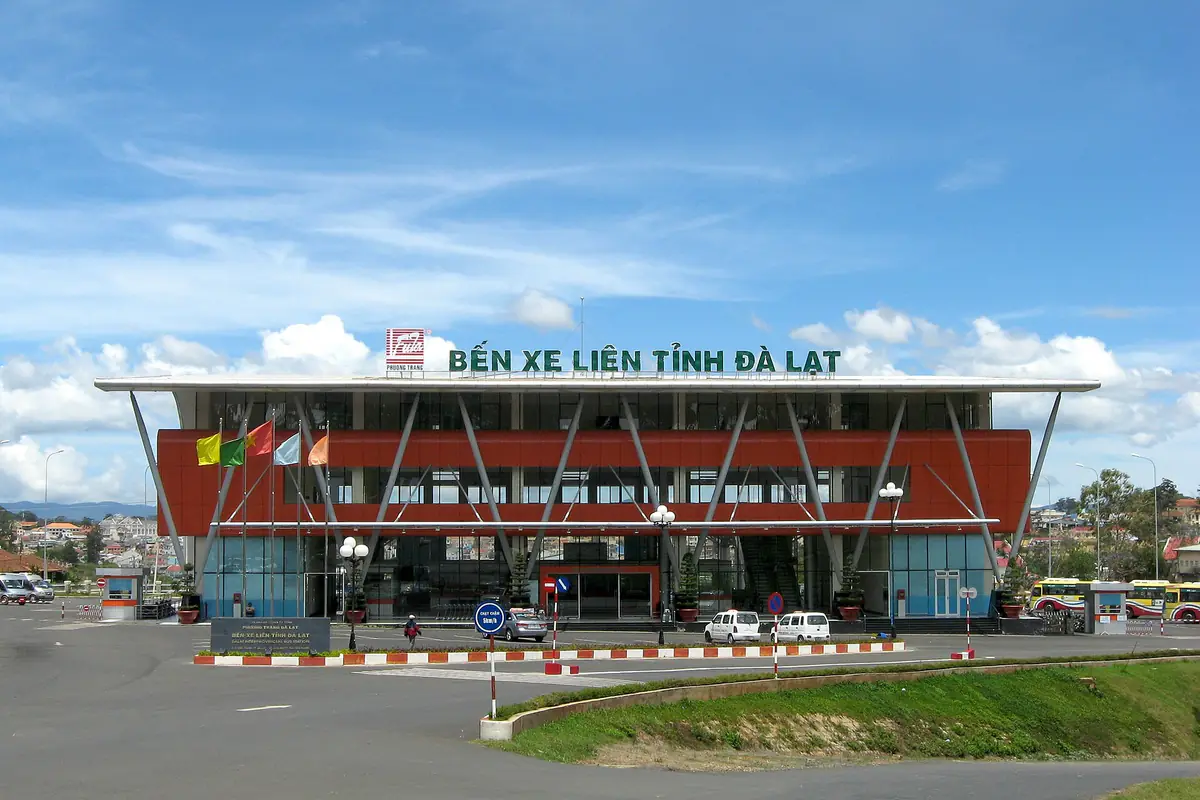
FUTA has an office at 1 To Hien Thanh Street in Da Lat. You can check its services through its official booking platform or contact the company on 1900 6067.
On a first visit, arriving in the morning is often more convenient than arriving in the middle of the night, particularly if your hotel doesn't have a 24-hour reception desk.
Fares, departure times, and pickup locations are in our guide to the bus from Ho Chi Minh City to Da Lat; to weigh sleeper buses against cabins, read about the limousine buses to Da Lat.
From Hanoi: check flights first
From Hanoi, flying is more practical than traveling all the way by road for a short holiday. Da Lat is served by Lien Khuong International Airport, with the airport code DLI. The airport is approximately 30 kilometers from central Da Lat, so you'll still need ground transport after landing.
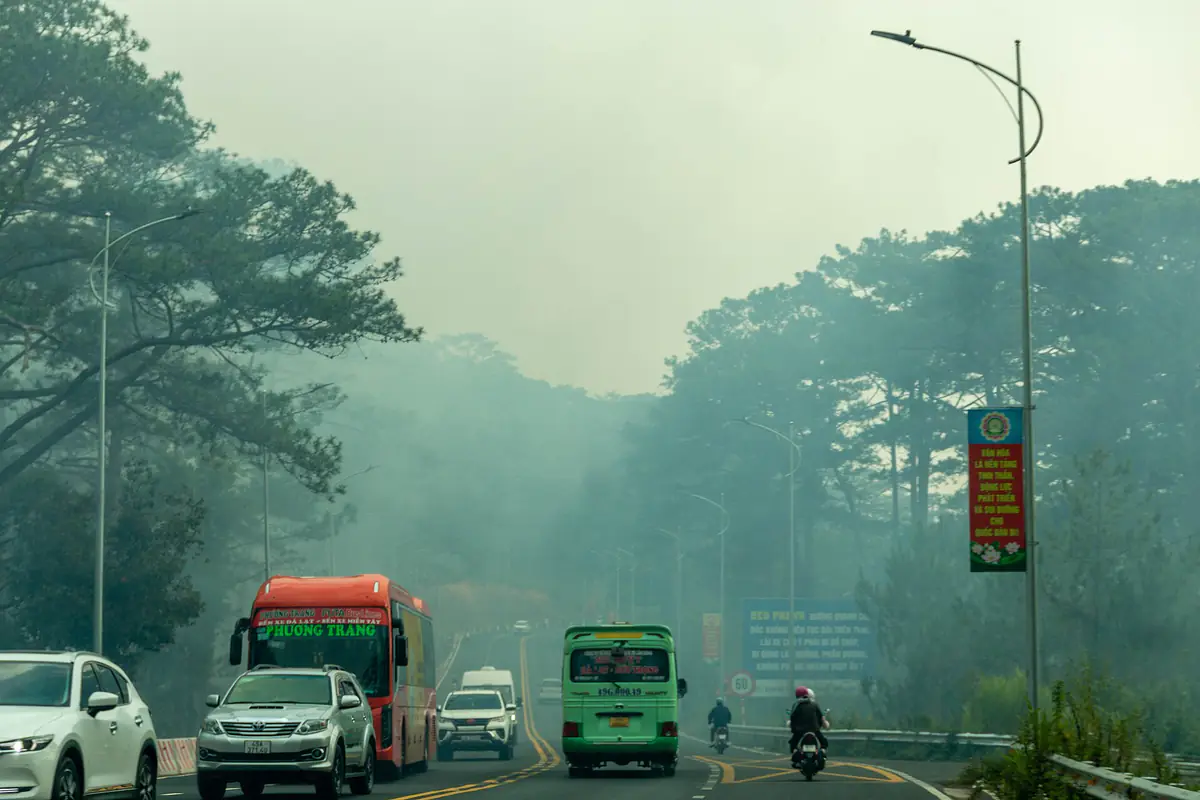
Older travel articles stating that the airport would remain closed throughout 2026 are therefore outdated. Still, an open airport doesn't mean every route flies every day, so check actual flight availability for your intended travel dates.
When comparing airfares, include luggage charges and the transfer from Lien Khuong to your accommodation. A cheaper ticket arriving late at night may require an additional hotel night without giving you any useful sightseeing time.
Airlines, flight routes, and airport transfers are covered in our guide to flights to Da Lat.
From Nha Trang and nearby provinces
Travelers already in Nha Trang can continue to Da Lat by road. Combining the two destinations makes sense because they offer different experiences: beaches in Nha Trang and cooler highland scenery in Da Lat.
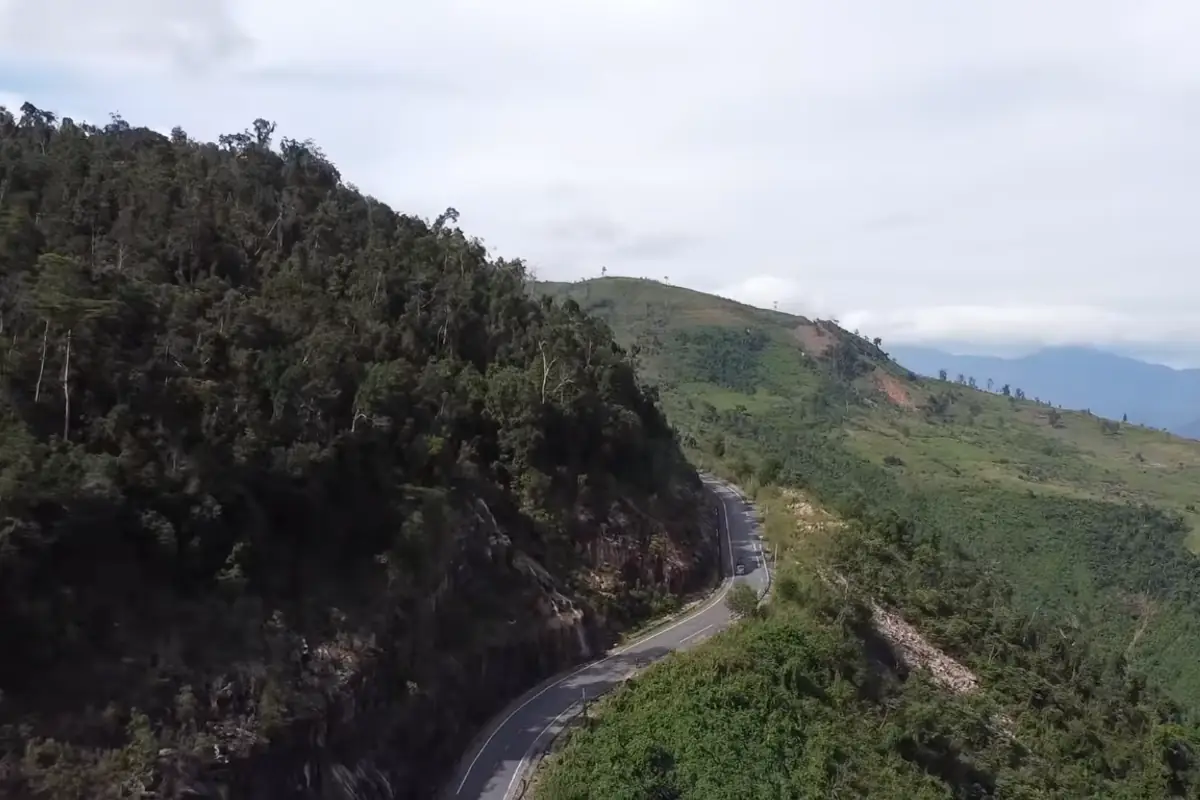
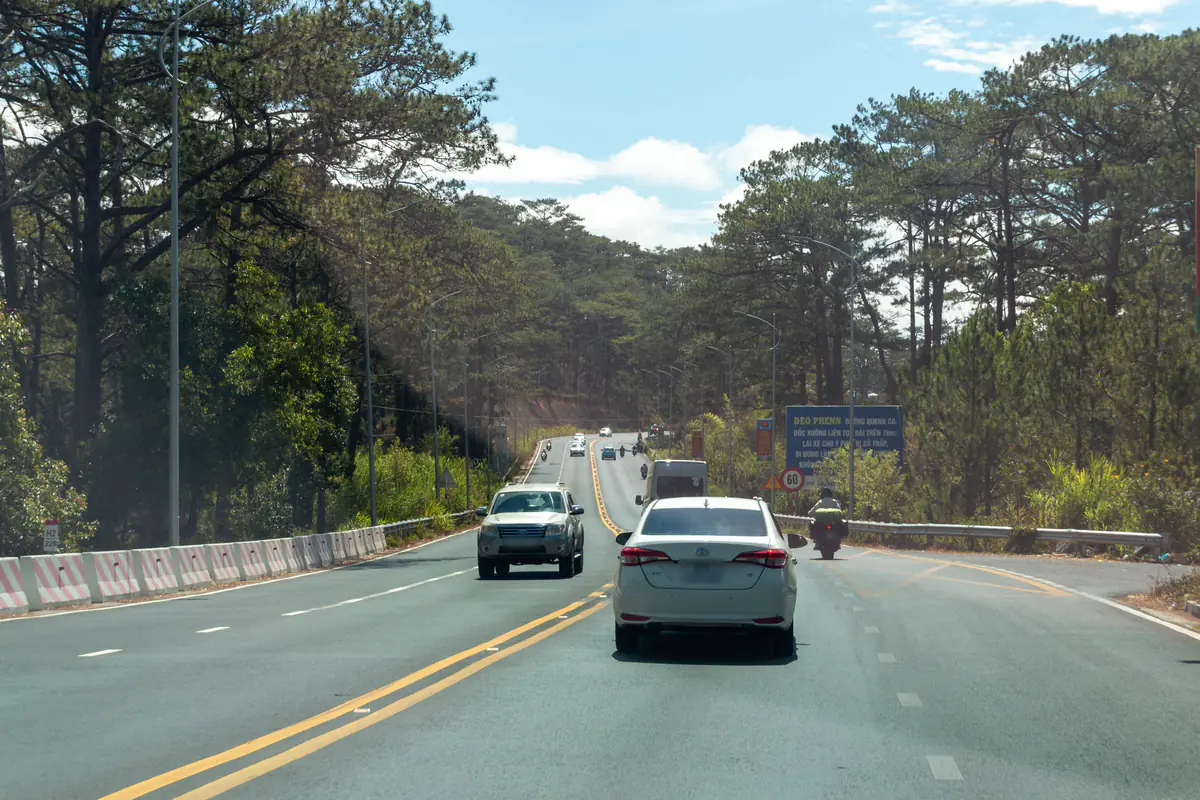
Travelers unfamiliar with mountain roads should consider a reputable bus operator or a private car with a driver. Some sections of the journey have significant elevation changes and winding roads, quite different from driving along the coast.
Anyone prone to motion sickness should prepare for this before booking. Choose a suitable seat, eat lightly, and consider motion-sickness medication according to its instructions if needed.
Can you take a train directly to Da Lat?
No. There is no regular intercity passenger train connecting Da Lat directly to Vietnam's North-South railway network.
Da Lat Railway Station is a historic attraction associated with a tourist railway service toward Trai Mat. You cannot board a regular train in Hanoi or Ho Chi Minh City and travel directly to Da Lat Railway Station as you could when traveling to Nha Trang.
This distinction is particularly useful for international visitors, since photos of Da Lat's old station can make it look as though the city has a fully functioning intercity railway connection.
Where to stay in Da Lat for the first time
Choosing the right neighborhood can save you more time than finding a cheap hotel far from everything you want to see.
Near Da Lat Market: best for food and walking
The areas around Nguyen Chi Thanh Street, Phan Boi Chau Street, and the streets surrounding Da Lat Market are convenient for first-time visitors, particularly those not planning to rent a motorbike or who want to walk to restaurants and evening activities. From this area, you can reach the market, many eateries, and several central attractions without needing a car for every short journey.
The trade-off is noise and traffic. The streets around the market can become busy, especially on weekends and in the evening. Early sleepers should look for a room away from the main road and check recent guest reviews for comments about noise, windows, and parking before booking.
Bui Thi Xuan and Phan Dinh Phung: a practical middle ground
These streets have a wide range of hotels and guesthouses. However, both roads cover considerable distances, so don't assume that every hotel with one of these street names is within easy walking distance of the market.
Before booking, open a map and check the actual walking route from the accommodation to Da Lat Market. Pay attention to elevation changes as well as distance. A hotel that appears to be one kilometer from the market can still be inconvenient if the route involves steep streets, particularly when traveling with older family members.
Tran Hung Dao and Quang Trung: more open space and older architecture
The area east of the city center has tree-lined roads, older buildings, and a different atmosphere from the busy market district. Da Lat Railway Station is also located on Quang Trung Street.
This area suits travelers interested in architecture, walking, and quieter surroundings without necessarily staying right next to the night market. Still, check each hotel's exact location: some properties on the same road are an easy walk from Xuan Huong Lake, others are not.
Tuyen Lam Lake and the countryside: scenic but less convenient
Homestays and resorts outside the center often have attractive views, more privacy, and quieter surroundings. They're good choices for couples seeking a relaxing stay, travelers with a private vehicle, or anyone who doesn't need to visit the city center repeatedly.
The downside is accessibility. A room overlooking a pine forest can become inconvenient when you want to find dinner, buy supplies, or return after an evening out. Besides distance, ask about road access, parking, reception hours, and how easy it is to arrange transport at night.
On a first independent 3-day trip to Da Lat, staying near the center is usually the simplest choice. Save the countryside homestay for a return visit, once you know the city better.
Rooms, facilities, locations, and seasonal rates are in our list of Da Lat homestays.
What's the best time to visit Da Lat?
Da Lat has two broad weather periods: a relatively dry season and a wetter season. The exact transition between them varies from year to year. November to April tends to be more favorable for outdoor sightseeing, while May to October usually sees more rainfall.
December to March: a good starting point for first-time visitors
This is the period to aim for when you want to walk around the city, explore lakes, visit waterfalls, or spend much of your day outdoors. Daytime temperatures can feel comfortable, while early mornings and evenings may be quite cold, especially when it's windy.
The end-of-year period and public holidays can also attract more domestic visitors, so book accommodation earlier for busy weekends and major holidays.
April to June: still worth visiting, with some flexibility
Weather conditions gradually become wetter during this period. Sunny mornings can still be pleasant for sightseeing, while afternoon rain may interrupt your plans. Visit places such as Tuyen Lam Lake or waterfalls in the morning and keep cafés or indoor activities available for later in the day.
July to October: don't build your entire trip around outdoor photos
During this period, pay closer attention to the weather forecast. Da Lat can still be enjoyable during the rainy season. The countryside becomes greener, the air often feels cool, and the city can be a comfortable place for a slower holiday.
However, your itinerary will depend more heavily on daily weather conditions. Avoid booking three consecutive outdoor activities without alternatives.
Cloud hunting, trekking, and motorbike rides along remote mountain roads call for short-term forecasts, not the assumption that a particular month will guarantee ideal conditions.
Flowering seasons, rainfall, and the best months for different activities are covered in the best time to visit Da Lat; read it before confirming your transport.
Getting around Da Lat: motorbike or car?
Your choice of transport within Da Lat should depend on your experience, travel companions, and sightseeing routes.
Renting a motorbike: suitable for experienced riders
Motorbikes are convenient for two travelers with light luggage, especially when the itinerary includes several short stops.
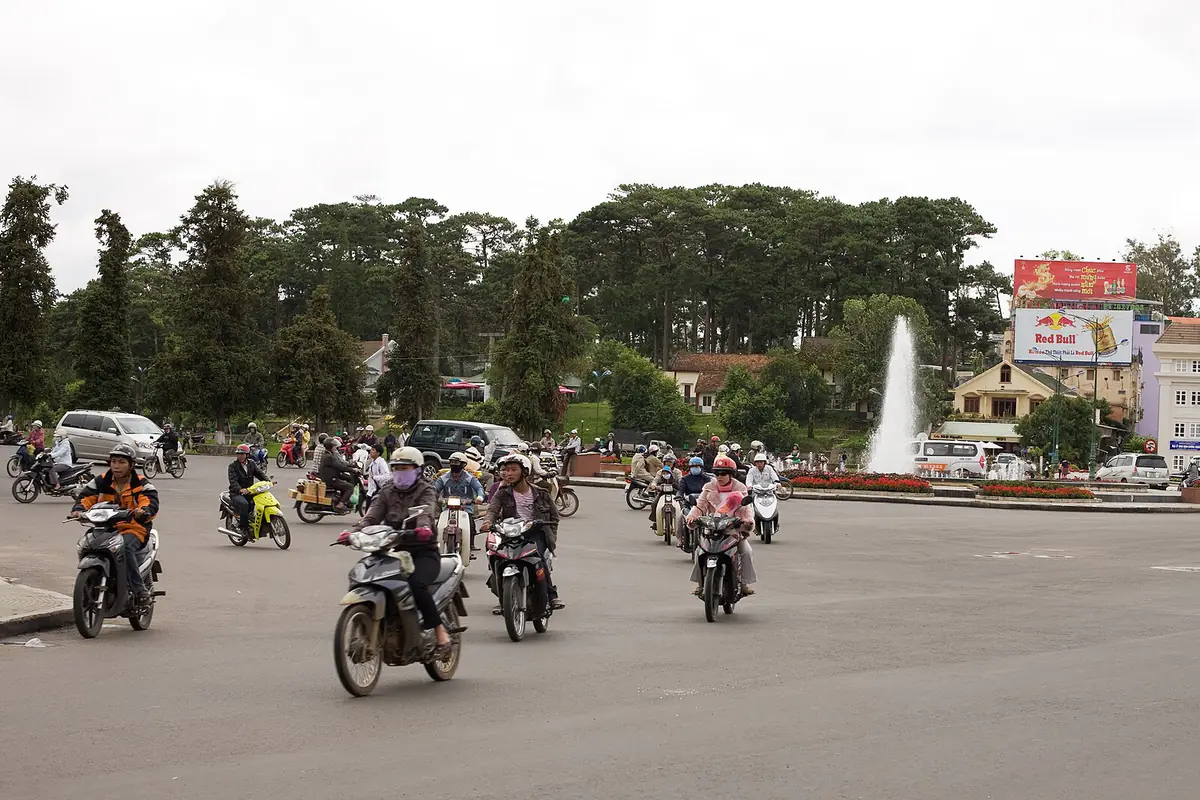
However, Da Lat has steep roads, sharp bends, rain, and occasional fog. Riders who are only comfortable on flat city streets shouldn't treat it as a place to learn how to handle mountain roads.
You must hold a valid license for the vehicle category you're riding under Vietnamese law.
If you're unsure whether your documents are valid, choose another form of transport.
Taxis and ride-hailing: better for families and new visitors
Cars are convenient when traveling with children, older family members, or large luggage, and when it's raining. Around the center, booking individual rides works fine.
Planning several countryside attractions in one day? Ask about hiring a car with a driver for a planned route. Before agreeing to a price, confirm the duration, pickup and drop-off points, waiting charges, and any fees for changing the itinerary.
A full-day hire makes little sense when you're only exploring the market and Xuan Huong Lake.
Easy rider and guided tours: an option for international visitors
Travelers unfamiliar with Vietnamese traffic can consider a local driver or a small guided tour. Before booking, check the operator, type of vehicle, safety equipment, insurance arrangements, and itinerary.
A professional driving service is a better bet than attempting a long mountain-road journey simply because you've seen other tourists doing it.
What are the best places to visit in Da Lat?
Instead of choosing attractions based only on popularity, divide Da Lat into a few practical sightseeing areas.
Loading map...
- Xuan Huong Lake: In the city center, best for a walk around 6-8 AM
- Lam Vien Square: Next to the lake, good in the late afternoon
- Da Lat Market: Night market livens up in the evening
- Da Lat Railway Station: 1 Quang Trung Street, east of the center
- Linh Phuoc Pagoda: Trai Mat area, ceramic and glass mosaics
- Truc Lam Zen Monastery: Phung Hoang Hill, open 7 AM to 5 PM
- Tuyen Lam Lake: Scenery and a quiet day in the south
- Datanla Waterfall: Waterfall and outdoor activities
- Crazy House (Hang Nga Guesthouse): Huynh Thuc Khang Street, unusual architecture
City center: Xuan Huong Lake, Lam Vien Square, and Da Lat Market
These are among the easiest places to explore and make a good starting point for your first day. Xuan Huong Lake is located in central Da Lat. Walking beside the lake around 6-8 AM can be pleasant, when traffic and crowds are lighter.

Lam Vien Square is next to the lake and is known for its distinctive architectural structures inspired by an artichoke bud and a wild sunflower. Go in the late afternoon and you can continue to dinner afterward.
Da Lat Market is a useful place to explore local food, browse some regional specialties, and see everyday city life. The surrounding night market area becomes livelier in the evening.
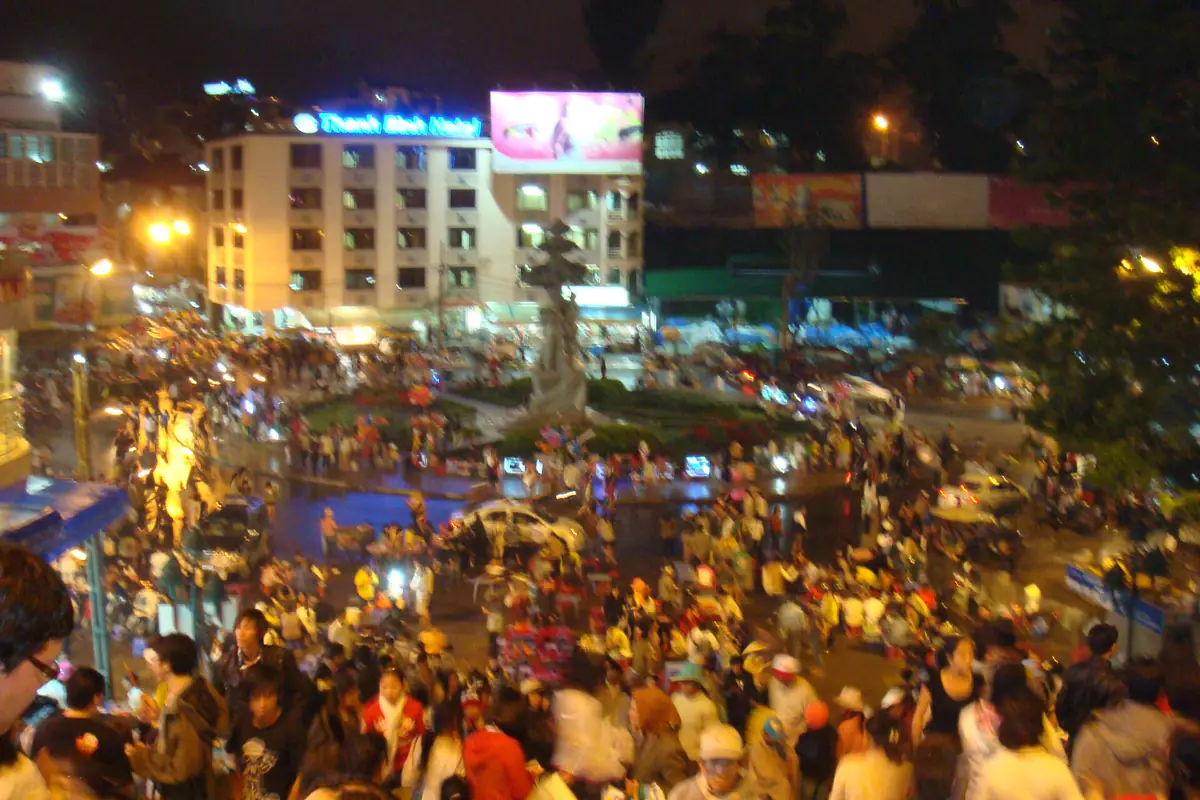
These three places won't fill a whole day. Slot them into an afternoon before check-in or an evening after returning from sightseeing.
East of the center: Da Lat Railway Station and Trai Mat
Da Lat Railway Station is located at 1 Quang Trung Street. It's known for its historic architecture and distinctive roof design. About an hour is enough for photography and architecture, or longer depending on what you want to explore.
Travelers hoping to take the tourist railway service toward Trai Mat should check current operating schedules and ticket arrangements beforehand. Don't assume a train will be ready to depart whenever you arrive.
Trai Mat is also associated with Linh Phuoc Pagoda, well known for its elaborate decoration using ceramic and glass mosaics. These places can form a half-day route without adding Tuyen Lam Lake, which is in a different part of Da Lat.
South of Da Lat: Truc Lam Zen Monastery, Tuyen Lam Lake, and Datanla Waterfall
Nature lovers will like this area. Truc Lam Zen Monastery sits on Phung Hoang Hill near Tuyen Lam Lake. The monastery is open to visitors from 7 AM to 5 PM.
Wear respectful clothing, keep noise down in worship areas, and follow posted instructions. Areas reserved for religious practice are not open to sightseeing visitors.
Tuyen Lam Lake is a pleasant place for enjoying the scenery, relaxing, or taking part in authorized activities around the lake. On a quiet day, the lake can be the main destination rather than a brief stop.
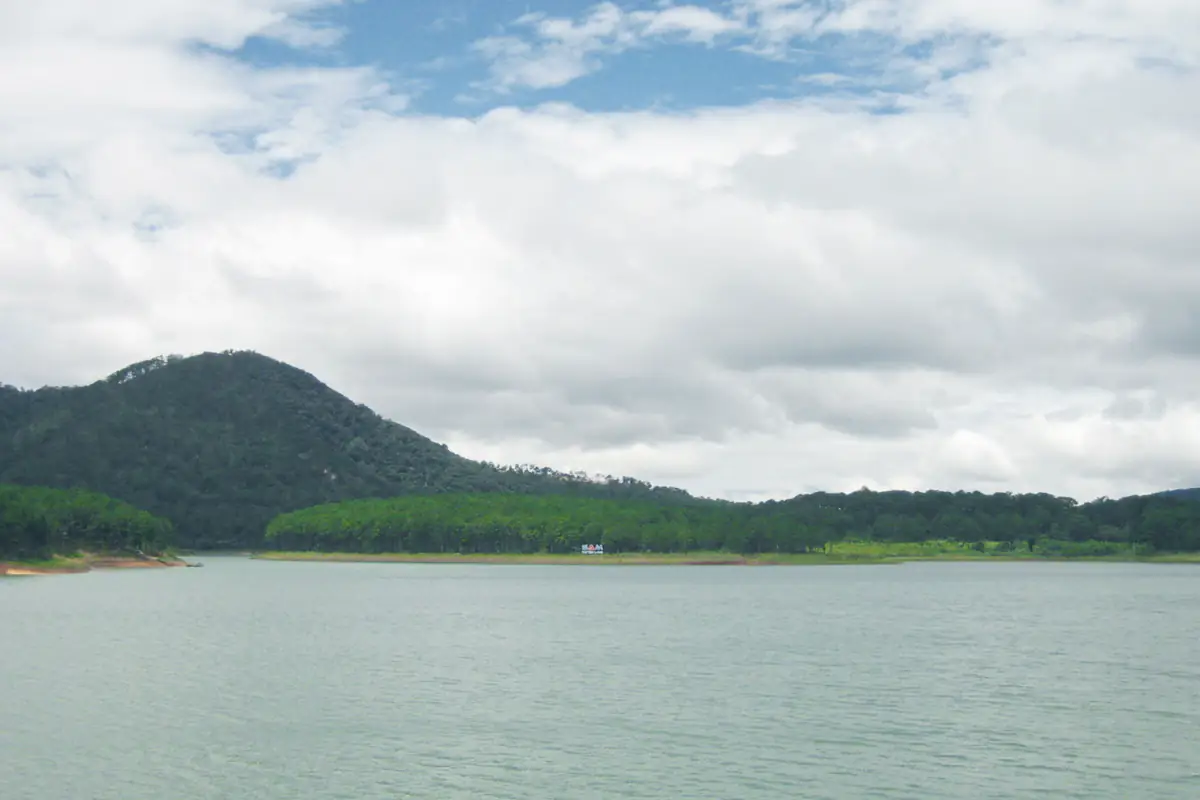
Datanla Waterfall is better suited to visitors interested in waterfalls or outdoor recreational activities at the tourist site.
One or two of the three is plenty. Families with children might prefer spending more time at Datanla, while couples seeking a peaceful afternoon may choose the lake instead. Morning or early afternoon is the more practical time for this area, especially during the rainy season.
Other attractions worth considering
Crazy House, also known as Hang Nga Guesthouse, suits anyone who enjoys unusual architecture. Located on Huynh Thuc Khang Street, the property features unconventional walkways, staircases, and structures. Visitors uncomfortable with heights or traveling with young children should pay attention while moving around the site.
Cloud-hunting locations, flower gardens, farms, and countryside cafés are easier to include when you have additional time. Some are highly seasonal, while others depend on specific weather conditions.
Don't dedicate an entire morning to reaching a distant viewpoint based on one attractive social media photo without first checking whether the attraction is open and how to get there.
A practical 3-day, 2-night Da Lat itinerary
This itinerary is designed for travelers arriving in Da Lat on the morning of the first day and departing in the late afternoon or evening on day three. Adjust the schedule according to actual transport times, weather, and opening conditions.
Day 1: arrive, check in, and explore central Da Lat
- 7:00-9:00 AM
Arrive, drop your bags
Arrive in Da Lat, have breakfast, and leave your luggage at the hotel if the property provides storage.
Many hotels have check-in times in the early afternoon, so ask about luggage storage or early check-in before arriving.
- 9:00-11:00 AM
Xuan Huong Lake
Walk around Xuan Huong Lake or find a nearby café.
After an overnight bus, avoid heading straight to a remote countryside attraction. Rest first, particularly if you haven't slept properly.
- 11:30 AM-2 PM
Lunch and check-in
Have lunch, check in, and rest.
- 3:00-5:30 PM
Lam Vien Square
Walk around Lam Vien Square, the lakeside area, and nearby central attractions.
- 6:30-9:00 PM
Dinner, night market
Have dinner, explore the night market, or enjoy a glass of hot soy milk.
A bus or flight that arrives in the early afternoon simply means skipping the morning activities, not squeezing everything into a shorter day.
Day 2: explore southern Da Lat
- 7:00-8:00 AM
Breakfast
Have breakfast and prepare for the day.
- 8:00-10:00 AM
Truc Lam Zen Monastery
Visit Truc Lam Zen Monastery and the Tuyen Lam Lake area.
- 10 AM-12 PM
Tuyen Lam Lake
Continue enjoying the lake scenery or choose an activity nearby.
- 12:00-1:30 PM
Lunch
Have lunch and take a short break.
- 1:30-4:00 PM
Datanla Waterfall
Visit Datanla Waterfall if the weather and your physical condition are suitable.
Travelers who don't enjoy outdoor activities can choose a café or return toward the center instead.
- From 5:00 PM
Back to the hotel
Return to your accommodation, have dinner, and rest.
Don't add a separate trip to Trai Mat or a distant café on the opposite side of the city to this day. Constantly moving between different areas makes the itinerary longer without giving you much time to enjoy each place.
Day 3: Da Lat Railway Station and departure
- 7:30-9:00 AM
Breakfast, pack up
Have breakfast and organize your luggage.
- 9:00-11:00 AM
Da Lat Railway Station
Visit Da Lat Railway Station or spend your final morning at a café you particularly like.
- 11 AM-12 PM
Check out
Return to your hotel and check out.
The rest of the day depends on your bus or flight departure time. Flying out of Lien Khuong Airport means allowing time for the journey from the city center and the required airport procedures. Avoid booking a remote countryside activity immediately before departure.
The quiz in our Da Lat itinerary planner suggests plans matched to couples, groups of friends, families, or cloud-hunting trips.
What to eat in Da Lat: start with a few local favorites
Da Lat has plenty of dishes that suit its cooler weather, but a three-day trip doesn't call for a list of twenty restaurants.
Breakfast can be bánh căn, bánh mì, or a hot bowl of noodles. Da Lat-style bánh căn consists of small rice-flour cakes, often served with dipping sauce, meatballs, and different fillings depending on the restaurant.
Make lunch a proper meal, particularly before afternoon sightseeing. In the evening, chicken hotpot with lá é, beef hotpot, or grilled food are popular options. After a large meal, something lighter may be enough later.
Location and waiting time matter more than chasing every famous restaurant. A place near your sightseeing route may be a better choice than a highly recommended restaurant that requires a long detour.
The streets around Da Lat Market offer plenty of eating options. When you have a particular restaurant in mind, check its current opening hours and menu before visiting.
Specific places are covered in our guides to banh can in Da Lat and where to eat in Da Lat.
What to wear in Da Lat, Vietnam
Don't pack an entire winter wardrobe just because travel photos show people wearing thick sweaters and scarves.
Da Lat can be cool in the morning, sunny around midday, and colder again after sunset. Layering is more useful than wearing one very heavy outfit.
This covers a 3-day, 2-night trip:
- Comfortable T-shirts or long-sleeved shirts for daytime.
- A light sweater, cardigan, or sweatshirt.
- A jacket that provides some warmth and wind protection.
- Long trousers and comfortable shoes with good grip for hilly streets.
- A compact raincoat or umbrella, especially between May and October.
- An extra pair of socks if you plan to spend time outdoors.
Travelers heading out before sunrise for cloud hunting, riding motorbikes, or staying in more remote areas should prepare warmer clothing than those spending most of their time near the market. Children may also need an extra jacket because temperatures can change noticeably between daytime and evening.
You can still bring extra outfits for photographs, but choose your walking shoes carefully. Brand-new shoes, slippery soles, or footwear unsuitable for slopes are poor choices for a long sightseeing day.
Our guide on what to wear in Da Lat covers clothing choices by month, photography style, and activity.
How much does an independent trip to Da Lat cost?
Don't start by choosing one total budget and dividing it equally between your travel days.
The cost of two people taking a bus from Ho Chi Minh City will be very different from that of two people flying from Hanoi. A group of four sharing an apartment will also spend differently from a couple staying in a private hotel room.
It's more practical to divide your budget into five categories.
Transport to and from Da Lat: Return bus or flight tickets, baggage, transfers, and the cost of reaching departure points.
Accommodation: Your room rate for the full stay, holiday surcharges, and any early check-in fees.
Local transport: Motorbike rental, fuel, taxis, ride-hailing services, or a private car with a driver.
Food and drinks: Main meals, coffee, snacks, and incidental expenses.
Attractions and activities: Entrance fees, recreational activities, guided tours, and optional services.
Check whether admission tickets include attractions and rides or whether additional tickets are required, since some sites bundle them and others charge separately.
First-time visitors tend to underestimate local transport more than any other expense. Stay outside the center and rely on cars for several journeys every day, and those costs add up.
Set the maximum amount you're comfortable spending, then subtract your return transport and accommodation costs. Divide the remaining amount between meals, local transport, and activities.
The Da Lat trip cost calculator gives estimates tailored to your group size, number of days, and transport choices. A personalized calculation is more useful than copying another traveler's budget without considering how their trip differs from yours.
What should international visitors know before traveling to Da Lat?
Da Lat is a good destination for international travelers who want to escape some of the heat in Vietnam's lowland cities or experience the Central Highlands. There are a few practical things to prepare before arrival.
Check entry requirements and connecting transport
Start with the visa requirements that apply to your nationality, passport, and intended length of stay. Once you know your entry arrangements, plan your onward flight or bus journey to Da Lat. Avoid booking two connections too close together when you need to clear immigration, collect luggage, or change airports.
Save addresses in Vietnamese
Many hotels and attractions have English names, but drivers may recognize their Vietnamese names more easily. Save your hotel's Vietnamese name, full address, and phone number, even if you've already booked through an app.
Knowing the Vietnamese name also makes navigation easier at attractions such as Xuan Huong Lake (Hồ Xuân Hương), Da Lat Railway Station (Ga Đà Lạt), and Crazy House (Biệt thự Hằng Nga).
Don't ride a motorbike without the required license
Motorbike rental is frequently advertised to international visitors in Da Lat. Being able to rent a motorbike and being legally qualified to ride it are two different things, though.
Confirm the licensing requirements and whether your documents are recognized in Vietnam before deciding to drive. Without the required license, use a car or a service with a licensed driver.
Prepare for highland weather
Da Lat is cooler than many other destinations in Vietnam, particularly early in the morning and after dark. A jacket, comfortable walking shoes, and rain protection are often more useful than bringing too many summer clothes.
A Vietnam itinerary that includes Ho Chi Minh City, Da Lat, and Nha Trang means packing for both warm coastal or lowland weather and cooler highland conditions.
Common mistakes that can make your first Da Lat trip less enjoyable
Choosing a hotel based on photos without checking access
A homestay with a mountain-view balcony can be hard work for travelers who don't drive. Check the actual location, walking conditions, parking, and distance from restaurants you might want to visit in the evening. In particular, don't confuse straight-line distance on a map with the actual route a car must follow through the hills.
Booking an early arrival without checking hotel check-in
An overnight bus may reach Da Lat before sunrise. Your hotel, however, may not allow check-in until the early afternoon. Ask about luggage storage and any fees for early check-in before departure.
Traveling with young children or older family members, aim to arrive at a time when it's easier to rest.
Putting distant attractions into the same morning
Da Lat Railway Station, Tuyen Lam Lake, and countryside cafés shouldn't automatically be grouped together just because they all appear on a list of famous attractions. They're in different directions. On a short trip, visiting two places along the same route is often more sensible than trying to reach five locations scattered across the region.
Scheduling only outdoor activities during the rainy season
A rain forecast is no reason to cancel a trip, but prepare alternatives. Use mornings for scenery when conditions allow, and keep afternoons flexible for cafés, rest, or attractions with covered areas.
If severe weather warnings or access restrictions are issued, follow instructions from the authorities and site operators.
Spending too much time chasing photo spots
Some cafés and viewpoints are primarily interesting for photography. Others look ordinary in pictures but make comfortable places to rest during a busy day.
Decide what you want from each part of your itinerary: sightseeing, taking photographs, or relaxing. A day with three well-chosen stops often feels more satisfying than one spent mostly traveling between locations.
Your Da Lat pre-trip checklist
You can organize your preparation into three stages.
Around 2-3 weeks before departure
This is a reasonable time to start comparing transport and accommodation for an ordinary trip. Public holidays and peak periods need an earlier start.
- Confirm your departure and return dates.
- Decide whether to travel by bus or plane.
- Compare arrival and departure times, not just ticket prices.
- Book your return transport.
- Choose your accommodation area, check the cancellation policy, and reserve your room.
Your coffee shop list can wait until these are done.
Around 3-5 days before departure
Start using a map to group attractions into sensible routes. Choose one session for the city center and another for either Tuyen Lam Lake or Trai Mat. Only add extra places when you have enough time.
Check the weather forecast, prepare your jacket, and contact the hotel to confirm your expected arrival time. Anyone planning to rent a motorbike should also check the legal requirements for their license and the rental operator's conditions.
Within 24 hours of departure
Check your ticket, boarding location, and final drop-off point. Save your hotel reservation, identification documents, accommodation phone number, and a map of the surrounding area.
Air passengers should check the airline's latest notices about flight times, luggage, and check-in requirements. Don't discover at the bus station that the pickup office is somewhere different from the address you had in mind.
Which Da Lat guides should you read next?
Questions involving current prices, schedules, or detailed comparisons are answered in these guides.
| Your planning question | Recommended guide |
|---|---|
| Which bus company should I choose, and where does it depart? | Buses to Da Lat |
| Should I choose a sleeper bus or a limousine? | Da Lat limousine bus guide |
| How do I fly to Lien Khuong and reach the city? | Flights to Da Lat |
| What's the best month for flowers, dry weather, or sightseeing? | Best time to visit Da Lat |
| Should I stay in the center or the countryside? | Da Lat homestays |
| How should I plan a 2-, 3-, or 4-day trip? | Da Lat itinerary planner |
| What should I pack for the weather and activities? | What to wear in Da Lat |
| How much should I budget for my group? | Da Lat trip cost calculator |
Start by opening your calendar and choosing three consecutive days when you can travel. Compare bus or flight options in both directions, then check accommodation around Da Lat Market on a map. Once those two bookings are settled, you can build the rest of your itinerary around them.
FAQ
Is Da Lat easy to visit independently for the first time?
Yes. Da Lat is relatively easy to explore independently if you book your transport and accommodation in advance, stay in a convenient area, and group attractions by location. You don't need to rent a motorbike. Taxis, ride-hailing services, and cars with drivers are alternatives for visitors unfamiliar with steep roads.
Is 3 days and 2 nights enough for Da Lat?
Yes, provided your arrival and departure times are convenient. Three days and two nights allow you to see highlights such as Xuan Huong Lake, Lam Vien Square, Da Lat Railway Station, and Tuyen Lam Lake. If you want to visit several countryside attractions or spend more time relaxing, four days and three nights are better.
Is Da Lat worth visiting during a trip to Vietnam?
Yes, especially if you enjoy cooler weather, highland scenery, coffee culture, and nature-based activities. Da Lat provides a different experience from Vietnam's coastal and lowland cities. However, if your main priority is swimming, snorkeling, or beach resorts, another destination may suit you better.
How many days in Da Lat should international travelers plan?
Three days and two nights are enough for the main sights, while four days and three nights are more comfortable for countryside excursions, leisurely café visits, guided hikes, or flexible plans. Calculate your available sightseeing time based on actual arrival and departure hours rather than hotel nights alone.
What to wear in Da Lat, Vietnam?
Pack layers, including T-shirts or long-sleeved tops, a light sweater, a jacket, and comfortable walking shoes with good grip. Bring warmer clothing for early mornings or cooler months, and rain protection during the rainy season. Adjust your packing list according to the forecast immediately before departure.