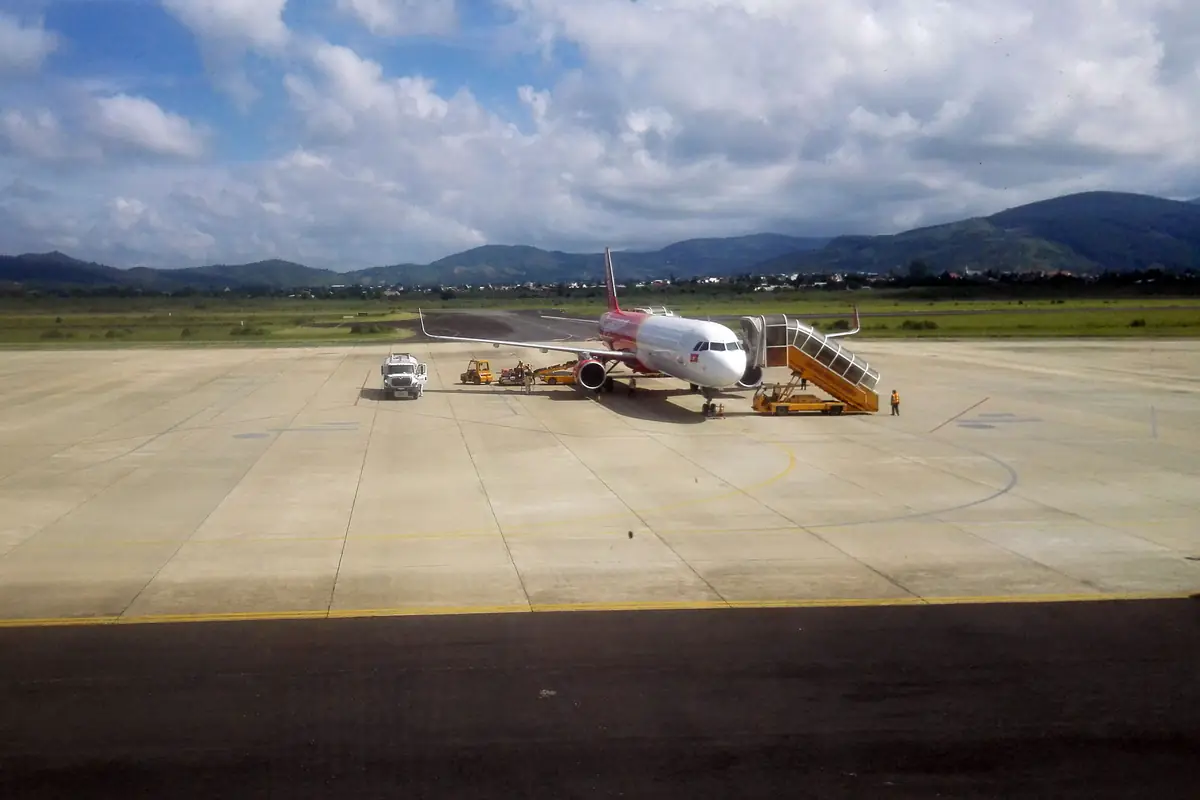
Driving to Da Lat: 4 routes, mountain passes and rest stops
From Ho Chi Minh City, the most practical route follows the expressway to Dau Giay and then National Highway 20. From Nha Trang, Khanh Le Pass is shorter but requires checking roadwork schedules; families with children should allow extra stops and arrive before dark.
By Da Lat LoversPublished Updated
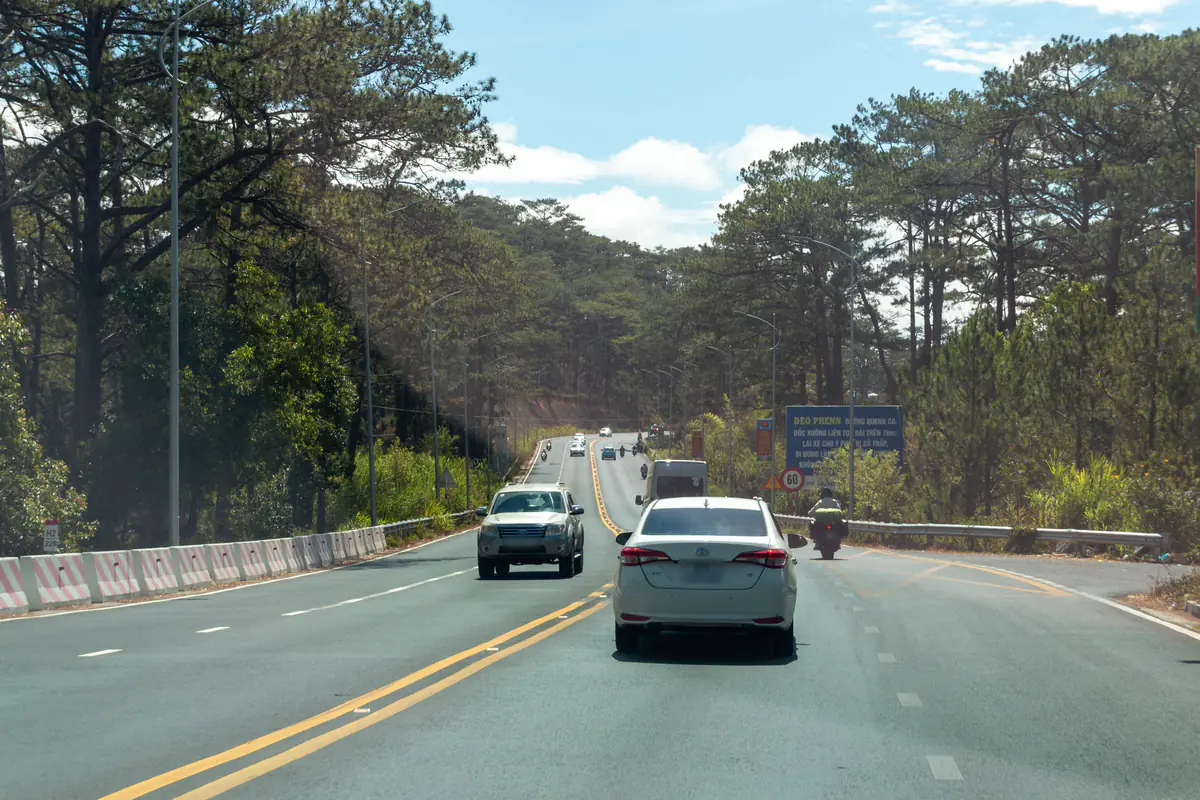
Bao Loc Pass is only about 10 km long, but it is not a stretch of road you should try to get through as quickly as possible. Driving to Da Lat means allowing time for trucks on National Highway 20, road repairs and the final mountain roads leading into the city. Choosing the right route, checking your brakes and knowing where to park will make the journey considerably easier than simply following the arrival time on Google Maps.
Is driving to Da Lat a good idea?
Yes, provided you are comfortable with long-distance driving, know how to control your car on steep descents and have enough time for breaks.
Da Lat works particularly well as a family road trip. You can bring luggage, warm clothing, a stroller and other things that would be awkward to carry on public transport. A change in the weather simply means a change of plan, with no bus departures to worry about.
For groups of four to six people, having a car also makes it easier to visit places outside the city center, such as Tuyen Lam Lake, Trai Mat and the surrounding countryside.
But the roads into Da Lat include long mountain passes, sharp bends, fog and heavy vehicles. Some sections are still undergoing repairs following landslides. Once you reach the city, you will also encounter steep streets, narrow lanes and junctions on uneven ground.
On busy weekends, finding parking near Da Lat Market can take longer than walking there from your hotel.
Newly licensed drivers who have mostly driven in cities are better off traveling with an experienced driver. Practice using engine braking before tackling a long mountain descent. Bao Loc Pass is not the place to learn that technique for the first time.
Road conditions for driving to Da Lat in November 2026
Before choosing a route, separate the roads that are already operating from expressways still under construction. Navigation apps may show planned expressways, while mountain pass conditions can change after heavy rain or during repairs.
The table below shows where each road stood in early November 2026. It is not a live confirmation that each road will be open when you travel.
| Road or mountain pass | Status |
|---|---|
| Bao Loc Pass, National Highway 20 | Open to traffic; 17 damaged sections were repaired in early October 2026, followed by another landslide incident on October 8 |
| Prenn Pass | Traffic maintained, with slope stabilization work planned following landslides |
| Mimosa Pass | Traffic subject to local arrangements; repairs and monitoring continued around Km4+100-Km4+140 |
| D'Ran Pass | Two-way traffic was restored following a September 11 landslide; follow restrictions around repair sites |
| Khanh Le Pass, National Highway 27C | Reopened, but repair work continues; temporary closures may occur, with each stoppage lasting no more than one hour |
| Ho Chi Minh City - Long Thanh - Dau Giay Expressway | Operating, with expansion work affecting some sections |
| Dau Giay - Tan Phu Expressway | Under construction; not yet open |
| Tan Phu - Bao Loc Expressway | Under development; not yet open |
| Bao Loc - Lien Khuong Expressway | Under construction; not yet open |
| Lien Khuong - Prenn Expressway | Operating, connecting the Duc Trong area with Da Lat's southern approach |
Prenn Pass deserves particular attention. On September 22, 2026, Lam Dong authorities declared an emergency situation following landslides. On October 8, urgent stabilization work was authorized along Km224+900-Km225+250, with an expected construction period of approximately four months.
The pass staying open in October does not guarantee unrestricted access on a later travel date. After prolonged heavy rain, check the latest traffic notices from the Lam Dong Department of Construction or traffic police before leaving Duc Trong.
How long does it take to drive from Ho Chi Minh City to Da Lat?
The journey from central Ho Chi Minh City to Da Lat is approximately 300-330 km, depending on your starting point and destination.
Allow 6-8 hours, including one or two short breaks, under reasonably normal conditions. Weekends, public holidays and congestion around Bao Loc Pass can make the trip longer.
Recommended route: Ho Chi Minh City - Dau Giay - Bao Loc - Da Lat
The most straightforward route is:
Ho Chi Minh City, Ho Chi Minh City - Long Thanh - Dau Giay Expressway, Dau Giay Interchange, National Highway 20, Dinh Quan, Madagui, Bao Loc Pass, Bao Loc, Di Linh, Duc Trong, Lien Khuong - Prenn, Da Lat.
Loading map...
- Dau Giay Interchange: leave the expressway for National Highway 20
- Dinh Quan: short break or driver change
- Madagui: rest before Bao Loc Pass
- Bao Loc Pass: National Highway 20, about 10 km long
- Bao Loc: longer break for lunch or coffee
- Di Linh: final short stop before Duc Trong
- Lien Khuong - Prenn Expressway: from Duc Trong to Da Lat's southern entrance
- Prenn Pass: southern gateway, roughly 7.3-7.4 km
- Mimosa Pass: another southern approach
- D'Ran Pass: toward Don Duong and National Highway 27
- Khanh Le Pass: National Highway 27C, the Nha Trang route
From Ho Chi Minh City, enter the expressway using the access point that makes sense for where you are staying. At Dau Giay, leave the expressway and join National Highway 20.
The road becomes busier with local traffic, intersections and roadside businesses around Dinh Quan. Trucks and long-distance buses use this route regularly. Do not maintain expressway driving habits once you are on the national highway.
After Madagui, you approach Bao Loc Pass. This is one of the sections requiring the most attention during the first part of the journey. Once you have crossed the pass, continue through Bao Loc, Di Linh and Duc Trong.
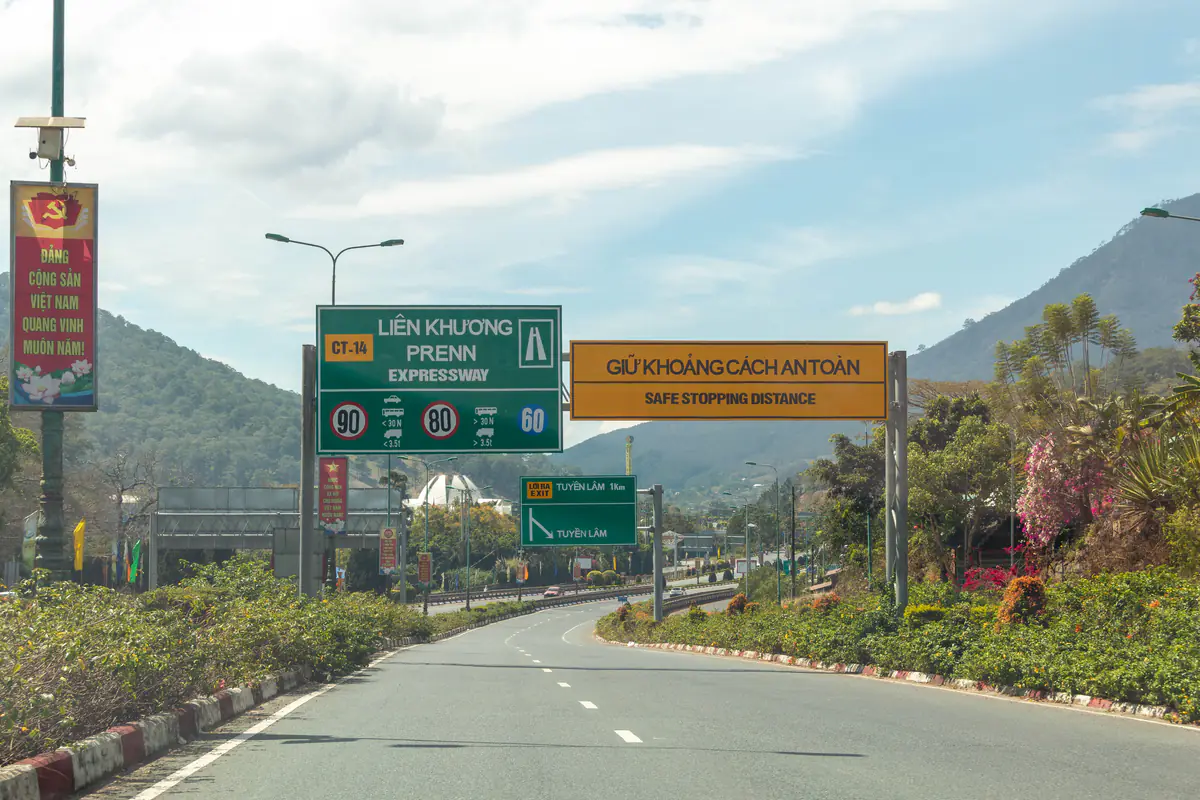
From Duc Trong, the Lien Khuong - Prenn Expressway takes you toward Da Lat's southern entrance, where you must follow the permitted route through Prenn or an alternative road.
What time should you leave Ho Chi Minh City?
For families, leaving between 5:00 and 6:00 AM is a sensible plan.
You can have breakfast before entering the expressway or stop after reaching the Dau Giay area. Reasonably clear traffic gets you to Bao Loc by late morning and Da Lat in the early or middle part of the afternoon. Treat these as planning estimates.
Leaving around noon increases the chance of reaching the final mountain sections near sunset or after dark. During the rainy season, fog can also arrive earlier than expected.
Driving through the night just to avoid traffic is not a good trade-off when only one person will be behind the wheel for the entire journey.
Should you drive via Phan Thiet to avoid Bao Loc Pass?
Consider this only if National Highway 20 is closed or you are combining Da Lat with a coastal trip.
The expressways toward Phan Thiet make the coastal portion faster, but reaching Da Lat still requires mountain roads such as National Highway 28B or National Highway 27, depending on the route and road conditions.
More expressway kilometers do not make a longer route safer. Some alternatives have steep gradients, tight bends and fewer places to stop.
For a first self-drive trip from Ho Chi Minh City, National Highway 20 remains easier to plan around when traffic conditions are normal.
Driving to Da Lat from the Mekong Delta
For travelers coming from the Mekong Delta, the main challenge is allowing enough time to reach Dau Giay before beginning the climb toward the Central Highlands.
From Can Tho, the journey is generally around 450-500 km, depending on the route and exact starting point. Plan for approximately 9-12 hours including breaks, with additional time for heavy traffic.
Travel times from Vinh Long, Dong Thap and other provinces will vary according to where you join the expressway network and how you approach Ho Chi Minh City.
There are two reasonable ways to organize the journey.
Drive all the way in one day. This works best when two qualified drivers can share the workload, you leave early and the weather is stable. Try to avoid crossing the busiest parts of the Ho Chi Minh City road network during peak hours.
Split the drive over two days. This is better for families with young children, older passengers or a single driver. Bao Loc is a practical overnight stop. You can complete the final section to Da Lat the following morning.
Road connections and expressway access around the southern region changed during 2026. Check your route using your actual departure point rather than relying on one fixed itinerary for the entire Mekong Delta.
The extra overnight stop is worth considering if reaching Da Lat would otherwise involve several hours of night driving.
Driving from Nha Trang to Da Lat: Khanh Le Pass or the longer route?
The direct route from Nha Trang to Da Lat follows National Highway 27C. It is approximately 135-150 km and usually takes 3.5-4.5 hours in favorable conditions.
The route is:
Nha Trang, Dien Khanh, Khanh Vinh, Khanh Le Pass, Lac Duong, Da Lat.
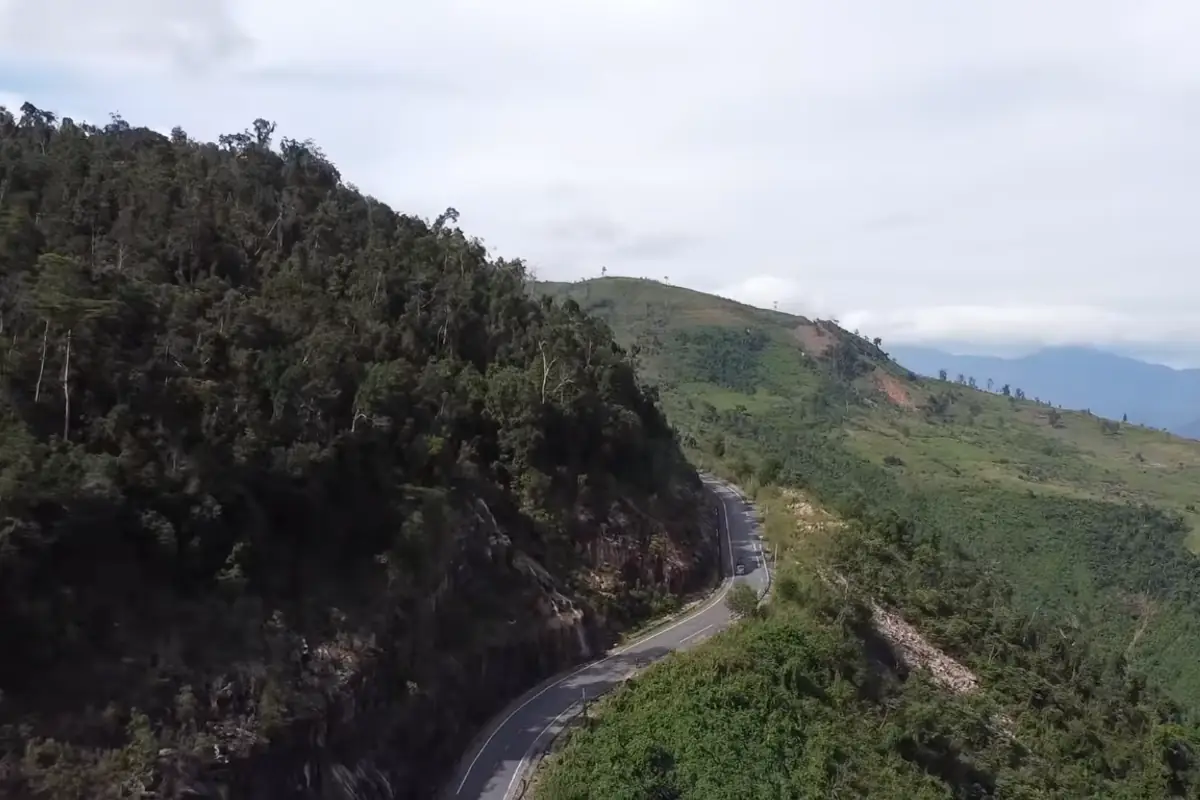
Khanh Le is a long mountain pass climbing from the coastal lowlands toward the Central Highlands. The scenery is impressive, with forested slopes and mountain views, but the road has many consecutive bends.
This is not a route for fast driving or sightseeing from behind the wheel.
Khanh Le Pass conditions in November 2026
National Highway 27C has reopened following the severe floods and landslides of November 2025. However, repairs are still underway at nine damaged locations.
While workers stabilize the slopes and remove loose rocks, temporary traffic closures may be necessary. Individual closures should last no more than one hour.
That does not mean every traveler will be delayed by exactly one hour. You might encounter more than one stoppage, or a different traffic arrangement if conditions deteriorate.
Leaving Nha Trang at 7:00-8:00 AM gives you more flexibility than starting in the afternoon. Even with a wait for roadwork, you still have a reasonable amount of daylight for the remaining mountain journey.
When should you travel via Phan Rang?
The longer route is the fallback when Khanh Le Pass is closed or weather conditions make it unsuitable:
Nha Trang, National Highway 1, Phan Rang area, National Highway 27, Don Duong/Duc Trong, Da Lat.
This route can exceed 220 km depending on how you connect the roads. Driving time may be around 5-6 hours or longer.
Do not assume it avoids mountain terrain. National Highway 27 also climbs toward the highlands and requires checking current road conditions.
Choose the route with confirmed access and travel during daylight. Stick to main roads even when a navigation app suggests an unfamiliar minor road that saves a few kilometers.
Driving from Da Nang to Da Lat
Driving from Da Nang to Da Lat is a considerably longer trip, generally around 650-750 km depending on your route. A direct journey can require 12-16 hours or more once breaks, traffic and the final mountain sections are included.
For a family holiday, splitting the journey into two days is much more manageable.
One option is to follow the coastal corridor south through the Quang Ngai and former Binh Dinh areas, stopping in Quy Nhon or Nha Trang depending on how far you want to drive on the first day.
From an overnight stop in Nha Trang, continue via National Highway 27C and Khanh Le Pass when traffic restrictions and weather allow. Otherwise, reassess the route via National Highway 1 and National Highway 27.
A full day on the coastal expressways can make the distance feel manageable, but the final mountain drive demands a different level of concentration. Having covered most of the kilometers already does not make a midnight arrival in Da Lat a good target.
For a trip starting in Da Nang, four or five days or more is considerably more comfortable than trying to squeeze the entire return journey into a three-day holiday.
Which mountain pass should you take to Da Lat?
There is no single best mountain pass for every traveler. The right choice depends on your direction of travel, current restrictions and mountain driving experience.
Bao Loc Pass: the main approach from Ho Chi Minh City
Bao Loc Pass is approximately 10 km long and forms part of National Highway 20. It has sharp bends, two-way traffic and a significant number of trucks.
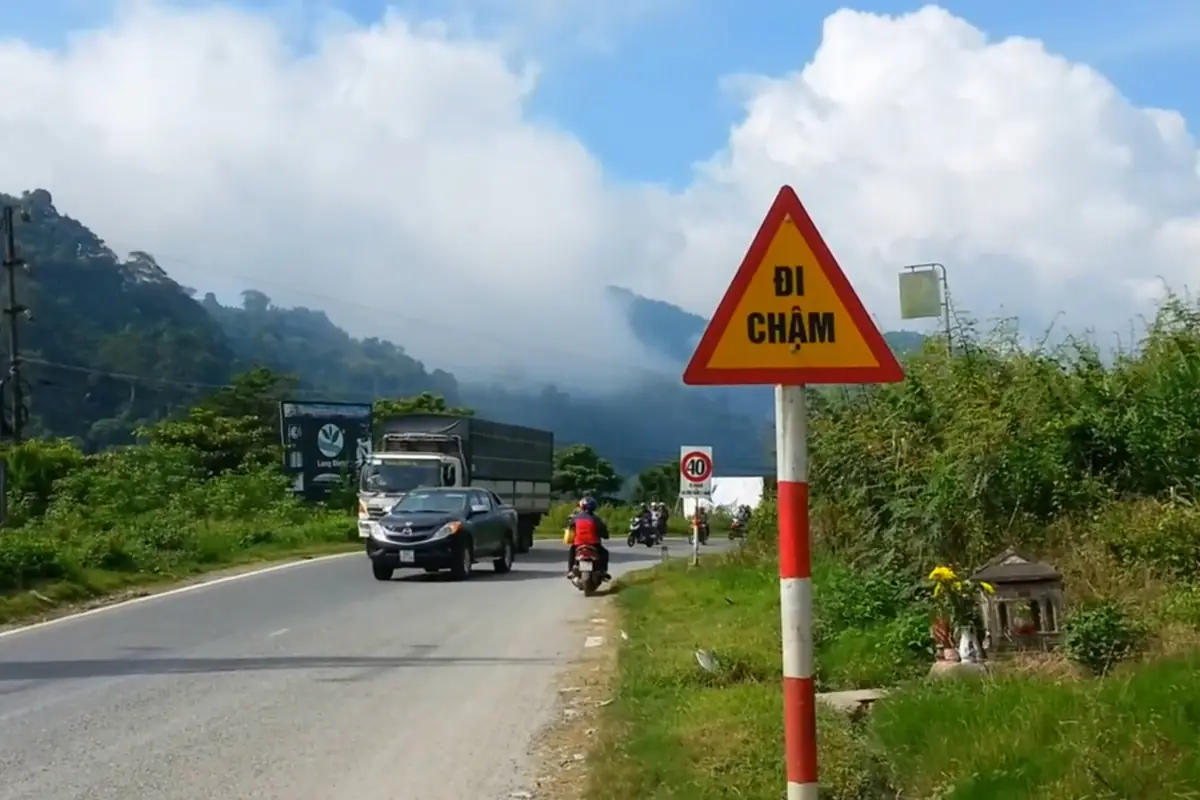
You will normally use this pass when driving to Da Lat from Ho Chi Minh City via Dau Giay and Bao Loc.
Seventeen damaged locations were repaired in early October 2026. However, another landslide occurred at Km104+900 on October 8 following heavy rain, requiring further clearance work.
Before entering the pass, reduce your speed and select an appropriate gear. Leave enough space behind trucks and other vehicles. Overtake only where permitted and where you have a clear view of oncoming traffic.
A wider section of road does not mean the next bend will be equally easy.
Prenn Pass: Da Lat's southern gateway
Prenn Pass is roughly 7.3-7.4 km long and connects the southern approach with Ba Thang Tu Street.
The road has been widened, but landslide incidents in 2025 and 2026 make it important to check for temporary restrictions.
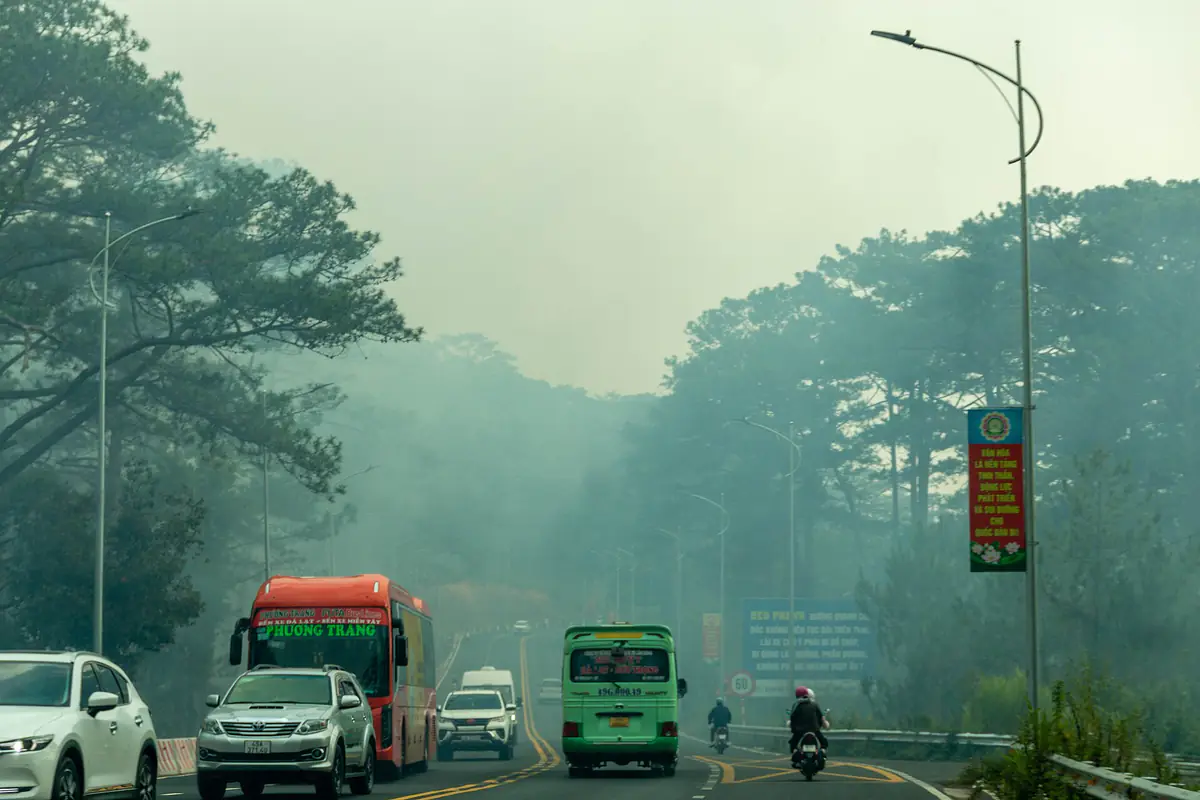
Where repair work is underway, follow temporary traffic signs, lane controls and instructions from workers or police. During heavy rain, avoid stopping below unstable slopes or near landslide areas.
A road being technically open does not mean conditions are suitable for every driver at every moment.
Mimosa Pass: another southern approach
Mimosa is another road connecting the southern entrance of Da Lat with the city. It is often considered when Prenn Pass is restricted.
However, Mimosa is not an automatically safe alternative. Following damage in 2025, repair work continued through 2026. Significant cracks appeared in September, and slope and road stabilization work was still being addressed in early November.
Before diverting from Prenn to Mimosa, check the status of both roads. Do not rely on the assumption that Mimosa will always be available whenever Prenn is congested.
D'Ran Pass: useful for eastern routes, not every itinerary
D'Ran Pass lies on the route connecting the Cau Dat and Don Duong areas with National Highway 27 and the direction of Phan Rang. It is roughly 10 km long and includes several tight bends.
Following major landslide damage in 2025, traffic arrangements remained restrictive. Two-way traffic was restored after another landslide in September 2026.
This is not a convenient direct replacement for the normal Ho Chi Minh City - Bao Loc - Duc Trong route. Choose D'Ran only when your itinerary actually passes through the eastern side of Da Lat and the road is confirmed open for your vehicle.
Khanh Le Pass: the direct route from Nha Trang
Khanh Le is the natural choice for drivers coming from Nha Trang when the pass is open. However, its length, steep mountain terrain and ongoing repairs mean you should allow extra time.
Prepare passengers prone to motion sickness before entering the pass, and use designated safe stopping areas when needed. Driving faster will not make a winding mountain road more comfortable.
Where should you stop on the drive from Ho Chi Minh City to Da Lat?
On a journey of just over 300 km, two proper breaks for food, toilets and a short walk are usually more useful than repeatedly pulling over for a few minutes.
Dau Giay
Check supplies before National Highway 20
After leaving the expressway, the Dau Giay area is a convenient place to check fuel, drinking water and your route.
Fresh out of Ho Chi Minh City with everyone comfortable, a quick stop here will do.
Prepare here, before the more mountainous stretches where suitable stopping places become less frequent.
Dinh Quan
A convenient short break
Dinh Quan works well for a toilet stop, drinks or changing drivers. There are restaurants, roadside businesses and fuel stations along the route.
Choose somewhere with clear access and enough room to park away from moving traffic. Avoid stopping on the edge of National Highway 20 and opening your car door directly into the road.
Madagui
Rest before Bao Loc Pass
Stop here once you start getting tired; finding somewhere halfway through the pass is much harder. Madagui is a useful area to build into your schedule.
Have a light meal, drink some water and take a short walk. A heavy meal immediately before a winding mountain road may also make passengers feel uncomfortable.
Bao Loc
The best place for a longer break
Once you have crossed Bao Loc Pass, Bao Loc is a practical place for lunch, coffee or refueling.
After an early start, a 30-60-minute break here can make the final stretch through Di Linh and Duc Trong easier.
Bao Loc is also a sensible overnight option if heavy rain or long traffic delays have disrupted the day. There is little benefit in pushing on when the driver is already exhausted.
Di Linh
A final short stop if needed
Di Linh is another convenient place to pause before continuing toward Duc Trong.
When everyone is comfortable, pick either Bao Loc or Di Linh rather than stopping at both. Choose one suitable place with safe parking, toilets and somewhere to check the latest road conditions before continuing.
Seven things to check before driving to Da Lat
A new car, automatic transmission or high ground clearance does not remove the need for preparation. On mountain roads, the condition of your brakes and tires matters more than how rugged the vehicle looks.
- Brakes. Check braking performance, brake fluid and unusual sounds. A soft pedal, excessive shaking under braking or unpredictable brakes means a garage inspection before traveling.
- Tires. Check cold tire pressure, tread depth, sidewall damage and the spare tire or repair kit. Use the manufacturer's recommended pressures for your vehicle and load.
- Engine oil and coolant. Check levels according to the vehicle handbook. Never open a pressurized coolant cap while the engine is hot.
- Lights and wipers. Test the low beams, high beams, brake lights, indicators, wipers and washer fluid. Mountain fog and heavy rain can reduce visibility quickly.
- Transmission controls. Know how to select a lower gear in your particular car. On a rented automatic, practice using its manual, S, L or B mode if equipped, following the manufacturer's instructions.
- Documents and emergency equipment. Check that your driving license covers the vehicle, registration and inspection documents are valid, and compulsory insurance is in place. Carry the warning equipment and tire-changing or repair tools appropriate to the vehicle.
- Route, toll account and fuel. Refuel or plan charging stops before the mountain sections. Download an offline map, check your electronic toll account and save an alternative route in case of road closures.
For an older vehicle or one that has not been serviced recently, arrange a garage inspection before the departure date.
How to drive safely uphill and downhill in Da Lat
Driving uphill
Use a suitable gear so the engine has enough power without struggling at very low RPM.
With an automatic transmission, normal Drive mode handles many situations. On long climbs where the gearbox repeatedly shifts up and down, use the appropriate driving mode recommended by the manufacturer.
Avoid accelerating hard immediately before a blind bend. Stay a safe distance behind slow trucks and wait for a legal overtaking opportunity with clear visibility.
Driving downhill: use engine braking
Engine braking is one of the most important skills for driving to Da Lat.
On a long descent, keeping your foot on the brake pedal continuously can overheat the brakes and reduce their effectiveness. Instead, select an appropriate lower gear so the engine helps control the car's speed.
In a manual car, shift down before a long descent rather than waiting until the car has accelerated. In an automatic, use the manual, S, L, 2 or B setting where available and appropriate, following the vehicle handbook.
You will still need the foot brake to slow down when necessary; just avoid riding the brakes throughout the descent.
If you notice a burning smell from the brakes, an unusual pedal feel or reduced braking performance, find a safe permitted place to stop and follow the manufacturer's emergency guidance or seek roadside assistance. Being close to your destination is no reason to continue down the mountain.
Taking hairpin bends
Slow down before entering the bend rather than halfway through it. Stay within your lane.
In larger vehicles such as MPVs and SUVs, remember that the rear wheels follow a different path from the front wheels, particularly on tight turns.
Give trucks more room. They may need additional space to negotiate a sharp bend, and following them closely also blocks your view.
Slow down and leave adequate space for an oncoming vehicle taking a wide turn instead of trying to squeeze through.
Driving in rain or fog
Wet mountain roads provide less grip, particularly where mud, loose stones or leaves have collected on the surface.
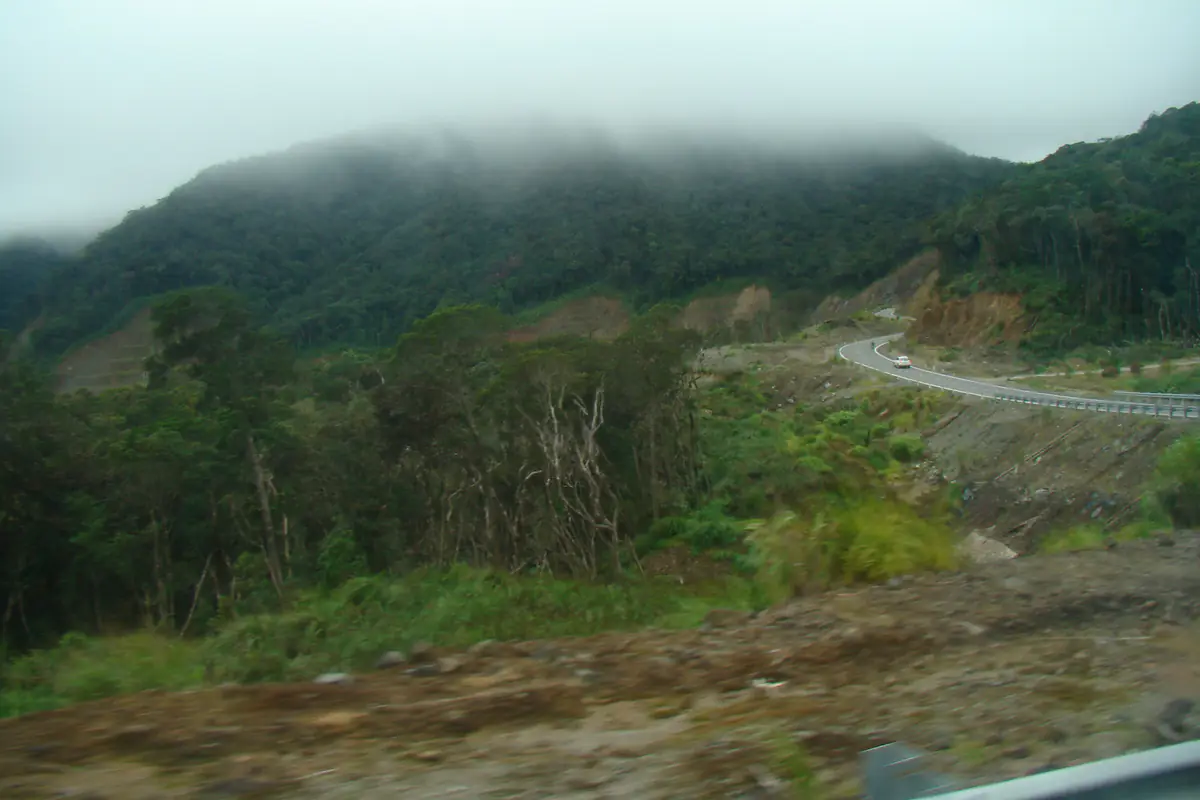
Reduce speed early, increase your following distance and avoid sudden steering or braking.
Use low-beam headlights in fog and fog lights when appropriate. Continuous high beams in dense fog can reflect light back toward the driver, making visibility worse.
If you cannot see far enough ahead to drive safely, find a suitable permitted place to stop. Do not stop on a blind bend or immediately below a slope where rocks and soil may fall.
Is renting a self-drive car for Da Lat worth it?
Renting makes sense for friends who want to visit several places independently or families who do not own a car but have an experienced driver.
A return trip from Ho Chi Minh City to Da Lat generally exceeds 600 km. Three days exploring the city and surrounding countryside can easily push the total to 700-900 km or more.
That matters when choosing a rental package.
Should you rent a 5-seater or a 7-seater?
For two or three people with light luggage, a sedan is usually enough. It is generally easier to park than a large SUV and may consume less fuel under similar driving conditions.
For four adults carrying several suitcases, or a family needing child seats, a seven-seat MPV may be more comfortable. Check the actual luggage space. Many seven-seaters have limited trunk space when all three rows are in use.
Da Lat's hills are no reason to rent a large SUV. A well-maintained sedan with good tires, working brakes and a competent driver can use the normal paved roads open to passenger cars.
Car rental prices in 2026
Picar's 2026 reference rates for self-drive rentals in Ho Chi Minh City fall into these approximate ranges:
| Vehicle category | Reference daily rental price |
|---|---|
| C-segment sedan, such as Mazda 3 or Kia K3 | VND 750,000-1,250,000 |
| Small crossover or urban SUV | VND 650,000-1,400,000 |
| Seven-seat MPV, such as Xpander or Veloz | VND 700,000-1,550,000 |
| Seven-seat SUV, such as Fortuner or Everest | VND 1,050,000-2,300,000 |
These reference ranges move with the specific vehicle, rental dates, location and contract conditions.
On platforms such as Mioto, rental owners may apply different conditions. A common mileage allowance is around 300-500 km per day, calculated over the rental period.
For example, a two-day rental limited to 300 km per day gives you a total allowance of 600 km. That may not cover a return journey from Ho Chi Minh City to Da Lat, let alone sightseeing around the city.
Questions to ask before paying a deposit
Confirm these points with the rental company:
- Is the car permitted to travel to Da Lat and on mountain passes?
- What is the mileage allowance, and how much does each extra kilometer cost?
- What does the insurance cover, and what is the excess or deductible?
- Who pays for tire, windshield or mechanical problems?
- Is roadside assistance available in Lam Dong?
- Can you collect the car the evening before departure without paying for another full day?
- How are late returns charged?
Between two cars at similar prices, choose the one with clear maintenance records, good tires and straightforward contract terms rather than the one with more entertainment features.
How much does it cost to drive to Da Lat?
The total depends on the vehicle, fuel consumption, toll roads, parking and whether you are renting. The four main expense categories are fuel or charging, road tolls, rental costs and parking.
Expressway tolls
For the Ho Chi Minh City - Long Thanh - Dau Giay Expressway, the tariff effective May 5, 2025 set a full-route toll of VND 112,126 for Group 1 vehicles, including 8% VAT.
Your actual payment depends on the entry and exit points, applicable VAT and the tariff in force when you travel.
Other routes have separate tolls. For example, the Phan Thiet - Dau Giay Expressway introduced electronic toll collection on March 2, 2026. The Group 1 rate is VND 1,300 per kilometer, with a full-route charge of approximately VND 128,700.
The Phan Thiet - Dau Giay toll does not apply on the direct route from Ho Chi Minh City to Dau Giay and then National Highway 20.
Fuel costs
The easiest way to estimate fuel costs is to use your car's actual consumption.
Suppose your car averages 8 liters per 100 km and you expect to cover 750 km in total. That means approximately 60 liters of fuel. Multiply that by the current price at the fuel station to estimate your budget.
Mountain climbs, traffic jams and a heavily loaded vehicle can increase consumption.
For electric vehicles, check the expected energy usage on mountain roads, the availability of compatible chargers and charging options near your accommodation. Do not enter a long mountain section with only enough battery range to cover the theoretical distance.
Parking and additional charges
A hotel with free parking can save both money and time. In the busy center, repeatedly driving out for meals and returning to find parking can become inconvenient.
Rental customers should also budget separately for excess mileage, late returns and any cleaning charges specified in the agreement. These charges depend on each contract and vary between operators.
Is driving around Da Lat city difficult?
Distances within Da Lat are relatively short, but the terrain makes driving different from navigating a flat city.
Streets around Hoa Binh, Da Lat Market, Nguyen Van Cu, Phan Boi Chau, Bui Thi Xuan and Ba Thang Hai can become congested on weekends and holidays.
Three common challenges for first-time drivers are starting on steep hills, turning around on narrow streets and finding parking.
Stopping and starting on hills
In an automatic car, use the foot brake, parking brake or Auto Hold function if available. Do not keep the vehicle stationary on a hill by holding the accelerator against the transmission.
Manual drivers should be comfortable coordinating the clutch, accelerator and parking brake before attempting busy uphill streets.
Leave enough room between your car and the vehicle ahead at uphill junctions. Other drivers may also struggle with hill starts.
Narrow lanes and steep accommodation access
Some Da Lat homestays and villas are located down narrow, steep lanes with limited turning space.
Before booking, tell the accommodation provider what vehicle you will be driving. A simple answer of "cars can enter" may not be enough for a long seven-seat vehicle.
Ask whether there is dedicated parking, whether the driveway is steep and whether you can turn around without reversing up or down a long slope.
A place that requires difficult reversing on a steep, narrow road is often worth swapping for somewhere else.
Where can you park a car in Da Lat?
For self-drive travelers, parking belongs in the accommodation decision, well before you arrive.
Choose a hotel with private parking
Staying near Nguyen Chi Thanh, Phan Boi Chau, Bui Thi Xuan or Xuan Huong Lake, you may be able to leave your car at the hotel and walk to nearby restaurants and attractions.
Ask whether parking is available overnight, whether there is a fee and whether you need to reserve a space. Also check whether the hotel requires you to leave your keys with staff.
Ask about entrance height, ramp gradient and turning space when driving a large SUV or seven-seater.
Da Lat Market and Hoa Binh area
Da Lat Market sits around Nguyen Thi Minh Khai Street and the Hoa Binh area. This is not somewhere you should expect to find easy street parking.
Look for an authorized parking facility that accepts cars, confirm its operating hours and charges, then walk to the market. Not every facility offers overnight parking or has available spaces during busy weekends.
Over Tet 2026, authorities arranged additional parking areas around central Da Lat to help manage traffic, including locations roughly 600 meters to 1 km from Hoa Binh and Da Lat Market.
Some larger parking projects near the Prenn and Darahoa gateways are still in the planning or investment preparation stage. Do not assume those proposed facilities are already operating.
Xuan Huong Lake and Lam Vien Square
For a walk around the lake, a visit to Lam Vien Square or a coffee stop, check the parking arrangements at your destination. When your hotel is within walking distance, leaving the car there is often simpler.
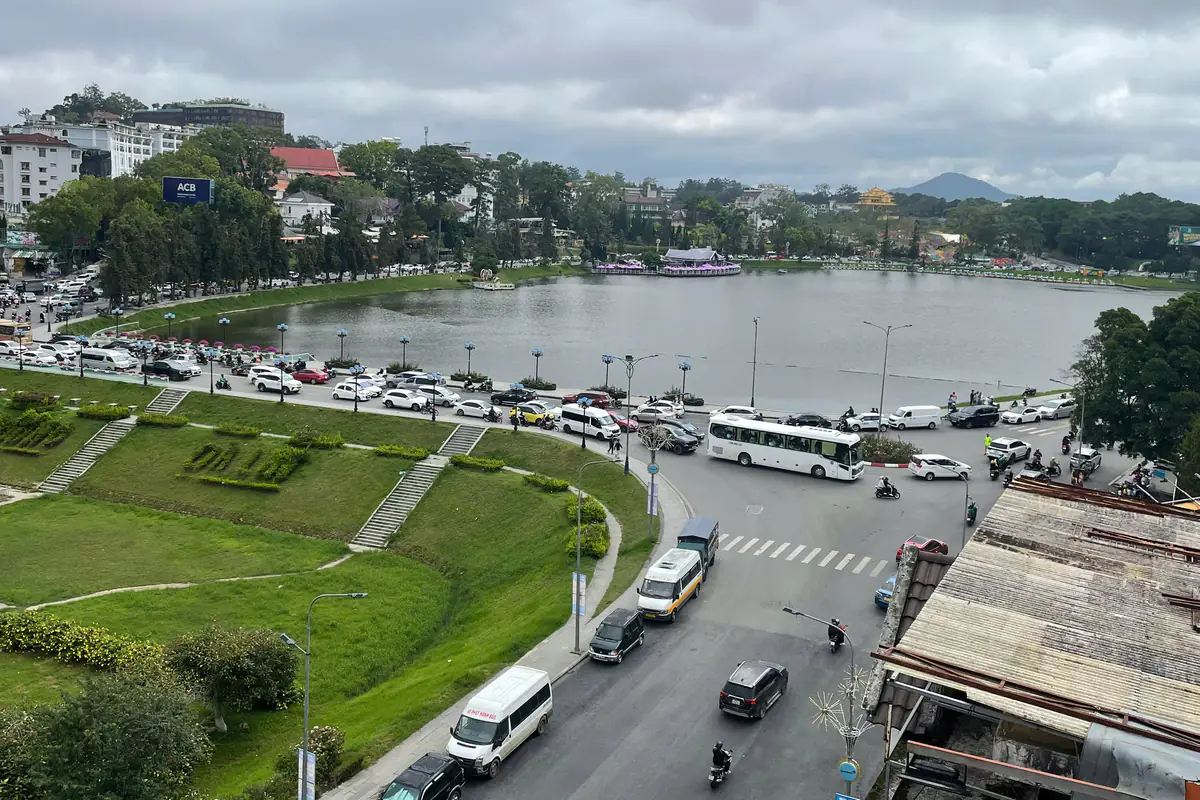
Do not park on bends, near intersections, in front of driveways or where stopping and parking are prohibited.
During festivals and other events, temporary traffic restrictions may apply around Lam Vien Square. Follow signs, barriers and traffic officers rather than relying only on your navigation app.
Parking outside the city center
Larger attractions around Tuyen Lam Lake and Datanla Waterfall may have designated parking arrangements for visitors. Check before arriving, especially on weekends.
Small countryside cafés, gardens and hilltop homestays are less predictable. A café that is easy to reach by motorbike may have a narrow access road unsuitable for a seven-seat car.
A 3-day, 2-night self-drive Da Lat itinerary from Ho Chi Minh City
For a three-day road trip, keep the schedule manageable. The aim is to reach Da Lat comfortably, enjoy a full day there and return without rushing the mountain sections, with no pressure to visit every attraction.
- Day 1
Ho Chi Minh City - Bao Loc - Da Lat
5:30 AM: Depart Ho Chi Minh City and take the expressway toward Dau Giay.
7:00-8:00 AM: Allow time for breakfast or a short break, depending on traffic and your actual departure point.
Late morning: Cross Bao Loc Pass and consider stopping for lunch in Bao Loc.
1:00-3:00 PM: Estimated arrival window in Da Lat if traffic and road conditions are favorable.
Check in and leave the car at your accommodation.
Spend the afternoon walking around Xuan Huong Lake or resting. Visit Da Lat Market in the evening if you still have the energy.
There is no need to drive another 20 or 30 km to a hilltop café on your first day.
- Day 2
Tuyen Lam Lake and southern Da Lat
Start with Tuyen Lam Lake and Truc Lam Zen Monastery.
Choose one other attraction along the same general route rather than driving back and forth across the city.
Datanla Waterfall needs its own time slot; check the attraction's opening hours and parking arrangements.
Return to the center in the afternoon or spend time at your accommodation.
For a stay around Tuyen Lam Lake, eat closer to your hotel instead of driving into central Da Lat for dinner. It saves a long drive on narrow roads after dark.
- Day 3
Da Lat - Duc Trong - Bao Loc - Ho Chi Minh City
7:00-8:00 AM: Breakfast, car check and hotel checkout.
8:00-9:00 AM: Begin the return drive.
Plan a break around Di Linh or Bao Loc, depending on your energy level and traffic conditions.
Getting back to Ho Chi Minh City before the evening rush hour means building additional time into your schedule for National Highway 20 and the Long Thanh - Dau Giay Expressway.
Avoid spending the entire final morning visiting another distant attraction and leaving Da Lat around lunchtime. That would push much of your return journey into the afternoon and evening.
Can foreigners legally drive a car in Vietnam?
Yes, but only when they hold a driving license recognized under Vietnamese law, valid for the relevant vehicle category.
New Ministry of Public Security rules on driving licenses and International Driving Permits (IDPs) took effect on July 1, 2026. Recognition of foreign IDPs follows the international treaties to which Vietnam is a party.
A properly issued IDP under the 1968 Vienna Convention on Road Traffic, where recognized in Vietnam, must be accompanied by the corresponding valid national driving license. The vehicle category must also be appropriate.
An IDP issued by Vietnam under the 1968 Convention is not valid for use within Vietnam itself. Drivers holding a Vietnamese license should use their appropriate national license when driving domestically.
What about foreigners living in Vietnam?
Foreign nationals living, working or studying in Vietnam may be eligible to exchange an existing foreign national driving license for a Vietnamese license.
Eligibility depends on factors including the original license, residence documentation and the validity of the documents. The rules should be checked for the individual's circumstances rather than assuming every foreign license can be exchanged.
Before renting a car, confirm that your license and any accompanying IDP are legally recognized by the Vietnamese authorities and accepted by the rental provider. A rental company agreeing to hand over the keys does not, by itself, prove that you are legally entitled to drive.
If your documents do not meet the requirements, use a car with a driver instead.
Common mistakes when driving to Da Lat for the first time
Trusting the map's arrival time too much. Navigation apps may estimate the journey using normal traffic conditions. They cannot guarantee that a mountain pass will remain open or that you will not have to wait for repairs. Build extra time into the journey, particularly on Khanh Le Pass.
Running low on fuel before a mountain section. Climbing, carrying luggage and stopping repeatedly on steep roads can change fuel consumption. Refuel or charge before heading into the mountains.
Taking an unfamiliar shortcut. A road that saves 5 km may be narrower, steeper or poorly suited to your vehicle. A slightly longer road with clear access information is often the better choice.
Continuing when tired. Opening a window, drinking coffee or turning up the music does not replace sleep. Slower reactions or missed road signs mean it is time to stop and rest safely.
Copying other drivers' parking mistakes. A row of cars parked along a street proves nothing about whether parking is permitted. Check the signs and local restrictions.
Riding the brakes downhill. Continuous braking on long descents can cause overheating. Practice engine braking in your particular vehicle before leaving.
Assuming a high-clearance vehicle is automatically safer. Ground clearance helps on rough surfaces, but it does not compensate for poor tires, worn brakes or excessive speed.
Planning too many attractions after a long drive. After six or eight hours on the road, checking in and resting is a better plan than immediately driving out to another distant attraction.
Before you leave
Save your main route and an alternative on your navigation app, then check the latest mountain pass notices from the relevant provincial road authorities. For your own car, arrange a brake and tire inspection; for a rental, confirm the mileage allowance and roadside assistance terms before paying your deposit.
FAQ
How long does it take to drive from Ho Chi Minh City to Da Lat?
Allow around 6-8 hours for the approximately 300-330 km journey, including short breaks. Travel time can increase with traffic on National Highway 20, congestion around Bao Loc Pass or roadwork near Da Lat. Leaving Ho Chi Minh City between 5:00 and 6:00 AM gives you more daylight for the mountain sections.
Should I take Prenn Pass or Mimosa Pass into Da Lat?
Prenn is the more direct southern approach from the Lien Khuong - Prenn Expressway when it is operating normally. However, both Prenn and Mimosa experienced landslide damage and repair work in 2026. Check the latest restrictions for both roads and follow the traffic arrangements on the day rather than assuming Mimosa is always a safe alternative.
Can a normal sedan drive to Da Lat?
Yes. A well-maintained sedan with suitable tires and brakes can travel on the main paved roads open to passenger cars. You do not need a large SUV for the usual Ho Chi Minh City - Da Lat route. The main concern with a low-clearance vehicle is access to certain steep, narrow or uneven roads leading to villas and countryside accommodations.
What should I check when renting a self-drive car for Da Lat?
Confirm that provincial travel is allowed, along with the daily mileage limit, excess mileage fees, insurance terms and roadside assistance. A return trip from Ho Chi Minh City already exceeds 600 km in many cases, so a rental with a low mileage allowance may become expensive.
Where is the easiest place to park in central Da Lat?
The simplest option is a hotel with its own parking area, especially near Da Lat Market, Hoa Binh or Xuan Huong Lake. For the night market, find an authorized car park and walk to the market. Avoid parking on bends, restricted streets or areas affected by temporary event traffic arrangements.