7 places for banh mi xiu mai in Da Lat and how to order breakfast
Da Lat has 7 well-known banh mi xiu mai shops spread across the Hoàng Diệu cluster, the market area and the railway station side, so one is always close by. Choose a shop near your hotel, arrive early enough, and check what comes with the bowl.
By Da Lat LoversPublished Updated Đọc bằng tiếng Việt
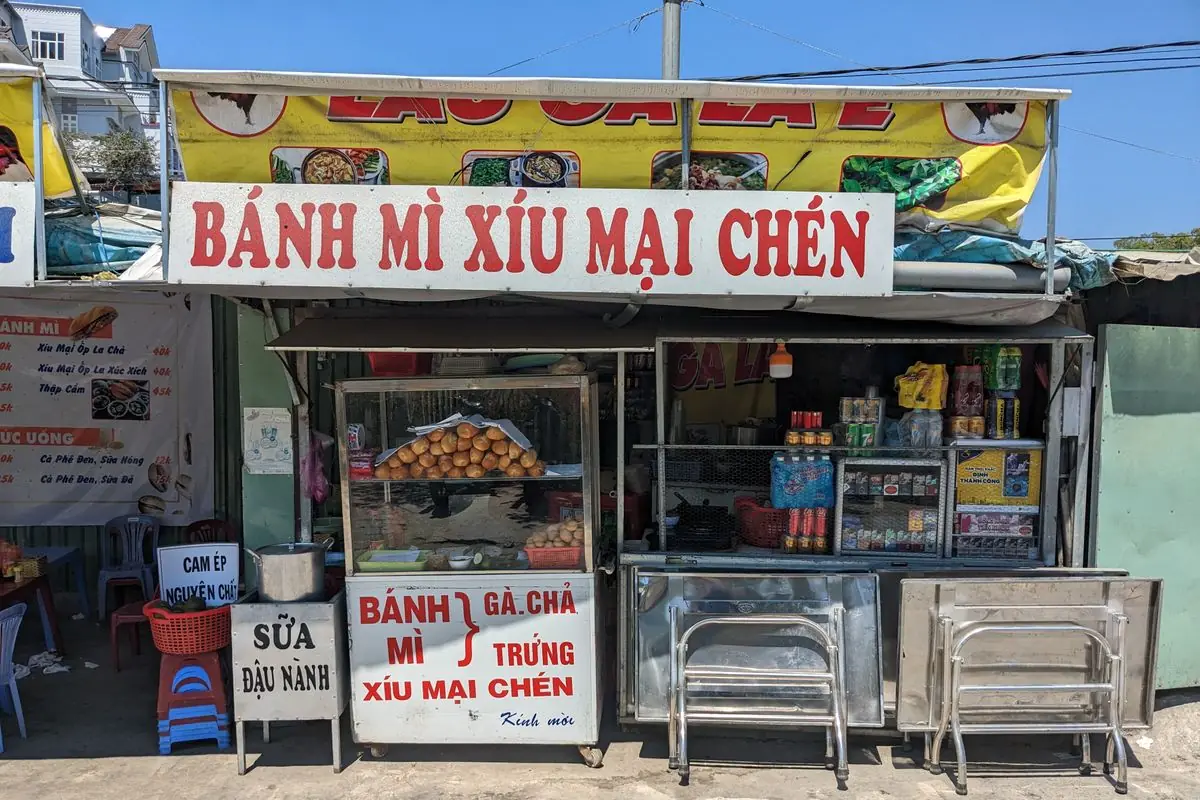
Around 7:00 a.m. is an easy time to fit in banh mi xiu mai Da Lat before a morning of sightseeing. This local breakfast is usually a crusty Vietnamese baguette served beside a small bowl of hot pork meatballs and savory broth. Pick a shop close to your accommodation on your first visit, order the basic bowl, and ask whether the bread is included in the stated price.
What is banh mi xiu mai in Da Lat?
This is usually bread for dipping. A small baguette arrives beside a bowl holding the meat, broth, and whatever extras the shop serves. You break the bread into pieces and dip them into the warm liquid before taking a bite of meatball. It is a straightforward breakfast, but it can surprise anyone whose only experience with Vietnamese bánh mì is the filled baguette sold in other cities.
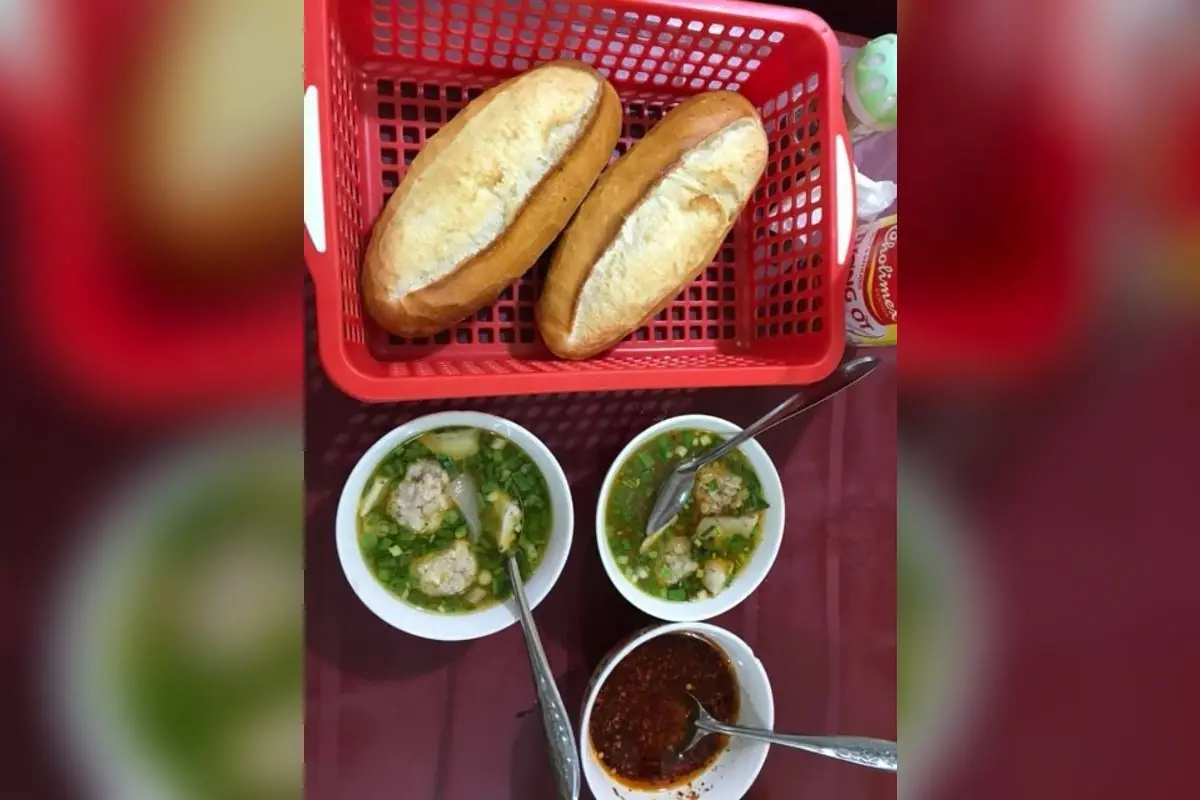
Bánh mì refers to the bread, while xíu mại refers here to seasoned meatballs, generally made with ground pork. The bowl may contain scallions, pepper, pork skin, slices of Vietnamese pork sausage, or herbs. Some kitchens use chili oil or satay-style chili paste, and others leave the heat for customers to add at the table.
Another name you will see is xiu mai chen Dalat. Chén means a small bowl. In this context, it describes how the meatballs are served, and it generally points to the same dipping-style dish. Menus may say bánh mì xíu mại, xíu mại chén, or bánh mì chấm xíu mại. Ask for the bowl-and-bread version if the shop sells several different kinds of bánh mì.
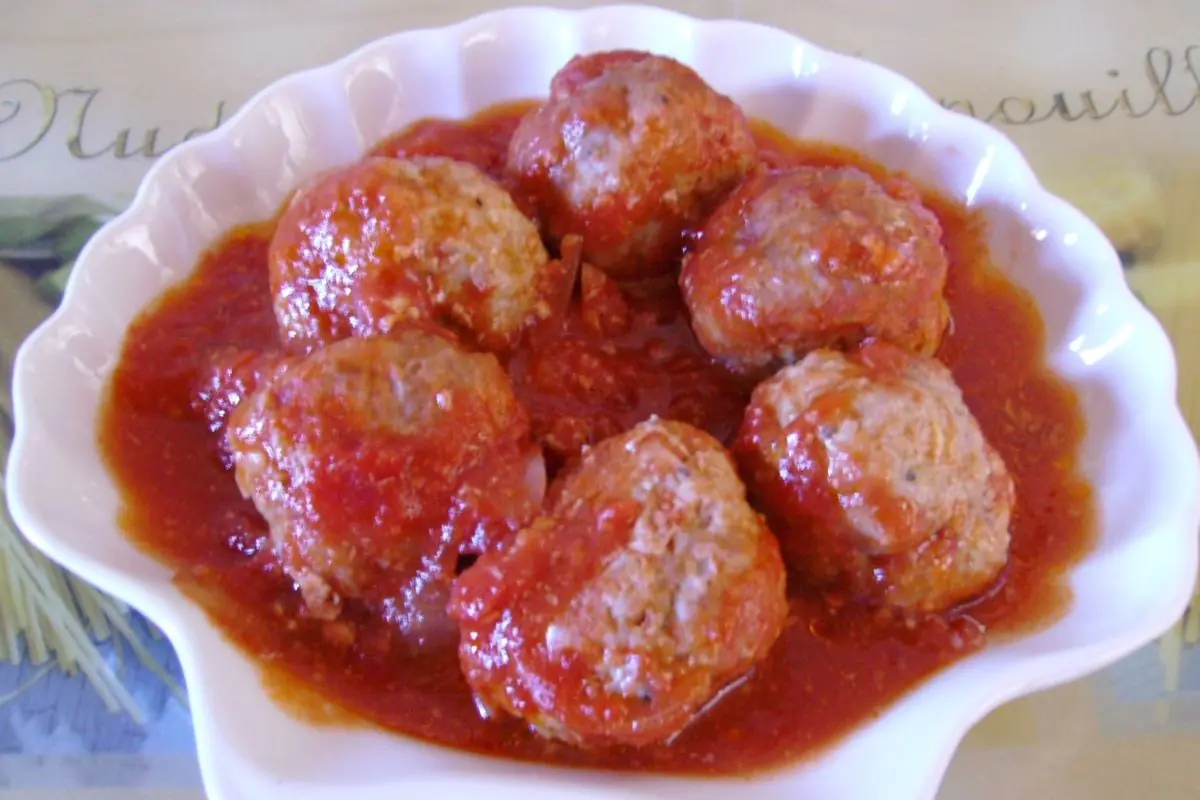
Da Lat's typical version is also different from a meatball baguette made with a thick tomato sauce. The local dipping bowl often uses a thinner, soup-like broth. Some versions taste delicate and lightly peppery. Others are rich, oily, or noticeably spicy. Even shops on the same street can season their meatballs and broth differently.
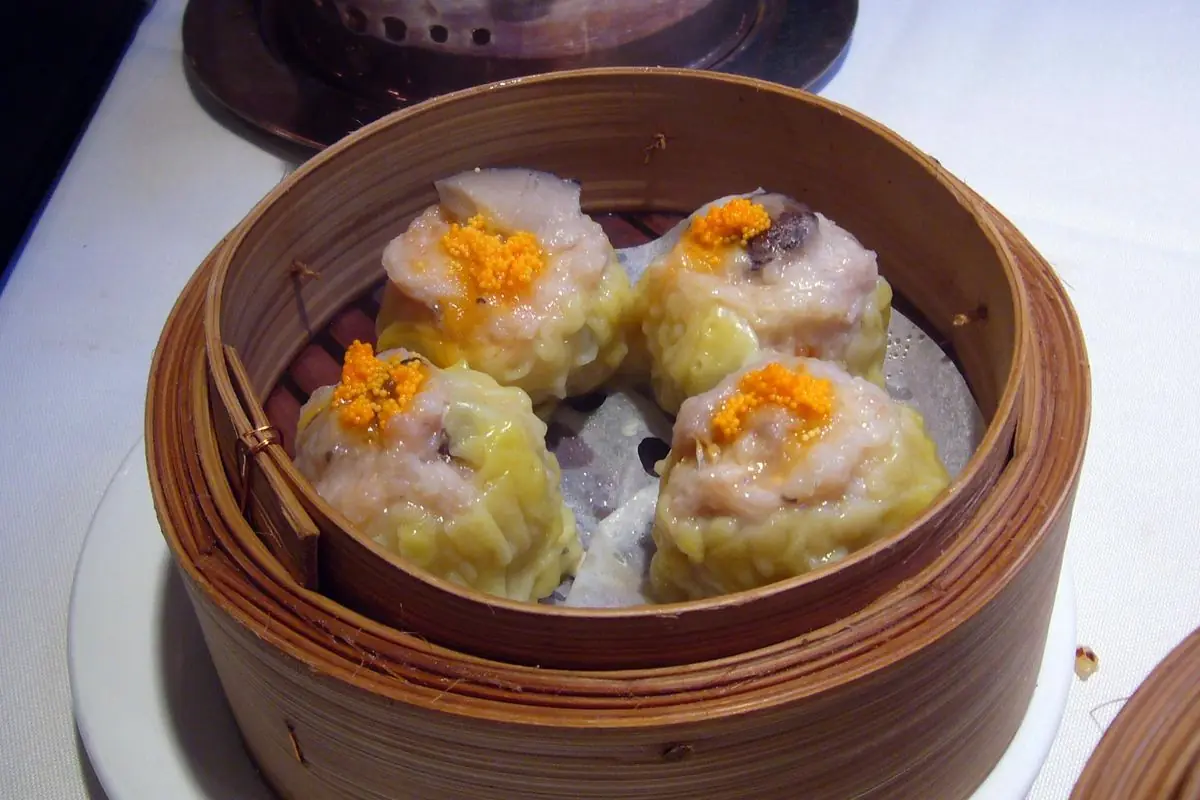
The connection to shumai can also be confusing for international visitors. These are not the small Chinese-style dumplings wrapped in thin dough that you might order at a dim sum restaurant. The Da Lat meatballs sit directly in broth or sauce, without the familiar dumpling wrapper. They are commonly pork-based, and pork may also appear in the stock and side ingredients.
This is why the dish works particularly well as a simple breakfast choice. You get warm food, bread to dip, and an order that can be made larger without changing the main dish. One bowl and bread will show you the core flavors, and extra toppings can come later.
What comes with a normal serving?
A standard order should contain a bowl of meatballs with broth and some bread. Portions vary. A shop may put one large meatball in the bowl or several smaller ones. Another may add pork skin and sausage, while a different shop charges separately for those extras. Some sets come with one baguette and others with two. At some places, bread costs extra.
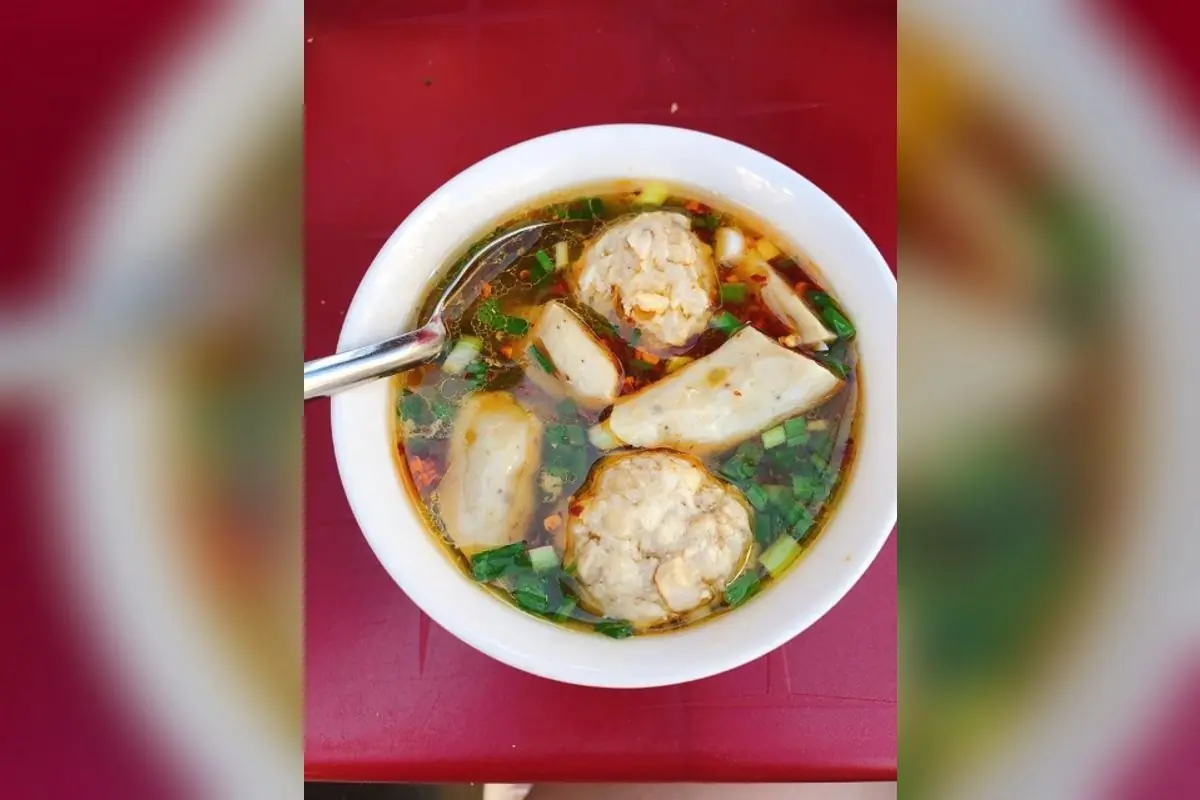
Before ordering, ask two questions: how many meatballs are in the serving, and how many baguettes come with it? These answers matter more than whether a restaurant calls its bowl “regular,” “special,” or “mixed.” A bowl that looks inexpensive on an old menu photo may not include the bread you expect. A larger set may have plenty of toppings but more food than you need before a short walk.
Freshly warmed bread is worth looking for. Dip a small piece into the broth and let the soft center absorb the liquid while the crust retains a little crunch. The meatball should be tender enough to break with a spoon. Its size matters less. The broth can be clear and light, or fuller and more strongly seasoned.
A hot bowl is also different from the cold sliced meats that often fill a takeaway bánh mì sandwich. You will usually enjoy this dish more sitting down, particularly on a cool morning. Takeaway is possible at some shops, but you should ask for the liquid and bread to be packed separately. That keeps the baguette from becoming soggy on the journey back to the hotel.
7 banh mi xiu mai shops in Da Lat by area
The seven shops are grouped by where you stay and which way you are heading in the morning. A convenient shop with hot food and an available table is often a better choice than one that sends you across town. Hours can shift on holidays, and some days food sells out early.
| Shop | Address | Opening hours | 2026 reference price |
|---|---|---|---|
| Bé Linh | 37 Hoàng Diệu (or number 26) | 6:00 a.m.-noon | VND 16,000-30,000 per serving |
| Phúc Hân | 34 Hoàng Diệu | Around 6:00 a.m.-8:00 p.m. | Around VND 40,000 per serving |
| Bánh mì xíu mại 47 | 47 Hoàng Diệu | 5:00 a.m.-5:00 p.m. | VND 30,000-45,000 per serving |
| Thu Còi | 2/2 Nguyễn Văn Cừ | 6:30 a.m.-noon | VND 20,000-30,000 per serving |
| 79 Cô Trúc | 119C Nguyễn Văn Trỗi | 5:00 a.m.-2:00 p.m. | VND 15,000-30,000 per serving |
| Cô Hồng | 72 Yersin | 6:00 a.m.-noon | VND 12,000-30,000 per serving |
| Phương | 40 Nguyễn Trãi | From around 6:30 a.m.; closing time varies | VND 15,000-37,000 per serving |
Bé Linh
37 Hoàng Diệu, a classic morning stop
Hoàng Diệu is one of the streets to know when looking for Da Lat-style bánh mì xíu mại. Several shops serving the dish operate close together, so the street itself makes a useful breakfast destination for travelers staying west of the central market. Bé Linh at number 37 is a familiar name on the street. The name Bé Linh is tied to both 26 and 37 Hoàng Diệu; check the sign when you arrive.
The serving here is crunchy baguettes and meatballs in broth, sometimes with pork sausage and pork skin. Prices run VND 16,000-30,000 per serving. Bé Linh opens from about 6:00 a.m. to noon. Plan it as an early breakfast stop.
Hotels around Hoàng Diệu, Trần Nhật Duật, or the Cam Ly side of town make this a logical place to start. Aim for roughly 6:30-7:15 a.m. when you have a tour later in the morning. Weekend mornings can be busy, though how long you wait changes from day to day. Because there are other shops on the same street, you can change plans without losing much time.
Phúc Hân
34 Hoàng Diệu, for a more substantial bowl
Phúc Hân sits at number 34 on the same street. The meatballs are generous and the broth richly seasoned, often with extras in the bowl. It suits anyone who wants xíu mại to be the main meal of the morning rather than a small snack before coffee.
Expect around VND 40,000 a serving. Prices shift with the extras; ask whether the quoted price covers the regular bowl or a fuller set. Fried egg, sausage, and drinks can change the bill.
Phúc Hân also stays open later than the morning-only shops. It opens around 6:00 a.m. to 8:00 p.m., with closing time somewhere between 7:30 p.m. and 9:00 p.m. It works for a late meal, though by evening the meatballs may be gone. Check on the day before going for a late lunch or early dinner.
Bánh mì xíu mại 47
47 Hoàng Diệu, for early starts
The shop at 47 Hoàng Diệu gives you a third option on the same stretch. It is useful when your first-choice shop has a long line or when your itinerary starts early. It is open from around 5:00 a.m. to 5:00 p.m. Expect to pay about VND 30,000-45,000 per serving.
Portions are hearty, with bread, meatballs and possible extras. Ask whether egg or sausage is included in the particular set you choose. The elaborate breakfast in online photos costs more than the basic set.
You can think of Hoàng Diệu as one small breakfast cluster: Bé Linh at 37, Phúc Hân at 34, and this shop at 47. That makes the neighborhood forgiving. When one place is too busy, another option is nearby. Travelers starting a day trip are better off finishing breakfast on time than testing every shop in the cluster.
Thu Còi
2/2 Nguyễn Văn Cừ, convenient for market-area hotels
Thu Còi is at 2/2 Nguyễn Văn Cừ, which some maps shorten to number 2. Use the shop name as well as the street address in your map search. Its location is practical for accommodation near Da Lat Market, central Hòa Bình, and surrounding streets.
The bowl comes hot, with meatballs, pork skin, sausage, and fragrant broth. The shop also sells hot soy milk, handy for a drink with breakfast. A serving costs VND 20,000-30,000, and the shop opens from 6:30 a.m. to around noon.
Space is tight, and it fills up at breakfast. With a 7:30 a.m. pickup, arrive as the shop opens or eat somewhere closer to your hotel. Reaching a small shop just before a booked pickup is an easy way to turn a relaxed meal into a rush. Travelers with no fixed morning schedule have more freedom to eat after the first wave, while still arriving before the food sells out.
79 Cô Trúc
119C Nguyễn Văn Trỗi, practical for the center
The full name and address matter here: 79 Cô Trúc, 119C Nguyễn Văn Trỗi. Da Lat has several eateries associated with the number 79. Searching only for “bánh mì xíu mại 79” can send you to a different business, including other addresses on Bùi Thị Xuân or Thông Thiên Học.
The shop is a short walk from hotels around the Hòa Bình area, Nguyễn Văn Trỗi, and Bùi Thị Xuân. Cô Trúc opens early, from 5:00 a.m. to 2:00 p.m., and charges VND 15,000-30,000 per serving. The meatballs are savory and peppery, served in warm broth with bread for dipping.
It is a sensible option before a short walk through central Da Lat or a tour departing from a nearby hotel. Arriving early helps when you have a fixed pickup time. Groups should order together and check that enough seats are available. A compact local dining room is not the same thing as a restaurant designed to handle a coach group at short notice.
First-timers can order the regular meatball bowl and taste the broth before adding more chili. Fans of a strong savory flavor will like it here, but the amount of pepper and chili you like is personal.
Cô Hồng
72 Yersin, useful before a visit to Da Lat Railway Station
Cô Hồng at 72 Yersin belongs on your shortlist if you are staying east of Xuan Huong Lake or heading to Da Lat Railway Station. This side of town also makes sense for a trip continuing toward Trại Mát. Eating here avoids traveling west to Hoàng Diệu and then doubling back toward your sightseeing route.
Cô Hồng charges VND 12,000-30,000 per serving and opens from about 6:00 a.m. to noon. The familiar bowl-and-baguette combination is the main reason to visit. The menu also has grilled-meat bread, Vietnamese sausage bread, and soy milk. That works well for a group whose members do not all want the same dish.
Arrive before the end of the morning window, since a restaurant can sell out before its published closing time. Ask for the chili separately when ordering for someone who prefers mild food. Families often find a shop on the right side of town easier than driving to a better-known place and returning to the railway station area afterward.
Phương
40 Nguyễn Trãi, another option near the railway station
Phương at 40 Nguyễn Trãi gives visitors on the eastern side of central Da Lat one more breakfast option. Prices here run VND 15,000-37,000, with doors opening around 6:30 a.m. Closing time varies, so plan this stop for breakfast rather than a late-afternoon meal.
The bowl has large, tender meatballs, clear savory broth, scallions, and crisp bread. Soy milk is on the menu too. Travelers heading to the railway station or nearby streets can compare it with Cô Hồng at 72 Yersin. The choice comes down to which is closer to your hotel and the direction you need to travel next.
Do not compare portions solely from social-media photographs. A regular serving may differ from a mixed or extra-large one.
When should you go to avoid a long wait?
Most visitors do well arriving at 6:30-7:15 a.m. at shops that open at 5:00 or 6:00 a.m. It gives you time to eat before sightseeing and reduces the risk of arriving after the busiest part of the morning has begun. Arriving much before 6:30 a.m. gains you nothing at Thu Còi and Phương, which open around then.
Around 7:00-8:30 a.m., popular breakfast shops can receive workers, students, and travelers at the same time. Weekends and holidays tend to be busier. A shop with five people waiting today may have an empty table tomorrow. Ask the person serving how long food will take if a queue is forming.
With an 8:00 a.m. tour pickup, plan to finish and leave by about 7:40 or 7:45 a.m. The remaining minutes give you time to pay, collect your belongings, and get back to the meeting point. If sightseeing starts at 9:00 a.m. and the shop is close to your route, breakfast at 7:30 is usually easier to fit in.
Back from an early cloud-viewing trip around 9:00 a.m., pick a place that is still serving and sits on your way back. There is little value in crossing town for a famous shop that is nearly out of food. The same principle applies when you are checking out of a hotel and have luggage with you.
How much does banh mi xiu mai cost in Da Lat in 2026?
Most shops charge roughly VND 15,000-30,000 for a regular serving, with fuller sets costing more. Phúc Hân charges around VND 40,000, number 47 Hoàng Diệu VND 30,000-45,000, and Phương VND 15,000-37,000.
For actual trip planning, allow VND 25,000-35,000 for a simple breakfast and approximately VND 35,000-60,000 per person if you want an egg, another topping, or a drink.
The final total depends on what is included. One shop might bundle the baguette with the bowl, while another lists it separately. One serving might already contain sausage or pork skin, while a different restaurant charges for extra toppings. Packaged takeaway and drinks may also affect the cost. Ask the seller before you order; old menu photos are often out of date.
Two people can order two basic sets, which keeps things clear. Each person gets their own broth to dip into, and the total is easier to understand. To taste without filling up, ask whether you can share one set. It is also reasonable to start with the standard bowl and add bread once you have seen the portion.
Cash is useful for small food stalls. Ask whether the shop takes a local bank transfer. Carrying small Vietnamese dong notes makes a quick breakfast stop simpler, especially when you have a tour leaving soon.
How to order without speaking much Vietnamese
The shortest useful order is “Một phần bánh mì xíu mại”, meaning one serving of bread with meatballs. Add “không cay” if you want it mild. The seller may then ask whether you want the regular or special version, or how many bowls you need.
A few practical phrases cover most situations:
- “Một phần bánh mì xíu mại thường.”: One regular serving of bánh mì xíu mại.
- “Có kèm bánh mì không?”: Does that include the baguette?
- “Cho thêm một ổ bánh mì.”: Please add one more baguette.
- “Không cho sa tế và ớt.”: Please leave out the chili paste and fresh chili.
- “Không lấy da heo.”: No pork skin, please.
- “Có sữa đậu nành nóng không?”: Do you have hot soy milk?
For extra food, ask for another baguette or check whether the kitchen has a fried egg or sausage. These additions are not guaranteed at every shop. To skip scallions, say “không hành.” The meatballs and broth are often seasoned with pepper already, and even without chili paste the bowl stays a little spicy.
Vegetarians and travelers who cannot eat pork should verify the ingredients before choosing this dish. Meatballs, stock, and accompanying sausage may all contain pork. Anyone with a serious food restriction should confirm all relevant ingredients with the vendor rather than depending on a generic translated menu.
How to eat the dipping bowl properly
Put the baguette beside the bowl rather than dropping the whole piece into the broth. Break off a bite-sized section, dip it briefly, and eat it with a piece of meatball. The inside absorbs the liquid and the crust stays slightly crisp. That contrast is a large part of the pleasure of this breakfast.
Use the spoon to divide a meatball or lift a little broth. If the bowl includes pork skin or sliced sausage, eat some with the bread. Taste the stock before mixing in chili paste. Shops differ in how much seasoning is already in the broth, and a bowl that looks mild can already carry a peppery warmth.
You can sip the broth with the spoon. Think of it as a light soup. Some people dip nearly every piece of bread, while others alternate bread and broth. Both work.
Takeaway requires a little planning. Ask for bread in a separate bag, with the hot broth in a tightly closed container kept upright. Bread packed together with a steaming soup container may soften quickly. For the best texture, eat it soon after buying.
Families should be careful with very hot broth. Let it cool before serving younger children, and choose toppings suitable for them. Pork skin can be chewy and chili paste can be quite strong. Ordering a mild basic bowl first makes portion sizes easier to manage.
What should you add to make breakfast filling?
A standard bowl and a baguette may be enough for someone who plans only a gentle stroll around the market. On a long morning trip, another baguette helps more than an elaborate collection of toppings. A fried egg or extra sausage is another possibility when the restaurant offers it.
Many shops also sell hot soy milk. It is especially convenient at places such as Thu Còi and Bé Linh, where you may be able to finish breakfast and your drink at the same table.
A “full breakfast” means different things to different travelers. Someone who eats lightly may find the normal bowl more than enough. A person who has been awake since 4:30 a.m. or will be out until lunchtime may prefer more bread or an egg. Ordering according to your actual appetite is better than automatically choosing the most expensive mixed set.
A group of four can start with four regular servings. Extra items can then be shared where the menu allows. Larger groups should contact the shop ahead of time to check that seating and enough portions are available. A tiny breakfast restaurant may serve individuals quickly but struggle when ten people arrive at once with different orders.
Choose your breakfast around the hotel and the day's route
Near Da Lat Market and Hòa Bình: Start with Thu Còi on Nguyễn Văn Cừ or 79 Cô Trúc on Nguyễn Văn Trỗi. Select whichever is closer to your accommodation or the direction of your first activity.
Around Hoàng Diệu and Cam Ly: Bé Linh, Phúc Hân, and number 47 form a convenient cluster. Pick one as your main choice and keep another as a backup. There is little reason to return to the market area first simply to restart your breakfast search.
Near Yersin, Nguyễn Trãi, and the railway station: Cô Hồng and Phương are the more natural choices. You can eat before exploring the railway station or continuing toward Trại Mát.
With an early pickup: The best shop is the one that opens with enough time to finish the meal and reach your meeting point. Give yourself a buffer of at least 15-20 minutes before the driver is due. A tour bus may not be able to wait outside a small restaurant on a narrow street, so arrange the pickup at a suitable nearby location.
With a late breakfast or lunch: Head for Phúc Hân or number 47, which stay open into the afternoon or evening. Morning-focused places such as Bé Linh, Thu Còi, and Cô Hồng are not reliable dinner options.
Choosing by neighborhood is also helpful when the weather is cool or rainy. Spending an extra half-hour traveling for breakfast makes less sense when a nearby kitchen offers hot broth and fresh baguettes. A route that flows from the hotel to breakfast and then to the first attraction keeps the day simple.
Loading map...
- Bánh mì xíu mại Bé Linh: The Hoàng Diệu cluster, near Phúc Hân and number 47
- Da Lat Market: Thu Còi and 79 Cô Trúc are around this area
- Bánh mì xíu mại Cô Hồng: 72 Yersin
- Da Lat Railway Station: Phương on Nguyễn Trãi is nearby
Do you need to queue for the best banh mi xiu mai in Dalat?
No. Famous addresses can attract crowds, but standing in a queue is not a requirement for a good bowl of xíu mại. The quality of your breakfast depends on tender meatballs, broth you enjoy, fresh bread, and a serving time that suits your plans. Those things are not exclusive to one shop or one street.
How long to wait depends on your schedule. On a free morning, waiting for a table is fine. As a tour pickup approaches, another shop in the same area is a better decision. Ask whether xíu mại is still available before settling in, especially late in the morning.
Weekend mornings and public holidays may be busier, but exact queues are unpredictable. Online reviews can tell you that a place is popular; they cannot promise a 10-minute or 30-minute wait on your visit. Look at the actual situation when you arrive and make the decision then.
Park your motorbike out of the way, and expect cars to have trouble stopping outside small food stalls. Da Lat's central streets can be narrow and busy during school and work hours. A nearby restaurant that has room for you to sit down is often the most useful choice.
Four mistakes that make this breakfast harder than it should be
The first is ordering a filled baguette when you wanted the traditional dipping bowl. Look for the word chén or a photograph showing meatballs in broth beside the bread. You can also say “bánh mì chấm xíu mại” to make the style clear.
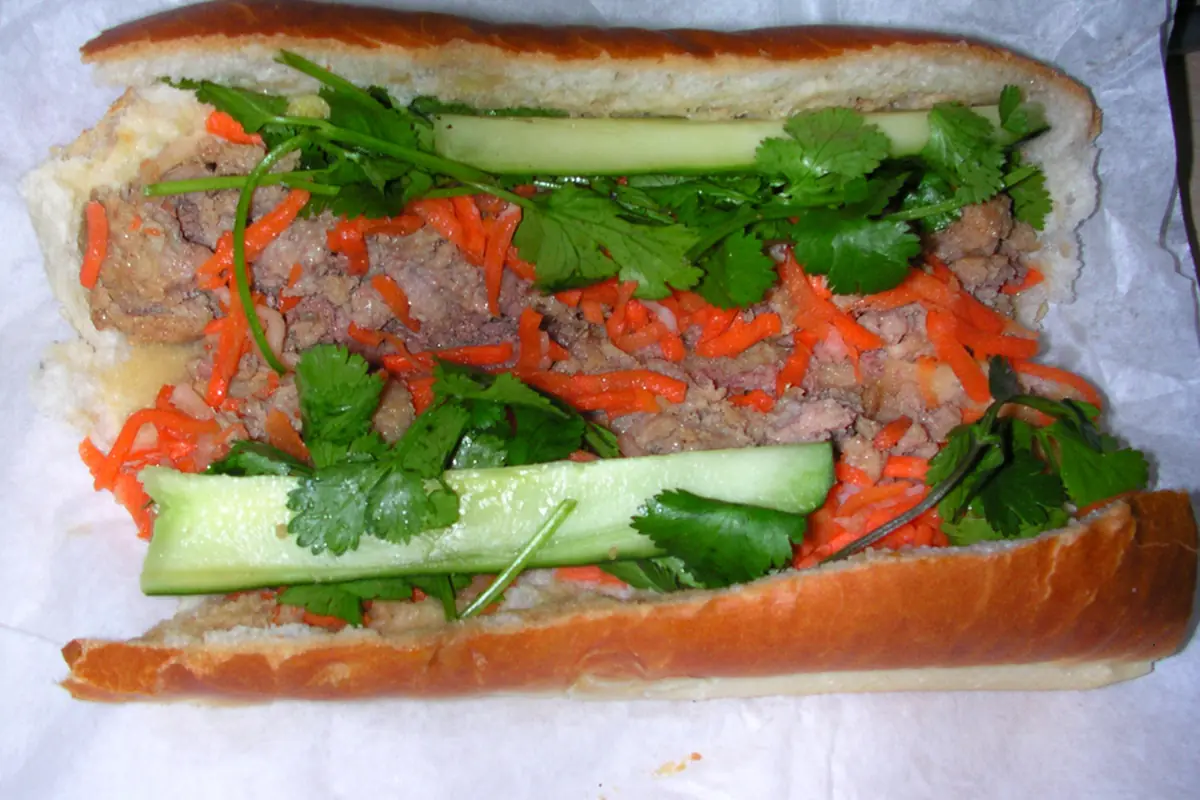
The second is treating the price of a bowl as the total cost of a meal. Some shops bundle bread, others may add it separately. Old photos and menus can also show outdated figures. Budget with the 2026 prices above, then check the menu at the shop.
The third is searching for “79” without a street. In Da Lat, that number appears in the names of different food businesses. Write down 119C Nguyễn Văn Trỗi when you want 79 Cô Trúc. Numbers 26 and 37 Hoàng Diệu cause the same confusion for Bé Linh, so check the actual sign when you reach the street.
The fourth is arriving at the last minute. A shop that says it closes at noon might finish its last bowl earlier. Build some flexibility into your morning, particularly on weekends. Keep a second address in the same neighborhood in case the first place is closed or sold out.
A simple decision for your first Da Lat breakfast
One bowl at one shop is enough to see why locals and travelers love this dish. Pick a nearby address, eat the meatballs while the broth is warm, and add enough bread for your morning ahead. Which shop fits your route tomorrow?
FAQ
Where can I find the best banh mi xiu mai in Dalat near the market?
Thu Còi at 2/2 Nguyễn Văn Cừ and 79 Cô Trúc at 119C Nguyễn Văn Trỗi are both close to the market. Choose the one closest to your hotel and check its morning opening hours.
What is banh mi xiu mai, and is it a sandwich?
Da Lat's familiar version is a bowl of pork meatballs in savory hot broth, served with a crusty baguette for dipping. It is normally eaten as bread and broth together rather than as a filled sandwich.
How much does banh mi xiu mai cost in Da Lat in 2026?
Most shops charge about VND 15,000-30,000 per serving, with fuller sets costing more. With extra toppings or a drink, budget around VND 35,000-60,000 per person.
Should I go to Hoàng Diệu early to avoid a queue?
Arriving around 6:30-7:15 a.m. means less waiting. Hoàng Diệu shops such as Bé Linh get busy in the morning, especially on weekends, and another shop is only a few steps away.
What should I order for a filling Dalat breakfast?
Start with a regular xíu mại bowl and its baguette. Ask how many meatballs and pieces of bread are included. Add another baguette, a fried egg, or sausage if the shop sells them and you are still hungry. Hot soy milk is a common drink option.